
Bean and Chickpea Salad Recipe
Published · Updated
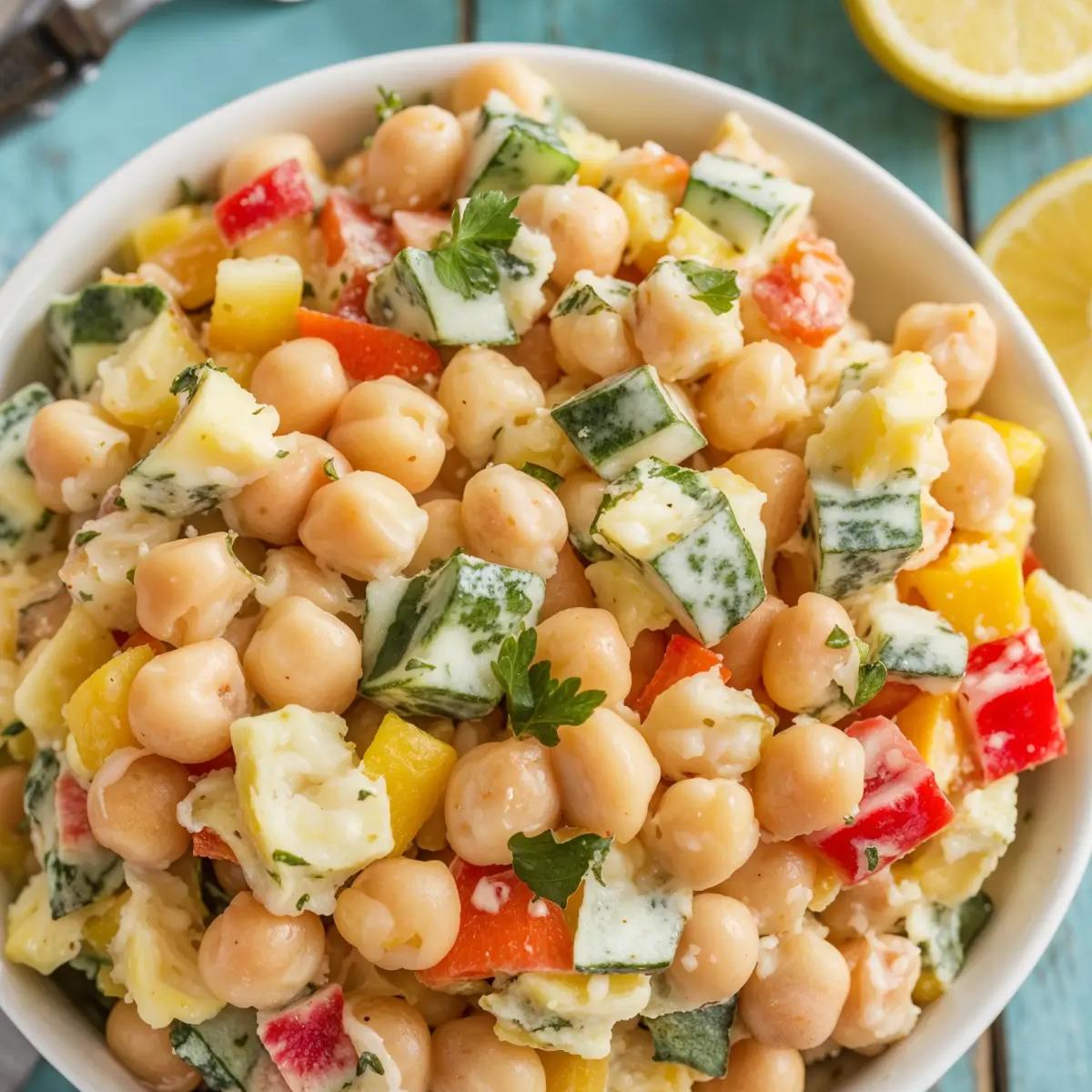
A protein-rich salad bursting with vibrant beans and crisp veggies, finished with a zesty lemon dressing. Quick, nutritious, and perfect for any season!
Jump To Recipe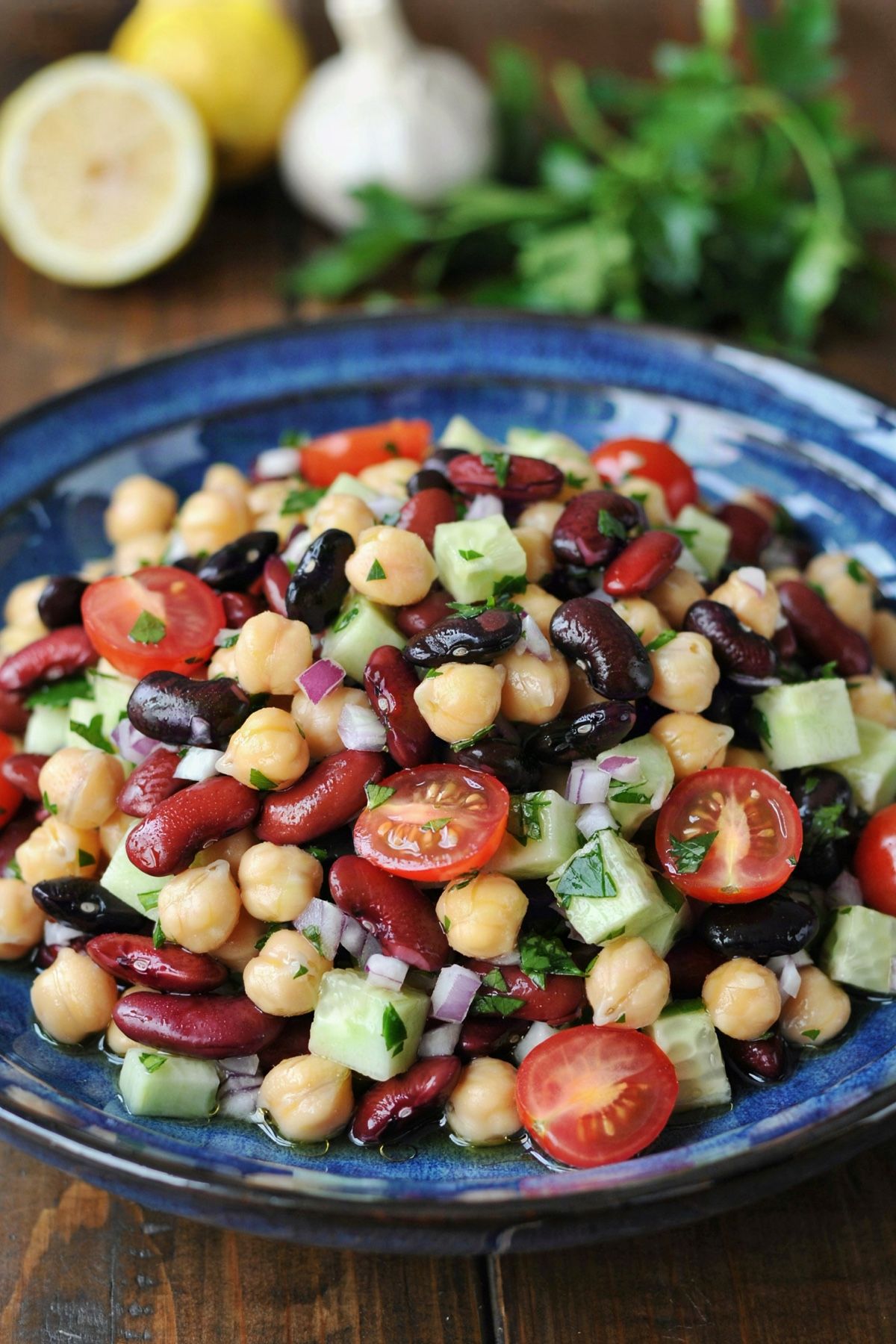
Why This Is My Go-To Protein Salad
I’m always on the lookout for meals that strike a balance between bold flavors, hearty nutrition, and ease of preparation. This bean and chickpea salad checks all those boxes and then some. It’s the first thing I reach for on warm days, those moments when I want substance but not a heavy meal.
What I like about this salad is the dynamic contrast in textures and the way the tangy dressing brings it all together. You get the creamy, nutty base from chickpeas, a satisfying bite from kidney and black beans, with fresh crunch and zing from cucumbers, tomatoes, and red onion.
Reasons this salad stays in my rotation:
- Quick: about 20 minutes of hands-on work, and the beans marinate while you do something else.
- Packed with plant-based protein and fiber.
- The dressed beans keep for days and actually taste better after some fridge time.
- Can be doubled for a crowd or meal-prepped for the week.
If you want to spice it up, a pinch of smoked paprika in the dressing does wonders. You can dial up the veggies, swap beans based on what you have at hand, or even throw in some feta for a Mediterranean twist.
I really do keep this on repeat not just as a salad but also as a wrap or stuffed into pita when I want a grab-and-go lunch. So fresh, satisfying, and easy. What’s not to love?
The story
Bean and Chickpea Salad Has Two Family Trees
Two older dishes meet in this bowl, and they could hardly be more different. The first is balila, eaten across Lebanon and the wider Levant: chickpeas simmered until tender, lifted out hot and dressed at once with lemon juice, crushed garlic, cumin and olive oil. Its name is usually traced to an Arabic word for soaking, after the night the dried chickpeas spend in water. It turns up on the mezze table and at breakfast, scooped up with flatbread, and it is served warm, because that is when the chickpeas drink in the dressing.
The second is American three-bean salad. The food writer Jean Anderson remembered meeting it in the 1950s and went looking for an earlier recipe in the cookbooks of the century without finding one. Sylvia Lovegren, who charted American food fads, points to a recipe from the canner Stokely-Van Camp as a likely spark. It was green beans, wax beans and kidney beans straight from the can, with onion and bell pepper in oil, vinegar and plenty of sugar. It became the cookout salad of its day for a practical reason: with no mayonnaise in it, it could sit out at a picnic.
Add a can of garbanzos and you had four-bean salad, which is how the chickpea got into the American bean bowl. The version sold in American delis and supermarkets today, often under the name balela, sits between the two families: chickpeas and black beans with tomato, parsley and lemon. The black bean gives it away. Like the kidney bean, it is a bean from the Americas that only crossed the Atlantic after Columbus, while chickpeas were among the first crops farmed in the Near East, more than ten thousand years ago.
This recipe takes the convenience from one side of the family and the technique from the other. The beans come out of cans, as they did at every 1950s picnic, but the firm ones are warmed and dressed while still hot, the way balila is, so the seasoning gets inside the bean rather than sliding off it. The sugar is gone, and lemon does the job the vinegar did. Neither ancestor was invented for vegetarians, and neither needed a single change to suit them.
What to buy
Ingredient Notes
Canned chickpeas
Brands vary more than you would expect, from firm and nutty to soft enough to crush against the roof of your mouth. For a salad, firmer is better, because the chickpea is the bean that has to keep its shape through warming and tossing. There is no need to peel them. Save the liquid from the can if you bake: it is aquafaba, the vegan stand-in for egg white in meringues and mayonnaise.
Black beans
The smallest and softest of the three, and the only one that sheds color. The dark liquid in the can will stain chickpeas a murky gray, so the black beans are rinsed on their own and go in cold and last. Warming them is a mistake: their skins split and they turn mealy. Once rinsed, they should look matte black with whole skins.
Kidney beans
Dark red kidney beans hold their shape better than light red ones, and both are firm enough to warm with the chickpeas. To swap them, cannellini, pinto, borlotti or butter beans all work. The rule is about texture rather than variety: a firm bean goes in the saucepan with the chickpeas, and a soft one goes in cold with the black beans.
Lemon juice
Squeeze it fresh. Bottled juice tastes cooked and faintly bitter, and a salad built on lemon has nowhere to hide that. Three tablespoons is one large lemon or one and a half small ones. Beans keep soaking up acid as they sit, so a bowl that tasted bright on the first day reads flatter on the third. Keep a wedge back for the finishing squeeze.
Garlic and cumin
One fresh clove, grated to a paste on a microplane, disappears into the lemon and seasons the whole bowl. If garlic powder is all you have, use a quarter teaspoon; a full teaspoon is the strength of about eight cloves and makes the salad harsh and dusty. The cumin is what balila is seasoned with, and half a teaspoon gives the beans an earthy warmth without reading as spiced.
Parsley and mint
Use flat-leaf parsley, leaves and the thin stems, which carry much of the flavor. Half a cup is not a garnish here: it is the green that stops three cans of beans tasting heavy. The mint is optional, but delis selling balela usually add it, and two tablespoons is enough to notice. Both go in at the end, because chopped herbs darken and wilt overnight in lemon.
Refreshing Bean and Chickpea Salad
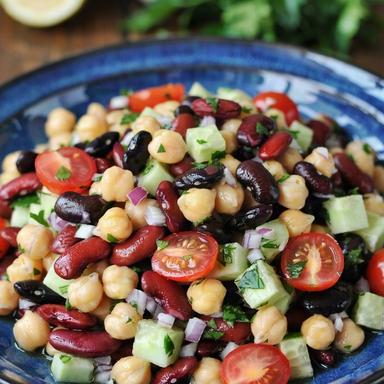
A colorful salad featuring chickpeas, kidney beans, black beans, crisp veggies, and a tangy lemon dressing.
Ingredients
Equipment
As an Amazon Associate I earn from qualifying purchases, at no extra cost to you.
Instructions
- 1
Steep the onion in the dressing
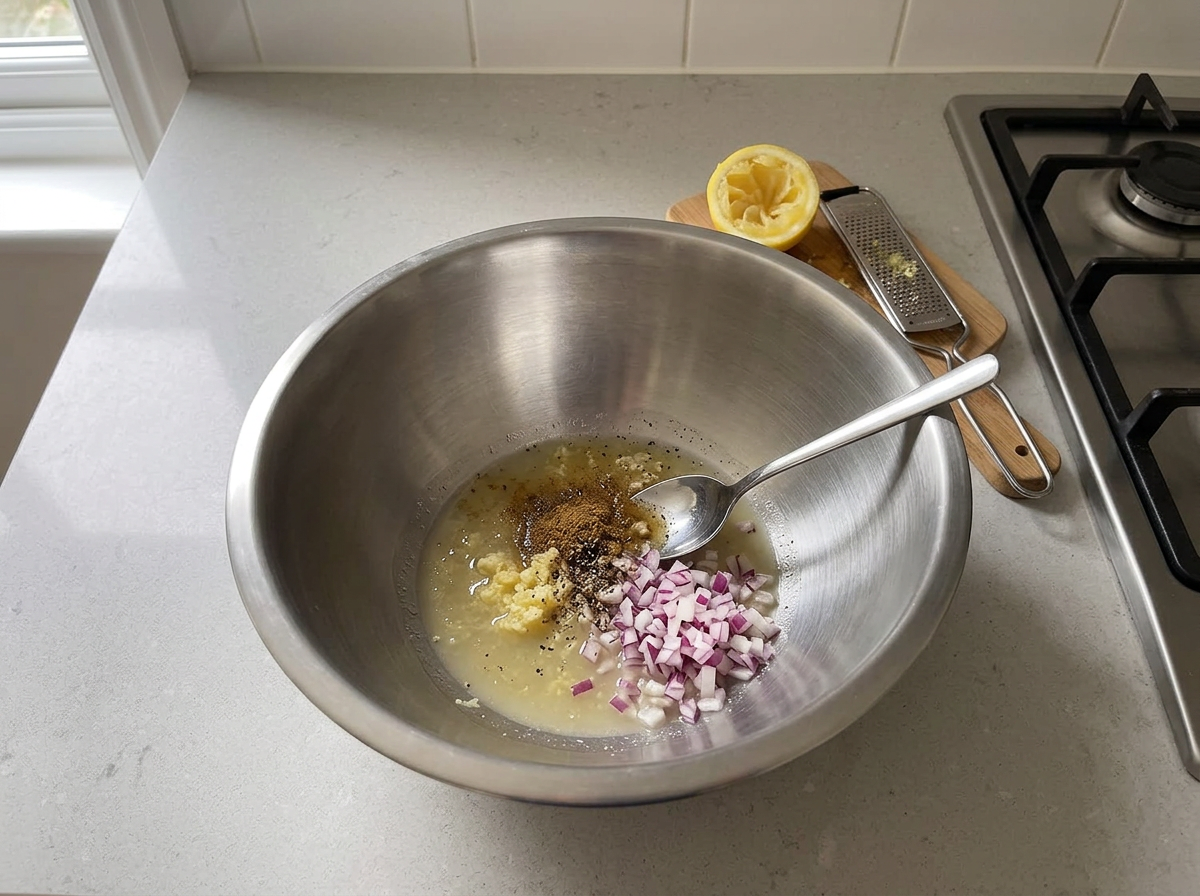
In a large bowl, stir together the lemon juice, grated garlic, cumin, salt and pepper. Add the red onion, stir, and leave it while you get on with the beans. Ten minutes in salted lemon juice takes the sharpest edge off the raw onion.
- 2
Rinse the beans, black beans last
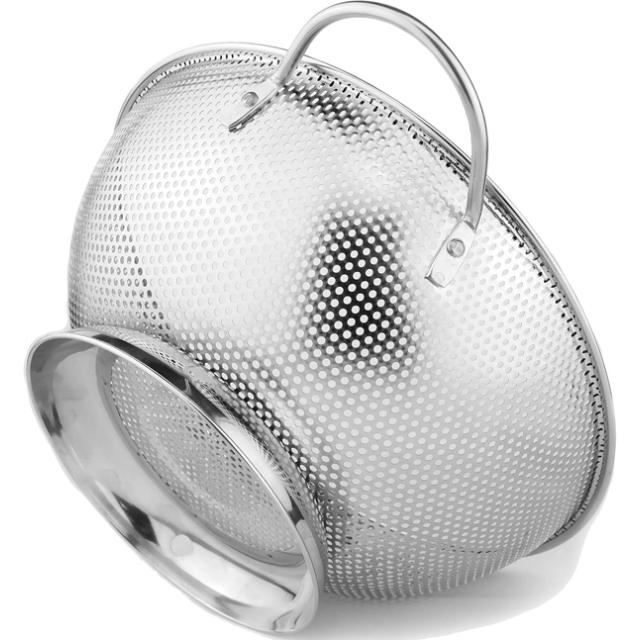
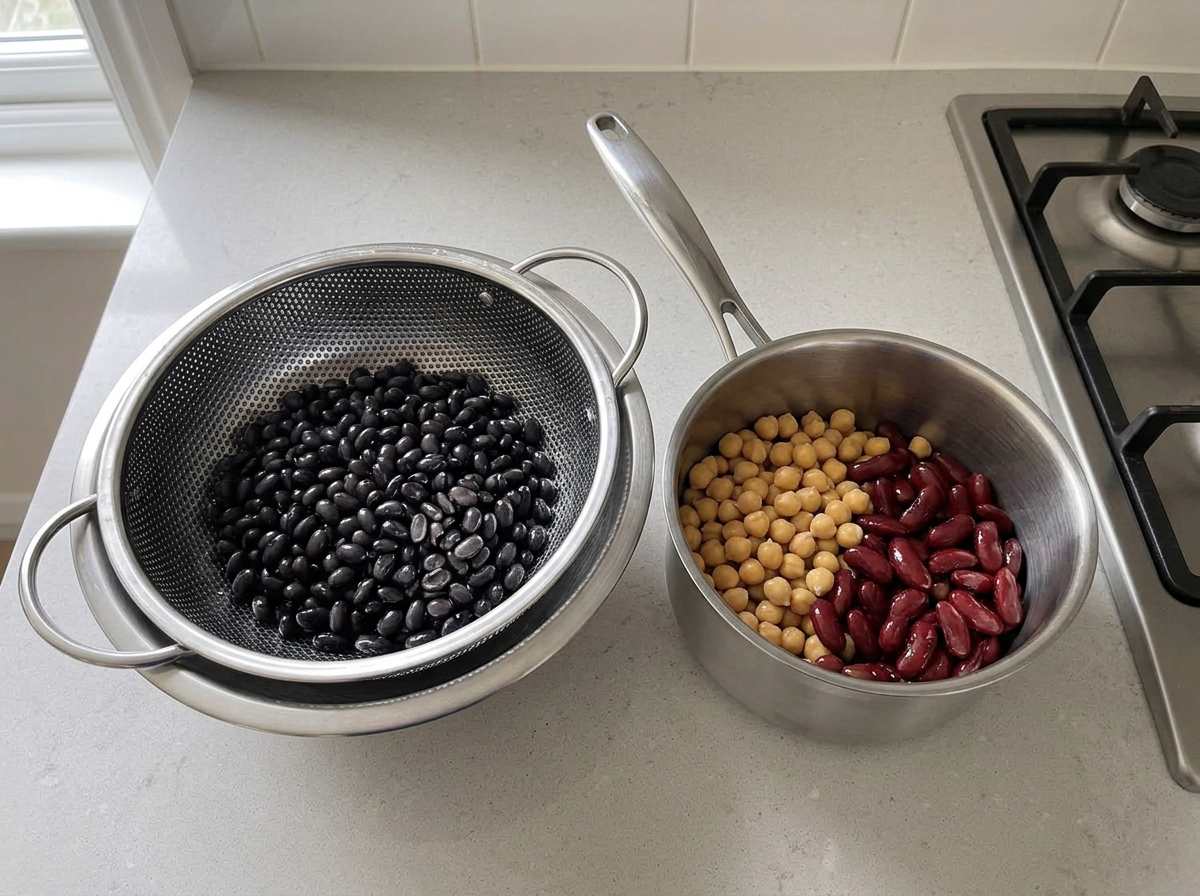
Tip the chickpeas and kidney beans into a colander and rinse under cold water until the foam stops, then move them to a saucepan. Rinse the black beans in the same colander, on their own, until the water runs clear rather than gray, and leave them there to drain.
- 3
Warm the chickpeas and kidney beans
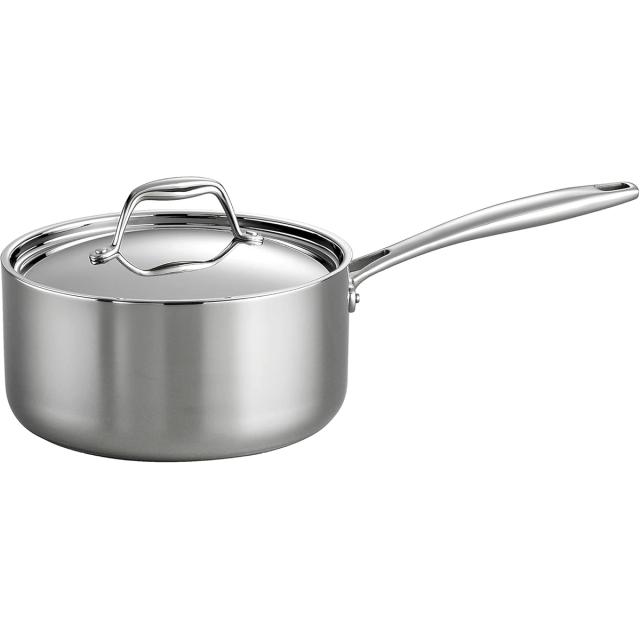
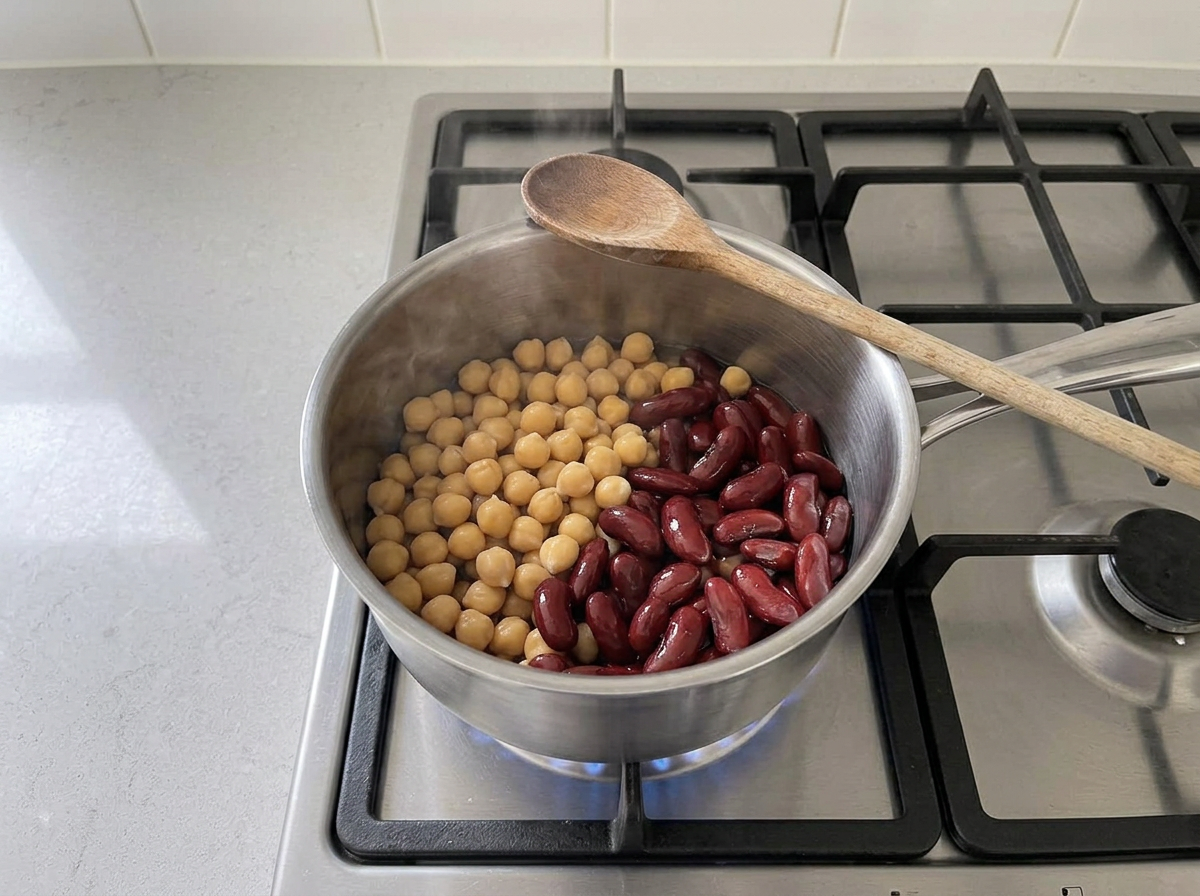
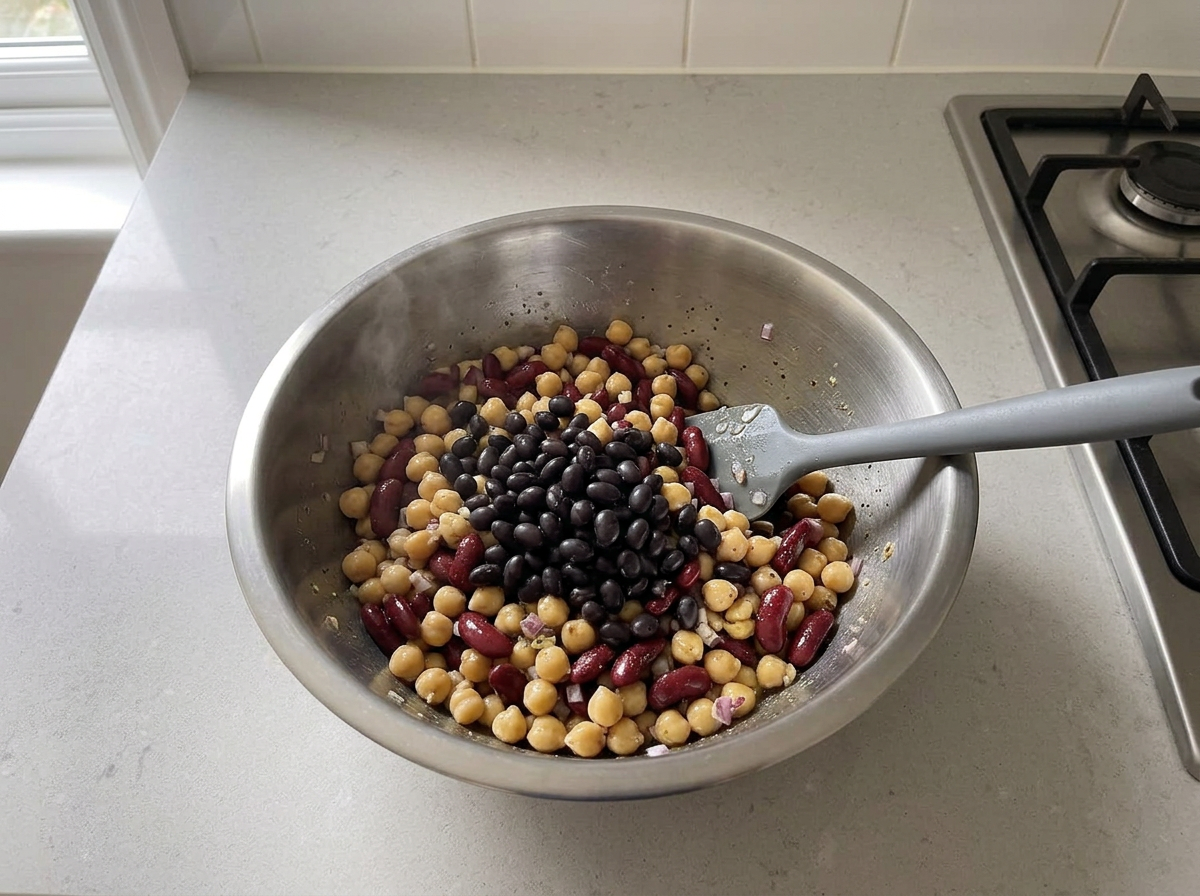
Add 2 tablespoons of water to the saucepan and warm the chickpeas and kidney beans over medium heat for 2 to 3 minutes, stirring once or twice, until they are hot right through. Drain off any water left in the pan. The black beans stay cold.
- 4
Dress the beans while they are hot
Tip the hot beans straight into the bowl of onion and dressing, pour over the olive oil and toss well. Fold in the drained black beans gently, so they keep their skins. Cover and refrigerate for at least 30 minutes; the beans take in the lemon and salt as they cool.
- 5
Fold in the vegetables and herbs
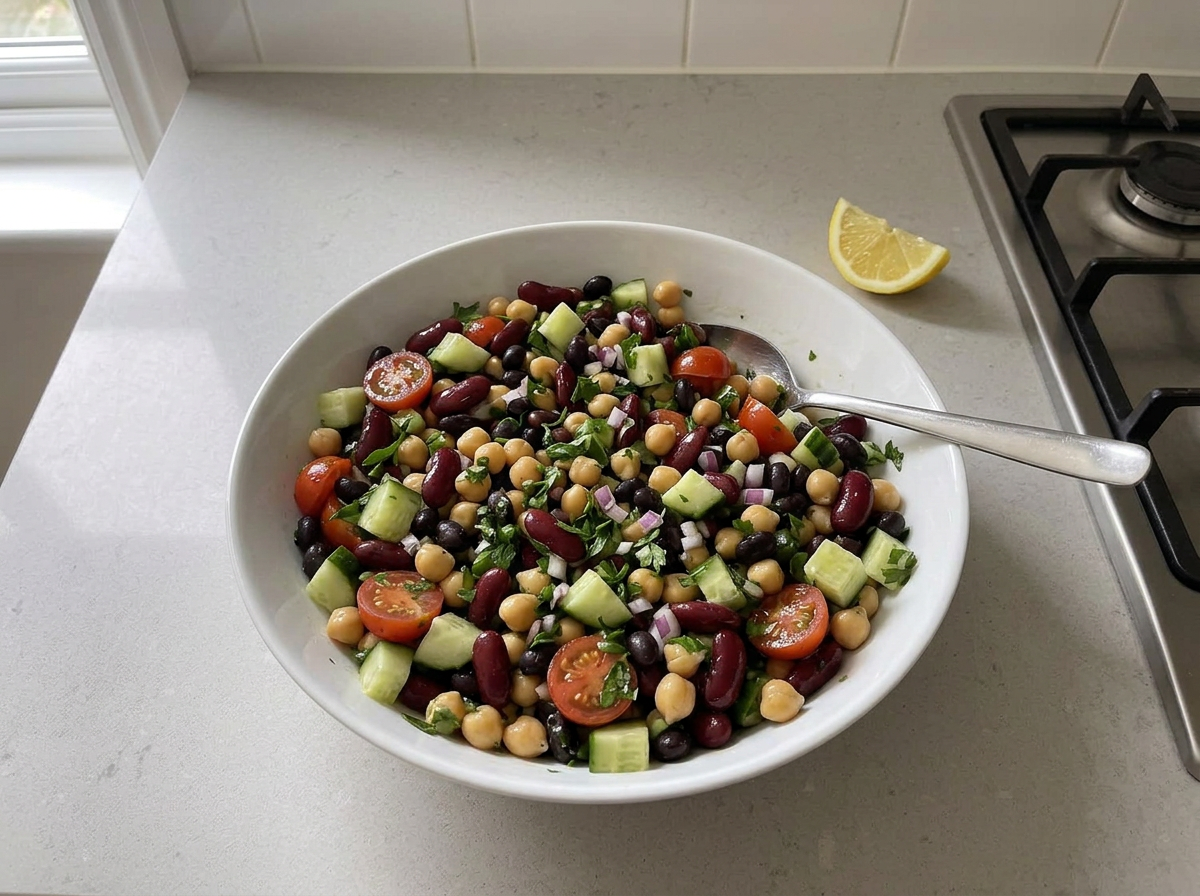
Just before serving, fold the cucumber, cherry tomatoes and parsley into the beans, with the mint if you are using it. Taste a chickpea rather than the dressing, and add salt or a squeeze of lemon until the bean itself tastes seasoned.
Notes
No saucepan free? Warm the chickpeas and kidney beans in a covered bowl in the microwave for about 90 seconds instead.
Crumbled feta or a handful of halved Kalamata olives, added at the end, take it further toward the Mediterranean. Feta makes it vegetarian rather than vegan.
A pinch of smoked paprika in the dressing gives it a faintly grilled flavor that suits a cookout.
Nutrition Facts
4 servings · 338 g per serving
- Calories
- 408 kcal
% Daily Value*
- Total Fat
- 16.5 g21%
- Saturated Fat
- 2.3 g12%
- Sodium
- 746 mg32%
- Total Carbohydrate
- 51 g19%
- Dietary Fiber
- 15.8 g56%
- Sugars
- 6.1 g—
- Protein
- 17.3 g35%
Recipe from veggierecipes.blog
When it goes wrong
Troubleshooting
The beans taste of nothing, even though the dressing tastes good
Cold beans straight from the can get coated in dressing rather than seasoned by it, so every bite is sharp outside and bland inside. Warm the chickpeas and kidney beans and tip them into the dressing while still hot; as they cool they draw the lemon and salt in. Then taste a chickpea, not the dressing, before deciding it needs more salt.
The chickpeas turned gray and the dressing looks muddy
That is the black beans. Their canning liquid is inky and starchy, and one quick rinse of all three beans together leaves enough behind to stain everything. Rinse the black beans separately until the water runs clear, drain them well, and fold them in last. The same starch clouds the dressing, which is why every bean gets rinsed until the foam stops.
By the next day there was a pool of water at the bottom
The cucumber and tomatoes went in too early. Salt and lemon pull water out of both, and over a day in the fridge it collects in the bowl and dilutes the dressing the beans were soaking up. Make the bean base ahead and fold the vegetables in on the day. If it has already happened, tip off the liquid and add a pinch of salt and a squeeze of lemon.
Straight from the fridge it tastes dull and greasy
Cold mutes flavor, and olive oil clouds and thickens at fridge temperature, coating the beans in a waxy film. Neither is a fault. Take the bowl out 15 to 20 minutes before serving and toss it, and the oil turns clear again. Beans also keep absorbing acid as they sit, so a second-day salad usually wants a fresh squeeze of lemon.
The black beans split and went mushy
They were warmed with the others, or stirred hard. Canned black beans are softer than chickpeas or kidney beans and their skins split easily. Leave them out of the saucepan and fold them in with a spatula rather than stirring with a spoon. A few split beans are normal; if most of them have gone, the brand is a soft one, and a firmer brand fixes it.
Before you serve
Serving & Storage
Balila is eaten warm, and so can this be. Fold the vegetables in as soon as the beans are dressed and serve it with warm flatbread, the way it appears at a Lebanese breakfast or on a mezze table beside hummus, olives and pink pickled turnips. Cold, it goes where three-bean salad always went: to the cookout, next to grilled corn and veggie burgers. With no mayonnaise in it, it holds up better outdoors than a potato salad, though the usual two-hour limit for food left out still applies.
For lunch, pile it over greens, stuff it into pita with a spoonful of tahini, or roll it into a wrap. Add avocado only to the portion you are about to eat, because it browns and smears through the rest of the bowl.
Making it ahead
Make it in two stages. The dressed beans, through step 4, keep for up to 4 days in a covered container in the fridge, and they improve over the first day or two. Chop the cucumber and tomatoes on the day, or the night before if you keep them in a separate container, and fold them in with the herbs just before serving. For a potluck, carry the base and the vegetables separately and combine them when you arrive.
Storing leftovers
Once the vegetables are in, eat it within 2 days. Tip off any liquid that collects before serving it again, and refresh it with a squeeze of lemon and a pinch of salt. Do not freeze it: the cucumber and tomatoes collapse as they thaw and the beans turn mealy.
Still wondering
Frequently Asked Questions
Is this salad suitable for vegan and gluten-free diets?
Yes. As written it is vegan and gluten-free, with about 17 grams of protein and 16 grams of fiber a serving. Feta, if you add it, makes it vegetarian rather than vegan.
Can I use dried beans instead of canned?
Yes. Each 15 oz can holds about 1 1/2 cups of drained beans, and dried beans roughly triple as they cook, so start with about 1/2 cup dried of each. Cook the black beans in their own pot so they do not dye the others. Home-cooked beans are already hot when you drain them, so skip step 3 and dress the chickpeas and kidney beans straight from the pot, which is exactly how balila is made.
How many people does it feed?
Four as a main-course lunch, or six to eight as a side at a barbecue. It doubles and triples cleanly. Use a wider pan for the warming step so the beans heat through in the same few minutes, and hold back a little of the lemon to add at the end, because a big bowl is easier to correct upward than down.
More Protein-Packed and Colorful Salads
Made this?