
Vegan Caesar Salad Recipe
Published · Updated
Creamy, crunchy and fully plant-based: capers and miso give this vegan Caesar its savory bite, with garlic-oil croutons baked while the cashews soak.
Jump To Recipe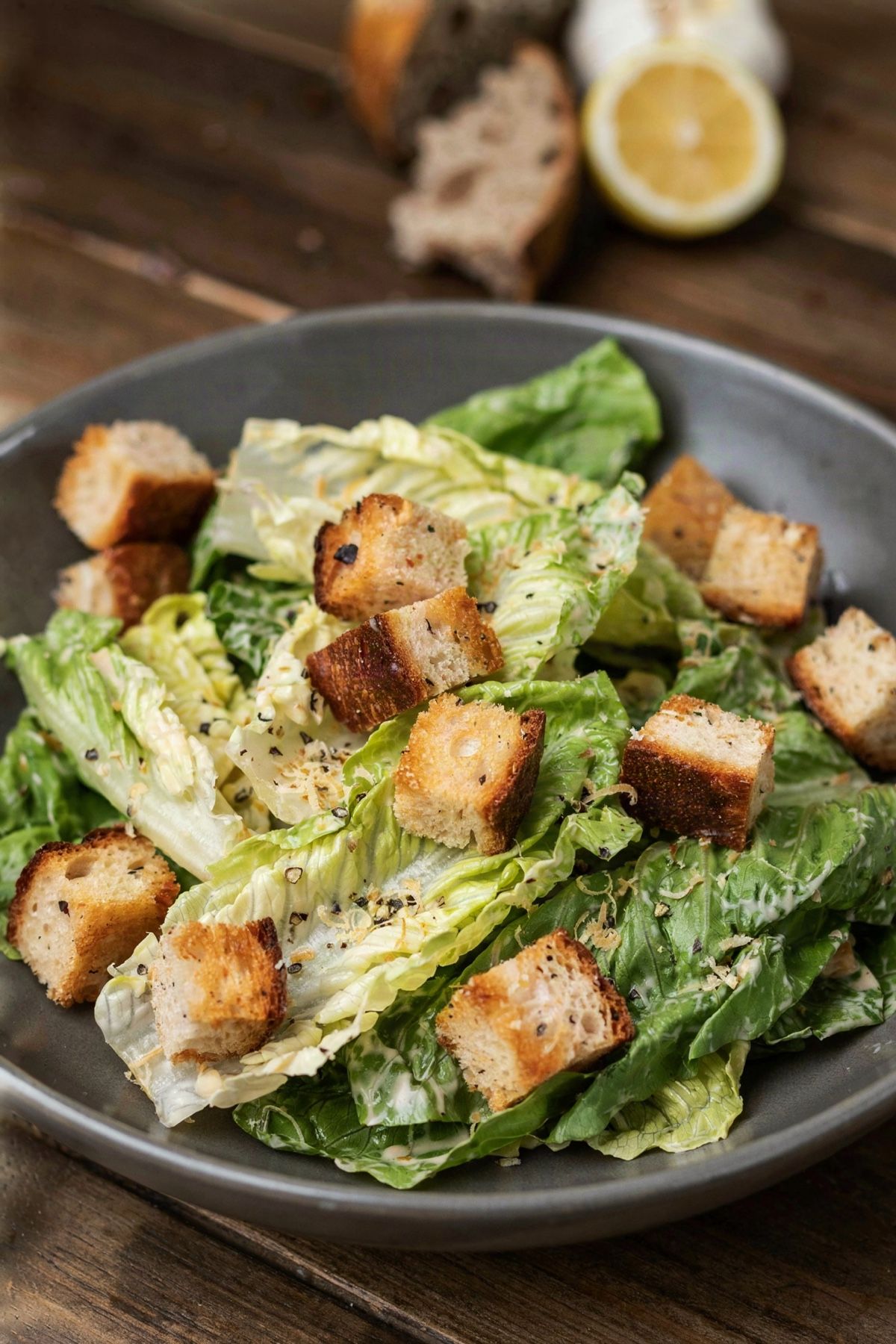
Why I Love This Vegan Caesar Salad
Caesar salad is a classic for a reason, but the plant-based twist on this one truly impressed me. The creamy cashew dressing hits all the right notes for that iconic Caesar tang, and the nutritional yeast adds a beautifully cheesy vibe, all while staying entirely dairy-free.
If you want something quick, healthy, and satisfying, this is a go-to salad. Romaine keeps things crisp, the croutons bring a hefty crunch, and everything is on the table in about 30 minutes. No anchovies, no eggs, just plant-based simplicity that tastes way bigger than the sum of its parts.
What I like most about this salad is how versatile it is:
- as a quick lunch on busy days
- as a side alongside grilled or roasted veggies
- tossed with cherry tomatoes or avocado for extra nutrition
The dressing is honestly addictive. I sometimes make extra for grain bowls or roasted potatoes. If you want a bit more zip, a dash of hot sauce does wonders.
If you’re looking for a simple, healthy salad that doesn’t skimp on flavor, this vegan Caesar is absolutely worth making. And don’t forget that final sprinkle of nutritional yeast for that extra pop of flavor.
The story
The First Caesar Salad Had No Anchovies
Caesar salad is Mexican by birth and Italian by parentage. Caesar Cardini, an Italian immigrant who ran restaurants in San Diego, opened Caesar’s in Tijuana to catch Americans crossing the border for a legal drink during Prohibition. The story his family told is that on July 4, 1924, a holiday rush emptied the kitchen, and Cardini built a salad from what was left and tossed it at the table to make a show of it.
What he served is not quite what most restaurants serve now. Whole romaine leaves, meant to be lifted by the stem and eaten with the fingers, were tossed with olive oil, lemon, salt, pepper, a coddled egg, Parmesan, Worcestershire sauce and croutons made with garlic-infused oil. Julia Child ate it there with her parents in the 1920s and later published her own version.
The anchovies came later. Cardini’s daughter Rosa maintained that her father left them out on purpose, along with mustard, because he found them too bold. The faint fishy depth of the original had a single source, the Worcestershire sauce, which is brewed with anchovies. Fillets in the bowl arrived with later versions, and that heavier style is the one most modern recipes follow.
That changes what a vegan Caesar has to do. Leaving the fish out is not a compromise on the original, because Cardini did it himself. The job is to rebuild what each ingredient contributed. The egg made the dressing creamy and helped it cling, which soaked cashews do here. Parmesan brought salt and an aged, savory depth, which comes from nutritional yeast and a spoonful of white miso. Worcestershire brought the briny, fermented edge, and capers with a splash of their brine cover it, with vegan Worcestershire as an option if you want the original note exactly.
The croutons are the part most recipes skip. Cardini’s were made with garlic oil rather than dusted with garlic powder, and they are the easiest thing on the plate to get right. Here a smashed clove steeps in the olive oil while you cut the bread, which gives the same gentle garlic flavor without scorched specks of garlic stuck to the cubes.
What to buy
Ingredient Notes
Raw cashews
Buy raw, unsalted cashews. Roasted ones taste of the roasting, closer to peanut butter than cream, and turn the dressing beige. Pieces are cheaper than whole nuts and blend exactly the same. The 15-minute hot soak is enough for most blenders; a high-speed one can manage unsoaked nuts, and if you think of it the night before, 4 hours in cold water gives the silkiest dressing of all.
Capers and their brine
Capers stand in for the anchovy, and their brine does half the work, so measure it before you drain the jar. The amounts assume small nonpareil capers in brine. Salt-packed capers are far saltier and come with no brine: rinse them well, replace the brine with an extra teaspoon of lemon juice, and hold back the added salt until you have tasted the dressing.
White miso
Use white or shiro miso, the pale, mild, slightly sweet kind. It supplies the aged depth that Parmesan gives a classic Caesar without the dressing tasting of miso. Red and brown miso are stronger and darker and will turn the dressing khaki; if that is all you have, use half the amount.
Nutritional yeast
Buy flakes, not powder. The amounts here are for flakes, and powder packs far more densely into a cup, so the same volume makes the dressing pasty and bitter. Brands vary in strength and saltiness, so taste before you settle the salt. The finishing sprinkle does what grated Parmesan does on top of a classic Caesar: a dry, savory hit on the first bite.
Bread for the croutons
Day-old sourdough or ciabatta makes the best croutons, because the sturdy crust and open crumb crisp all the way through. Soft sandwich bread shrinks into dense, hard pebbles. If you buy croutons instead, read the label. Caesar croutons almost always contain Parmesan, and plenty of plain ones use butter or whey, which is how a vegan Caesar quietly stops being vegan.
Vegan Worcestershire sauce
Regular Worcestershire, including Lea & Perrins, is made with anchovies, so check the label. Vegan versions leave out the fish and lean on the tamarind, vinegar and molasses the sauce already has. It is optional because the capers and miso cover its job, but a teaspoon brings back the spiced, fermented note of Cardini’s 1924 dressing, which had no other source of fish.
Vegan Caesar Salad
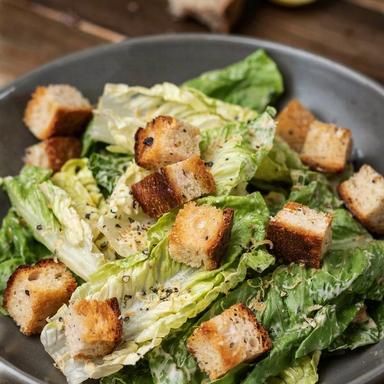
Crisp romaine, garlic-oil croutons and a creamy cashew Caesar dressing with capers and miso for the savory bite anchovies usually bring.
Ingredients
Equipment
As an Amazon Associate I earn from qualifying purchases, at no extra cost to you.
Instructions
- 1
Soak the cashews
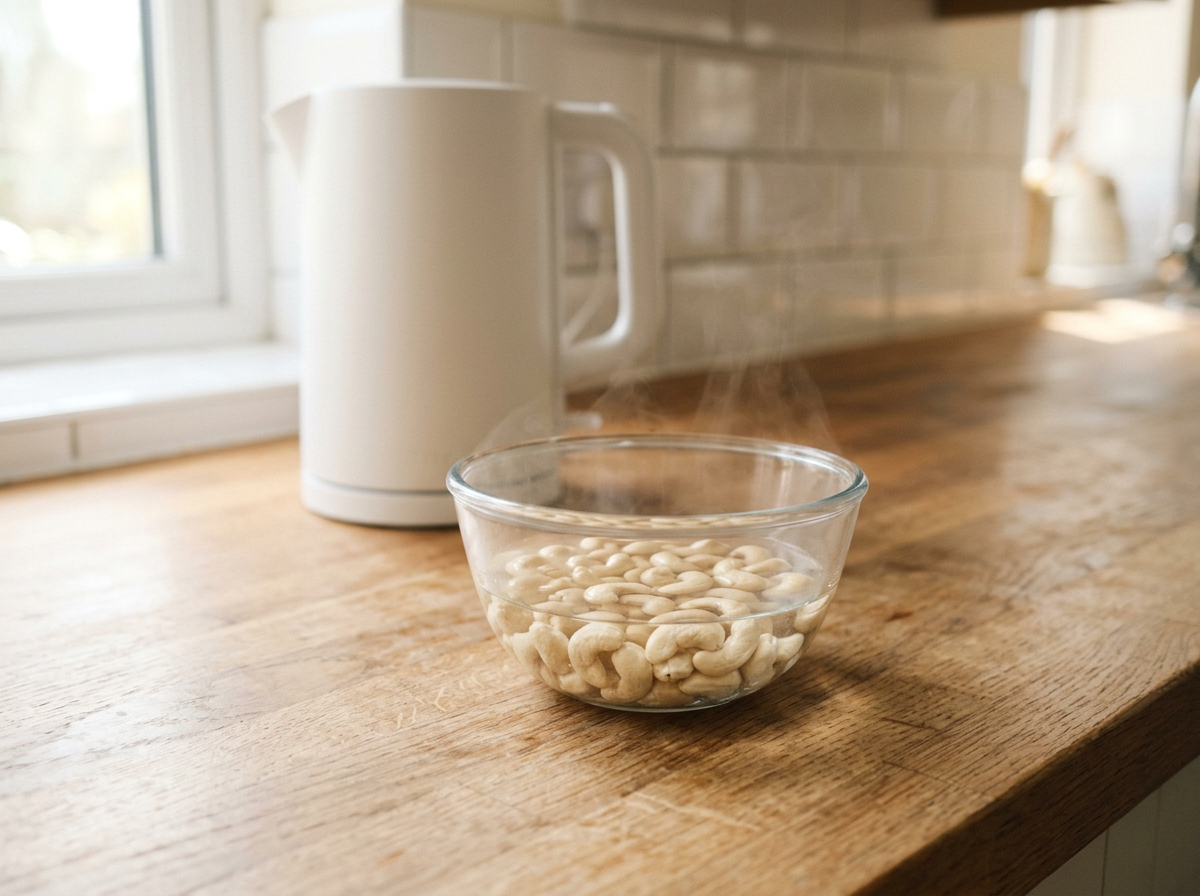
Heat the oven to 200°C (400°F). Put the cashews in a heatproof bowl, cover them with just-boiled water and leave them for 15 minutes while you make the croutons. If you soaked them in cold water for 4 hours ahead of time, drain them and skip this.
- 2
Infuse the oil and cube the bread
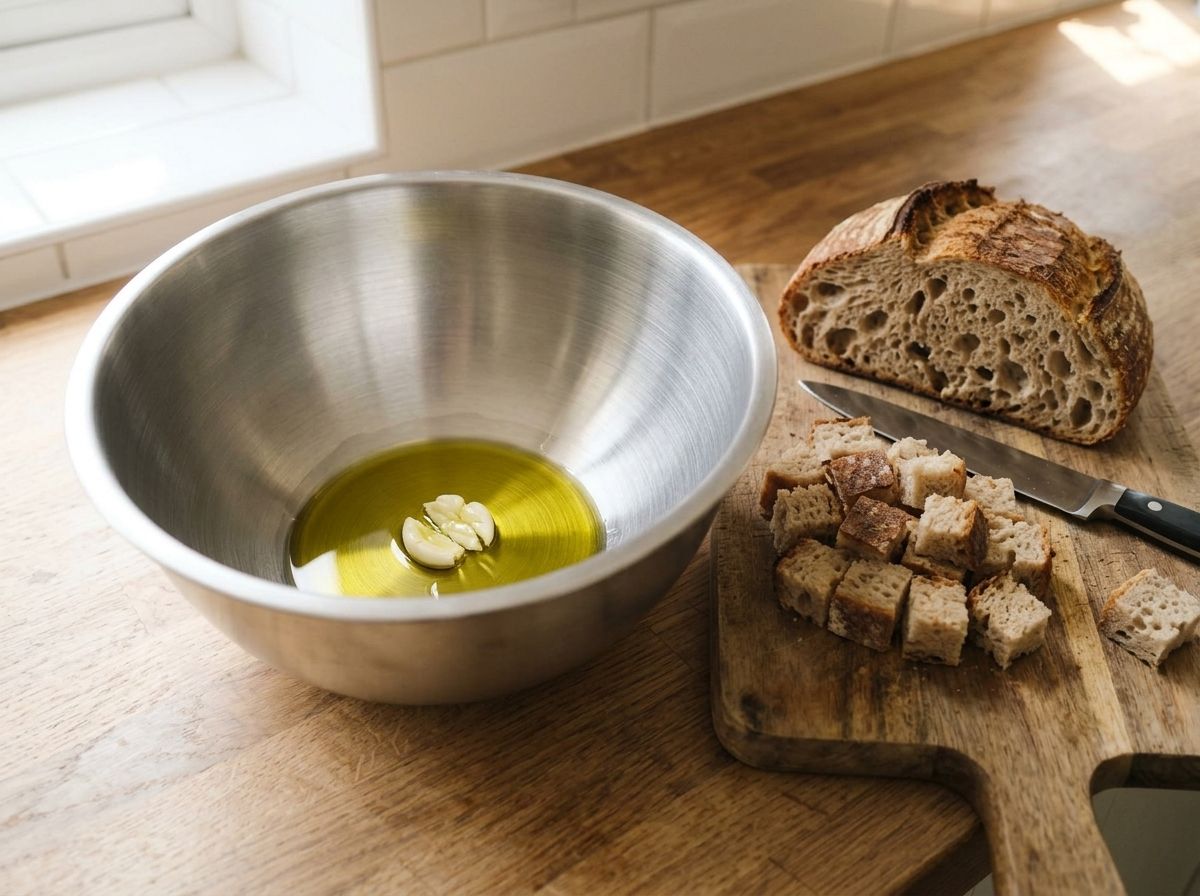
Smash one garlic clove with the flat of a knife and stir it into the olive oil for the croutons in a large mixing bowl with a pinch of salt. Leave it for 5 minutes while you cut the bread into 2 cm (3/4-inch) cubes, then lift out the garlic.
- 3
Bake the croutons
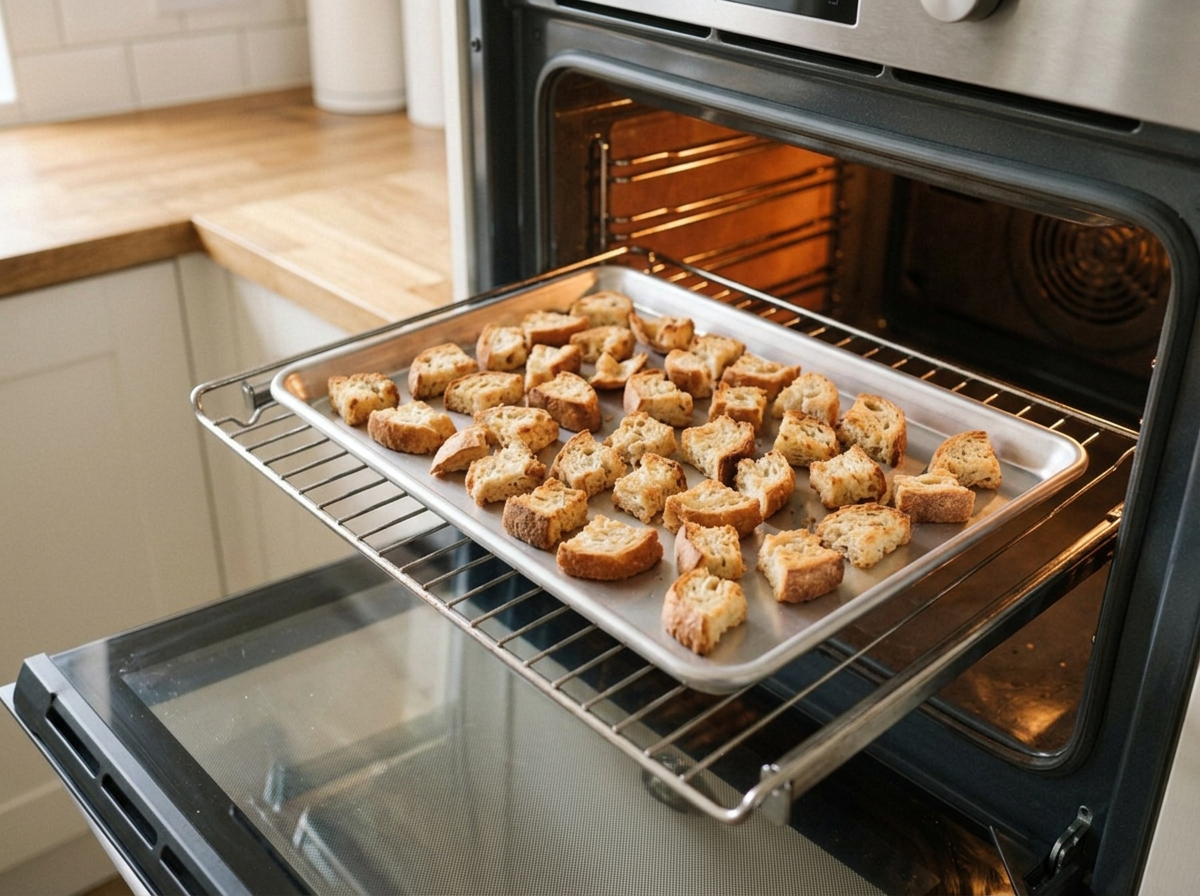
Toss the bread in the garlic oil until every cube has picked some up, spread it in one layer on a baking sheet and bake for 10 to 12 minutes, turning halfway, until golden outside and crisp right through when you break one open. Leave them on the sheet to cool; they crisp further as they cool.
- 4
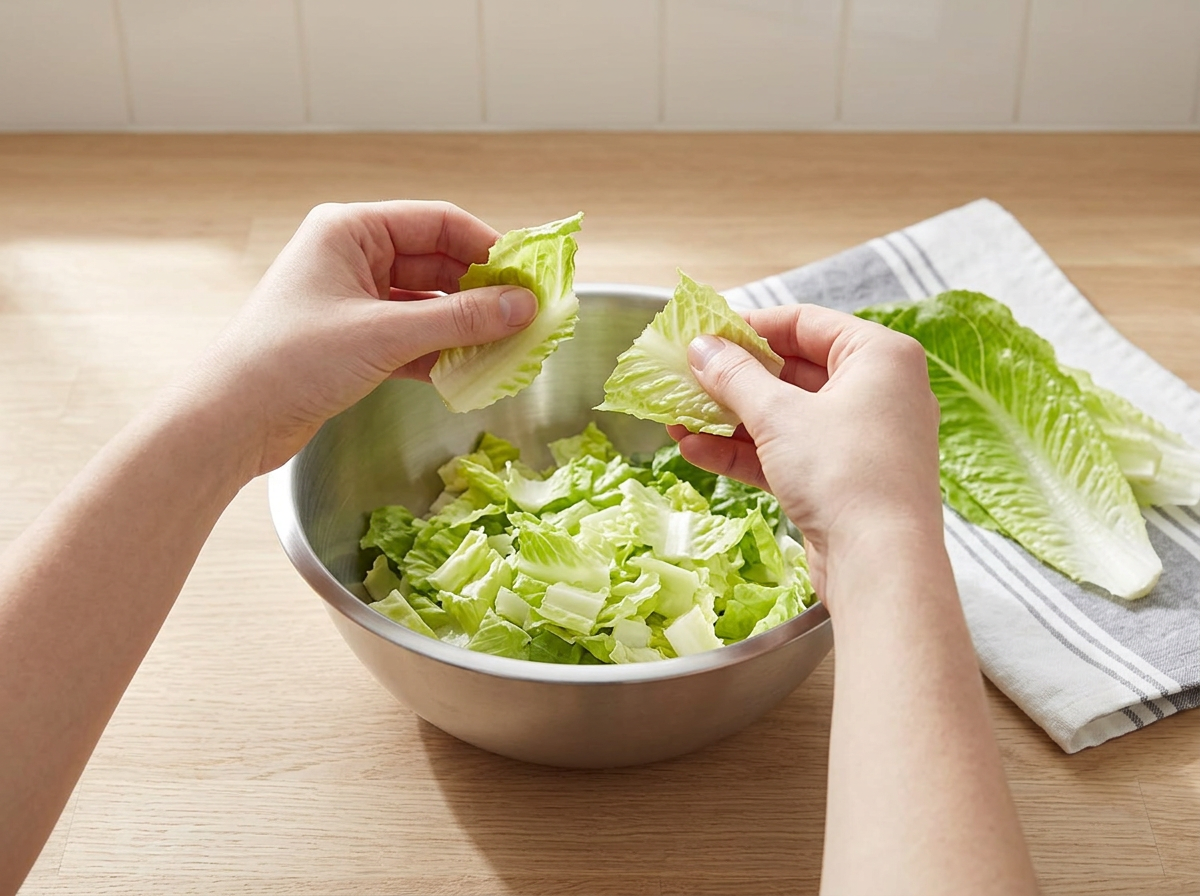
Wash, dry and tear the romaine
Separate the romaine leaves, wash them and dry them completely in a salad spinner or rolled in a clean kitchen towel. Tear them into large bite-size pieces and keep them in the fridge until the dressing is ready.
- 5
Blend the dressing
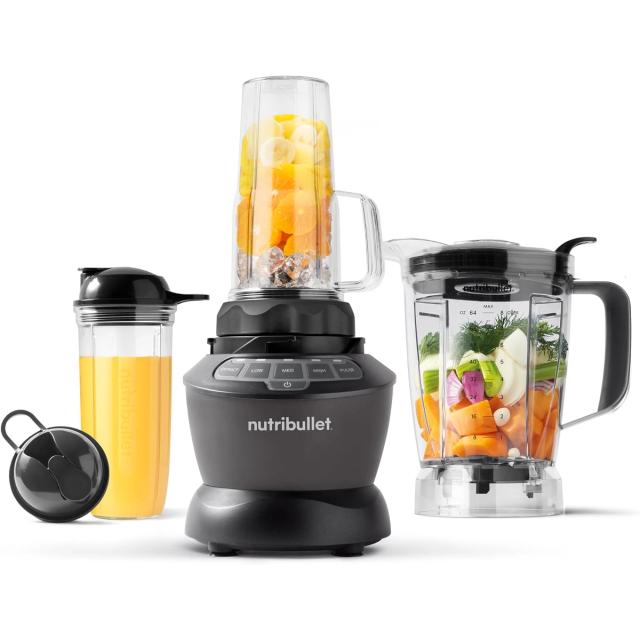
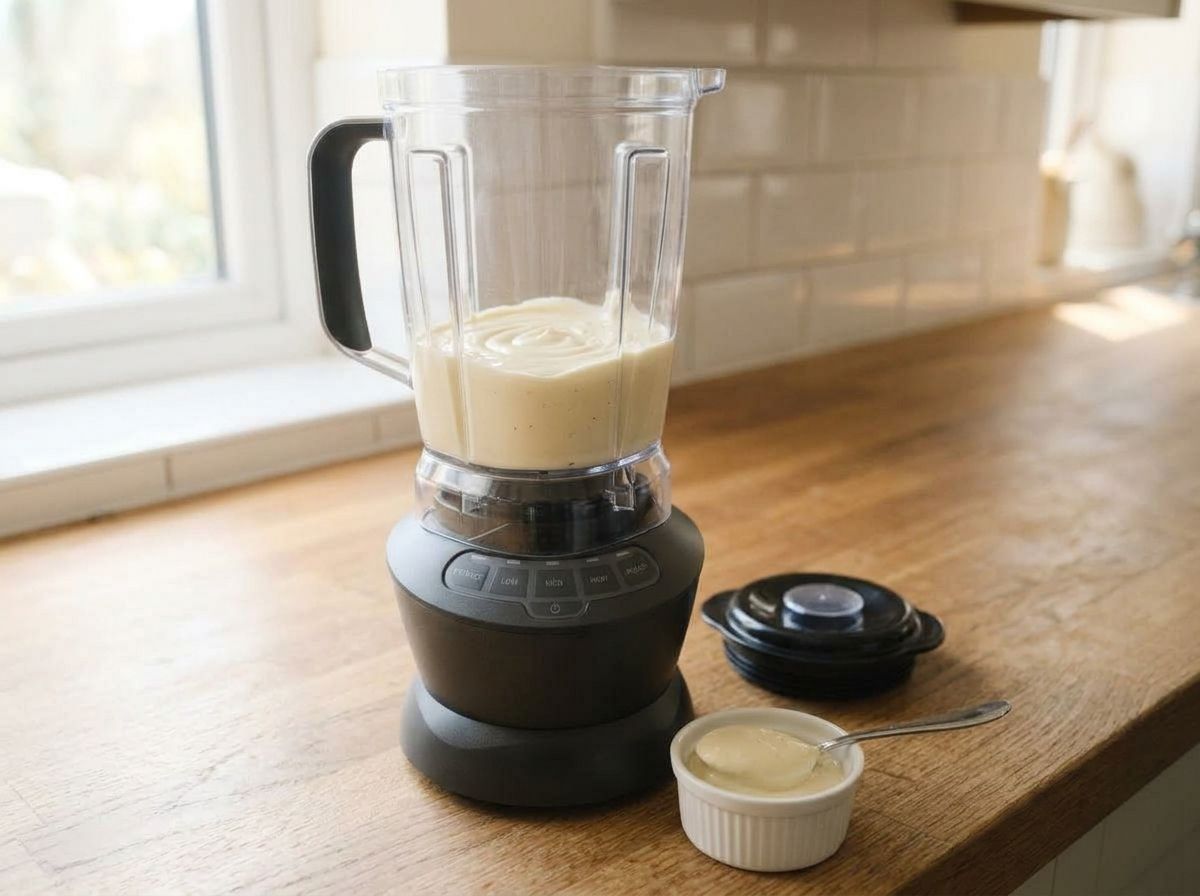
Drain the cashews and put them in the blender with the second garlic clove, the nutritional yeast, lemon juice, capers, caper brine, miso, mustard, olive oil for the dressing, salt, pepper, Worcestershire if using, and the cold water. Blend on high for 1 to 2 minutes, scraping down once, until completely smooth. Add more water a tablespoon at a time until it falls slowly off a spoon, like thick yogurt. Taste it on a piece of romaine and adjust the lemon and salt.
- 6
Dress the leaves
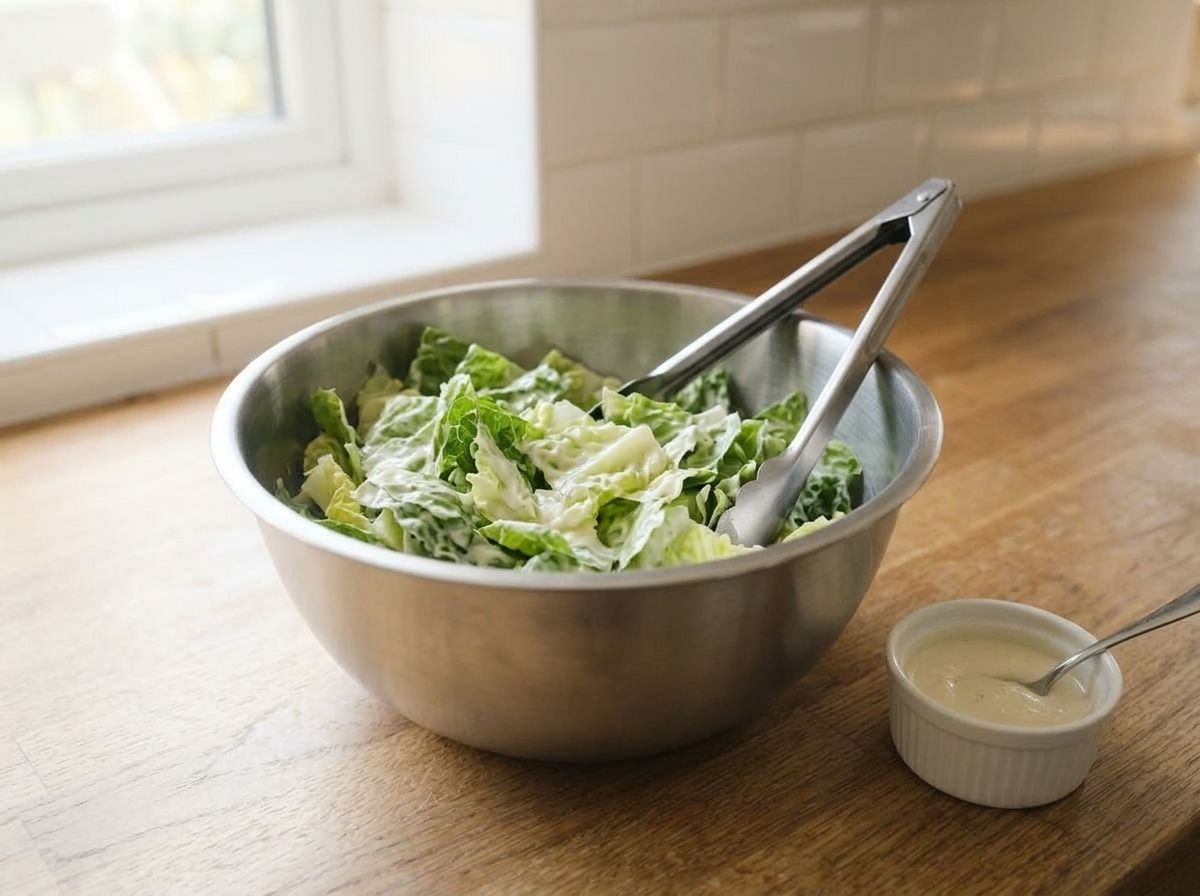
Put the cold romaine in a large bowl, add about three-quarters of the dressing and toss with your hands or tongs until every leaf is lightly coated. Add more only where leaves still look bare.
- 7
Add croutons and finish
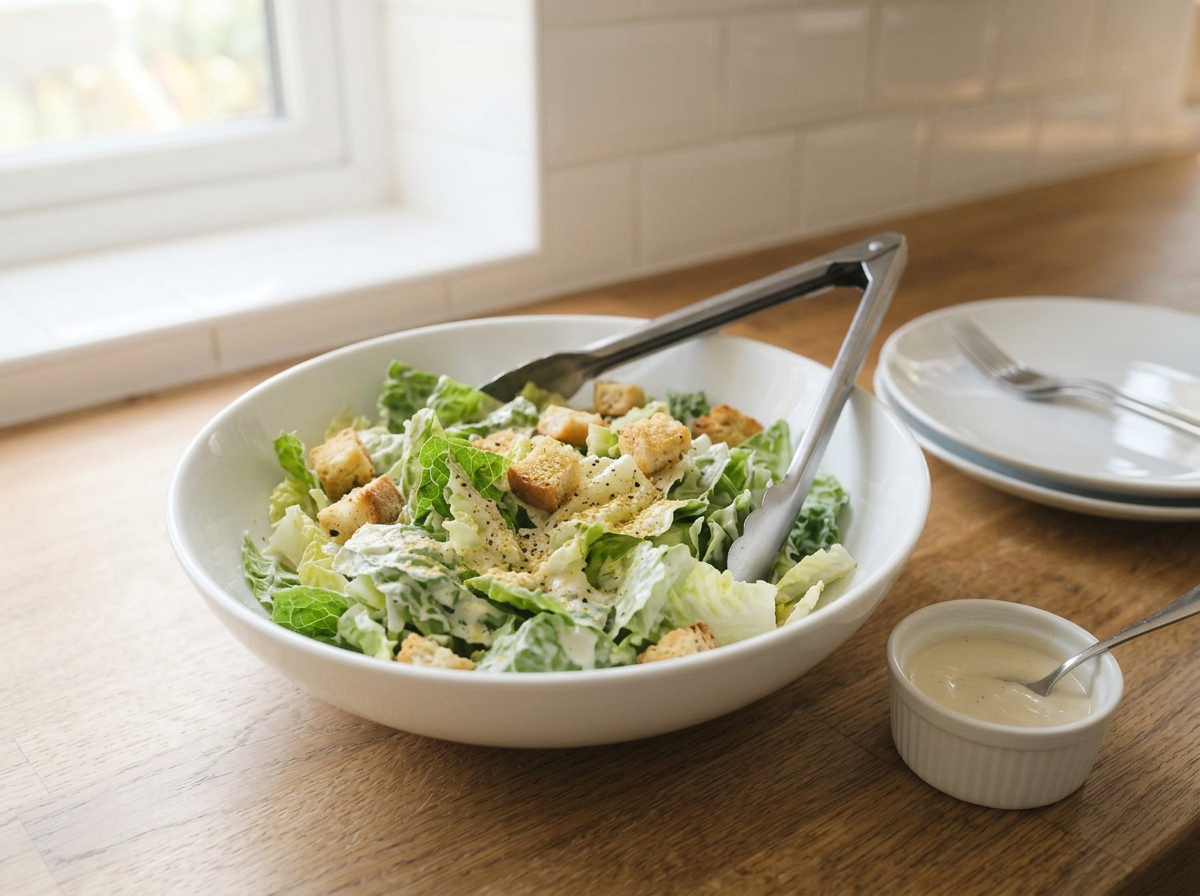
Scatter the croutons over the salad and toss once, then finish with the remaining nutritional yeast and a few grinds of black pepper. Serve straight away, with the rest of the dressing on the side.
Notes
Add cherry tomatoes or sliced avocado for extra color.
To make it a main course for two, add crisp roasted chickpeas or slices of baked tofu.
Nutrition Facts
4 servings · 242 g per serving
- Calories
- 403 kcal
% Daily Value*
- Total Fat
- 26.4 g34%
- Saturated Fat
- 4 g20%
- Sodium
- 612 mg27%
- Total Carbohydrate
- 33.3 g12%
- Dietary Fiber
- 6.1 g22%
- Sugars
- 4.7 g—
- Protein
- 12.4 g25%
Recipe from veggierecipes.blog
When it goes wrong
Troubleshooting
The dressing is gritty, not smooth
The cashews were not soft enough, or the blades could not reach them. Soak them in just-boiled water for the full 15 minutes, then blend for a full 2 minutes, stopping once to scrape down the sides. In a large blender jar a single batch can sit below the blades; if that happens, double the recipe and keep the extra for the week.
It tastes like cashew cream, not Caesar
It is short on salt and acid, which is where a Caesar gets its bite. Blend in another teaspoon of caper brine, then lemon juice a teaspoon at a time. Taste it on a torn piece of romaine rather than off a spoon: lettuce dilutes the dressing, so one that tastes right on its own tastes flat on the salad. From the spoon it should seem slightly too strong.
The dressing slid off and pooled in the bottom of the bowl
Water on the leaves. Even a thin film loosens the dressing and stops it sticking, so dry the romaine until no drops show. The other cause is a dressing blended too thin. It should fall slowly off a spoon like thick yogurt; if yours runs like milk, blend in a tablespoon of nutritional yeast to thicken it.
The croutons went soft
Either they sat in the dressing or they were never crisp in the middle. Add them after the leaves are dressed and serve straight away, because tossed in with the lettuce they soak up dressing within minutes. Break one open before you take the tray out: a pale, soft center holds moisture and turns chewy, so give them a few more minutes.
The croutons are hard enough to hurt
They were cut too small, baked too long, or made from dense sandwich bread. Keep the cubes to about 2 cm (3/4 inch) so the outside browns before the center dries out, and take them out when they are golden rather than brown, since they keep crisping on the tray. Open-crumbed bread like sourdough stays crunchy rather than hard.
The leftover dressing set like paste in the fridge
That is normal, not a mistake. Cashew fat firms up when cold, so a dressing that poured on day one is spreadable the next. Stir in cold water a tablespoon at a time until it pours again, then taste it: the lemon fades a little in storage, and a squeeze of fresh juice brings it back.
Before you serve
Serving & Storage
Cardini tossed his Caesar at the table, and the leaves were left whole so guests could pick them up by the stem and eat them with their fingers. It is still the most fun way to serve it. Keep the inner leaves of the romaine hearts whole, dress them in a wide bowl, and add the croutons and nutritional yeast at the table.
As a side it sits well next to anything rich or smoky, such as grilled vegetable skewers or a bowl of soup. What does not work is dressing it ahead. Romaine starts to wilt within about 20 minutes of meeting the dressing, and the croutons go soft sooner, so dress it at the last minute.
Making it ahead
Every component keeps well on its own. The dressing lasts 4 days in a sealed jar in the fridge and thickens as it chills, so loosen it with water before using. The croutons keep 3 days in an airtight container at room temperature, not in the fridge, where they go stale faster. Washed, dried and torn romaine keeps 2 days in the fridge, wrapped loosely in a dry towel inside a bag.
Storing leftovers
A dressed salad does not keep. By the next day the leaves have collapsed and the croutons are soggy, so dress only what you will eat. Leftover dressing is good on roasted potatoes and grain bowls, or as a dip for raw vegetables.
Still wondering
Frequently Asked Questions
Is vegan Caesar salad gluten-free?
Only if you make the croutons from gluten-free bread and check the miso, since some miso is brewed with barley. Vegan Worcestershire can contain malt vinegar, so check that too if you use it. The rest of the dressing, cashews, capers, mustard and nutritional yeast, is normally gluten-free, but read the labels if you are cooking for someone with celiac disease.
Can I make it nut-free?
Yes. Swap the cashews for 1/2 cup (70 g) raw sunflower seeds, soaked the same way, for a slightly earthier dressing. Or use 150 g (5 oz) silken tofu, unsoaked, and hold back the water until you see how thick it blends, since tofu brings its own. Tofu gives the milder, closer match to the cashew version.
Featured In These Collections
More Crisp & Creamy Vegan Salads
Made this?