
Vegan Lasagna Recipe
Published · Updated
Layers of tofu ricotta, a vegetable sauce cooked dry in the pan, and noodles pulled from the water early. It slices cleanly and it does not weep.
Jump To Recipe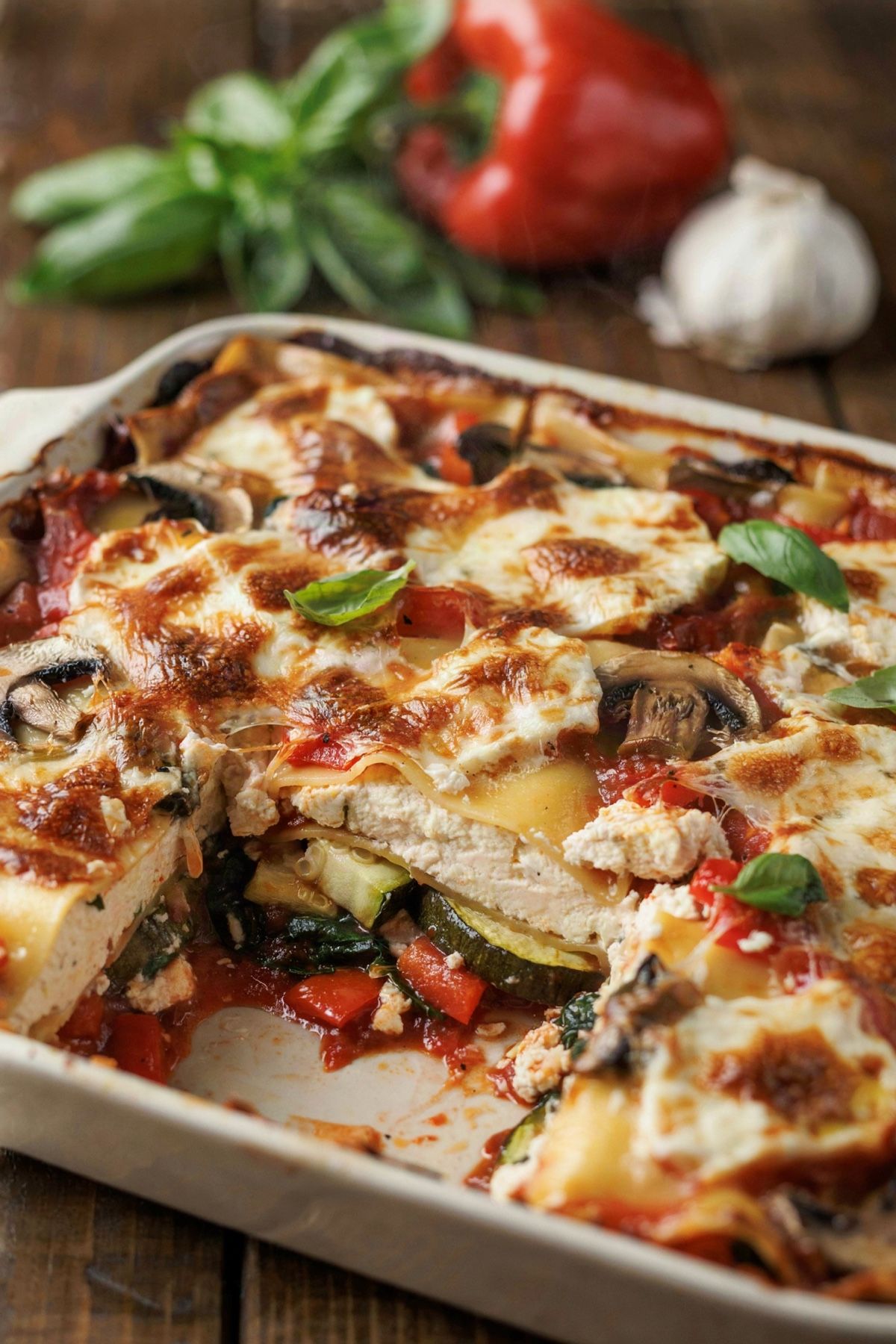
Why I Keep Coming Back to This Vegan Lasagna
As a lover of hearty meals that don’t leave me feeling weighed down, I definitely enjoy this vegan lasagna. Pulling out a bubbling tray of lasagna from the oven can give you a comforting feeling of satisfaction. The layers of noodles, veggies, and tomato sauce make it a hearty and wholesome vegetarian dish. The tofu ricotta provides a wonderful creamy, cheesy flavor and packs in some serious protein. You don’t have to sacrifice heartiness when you’re ditching the dairy!
Something I really love about this recipe is that it is very versatile. This plain recipe is a blank canvas to me, whether I want an old favorite flavor combination or a fridge clean out. Some days I’m into spinach with a bell pepper, and other days some roasted eggplant or even bit of kale. Putting together the various layers of this dish is not only soothing but also results in a meal that looks great. It could easily play the role of a centerpiece.
Here’s what makes this lasagna a winner in my book:
- It’s meal-prep friendly: you can assemble it in advance and bake it off when you’re ready.
- It’s crowd-pleasing enough for potlucks and casual get-togethers.
- Leftovers reheat beautifully, if you’re lucky enough to have any.
My advice? Don’t be afraid to try new vegetables or a splash of balsamic in your sauce. This lasagna is ready for your personal touch.
The story
The First Lasagna Recipe Had No Meat and No Tomato
The word came before the food. Ancient Greek had lasanon, a stand that a cooking pot sat on, and Latin took it as lasanum, meaning the pot itself and, less politely, a chamber pot. Somewhere in the slide into Italian the name jumped off the vessel and onto whatever came out of it. A rival theory points to laganon, a flat sheet of dough the Greeks were cutting into strips before Augustus.
The oldest lasagna recipe anyone has found is a short paragraph headed de lasanis, in an anonymous Latin codex called the Liber de Coquina, written around the start of the 14th century at the court in Naples. Roll fermented dough thin, cut it into small squares, boil them, layer them up with grated cheese and powdered spices: pepper, cinnamon, nutmeg, cardamom. Eat it com uno punctorio ligneo, with a pointed wooden stick, the fork not yet being standard equipment. No meat, no tomato, no besciamella.
The tomato is the easy absence to explain. It did not reach Europe until the 16th century or Italian pasta in print until the closing years of the 18th, so for something like four hundred years lasagna was a white dish. The meat is the more interesting one. Italian cooks call a dish made without it di magro, meaning lean, and Fridays, Lent and the vigils before feast days between them stripped meat out of a large slice of every year. Meatless baked pasta was not a substitute for the real thing. For much of the calendar it was the real thing.
Even the version Italy has formally defended has a vegetable folded into it. The Accademia Italiana della Cucina certified the green Bolognese lasagna in May 2003 and deposited it with the Bologna Chamber of Commerce that July, fixing four requirements: ragù, besciamella, Parmigiano Reggiano, and pasta sheets that are green because they are made with spinach. Strip out the meat and the dairy and what is left is the part nobody argues about: thin sheets, something creamy, something savory and wet, and a long covered bake.
What to buy
Ingredient Notes
Firm tofu
A 16 oz (450 g) block of firm or extra-firm, packed in water, and press it. Silken cannot be pressed and turns the filling into a batter you could pour. Twenty minutes under a weight makes the room that the oil, plant milk and lemon juice then move into. Crumble it with your fingers rather than blending it: a food processor gives a smooth paste that reads as hummus on the plate, while uneven crumbs, some mashed fine and some left pea-sized, read as ricotta.
Nutritional yeast and white miso
Nutritional yeast brings savory depth but tastes flat on its own, which is why most tofu ricotta disappoints. The tablespoon of white miso is what makes the filling taste aged rather than merely seasoned, doing the job Parmigiano does in the original. Use white miso, often labeled shiro, which is mild and slightly sweet. Red or brown turns the ricotta a muddy color and bullies everything else out of the way. Check the label if you avoid gluten, because some miso is fermented with barley.
Mushrooms, zucchini and bell pepper
Cremini have more flavor than white button mushrooms and hold their shape through a 45 minute bake. Portobello works with the gills scraped out, or the whole dish turns gray. These three run 90 to 95 percent water, and 8 oz of mushrooms alone gives up most of a cup of it in the pan. Give them room, in two batches if your pan is small, because a crowded pan steams instead of browning.
Fresh spinach
Ten ounces looks absurd next to a 9 by 13 dish and cooks down to roughly a cup, which is the amount you want. Flat mature leaves beat baby spinach here, because baby leaves collapse to almost nothing. Frozen chopped spinach is a fair swap at the same weight: thaw it, then wring it out in a towel until no more water comes. Most of a cup of green water comes out of a thawed block.
Marinara sauce
The jar is doing about a third of the seasoning here, so which one you pick matters more than usual. Check the sodium and the sugar, because supermarket marinara runs from bland to aggressively sweet and a sweet one fights the miso. You need 28 oz (800 g), which is a 24 oz jar plus half a cup from a second, or a 28 oz can of crushed tomatoes simmered 15 minutes with garlic, oil and salt. Do not cut it back to make one jar stretch.
Vegan Vegetable Lasagna
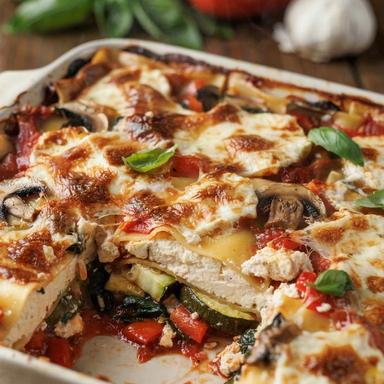
Vegetable lasagna with a tofu ricotta that is genuinely creamy, built on vegetables cooked dry in the pan first so the finished dish slices instead of slumping.
Ingredients
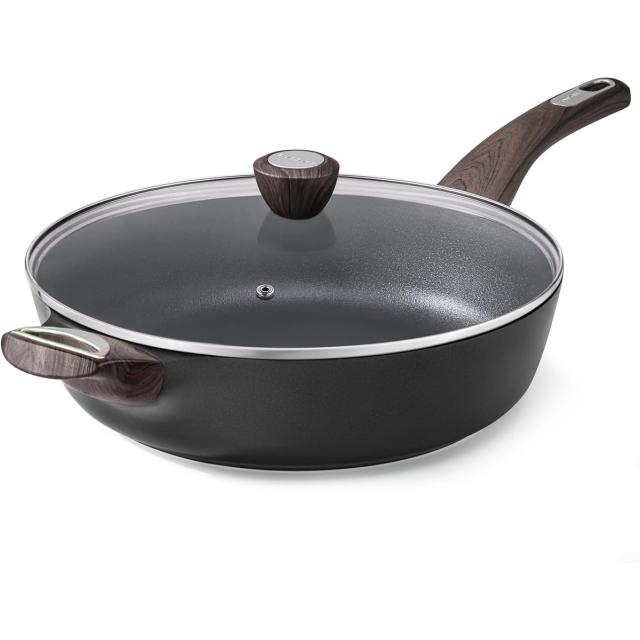
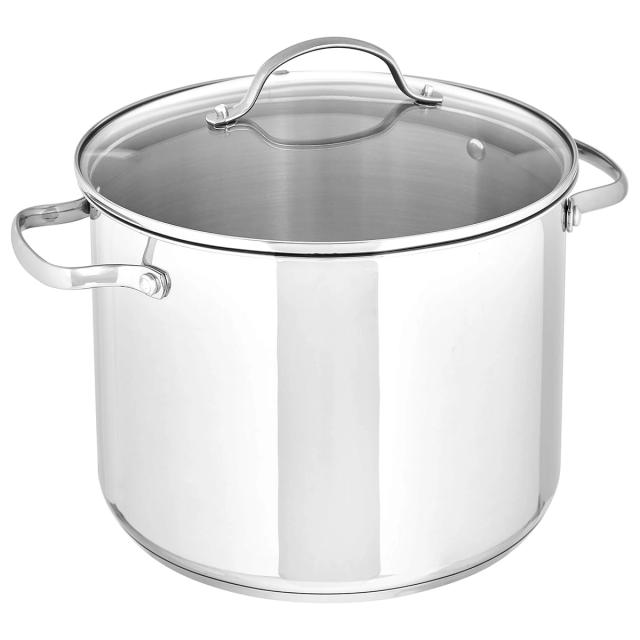
Equipment
As an Amazon Associate I earn from qualifying purchases, at no extra cost to you.
Instructions
- 1
Press the tofu
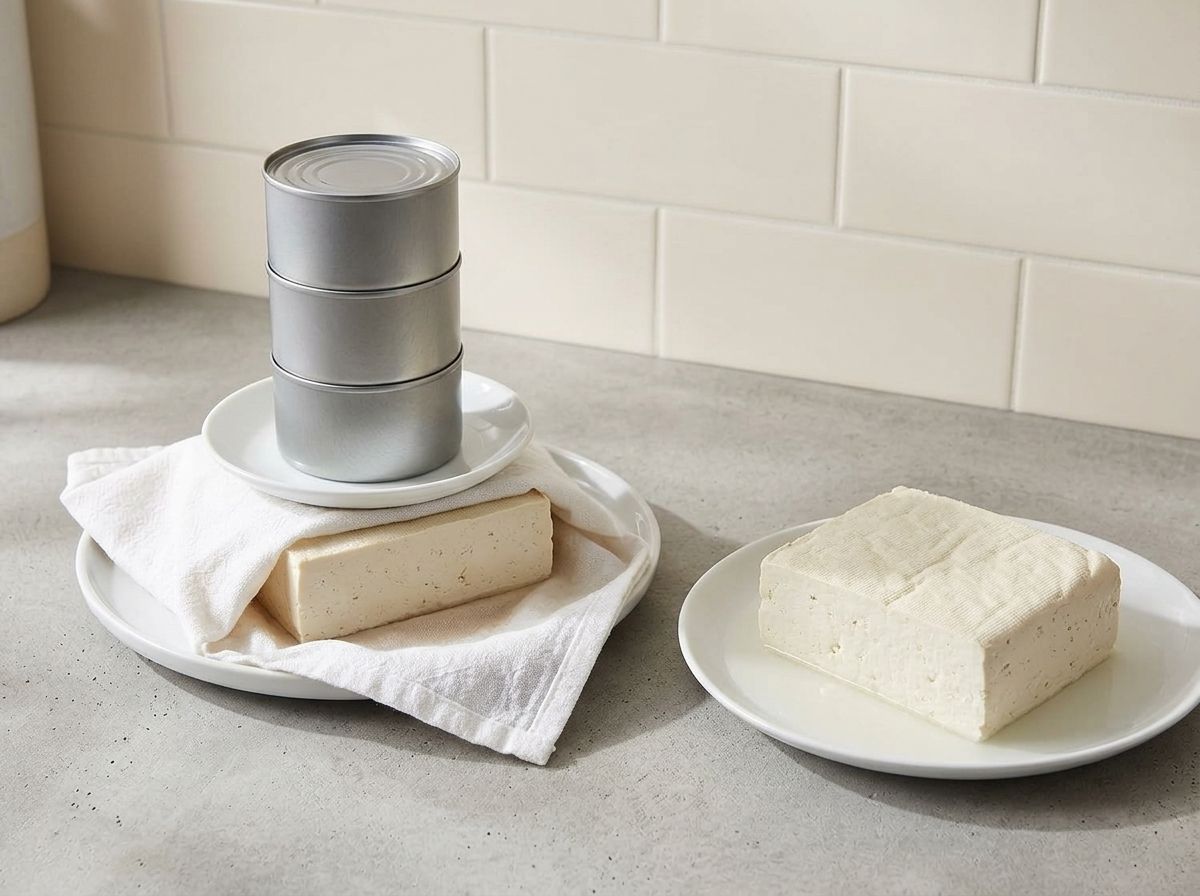
Wrap the tofu in a clean kitchen towel, set it on a plate and stand something heavy on top, a skillet or a few cans. Leave it 20 minutes while you deal with the vegetables, then pour off the water. Heat the oven to 375°F (190°C).
- 2
Cook the vegetables until the pan is dry
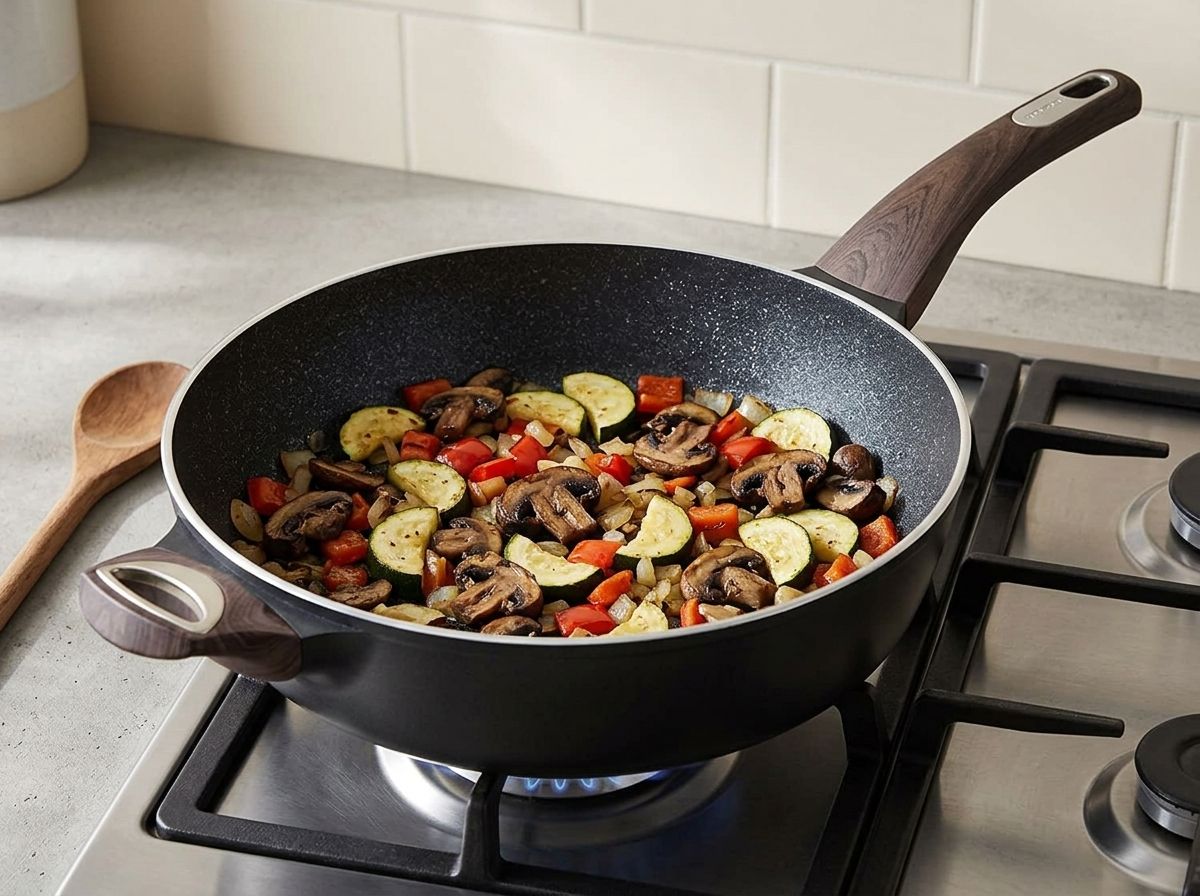
Heat 2 tablespoons of the olive oil in a large skillet over medium-high heat. Cook the onion for 4 minutes, then add the garlic and oregano and stir for 30 seconds. Add the mushrooms, zucchini and bell pepper and cook for 10 to 12 minutes. They flood the pan first and the liquid boils off after; wait for the second part. Stop when the pan looks dry and the mushrooms have taken some color.
- 3
Wilt the spinach and add the sauce
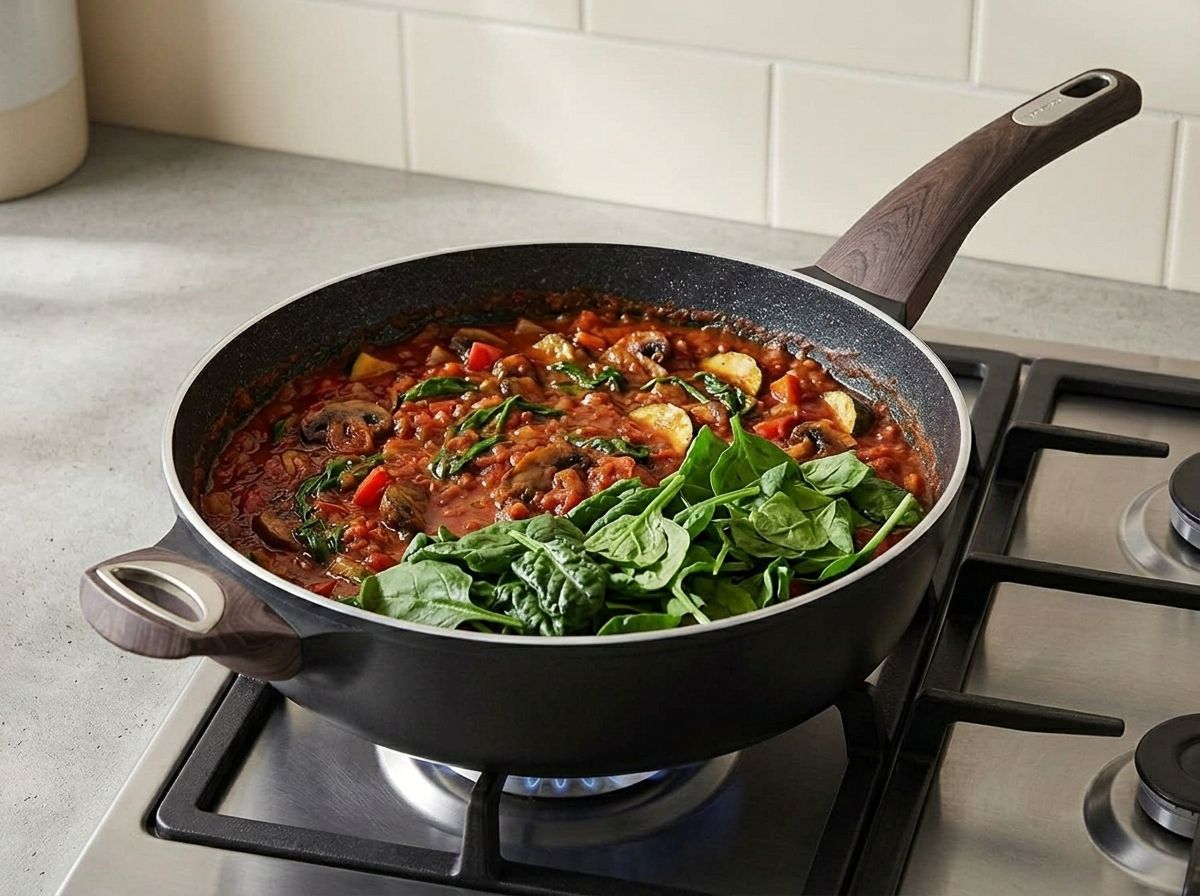
Add the spinach a handful at a time until it collapses, about 2 minutes, keeping the heat high until any liquid it releases has gone. Stir in two-thirds of the marinara and season with salt and pepper. Taste it before it leaves the pan, because jarred sauce varies enormously.
- 4
Mix the tofu ricotta
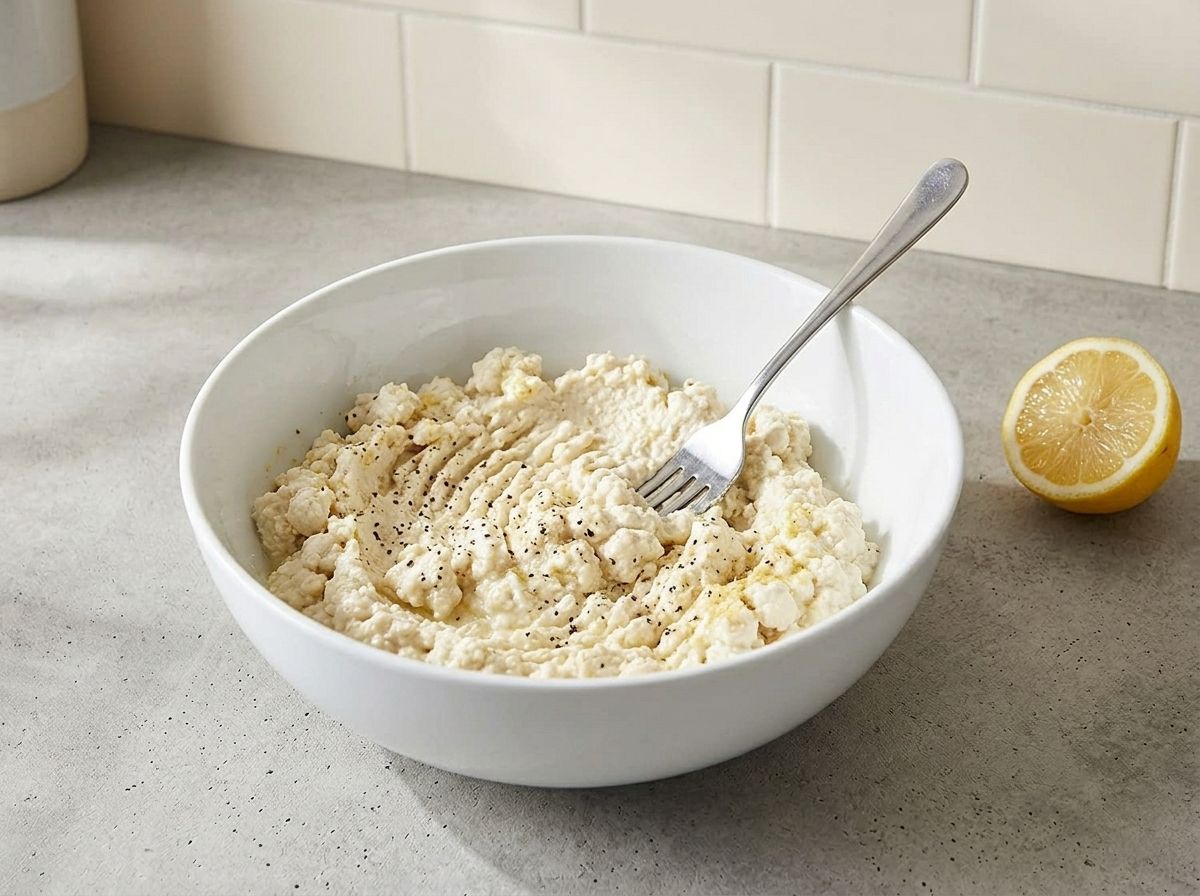
Crumble the pressed tofu into a bowl with your fingers, mashing some of it fine and leaving some pea-sized. Add the nutritional yeast, plant milk, 2 tablespoons of olive oil, the lemon juice, miso, ½ teaspoon of salt and a lot of black pepper. Mash with a fork for a minute, until it holds together in soft clumps. It should taste slightly too salty on its own.
- 5
Boil the noodles two minutes short
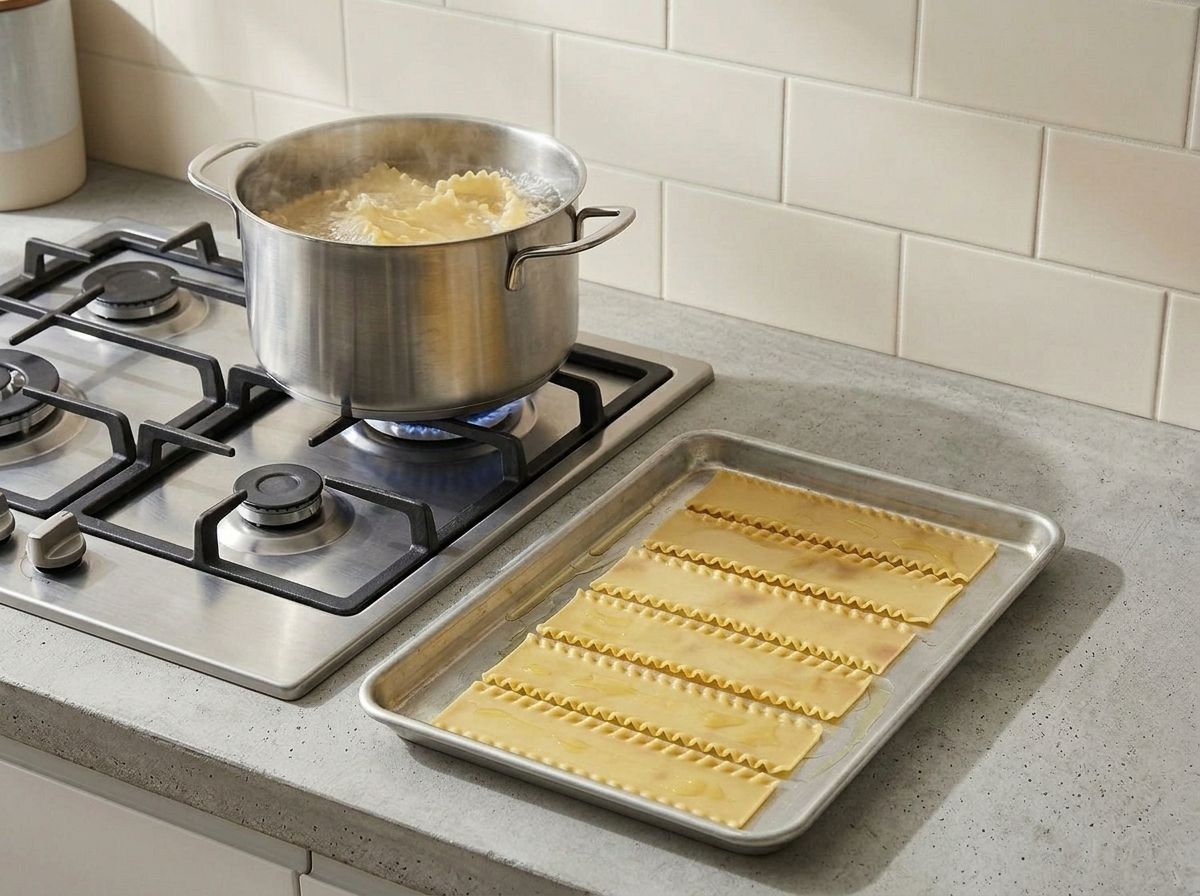
Cook the noodles in a large pot of well-salted water for 2 minutes less than the package time for al dente, because they have 45 minutes in a wet dish ahead of them. Boil two or three spares, since some always tear. Drain, rinse under cold water and lay them flat and separated on an oiled tray, or they weld together.
- 6
Layer it
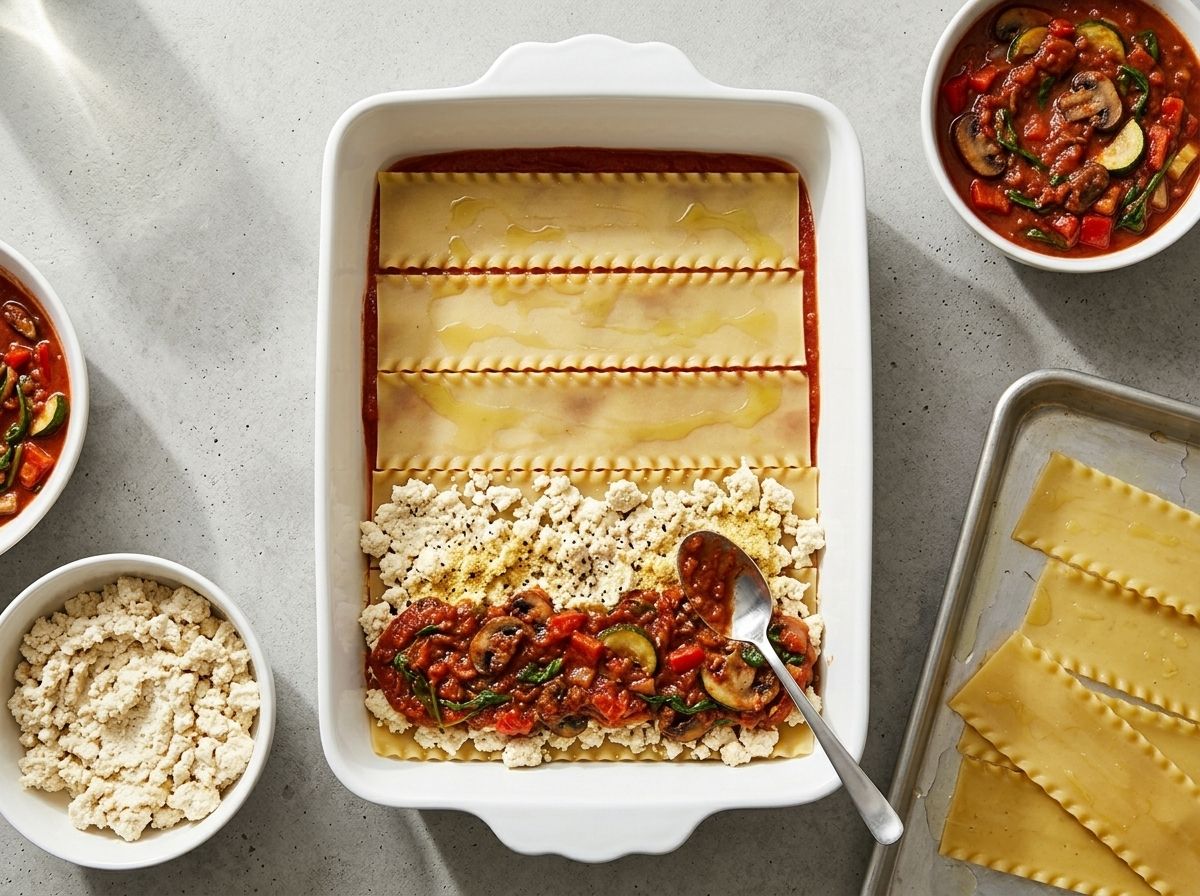
Spread ½ cup of the remaining marinara over the base of a 9 by 13 inch (23 by 33 cm) dish. Lay on 3 noodles, a third of the ricotta, then half the vegetable sauce. Add 3 more noodles, another third of the ricotta and the rest of the vegetable sauce. Finish with the last 3 noodles and the remaining marinara, spread right into the corners so no pasta is left uncovered. Dot the last of the ricotta over the top, drizzle with the last tablespoon of oil and scatter over the mozzarella if you are using it.
- 7
Bake covered, then uncovered
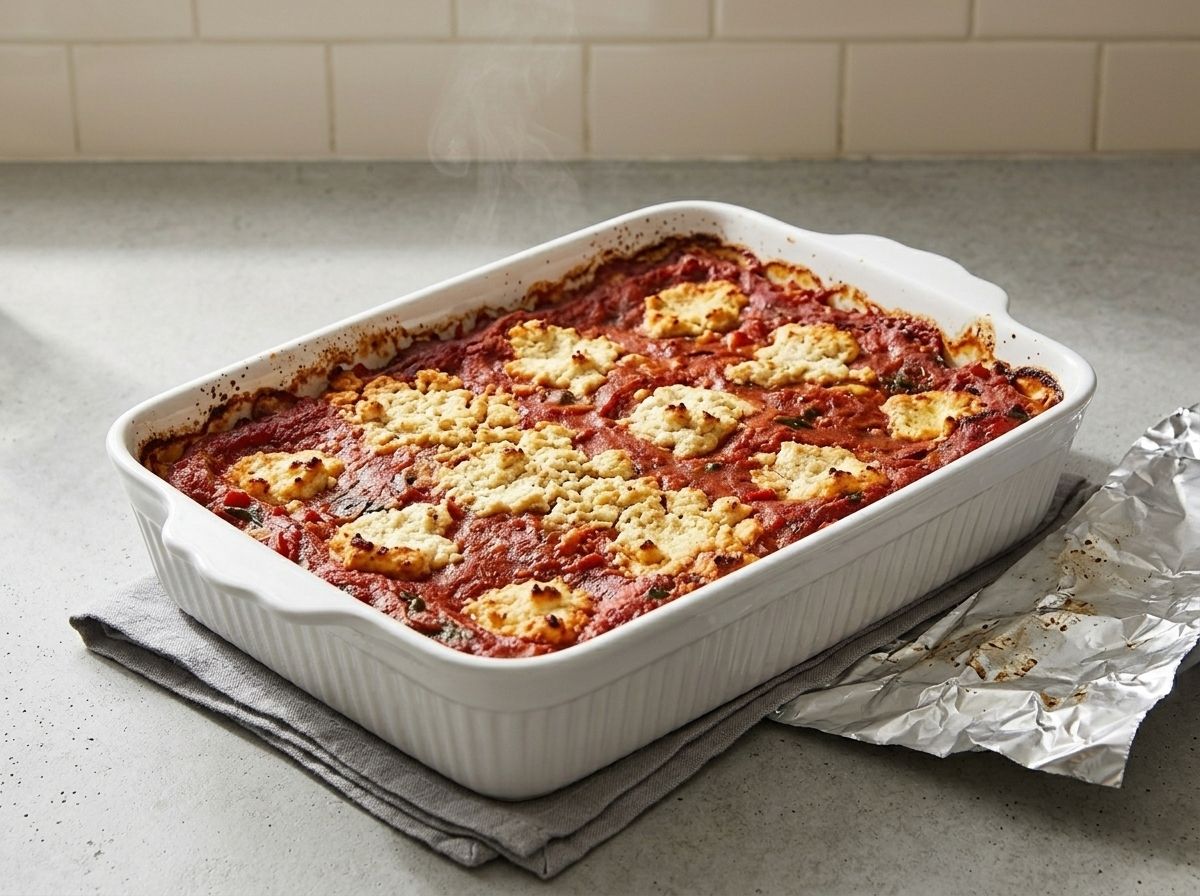
Cover with foil, tented so it does not touch the topping, and bake for 30 minutes. Take the foil off and bake for another 15 to 20 minutes, until the edges bubble and the ricotta on top has gone golden at the tips. If it is still pale, give it 2 minutes under the broiler and do not walk away.
- 8
Rest it before you cut it
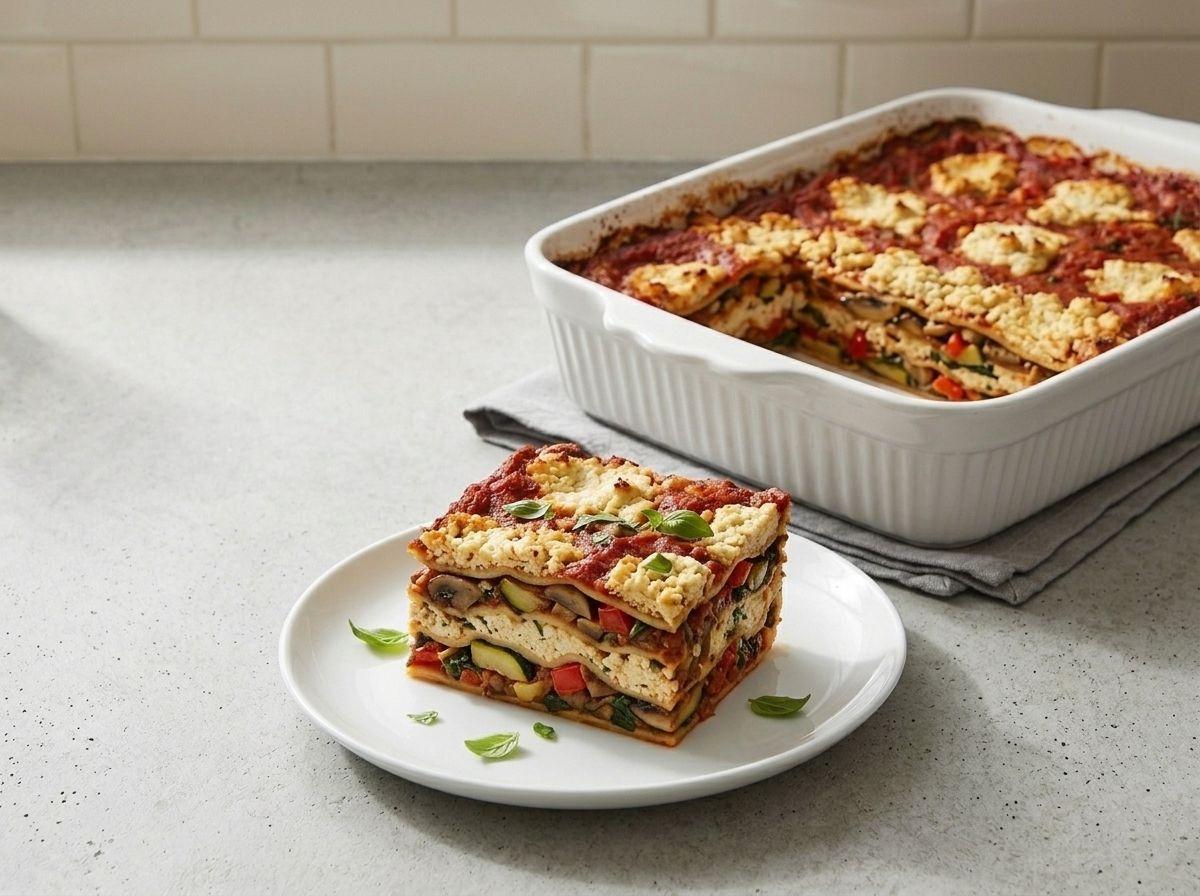
Leave it alone for a full 20 minutes. The starch and the sauce are both still liquid when it comes out of the oven and they need that time to set. Scatter over the basil and serve.
Notes
No-boil noodles work, but they drink liquid this recipe has not budgeted for. Stir ½ cup (120 ml) of water into the marinara if you use them, and leave the foil on for the full 30 minutes.
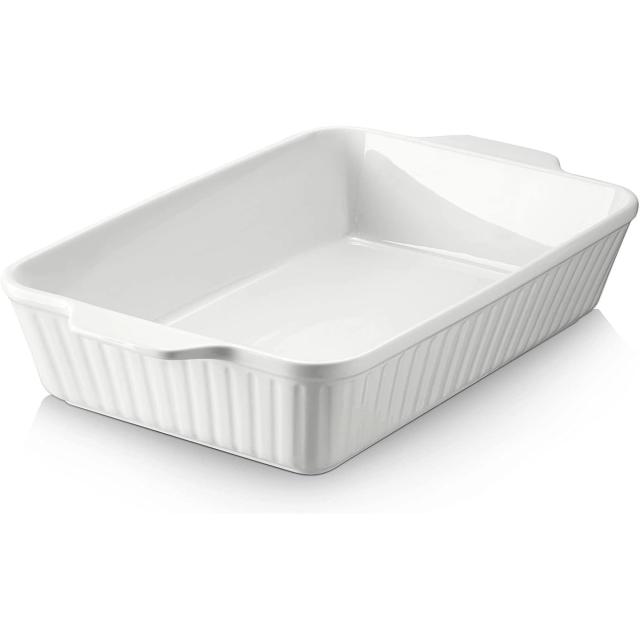
A 9 by 13 inch (23 by 33 cm) dish is the right size. Anything smaller will come over the sides, so stand it on a sheet pan.
Cooking for someone who will not eat mushrooms? Use a 14 oz (400 g) can of drained brown lentils instead, added with the marinara rather than at the start. Do not simply leave them out, because they are most of the body of the filling.
Nutrition Facts
6 servings · 433 g per serving
- Calories
- 410 kcal
% Daily Value*
- Total Fat
- 16.7 g21%
- Saturated Fat
- 2.3 g12%
- Sodium
- 977 mg42%
- Total Carbohydrate
- 50.3 g18%
- Dietary Fiber
- 7.2 g26%
- Sugars
- 9.8 g—
- Protein
- 18.4 g37%
Recipe from veggierecipes.blog
When it goes wrong
Troubleshooting
There was a puddle of liquid in the bottom of the dish
The vegetables went in raw. Mushrooms, zucchini and spinach are more than 90 percent water, and it comes out either in the skillet, where it evaporates, or in the dish, where it collects under the bottom noodles. Cooking them until the pan looks dry again is the whole fix and it takes 10 to 12 minutes. If it has already happened, tilt the dish, spoon the liquid off and put it back uncovered for 10 minutes.
The slices slumped the moment I lifted them out
It was cut too early. Lasagna leaves the oven with the starch and the sauce still liquid, and the 20 minute rest is when they set. No amount of care with the spatula substitutes for it. Cut a rested one with a thin serrated knife, all the way down to the base of the dish, then lift with a spatula rather than the knife. Cold leftovers cut cleanest of all.
The ricotta layer is dry and chalky
Crumbled tofu on its own is dry, and the usual version of this filling is tofu, nutritional yeast and lemon juice with nothing to carry any of it. Fat and liquid are what make it read as ricotta: 2 tablespoons of olive oil and ¼ cup of plant milk into a 16 oz block. Season it harder than feels right as well, because it sits surrounded by unsalted pasta. It should look like soft ricotta, not damp breadcrumbs.
The noodles came out soft and shapeless
They were boiled to full doneness first. A noodle cooked to package al dente is finished, and it then spends 45 minutes covered in hot liquid, which is a second cooking it does not survive. Pull them 2 minutes early, while they still bend but push back against a bite. Cold water stops them cooking on and an oiled tray stops them fusing.
The top never browned, and the corner noodles went hard
Tomato sauce does not brown. It carries almost no fat and almost no protein, so a lasagna finished under bare marinara stays red however long you leave it, and any pasta standing proud of the sauce dries into something like a cracker. One answer covers both: sauce the top layer right into the corners, then put something fatty on it. The reserved ricotta drizzled with oil takes color in the last 15 minutes, mozzarella takes it faster, and 2 minutes under the broiler finishes a stubborn one.
It tastes mostly of tomato and not much else
Three things are usually flat at once. The vegetables were never salted in the pan. The ricotta was seasoned to taste right on a spoon rather than to carry unsalted pasta around it. And the marinara went in straight from the jar. Salt at all three points, taste the vegetable sauce before it leaves the skillet, and do not skip the miso, because without it the filling is savory but has no age to it.
Before you serve
Serving & Storage
In Emilia-Romagna lasagna is a primo, a first course, and it arrives as a modest square with something else to follow. Serving the whole tray as dinner is an American habit and a good one, but it changes what belongs beside it. A slab of vegetable lasagna is rich, wet and already full of vegetables, so the last thing it wants is a warm vegetable side. Sharp bitter leaves do more for it: radicchio, escarole or arugula, dressed with lemon and oil and nothing sweet. Bread is welcome. Garlic bread is not, because it flattens a filling built on one tablespoon of miso.
Making it ahead
Assembled and unbaked it keeps for 24 hours in the refrigerator and no longer. Past a day the noodles have drawn so much liquid out of the sauce that the top layer goes pasty and the bottom one goes to glue. Two things change if you do assemble ahead: stir an extra ½ cup (120 ml) of water into the marinara, and add 15 minutes to the covered bake, because the dish goes into the oven cold. The better split is to make the parts ahead instead. The vegetable sauce and the ricotta both keep 3 days, and the sauce is better for the wait.
Storing leftovers
Baked, it keeps 4 days covered in the refrigerator and it is honestly better on the second day, once everything has set together. Reheat single squares covered, with a teaspoon of water, at 350°F (175°C) for 20 minutes, or 2 minutes in the microwave. A whole tray wants 30 to 40 minutes, uncovered for the last 5 if you want the top back.
Freeze it baked and cooled rather than raw. A raw lasagna comes out of the freezer with noodles that have sat in cold acidic sauce for weeks and they bake up gluey. Wrapped tightly it keeps 3 months. Thaw it overnight and reheat covered at 350°F (175°C) for about 45 minutes. Do not bake it from frozen in a glass dish, which is how glass dishes break, and do not refreeze it.
Still wondering
Frequently Asked Questions
Is this vegan lasagna gluten-free?
Everything except the noodles and the miso is naturally gluten-free. Use gluten-free lasagna noodles and check the miso label, because plenty of brands are fermented with barley rather than rice. Gluten-free noodles are also more fragile than wheat ones: boil them 1 minute short of the package time rather than 2, handle them while they are still wet, and boil a few extra, because more of them tear.
Can I make it without soy?
The tofu and the miso are both soy, so the ricotta has to be rebuilt. Soak 1½ cups (200 g) of raw cashews in boiling water for 15 minutes, then pulse them with ½ cup (120 ml) of water, the lemon juice, the nutritional yeast and 1 teaspoon of salt until thick and slightly grainy, stopping before it goes smooth. Use chickpea miso, or leave it out and add another teaspoon of lemon juice.
Can I double it for a crowd?
Use two 9 by 13 dishes rather than one deeper pan. A taller lasagna needs about 20 extra minutes under the foil for the middle to heat through, and by then the middle noodles have gone soft while the ones near the top are still chalky. Two dishes bake side by side on one rack in the same 45 to 50 minutes. Swap their positions once, halfway through.
More Cozy Plant-Based Italian Dinners
Made this?