
Vegan Lentil Bolognese Recipe
Published · Updated
Hearty lentils and aromatic veggies transform into a rich, satisfying Bolognese that’s all flavor, no meat required.
Jump To Recipe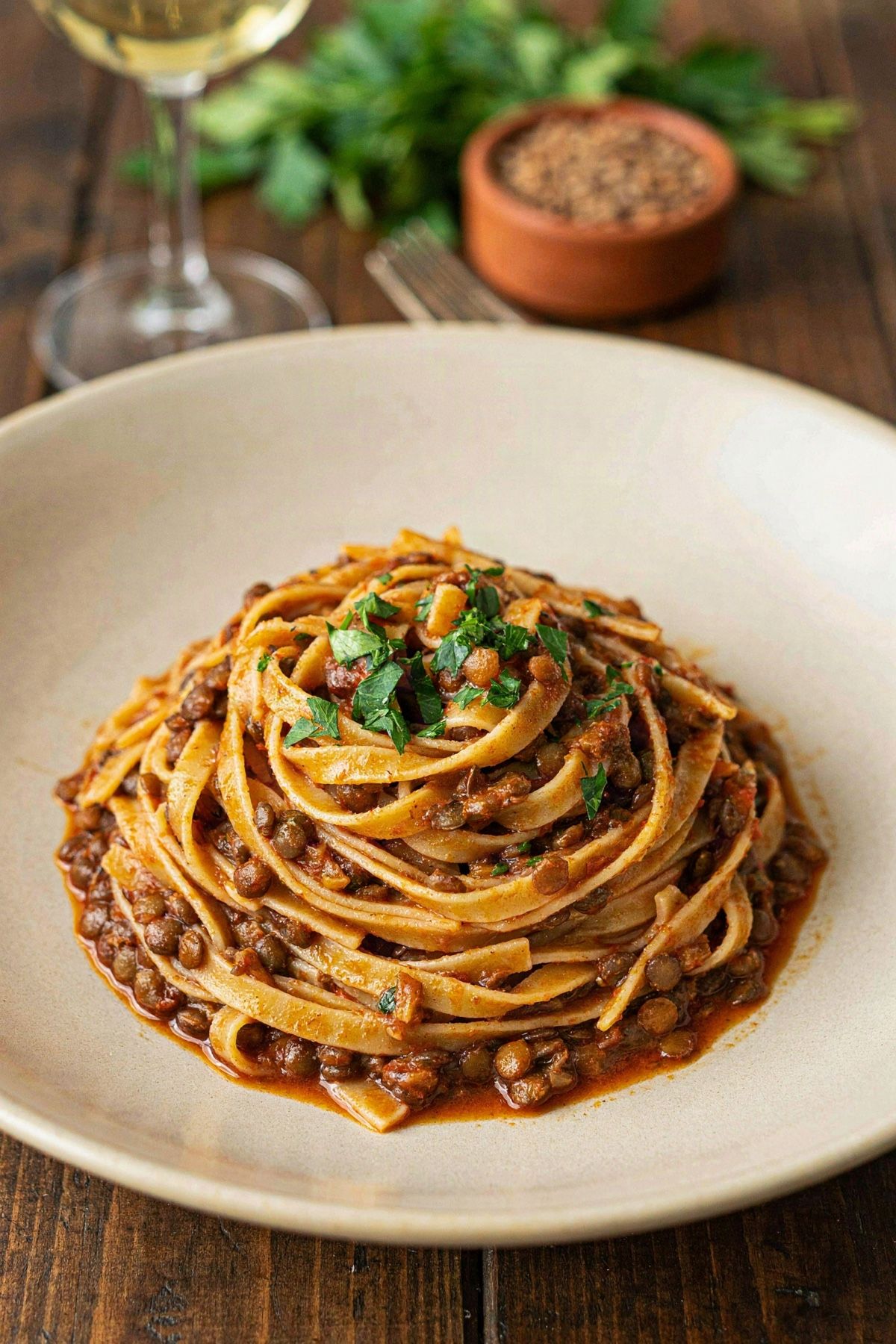
Why I Keep Coming Back to Vegan Lentil Bolognese
Let me just say it: This lentil Bolognese is downright satisfying. Whenever I’m craving a hearty dinner that won’t leave me feeling heavy, I reach for this recipe. Lentils simmer with tomatoes and classic aromatics to create a sauce that holds its own against any traditional Bolognese I’ve had.
A couple things make this sauce stand out for me:
- The lentils give a hearty bite and soak up every bit of flavor from the tomato and broth.
- The aroma of sautéed onion, carrot, celery, and garlic builds the base that makes the dish taste like it’s been simmering all day, when really it takes about an hour and a quarter, and most of that is the pot doing the work.
- It’s ultra-flexible: serve over any pasta, tuck into lasagna layers, or top a veggie polenta bowl.
Give it a shot for meal prep or a cozy meal with friends. Trust me, this sauce is one you’ll make again and again.
The story
Bologna Has an Official Bolognese, and It Barely Uses Tomato
What most of the world calls Bolognese, a red sauce with oregano poured over spaghetti, is barely recognizable in Bologna. There the dish is ragù: meat cooked slowly with very little tomato, served on egg tagliatelle and never on spaghetti. In March 2019 the city’s mayor, Virginio Merola, called spaghetti Bolognese fake news and asked residents to send him photos of foreign menus that offered it.
The earliest well-documented version is Pellegrino Artusi’s maccheroni alla bolognese, published in 1891 in La scienza in cucina e l’arte di mangiar bene. It was veal and pancetta cooked in butter with onion and carrot, moistened with broth and finished with cream. There was no tomato in it at all.
On 17 October 1982 the Bologna delegation of the Accademia Italiana della Cucina deposited a reference recipe with the city’s Chamber of Commerce: beef, pancetta, a soffritto of onion, carrot and celery, dry white wine, whole milk and a modest amount of tomato. It was revised on 20 April 2023. The new text allows red wine as well as white, makes the milk optional, and spells out what does not belong: no garlic, no herbs, and no spices beyond salt and pepper. The tomato is down to 200 g of passata and a spoonful of concentrate for more than half a kilo of meat.
Read as a list of ingredients, it is a meat sauce. Read as a method, it is something else: vegetables cooked slowly until sweet, a deglaze with wine, milk to soften the acidity, and a long reduction. None of that needs meat, and this recipe follows it step for step. Lentils take the place of the ground beef because they keep a separate, crumbly texture through a long cook, which is the quality a ragù is built on.
It parts company with Bologna in two places, on purpose. It keeps the garlic and a bay leaf, both of which the Accademia rules out, because without meat the sauce needs the extra depth. And it uses more tomato than the official recipe, since lentils bring less flavor of their own than beef and pork. Call it a vegan ragù in the Bolognese style, which is what nearly every Bolognese outside Bologna is anyway.
What to buy
Ingredient Notes
Brown or green lentils
The ordinary kind sold in bags. They keep their shape through forty minutes of simmering and give the sauce the separate, crumbly bite that ground meat gives a ragù. French green (Puy) or black beluga lentils stay firmer still and work, but take five or ten minutes longer. Red and yellow lentils are the wrong ones: they have no skins, collapse within fifteen minutes and turn the sauce into a purée.
Onion, carrot and celery
The soffritto is the base of every ragù in Emilia-Romagna, and with no meat in the pot it carries more of the flavor than usual. Do not cut back the carrot, because its sweetness is what balances the tomato. Use the paler inner celery stalks if you have them, which stay mild over a long cook, where the dark outer ones can taste grassy.
Dry white wine
White is what the 1982 Bologna recipe specified, and it keeps the sauce lighter and brighter. The 2023 revision allows red, which gives a darker, heavier sauce. Any dry, unoaked white you would drink will do, such as Pinot Grigio or Sauvignon Blanc; avoid anything sweet. To leave it out, deglaze with the same amount of broth and stir 1 tsp of red wine vinegar in with the tomatoes to replace the acidity.
Unsweetened oat or soy milk
Milk is the step most versions outside Italy skip. It was compulsory in the 1982 Bologna recipe and is optional since 2023. It softens the edge of the tomato and makes the sauce taste rounder and richer than its fat content suggests. Use unsweetened and unflavored, because vanilla and sugar both show. It goes in with the broth, before the tomatoes, the same order the meat version uses. Avoid coconut milk, which tastes of coconut through everything.
Crushed tomatoes and tomato paste
Crushed tomatoes coat the lentils smoothly; passata works weight for weight. Diced tomatoes stay in watery pieces. A ragù is meant to taste of its base rather than of tomato, so resist adding a second can, which turns it into marinara with lentils in it. The paste does the deep tomato work instead, but only once it is fried to brick red. Unfried, it keeps a raw, metallic edge that no amount of simmering removes.
Tamari
One tablespoon stands in for the pancetta in the meat version, which brings a cured, salty depth that lentils and vegetables do not have on their own. It does not make the sauce taste of soy. Ordinary soy sauce works the same way, and a tablespoon of white miso stirred in at the end does a similar job with a gentler, rounder flavor.
Tagliatelle
Wide ribbons are still the best match, because their rough surface holds a chunky sauce. The catch is that most tagliatelle, fresh and plenty of dried, is egg pasta, labeled all’uovo. Check for an ingredient list of durum wheat semolina and water only, or switch to rigatoni or paccheri, which are almost always eggless and trap lentils inside the tubes. Thin spaghetti and angel hair are the shapes to avoid.
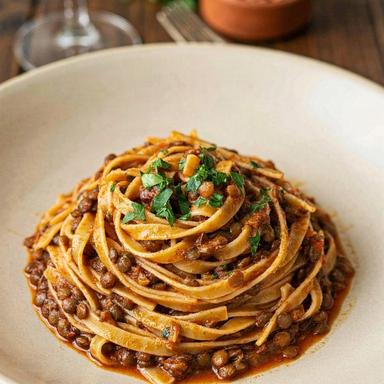
Savory Vegan Lentil Bolognese
Rich lentils and savory aromatics simmer into the ultimate vegan Bolognese, comfort food at its best.
Ingredients
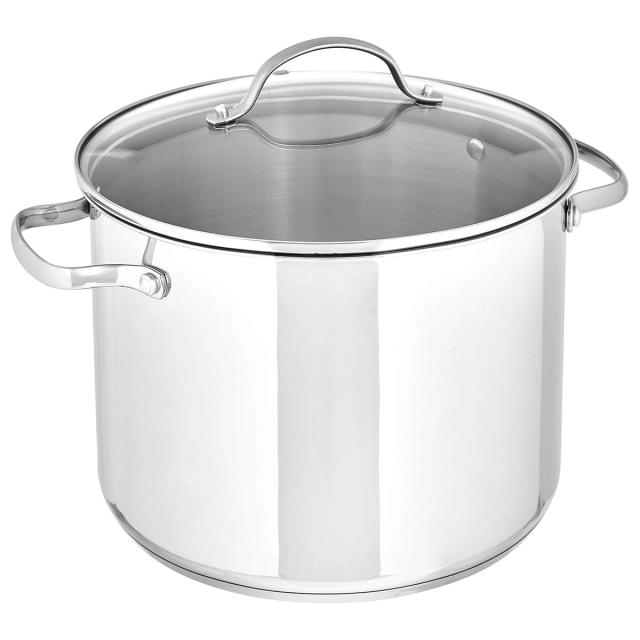
Equipment
As an Amazon Associate I earn from qualifying purchases, at no extra cost to you.
Instructions
- 1
Cook the soffritto slowly
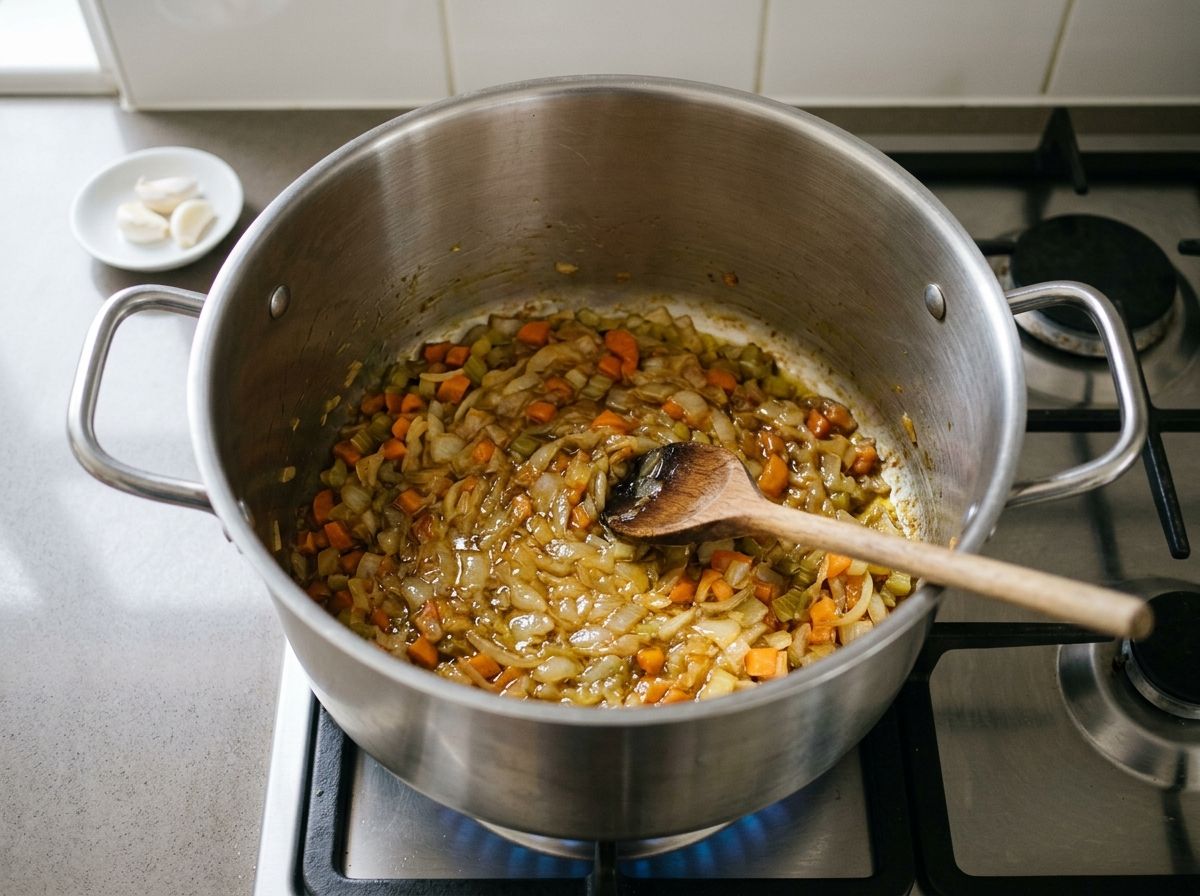
Heat the oil in a large pot over medium-low heat. Add the onion, carrots, celery and a pinch of salt and cook for 12 to 15 minutes, stirring every few minutes, until the vegetables have collapsed, are soft enough to crush with the spoon and are just starting to turn golden at the edges. Do not turn the heat up to hurry it; this is where the sauce gets its sweetness.
- 2
Fry the garlic and tomato paste
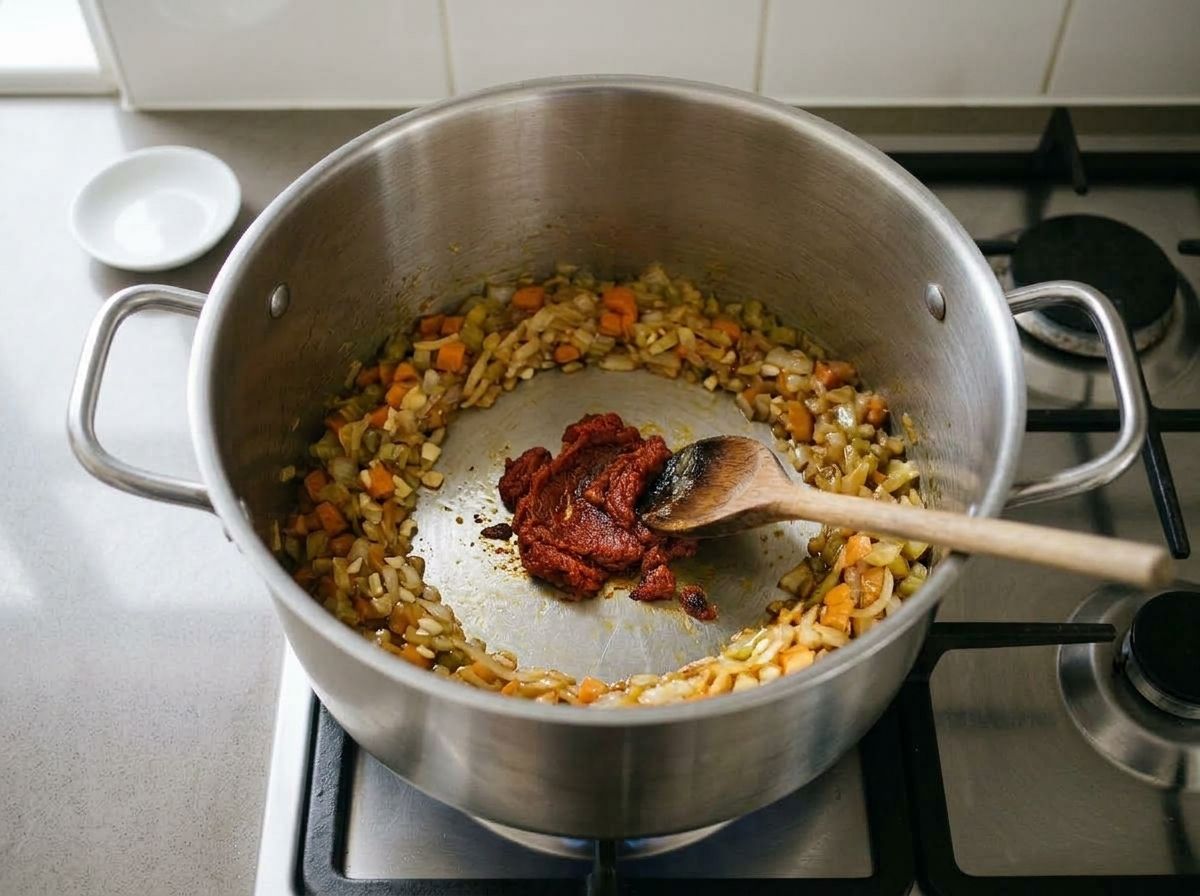
Add the garlic and cook for 1 minute. Push the vegetables to the sides, add the tomato paste to the bare patch and fry it for 2 to 3 minutes, stirring, until it darkens from bright red to brick and starts to catch on the bottom of the pot. Then stir it through the vegetables.
- 3
Deglaze with the wine
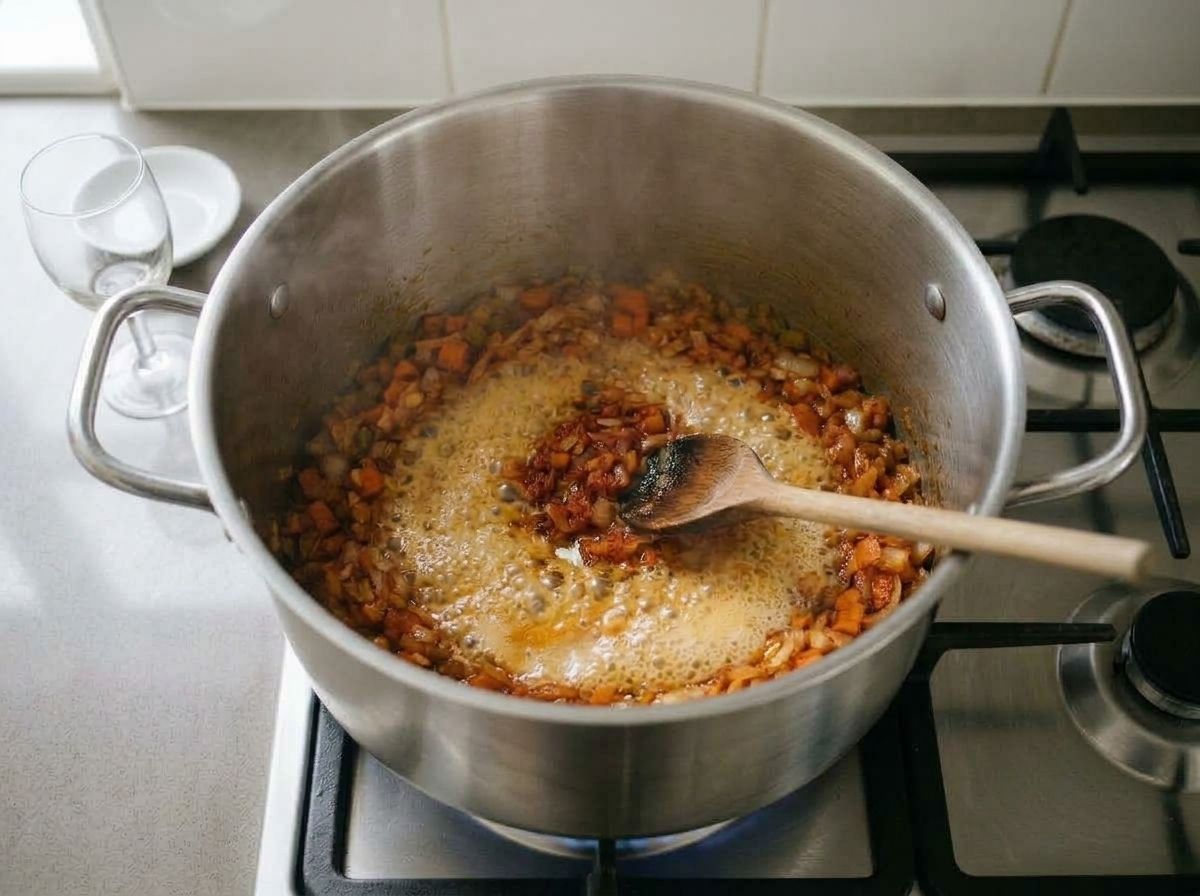
Pour in the wine and scrape up everything stuck to the bottom of the pot. Let it bubble for about 2 minutes, until the sharp smell of alcohol has gone and the pot is nearly dry. If you are not using wine, deglaze with the same amount of broth.
- 4
Simmer the lentils in broth and milk
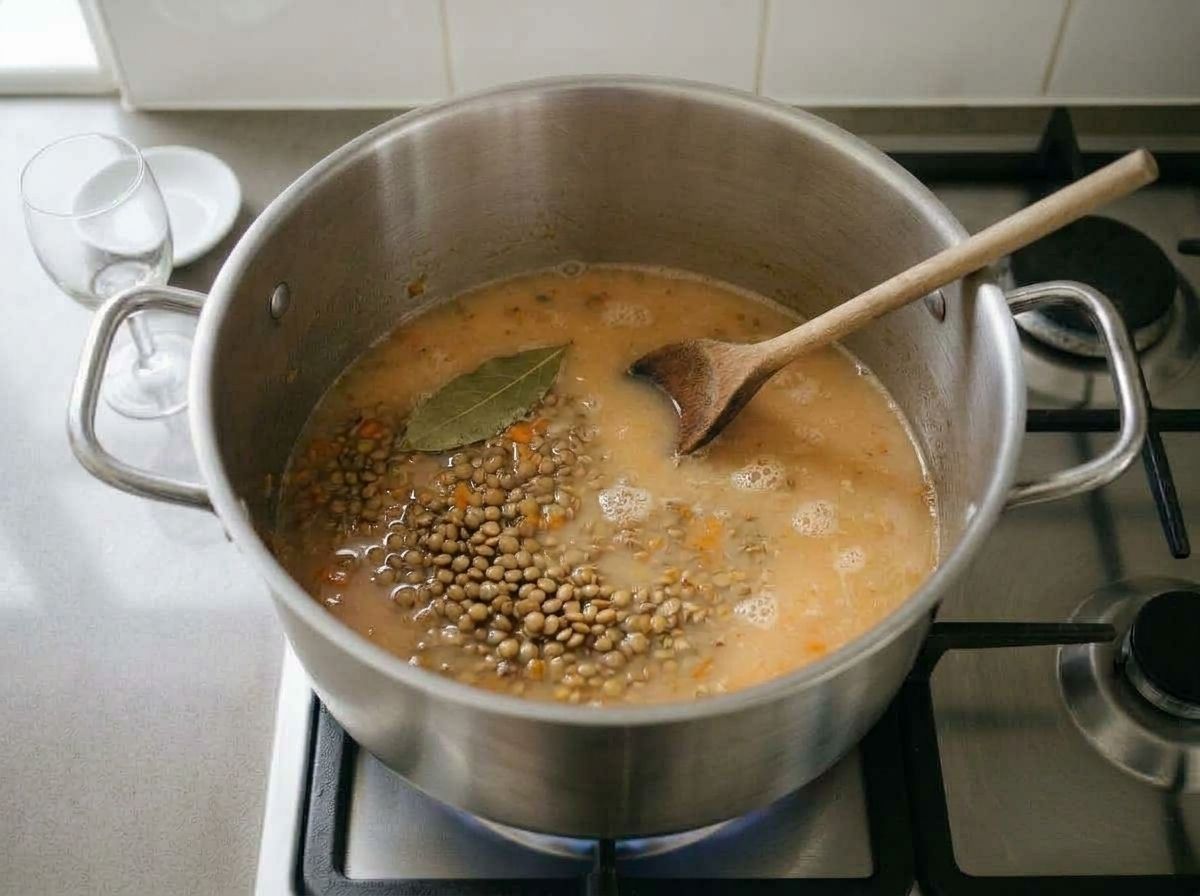
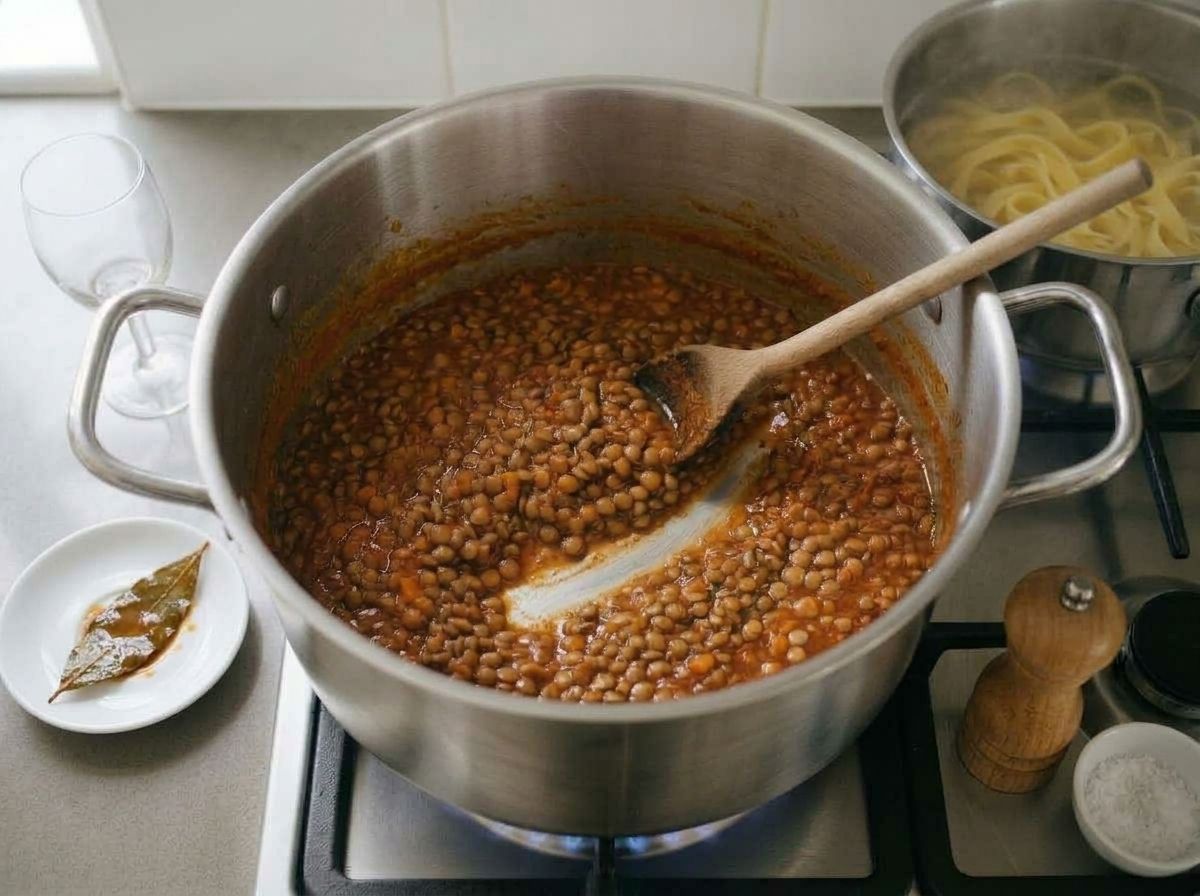
Add the lentils, broth, milk and bay leaf. Bring to a boil, then lower the heat and simmer with the lid ajar for 15 minutes, stirring now and then. The lentils get this head start before the tomatoes go in because acid slows their softening.
- 5
Add the tomatoes and cook it down
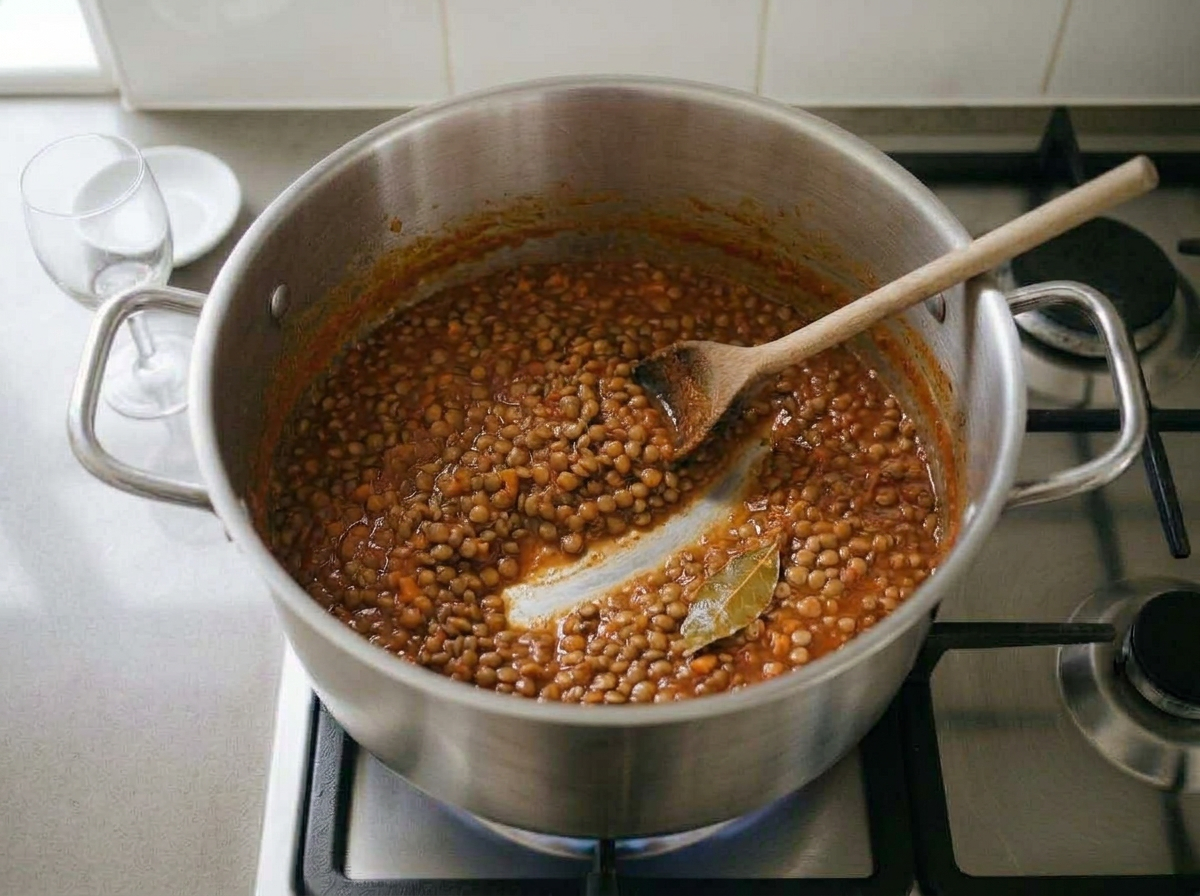
Stir in the crushed tomatoes and tamari and simmer uncovered for 20 to 25 minutes, stirring more often as it thickens, until the lentils are tender but still whole and a spoon dragged across the bottom leaves a path that fills in slowly. If the pot dries out before the lentils are tender, add broth or water a few tablespoons at a time. Meanwhile, bring a large pot of well-salted water to a boil for the pasta.
- 6
Season the sauce and cook the pasta
Fish out the bay leaf, then taste the sauce and season it with salt and plenty of black pepper. Cook the pasta for 1 minute less than the package says, and scoop out a mugful of the cooking water before you drain it.
- 7
Toss the pasta in the sauce
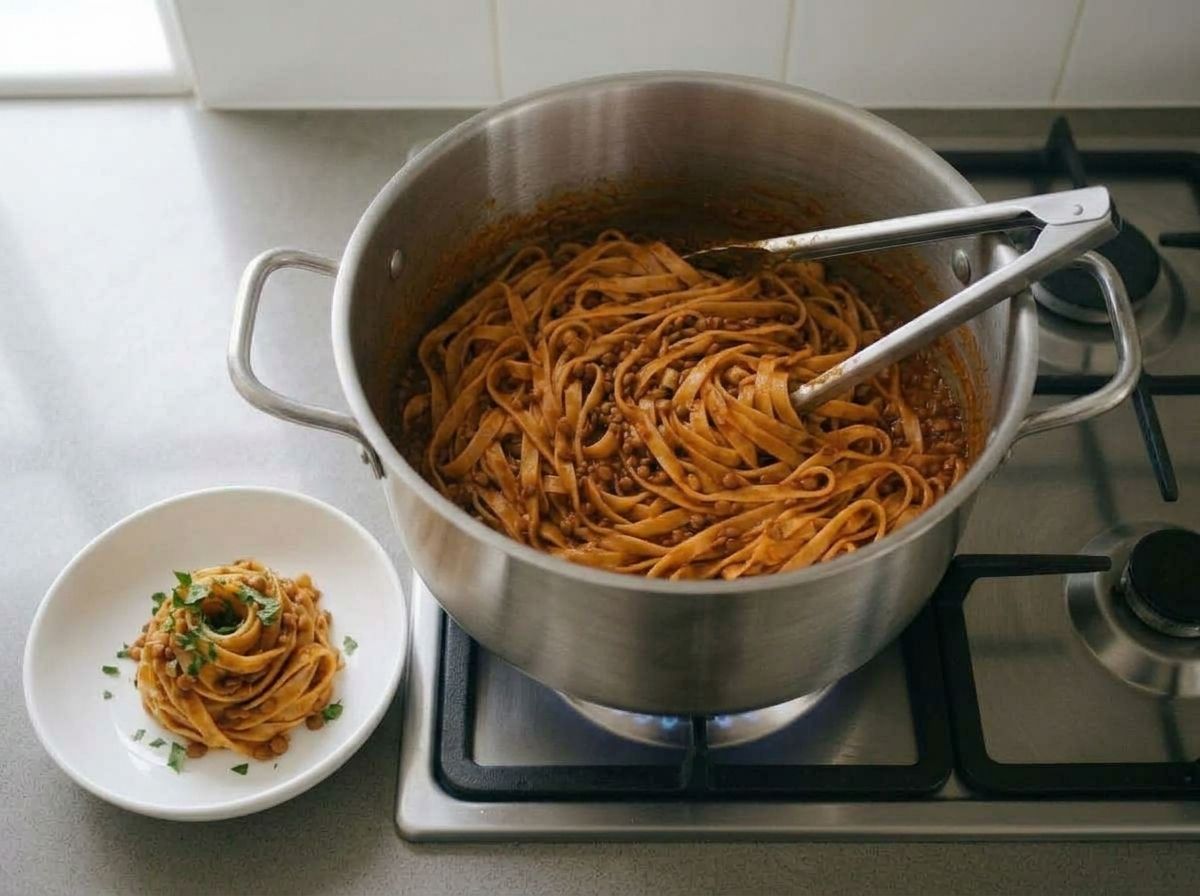
Tip the drained pasta into the pot of sauce with a splash of the cooking water and toss over low heat for about a minute, until the sauce clings to every strand rather than sitting on top. Add more water a little at a time if it looks tight. Serve straight away, scattered with parsley or basil if using.
Notes
Chop the onion, carrot and celery to roughly the size of a lentil. Small pieces melt into the sauce over the long simmer; big dice stay visible and the pot reads as vegetable soup.
Salt the pasta water well, about 1 tbsp of fine salt to 4 quarts (4 liters). The sauce is seasoned to sit on salted pasta and tastes flat on unsalted.
Nutrition Facts
4 servings · 496 g per serving
- Calories
- 698 kcal
% Daily Value*
- Total Fat
- 15.7 g20%
- Saturated Fat
- 2.7 g14%
- Sodium
- 1167 mg51%
- Total Carbohydrate
- 107.6 g39%
- Dietary Fiber
- 21.2 g76%
- Sugars
- 12.1 g—
- Protein
- 28.5 g57%
Recipe from veggierecipes.blog
When it goes wrong
Troubleshooting
It came out like lentil soup
Too much liquid, or the lid stayed on. Dry lentils absorb only about one and a half times their weight, so a cup of them in a quart of broth plus a can of tomatoes leaves most of that liquid sitting in the pot. Cook it uncovered once the tomatoes go in, and keep going until a spoon dragged across the bottom leaves a path that fills in slowly.
The lentils are still hard after forty minutes
This is the most common complaint under lentil Bolognese recipes, and it has two usual causes. The tomatoes went in at the start, and their acid slows the lentils’ softening, which is why they get fifteen minutes in broth first here. Or the lentils are old: a bag that has sat in the cupboard for a year or two can take twice as long. Either way, keep simmering and add water a few tablespoons at a time so it does not catch. They will get there.
The lentils turned to mush
Either they were red or yellow lentils, which break down by design, or the pot was boiling hard rather than simmering. A rolling boil splits the skins and the insides spill out into the sauce. Keep it at a lazy bubble, and stir gently with a wooden spoon rather than beating it. Stop cooking once the lentils are tender but still whole; they soften a little more while the pasta finishes.
It tastes sharp, like raw tomato
The tomato paste went in without being fried, the wine was not cooked off, or the sauce was not simmered long enough after the tomatoes went in. Give it another ten minutes with a splash of water, then stir in another few tablespoons of oat or soy milk, which is what the milk is there to do. A pinch of sugar is the last resort, not the first.
It tastes flat, like lentils in tomato sauce
The soffritto was rushed. Cooked on high heat for five minutes, the vegetables steam and stay sharp, where fifteen minutes over medium-low turns them soft and sweet. The other cause is salt. Lentils soak up more of it than you expect, so season in stages and taste again after the tamari has gone in, then once more after the pasta has been tossed through.
The sauce slid off the pasta and pooled in the bowl
It was spooned over drained pasta rather than tossed with it. A minute in the pot with a splash of starchy cooking water is what binds the two, and it is how pasta is sauced in Italy. The starch thickens the liquid around the lentils into something that grips. Thin spaghetti makes it worse whatever you do, because it has too little surface to carry a sauce this chunky.
Before you serve
Serving & Storage
In Bologna, tagliatelle al ragù is a primo, the pasta course: a modest bowl on its own, with grated Parmigiano passed at the table and nothing else on the plate. No garlic bread beside it, and the salad comes afterwards. A vegan hard cheese does the Parmigiano’s job, or fry a handful of breadcrumbs in olive oil with a pinch of salt until golden and scatter them over.
Beyond pasta, the sauce is good spooned over soft polenta, and it makes a sturdy lasagna filling. For lasagna, leave it looser than you would for tagliatelle, because the noodles drink liquid as they bake. It is less successful with filled pasta such as ravioli, where two fillings compete.
Making it ahead
The sauce tastes better the next day, once the flavors have settled, so it is worth making up to three days ahead. The lentils keep absorbing liquid as it sits and it will be much thicker cold. Loosen it with water or broth as it reheats, and cook the pasta fresh. Do not toss pasta into sauce you mean to keep, because the pasta goes on soaking it up until it is soft and the sauce is dry.
Storing leftovers
Keep the sauce in an airtight container in the fridge for up to 4 days, or freeze it for up to 3 months. Freeze it in portions, flattened in freezer bags so they thaw quickly. Thaw overnight in the fridge and reheat in a pan over medium-low heat with a splash of water, stirring. Pasta already tossed with the sauce keeps for 2 days in the fridge but does not freeze well, since the pasta turns soft and grainy on thawing.
Still wondering
Frequently Asked Questions
Is vegan lentil Bolognese gluten-free?
It can be, if three things are. Use tamari labeled gluten-free, because ordinary soy sauce is brewed with wheat. Check the vegetable broth, because some cubes and powders contain wheat flour. And serve it on gluten-free pasta; brown rice and corn pastas hold up better than chickpea ones, which go soft in a chunky sauce.
Can I make it oil-free?
Yes, with a trade-off. Cook the soffritto in 3 to 4 tbsp of water or broth instead of oil, adding a splash whenever the pot dries, for the same 12 to 15 minutes. The vegetables soften but will not turn golden, so the sauce comes out less sweet and less rich. Cook the tomato paste in a splash of water for 2 minutes until it darkens, and let the milk and tamari carry more of the flavor.
Can I use canned lentils?
Yes. Two 15 oz (425 g) cans, drained and rinsed, replace the cup of dry lentils. Skip the 15 minute simmer in step 4, cut the broth to 1/2 cup (120 ml) and add the lentils, broth, milk and bay leaf along with the tomatoes, then cook it down for about 15 minutes. Canned lentils are already soft, so the texture is less distinct and they break up if stirred hard.
One-Pot Italian-Inspired Vegan Dinners

Made this?