
Black Bean Veggie Burger Recipe
Published · Updated
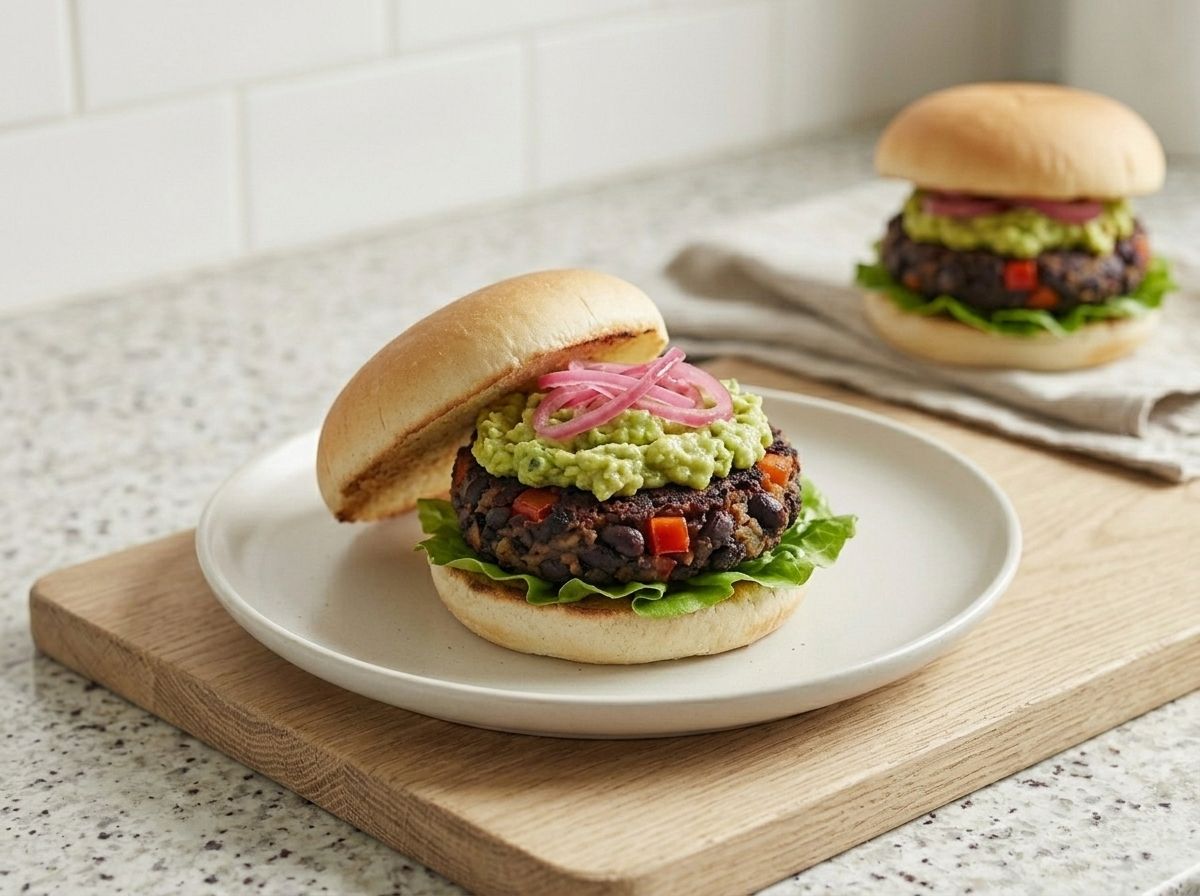
Satisfying, fiber-rich black bean burgers crisped to perfection, then stacked high with fresh toppings on a toasted bun.
Jump To Recipe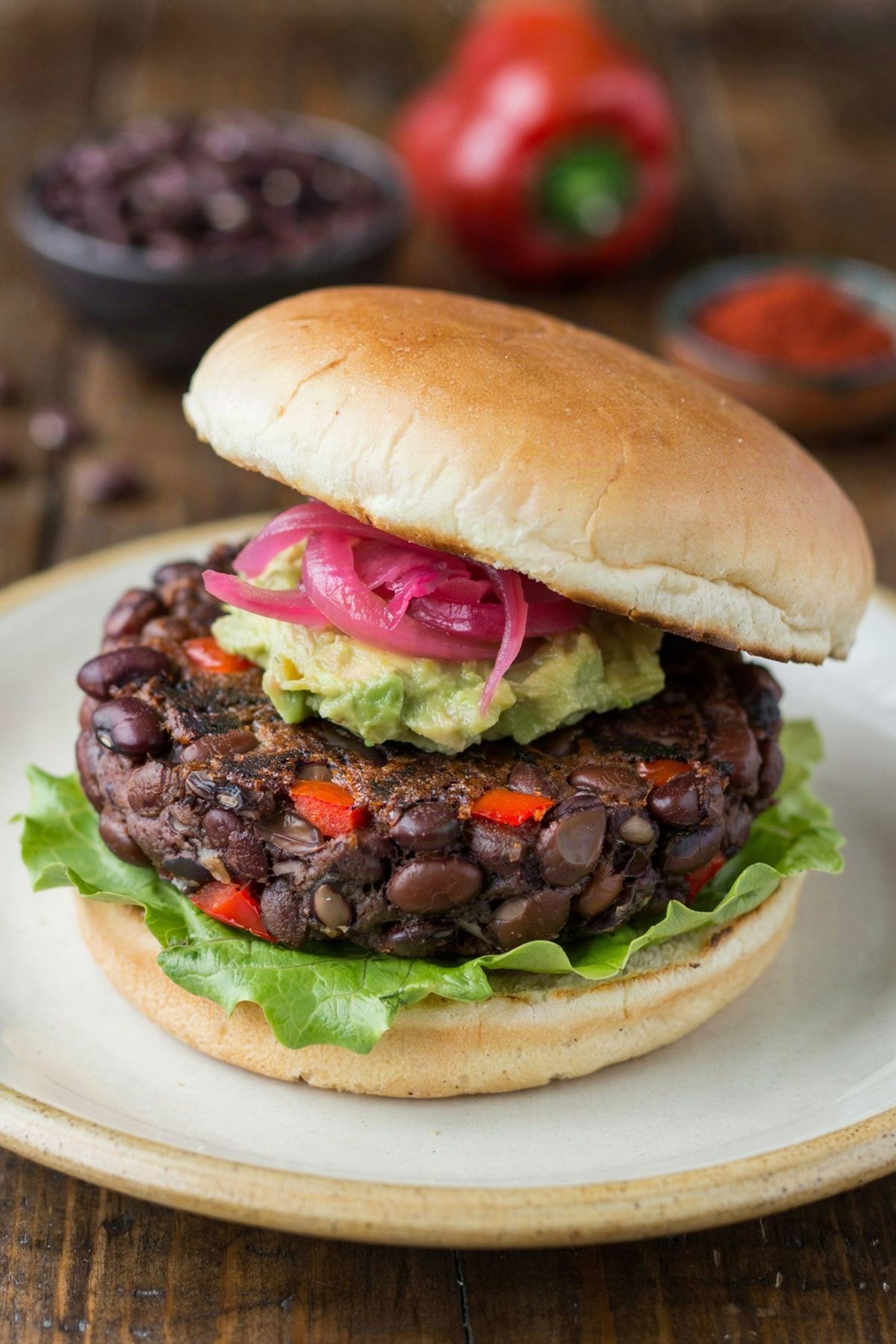
Why I Love These Black Bean Veggie Burgers
I’ve tried a lot of veggie burgers over the years. This black bean burger recipe is superior to the rest for three reasons: flavor, texture, and how easy it is to make, even after a long day. Every bite has that smoky, spicy taste, and the beans hold together instead of going to mush.
Whether you cook them on a grill pan or in a skillet, you get that crisp edge and a soft, hearty center every time. Here’s what I especially like to do with these burgers:
- Pile on toppings like avocado, crisp lettuce, and really ripe tomato. You can’t go wrong.
- Enjoy them with a pile of homemade sweet potato fries, because that hint of sweetness hits just right.
- Switch up the heat: sometimes I add a chopped chipotle in adobo or a sprinkle of hot sauce to the mix.
This is the type of meal that fills you up, keeps you going, and never makes you feel bad. It's simple, bold, and always satisfying.
The story
The Black Bean Burger Came Out of a Tex-Mex Kitchen, Not a Health Food Store
The veggie burger’s founding story is a health food story. Gregory Sams sold the first VegeBurger in London in 1982, built on wheat gluten, soy, sesame and oats, and by the end of the decade it was moving a quarter of a million patties a week. Paul Wenner pressed his first Gardenburger out of leftover rice pilaf at his Oregon restaurant around 1981 and was wholesaling them by 1985. Both were grain-and-vegetable patties sold on the promise that they were good for you, and neither tasted of anywhere in particular.
The black bean burger arrived a decade later from a different direction entirely. Through the 1990s, American casual dining and Tex-Mex chains were under pressure to put a vegetarian entree on the menu, and their kitchens already had the answer sitting in a hotel pan: seasoned black beans, cooked fresh every day for burritos and rice bowls. Mash them, bind them, press them into a disc, and the vegetarian option matched the rest of the menu instead of apologizing for being on it. Chili’s has carried a black bean patty since that era and still sells one.
That origin explains the seasoning. This is not a hamburger, salted and peppered and otherwise left alone. It is seasoned like the restaurant it came from: chili powder, cumin, smoked paprika, garlic, lime. Every version you will find is downstream of beans that had already been flavored for something else, which is why a black bean burger tastes faintly of burrito. It also explains the technique. A Gardenburger started from grains that were dry to begin with; a can of black beans is not, and every method problem below traces back to that one fact. The bean itself is older than all of it, a variety of Phaseolus vulgaris domesticated in the Americas thousands of years before European contact. This is not a stand-in for anything. It is one of the oldest cultivated foods on two continents, served in a bun.
What to buy
Ingredient Notes
Canned black beans
A 15 oz (425 g) can gives about 1½ cups, or 260 g, drained, and it is the drained weight the recipe is built around. Cans vary: drain light and the mixture comes out dry, drain heavy and it comes out slack, which is what the breadcrumb adjustment in step 5 is for. Dried beans are better and cheaper, about ½ cup (100 g) simmered until tender. Refried beans and beans packed in chili sauce will not work.
Breadcrumbs, and why cooked quinoa is not a one-for-one swap
This recipe used to offer ½ cup of cooked quinoa as a straight substitute for ½ cup of dried breadcrumbs. It is not one. Half a cup of dried crumbs weighs around 60 g and is thirsty; the same volume of cooked quinoa weighs closer to 90 g and is already full of water. Swapping them adds moisture to a recipe whose whole design is removing it. For quinoa texture, add ¼ cup cooked and cooled on top of the full quantity of breadcrumbs.
Chili powder
American chili powder is a blend, mild ground chiles with cumin, oregano and garlic already in it. Elsewhere the same words on a jar mean pure ground chile and nothing else, which at a full tablespoon makes these burgers far hotter than intended. If that is what you have, use 2 tsp and add ½ tsp of dried oregano.
Smoked paprika
Sweet and hot paprika will not stand in for it. Spanish pimentón is dried over smoldering oak, and that smoke is the one flavor a skillet cannot generate for itself, which matters in a burger meant to taste as though it came off a grill. A chopped chipotle in adobo does the same job with heat attached.
Ground flaxseed
One tablespoon stirred into three of water is the vegan binder, and it has to be ground. Whole seeds pass straight through without gelling and add only a crunch in the wrong place. Give it the full 10 minutes, since the gel is the entire point. If keeping this vegan is not a concern, one egg does the same job slightly better.
Tomato paste
A single tablespoon looks like a rounding error in a list this size and is not. Fried for a minute in the hot pan it turns from sharp to concentrated and savory, supplying a depth a meatless patty has no other source for. Ketchup is not a substitute; it is mostly sugar and vinegar, and it makes the mixture wetter and sweeter at the same time.
Black Bean Veggie Burger
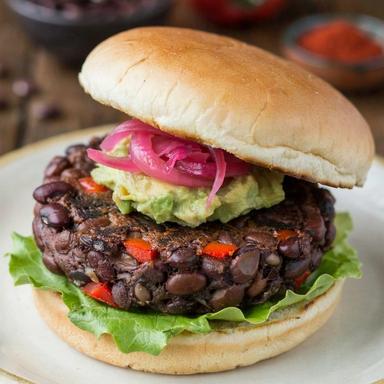
Black bean burgers that hold together and take a real crust, because the beans are roasted dry before they are mashed. The mixture keeps two days, so the cooking itself is a ten minute job.
Ingredients
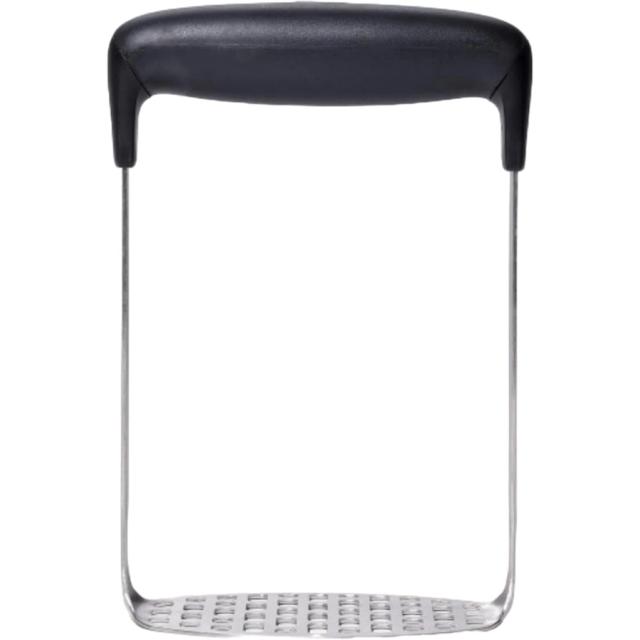
Equipment
As an Amazon Associate I earn from qualifying purchases, at no extra cost to you.

Instructions
- 1
Roast the beans dry
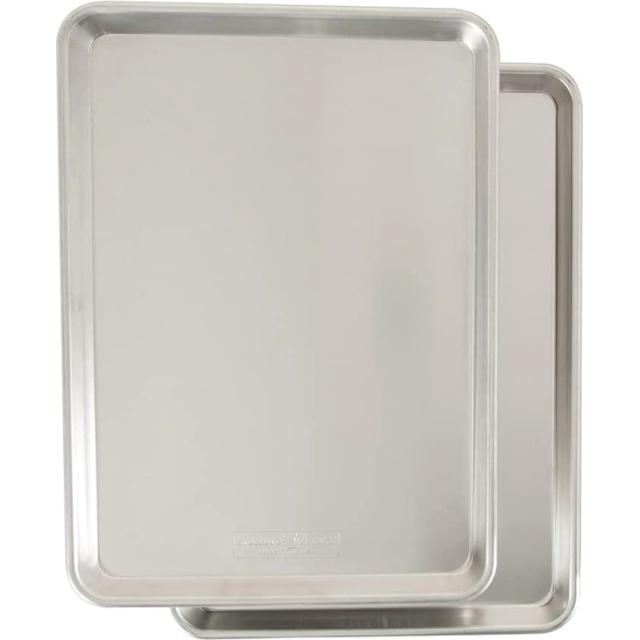
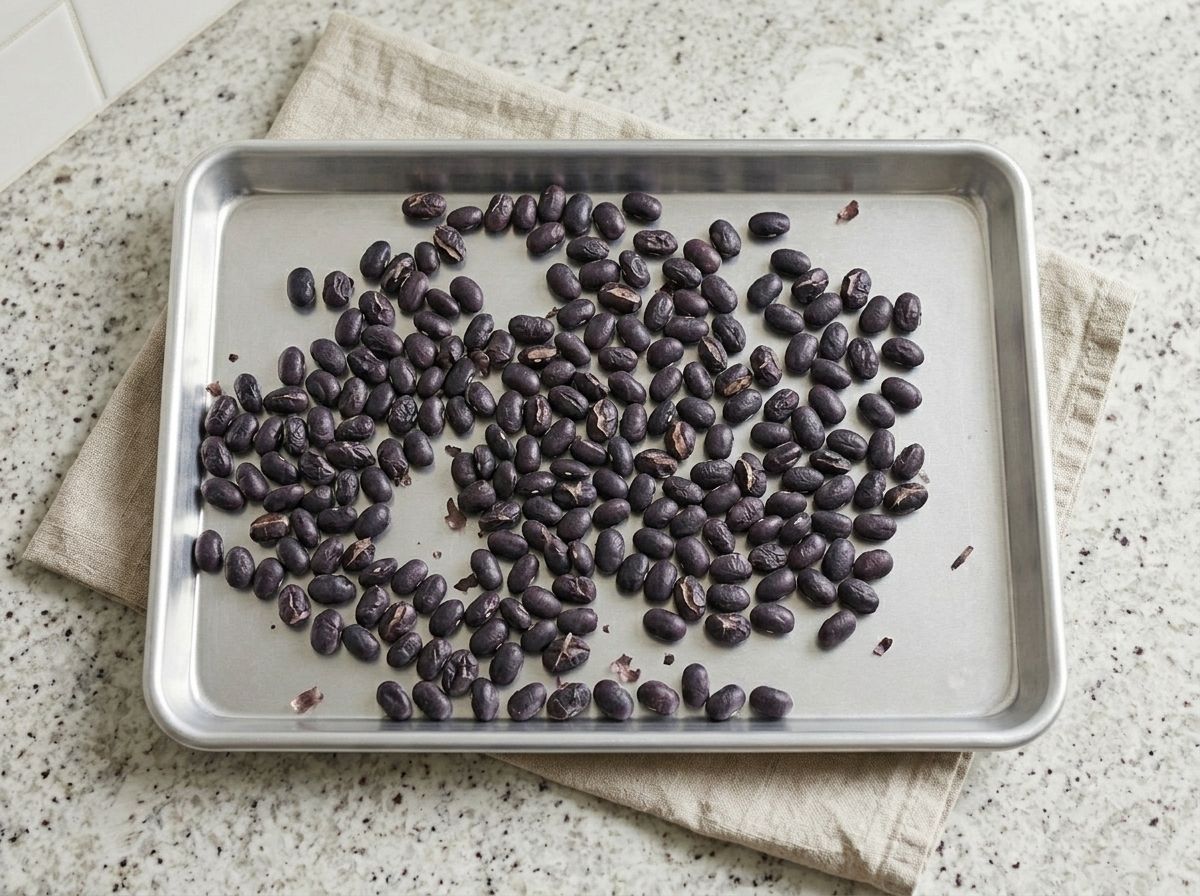
Heat the oven to 325°F (165°C). Spread the drained beans in a single layer on a rimmed baking sheet and roast for 18 to 20 minutes, until the skins have split and the beans look matte and dry rather than glossy. Leave them to cool for 5 minutes. This is the step that decides whether the patties hold together, so it is not the one to skip.
- 2
Make the flax egg
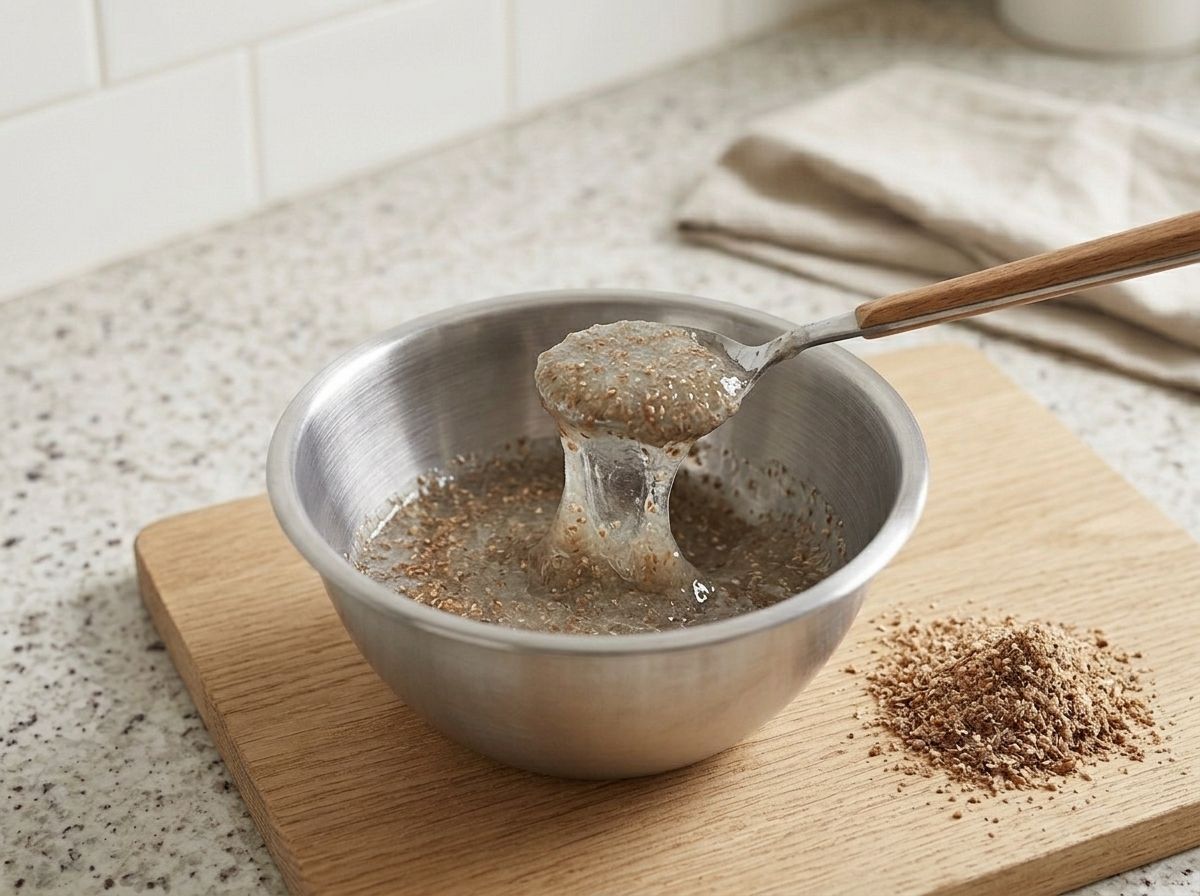
Stir the ground flaxseed into the water in a small bowl and leave it while the beans roast. After about 10 minutes it thickens to roughly the consistency of a raw egg white.
- 3
Cook the vegetables and bloom the spices
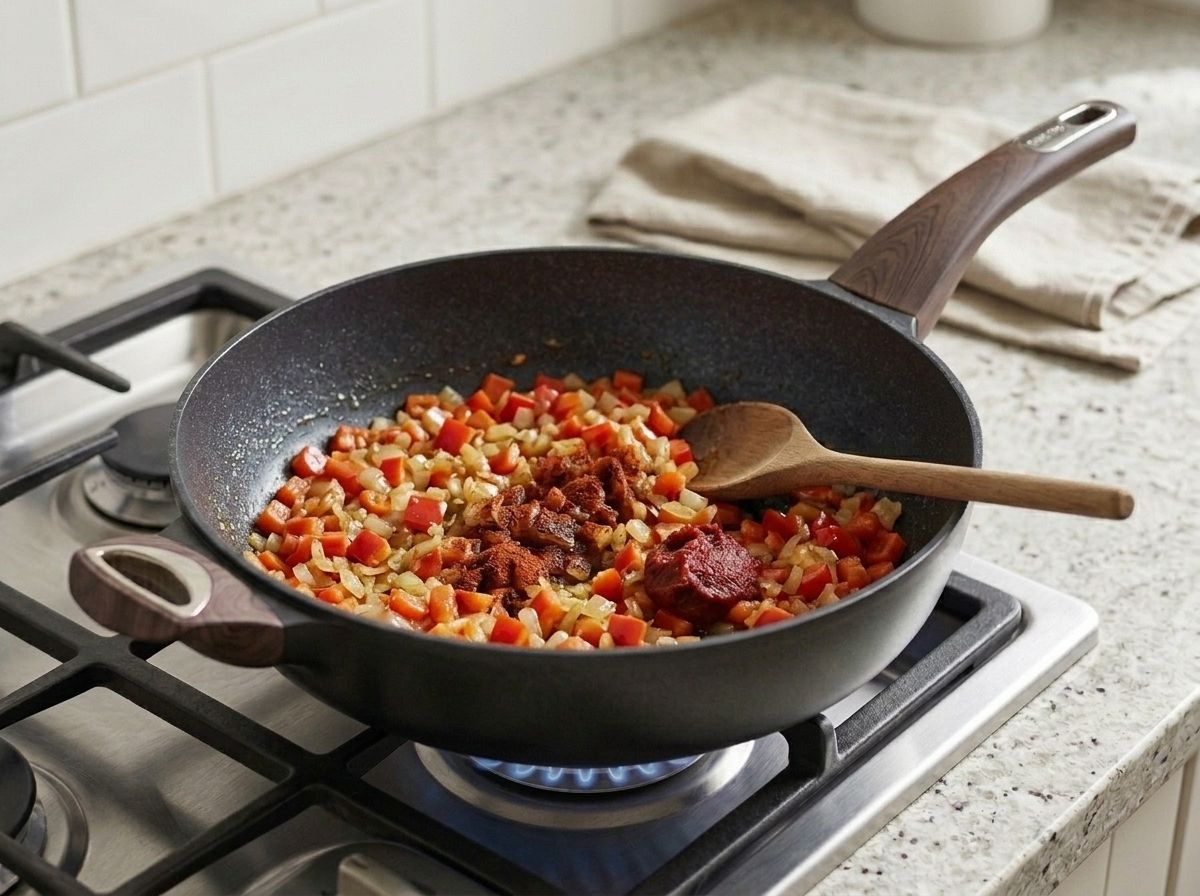
Heat 1 tbsp of the olive oil in a large skillet over medium heat. Cook the onion and bell pepper for 5 to 6 minutes, until softened and the pan looks dry rather than wet. Add the garlic, chili powder, cumin and smoked paprika and cook for 30 seconds, until fragrant. Stir in the tomato paste and cook for a minute more, then scrape it all into a large bowl and let it cool for a few minutes.
- 4
Mash to a paste and chunks
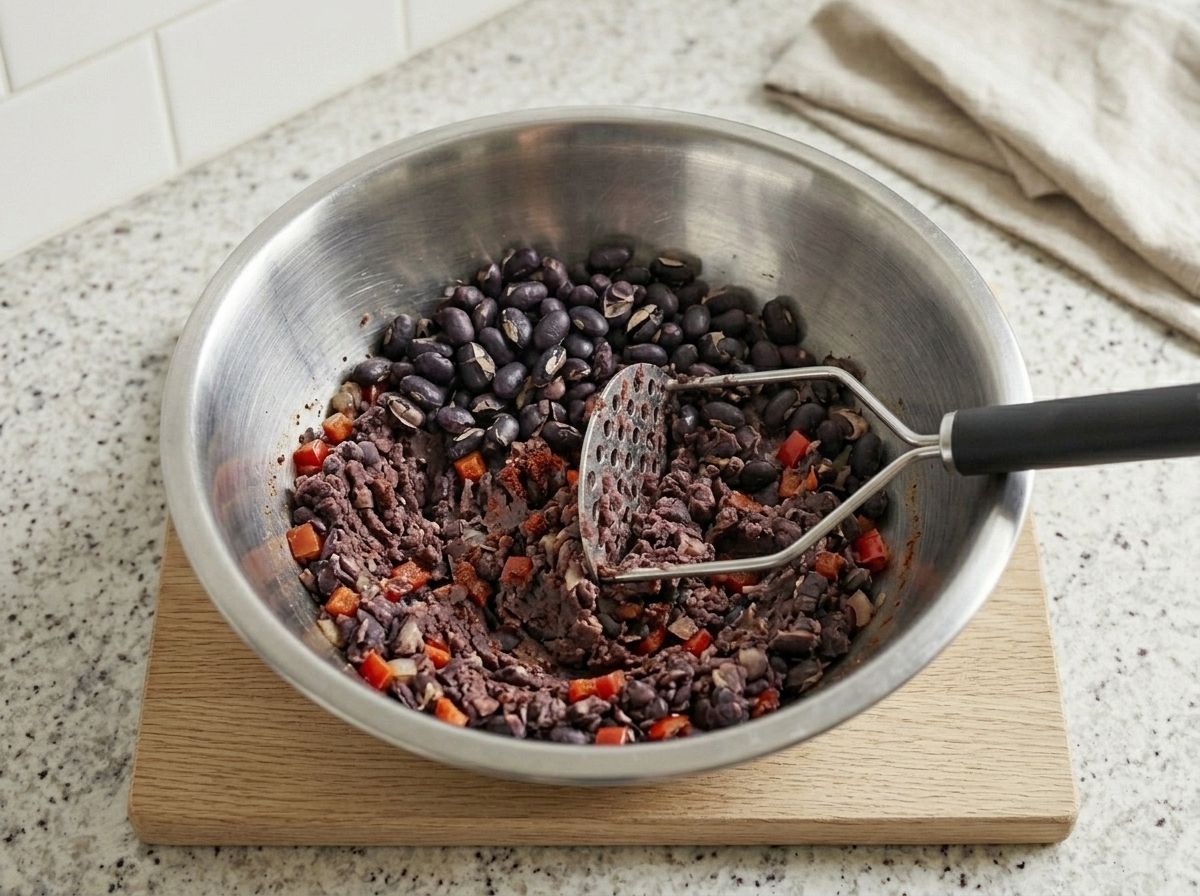
Add the roasted beans to the bowl and mash with a potato masher or fork until roughly two thirds of them have broken down to a paste and the rest are still whole or halved. The paste is the glue and the whole beans are the texture, so stop well before it turns into a purée.
- 5
Mix and taste for salt
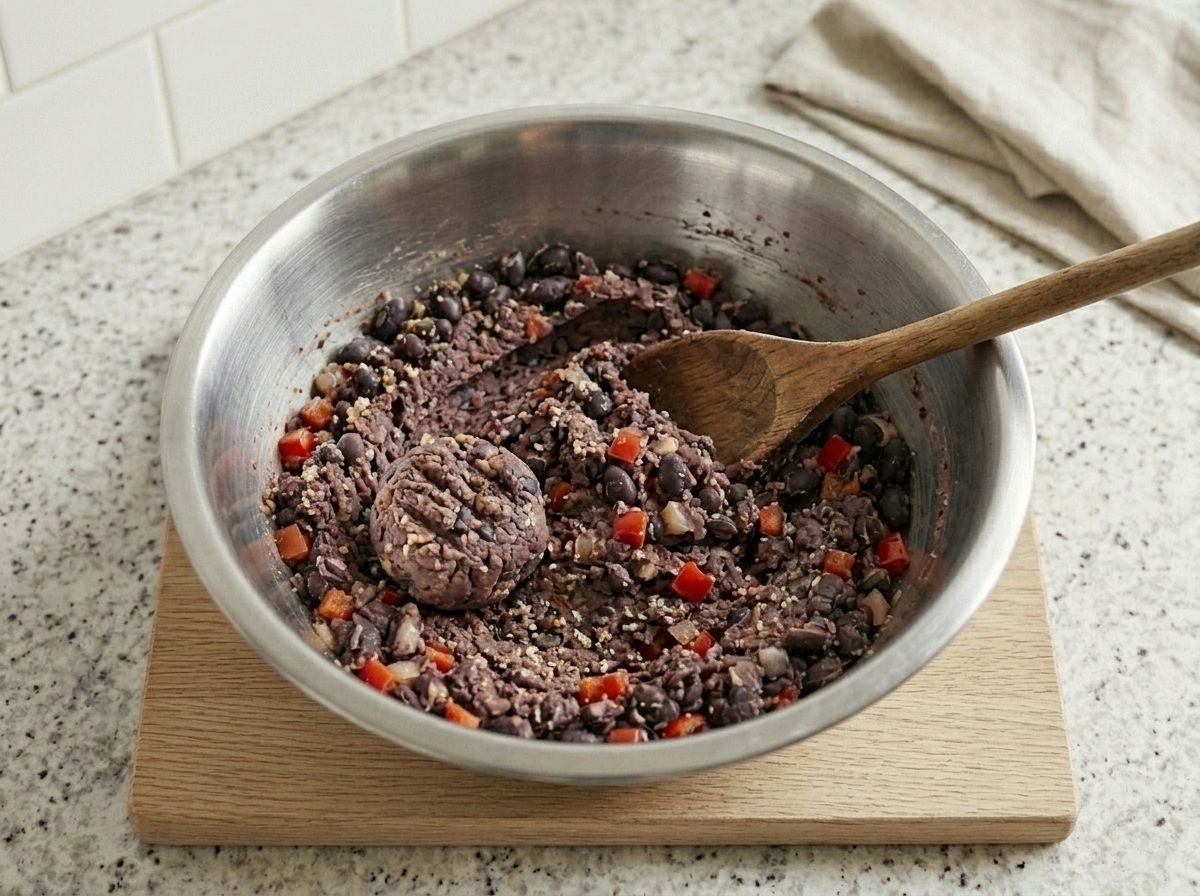
Stir in the flax egg, breadcrumbs, salt and pepper until evenly combined. A spoonful pressed in your palm should hold its shape; if it still feels wet, work in more breadcrumbs 1 tbsp at a time. Taste it now, because bean mixtures take more salt than you expect and this is the last chance to fix it.
- 6
Shape and chill
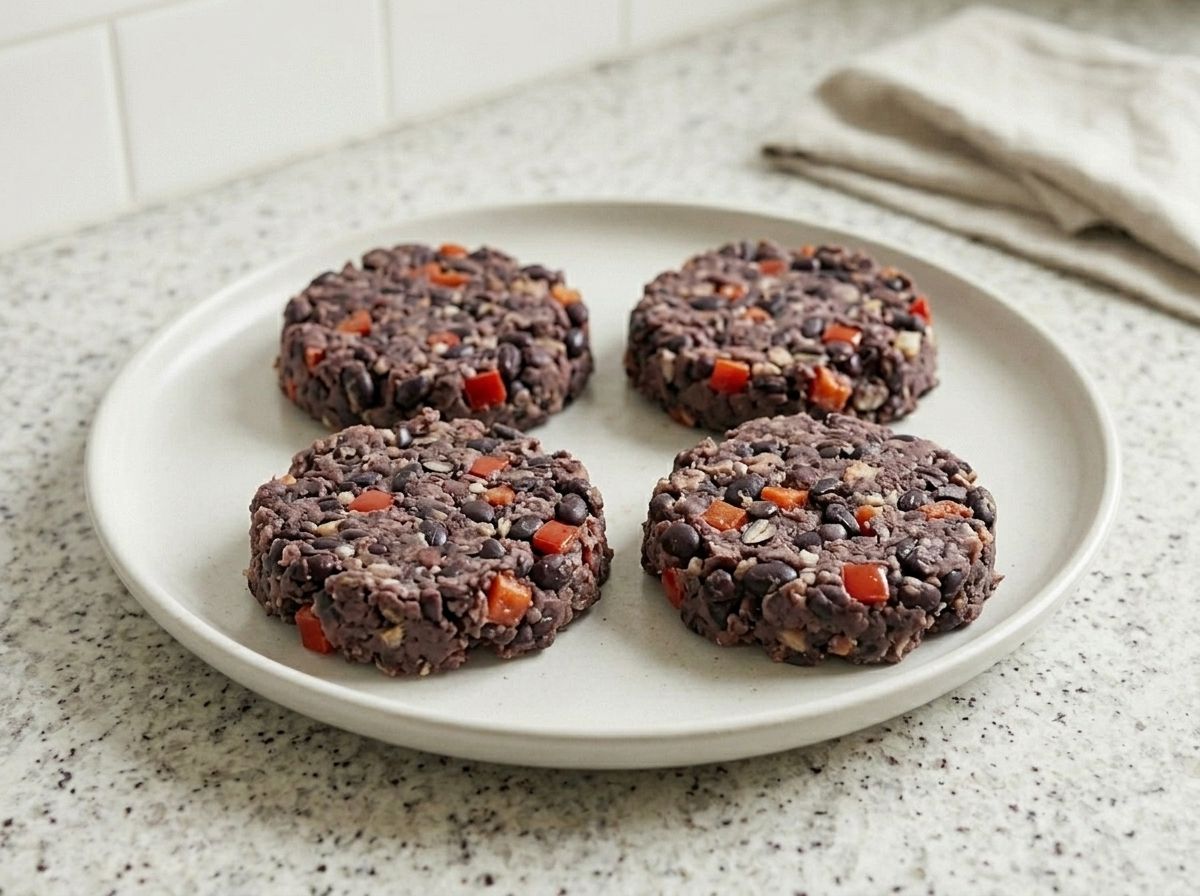
Divide the mixture into 4 equal portions of about ½ cup each and press each one into a patty roughly 4 inches (10 cm) across and ¾ inch (2 cm) thick. Chill them on a plate for at least 30 minutes. The breadcrumbs finish drawing in moisture and the fat firms up, which is what lets a patty survive being flipped.
- 7
Fry until a crust forms
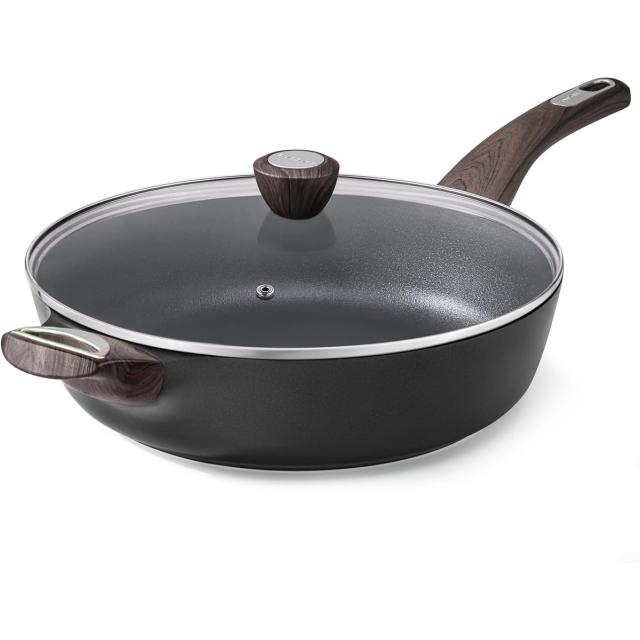
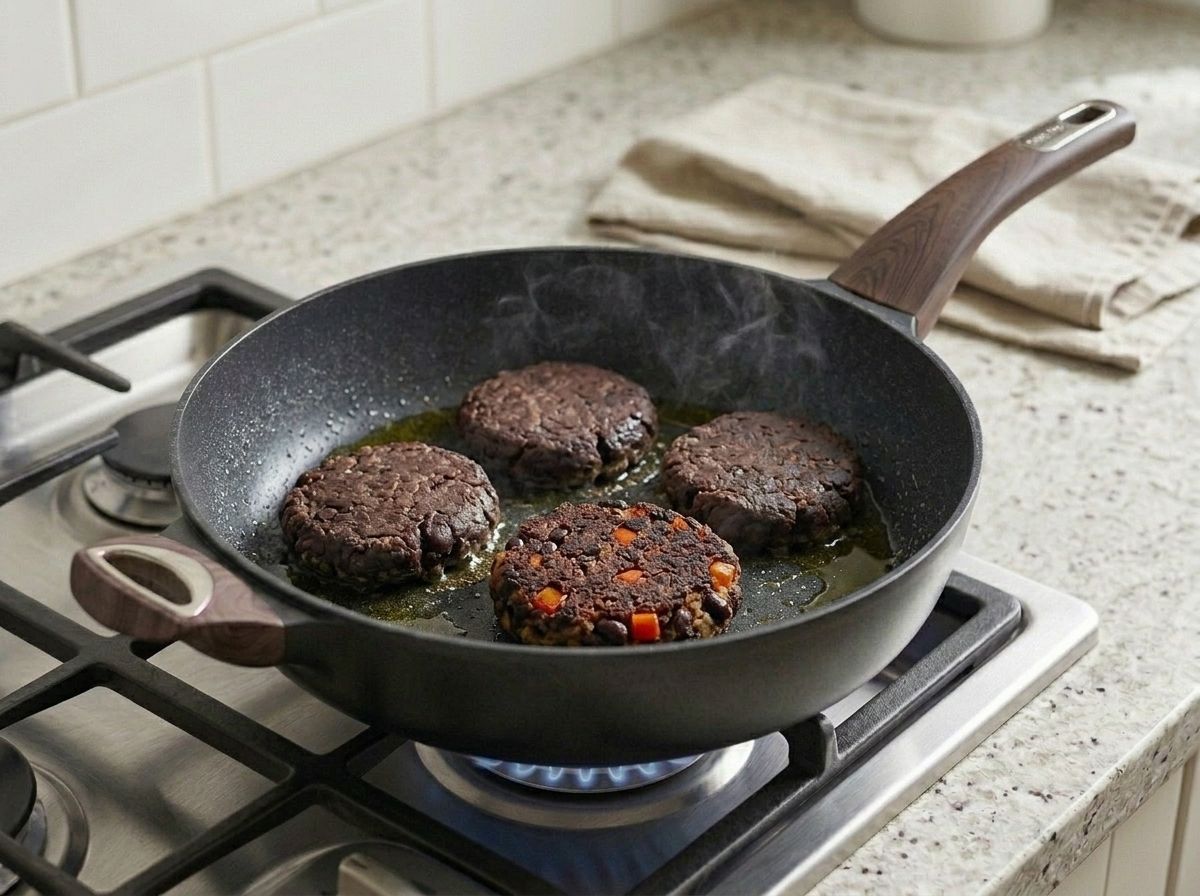
Heat the remaining 2 tbsp olive oil in the skillet over medium heat until it shimmers. Lay the patties in and leave them alone for 4 to 5 minutes. They release from the pan by themselves once a dark crust has set, and prodding them before that is how they tear. Flip once and cook 3 to 4 minutes on the second side.
- 8
Toast the buns and build
Wipe the skillet, toast the buns cut side down for a minute, then build each burger with a patty and your toppings. Serve straight away, while the crust is still crisp.
Notes
For a gluten-free burger use gluten-free breadcrumbs, or ½ cup (50 g) rolled oats blitzed to a coarse meal, plus gluten-free buns. Nothing else in the recipe contains gluten.
To bake rather than fry, put the chilled patties on an oiled baking sheet at 375°F (190°C) for 20 minutes, turning once. You give up some of the crust and gain the ability to cook all four without crowding a pan.
The 30 minute chill is the timing with the least give in it. Fifteen minutes in the freezer is the shortcut if you are pressed.
Nutrition Facts
4 burgers · 235 g per serving
- Calories
- 460 kcal
% Daily Value*
- Total Fat
- 19.2 g25%
- Saturated Fat
- 2.6 g13%
- Sodium
- 1227 mg53%
- Total Carbohydrate
- 58.6 g21%
- Dietary Fiber
- 14.1 g50%
- Sugars
- 6.5 g—
- Protein
- 15.9 g32%
Recipe from veggierecipes.blog
When it goes wrong
Troubleshooting
My patties fell apart in the pan
Moisture, arriving from one of three places: beans that went in wet instead of roasted dry, onion and pepper added raw so they shed their water into the mixture as it cooked, or a chill that got skipped. Fix all three and the problem generally disappears. The fourth cause is impatience. A patty moved at three minutes has no crust holding its underside together and will tear along the spatula. Wait until it releases from the pan on its own.
They taste flat, even though I followed the recipe
Under-salted, almost every time. Beans absorb salt without announcing it, and a mixture that tastes right raw reads muted once it has been cooked and buried in a bun that carries no seasoning of its own. Taste at step 5 and season until it is slightly too salty eaten plain. That is the level that comes out correct in the finished burger.
The inside is pasty, like refried beans
The beans were mashed too far. Two thirds broken down to a paste and one third still whole or halved is the target, so there is something to bite against. A food processor blows past that point in about four seconds, which is precisely why this recipe asks for a masher and not a machine.
The outside is dark but the middle is cold
The pan was too hot, the patty too thick, or both. Everything in the mixture is already cooked, so the skillet only has to build a crust and warm the center, and both jobs want moderate heat and a patty around ¾ inch (2 cm) thick. If a thicker patty is still cold inside, finish it in a 350°F (175°C) oven for five minutes rather than turning the burner up.
The crust is soft instead of crisp
Not enough oil, or too much crowding. Two tablespoons across four patties is the working minimum rather than a generous amount, and four patties in a skillet under 10 inches steam one another instead of frying. Cook in two batches if the pan is small, and build the burger straight from the skillet, because a patty resting on a plate softens in its own steam within minutes.
Before you serve
Serving & Storage
What suits this burger is what was already sitting next to those beans: lime, cilantro, avocado, pickled red onion, something smoky and creamy. Ketchup and yellow mustard are the one combination to avoid, since both fight the cumin rather than sitting beside it.
Toppings that match the seasoning
Avocado mashed with lime juice and salt beats sliced avocado, because it clings to the patty instead of sliding out at the first bite. Quick-pickled red onion is worth the twenty minutes it takes: slice one thinly, cover with lime juice and a pinch of salt, and leave it while the patties chill. A spoonful of adobo sauce stirred into mayonnaise, vegan or otherwise, is the single topping that most improves the burger.
Crisp lettuce matters more here than on a beef burger, because the patty is soft the whole way through and the sandwich needs something that snaps. A thick slice of raw tomato works least well of anything, adding water to a burger that has spent the entire recipe losing it. Salt the slices and drain them for ten minutes, or use salsa instead.
What to serve alongside
Sweet potato fries earn their reputation here, the sweetness offsetting the smoke. A cabbage slaw dressed with lime rather than mayonnaise supplies the acidity the plate otherwise lacks, and charred corn is the other natural fit.
Making it ahead
The make-ahead here is the mixture, not the cooked burger. Covered in the fridge it keeps two days and is arguably better on the second, once the breadcrumbs and spices have settled into each other. Shaped raw patties keep the same two days on a plate, and since the chill is a required step anyway, shaping them the night before reduces dinner to ten minutes in the skillet. Cooking the patties ahead and reheating them is the version that fails, because the crust is the first thing to go and it does not come back.
Storing leftovers
Cooked patties keep three to four days in the fridge. Reheat them in a dry skillet over medium heat for two to three minutes a side, which recovers a surprising amount of the crust; the microwave turns it into a damp skin. For the freezer, freeze the raw shaped patties rather than cooked ones. Firm them on a lined tray, stack them with parchment between, and bag them for up to three months, then cook from frozen over slightly lower heat with two or three extra minutes a side. Never freeze the loose mixture, which thaws slack and will not shape.
Still wondering
Frequently Asked Questions
Can I grill these black bean burgers?
Yes, but not on bare grates. A black bean patty has no fat to render and no protein network holding it together, so it sticks first and then breaks when you try to lift it. Use a grill pan, a flat griddle plate, or a doubled sheet of oiled foil laid over the grates, and cook the chilled patties 4 to 5 minutes a side over medium heat. You keep the smoke and the outdoor cooking; you give up the char lines and you keep the burger in one piece.
Are these burgers vegan?
Yes. The binder is a flax egg rather than a real one and there is no dairy anywhere in the patty, so the only things to check are the bun and the toppings. Supermarket brioche and milk buns usually contain egg or butter, and a fair number of ready-made burger sauces contain mayonnaise.
More Plant-Based Burger & Patty Favorites
Made this?