
Mexican Horchata Recipe
Published · Updated
The creaminess everyone reaches for milk to get is already sitting inside the rice; you just have to soak it long enough to pull it out.
Jump To Recipe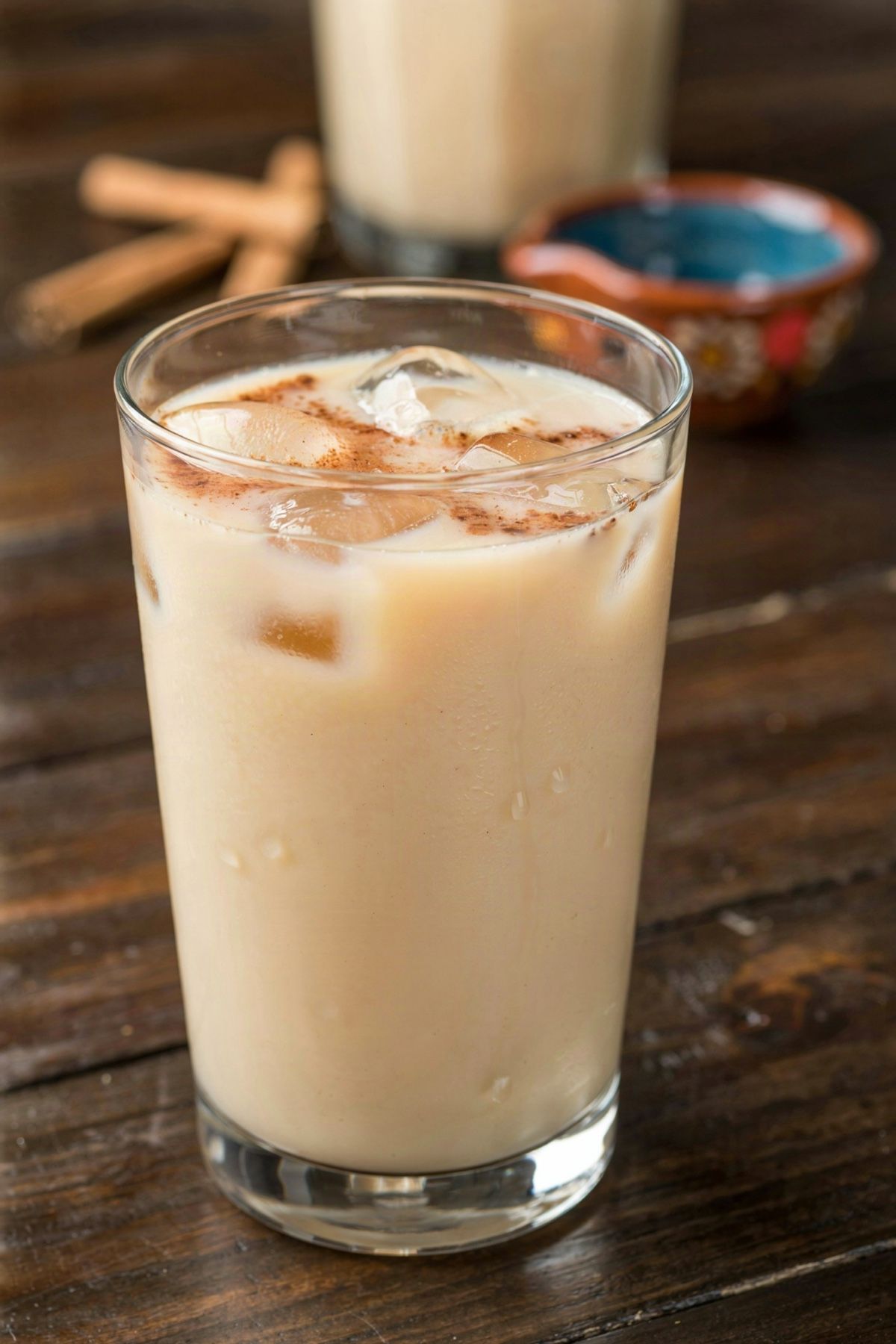
I Stopped Adding Milk And It Got Better
The first horchata I made at home was a disappointment, and I blamed the wrong thing. It came out thin and faintly gray, tasting mostly of cinnamon, so I did what the recipe I had been reading suggested as a fix and poured in evaporated milk until it looked like the stuff I remembered. It worked, in the sense that the glass was now creamy. It also tasted like sweetened milk with a cinnamon stick waved at it, and the rice had become pointless.
What had actually gone wrong was that I rinsed the rice. I rinse rice for everything else, on reflex, and here it washed away the exact thing I was trying to extract. The second attempt, unrinsed and soaked overnight instead of for the hour I had given it, came out pale ivory and thick enough to coat the inside of the glass, with no dairy anywhere near it. That is the whole recipe, really: the body comes from starch, and starch needs time and no rinsing.
I keep a jug of it in the fridge from about May onwards. It is the drink I make when I have cooked something with too much chile in it and need to fix the damage, and it is better at that than water or beer, because the starch coats your mouth and actually carries the capsaicin away. My one firm rule is to make it slightly stronger than I want to drink it, because it is always going over a full glass of ice and the ice always wins.
The story
Horchata Means “Made With Barley,” And There Never Was Any
The word is older than either drink that now carries it, and it describes neither. The Real Academia Española traces horchata to the Latin hordeata, “made with barley,” from hordeum. That points back at a whole family of Mediterranean grain drinks, ground cereal loosened with water and sweetened, which is a genuinely ancient idea. What it does not point at is anything you will find in a glass of horchata today. There is no barley in the Valencian version and none in the Mexican one. The name outlived its own ingredient.
Valencians tell a better story, and it is not true. The legend has King Jaume I handed a cup of tiger nut milk by a local girl, tasting it, and declaring “açò no és llet, açò és or, xata!”: this is not milk, this is gold, sweetheart. Or, xata. Horchata. Every horchatería in Valencia will tell you that one, but the Latin route is the one linguists accept, and the word appears in forms that predate the anecdote.
The plant came first, and it came a long way. Tiger nuts, chufa, are not nuts but the small tubers of a sedge, cultivated in Egypt thousands of years ago and found in pharaonic tombs. They reached Spain with the Moorish expansion in the eighth century and settled in the wet farmland around Valencia, which suited them. By the thirteenth century there are Valencian references to llet de xufes, tiger nut milk, and horchata de chufa has been the regional drink ever since.
Mexico is where it changed. Spanish colonists brought the habit across in the sixteenth century, found no chufa growing there, and reached for the starchy thing that was available: rice. That substitution is the whole origin of horchata de arroz, and it is why the Mexican drink and the Spanish one share a name, a method and a color while having no ingredient in common. Cinnamon arrived the same way, through the colonial spice route, and the Mexican version leans on it far harder than the Valencian one ever did.
Here is the part that matters for a vegetarian kitchen, and it is the reverse of what you would expect. Horchata was dairy-free for its entire history in both hemispheres: a tuber and water in Valencia, rice and water in Mexico, the milky look in both cases coming from starch in suspension rather than from any animal. The evaporated and condensed milk in most American recipes are a twentieth century restaurant addition, for richness and for holding up behind a counter. So what follows is not horchata adapted for vegans. It is horchata, and the dairy is the modification.
What to buy
Ingredient Notes
Long-grain white rice
Plain long-grain white rice, and it is worth being dull about it: it has the starch profile that gives horchata body without the gluey quality of short-grain and arborio, and it grinds down cleanly. The important instruction is one you will want to disobey. Do not rinse it. Rinsing is correct for almost everything else and completely wrong here, because the surface starch you would wash down the sink is the ingredient doing the work. Brown rice comes out muddy and tastes of cereal, the bran gets in the way. Cooked or leftover rice fails differently: the starch has already gelatinized, so you get thin paste rather than a fine suspension.
Mexican cinnamon, canela
This is the biggest difference between horchata that tastes like a taquería and horchata that tastes like a candle, and it is a matter of species rather than quality. Mexican canela is Ceylon cinnamon, Cinnamomum verum: pale tan sticks, layered like a cigar, soft enough to crumble between your fingers. That friability is the practical point, because canela breaks down in the blender and passes the strainer as flavor. The hard, dark, tightly rolled quills sold as cinnamon in most supermarkets are cassia, which is woodier, much more aggressive and will not grind. Look for canela in the Latin aisle, where it is usually cheaper than the supermarket cassia anyway.
Water, and how much of it
The water is split deliberately rather than dumped in at once. The four cups the rice soaks in stay tight enough that the blender can grind against something, which is where the extraction happens; a jar of thin liquid just spins the grains around. The rest goes in afterwards to bring it to drinking strength, and that is the volume to adjust to taste.
Granulated sugar
Plain white sugar, and more of it than feels right. Two thirds of a cup across the batch reads as moderate once it is over ice and diluting. Sweeten at the end rather than before straining, so you are tasting the finished dilution. For a darker, caramel note, swap a couple of tablespoons for piloncillo, dissolved in a little hot water first because it will not go into a cold jug.
Vanilla extract
Not traditional everywhere, common enough in Mexico now to be unremarkable, and it does a specific job: it rounds off the sharp edge of the cinnamon and makes the drink read as creamy when there is no cream in it. Two teaspoons is enough to notice and not enough to identify. Add it cold, at the end, since the aromatics are volatile.
Blanched almonds, optional
Southern Mexico makes horchata with almonds worked in alongside the rice, and a small handful is the easiest way to add body if yours is coming out thin. They emulsify in and read as richness rather than as almond, which is why a quarter cup is right and half a cup is too much. Use blanched ones; the skins throw brown flecks and a trace of bitterness that straining will not catch.
Fine sea salt
A pinch, and it is not as optional as it sounds. Salt in a sweet drink does what it does in a caramel, which is to stop the sugar reading flat and one-note. You should not be able to taste it.
Mexican Horchata
The traditional Mexican rice drink, made the way it has always been made: long-grain rice and Ceylon canela soaked overnight, blended, and strained twice into a creamy agua fresca with no dairy in it anywhere. Makes about six cups.
Ingredients
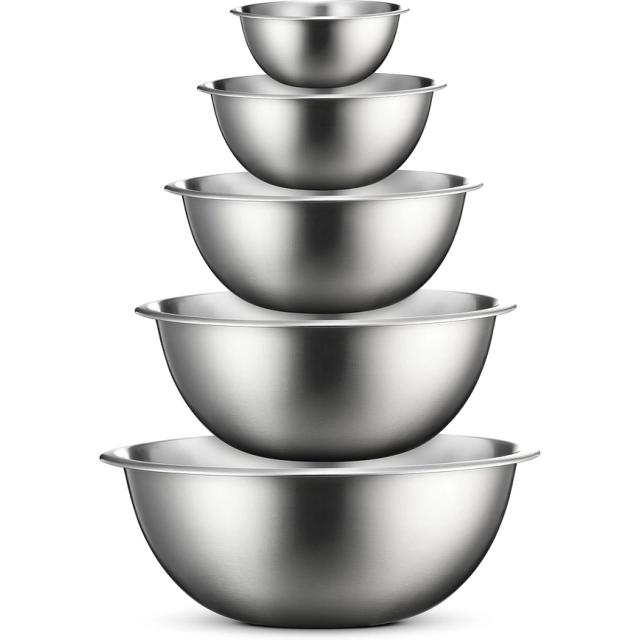
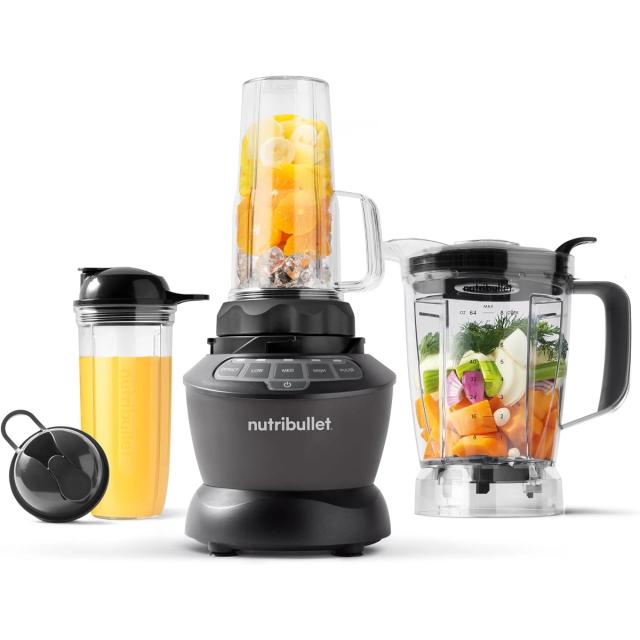
Equipment
As an Amazon Associate I earn from qualifying purchases, at no extra cost to you.
Instructions
- 1
Soak the rice and canela overnight
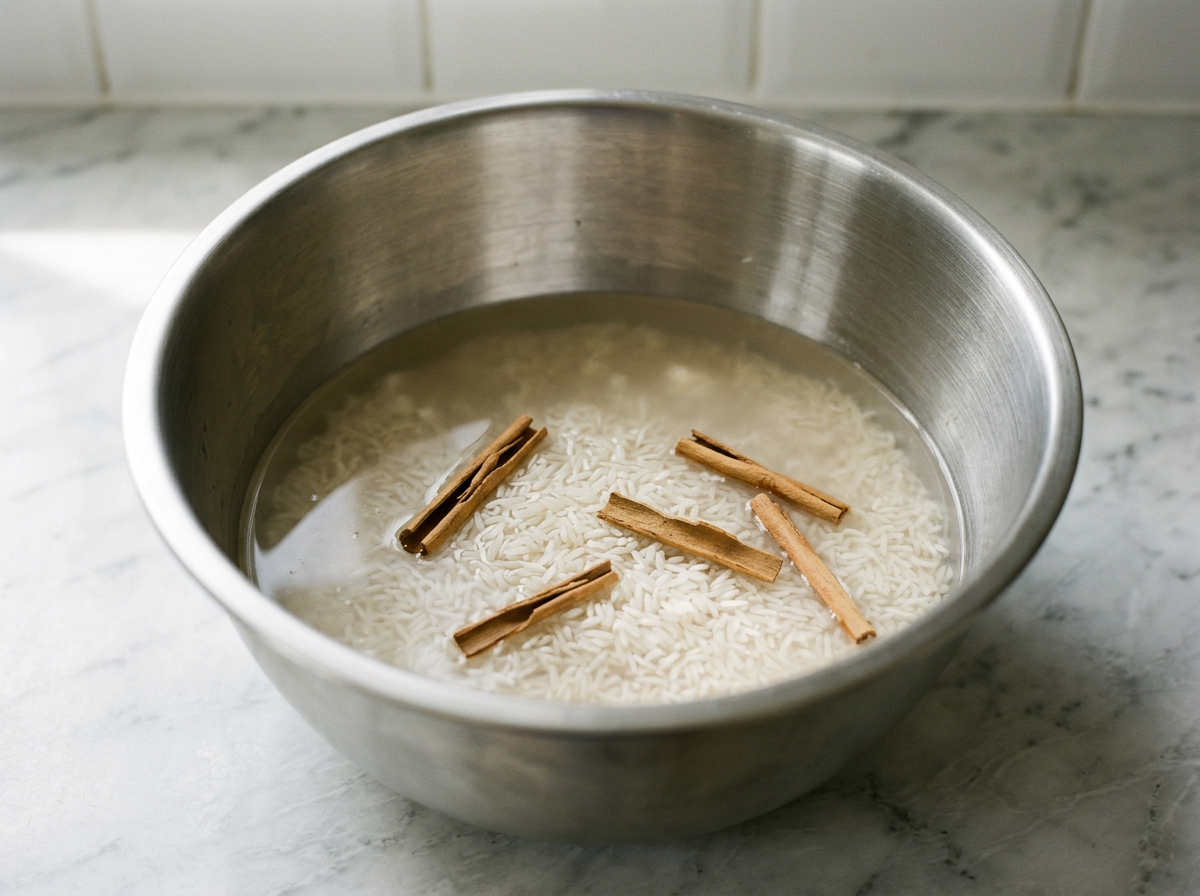
Put the unrinsed rice, the broken cinnamon sticks and the almonds if you are using them into a large bowl, and pour over the 4 cups of soaking water. Do not rinse the rice first; the surface starch is what makes the finished drink creamy. Cover the bowl and leave it on the counter for at least 8 hours or overnight. The grains should be soft enough to crush against the side of the bowl with a spoon.
- 2
Blend it to a smooth slurry
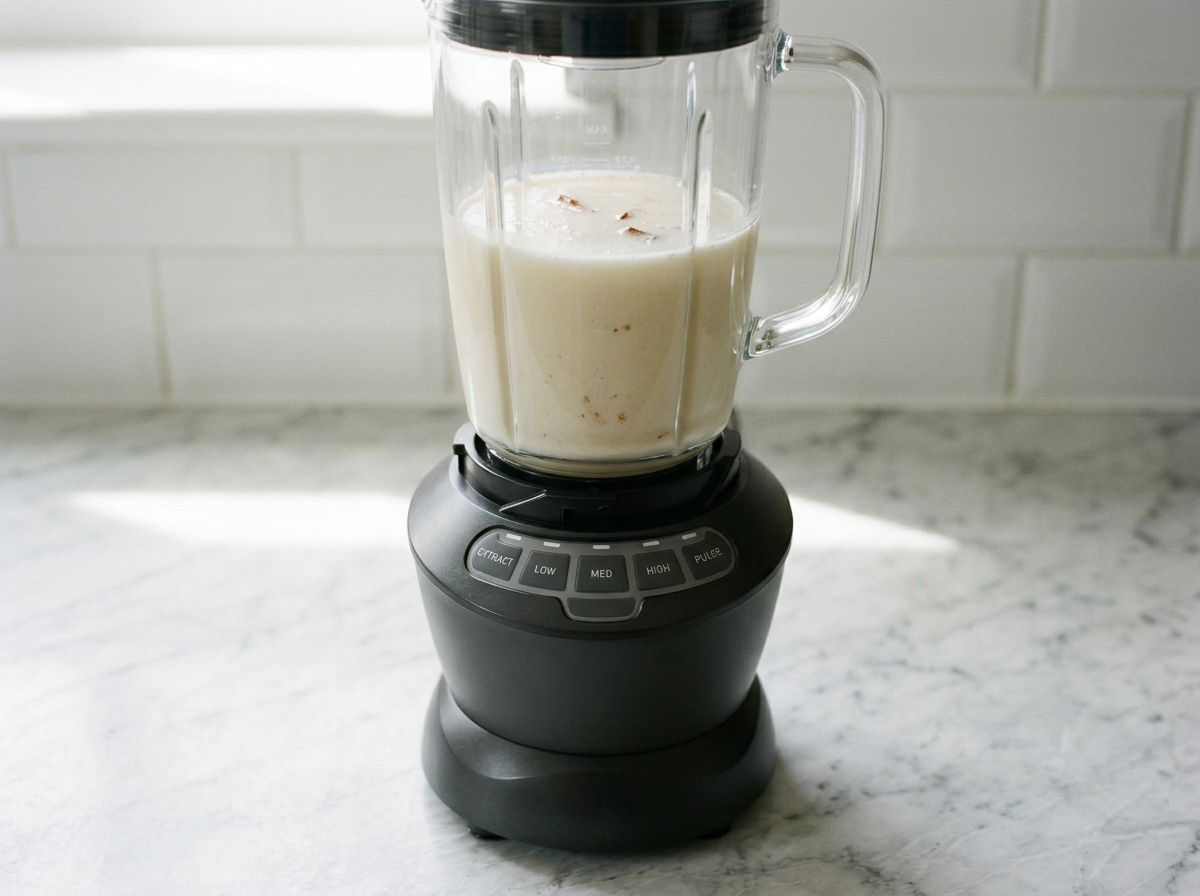
Tip the whole bowl into the blender, soaking water and cinnamon included, and blend on high for 2 to 3 minutes. It will go from watery to a pale, opaque slurry the texture of thin cream. Judge it by feel rather than by eye: rub a drop between your finger and thumb, and keep going until you can barely detect any grit. If your blender is standard rather than high-powered, do this in two half batches so the rice circulates.
- 3
Strain out the solids
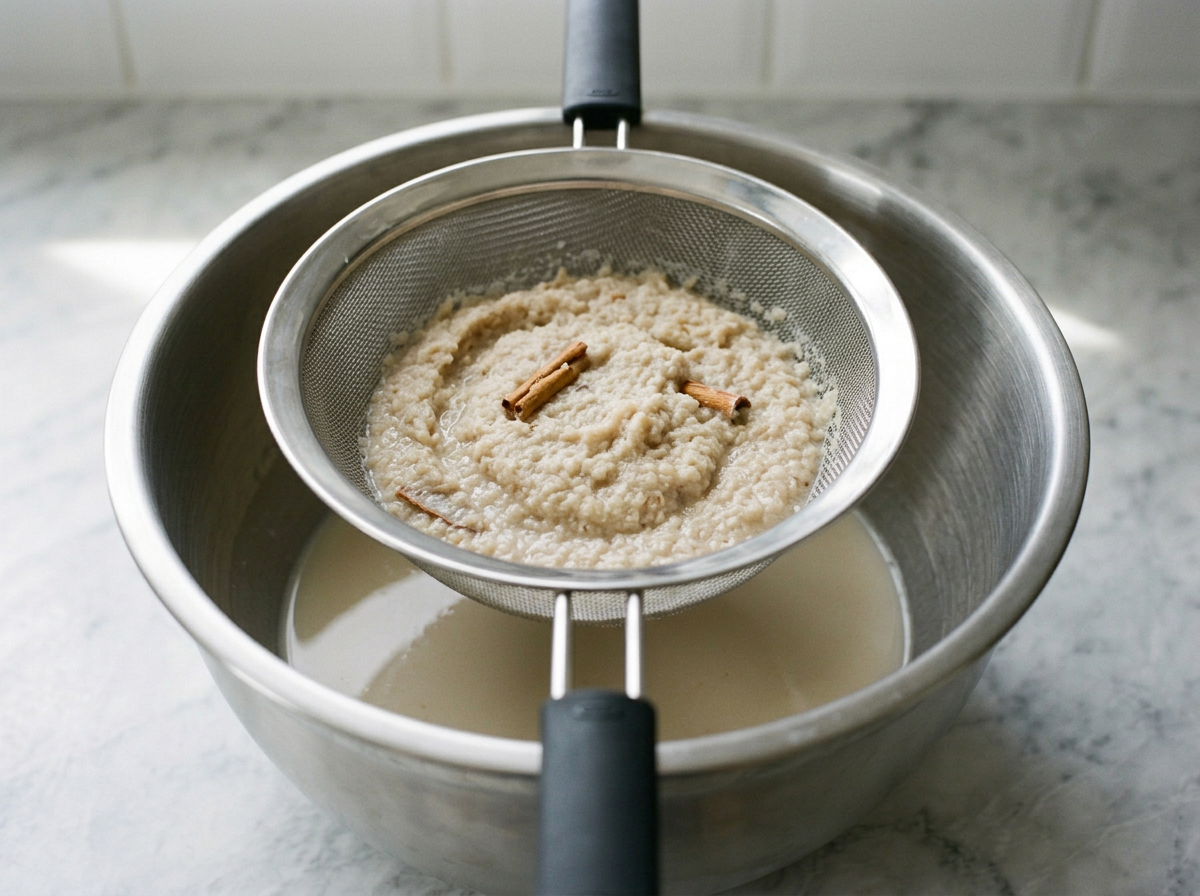
Set a fine mesh strainer over a large bowl or jug and pour the slurry through it, stirring gently with a spoon to help the liquid pass. Discard the rice pulp left behind, which has given up everything useful. The liquid at this stage still has fine particles in it and will feel slightly sandy, which is what the next step is for.
- 4
Strain again through cheesecloth
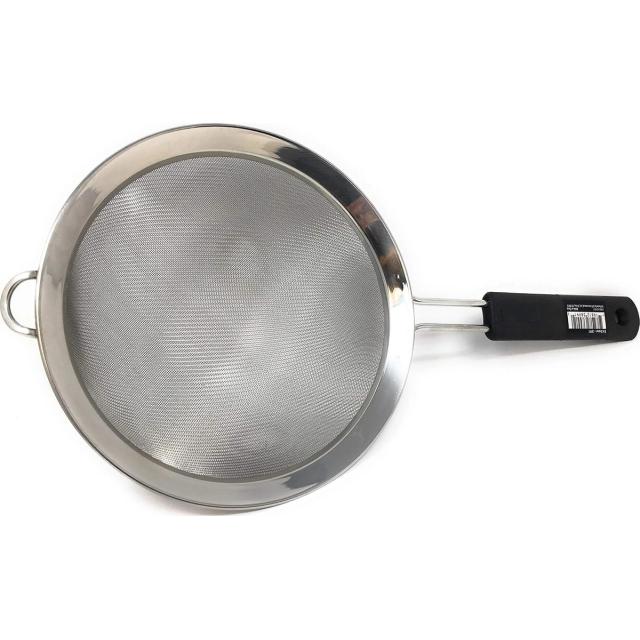
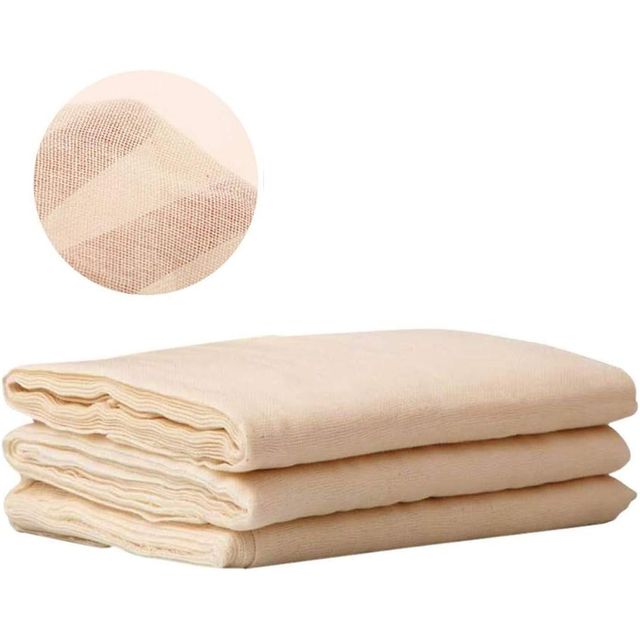
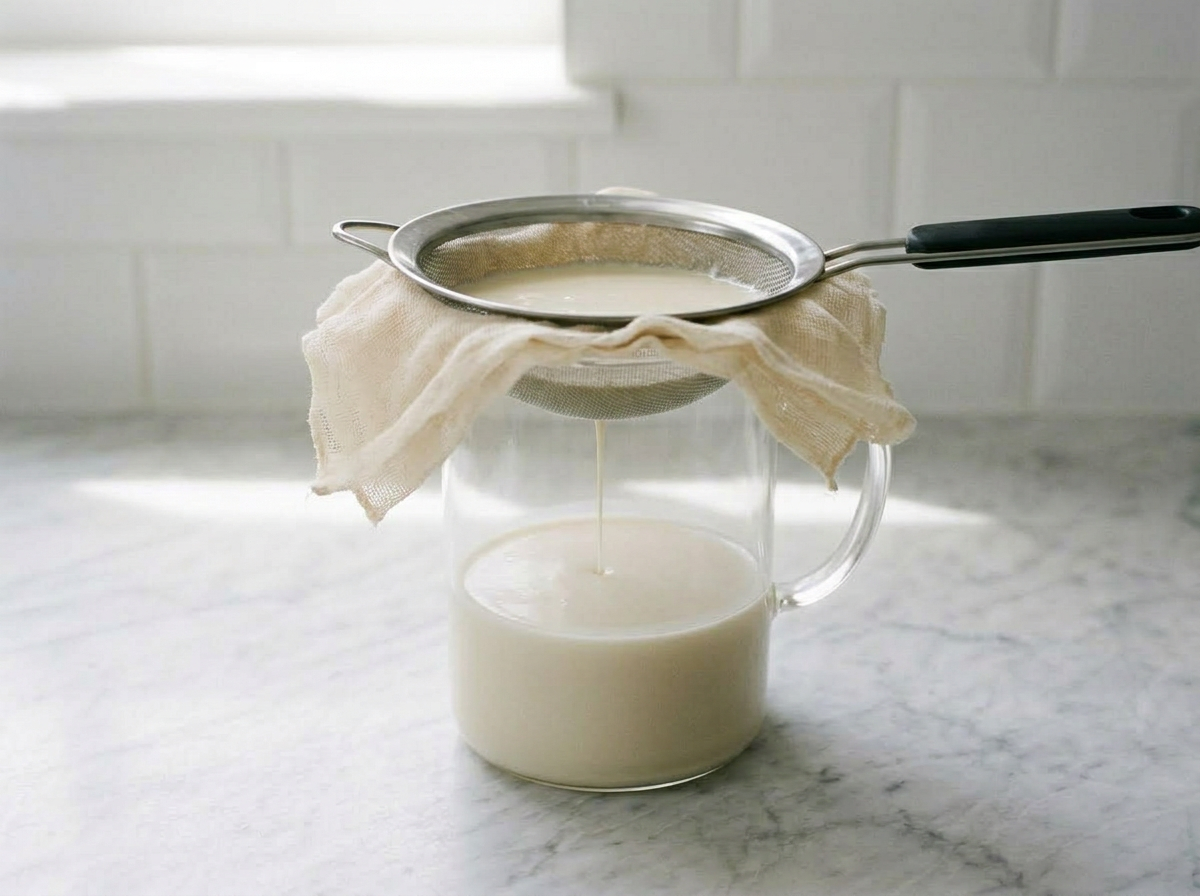
Line the rinsed strainer with two or three layers of cheesecloth, set it back over a clean jug, and pour the horchata through a second time. Let it drip through on its own rather than wringing the cloth out, because the sludge you would squeeze into the jug is exactly the grit you are removing. This is the step that separates smooth horchata from gritty horchata, so give it the few minutes it needs.
- 5
Sweeten and bring it to strength
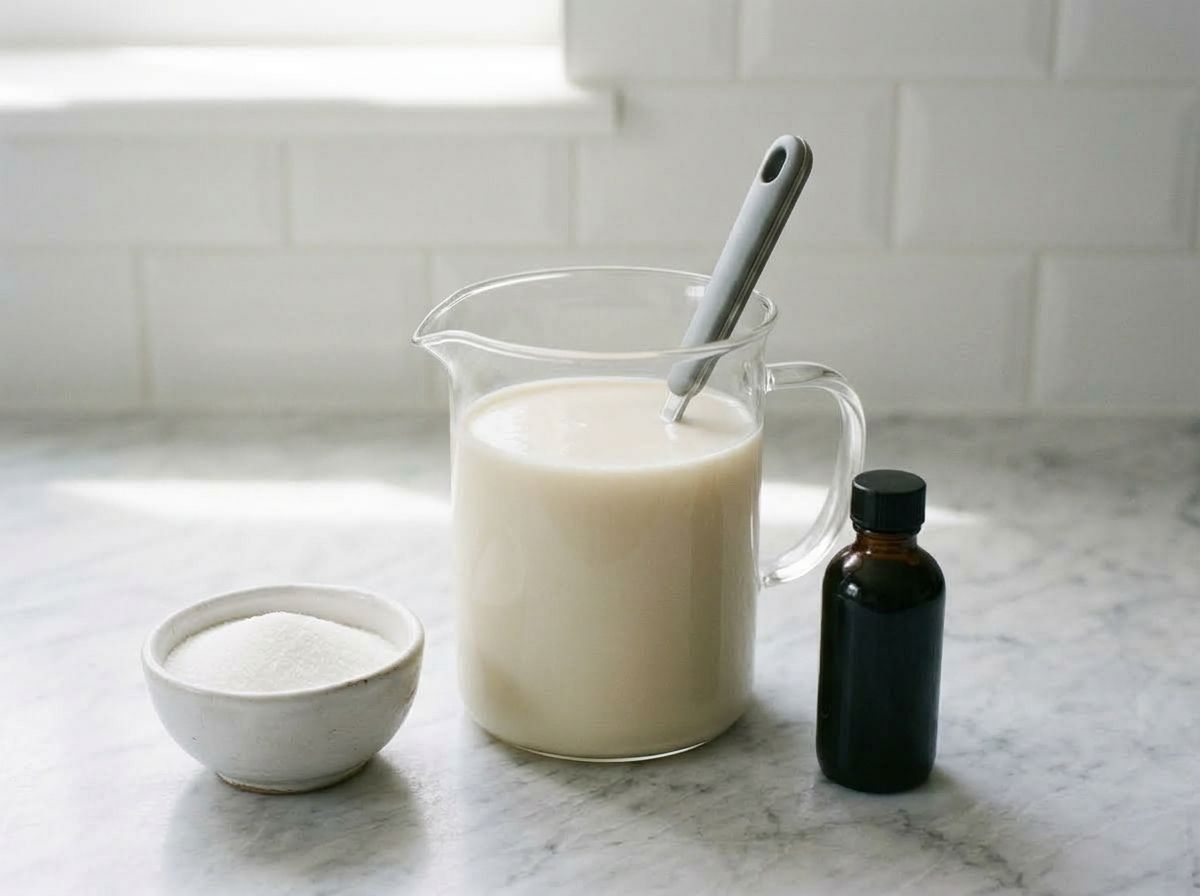
Stir the sugar, vanilla and salt into the strained horchata until you cannot feel any sugar grains against the bottom of the jug. Add the thinning water a cup at a time, tasting as you go, and stop while it is still a little stronger than you want to drink it. Hold back the last cup entirely if it already tastes right.
- 6
Chill, then serve over ice
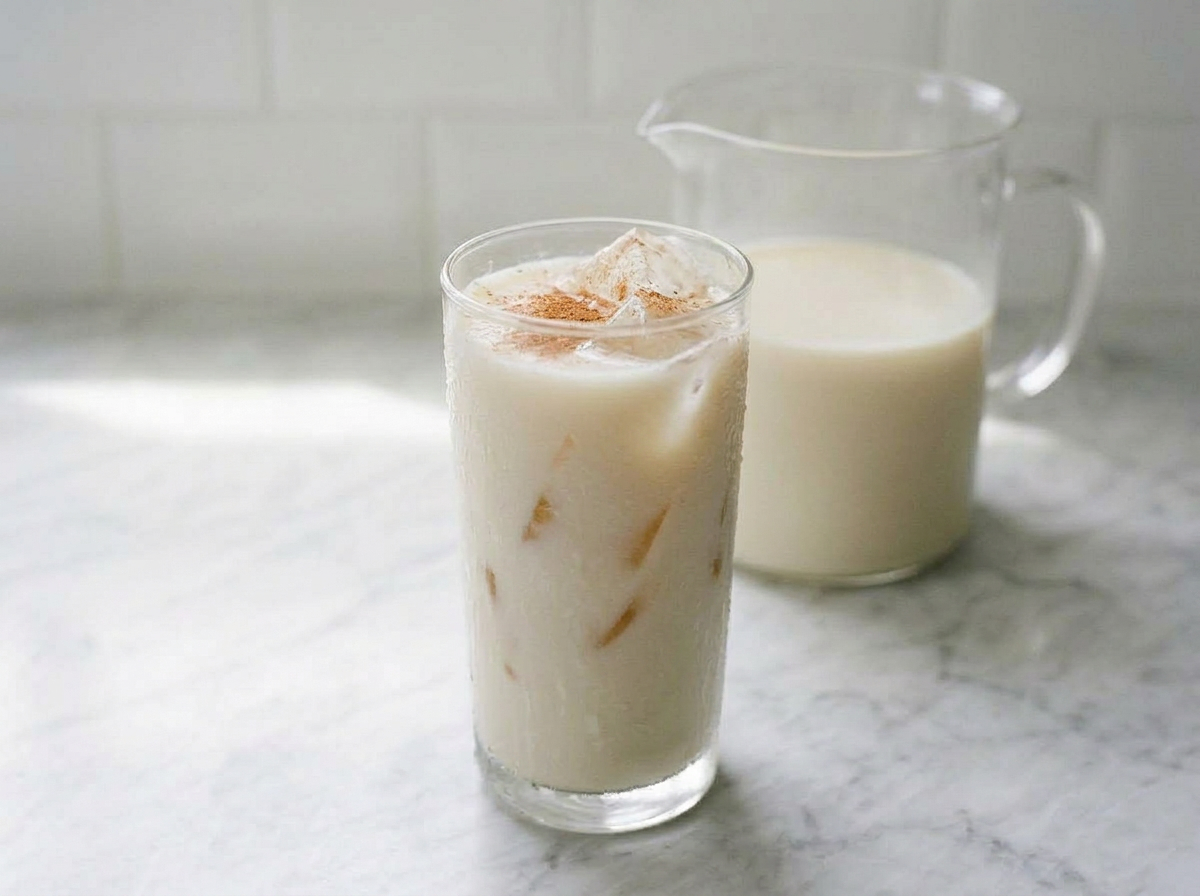
Refrigerate for at least an hour, until it is properly cold. It will settle into layers while it sits, which is normal for a starch suspension and not a fault, so stir or shake it back together right before pouring. Serve over a full glass of ice with a dusting of ground cinnamon on top.
Notes
Do not rinse the rice. The surface starch is what makes horchata creamy, and rinsing it away is the most common reason a batch comes out thin.
For a deeper, nuttier horchata, toast the dry rice and canela in a skillet over medium heat for about 8 minutes, until the rice is golden and smells like popcorn, then cool and soak as usual.
In a hurry: pulse the dry rice in the blender first, cover with very hot water, and soak 2 hours instead of overnight. It works, and it is a little thinner.
Build it slightly stronger than you want to drink it. It is going over a full glass of ice and the ice will do the last of the dilution.
Nutrition Facts
8 servings · 252 g per serving
- Calories
- 176 kcal
% Daily Value*
- Total Fat
- 2.3 g3%
- Saturated Fat
- 0.2 g1%
- Sodium
- 17 mg1%
- Total Carbohydrate
- 36.5 g13%
- Dietary Fiber
- 1.1 g4%
- Sugars
- 16.8 g—
- Protein
- 2.5 g5%
Recipe from veggierecipes.blog
When it goes wrong
Troubleshooting
It came out gritty and there is sand in the bottom of the glass
This is the standard first attempt, and it is almost always the straining rather than the blending. A fine mesh strainer on its own passes particles small enough to fall through the mesh and large enough to feel on your tongue, which is why the recipe strains twice and lines the strainer with cheesecloth the second time. Fold the cloth to two or three layers, and resist wringing it out, because the sludge you squeeze through is exactly what you are trying to remove. If it is still gritty after both passes, blend the next batch a full minute longer, and check it by rubbing a drop between finger and thumb rather than by looking at it.
It separated into layers in the fridge overnight
That is horchata behaving correctly, and it is the clearest sign you made the real thing. What is suspended in the liquid is rice starch, not dissolved sugar, and suspensions settle: the heavy particles drift down and the thinner liquid rises. Commercial horchata does not do this because it carries gums and emulsifiers to stop it. Stir or shake the jug before every pour and the problem disappears. Do not blend the whole jug again to fix it, which just aerates it and makes it foam.
It tastes like cinnamon water, thin and not creamy at all
Three causes, in the order they are likely. You rinsed the rice, which washes off the surface starch that provides all of the body, and that batch is not recoverable. You cut the soak short, and eight hours does real work that two hours does not, because the grains have to hydrate all the way through before the blender can break them. Or you added the finishing water by the recipe rather than by taste and overdiluted. That last one is the easy fix: hold back the final cup and add it only after tasting.
There are dark specks through it and it tastes hot and harsh
You used cassia rather than canela. Cassia sticks are the hard, dark, tightly rolled kind and they do not disintegrate in a blender, so what you are seeing is shattered bark passing the strainer as splinters rather than dissolving as flavor. The taste is the other half of it: cassia carries far more cinnamaldehyde and reads as aggressive next to canela’s mildness. There is no fix for the finished batch. Buy canela, soft enough to snap in your hand, and the next one will be clean.
It was fine in the jug and watery in the glass
Ice. A tall glass packed with ice melts enough over ten minutes to take a noticeable amount out of the drink, and horchata is served over a lot of ice essentially always. Build the jug slightly stronger than you want to drink it, holding back some of the finishing water, and let the ice finish the dilution. To be thorough about it, freeze a tray of horchata itself into cubes and use those.
My blender leaves whole grains no matter how long I run it
Standard blenders struggle because soaked rice is dense and packs into the bottom of the jar where the blades cannot reach it. Work in two smaller batches rather than one full one, since a half-full jar circulates and a brimming one does not, and stop to scrape down and stir partway through. Adding the soaking liquid rather than fresh water helps, because the grains are already softened by it. Expect to strain a third time, and accept a very slightly thinner result.
Before you serve
Serving & Storage
In Mexico this lives in a vitrolero, the big glass barrel on the counter of a taquería or a juice stand, usually as one of three: horchata pale beside deep red jamaica and brown tamarindo. It is poured over ice and drunk with the food rather than after it, and specifically with food that is hot. That is not only habit. Capsaicin is not water soluble, so water spreads it around, while the starch in suspension in horchata picks it up and carries it off. Serve it with anything chile-heavy and it earns its place.
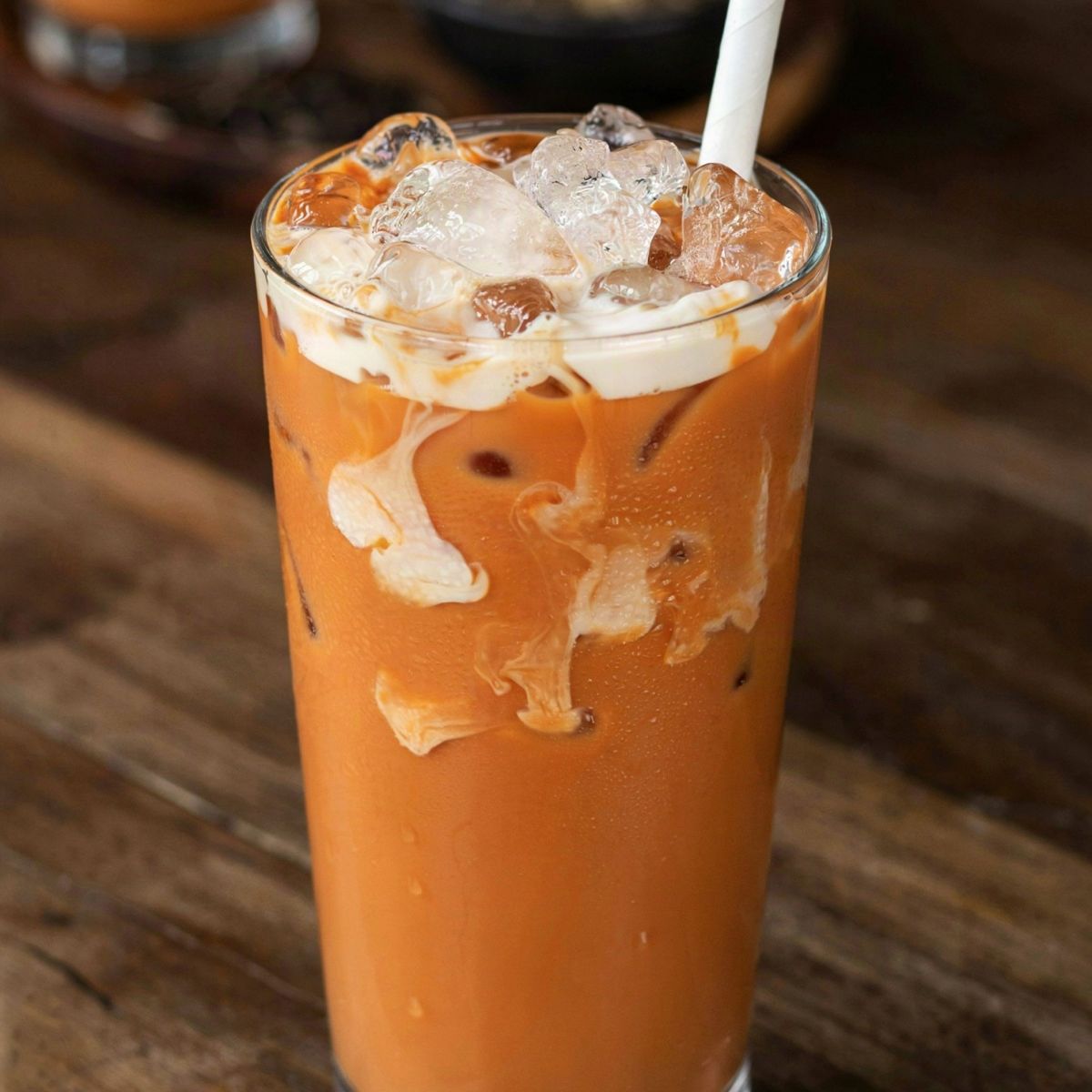
Dust each glass with ground cinnamon as you pour, which is standard and does more than decorate, since you get the aroma before the first mouthful. Beyond the glass it is a good base: over cold brew it makes the horchata latte that has spread through American coffee shops, it freezes into very good popsicles, and it works as the liquid in pancake batter, where the cinnamon and vanilla are already where you want them.
Making it ahead
This is a make-ahead drink by construction, since the overnight soak means you cannot make it on impulse. The finished horchata is at its best on day one and two and perfectly good on day three. You can also split the work: the rice and canela will sit in their soaking water in the fridge for up to two days before you blend, which lets you start it on a Thursday for a Saturday. What does not work is blending ahead and straining later. The unstrained slurry ferments noticeably within a day and turns sour, so once it is blended, strain and sweeten it the same hour.
Storing leftovers
Keep it in a sealed jug in the fridge and drink it within three to four days. It will separate every time it sits, which is normal and not a sign it has turned, so shake it back together before pouring. The signal that it has actually gone is a sour, faintly yeasty edge, and it arrives fairly suddenly around day four or five because there is nothing preserving it. On a warm counter that happens in hours rather than days, so it goes back in the fridge between pours.
Freezing the jug does not work, and that is worth stating plainly: it separates hard on thawing into water with a lump of starch in it, and no amount of shaking brings it back. Freezing it in portions you mean to eat frozen is a different matter and works very well, as popsicles or as cubes for the next batch. The rice pulp in the cheesecloth is spent and not worth keeping.
Still wondering
Frequently Asked Questions
Is horchata vegan?
This one is, and horchata as a category traditionally is, since rice, cinnamon, water and sugar is the whole of it. The caution is ordering it rather than making it: a large share of American and Tex-Mex restaurants build theirs on evaporated or condensed milk, and some cartons add dairy or a milk-derived stabilizer, so it is worth asking. As written here it is vegan, dairy-free and gluten-free at once, without substituting anything.
How much does this make, and can I scale it up?
About six cups of finished horchata, which is eight servings over ice or six generous ones. It scales linearly with no adjustment, so doubling the rice, water, sugar and cinnamon gives you double the drink. The only constraint is the blender, which needs to be no more than about two thirds full to circulate, so a double batch means blending in two or three goes. Straining takes the same effort per batch and is what will slow you down at party volumes.
Can I make it without a blender?
Yes, and this is how it was made for centuries. The traditional tool is a metate, a stone grinding slab, on which the soaked rice and canela are worked by hand into a wet paste, then let down with water and strained through cloth. A food processor is the practical modern stand-in and does a decent job, though it grinds less finely and you should plan on an extra pass through the cheesecloth. A mortar and pestle works for a single glass and is hard work for more.
Is it caffeine-free, and can children drink it?
It is completely caffeine-free, which is part of why it turns up at Mexican family meals and parties as the drink everyone at the table can have. Nothing in it is a common allergen either, unless you add the optional almonds. The one thing to know is that it is sugary, comparable to a soft drink, so it is a treat rather than a substitute for water. Cutting the sugar by a third still tastes like horchata.
More Mexican Dishes To Drink It With
Made this?