
Mango Lassi Recipe
Published · Updated
The restaurant version is not made with fresh mango, and that is the whole secret.
Jump To Recipe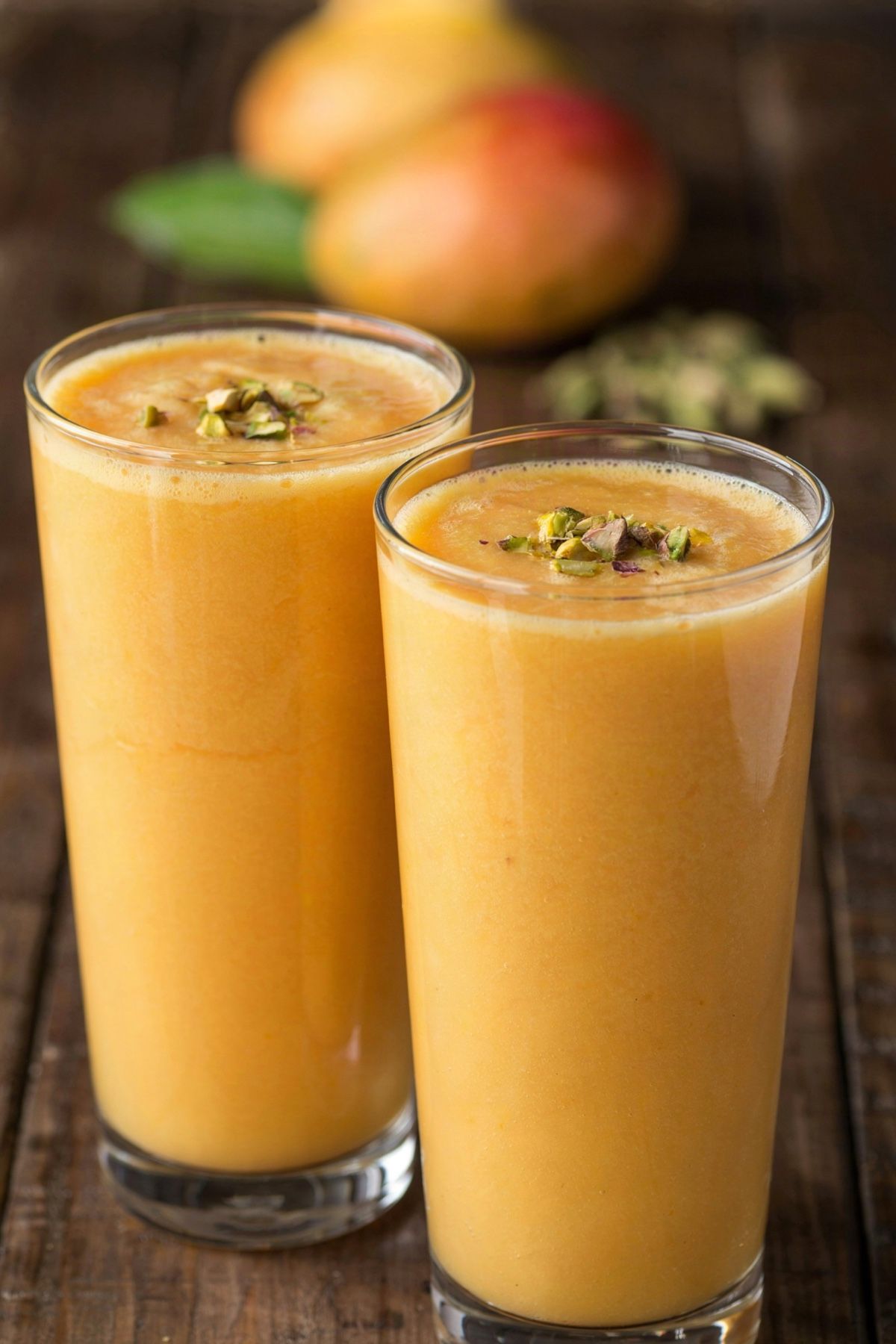
The Drink I Order Before I Open The Menu
Every Indian restaurant I have ever loved has a mango lassi that tastes exactly the same, and for years I assumed that was a coincidence. It is not. They are almost all made from the same tin of Kesar or Alphonso pulp, which is sweeter, deeper orange and more perfumed than any mango I can buy in a supermarket. Once I started buying the tin, my kitchen version stopped being a pale imitation.
The other thing I got wrong for a long time was the yogurt. I used Greek yogurt because it was what I had, and every lassi came out thick enough to stand a spoon in and slightly sour. Plain full-fat yogurt, the loose kind, is what lassi is built on. It blends into a drink rather than a dessert.
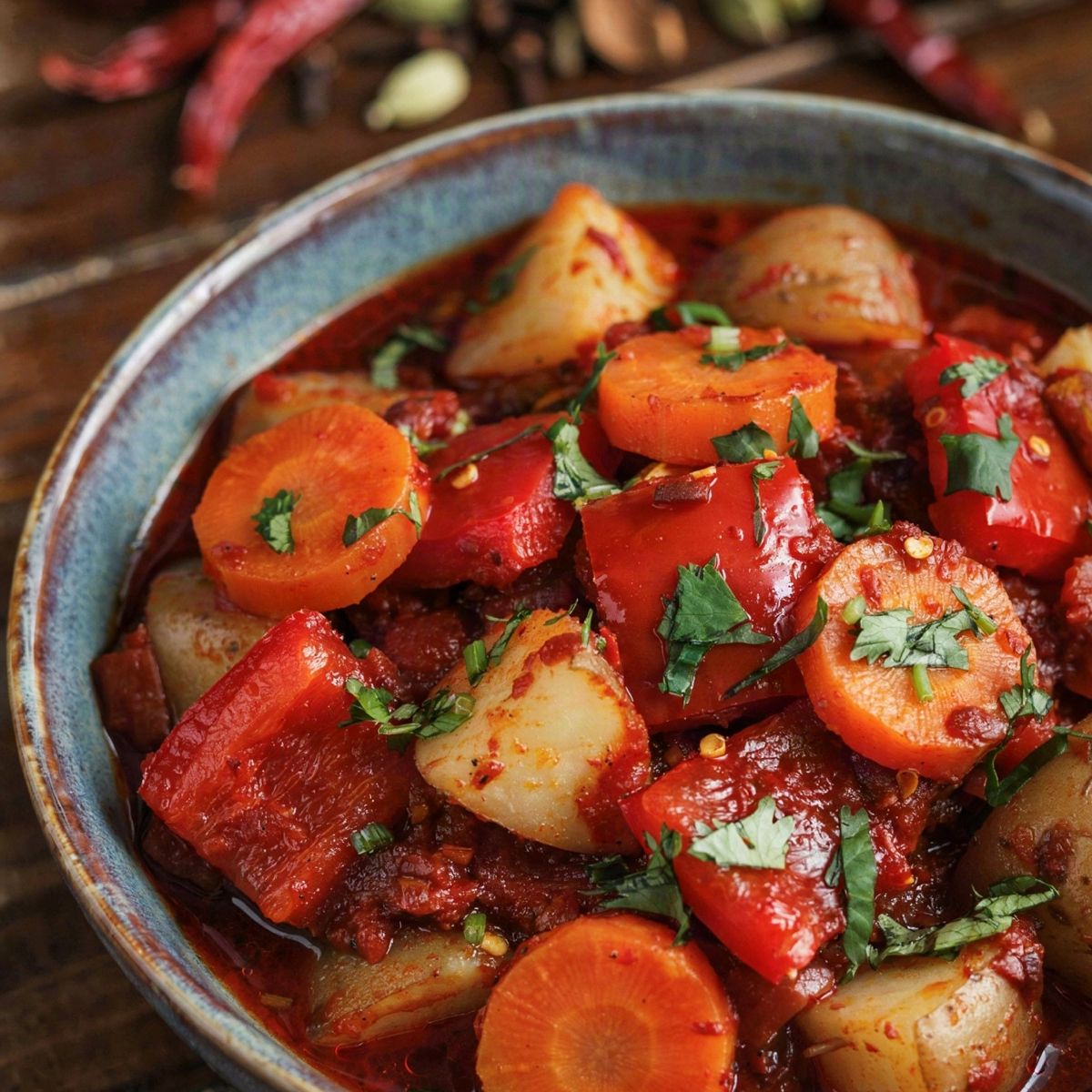
This is the one I make on hot evenings next to something fierce, usually a vindaloo, because a cold lassi does what water cannot and takes the chile down a notch.
The story
Lassi Is Ancient, Mango Lassi Is A Restaurant Drink
Lassi comes from Punjab, where it was traditionally made with yogurt from water buffalo milk and served in a kulhar, an unglazed clay cup that keeps it cold. It is old enough that nobody agrees on a date, and the sources that offer one all offer a different one, so it is safer to call it ancient and leave it there.
The traditional split is not mango versus plain. It is salted versus sweet. Namkeen lassi is savory, thinned with water and seasoned with salt, black pepper and toasted cumin. Meethi lassi is the sweet one, flavored with cardamom, rosewater and sometimes saffron. Fruit is a later addition to the sweet side, and mango, being the fruit India loves most, is the one that stuck.
The mango lassi most people outside India know is the restaurant version, and it has a specific character: deep orange, thick, very sweet, faintly floral. That character does not come from fresh mango. It comes from tinned pulp of the Kesar or Alphonso varieties, which are sweeter and more aromatic than the mangoes on a supermarket shelf, and which taste the same in February as in June. Home recipes that insist on fresh fruit are asking a Tommy Atkins mango to do a job it cannot do, which is why they so often come out pale and stringy.
For a vegetarian kitchen it needs no converting at all. It has never had meat in it, it turns a bowl of yogurt into something you look forward to, and it is the best thing there is next to a curry that is hotter than you meant it to be.
What to buy
Ingredient Notes
Kesar or Alphonso mango pulp
This is the restaurant ingredient. It comes in an 850 g tin, is usually already sweetened, and has the deep color and honeyed, floral flavor that makes a lassi taste right. Indian grocers and the world food aisle of most large supermarkets carry it. Leftover pulp keeps in the fridge for a few days or freezes well in an ice cube tray.
Fresh mango, if you would rather
Use the small yellow Ataulfo, sometimes sold as honey or champagne mango. It is the closest fresh match: sweet, smooth and almost fiber-free. A large red-green Tommy Atkins is the supermarket default and the wrong choice, being fibrous, pale and often sour. If that is what you have, blend it first, push it through a fine mesh strainer, and expect to add sugar.
Plain full-fat yogurt
Lassi is built on dahi, the loose, mild home-set yogurt of Indian kitchens, and plain whole-milk yogurt from a tub is the nearest thing to it. Do not reach for Greek yogurt by default. It is strained, so it is thicker and sharper, and it makes a lassi that needs a spoon. If Greek is all you have, use three quarters of the amount and add more milk.
Whole milk
This loosens the drink to something you can pull through a straw. Water is traditional and works, though it makes a lighter, more refreshing lassi. For a vegan version, use a plant-based yogurt and plant milk in the same amounts; oat milk and coconut yogurt are the pairing that tastes least like a substitute.
Ground cardamom
A pinch, and only a pinch. Green cardamom is the spice of meethi lassi and it should sit behind the mango, not in front of it. If you have pods, split two, crush the seeds and use those; pre-ground cardamom loses most of its scent within a few weeks of the jar being opened.
Sugar
Tinned pulp is sweetened, so you may need none at all. Fresh mango almost always needs a spoonful. Taste before you add any, and add it a teaspoon at a time.
Pistachios and saffron
Optional, and a garnish rather than an ingredient. A few chopped pistachios on top is the classic finish, and a couple of saffron threads soaked in a teaspoon of warm milk turns the surface gold. Neither changes the flavor of the drink much.
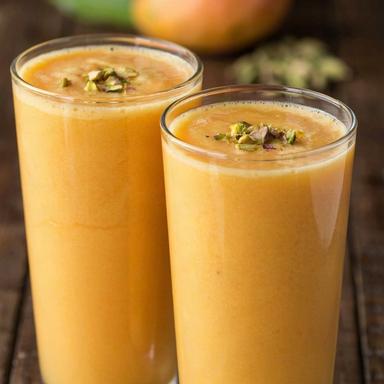
Mango Lassi
A thick, cold, restaurant-style mango lassi made with Kesar mango pulp, plain yogurt and a pinch of cardamom, with no ice. Ready in five minutes.
Ingredients
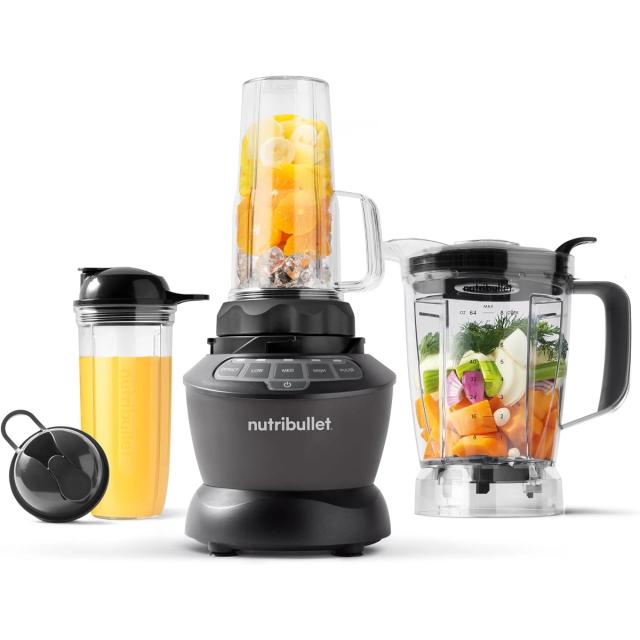
Equipment
As an Amazon Associate I earn from qualifying purchases, at no extra cost to you.
Instructions
- 1
Chill the glasses
Put two tall glasses in the freezer. Take the mango pulp, yogurt and milk out of the fridge only when you are ready to blend, because a lassi is only as cold as what goes into it and there is no ice to help.

- 2
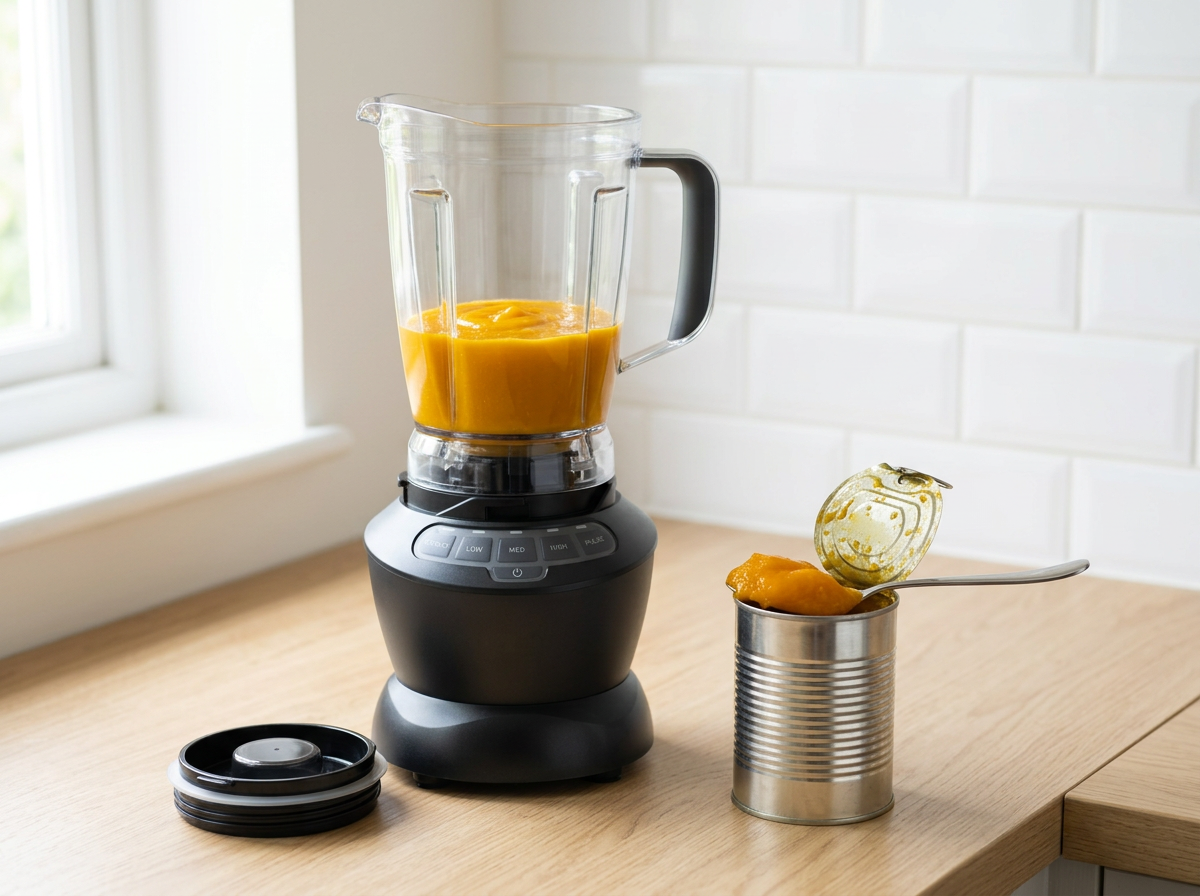
Measure the mango pulp into the blender
Spoon the mango pulp into the blender jug. If you are using fresh mango instead, peel it, cut the flesh away from the stone and add it in rough cubes.
- 3
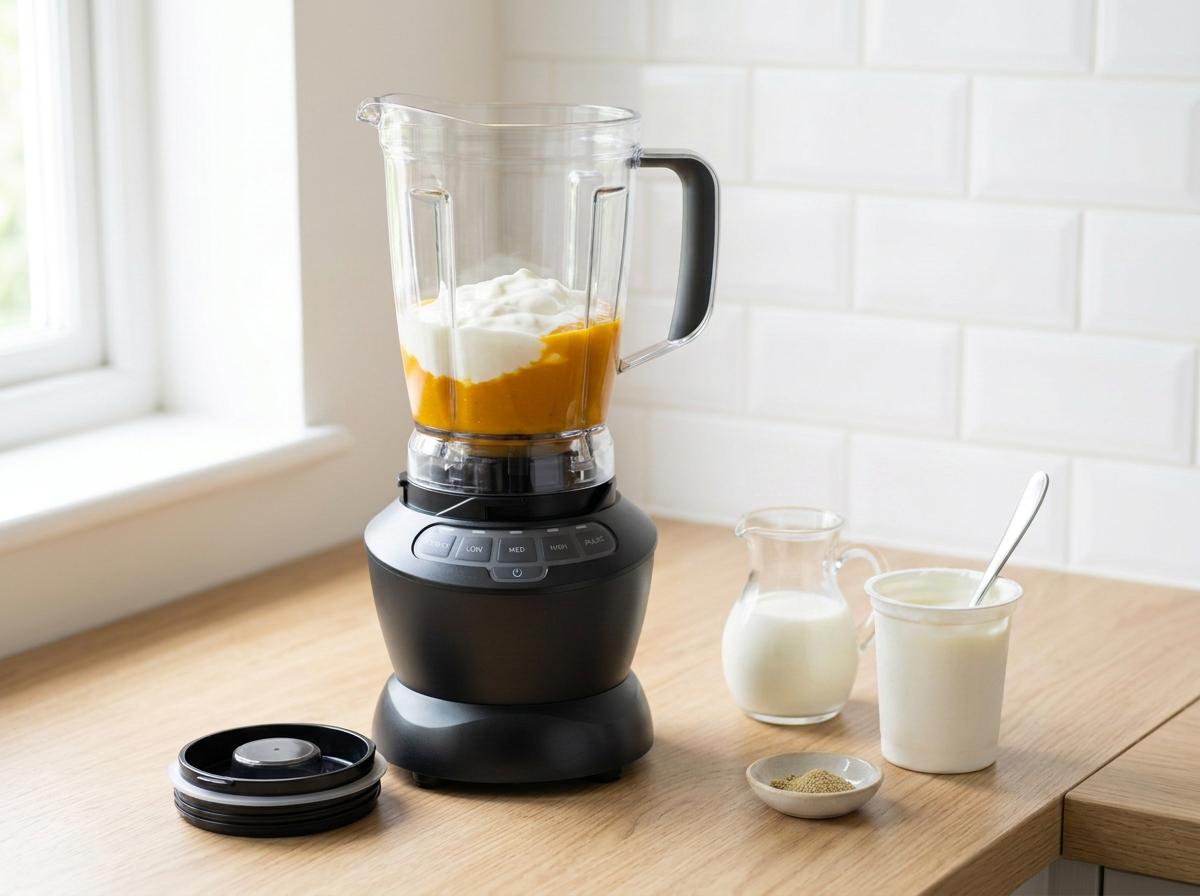
Add the yogurt, milk and cardamom
Tip the yogurt in on top of the mango, then the milk and the pinch of cardamom.
- 4
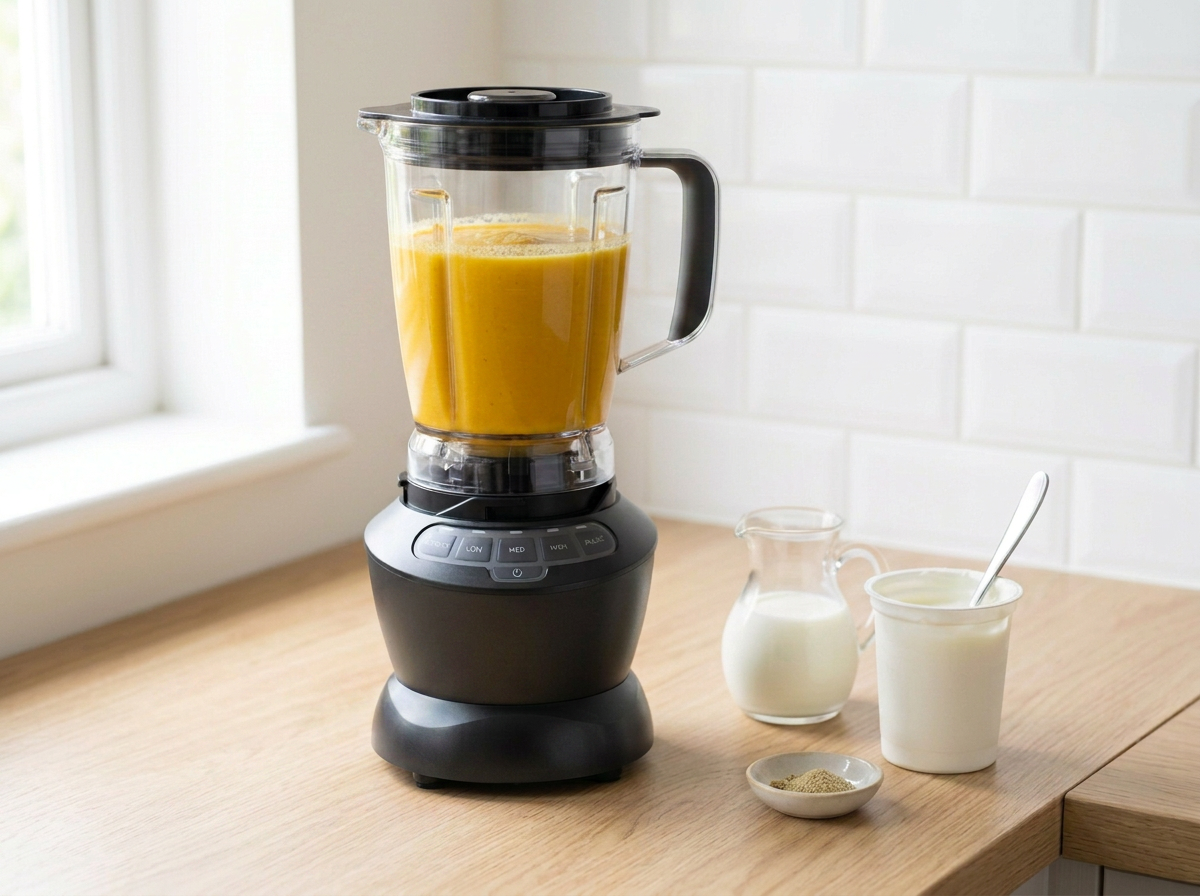
Blend until smooth and slightly frothy
Run the blender on high for 30 to 45 seconds, until there are no streaks of yogurt left and the top has a light froth. Stop as soon as it is smooth; a long blend warms it up.
- 5
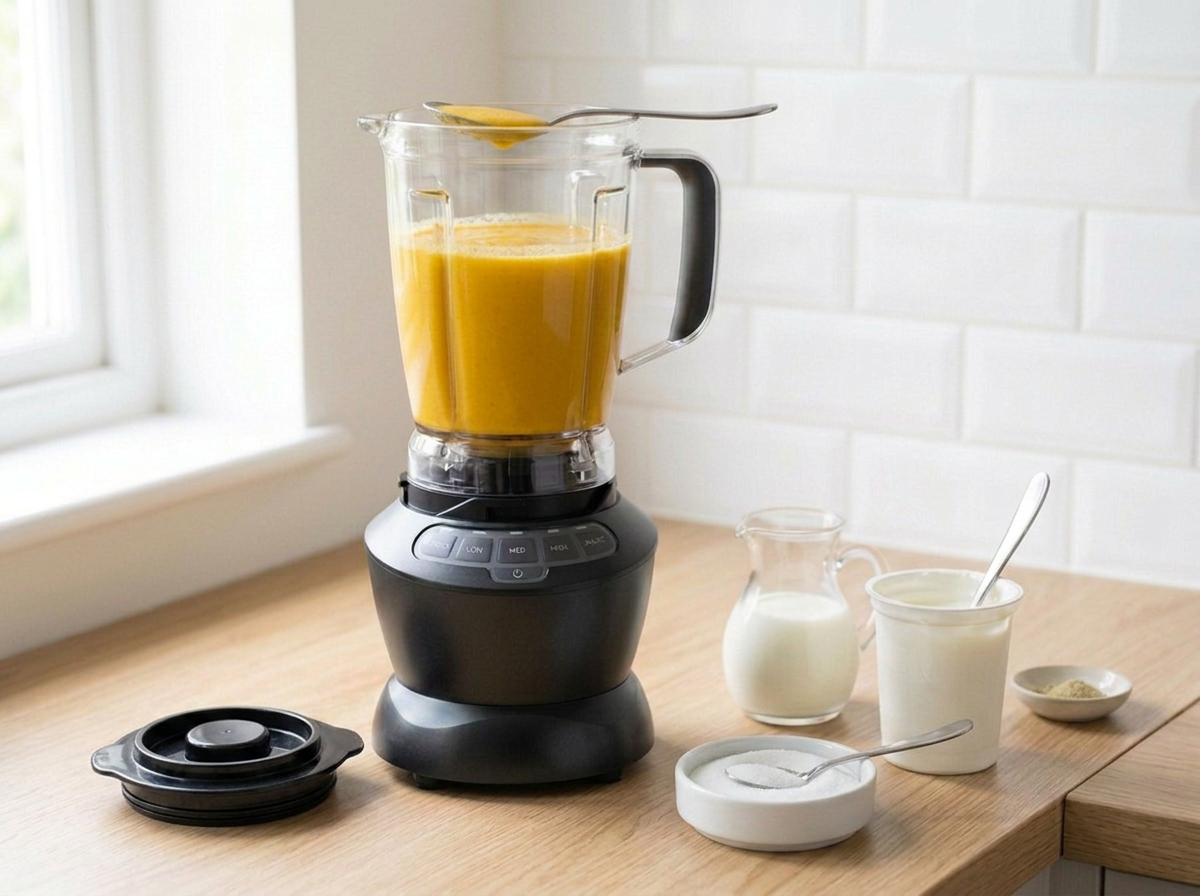
Taste and adjust
Taste it. Add sugar a teaspoon at a time only if the mango was not sweet enough, and a splash more milk if it is thicker than you would like to drink. Pulse briefly after each addition.
- 6
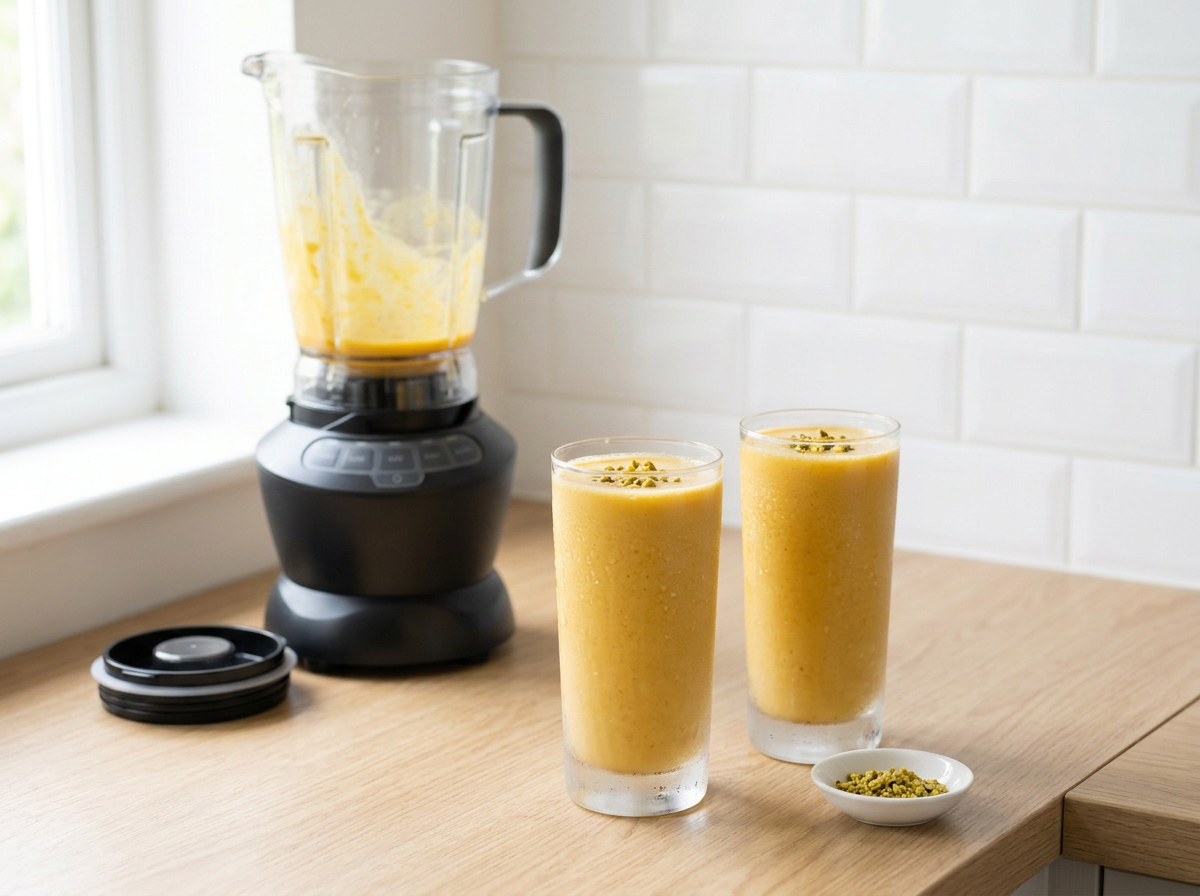
Pour into the chilled glasses and serve at once
Pour into the glasses straight from the freezer, top with the pistachios if you are using them, and serve immediately, before it has a chance to settle and separate.
Notes
Everything cold, no ice: the drink is only as cold as its ingredients, and ice cubes water it down and make it separate.
Tinned Kesar pulp is already sweetened, so taste before adding any sugar. Fresh mango almost always needs some.
For a lighter, more traditional lassi, swap the milk for the same amount of cold water.
Vegan version: plant-based yogurt and plant milk, same amounts. Coconut yogurt with oat milk is the closest match.
Nutrition Facts
2 servings · 269 g per serving
- Calories
- 235 kcal
% Daily Value*
- Total Fat
- 1.5 g2%
- Saturated Fat
- 0.6 g3%
- Sodium
- 44 mg2%
- Total Carbohydrate
- 31.8 g12%
- Dietary Fiber
- 0.7 g3%
- Sugars
- 27 g—
- Protein
- 1.7 g3%
Recipe from veggierecipes.blog
When it goes wrong
Troubleshooting
It is too thick to drink through a straw
Almost always Greek yogurt. Strained yogurt has lost the whey that makes a lassi drinkable. Thin it with milk, a tablespoon at a time, until it pours, and next time use plain whole-milk yogurt or three quarters as much Greek.
It came out pale and stringy
The mango. A Tommy Atkins, the big red-green supermarket mango, is fibrous and not very sweet, and no amount of blending fixes the strings. Push the blended fruit through a fine mesh strainer, or switch to tinned Kesar pulp or a fresh Ataulfo, either of which gives the deep orange and smooth body the drink should have.
It tastes sour
Yogurt that has sat in the fridge a while sharpens, and Greek yogurt is sharper to start with. A spoon of sugar or a little more mango pulp brings it back into balance. Use the freshest, mildest plain yogurt you can for the next one.
It separated after a few minutes
Ice. Cubes blended in melt and water it down, and the drink splits into a watery layer and a thick one. Leave the ice out, chill the ingredients and the glasses instead, and drink it within ten minutes of blending. A quick stir or a second pulse in the blender brings a separated lassi back together.
It is not cold enough
Everything went into the blender at room temperature. The yogurt, milk and pulp should all come straight from the fridge, and ten minutes in the freezer for the glasses makes a bigger difference than it sounds.
The cardamom takes over
A pinch means a pinch, about an eighth of a teaspoon for two glasses. Freshly crushed seeds are far stronger than the ground spice from a jar, so if you switched from one to the other, halve it.
Before you serve
Serving & Storage
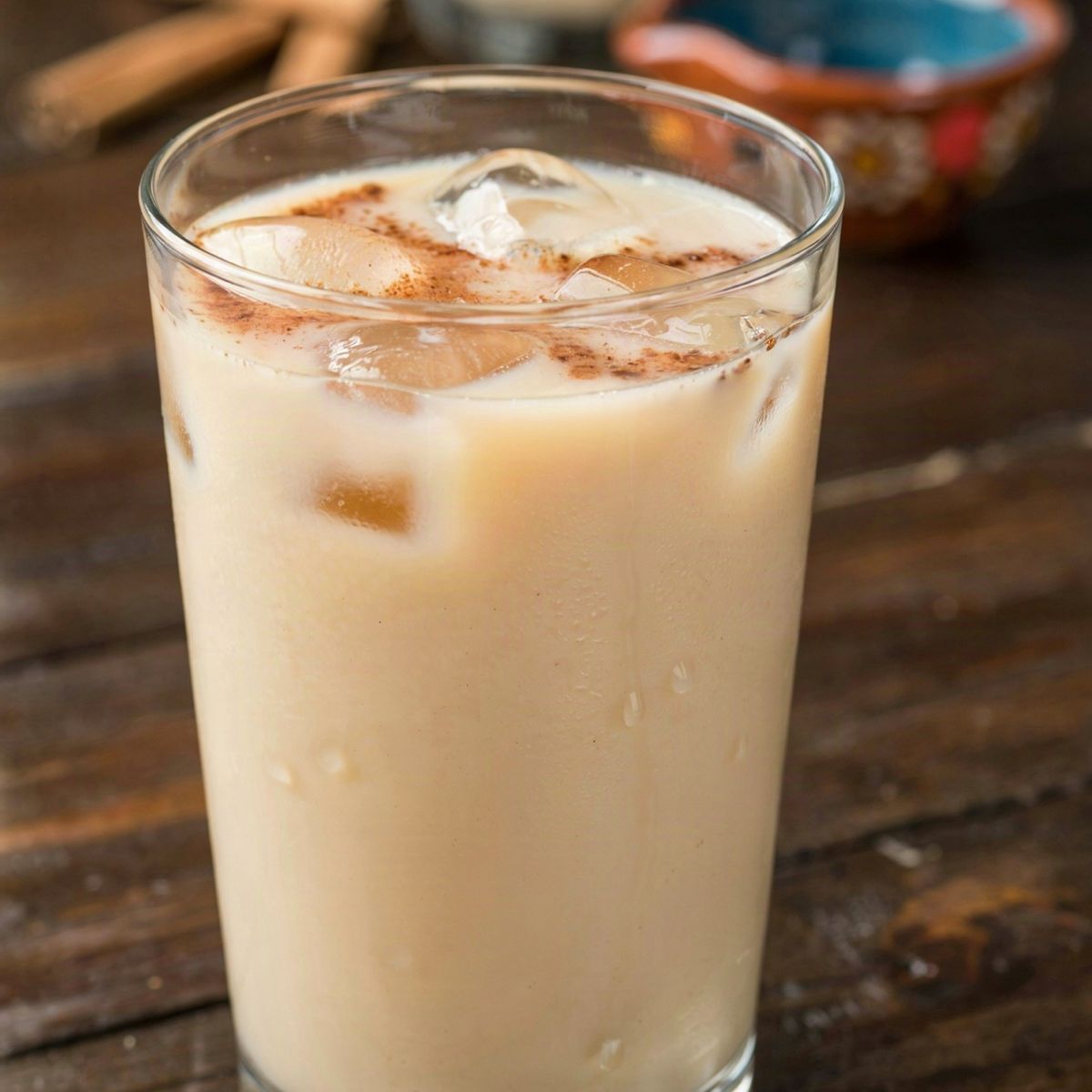
Serve it straight from the blender in a tall chilled glass, or in a kulhar if you have one, with a few chopped pistachios on top. In Punjab it is a breakfast drink and a hot-afternoon drink. Everywhere else it is the thing you order alongside a curry, and that is the pairing worth copying at home: the cold yogurt does more for a fierce vindaloo than water or beer, because the fat in it carries the chile heat away rather than spreading it around.
Making it ahead
Do not, if you can help it. A lassi is at its best in the ten minutes after blending, and it separates as it sits. What you can do ahead is the prep: keep a tin of pulp open in the fridge, portion the yogurt, chill the glasses. Blending takes under a minute. If you must make it earlier, blend it up to two hours ahead, keep it in a sealed jar in the fridge, and shake hard or pulse it again before pouring.
Storing leftovers
Leftover lassi keeps in a sealed jar in the fridge for a day. It will have separated; shake it or give it a few seconds in the blender and it comes back. Do not freeze it as a drink, because thawed yogurt goes grainy and will not blend smooth again. The one thing that does work is freezing it in popsicle molds, where the grain does not matter and the result is better than most store-bought popsicles.
Still wondering
Frequently Asked Questions
Is mango lassi vegan?
Not as written, because it is a yogurt drink. It becomes vegan with a straight swap: 1 cup of plant-based yogurt for the dairy yogurt and 1/4 cup of plant milk for the whole milk, the same amounts as the recipe. Coconut yogurt with oat milk is the combination that comes closest in richness.
What is the difference between a lassi and a mango smoothie?
The base. A smoothie is mostly fruit, sometimes with juice or ice, and yogurt is an addition. A lassi is mostly yogurt, and the fruit flavors it. That is why a lassi is richer, tangier and creamier than a smoothie made from the same mango, and why it is served with a meal rather than as one.
Can I double or halve the recipe?
Yes, and the ratio is the thing to keep: one part mango pulp to one part yogurt, with a quarter part milk to loosen. A standard blender handles a double batch, four glasses, comfortably. Halving it for one glass works too, though a very small volume can be hard for a large blender jug to catch, so a personal blender or an immersion blender in a jar is easier.
Is it gluten-free?
Yes. Nothing in it contains gluten, and tinned mango pulp is normally just mango and sugar, though it is worth a glance at the label on the tin if you are cooking for someone with celiac disease.
More Indian Dishes To Try

Made this?