
Meatless Taco Soup Recipe
Published · Updated
Hearty, one-pot and built on taco seasoning bloomed in oil rather than stirred into broth, this vegetarian taco soup is on the table in 45 minutes. Made for fast dinners and for a table full of toppings.
Jump To Recipe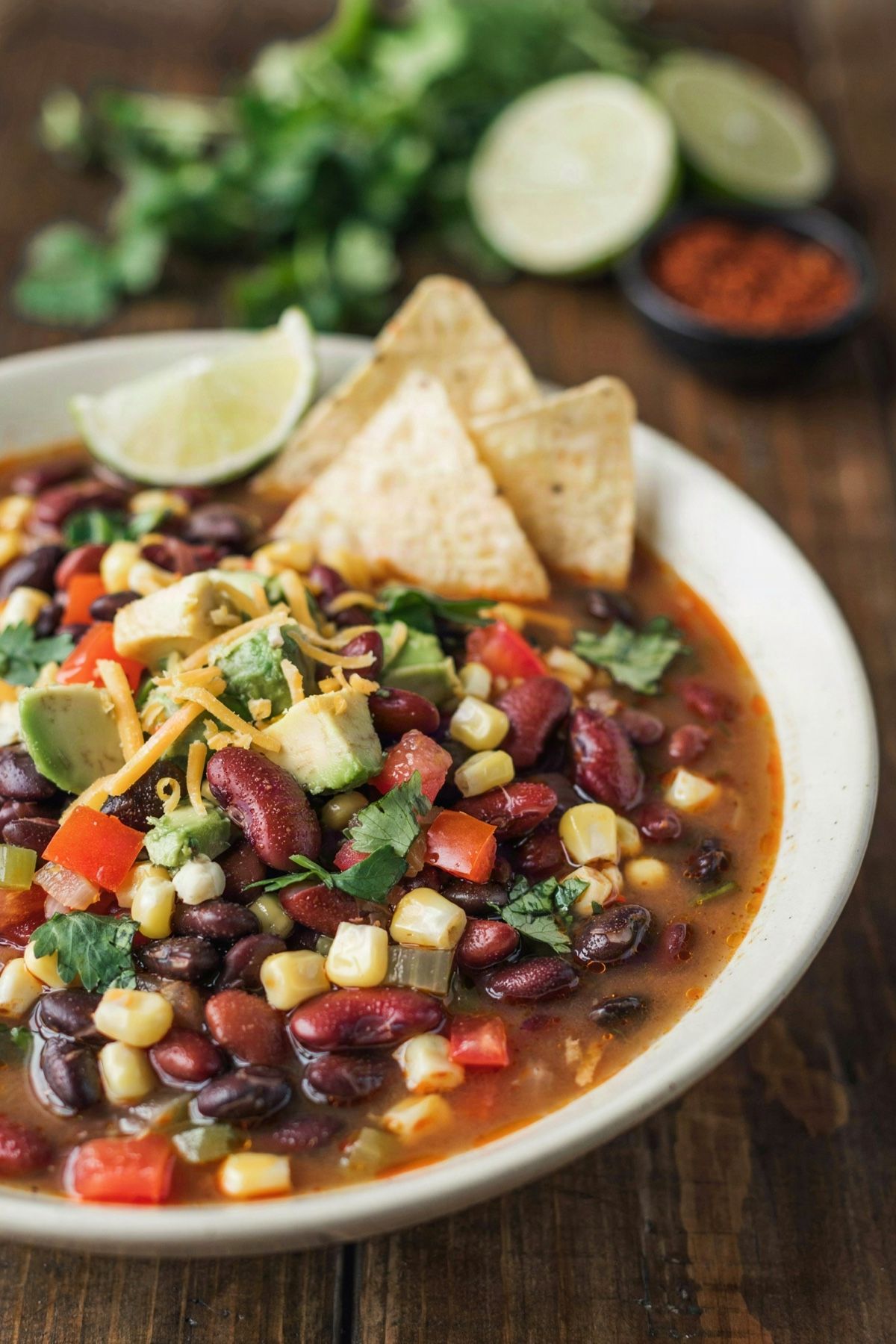
Why I Love Making Vegetarian Taco Soup
There’s just something satisfying about a steaming bowl of taco soup. It’s one of those meals I keep in my weeknight rotation. You get all the southwest flavors in a single, protein-packed pot. I love that it’s fast, flexible, and always a crowd-pleaser when friends come by.
The flavors hit all the right notes, spicy, savory, just the right level of heat, and that cooling contrast when you pile on the toppings. I always let people build their own bowls.
It’s a comforting soup that honestly works for just about any meal, weeknights, game day hangouts, or when I want to meal-prep a big batch for several days. Eating something hearty and packed with protein, fiber, and flavor never gets old.
The story
Taco Soup Was Invented by a Seasoning Packet
No taquería in Mexico serves taco soup, and none ever has. It is Tex-Mex, which is to say it is American, and it is a good deal younger than most people assume. The dish could not exist before the thing that flavors it did: pre-mixed taco seasoning packets only reached American shelves in the 1960s, sold by brands like Lawry’s and Old El Paso on the promise that a family could cook something unfamiliar without risking it. The dehydration technology behind them had been developed to feed soldiers. The soup arrived after the packet, not before.
Its canonical form is “7-can taco soup”, named for the number of cans it takes rather than for anything you do to them. Open seven, usually some arrangement of pinto beans, kidney beans, black beans, corn, diced tomatoes and green chilies, tip in a packet of taco seasoning and very often a packet of ranch dressing mix as well, and simmer. It traveled through church and community cookbooks across Texas and the South, the spiral-bound kind assembled by a congregation, which is how a recipe with no author ends up belonging to everybody.
That history is the reason this version works so well without meat. In the original, browned ground beef sat in the pot, but it was never where the flavor came from. The packet and the cans did that job, and the beef mostly added texture. Take it out and you have not removed the taste of 7-can taco soup, you have removed a step. What is worth putting back is the technique the packet era never bothered with: bloom the spices in hot oil rather than stirring them into broth, and finish the pot with lime. Neither takes more than a minute, and together they are the difference between a soup that tastes like a packet and one that does not.
What to buy
Ingredient Notes
Taco seasoning
This one ingredient decides the soup. A standard 1 oz packet is roughly 2 tablespoons of mostly salt, chili powder and cumin, with a little starch to thicken, and it is why a bowl of this carries about 1,300 mg of sodium. Mixing your own hands the salt back to you: 1 tbsp chili powder, 1½ tsp ground cumin, 1 tsp smoked paprika, ½ tsp dried oregano, ¼ tsp garlic powder, ¼ tsp cayenne, then salt the pot at the end. Cooking for coeliac disease, check the packet rather than assuming. The major brands contain no wheat, but plenty carry no gluten-free label either.
Diced tomatoes with green chilies
In the US this is one can, usually Rotel, and it is what makes the soup taste like taco soup rather than minestrone. The original is mild, so it seasons more than it burns. Elsewhere it is not on the shelf: use a 14.5 oz can of plain diced tomatoes plus a 4 oz can of green chilies, or one jalapeño seeded and diced into the pan with the onion. For more heat, leave the seeds in, or mince a chipotle in adobo into the pot at the blooming stage, which brings smoke with it.
Black and kidney beans
Canned is the right call here, since the whole dish descends from cans and dried beans would need their own cooking. Drain and rinse both: the liquid in the can is starchy and salty, and rinsing washes away a useful share of the sodium in a recipe that already has plenty. Pinto beans stand in for either one. What to avoid is canned chili beans packed in sauce, which arrive pre-seasoned and fight whatever you have bloomed in the pot.
Corn
Canned corn is traditional and works. Frozen is better, because it holds its shape and gives the spoon something to push against, and frozen fire-roasted corn is better still in a pot that is otherwise all soft textures. Either way it goes in for the last five minutes only, or it comes out flabby.
Lime
Not a garnish, and the reason so many versions of this soup taste heavy. Beans, corn and canned tomatoes are all quietly sweet, and without acid the pot reads as flat however much salt goes in. One lime gives roughly 2 tablespoons, the right amount for six servings. Use fresh, and add it off the heat: simmering drives off the aromatics and leaves the bitterness behind.
Vegetable broth
Buy low sodium if you can, given how much salt arrives in the seasoning. Three cups is what makes this a soup. Two cups, which is where a lot of recipes sit, leaves you with a bean stew that happens to be called soup, because the cans bring well over a kilogram of drained solids to the pot on their own.
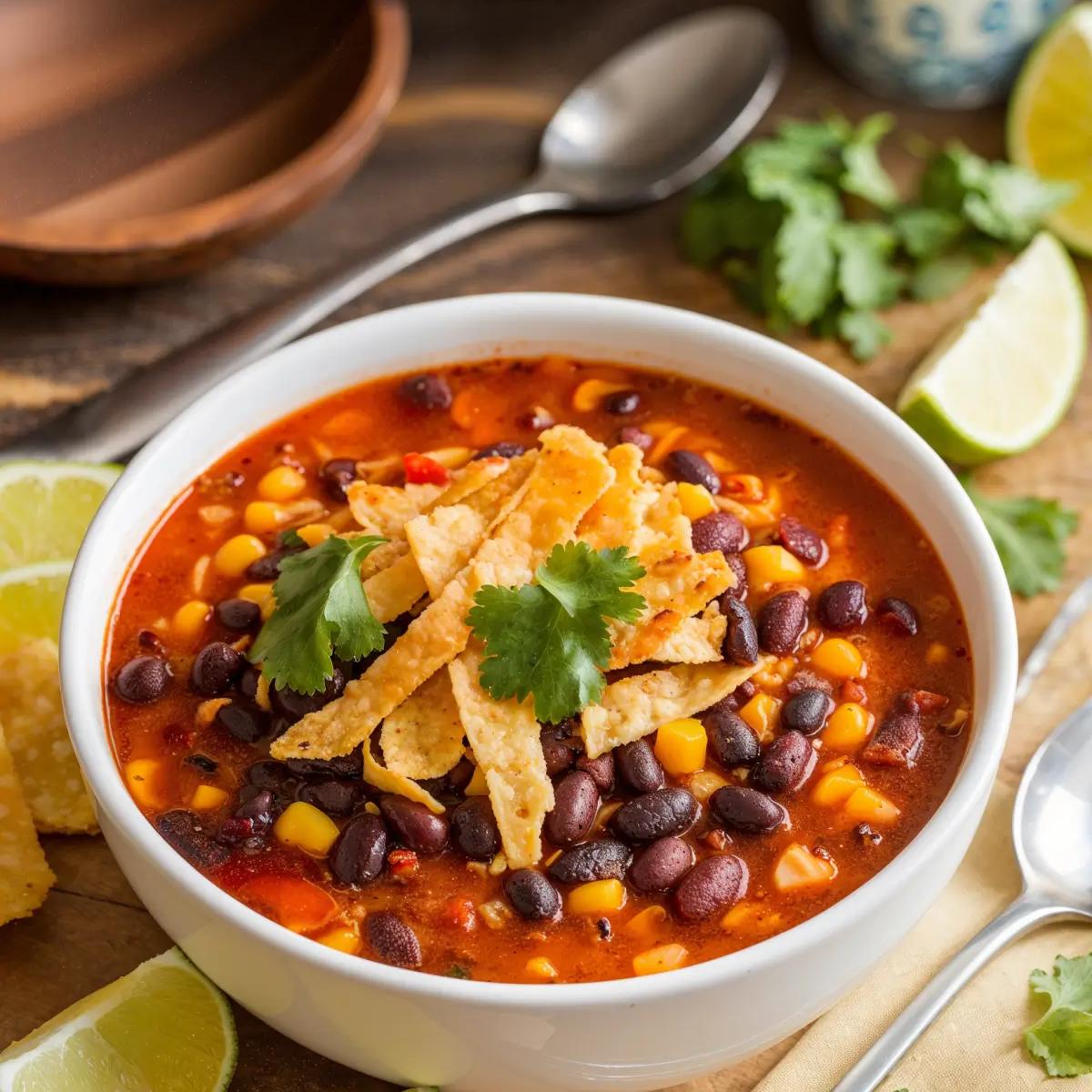
Vegetarian Taco Soup
A one-pot Tex-Mex bean soup with black beans, kidney beans, corn and peppers, built on taco seasoning bloomed in oil and finished with lime.
Ingredients
Equipment
As an Amazon Associate I earn from qualifying purchases, at no extra cost to you.
Instructions
- 1
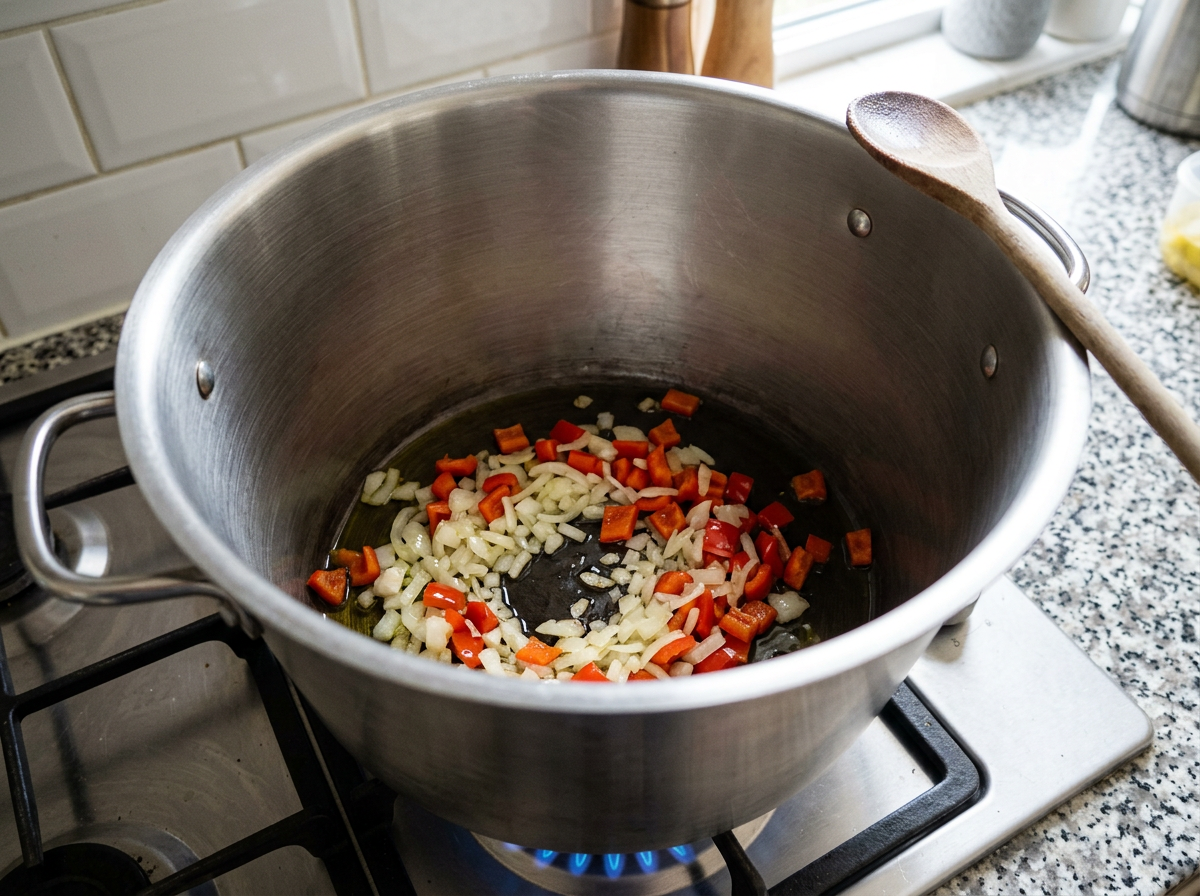
Soften the onion and pepper
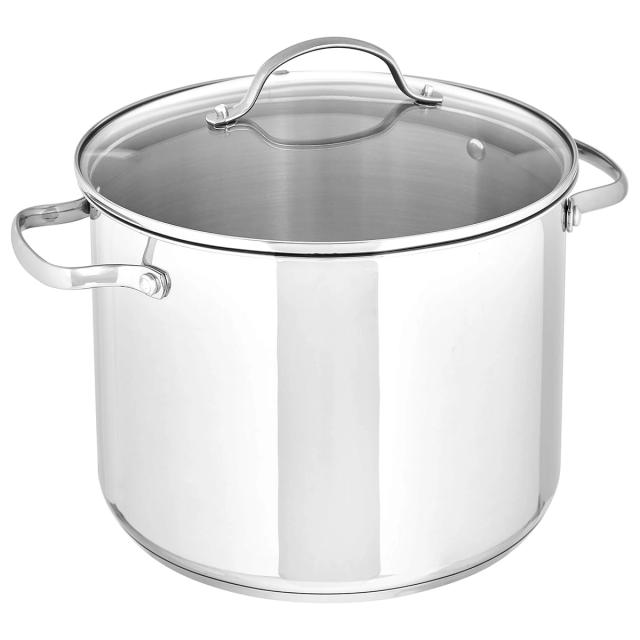
Heat the olive oil in a large pot over medium heat. Add the chopped onion and diced bell pepper and cook for 5 to 6 minutes, stirring now and then, until the onion is translucent and the pepper has lost its raw crunch.
- 2
Bloom the taco seasoning
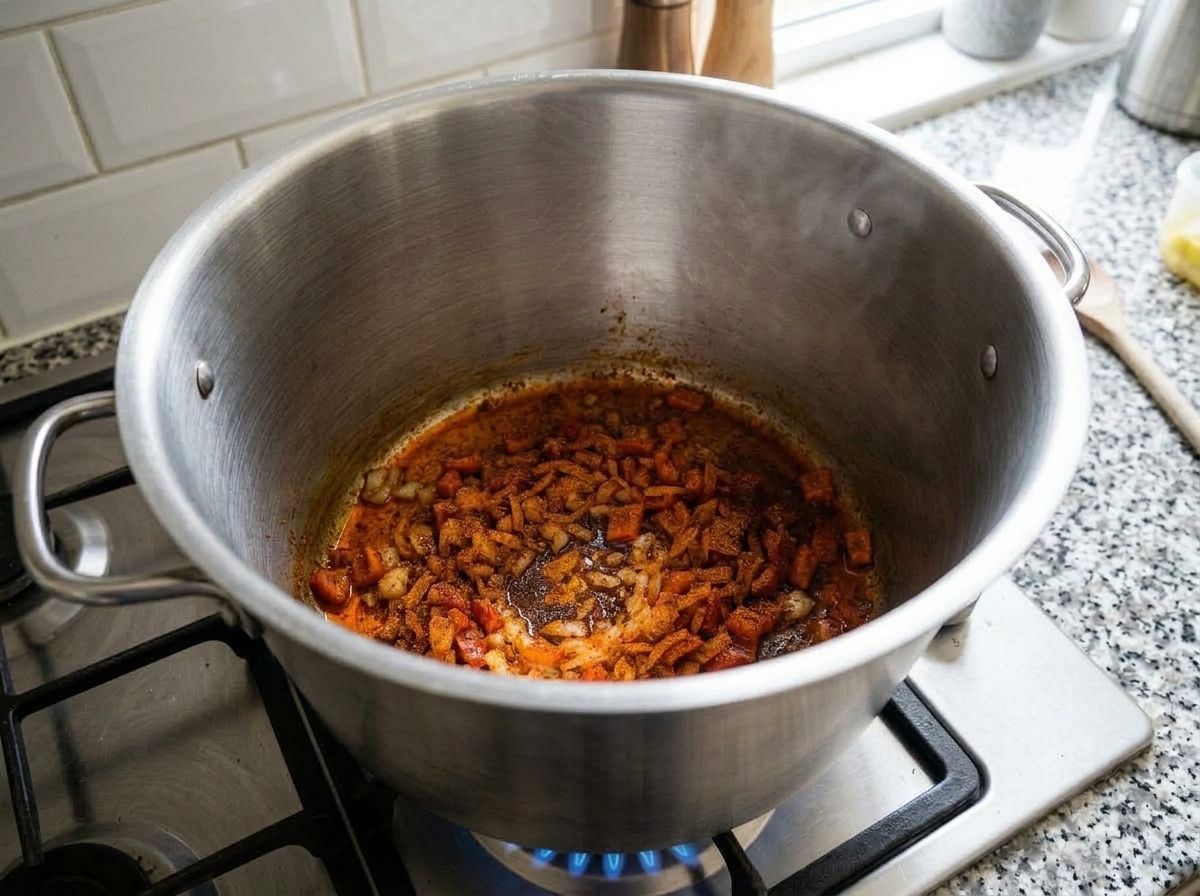
Add the garlic and the taco seasoning to the pot and stir constantly for 45 seconds, until the oil turns rust red and the kitchen smells of cumin. Ground spices are fat soluble, so this is where the flavor comes from. Tipped into the broth later they stay dusty and raw.
- 3
Add the tomatoes and broth
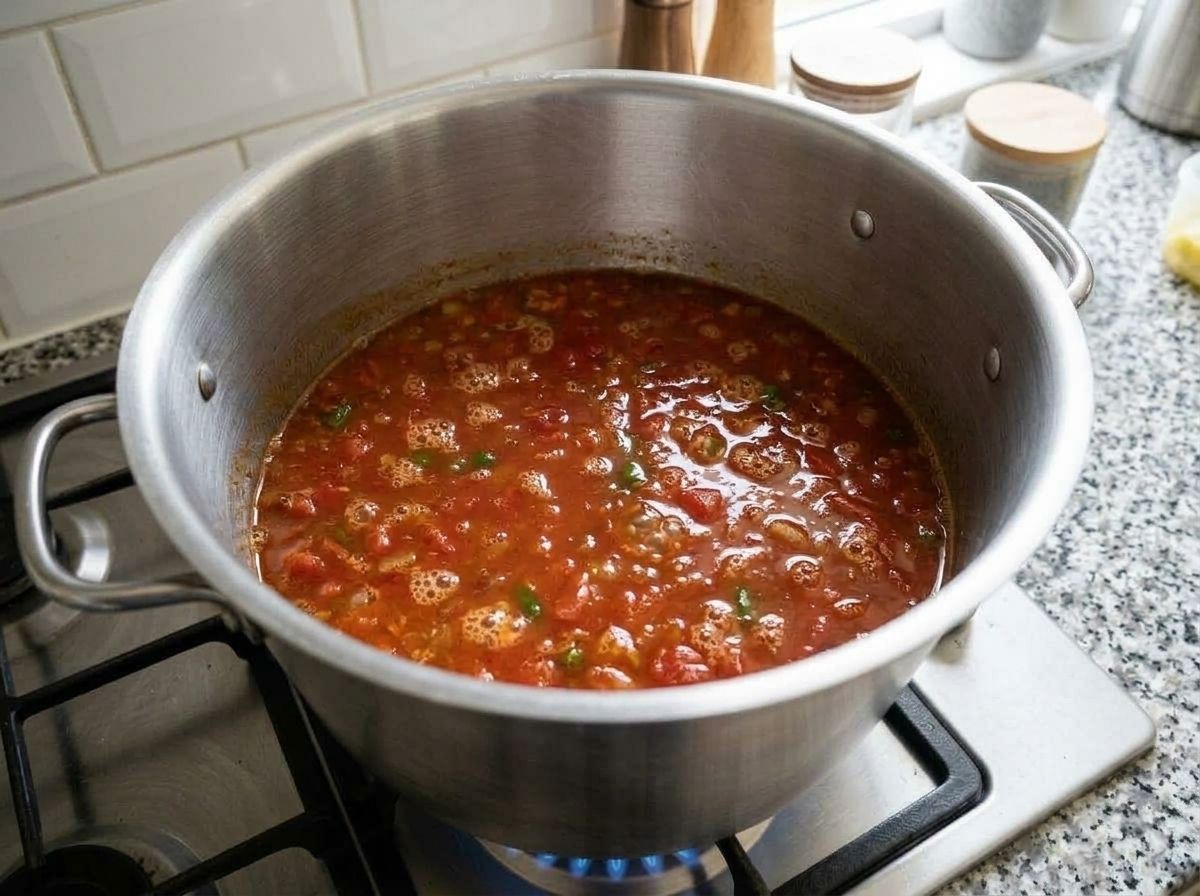
Pour in the diced tomatoes with their juice and the vegetable broth, scraping the base of the pot to lift the spice that has caught there. Bring to a boil.
- 4
Simmer the beans
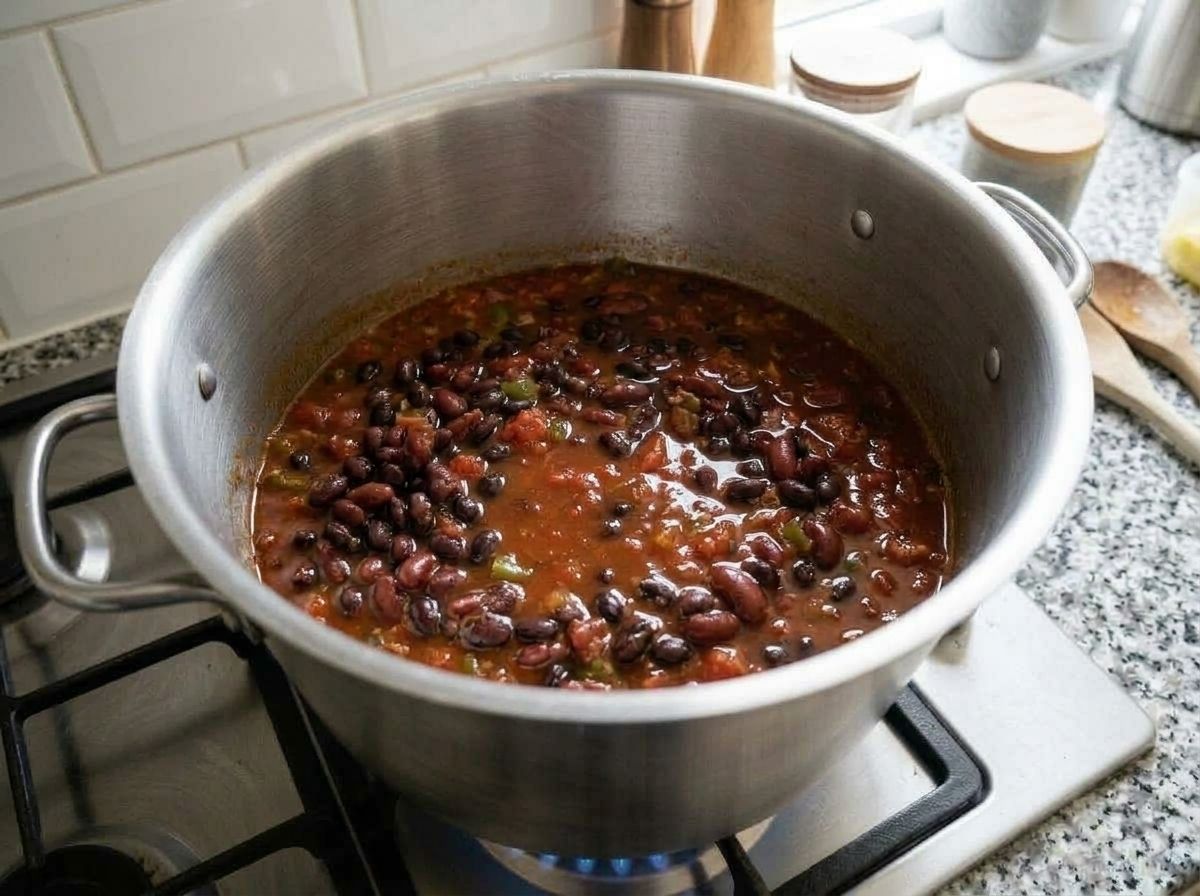
Add the black beans and kidney beans, lower the heat and simmer uncovered for 15 minutes. The broth will thicken slightly as starch leaches out of the beans.
- 5
Add the corn at the end
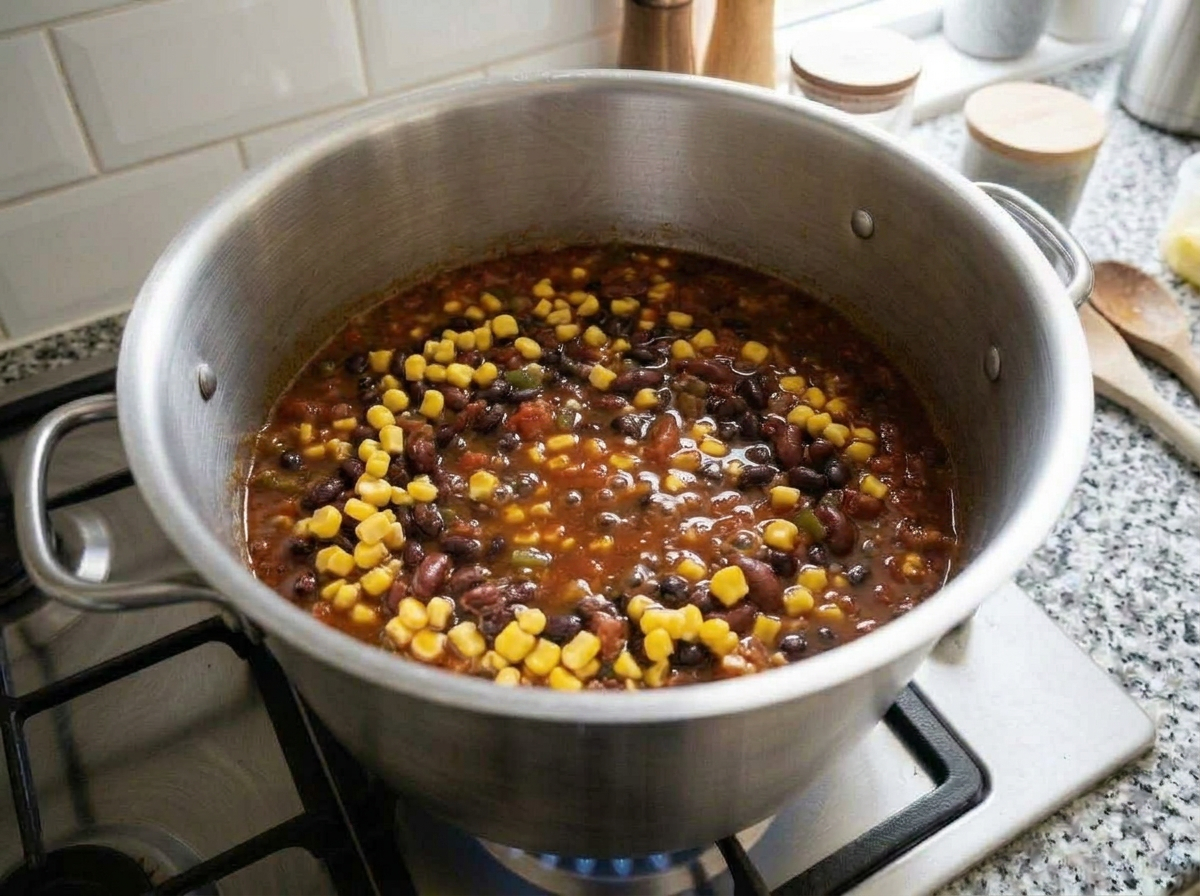
Stir in the drained corn and simmer for 5 minutes more, just long enough to heat it through. Corn added at the start goes soft and gives up the pop that makes the soup interesting to eat.
- 6
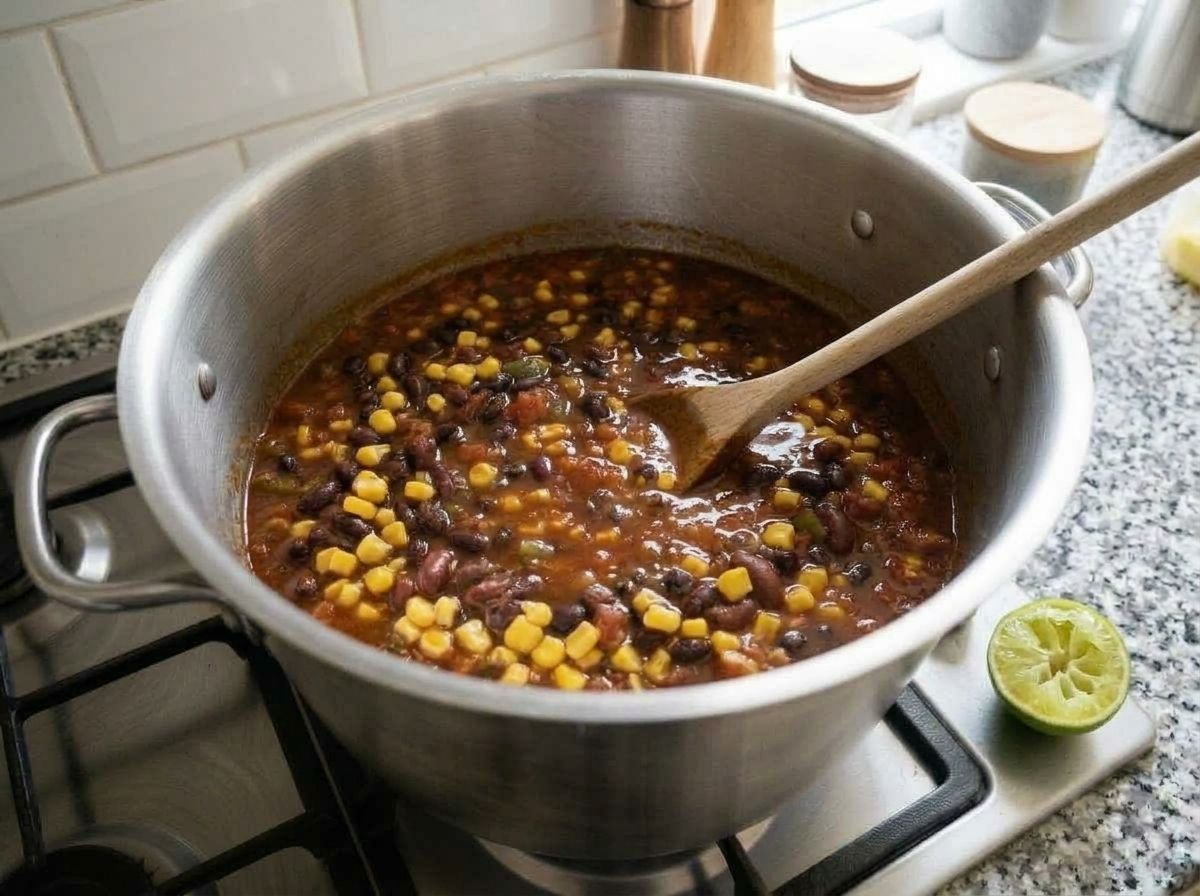
Finish with lime, then season
Take the pot off the heat and stir in the lime juice. Now taste, and only now add salt and pepper. Taco seasoning and canned beans both carry salt, so the soup is often close to seasoned already.
- 7
Build the bowls
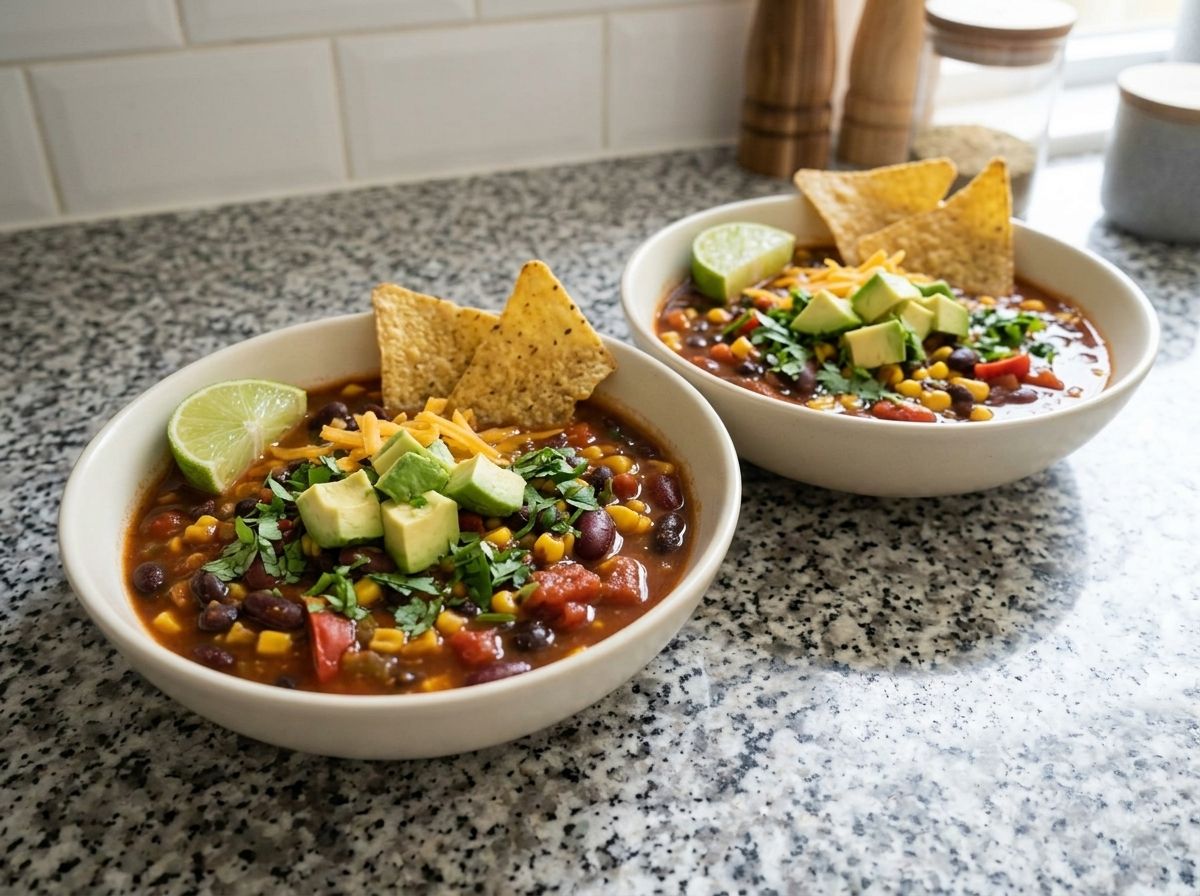
Ladle into bowls and let everyone top their own with cilantro, avocado, cheese and crushed tortilla chips, with a lime wedge on the side.
Notes
The base is vegan and dairy-free; the soup only stops being either when cheese or sour cream goes on top.
Most supermarket taco seasoning is gluten-free, but it is not always labelled as such, so check the packet if you are cooking for coeliac disease.
Zucchini or diced carrot can go in with the beans. Sweet potato needs to go in with the tomatoes instead, since it wants the full 20 minutes.
For a thicker, more chili-like pot, mash a ladleful of the beans against the side and stir it back in rather than cutting the broth.
Doubling: start at one and a half times the taco seasoning rather than twice, and give the bigger pot an extra 10 minutes uncovered, since twice the volume reduces at less than half the rate.
Nutrition Facts
6 servings · 447 g per serving
- Calories
- 229 kcal
% Daily Value*
- Total Fat
- 4 g5%
- Saturated Fat
- 0.6 g3%
- Sodium
- 1313 mg57%
- Total Carbohydrate
- 39.9 g15%
- Dietary Fiber
- 10.3 g37%
- Sugars
- 5.8 g—
- Protein
- 10.5 g21%
Recipe from veggierecipes.blog
When it goes wrong
Troubleshooting
It tastes dusty, like raw spice powder
The taco seasoning went into liquid instead of into fat. What carries the flavor of chili powder and cumin dissolves in oil, not water, so seasoning stirred into broth stays powdery however long it simmers. Add it to the aromatics in the oil and stir for 45 seconds first. To rescue a finished pot, bloom a fresh teaspoon in a spoonful of oil in a small pan and stir that through.
It came out more like a bean stew than a soup
The cans bring more solid than people expect, roughly 1.1 kg of drained beans, corn and tomatoes, so two cups of broth is not enough liquid to make a soup out of them. Three cups is the ratio here. If you are already looking at a thick pot, loosen it with more broth rather than water, which thins the flavor along with the texture.
It is so salty I can’t finish a bowl
Three salted things stack up: the seasoning packet, the broth and the beans. Rinse the beans properly, buy low sodium broth, mix your own seasoning without salt, and taste before adding any at the end. To rescue a pot that is already too salty, add a cup of unsalted broth and a rinsed can of beans to give the salt somewhere to go, then more lime. Acid removes no salt, but it reads as brightness against it and makes the bowl easier to eat.
It tastes flat and heavy, and I followed the recipe
Almost always the missing lime. Every major ingredient in this pot sits on the sweet-savory side, and there is nothing sour anywhere in the can list to push back. Stir the juice of a whole lime in off the heat and taste again before you reach for more salt or more spice, which is the usual instinct and the wrong one.
Every spoonful tastes the same and the corn is mushy
Everything went into the pot at once and cooked for the same length of time, so nothing has its own texture left. Stage it: tomatoes and broth first, beans for 15 minutes, corn for the last 5. The crunchy toppings do the rest of the work, and they belong on the table rather than in the pot.
It set almost solid in the fridge overnight
That is the soup behaving normally, not a mistake. Beans keep absorbing liquid after the heat goes off and their starch keeps thickening what is left, so a pot that was loose at dinner will be spoonable rather than pourable the next morning. Loosen it with a splash of broth as it reheats. The flavor genuinely improves overnight, so this is a trade worth making.
Before you serve
Serving & Storage
The topping bowls are not an afterthought on this dish, they are the point of it. In the community-cookbook original the pot went into the middle of the table surrounded by small bowls, and everyone built their own, which is also the most practical way to feed a group that disagrees about heat and dairy. Put out four kinds of thing and the bowls take care of themselves: something creamy, so avocado or sour cream, something sharp, so grated cheddar or crumbled cotija and finely diced raw white onion, something fresh, so cilantro and lime wedges, and something crunchy, so tortilla chips or the Fritos the original called for.
The crunch goes on at the table and never in the pot. Chips stirred into the soup in the kitchen are soft by the time the bowls reach anybody. For the same reason, resist cooking rice into the pot: it drinks the broth and keeps drinking it in the fridge, and you will have lost the soup by day two. Serve it alongside instead, or with cornbread, or with a quesadilla cut into fingers for dipping.
Making it ahead
This is a better soup on day two, and unusually the reason is the technique rather than the usual vague claim about flavors melding. Bloomed spice keeps dissolving into the fat in the pot while it sits, so the chili and cumin round out and lose their edge overnight. Cook it through, cool it quickly and refrigerate. The one thing to hold back is the lime: if you are cooking more than a day ahead, leave it out and stir it in as you reheat, because the brightness fades in storage in a way the rest of the soup does not.
Storing leftovers
Four days in the fridge in a sealed container, and it will be thicker every day. Loosen it with broth on the way back up to temperature, and reheat gently on the stove rather than blasting it in the microwave, which boils the outside of the bowl and bursts the bean skins. It freezes for three months, best portioned flat in bags so it thaws in minutes. Freeze the soup only. Avocado turns brown and watery, dairy toppings split, and chips are chips, so all of that gets added fresh. The corn does soften slightly through a freeze, which is a fair price and the reason to use frozen corn in the first place if you know a batch is heading for the freezer.
Still wondering
Frequently Asked Questions
Can I make this in a slow cooker or an Instant Pot?
Yes, but do not skip straight to dumping everything in, which is what most slow cooker versions of this recipe tell you to do and it costs you the best part of the dish. Soften the onion and pepper and bloom the taco seasoning in oil in a skillet first, three or four minutes of work, then scrape that into the pot with everything except the corn and the lime. Slow cooker: 4 hours on high or 6 to 7 on low, with the corn added for the final 20 minutes. Instant Pot: 8 minutes at high pressure with a quick release, then stir the corn through on sauté for 2 minutes. Lime goes in off the heat either way.
Is this taco soup vegan?
The pot is, and so is everything in the can list. Two places it can quietly stop being vegan: the toppings, where cheese and sour cream are the default in most versions, and the seasoning, since some taco mixes list whey or milk solids among their flavorings and a few sold as taco seasoning are beef flavored. Read the packet once, or mix your own from the blend above and the question goes away. Avocado and a squeeze of lime do the job cheese usually does here.
Featured In
More Cozy Vegetarian Soups & Stews
Made this?