
Meatless Tortilla Soup Recipe
Published · Updated
A tortilla soup that gets its depth from toasted dried chiles and a fried tomato base, not from a stock cube. Black beans, corn and strips crisped in the oven.
Jump To Recipe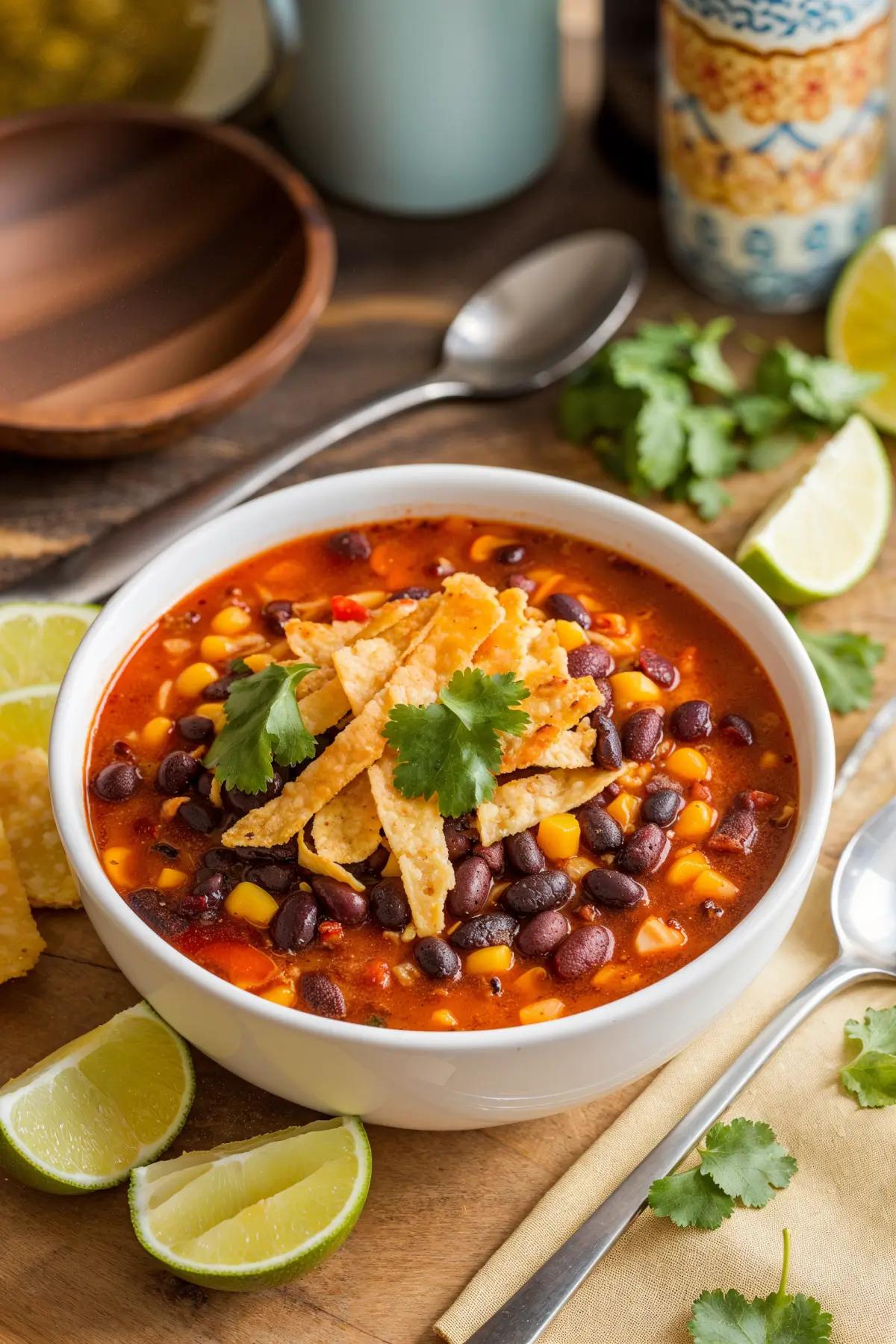
Why This Meatless Tortilla Soup Hits the Spot
Nothing beats a good tortilla soup when you want comfort with some backbone to it. What I like about this one is that it never has to apologize for being meatless, because the flavor was never coming from meat in the first place. It comes from two dried chiles toasted until they smell nutty, blended with tomato, then fried in the pot until the purée turns the color of brick.
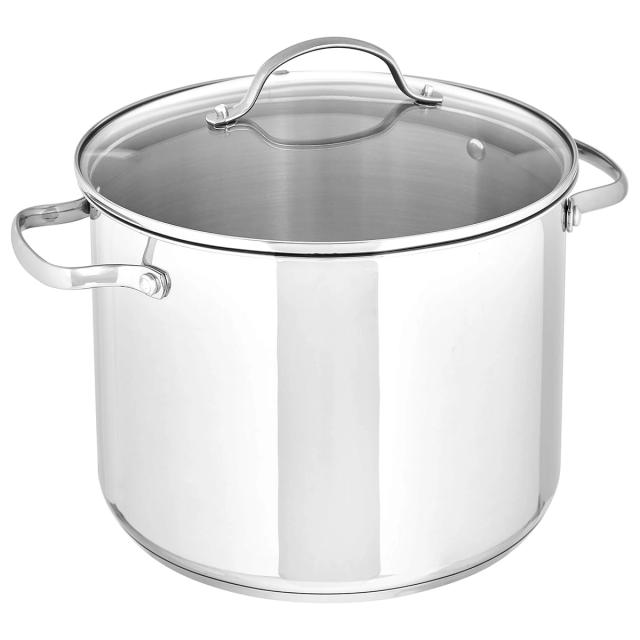
It only asks for one pot and a blender. The hour it takes is mostly unattended, apart from the fifteen minutes spent watching that purée darken, which are the ones doing the real work. What takes it over the top are the toppings: tortilla strips added at the last second, a squeeze of lime at the table, and a generous scatter of cilantro.
Here’s how I love to enjoy this soup:
- With fried tortilla strips for the most crunch
- A dollop of Greek yogurt or sour cream for creaminess
- Chopped jalapeños if I’m after extra heat
The soup takes extra vegetables happily, so a zucchini or a handful of chard going soft in the drawer can go in alongside the beans.
The story
Tortilla Soup Was Meatless Long Before It Was Chicken
The soup comes from Tlaxcala, the small state wedged between Mexico City and Puebla, whose Nahuatl name is usually read as “place of maize.” Corn tortillas are the daily bread there, they go hard within a day, and throwing them out was unthinkable, so the stale ones were cut into strips, fried until they crackled, and dropped into a broth of ground tomato, onion and garlic seasoned with epazote. A thrift dish, invented for the same reason as ribollita.
Read that list again and notice what is missing. Tomato, chile, onion, garlic, epazote, corn: all indigenous to Mexico, not one of them an animal. The chicken broth that nearly every recipe now treats as the foundation arrived with the Spanish, and it stuck because restaurants, and the version that crossed into Texas, wanted a main course rather than a first one. A meatless tortilla soup is not a workaround. It is closer to the original than the version most of us learned.
There is a second piece of vocabulary that hands this particular recipe a lineage. Most Mexican menus treat sopa de tortilla and sopa azteca as two names for the same bowl. The stricter distinction, the one Spanish-language references draw, is that sopa azteca replaces the tomato broth with a bean broth, caldo de frijol. Which means the black-bean tortilla soup that American food blogs invented as a way to feed vegetarians was already sitting on Mexican tables under its own name.
This version keeps a foot in both camps. The base is the tomato-and-chile purée of sopa de tortilla, fried down in the pot the way it should be, and the beans go in whole. Cook them from dry and use a cup of their liquid in place of broth to push it further toward the azteca side.
What to buy
Ingredient Notes
Dried ancho or pasilla chiles
Ancho is a dried poblano: sweet, raisiny, and mild enough that two will not make the soup hot. Pasilla is a dried chilaca, darker, closer to cocoa and prune, and the chile most associated with sopa azteca. One of each if the shop has both. Buy them pliable, like soft leather; one that cracks when you bend it is old and will taste of dust however carefully you toast it.
Corn tortillas
Corn, not flour. Flour tortillas go leathery and greasy instead of brittle, and any that reach the broth cloud it. Slightly stale ones crisp better than fresh, since there is less water to drive off, which is the whole origin of the dish. Six 6-inch tortillas covers four bowls.
Epazote (optional)
The herb that makes the broth taste Mexican rather than generically warm. Pungent and faintly medicinal, somewhere between oregano and creosote, and it vanishes into the soup leaving something you notice only in its absence. Latin groceries sell it dried in bags and no supermarket will have it. There is no honest substitute, and leaving it out beats reaching for cilantro, which is a fresh top note doing a different job.
Diced tomatoes
Fire-roasted are worth hunting for, because the traditional method chars the tomatoes on a comal first and the tin has done that step for you. Otherwise use whole peeled tomatoes crushed in your hand; most diced are treated with calcium chloride to hold their shape and stay stubbornly firm in the blender.
Black beans
The 15 oz (400 g) on the label includes the liquid; drained you have around 250 g, which is what the recipe expects. Rinse them, because that starchy canning liquid will cloud a broth you just spent ten minutes clarifying. Pinto works and is what plenty of Mexican kitchens reach for first. Kidney beans stay separate instead of softening into the soup.
Vegetable broth
Four cups of it, and after the chiles it is the largest single thing you taste, so a broth you would not drink from a mug will show up in the bowl. Salt varies enormously between brands. If yours is a salty one, put none in the pot and season only at the very end, once the purée has reduced.
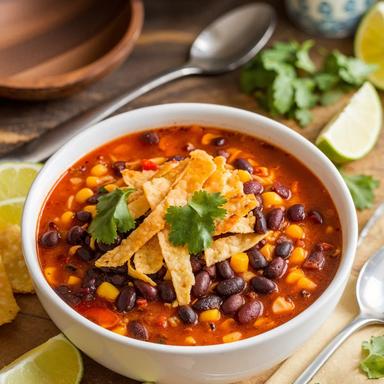
Hearty Meatless Tortilla Soup
A meatless tortilla soup built on toasted dried chiles and a tomato base fried until it darkens, with black beans, corn and tortilla strips crisped in the oven.
Ingredients
Equipment
As an Amazon Associate I earn from qualifying purchases, at no extra cost to you.
Instructions
- 1
Toast the dried chiles
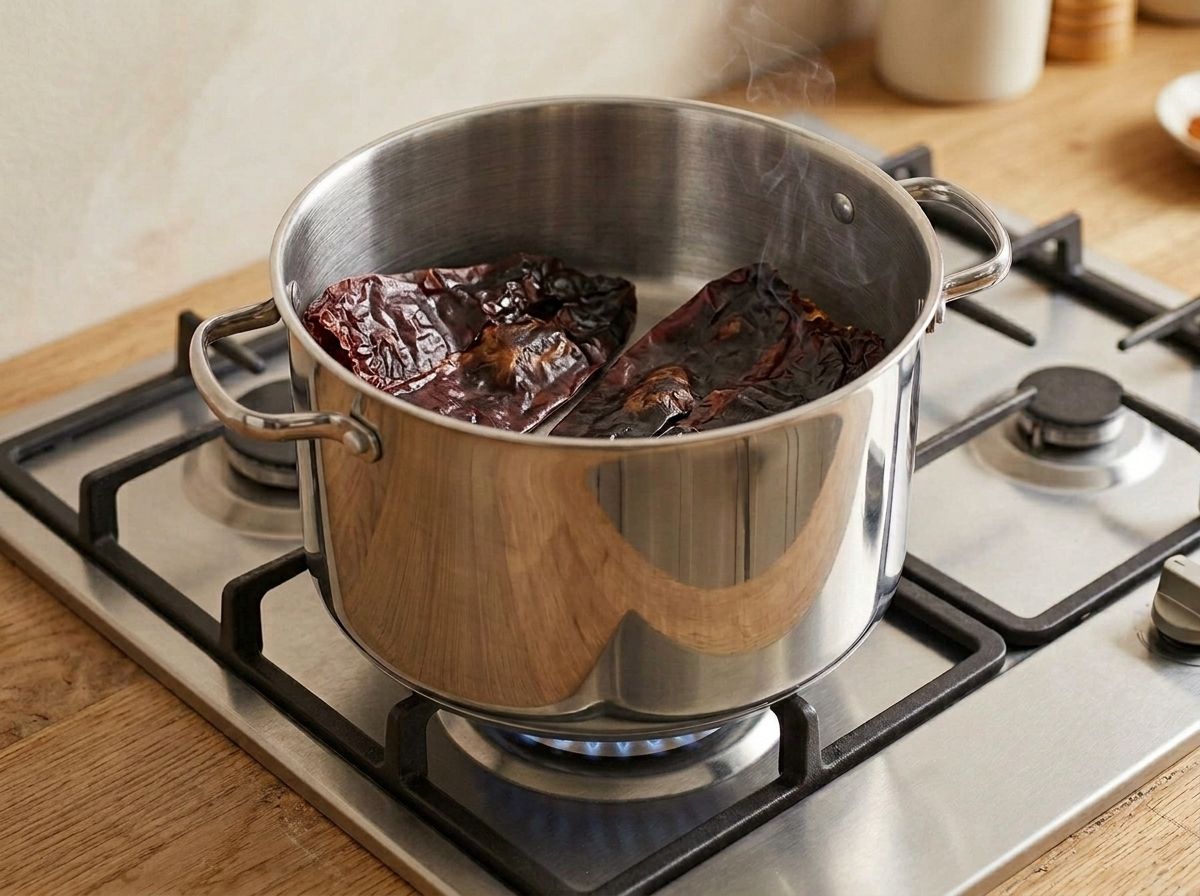
Tear the chiles open and shake out the stems and seeds. Set a large dry pot over medium heat and press the pieces flat against it for about 30 seconds a side, until they smell nutty and turn pliable. Pull them the moment that happens.
- 2
Soften them in hot broth
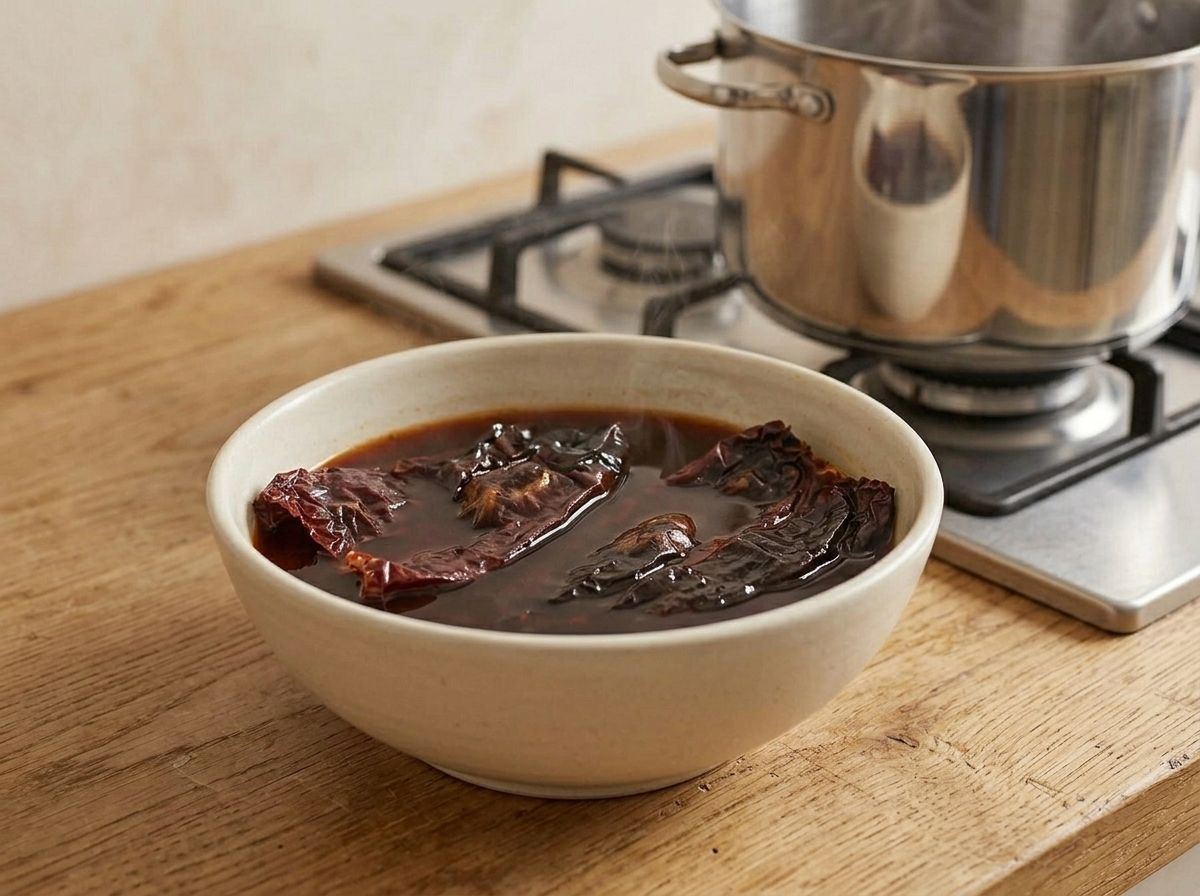
Pour 1 cup (240 ml) of the vegetable broth into the pot, bring it to a boil, then tip it over the chiles in a small bowl. Leave them 10 minutes while you deal with the tortillas.
- 3
Crisp the tortilla strips
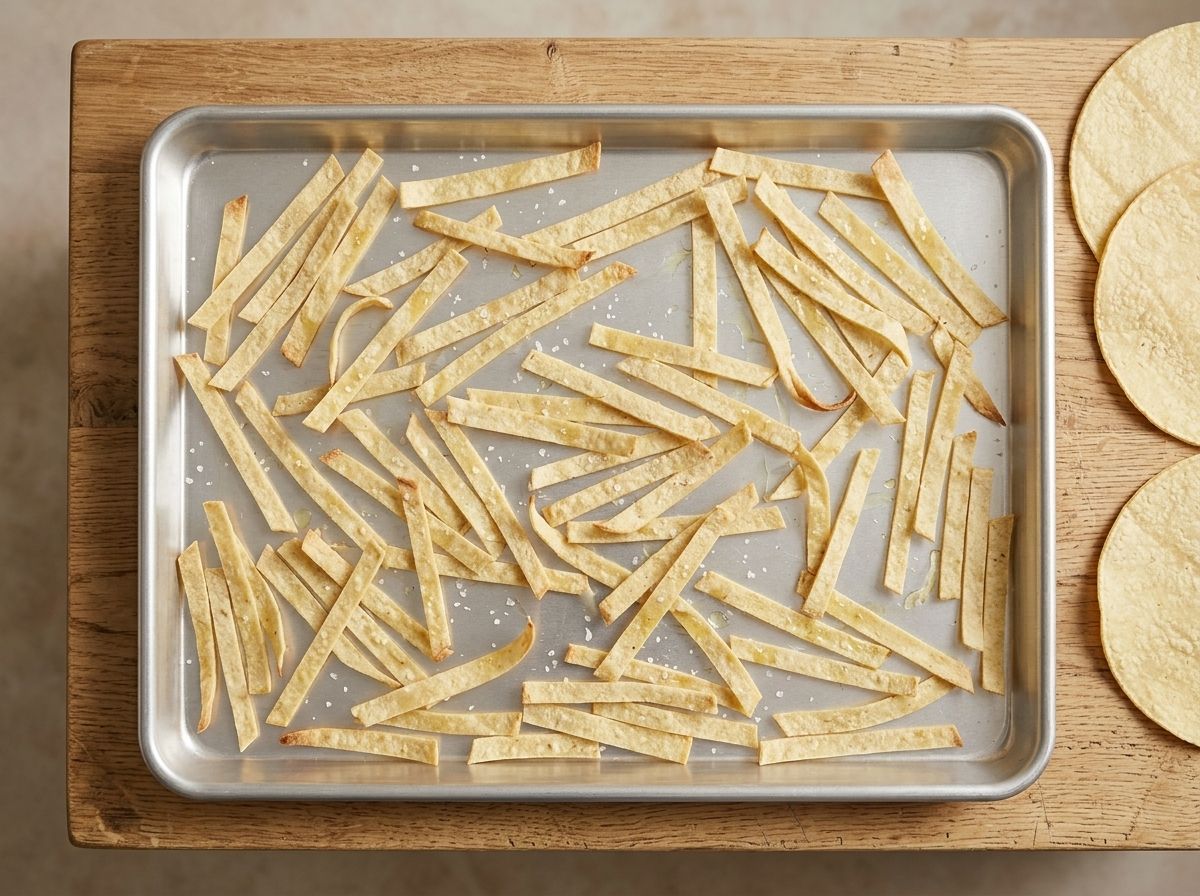
Heat the oven to 400°F (200°C). Stack the tortillas, cut them into strips about ¼ inch (5 mm) wide, and spread them on a baking sheet with the neutral oil and a good pinch of salt, tossing so every strip is coated. Bake 10 to 12 minutes, turning once, until dry and pale gold, then cool them on the sheet.
- 4
Soften the onion and pepper
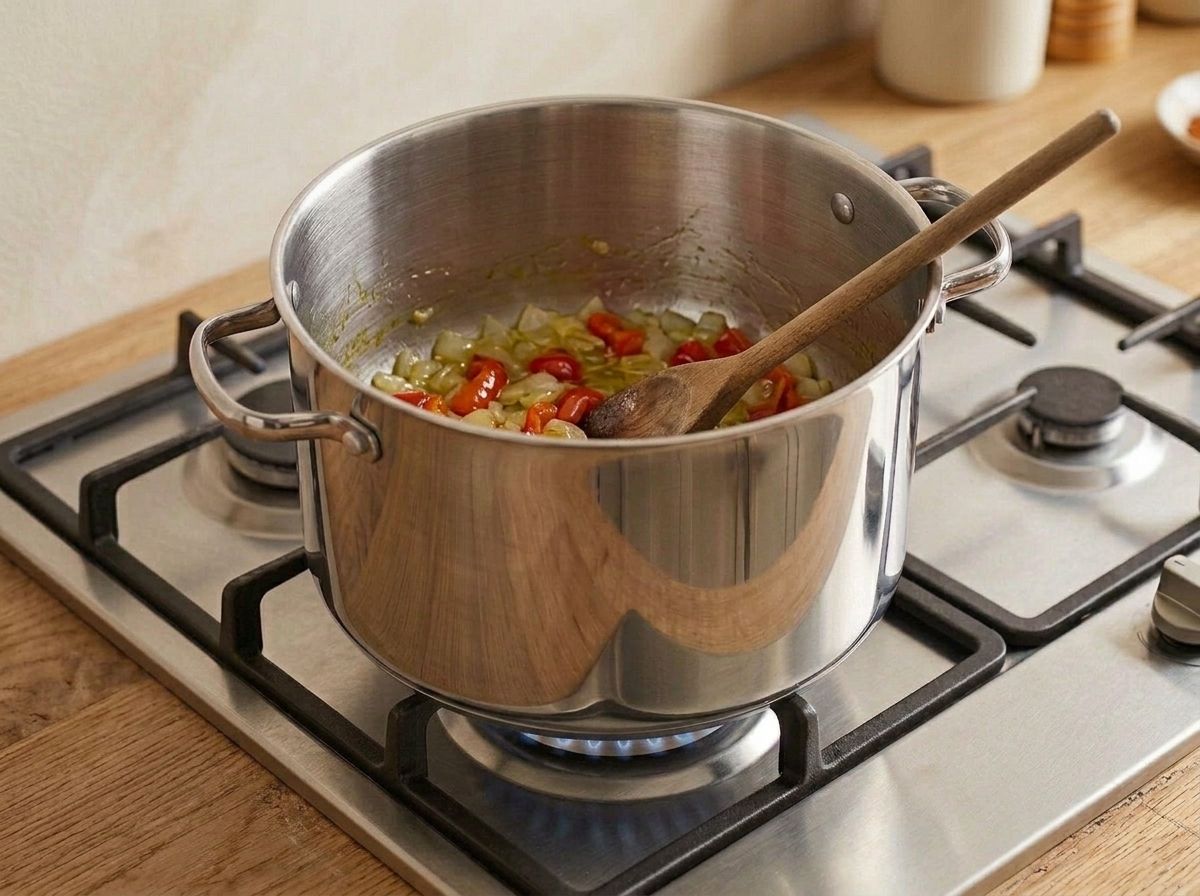
Wipe out the pot, add the olive oil and set it over medium heat. Cook the onion and bell pepper with a pinch of salt for 6 to 7 minutes, until the onion is translucent and the edges just start to color. Add the garlic and cook one minute more.
- 5
Bloom the spices in the oil
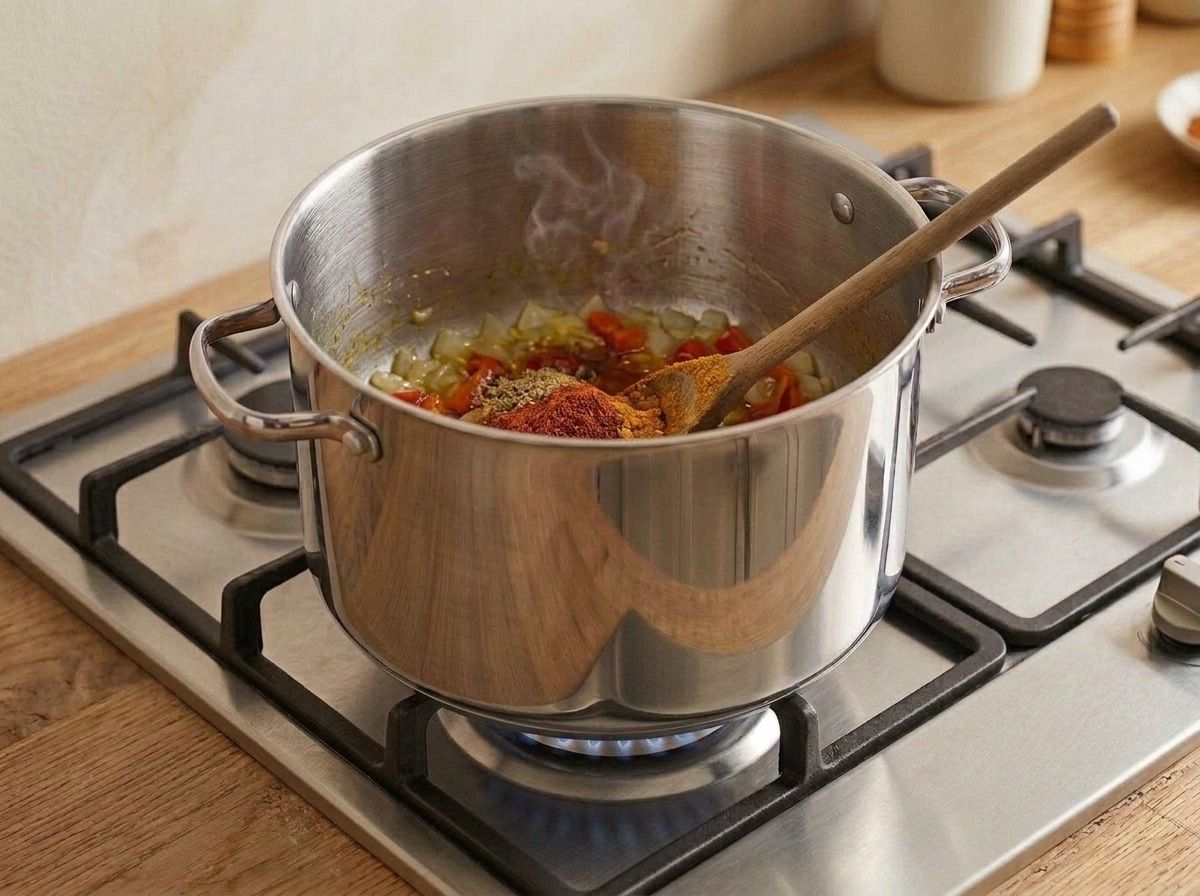
Add the cumin, chili powder and oregano and stir constantly for 30 to 45 seconds, until they smell toasted rather than dusty. Ground spices tipped straight into liquid keep that raw, powdery edge for the whole simmer.
- 6
Blend the chile base
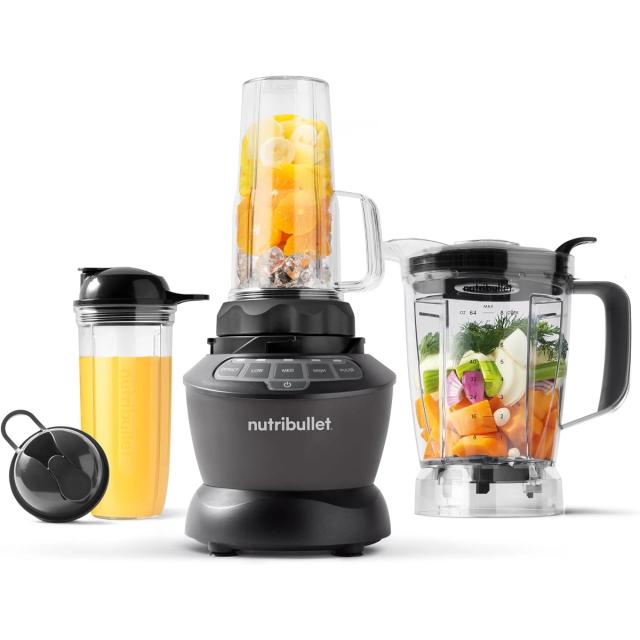
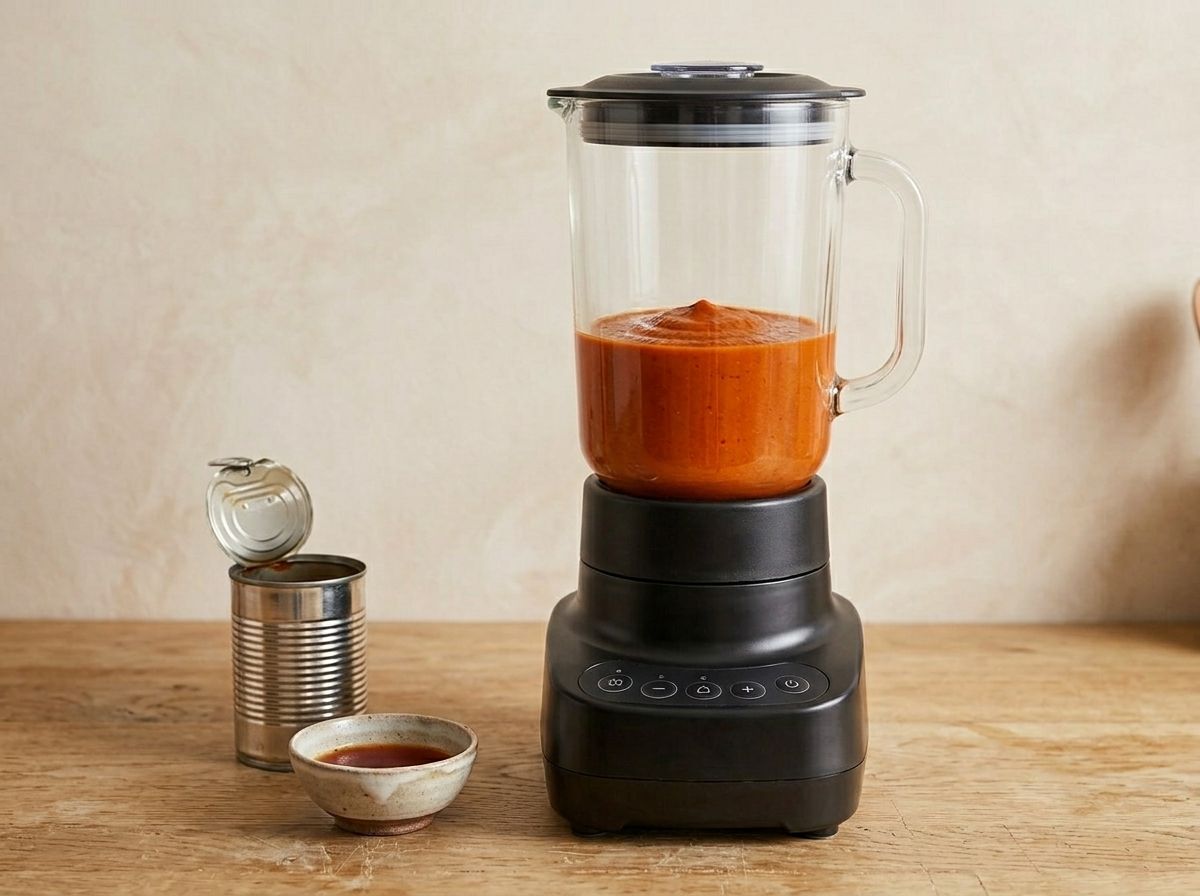
Tip the softened chiles and their soaking broth into a blender with the diced tomatoes and run it for a full minute, until no grit is left from the chile skins.
- 7
Fry the purée until it darkens
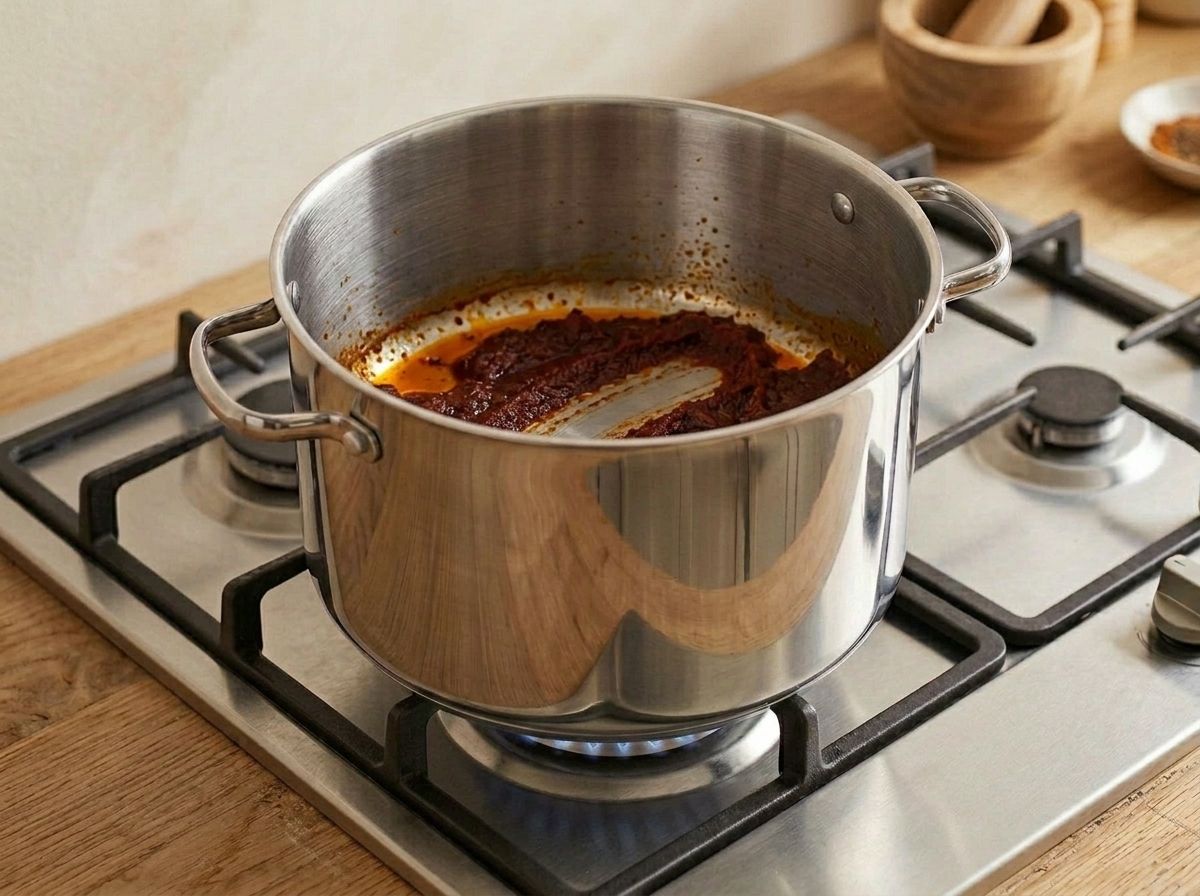
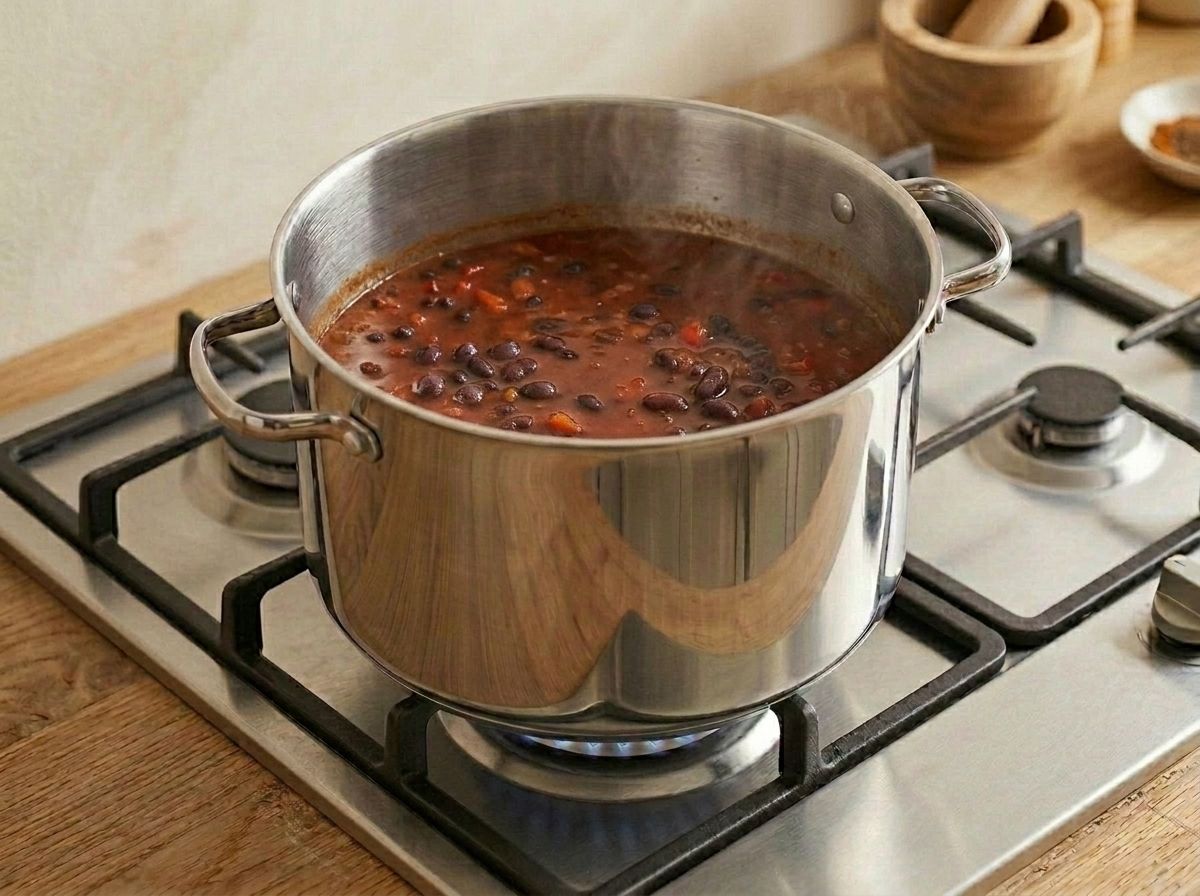
Pour the purée into the pot and cook over medium-high heat, stirring often, for 6 to 8 minutes. It spits at first, then settles, turns from bright red to brick, and thickens enough that a spoon dragged across the bottom leaves a trail that holds for a second.
- 8
Simmer with the beans
Add the remaining 3 cups (710 ml) of broth, the black beans and the epazote if you have it. Bring to a simmer and leave it uncovered for 20 minutes, so the broth reduces a little and the beans take on the chile.
- 9
Add the corn at the end
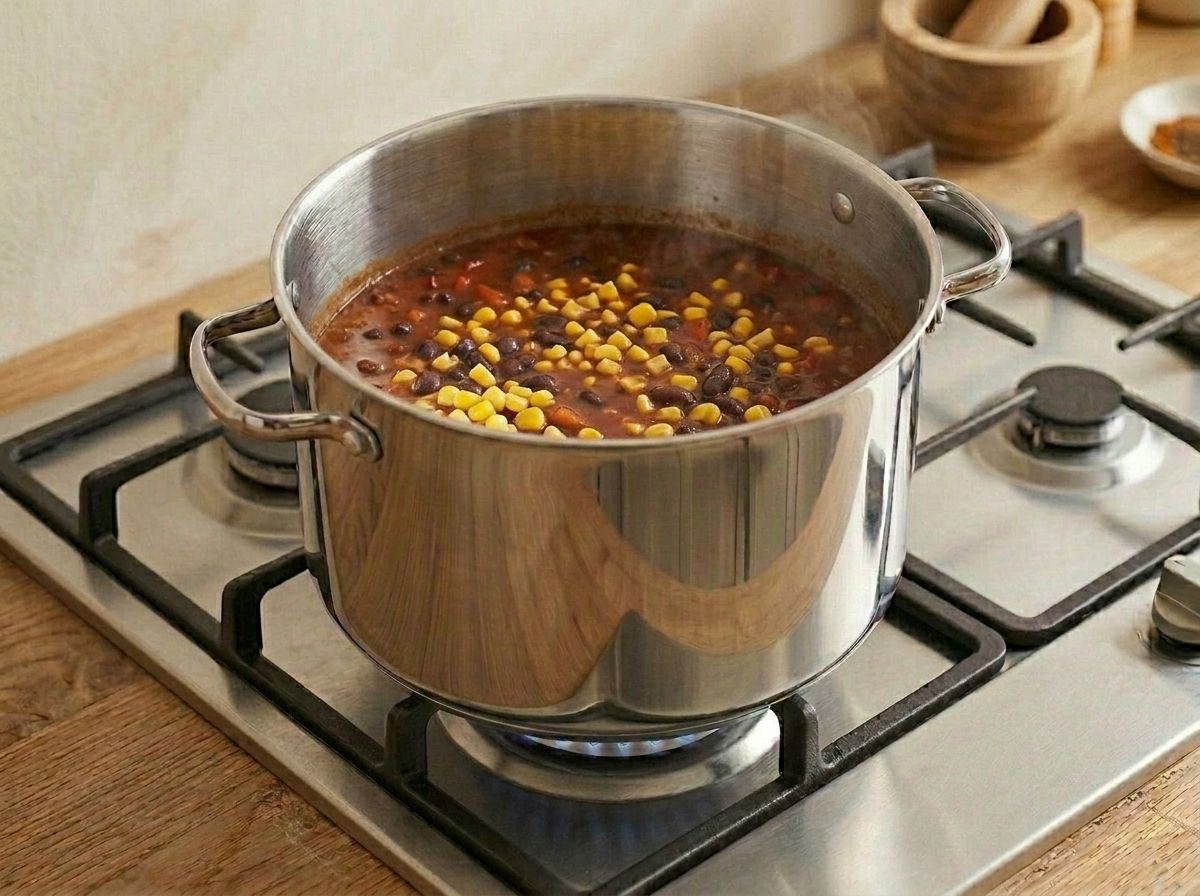
Stir in the corn and give it 3 minutes, no more; corn that sits through the full simmer goes flabby and gives its sweetness to the broth. Off the heat, fish out the epazote sprigs and season with salt and pepper.
- 10
Finish each bowl at the table
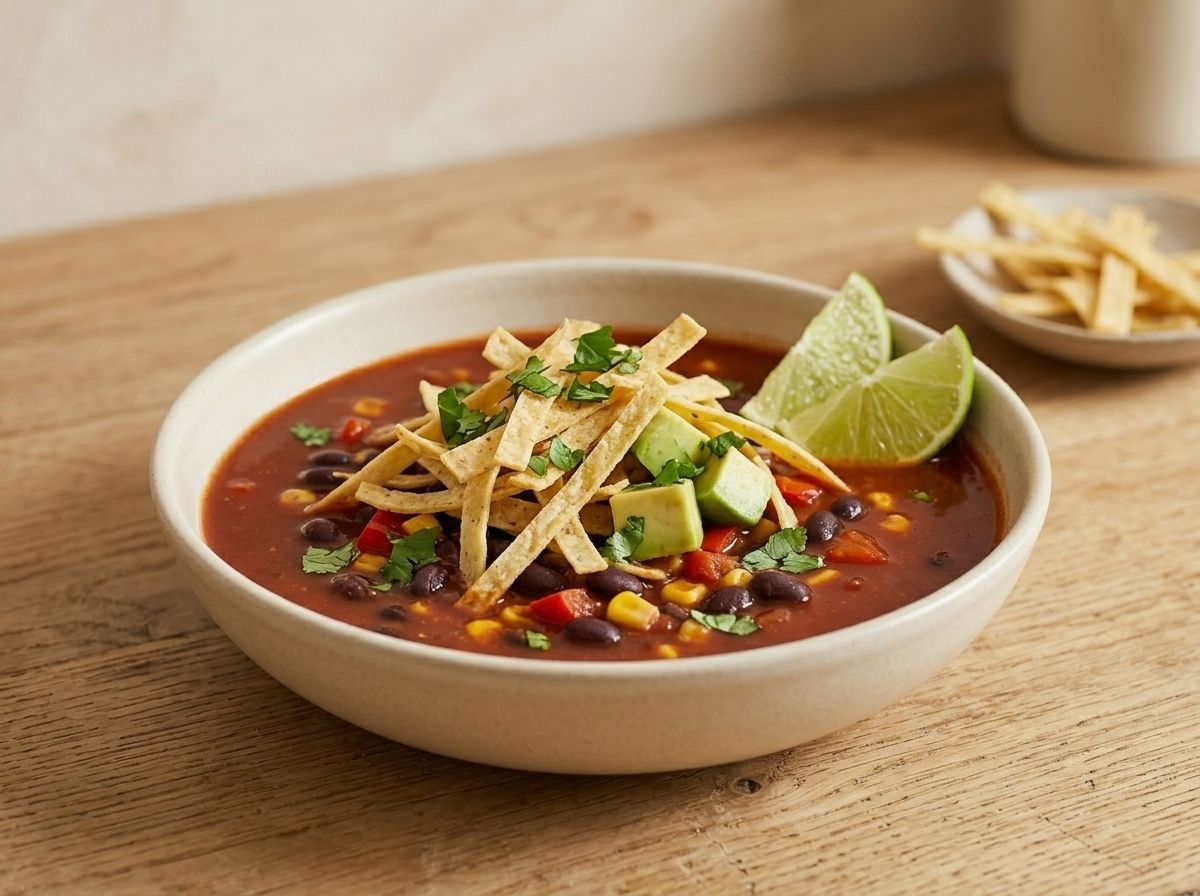
Ladle into bowls and add the tortilla strips at the last possible second, with the cilantro and avocado. Serve the lime wedges alongside and let everyone squeeze their own. Lime juice stirred into a hot pot goes dull and faintly bitter within minutes.
Notes
No dried chiles? Use 1 tablespoon of chili powder in total plus ½ teaspoon of smoked paprika, and blend the tomatoes on their own. You lose the fruity depth whole chiles bring, but the fried-purée step still does most of the work.
To fry the strips instead of baking them, heat ½ inch (1 cm) of neutral oil to 350°F (175°C) and fry in batches for 30 to 45 seconds, until the bubbling slows. Drain on paper and salt them while hot.
For a thicker soup, crumble a handful of the strips into the pot five minutes before the end and let them dissolve. That is how the tortillas were used before anyone demoted them to a garnish.
Mexican oregano is a different plant from the Mediterranean kind and tastes citrusy rather than piney. Either works, but they are not the same flavor.
Nutrition Facts
4 servings · 641 g per serving
- Calories
- 472 kcal
% Daily Value*
- Total Fat
- 17.9 g23%
- Saturated Fat
- 2.6 g13%
- Sodium
- 1187 mg52%
- Total Carbohydrate
- 68.9 g25%
- Dietary Fiber
- 19.6 g70%
- Sugars
- 10.1 g—
- Protein
- 16.1 g32%
Recipe from veggierecipes.blog
When it goes wrong
Troubleshooting
It tastes flat, like tomato soup with beans floating in it
The purée was not fried long enough. It is the step that looks like it is doing nothing and does most of the work. Watch for the color change, bright tomato-tin red to dull brick, and a texture that holds a trail behind the spoon for a second. Six minutes is the minimum and eight is better. If the broth is already in, simmering uncovered for another ten minutes recovers some of it.
The whole batch is bitter
Scorched chiles. Toasting is thirty seconds a side over medium heat, and the finish line is when they smell like toast, not smoke. Seeds and veins are the other culprit, so shake them all out first. Burnt-chile bitterness is not fixable once it reaches the broth, and a pinch of sugar masks it for exactly one mouthful. Catch it before you blend and start with two more chiles, which cost less than the pot.
The tortilla strips were soggy within a minute
They went into the bowl too early, or came out of the oven underbaked. Strips finish crisping as they cool, so an underbaked one feels acceptable warm and then gives up. Bake to dry and pale gold, cool completely on the sheet, and put them on the table in their own bowl rather than in the soup.
The broth is thin and watery
Almost always the lid. A covered simmer condenses everything straight back into the pot, so twenty minutes under a lid reduces nothing at all. To thicken a soup that is already made, crumble a handful of tortilla strips into it and give them five minutes to dissolve, or blend one ladleful, beans and all, and stir it back in.
It is gritty on the tongue
Chile skins that never broke down. They are tougher than they look and a blender needs a full minute, not the ten seconds it takes for the mixture to stop looking chunky. Older, drier chiles are worse for it. The standard Mexican insurance is to push the purée through a fine mesh sieve on its way into the pot.
There is a slick of orange oil on the surface
Not a fault, a receipt. Frying a chile purée drives the carotenoid pigments out of the chile and into the fat, and that colored oil separating out is the sign the base was properly cooked rather than stirred into broth. A soup with none of it usually means the purée went in too wet. Stir it back, or spoon it over the top on purpose.
Before you serve
Serving & Storage
In Mexico the bowl arrives close to empty. The broth is what comes out of the kitchen and everything else sits on the table: strips in their own bowl, cubed avocado, crema, crumbled queso fresco or panela, a whole fried pasilla to break over the top, and lime. Each person builds their own, which is the point, and it is also the only reliable way to keep the strips crisp to the last spoonful.
Cheese has to be the crumbling kind. Queso fresco and panela stay in distinct pieces and go soft rather than stringy, while cheddar and Monterey Jack melt into ropes and cloud a broth you spent ten minutes clarifying. For a vegan bowl, cashew crema loosened with lime does the same job. Traditionally this is a sopa aguada, the brothy course that comes before the main in a Mexican comida corrida, so a small bowl ahead of something else is entirely correct.
Making it ahead
The broth is better on the second day, once the chiles have kept working and the beans have started to blur into the base. Cook it through the simmer, stop before the corn goes in, and chill it. Reheat, then give the corn its three minutes so it stays sweet and firm.
The strips will not wait. Made a day early and sealed in a container they go leathery, because the container traps whatever moisture is left in them. A paper bag at room temperature buys you a day and the refrigerator ruins them in hours. Strips softened by humidity come back in a 350°F (175°C) oven in five minutes; strips that have been in the broth are gone.
Storing leftovers
Four days in an airtight container in the refrigerator. It thickens as it sits, because the beans keep leaking starch into the broth, so loosen it with water when you reheat rather than accepting the stew it has become. Reheat gently in a pan, since a microwave heats unevenly enough to blow the beans apart.
The soup freezes well for three months, plain and ideally before the corn goes in. Leave the avocado out of anything you plan to keep, since it browns by the second day even in the refrigerator. What does not survive is a bowl that was already assembled, so never store the strips, the crema or the cilantro in with the soup.
Still wondering
Frequently Asked Questions
Is this meatless tortilla soup vegan?
As written, yes. Dairy only ever enters through the toppings, so skip the crema, sour cream and queso fresco and use a cashew crema instead. The one thing worth checking is the vegetable broth: a few brands, particularly pastes and cubes, list butter or a dairy-derived natural flavor.
Can I make this tortilla soup gluten-free?
It already is, if you check three things. Corn tortillas, which the recipe calls for anyway, though a few brands blend in wheat flour to stop them cracking. The vegetable broth, where wheat sometimes hides behind “natural flavoring.” And the chili powder, because supermarket blends occasionally carry wheat flour as an anti-caking agent, which is the one nobody thinks to look at.
How spicy is this tortilla soup?
Barely. Ancho and pasilla run roughly 1,000 to 2,500 Scoville units, about a tenth of a jalapeño, and split across four bowls they read as warmth rather than heat. For real heat, toast one or two chiles de árbol along with the anchos and blend them in. More chili powder does not work; past about a tablespoon it stops tasting hot and starts tasting dusty.
Can I double the recipe?
Yes, with one adjustment. Frying the purée depends on a wide surface and hard heat, and a double batch in the same pot sits too deep to fry, so it steams and stays orange and thin. Fry it in two batches and combine before the broth goes in, or move to a wide Dutch oven. Everything after that scales straight.
Featured In
More Flavorful Vegetarian Soups
Made this?