
Winter Squash Soup with Coconut Milk Recipe
Published · Updated
Roasted kabocha blended with coconut milk and red curry paste fried until fragrant, then finished with lime. Silky, warming and vegan.
Jump To Recipe
Why This Coconut Winter Squash Soup Always Hits the Spot
A steaming bowl of squash soup in the middle of winter always keeps me coming back for more. Roasting the squash in wedges makes it sweet and deep, and red curry paste fried in the coconut cream gives it a warmth a plain squash soup does not have. It’s a dish that makes freezing nights worth looking forward to.
Once you have made it as written, it is an easy recipe to make your own. Here are a few ways I like to change it up:
- Bruise a stalk of lemongrass and drop it into the simmer, then fish it out before blending.
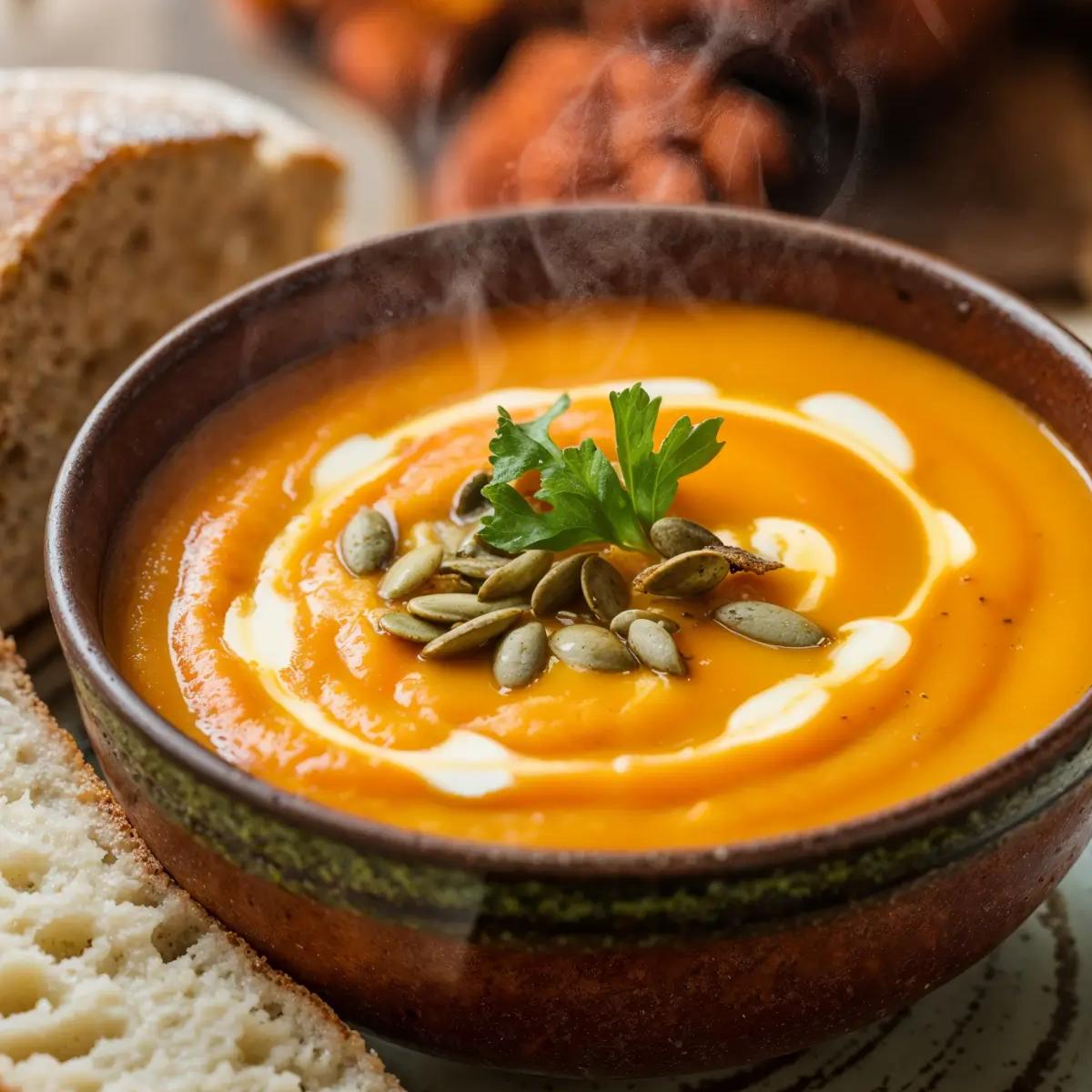
- Top each bowl with toasted pepitas or coconut flakes for some crunch.
- Serve it with a thick slice of toasted sourdough. Nothing soaks up soup like a crusty bread.
I make a double batch on busy weeks because it reheats well, and I finish each bowl with a fresh squeeze of lime, which wakes it right back up.
The next time squash is in season, give it a try. It has become a staple at my table.
The story
The Squash in Thai Pumpkin Soup Is Named After Cambodia
Kabocha, the squash this soup is built around, is sold as Japanese pumpkin, and its name is a memory of a trade route. Like every winter squash it is American in origin. Portuguese traders carried it across the Pacific and brought it to Japan in the middle of the 1500s by way of Cambodia, and the squash arrived with the Portuguese phrase for a Cambodian pumpkin attached, Cambodia abóbora. Japanese speakers wore that down to kabocha.
In Thailand the same squash is fak thong, the golden gourd, and it has been cooked with coconut milk for a very long time. Mostly, though, the pairing is a sweet one. Fak thong kaeng buat is pumpkin simmered in sweetened coconut milk and eaten as a dessert, and sangkhaya fak thong is a coconut custard steamed inside a whole hollowed pumpkin and served in wedges. On the savory side, pumpkin goes into red curry in chunks, where it holds its shape and soaks up the sauce.
What the Thai repertoire does not really have is a smooth, blended pumpkin soup. The bowl the English-speaking world calls Thai pumpkin soup took shape in cafés, and above all in Australian ones. Plain roast pumpkin soup was on almost every Australian café menu through the 1990s, and by most accounts a version with red curry paste and coconut milk gradually knocked it off its perch.
So this is a fusion dish, and it is worth being honest about that, because the fusion is exactly where the flavor comes from. The soup is Western in shape and Thai in method. The curry paste is fried in coconut cream until the cream splits and the paste darkens, which is how a Thai cook starts a curry, and the seasoning is balanced at the end with salt and lime rather than left to the squash. Skip either step and you have a squash soup with a spoonful of curry in it.
For a vegetarian kitchen there is one more thing to know. Thai red curry paste is traditionally made with kapi, a fermented shrimp paste, and savory Thai food is usually salted with fish sauce, so many café versions of this soup were never vegetarian at all. This one uses a curry paste made without shrimp and takes its salt from tamari, the same swap Thai vegetarian restaurants make.
What to buy
Ingredient Notes
Kabocha squash
Look for a dull, dark green skin, a dry corky stem and a squash that feels heavy for its size. Kabocha flesh is drier and starchier than butternut, with a chestnut sweetness, and it makes a thicker, more velvety soup. Butternut works too; it is wetter and sweeter, so start with a little less broth. Acorn squash is stringy and watery and gives a thinner, blander bowl. A 3 lb (1.4 kg) squash yields roughly 2¼ lb (1 kg) of flesh.
Vegan Thai red curry paste
Read the label, because most jars are not vegetarian. Mae Ploy and Maesri, the two brands in most Asian grocers, both list shrimp paste. Thai Kitchen, Mekhala and Chef’s Choice make pastes without it. They also differ in heat: Thai Kitchen is mild, and 2 tablespoons gives gentle warmth, while an Asian-grocer paste at the same amount can be fierce. Curry powder is not a substitute. It is a different, Indian-style spice blend with no lemongrass or galangal.
Full-fat canned coconut milk
Leave the can unshaken so the thick cream stays on top, because the recipe fries the curry paste in it. Chilling the can for an hour firms the cream and makes it easier to spoon off. Some brands, particularly the cartons, are homogenized and never separate; they still make good soup, you just fry the paste in a little oil instead. Light coconut milk will not split in the pot and gives a thinner, less rounded soup.
Fresh ginger
Fresh ginger is not interchangeable with the ground ginger many squash soups call for. Ground ginger is warm and dusty; fresh is sharp and bright, and in a soup this sweet you want the brightness. Scrape the skin off with the edge of a spoon and grate it on a microplane so it melts into the onion rather than leaving fibers for the blender to chase. Galangal, its Thai cousin, is already in the curry paste.
Soy sauce or tamari
This is the fish sauce’s job in a Thai kitchen: salt with some savory depth behind it, which squash on its own does not have. Most American soy sauce is brewed with wheat, so use tamari if the soup needs to be gluten-free. It goes in with the broth, but hold back on extra salt until the end, because the curry paste and the broth both bring their own and the three add up quickly.
Fresh lime juice
Squeeze it fresh. Bottled lime juice tastes cooked and slightly bitter, which is the opposite of what it is there for. It goes in off the heat, because boiled lime juice turns dull. Lemon will do in a pinch but reads flatter against coconut. One lime usually gives the 2 tablespoons the recipe needs, but limes vary a lot, so buy two and keep the spare for wedges at the table.
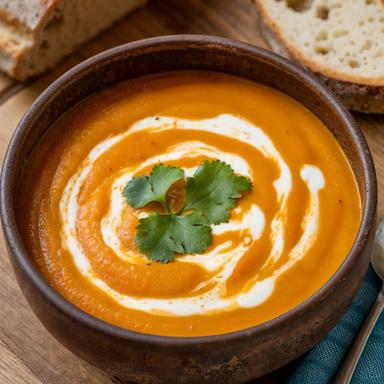
Creamy Winter Squash Soup with Coconut Milk
Kabocha or butternut squash roasted in wedges, then blended with red curry paste fried in coconut cream and finished with lime.
Ingredients
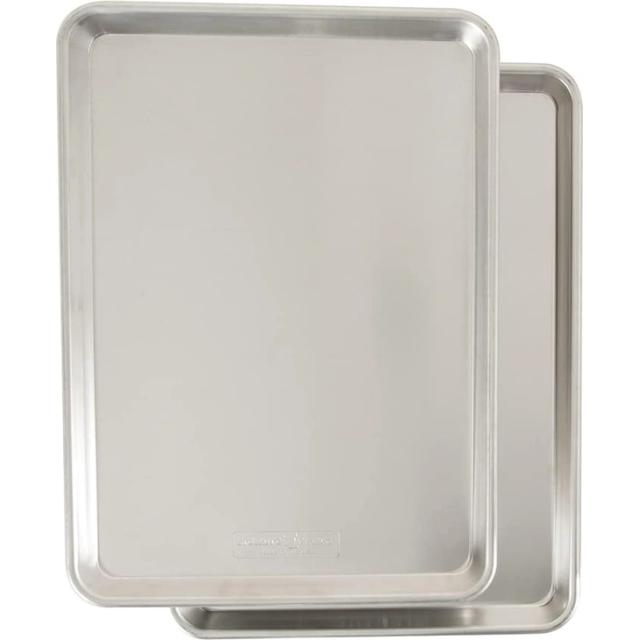
Equipment
As an Amazon Associate I earn from qualifying purchases, at no extra cost to you.
Instructions
- 1
Roast the squash in wedges
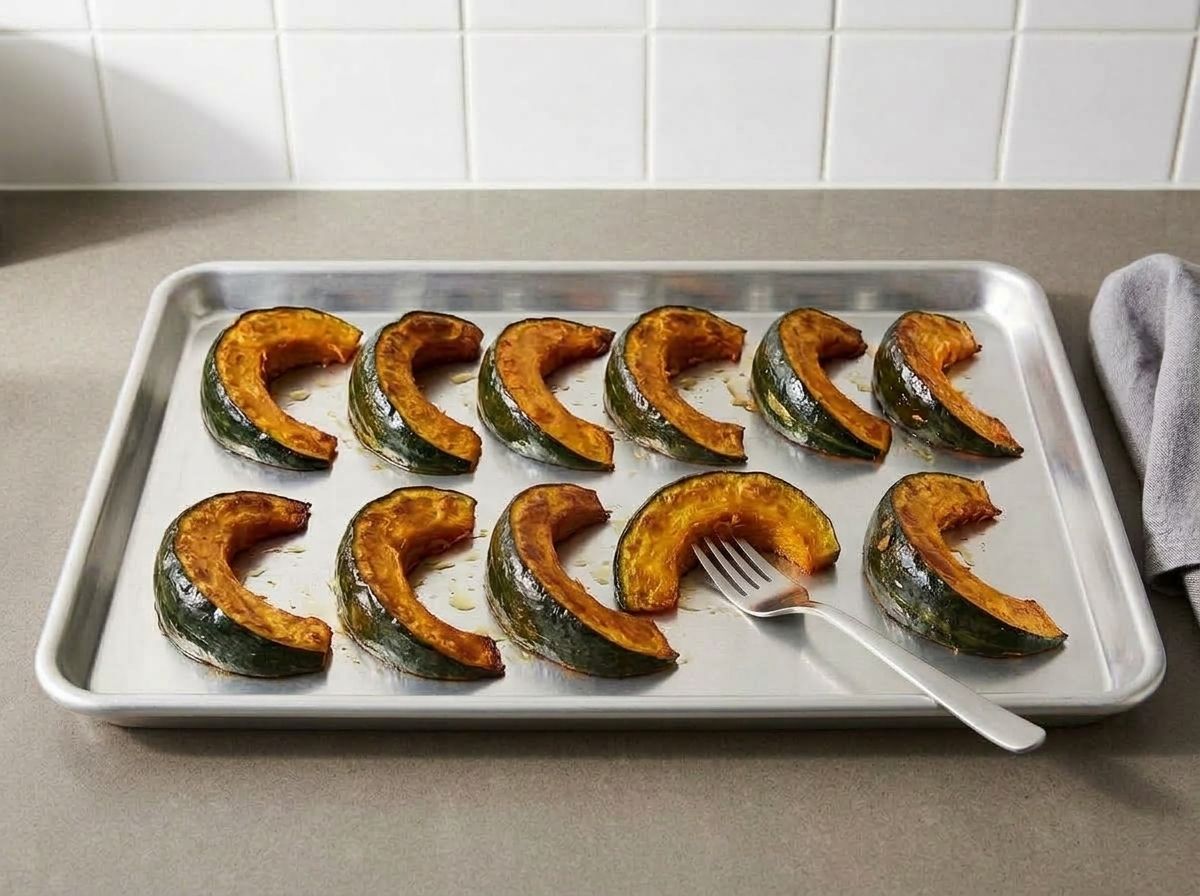
Heat the oven to 425°F (220°C). Scoop the seeds out of the squash halves and cut each half into wedges about 1½ inches (4 cm) thick at the widest point, skin on. There is no need to peel it. Toss the wedges with 1 tablespoon of the oil and ¼ teaspoon of the salt and lay them on a baking sheet on one cut face, with space between them. Roast for 35 to 40 minutes, turning once, until the edges are browned and a fork slides through the thickest part with no resistance.
- 2
Soften the onion, garlic and ginger
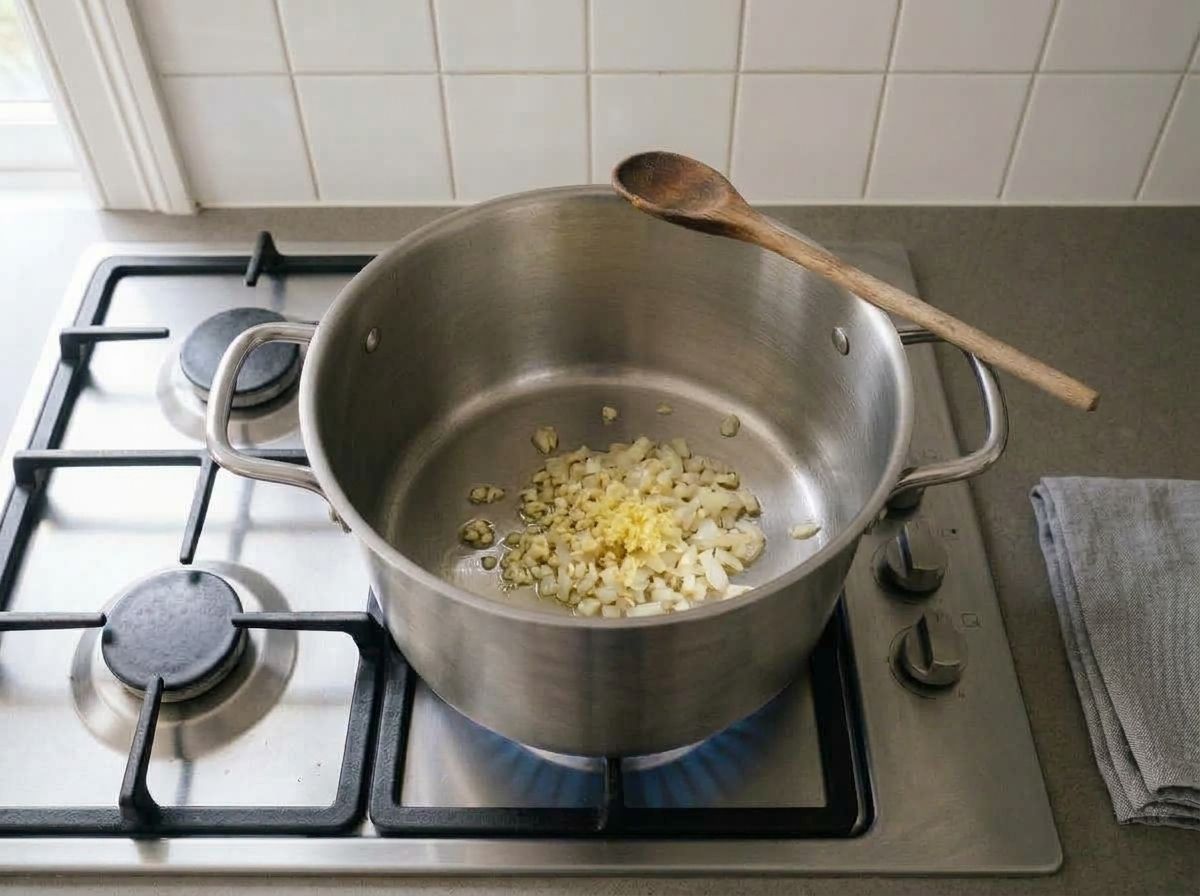
About 15 minutes before the squash is done, heat the remaining tablespoon of oil in a large pot over medium heat. Add the onion and the remaining ¼ teaspoon of salt and cook for 8 minutes, stirring now and then, until soft and translucent but not browned. Add the garlic and ginger and cook for 1 minute more.
- 3
Fry the curry paste in the coconut cream
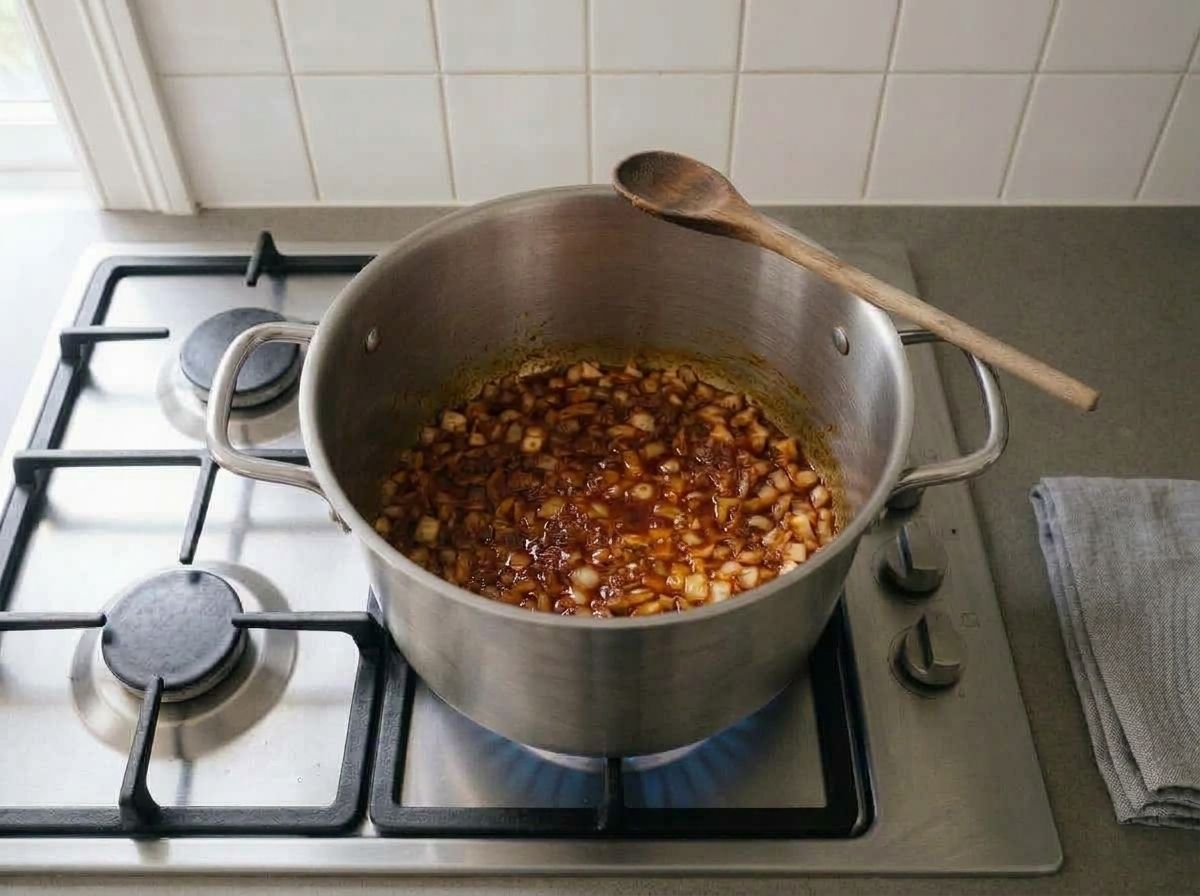
Open the coconut milk without shaking it and spoon the thick cream off the top, about ⅓ cup (80 ml), into the pot. Let it bubble for 2 to 3 minutes, stirring, until it thickens and small beads of oil appear at the edges. Add the curry paste and fry it in that oil for 1 to 2 minutes, stirring constantly so it does not catch, until it turns a deeper brick red and smells strongly of lemongrass and chili. If your can has no separate cream, fry the paste in a teaspoon of extra oil instead.
- 4
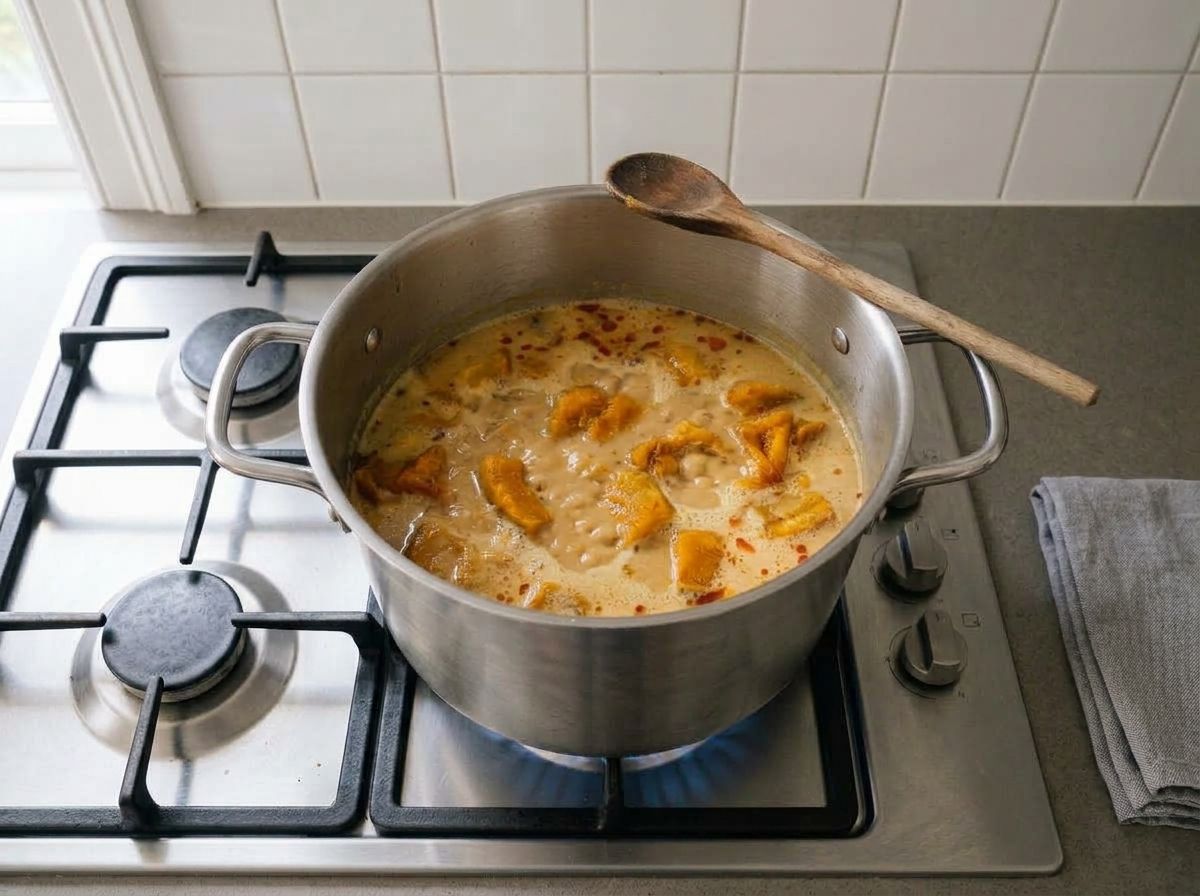
Scoop in the squash and simmer
When the wedges are cool enough to handle, scoop the flesh off the skins straight into the pot and discard the skins. Add the broth, the tamari and the rest of the coconut milk, holding back 2 tablespoons for serving. Bring to a simmer and cook gently for 10 minutes, stirring once or twice.
- 5
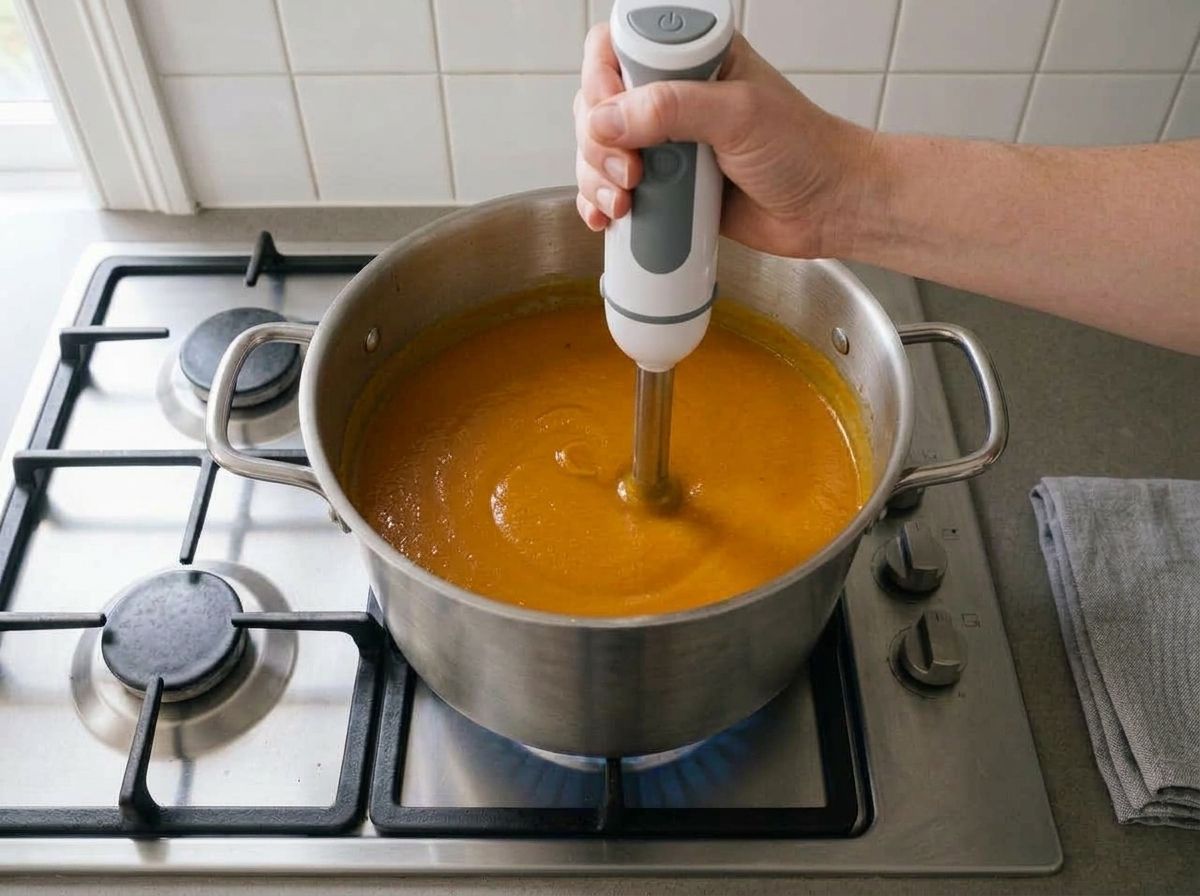
Blend until silky
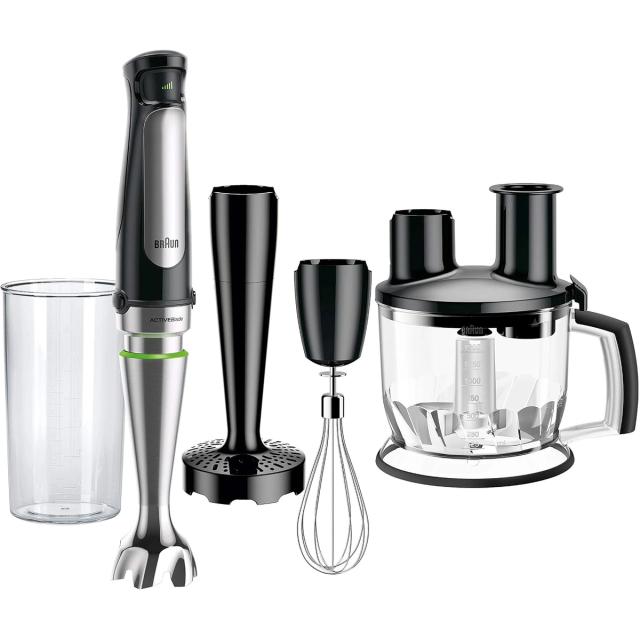
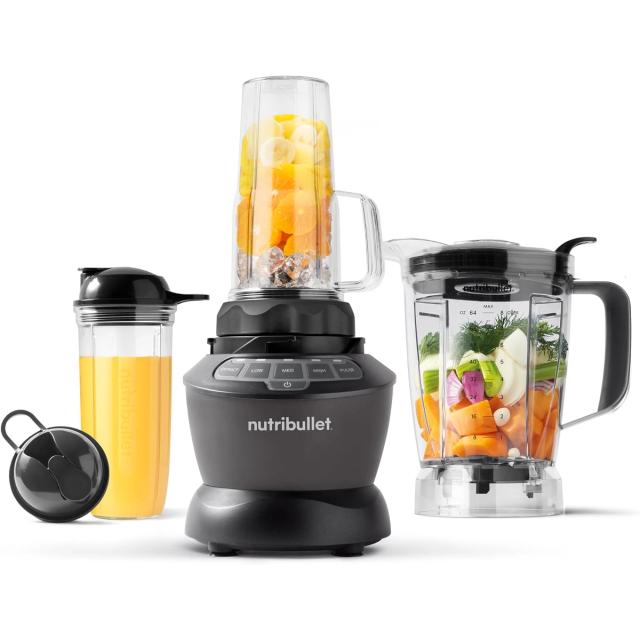
Blend the soup completely smooth with an immersion blender, or in batches in a countertop blender with the lid vented and a towel held over the top. If it is thicker than you like, add more broth a splash at a time.
- 6
Finish with lime off the heat
Take the pot off the heat and stir in the lime juice. Taste, and adjust in this order: more tamari or salt if it tastes flat, more lime if it tastes sweet. Ladle into bowls, drizzle with the reserved coconut milk and scatter with cilantro. Serve with lime wedges.

Notes
If you use a countertop blender, let the soup cool for a few minutes first and never fill the jar more than halfway.
Curry pastes vary widely in heat. Start with 2 tablespoons of a mild supermarket brand and fry an extra spoonful in a little oil to stir in at the end if you want more.
Kabocha skin is edible. Leave a few pieces on the flesh for an earthier soup, but expect a greener, less golden color.
The soup thickens as it sits; loosen it with a splash of broth when you reheat it.
Nutrition Facts
4 servings · 593 g per serving
- Calories
- 412 kcal
% Daily Value*
- Total Fat
- 31.3 g40%
- Saturated Fat
- 26.9 g135%
- Sodium
- 569 mg25%
- Total Carbohydrate
- 34.9 g13%
- Dietary Fiber
- 7.7 g28%
- Sugars
- 11.6 g—
- Protein
- 6.5 g13%
Recipe from veggierecipes.blog
When it goes wrong
Troubleshooting
The coconut cream split into oil and little curds in the pot
That is supposed to happen. Thai cooks call it cracking the coconut cream: the cream is simmered until its fat separates, and the curry paste is then fried in that fat, which is what draws the flavor out of the chili, lemongrass and galangal. The soup is blended afterwards, which brings everything back together. If your cream never split, the brand was homogenized; fry the paste in a teaspoon of oil and carry on.
It tastes of coconut and not much else
The curry paste was not fried long enough, or it went straight into the liquid. Raw paste stirred into broth tastes muddy and faint, because its flavor needs fat and heat to open up. To rescue the pot, fry another tablespoon of paste in a teaspoon of oil in a small pan until it turns brick red and smells strongly, then stir it in. Check the salt as well, since under-seasoned coconut tastes of nothing but coconut.
It is so spicy I can’t eat it
Curry pastes vary enormously in heat, and 2 tablespoons of a Thai grocery brand can be several times hotter than the same amount of a supermarket one. You cannot take the heat back out, so dilute it: add more broth and coconut milk, and if you have spare squash, roast and blend it in. A generous swirl of coconut cream on each bowl softens it further. Next time, start with 1 tablespoon and fry more if you want it.
It came out thick, almost like baby food
Kabocha is a starchy squash, and it makes a much thicker soup than butternut at the same weight. That is part of its appeal, but it means the broth is a starting point rather than a fixed amount. Thin it with hot broth a splash at a time after blending until it pours off the ladle in a ribbon. It thickens further overnight, so expect to loosen leftovers again.
My soup turned greenish brown instead of orange
Some of the skin went in with the flesh. Kabocha skin is edible and perfectly safe, but its dark green blends into the orange and turns it khaki. Scoop close to the skin without scraping it. A squash that was picked early, with pale yellow rather than deep orange flesh, also gives a duller color. Neither affects the flavor, and a swirl of coconut milk and plenty of cilantro on top will help it look better.
It tastes sweet and flat, even with the lime
It needs salt, not more lime. Thai seasoning works as a balance of salty, sour, sweet and hot, and squash and coconut have already filled in the sweet. If you add lime to a soup that is under-salted, it turns sharp without tasting any brighter. Add another teaspoon of tamari, stir and taste, and only then decide whether it wants more lime. The two are adjusted together, a little at a time.
Before you serve
Serving & Storage
In a Thai meal, soup is not a separate course. It goes on the table with everything else and is eaten alongside rice, a spoonful at a time. This soup takes to that well: serve it with a bowl of jasmine rice and a plate of stir-fried greens, or put a scoop of rice straight into each bowl, which turns it into a meal. The Australian café way is a thick slice of toasted sourdough, which does the same job.
The garnish is where you add what the soup lacks, which is texture. Toasted pepitas or coconut flakes give crunch. Thin slices of fresh red chili give heat that does not dissolve into the pot, and crispy fried shallots give both. Cilantro is on the ingredient list for its freshness; Thai basil is a good alternative. A lime wedge on the side lets everyone adjust their own bowl.
Making it ahead
The soup keeps well for up to four days in the refrigerator, and the curry flavor settles overnight. The lime is the exception: it fades within a day. If you are making it ahead, stop after blending, leave the lime out, and add it when you reheat. Reheat over medium-low heat, stirring, until it steams, and do not let it boil hard or the coconut can turn grainy.
Storing leftovers
Keep leftovers in a sealed container in the refrigerator for up to four days, and loosen them with a splash of broth when you reheat, because the soup thickens as it sits. It freezes well for up to three months without the lime. Thaw it overnight in the refrigerator. Coconut milk can look slightly grainy after freezing, and 30 seconds with an immersion blender brings it back.
What does not work is freezing it with the lime already in, which comes back tasting dull, and reheating it in the microwave at full power, which boils the edges and splits the coconut.
Still wondering
Frequently Asked Questions
Is this soup vegan and gluten-free?
Yes, as written, provided two labels check out. The curry paste has to be one made without shrimp paste, and the soy sauce has to be tamari or another wheat-free soy sauce if you need it gluten-free. The broth, coconut milk and squash need no special attention.
Can I use canned pumpkin instead of fresh squash?
Yes. Use two 15 oz (425 g) cans of plain pumpkin puree, not pumpkin pie filling, which is sweetened and spiced. Skip the roasting and add the puree in step 4 with the broth. You lose the browned, caramelized notes from the oven, so let the onion take a little color in step 2 to make up for it, and expect a thicker soup that needs an extra ½ cup (120 ml) of broth.
Can I double the recipe?
Yes. Roast the squash on two baking sheets rather than crowding one, swapping their positions halfway through, and allow 5 to 10 extra minutes. Fry the paste in the cream from both cans, which takes a minute or two longer. Blend in batches if you use a countertop blender. The seasoning does not scale exactly, so add the second portion of tamari and lime gradually and taste.
More Creamy & Cozy Soups to Try
Made this?