
Pani Puri Recipe
Published · Updated
The water and the filling are easy; the whole dish stands or falls on whether fifty little discs of dough blow themselves hollow in hot oil.
Jump To Recipe
My First Fifty Puris Came Out Of The Pan Flat
I had read enough to think I understood this one. Semolina, water, salt, hot oil. I bought a bag of sooji from the shop at the end of the road, kneaded it, rolled it, cut it, and dropped the first six into the pan. They sank, sat on the bottom looking sullen, and came out as hard little coins. Not one of them puffed, and I threw the whole batch away.
The bag was the problem. It was coarse sooji, the kind you want for upma, and coarse semolina will not hold the thin continuous skin that traps steam. Fine rava, the grade sold for halwa, rolled out smooth instead of pebbled, and the second batch ballooned in about four seconds each. That is the whole difference between a good afternoon and a bin full of coins, and it is one line on a packet.
The other thing I do differently now is make the pani the day before. It tastes better cold and settled than it does twenty minutes after blending, when the mint is still shouting over everything else. And I will admit that on a weeknight I buy the puris. The water is the part nobody sells you well.
The story
Pani Puri Cannot Be As Old As The Story Says
Search for the origin of this dish and you will be told, again and again, that Draupadi invented it. The Pandavas are in exile, and her mother-in-law Kunti hands her a scrap of leftover dough and a little potato curry and tells her to feed five grown men from it. Draupadi, being resourceful, makes something small and hollow that goes a long way, and Kunti blesses the dish with immortality.
It is a lovely story and it cannot have happened, and the thing that gives it away is sitting in the filling. Potatoes are a New World crop. They arrived in India with Portuguese traders in the early 1600s, took hold slowly, and were still unusual enough a century later that the East India Company and then the Raj had to push them through the 18th and 19th centuries before ordinary people ate them. The Mahabharata predates all of that by a margin wide enough that the arithmetic is not worth doing. Wikipedia’s editors note that the tale appears nowhere in the Sanskrit text and trace it instead to a Quora post, which would make the legend younger than most of the blogs repeating it.
What can actually be sourced is narrower. A 1955 paper in the National Geographical Journal of India put the small crunchy puri in Varanasi, with the rest of the dish assembled around it later under the Mughals. The culinary anthropologist Kurush Dalal reads it as an adaptation of chaat, which grew up in what is now Uttar Pradesh during Shah Jahan’s reign in the 17th century, which at least lands it on the right side of the potato. The food historian Pushpesh Pant is blunter: chasing the true origin is futile.
What is not in dispute is the 20th century. People moved around India in large numbers, the dish went with them, and it picked up a new name almost everywhere it landed. It is golgappa in Delhi and the north, puchka across Bengal and Bangladesh, where the name is simply the noise it makes, gup chup in Odisha and Telangana, pani ke batashe in Rajasthan. The water changed with the name. Kolkata’s is properly hot and its tamarind water sour rather than sweet, often sharpened with gondhoraj lime. Lucknow will put five different waters in front of you at once. Mumbai fills its puris with ragda, mashed white peas, where Delhi uses black chickpeas and Kolkata little but potato and green chili.
For a vegetarian kitchen the happy part is that there is nothing here to convert. Semolina, water, oil, potato, chickpeas, mint, cilantro, tamarind, salt. Pani puri is vegan exactly as the vendor makes it, with no substitution to explain and no ingredient quietly doing an animal’s job. There is no vegan version and no original version. There is only the dish.
What to buy
Ingredient Notes
Fine semolina (sooji or rava)
This one decision determines whether you get hollow spheres or hard coins, and the packet rarely helps. You want the fine grade sold for halwa and sheera, not the coarse grade sold for upma. Coarse grains sit in the dough like gravel and break the thin skin that has to trap steam. If fine rava only comes in a coarse bag, pulse it in a dry blender for twenty seconds and sift it. No kneading technique rescues the wrong grade.
All-purpose flour
Only two tablespoons, and it is there purely as a binder. Semolina has almost no gluten of its own, so a dough made from it alone tears when you roll it thin. Go much past this and you tip the other way: a puri heavy with maida puffs beautifully and then goes leathery within the hour instead of staying brittle.
Black salt (kala namak)
The one ingredient that separates pani tasting like the cart from pani tasting like minty water, and the most common thing missing from a disappointing batch. It is a kiln-fired rock salt with a sulfurous, almost eggy smell that is off-putting in the jar and exactly right in the glass. Sea salt will season the water without giving it any character. Indian grocers sell it cheaply and it keeps indefinitely.
Tamarind
Three products share this name and they are not interchangeable, which is where sour-water recipes go wrong. Tamarind concentrate is the dark, jammy stuff sold in tubs, and it is what the quantity here assumes. Tamarind paste, usually in a jar and much looser, is roughly half the strength, so use about double. A block of compressed pulp is the most flavorful of the three but has to be soaked in hot water and pushed through a sieve first, and you want roughly a golf ball of it.
Mint and cilantro
Pick the leaves off and leave the stems behind. Mint stems turn the water bitter, and because you blend rather than infuse there is no chance to correct it afterwards. Use both herbs rather than mint alone: cilantro carries the body and the color while mint does the cold, sharp top note. Blend with ice-cold water, because a blender warms and darkens mint noticeably in thirty seconds.
Potatoes
A waxy or all-purpose potato such as Yukon Gold, because the filling should be a coarse, lumpy mash that keeps some texture inside the puri. A floury baking potato goes to paste the moment you touch it and reads as one soft mouthful. Boil them whole in their skins so they do not take on water, and cool them before mashing; hot potato works itself gluey.
Boondi (optional)
Tiny fried chickpea-flour pearls, sold in bags at any Indian grocer. They float in the pani rather than going into the filling, and they soften as they sit, so add them shortly before serving. Purely textural, entirely traditional in Mumbai, and the dish is not diminished without them.

Pani Puri
Crisp hollow semolina puris fried from scratch, filled with spiced potato and chickpeas and dunked in ice-cold mint, cilantro and tamarind water. Makes about 48 puris.
Ingredients
Equipment
As an Amazon Associate I earn from qualifying purchases, at no extra cost to you.
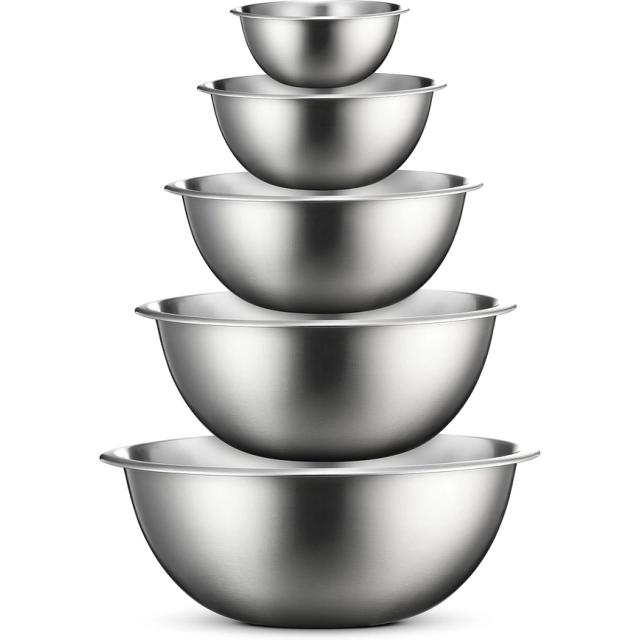

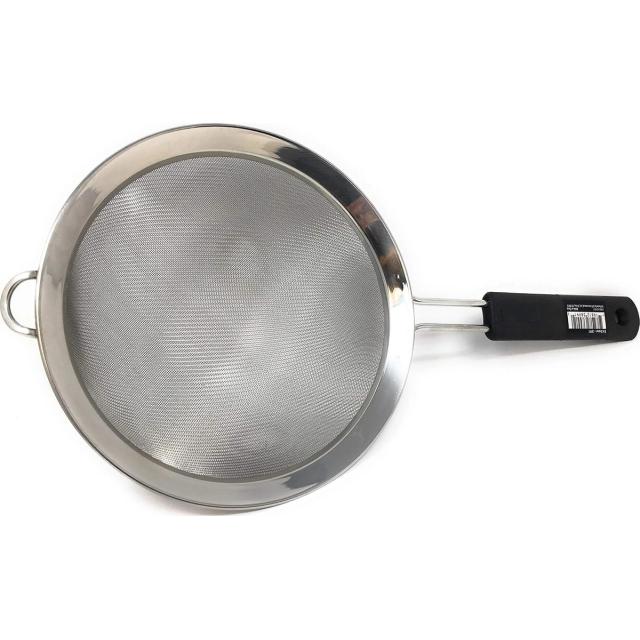

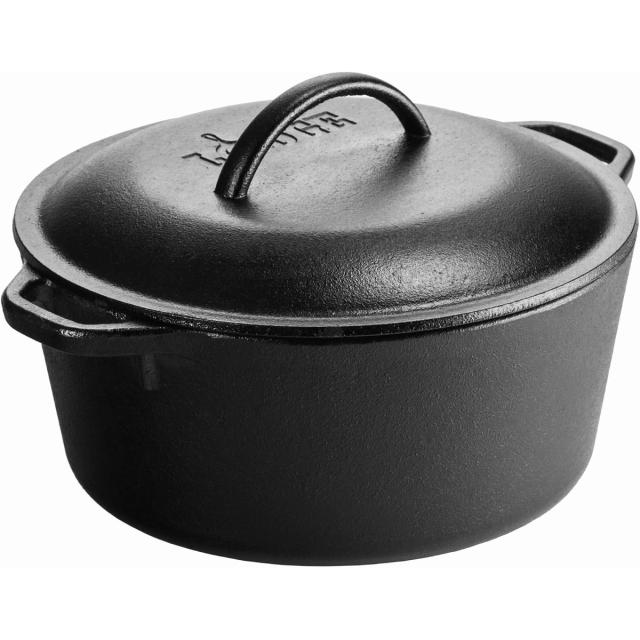




Instructions
- 1
Make the puri dough
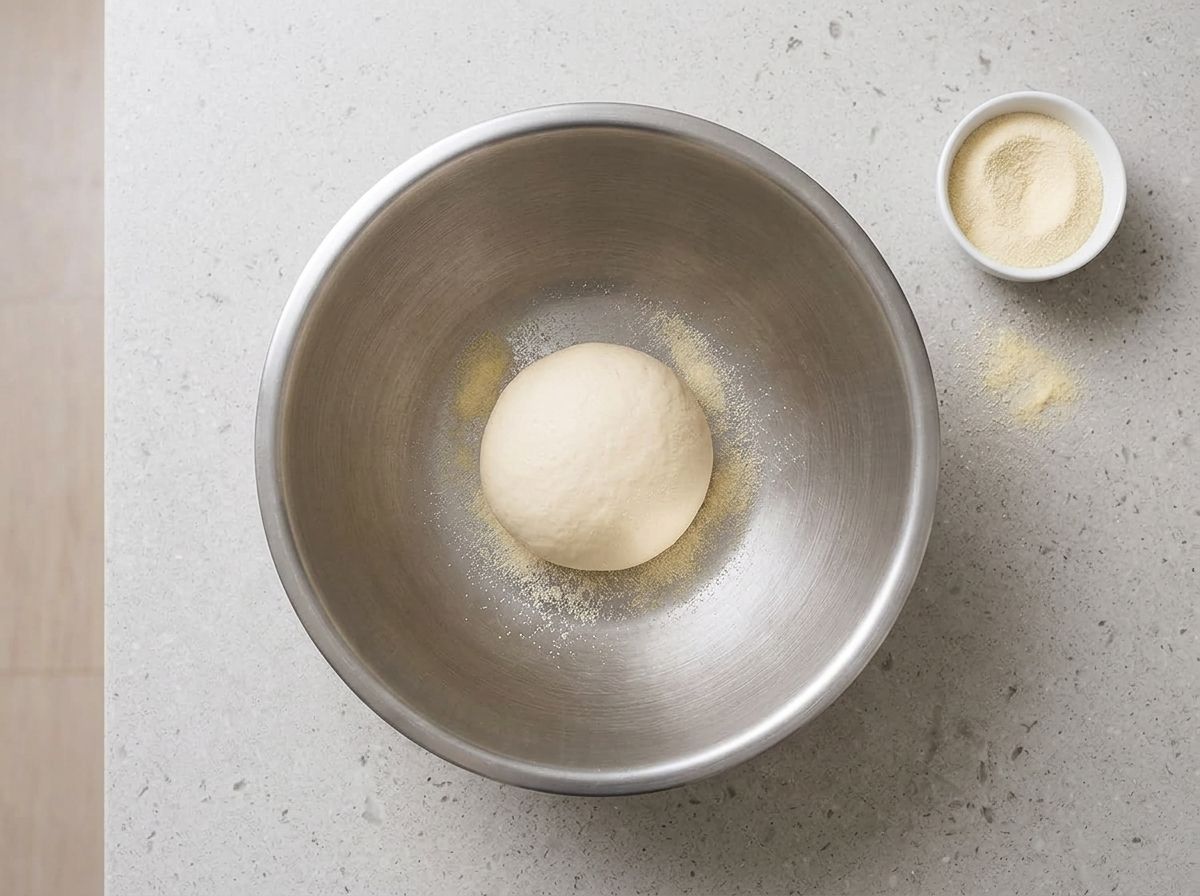
Stir the semolina, all-purpose flour, baking soda and fine sea salt together in a mixing bowl. Add the warm water a spoonful at a time, working it in with your fingers, until the mixture comes together into a stiff dough that holds its shape. Knead it hard against the bowl or the counter for 8 to 10 minutes, until it is completely smooth and springs back slowly when you press it. It should feel firmer than a bread dough and slightly dry rather than tacky.
- 2
Rest it under a damp cloth
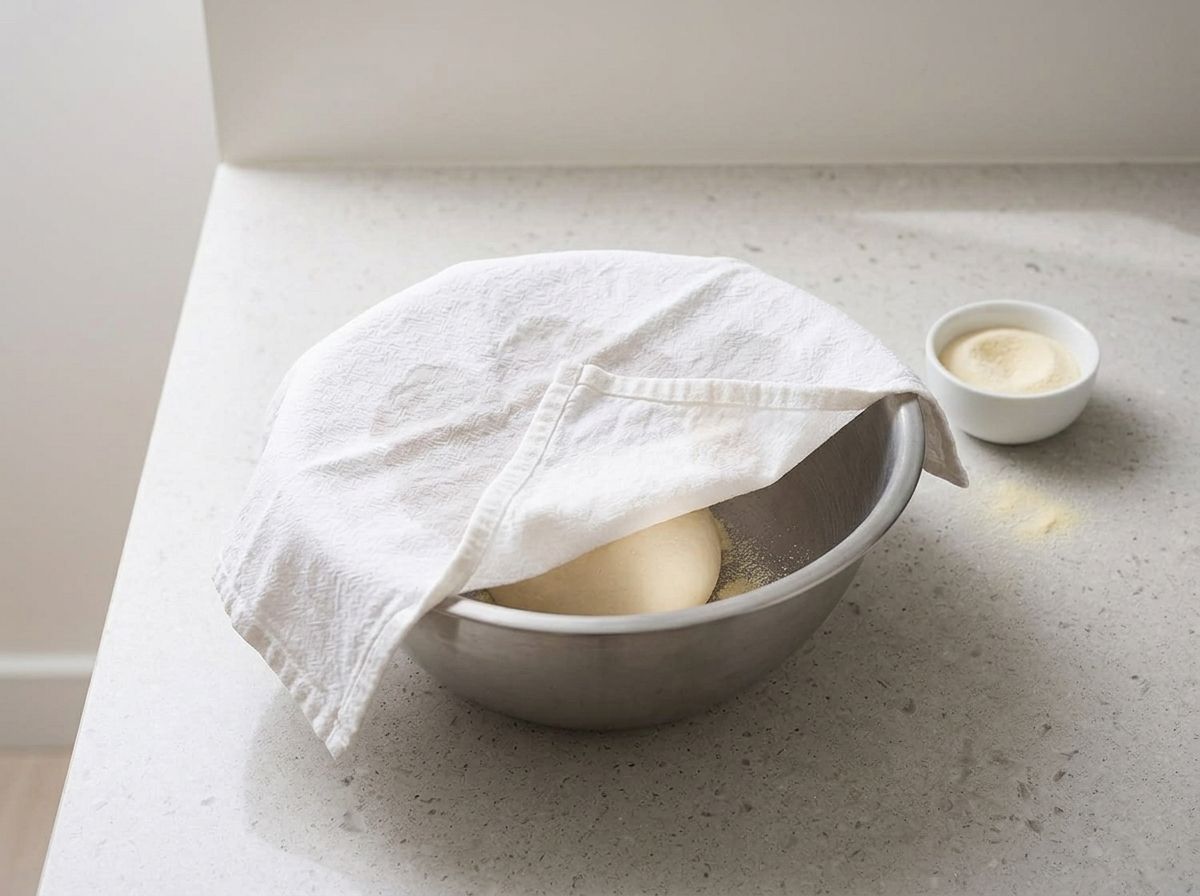
Cover the bowl with a damp kitchen towel and leave it alone for 30 minutes. This is not optional and it is not the same as a gluten rest: semolina absorbs water slowly, and a dough rolled out straight away will still have hard grains in it that tear the sheet as it thins. Everything else below gets made while this sits.
- 3
Boil the potatoes
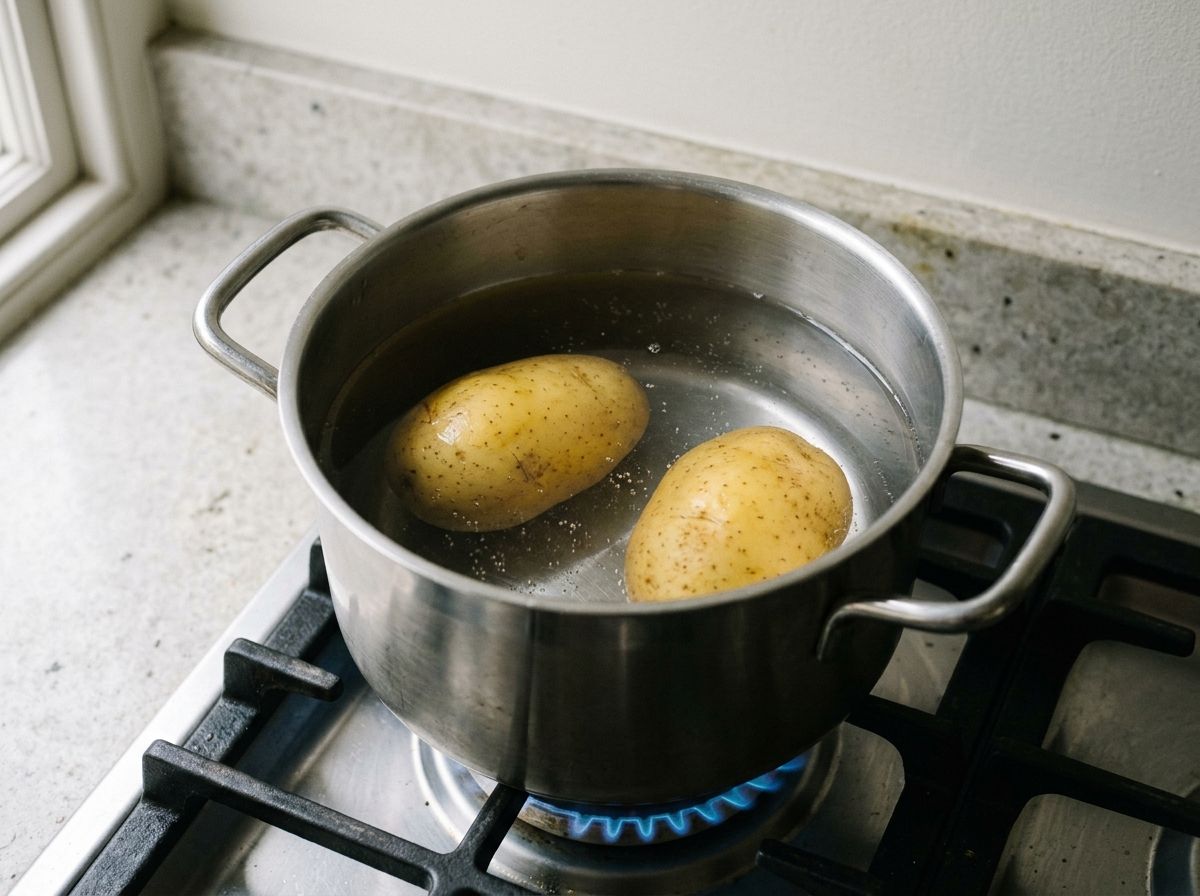
Put the potatoes whole and unpeeled into a saucepan, cover with cold water, bring to a boil and cook for about 20 minutes, until a knife slides into the center with no resistance. Drain them and leave them to cool. Cooking them whole and in their skins keeps them from taking on water, which is what makes a filling watery later.
- 4
Blend the herb paste
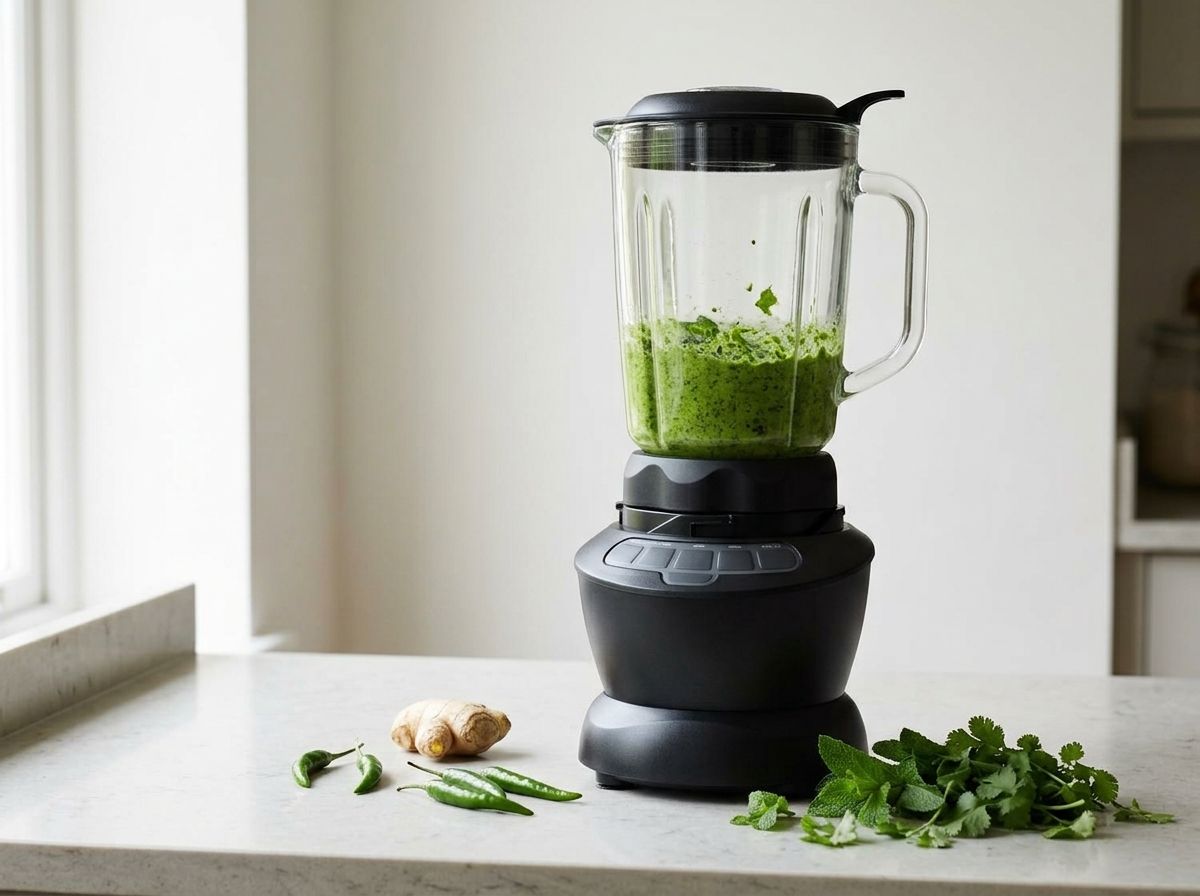
Strip the mint and cilantro leaves from their stems and put the leaves in a blender with the green chilies, the ginger, and about half a cup of the ice-cold water. Blend in short bursts to a smooth green paste, stopping to scrape down the sides. Short bursts keep the blade from warming the mint, which is what turns it dark and bitter.
- 5
Season the pani and chill it
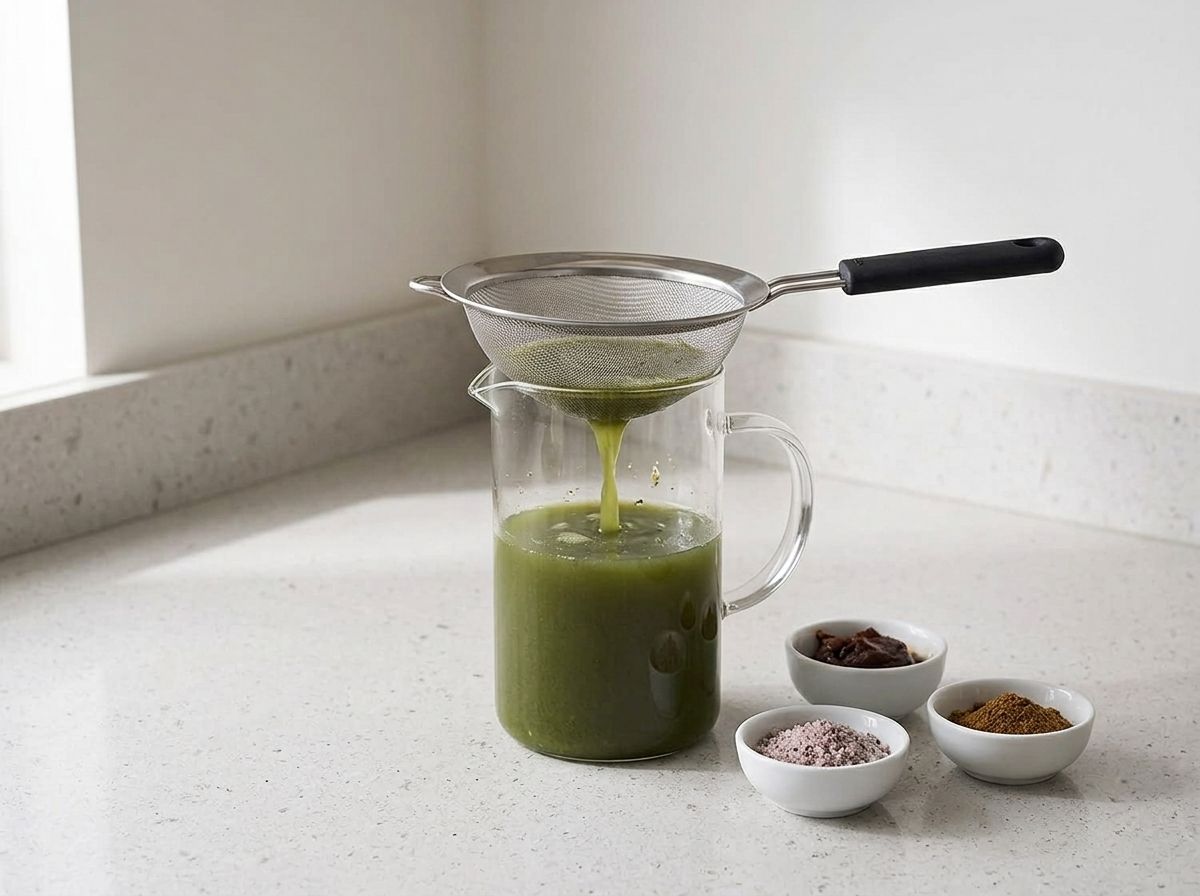
Tip the paste into a jug with the remaining ice-cold water, the tamarind concentrate, the black salt, the roasted cumin, 2 teaspoons of the chaat masala and the sugar, and whisk until the tamarind has dissolved. Pour it through a fine mesh strainer, pressing the solids to get everything out, then taste and push the black salt and tamarind further if it reads flat. Refrigerate for at least an hour.
- 6
Mix the filling
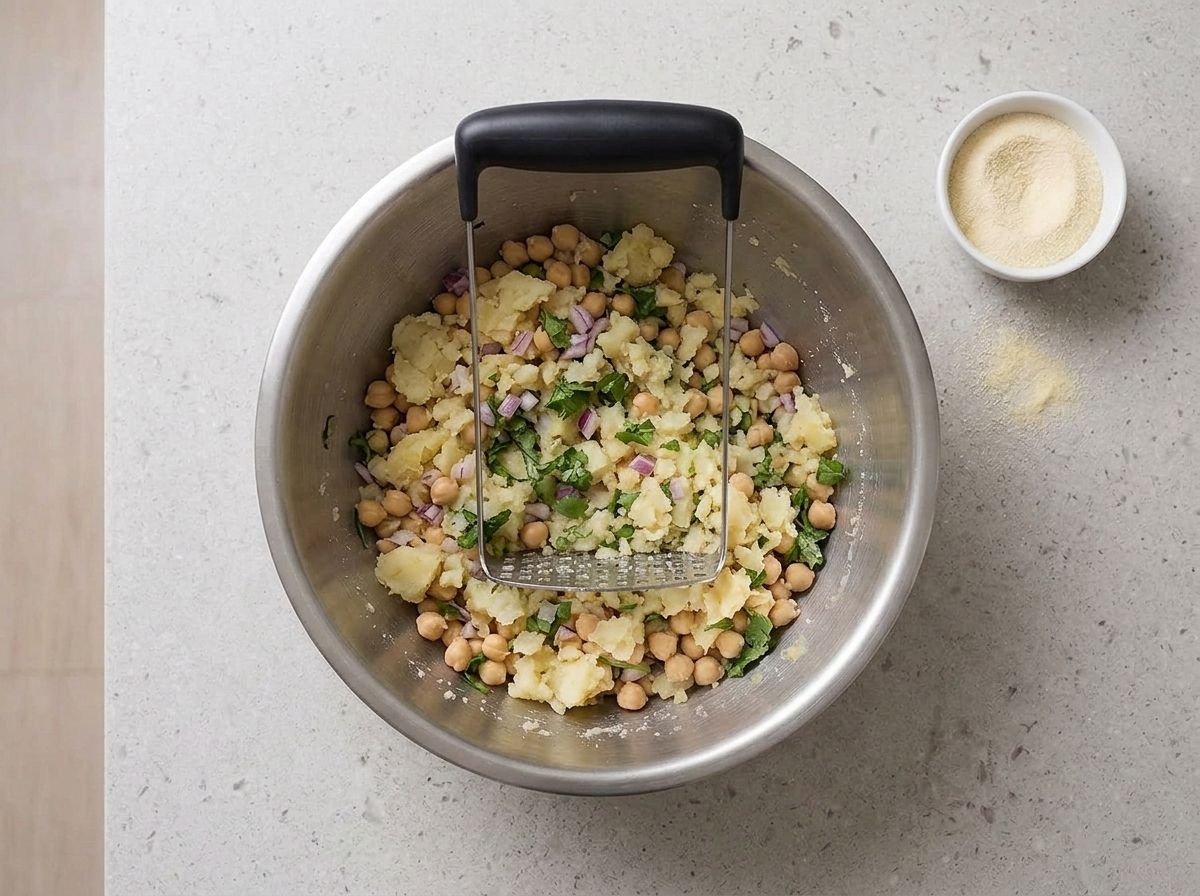
Peel the cooled potatoes and mash them coarsely in a bowl, leaving plenty of lumps. Fold in the chickpeas, the red onion, the chopped cilantro, the remaining teaspoon of chaat masala and a good pinch of black salt, along with the red chili powder if you are using it. Taste it and season it as though it were going to be eaten on its own, because the pani never reaches the inside of a filled puri.
- 7
Roll the dough into one thin sheet
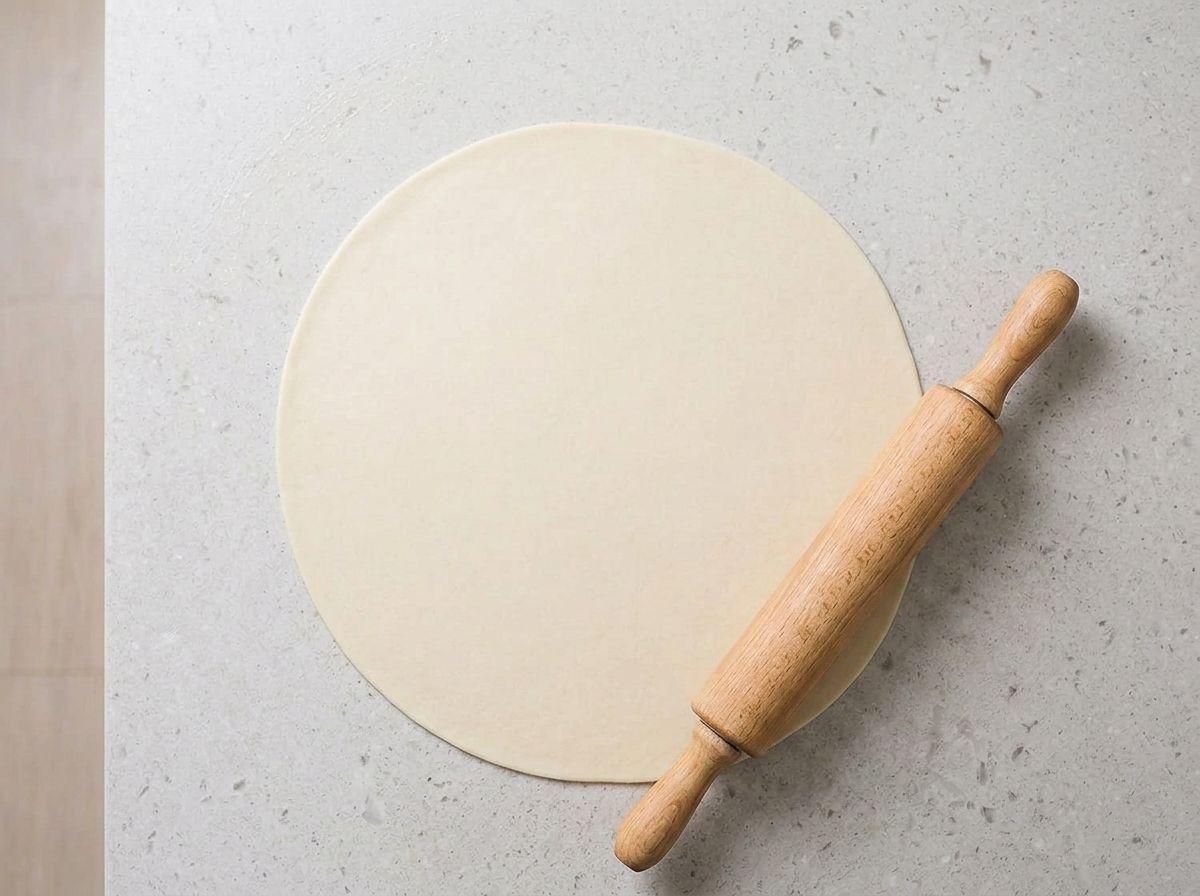
Knead the rested dough again for 2 minutes, then roll it out on a lightly oiled counter into a single large sheet about a sixteenth of an inch thick. Work for an even thickness rather than a neat shape. Thick patches will not lift in the oil and thin patches will tear, and both faults show up as flat puris later.
- 8
Cut the puris
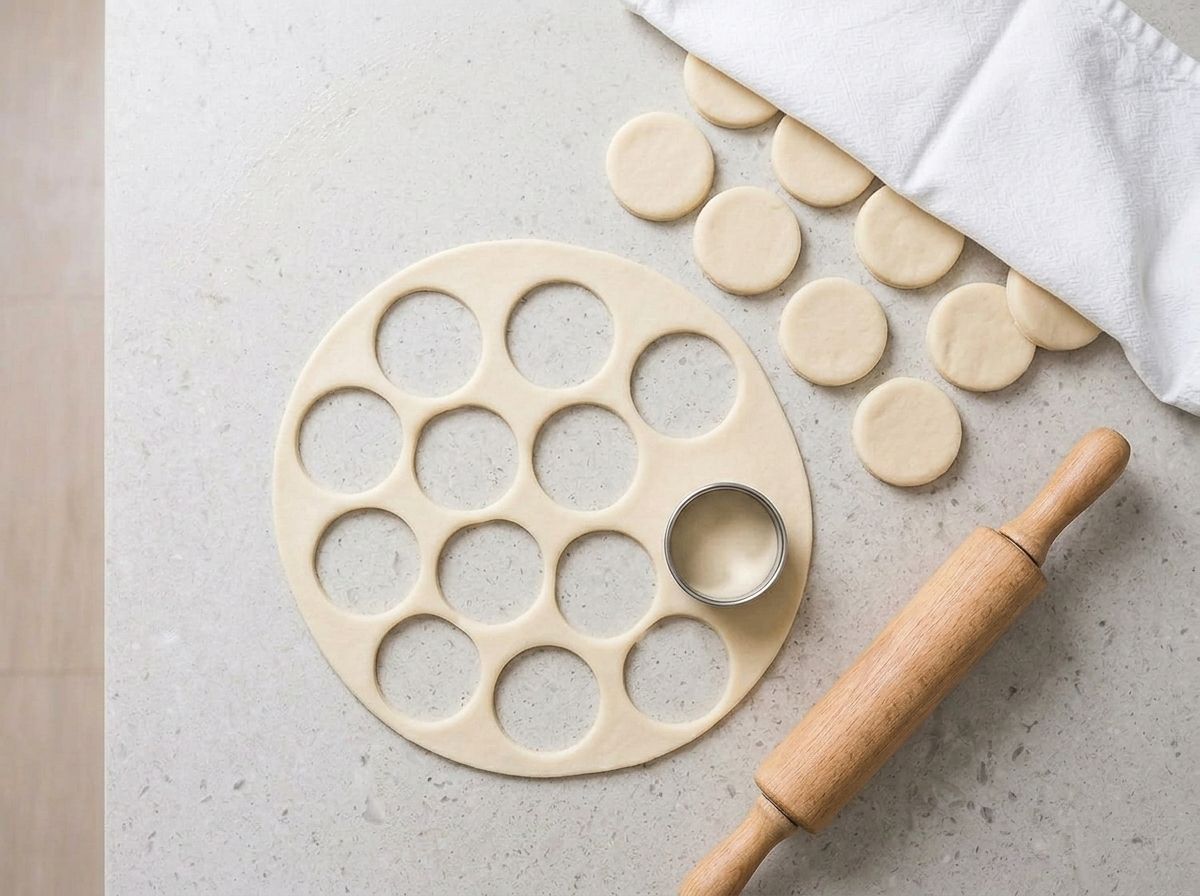
Cut rounds about 2 inches across with a cookie cutter or the rim of a small glass, cutting them close together to waste as little as possible. Gather the scraps, knead them briefly and roll again. Keep the cut rounds under a damp cloth as you go, because a dried-out edge will not puff.
- 9
Heat the oil
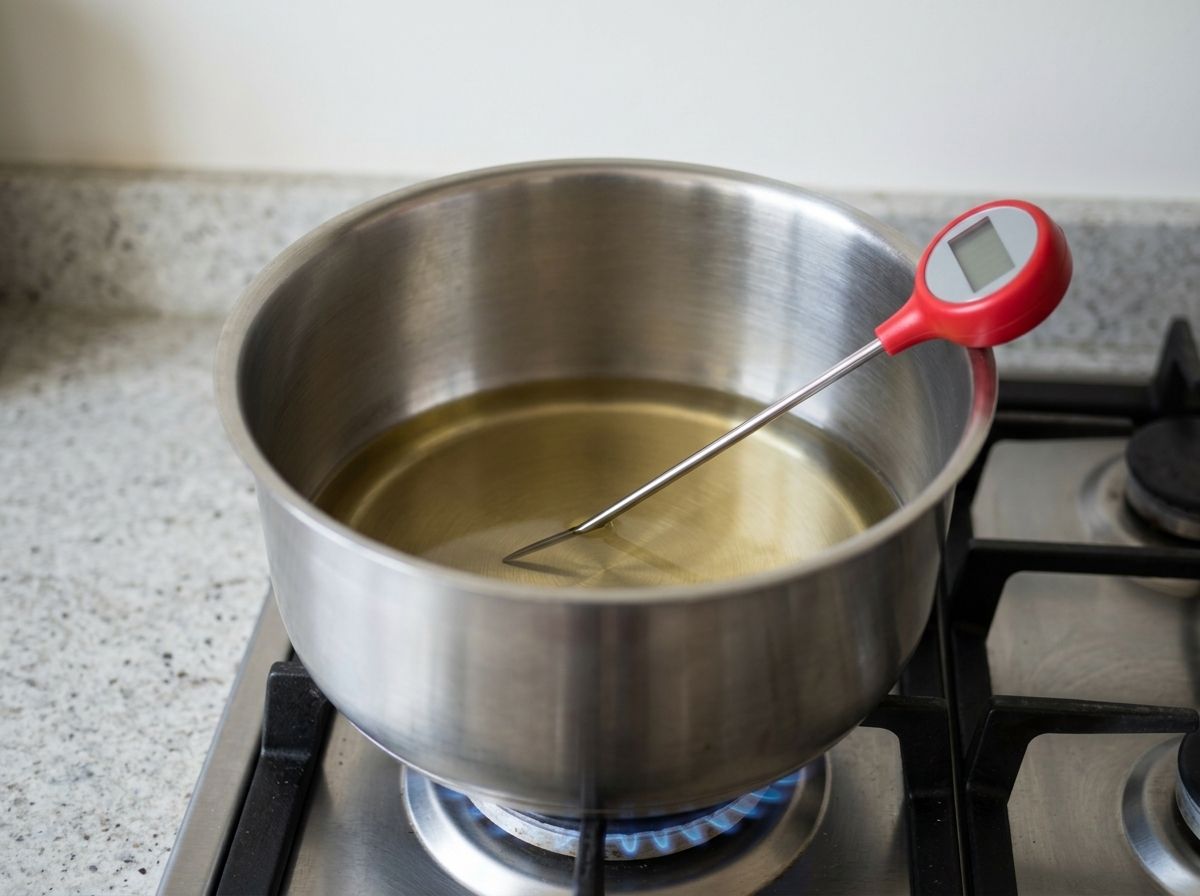
Pour the oil into a deep pot to a depth of about 2 inches and heat it to 350°F (180°C). If you do not have a thermometer, drop in one puri: it should sink briefly and rise back to the surface within two seconds. If it sits on the bottom the oil is too cool and the puris will drink it; if it browns straight away, pull the pan off the heat for a minute.
- 10
Press each puri until it balloons
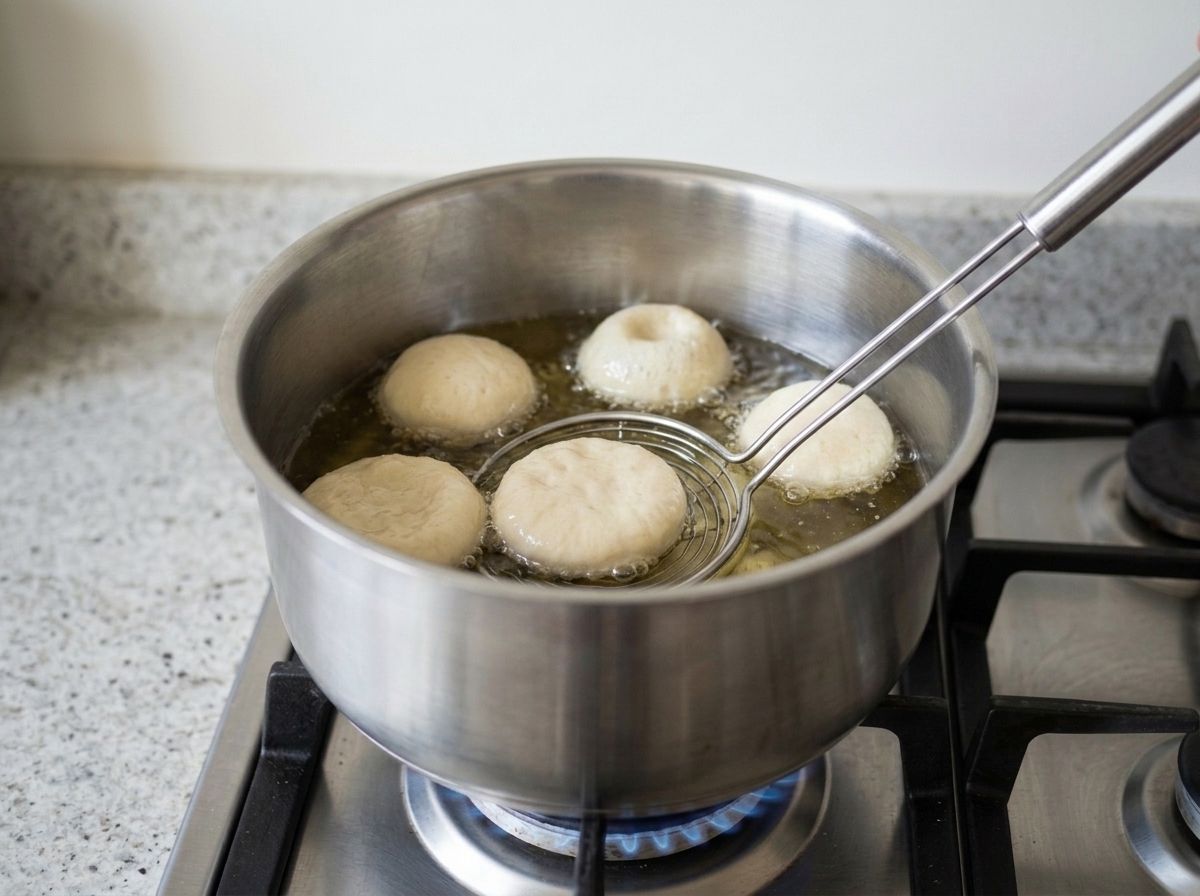
Slide in 5 or 6 rounds, no more, and as each one rises press it gently under the surface with the back of a slotted spoon and hold it there for a second or two. That shock of hot oil against the top is what forces the steam inside to inflate the shell into a hollow sphere. Spoon a little hot oil over any that are slow to lift.
- 11
Fry them through to pale gold
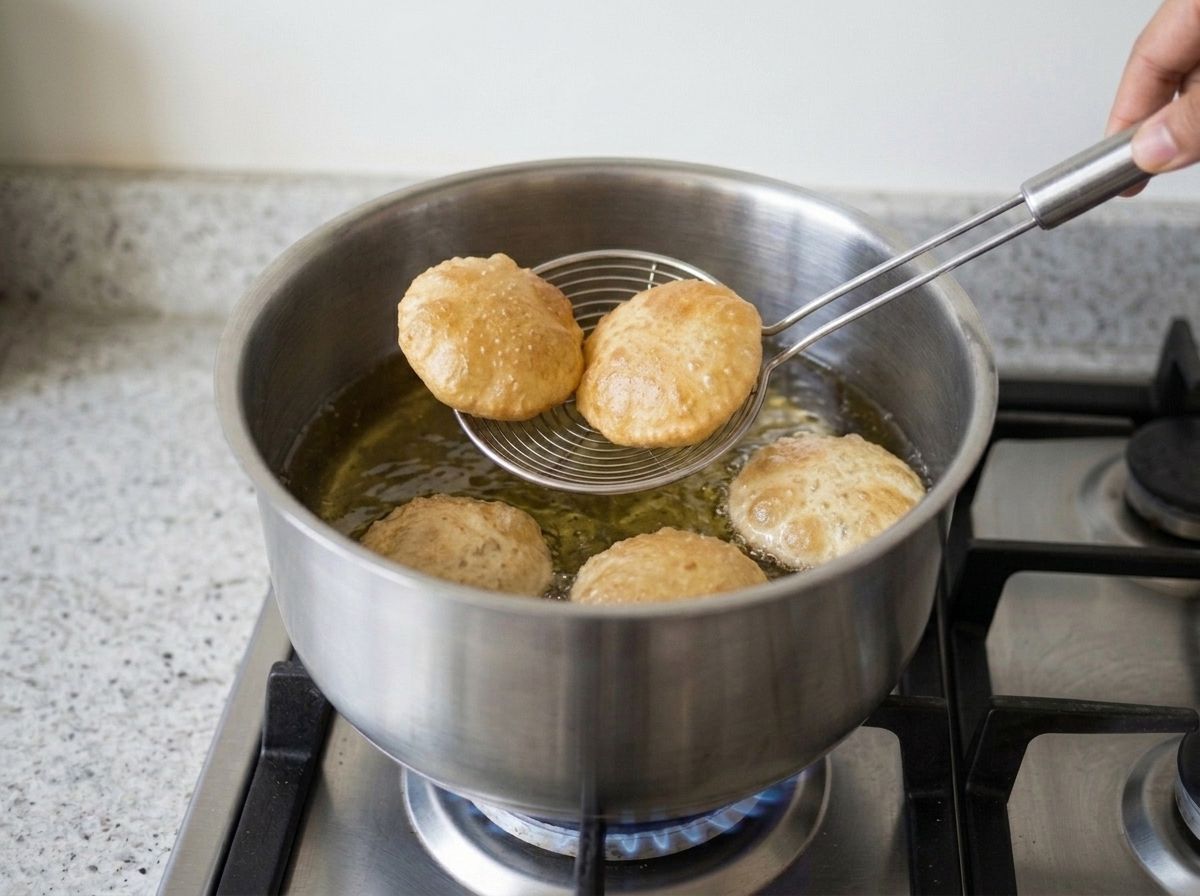
Once they have puffed, flip them and keep frying, about two minutes in total, until the shells are an even pale gold and tap hard against the spoon. Do not stop when they look done; a puffed but underfried puri softens within the hour. Lift them out with the slotted spoon onto a wire rack and repeat with the rest of the rounds.
- 12
Cool them completely before storing
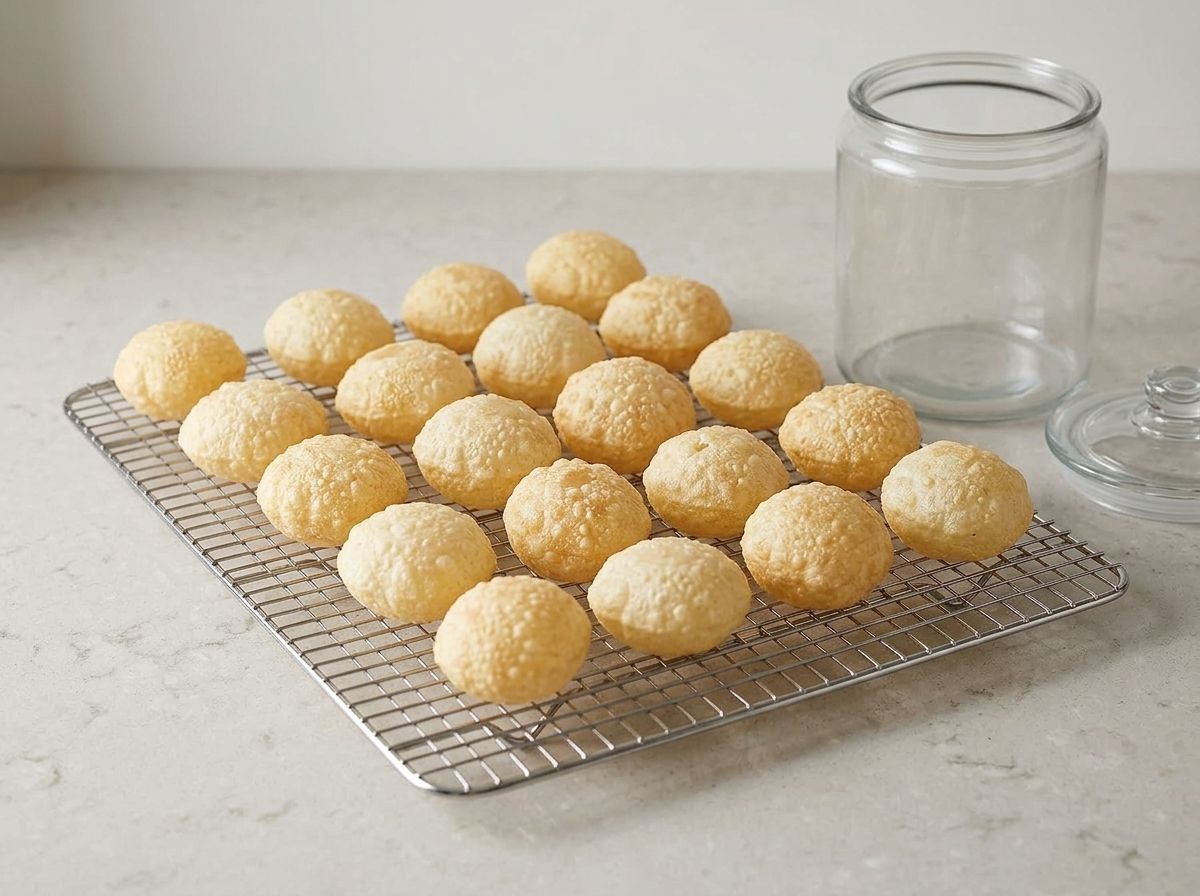
Leave the fried puris on the rack until they are entirely cool to the touch, then store them in an airtight container until you are ready to eat. Stacking them while any warmth remains traps steam and softens the whole batch, which undoes the frying you just did.
- 13
Crack, fill, dunk and eat whole
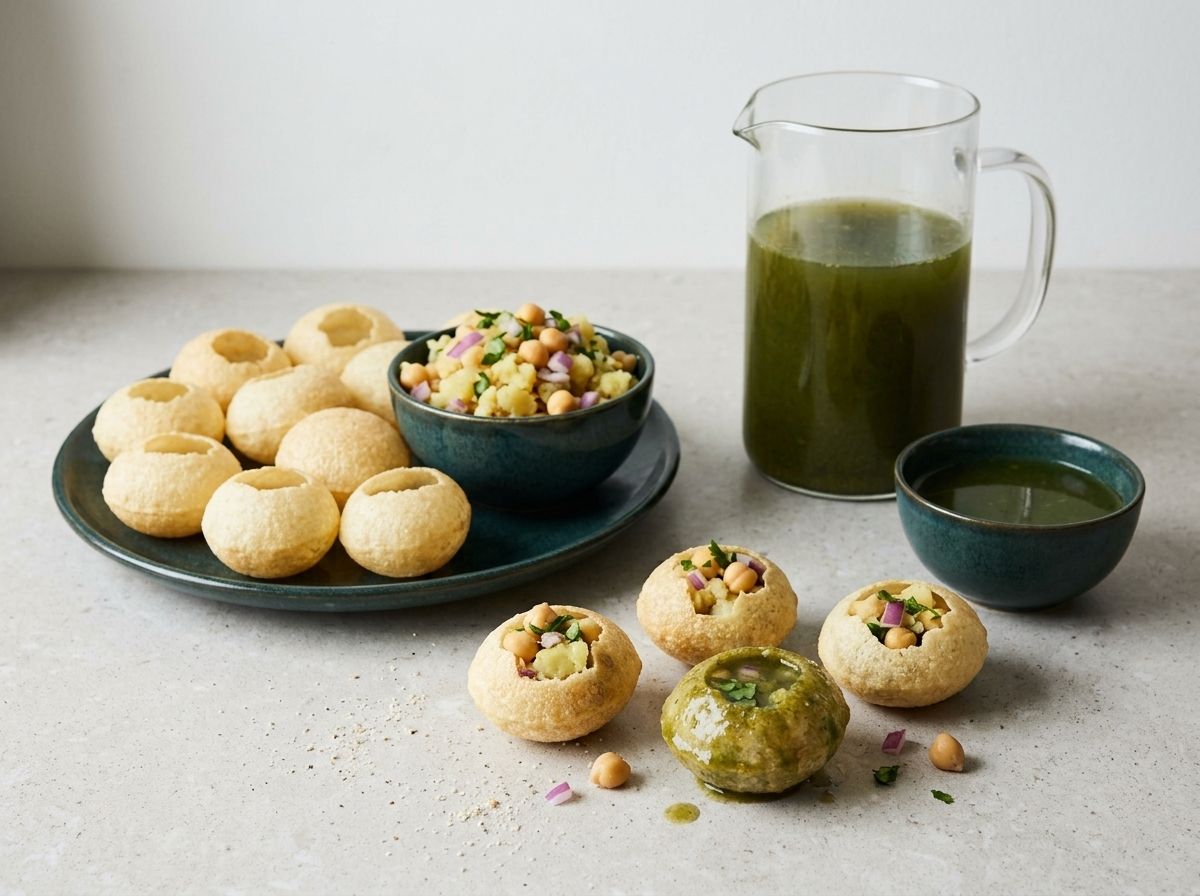
Set the puris, the filling and the chilled pani out separately with the boondi and the chutney if you are using them. For each one, tap a hole in the thinnest part of the top with a thumb, spoon in a little filling, add a drizzle of chutney, then dunk it in the pani until it is brimming and eat it whole straight away. Assemble them one at a time; a filled puri lasts seconds.
Notes
Fine semolina only. Coarse sooji will not puff, and no amount of kneading or hotter oil will rescue it.
The times overlap in practice. The dough rests while the potatoes boil and the pani is blended, and you roll and cut while the pani chills.
Black salt is what makes this taste like the cart rather than like mint water. Table salt is not a substitute.
Fry a double batch of puris while the oil is hot. They keep for weeks airtight and the frying is the only slow part.
Nutrition Facts
4 servings · 541 g per serving
- Calories
- 478 kcal
% Daily Value*
- Total Fat
- 12.6 g16%
- Saturated Fat
- 1.9 g10%
- Sodium
- 1645 mg72%
- Total Carbohydrate
- 80.4 g29%
- Dietary Fiber
- 11.5 g41%
- Sugars
- 14.8 g—
- Protein
- 13.1 g26%
Recipe from veggierecipes.blog
When it goes wrong
Troubleshooting
My puris came out flat and hard instead of hollow
Almost always the semolina grade: coarse sooji cannot form the unbroken skin that holds steam. After that, check the dough and the rolling. Too dry and there is no moisture to turn to steam, too wet and it behaves like bread; it should feel stiff and smooth, firmer than a chapati dough. Roll evenly and thin, around a sixteenth of an inch, since thick puris will not lift and very thin ones tear and let the steam straight out. And the oil has to be hot enough that a test puri rises within a couple of seconds.
They puffed in the pan and went soft an hour later
You pulled them out too early. A puri that has ballooned is not cooked through, only inflated, and the moisture left in the shell softens it as it cools. Keep frying past the point where it looks done, until the shell is an even pale gold and taps hard against the spoon, about two minutes in total. Then cool them completely on a rack before they go near a container, because stacking them warm steams them from the inside.
The water tastes hot but somehow flat
This is a seasoning problem mistaken for a chili problem, and more chili makes it worse. Flat pani is under-salted and under-soured. Push the black salt up first, well past what feels reasonable for a drink, then the tamarind, and only then think about heat. Cold mutes everything, so season it, chill it, and taste it again cold rather than trusting the taste you got warm.
The pani turned dark and bitter
Two causes, both avoidable. Stems, mint stems especially, are bitter and go in unnoticed if you throw whole sprigs into the blender. And heat: a blender warms what is in it, and warm mint oxidizes and dulls within a minute. Strip the leaves, blend with ice-cold water in short bursts, and get it into the fridge as soon as it is strained.
Everything went soggy before I got it to the table
This is not a fault in your cooking, it is the dish, and every vendor in India works around it the same way. A filled puri has a life of a few seconds. That is why pani puri is handed over one at a time and eaten whole in a single bite, and why taking two bites is considered bad form as well as impossible to do tidily. Do not plate it. Put the puris, the filling and the pani out separately and let everyone assemble their own, one at a time.
The filling just tastes like plain mashed potato
It needs seasoning as though it were going to be eaten on its own, because the pani cannot reach the inside of the puri to do the job for it. Mash coarsely so there is something to bite, keep the raw onion in for sharpness, and add the chaat masala and black salt after the potato has cooled rather than while it steams, when the aromatics blow off. Taste and correct it before you fill anything.
Before you serve
Serving & Storage
There is no polite way to serve pani puri and that is rather the point. At a cart the vendor cracks a puri, fills it, dips it, and puts it straight into your hand, and you eat it whole before the shell has time to notice what happened to it. Then he makes the next one. Nobody assembles six and carries them anywhere.
So set it up as an assembly line rather than a plated dish: a bowl of puris, a bowl of filling with a teaspoon in it, and the pani in a jug straight from the fridge, with a small bowl each so people can dunk without queueing. Crack the hole in the thinnest part of the top with a thumb, half fill with the potato mixture, dunk until it is brimming, and eat it in one. Six to ten each is a normal appetite, and people always want more than they said they would.
The pani has to be properly cold, straight from the fridge, because the temperature does as much work as the spices do. That is why the hour of chilling sits in the recipe rather than in the tips.
Making it ahead
All three components are made ahead comfortably, and the assembled dish is made ahead never. The puris keep two weeks to a month in a properly airtight container once completely cool, which is the reason to fry a big batch. The pani is better on day two than day one and holds about three days; strain it, keep it covered and cold, and taste it again before it goes out, because cold flattens salt. The filling is a same-day job, left out of the fridge and re-seasoned before serving.
What does not work is worth being clear about. Do not fill the puris in advance, even by ten minutes. Do not freeze the pani with the herbs in it; it comes back dark and dull and tasting mostly of tamarind. And do not put warm puris in a container, which is the most common way a good batch is ruined after the hard part is over.
Storing leftovers
Leftover puris go back in the airtight container and, if they have lost their snap, come back with five minutes in a 350°F oven. Leftover pani is genuinely good to drink, which is more or less what jal jeera is, and it makes a sharp dressing for a chopped salad. Leftover filling is a better breakfast than it sounds: warm it through with a little more chaat masala and eat it as aloo chaat. Nothing here is worth freezing.
Still wondering
Frequently Asked Questions
Can I use store-bought puris instead of frying my own?
Yes, and there is no shame in it; plenty of Indian households do exactly that. Buy a bag of ready-made pani puri or golgappa puris from an Indian grocer, count on a dozen a head, and skip straight to the pani and the filling. Tap one before you commit, since bagged puris go soft on the shelf, and if they have, five minutes in a 350°F oven brings them back.
How many puris does one person actually eat?
Six to ten as a snack or a starter, and about a dozen as a light meal. This makes roughly 48, which is a dozen each for four people or a comfortable snack for six. If you are feeding six, make one and a half times the pani, since the water runs out long before the puris do. The dough scales cleanly, so doubling it is a bigger batch of frying rather than a different recipe.
Is pani puri vegan?
Yes, as written here and as sold on the street. The puris are semolina, flour, salt and water fried in vegetable oil, the pani is herbs, spices and tamarind, and the filling is potato and chickpeas. The only things to check are a bought date and tamarind chutney, which occasionally contains honey, and bought puris, which are almost always vegan but worth a glance. It is not gluten free, and no realistic version is: the semolina is the structure.
Are golgappa, puchka and gup chup the same thing as pani puri?
The same dish, different regions, and the differences are real but small. Golgappa is the northern and Delhi name and its water leans on mint and cilantro. Puchka is eastern, Bengali and Bangladeshi, tends to be much hotter, uses a sour tamarind water rather than a sweet one, and often fills with little more than spiced potato and green chili. Gup chup is Odisha and Telangana; Rajasthan says pani ke batashe. What is here is the Mumbai style, which is what most people mean by pani puri.
More Indian Cooking To Try

Made this?