
Soft Gulab Jamun Recipe
Published · Updated
The syrup is the part nobody explains properly: cook it to one-string consistency and these will glaze instead of soak.
Jump To Recipe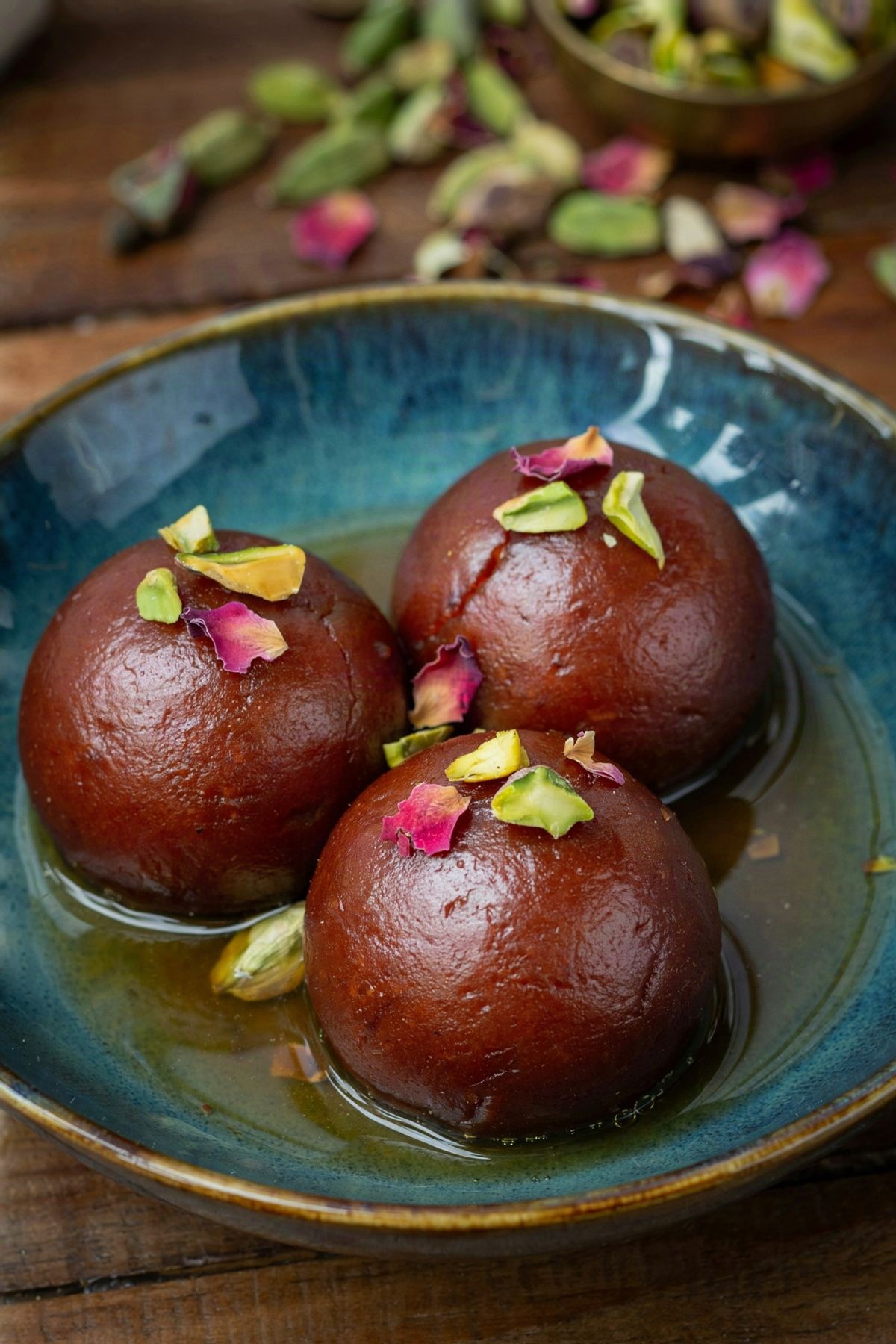
I Blamed The Dough For Three Batches
My first three attempts at gulab jamun failed in exactly the same way, and I spent all three of them blaming the dough. They fried up beautifully, deep and even and the same color as the ones I had eaten at every Indian restaurant I had ever been to. Then they sat in the syrup for four hours and came out the size they went in. Dense, sweet on the outside, nothing on the inside. So I kneaded less. I added more soda. I fried them cooler. Nothing changed.
The syrup was the problem the whole time. I had been cooking it to one-string consistency because that is what the recipe I was following told me to do, and one-string syrup is too concentrated to go anywhere. It glazes. The fourth batch got a syrup I pulled off the heat after five minutes because something else needed my attention, and those doubled in size overnight. That is the whole secret, and it is buried halfway down about one page in ten.
I make these at Diwali now, and I make them the day before, which turns out to be the other thing nobody says loudly enough. A gulab jamun that has sat in syrup overnight is a different dessert from one that has sat in it for two hours. If you take two things from this page, take the thin syrup and the long soak. Everything else is ordinary frying.
The story
The Name Means Rose Water And A Purple Plum
Gulab is Persian, from gul, a flower or a rose, and ab, water. It is the syrup being named, not the dumpling. Jamun is the Hindi name for Syzygium cumini, the Java plum, a small dark fruit that a fried jamun matches almost exactly for size, shape and color. Nobody has ever put the fruit in the sweet. It is there in the name purely as a description of what the finished thing looks like sitting in the pan.
Where the dish came from is less settled. The usual line traces it to luqmat al-qadi, the judge’s morsel, a 13th century Arab sweet of fried dough balls steeped in honey syrup, carried into South Asia on Persianate influence during the medieval period. Food historians are careful about how far to push that, because the two are made completely differently: luqmat al-qadi is a yeasted flour batter, and gulab jamun is a dough of reduced milk solids with barely enough flour in it to hold together. What actually traveled was the idea, which is to fry something small and then drown it in perfumed syrup.
The Indian half of the dish is the dairy, and it is the half that matters. Khoya, or mawa, is whole milk simmered down over hours until the water is gone and what is left is a crumbly, faintly caramelized solid. That is what gives a real gulab jamun its flavor of milk rather than of fried bread, and it is what the milk powder in this recipe is standing in for. Mughal-era kitchens had the reduction technique already, from a dairy tradition that long predates any of this, and applied it to a borrowed shape.
Regional versions kept branching. Bengal has pantua, kalo jam, and ledikeni, named for Lady Canning in the 1850s. Kala jamun works sugar into the dough so the balls fry nearly black. Nepal has lal mohan, sold by the tray at Tihar and Dashain.
For a vegetarian kitchen the useful thing about gulab jamun is that it has never needed adapting. There is no egg in it, no gelatin, no shortening of uncertain origin. It was built on milk, flour and sugar from the start, which is why it turns up on Indian sweet counters that have been serving vegetarians for centuries without anyone having to think about it.
What to buy
Ingredient Notes
Full-fat milk powder
Buy the whole milk kind, 26% fat or higher, which in practice means the tin from an Indian or Middle Eastern grocer rather than the nonfat box in the baking aisle. Nonfat milk powder gives a jamun that is rubbery on the outside and stubbornly dry in the middle, because the fat is what stops the milk protein tightening as it fries. If you can get soft khoya, sometimes labeled mawa or chikna khoya, about 250 g of it replaces the milk powder and the milk together, and that is what the dish is really made of.
All-purpose flour
The flour is a binder and nothing more. Half a cup to a cup and a half of milk powder is the ratio that works: much less and the balls come apart the moment they hit the fat, much more and you have made a doughnut. Whole wheat flour is not a swap here, and a gluten-free blend absorbs liquid differently enough that the dough hydration has to be worked out from scratch.
Baking soda
A quarter teaspoon, measured level. The soda is what lets the jamun puff and open its structure enough to take syrup, and it is also the most common reason a batch bursts in the pot. Double it and the balls expand faster than their skins can stretch. Check the date on the box while you are there, because soda that has been open a year gives dense jamuns and no explanation.
Plain whole-milk yogurt
The acid in the yogurt is there to activate the baking soda, so it is doing chemistry rather than adding tang. Use plain whole-milk yogurt rather than Greek, which has had most of its whey strained out and behaves like a thickener instead of a liquid. Three quarters of a tablespoon of lemon juice does the same job if there is no yogurt in the house.
Ghee
Ghee turns up twice, a spoonful worked into the dough for tenderness and a potful for frying. Neutral oil works and nobody will call the result a failure, but the ghee is doing real work in the browned crust. Frying in it is less extravagant than it sounds, because the fat never goes above about 300°F (150°C), so it strains clean and gets used again.
Green cardamom pods
Crack whole pods with the flat of a knife instead of reaching for the ground cardamom, which is usually milled with the husk and has lost most of what you are buying it for. Six cracked pods perfume the whole pan and are easy to lift out afterward.
Rose water
Rose water and rose essence are different products and the labels are no help at all. Rose water is a distillate and goes in by the teaspoon. Rose essence or rose concentrate is several times stronger and goes in by the drop, and overshooting it tastes like soap. Add either one off the heat: the aroma is volatile, and simmering it is the reliable way to boil it out again.
Soft Gulab Jamun
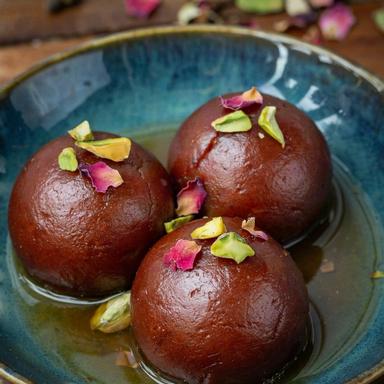
Milk powder dumplings fried slowly in ghee and soaked in a thin cardamom and rose syrup, soft all the way to the middle.
Ingredients
Equipment
As an Amazon Associate I earn from qualifying purchases, at no extra cost to you.
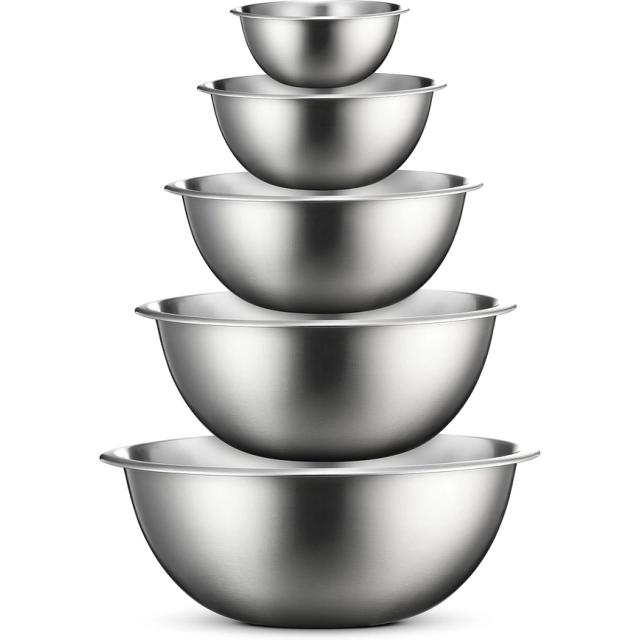
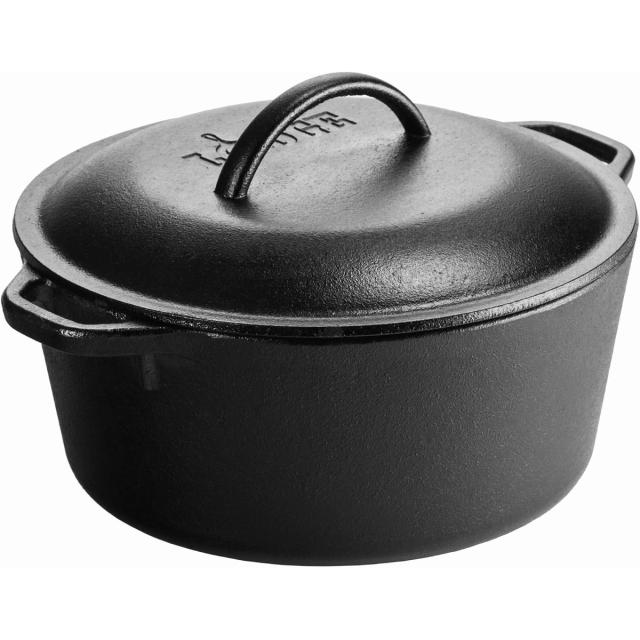
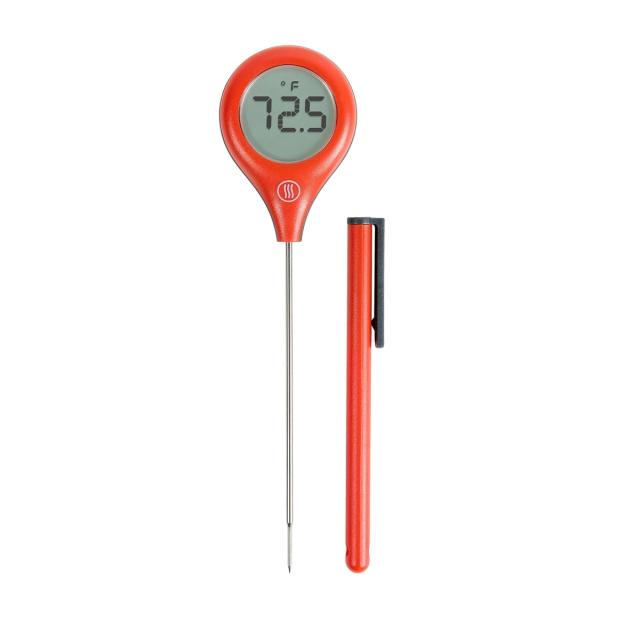
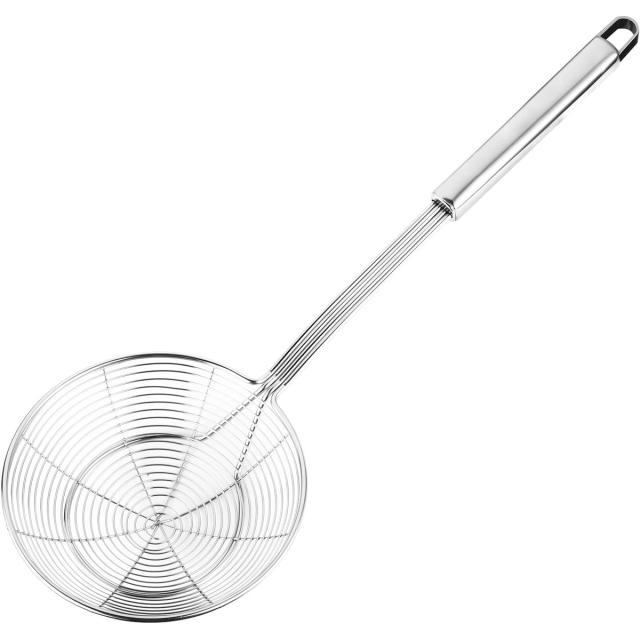
Instructions
- 1
Make the syrup
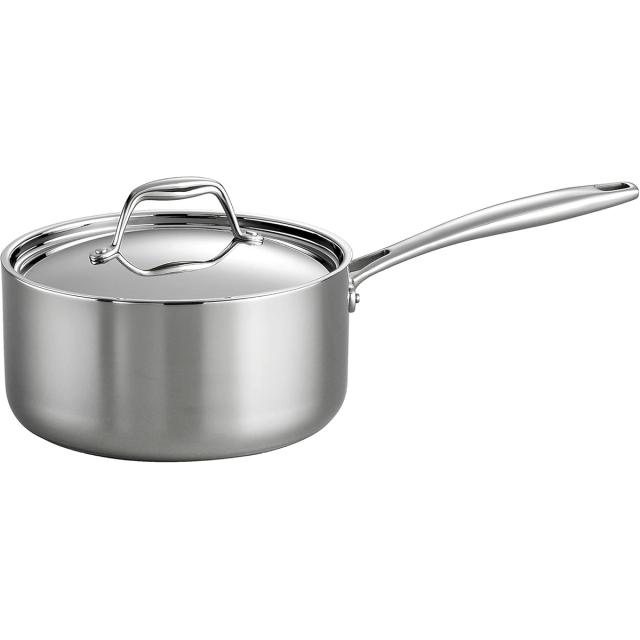
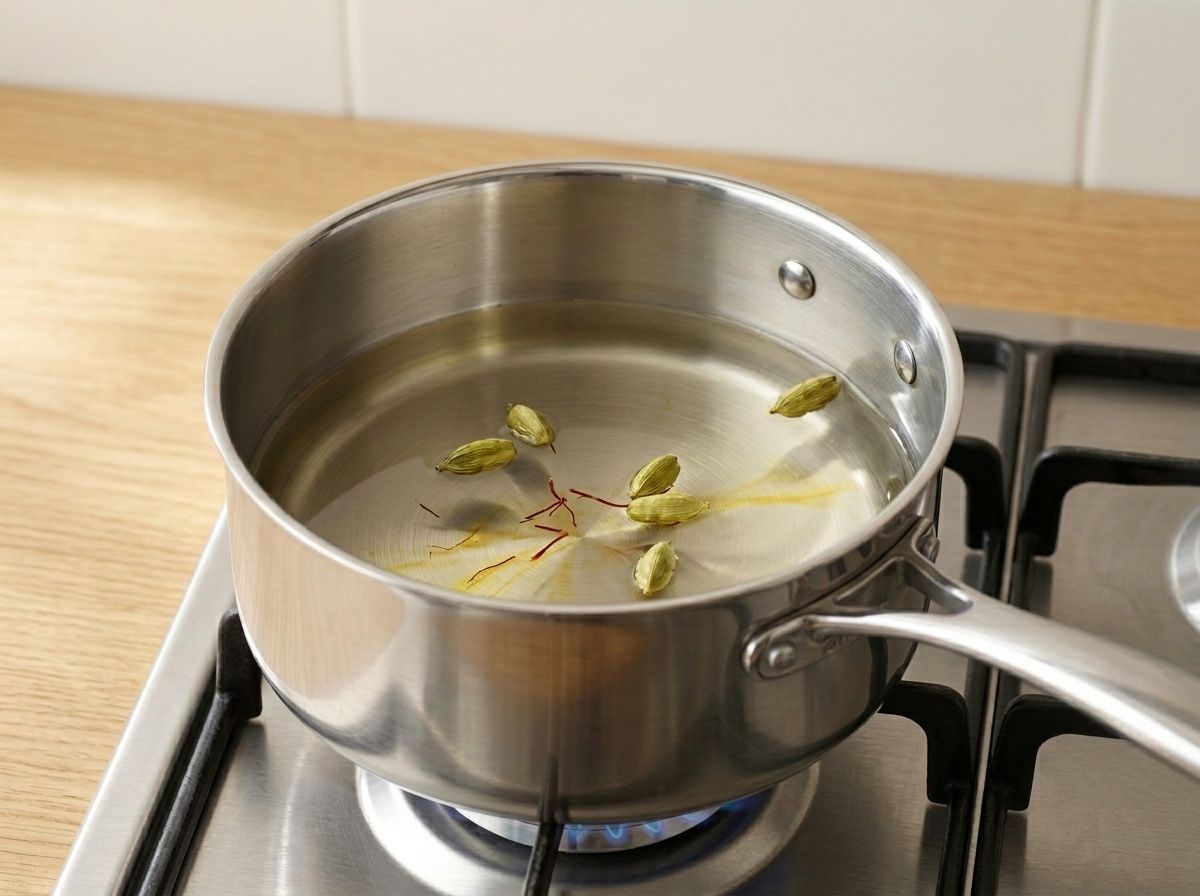
Put the sugar, water and crushed cardamom pods in a saucepan over medium heat. Bring it to a boil, then simmer for 5 minutes, until a drop rubbed between finger and thumb feels barely tacky. Stop there, well before it pulls a thread. Stir in the lemon juice, take the pan off the heat, then add the rose water and the saffron if you are using it. Cover it and leave it somewhere warm.
- 2
Sift the dry ingredients
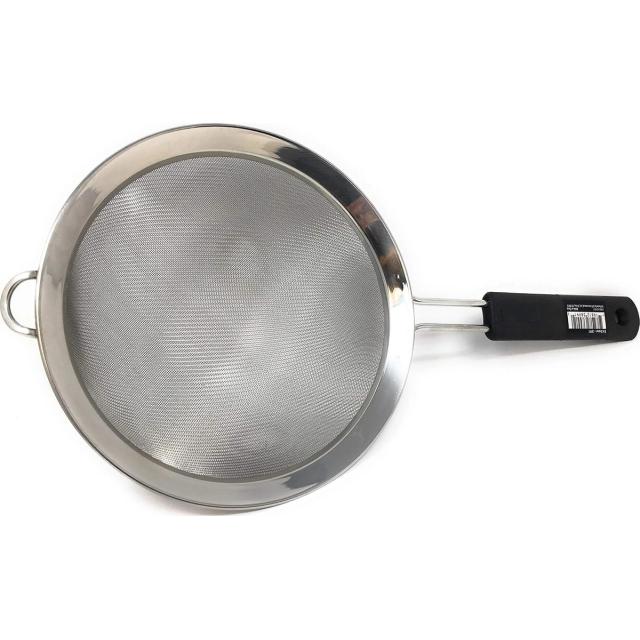
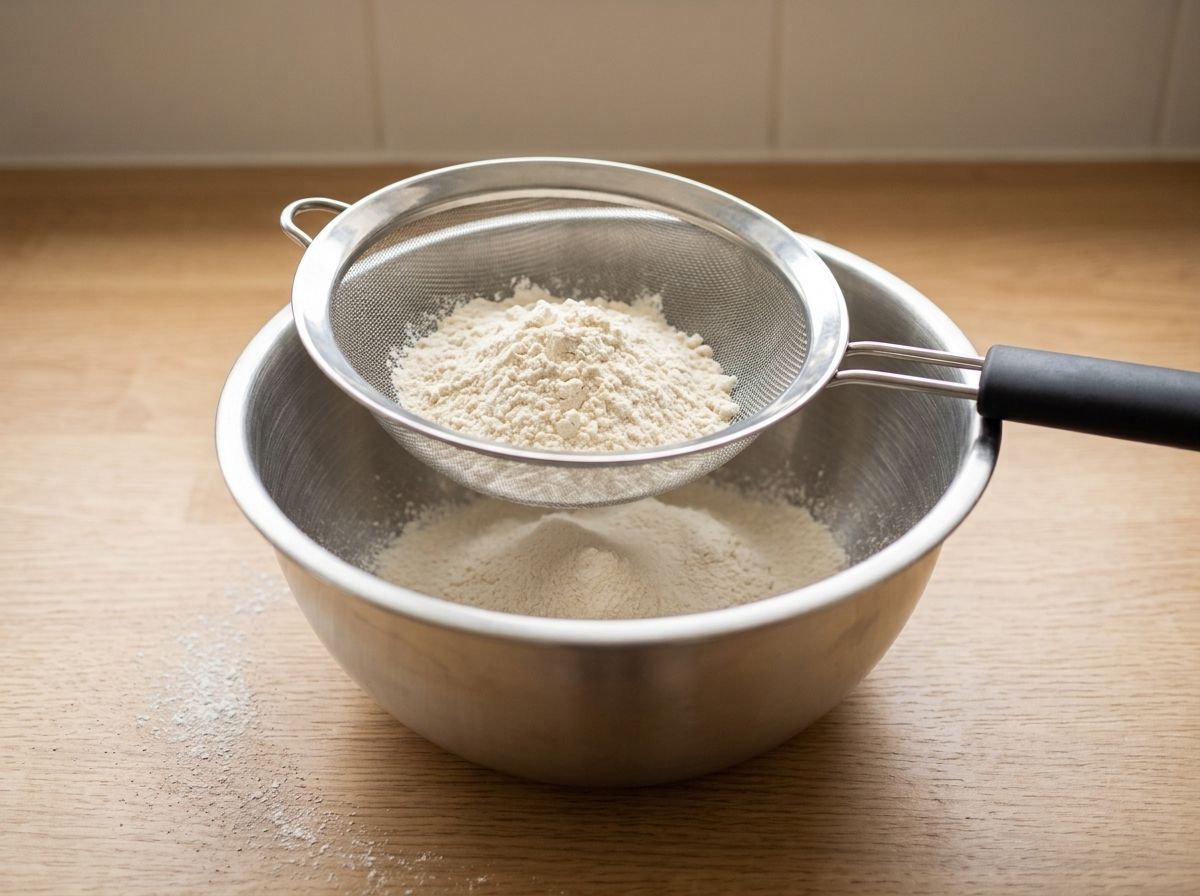
Push the milk powder, flour and baking soda through a fine mesh strainer into a mixing bowl. Milk powder compacts into lumps in the bag, and any lump that survives to the pot becomes a chalky hard spot in the middle of a finished jamun.
- 3
Rub in the ghee
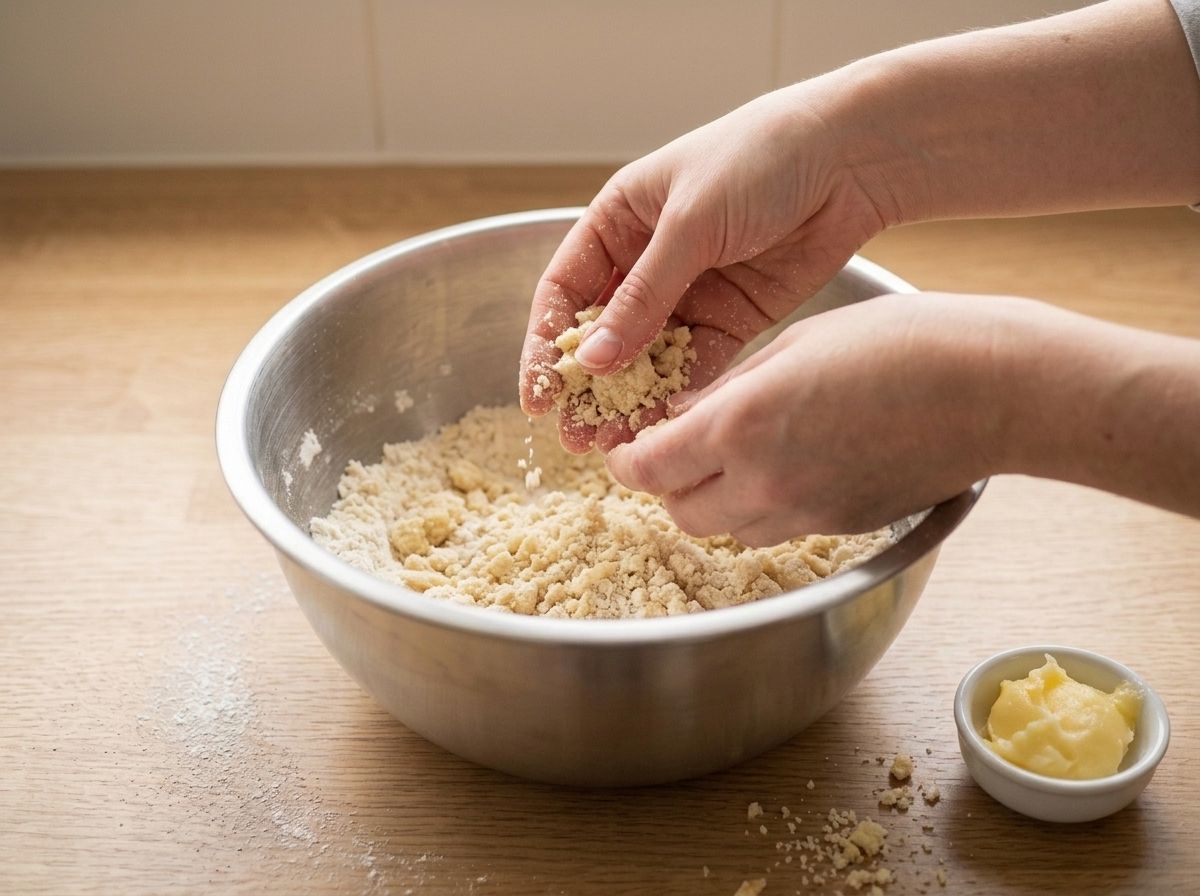
Add the softened ghee and work it through with your fingertips until the mixture looks like damp sand and holds its shape when you squeeze a handful.
- 4
Bring the dough together
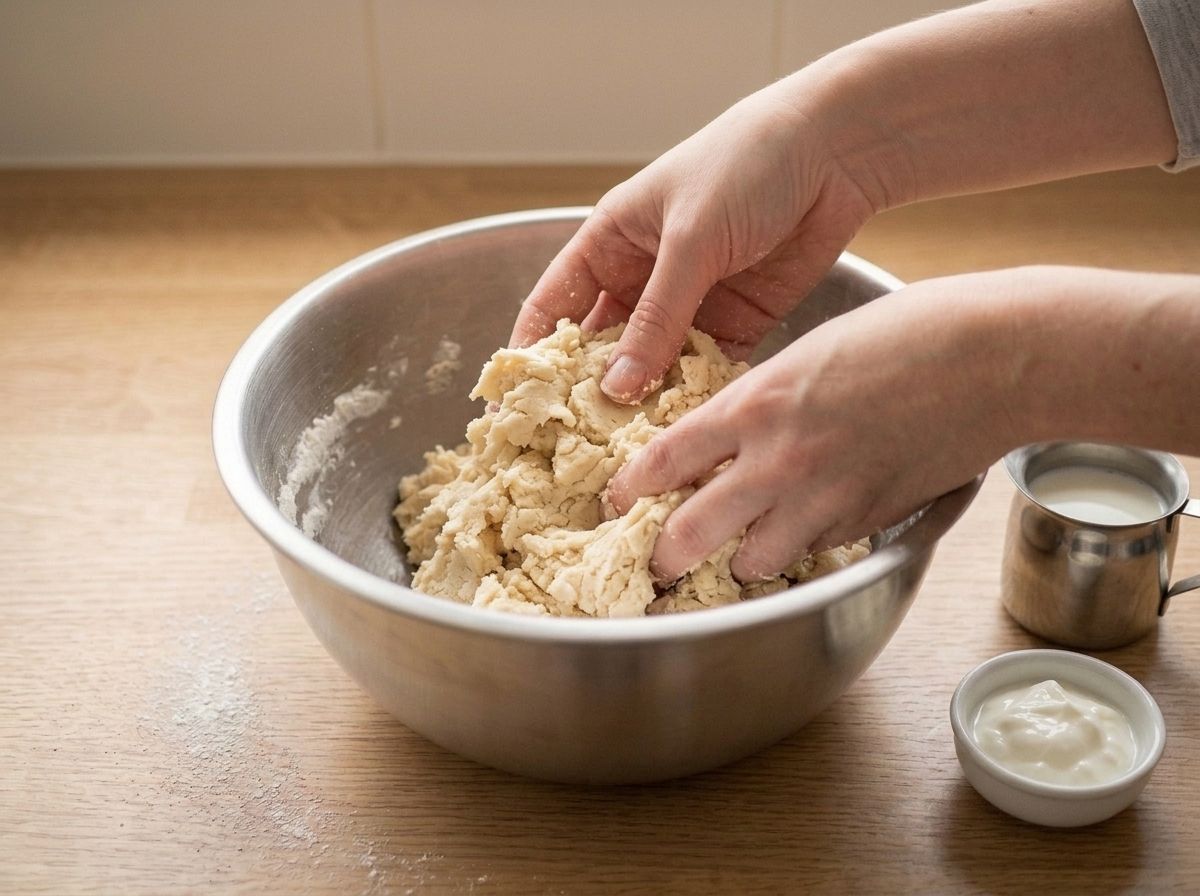
Stir in the yogurt, then add the milk a tablespoon at a time, mixing with your fingertips only. Stop the moment it clumps into a soft, tacky dough. Do not knead it. Kneading develops gluten in the flour, and gluten is what turns a jamun chewy instead of tender.
- 5
Let the dough rest
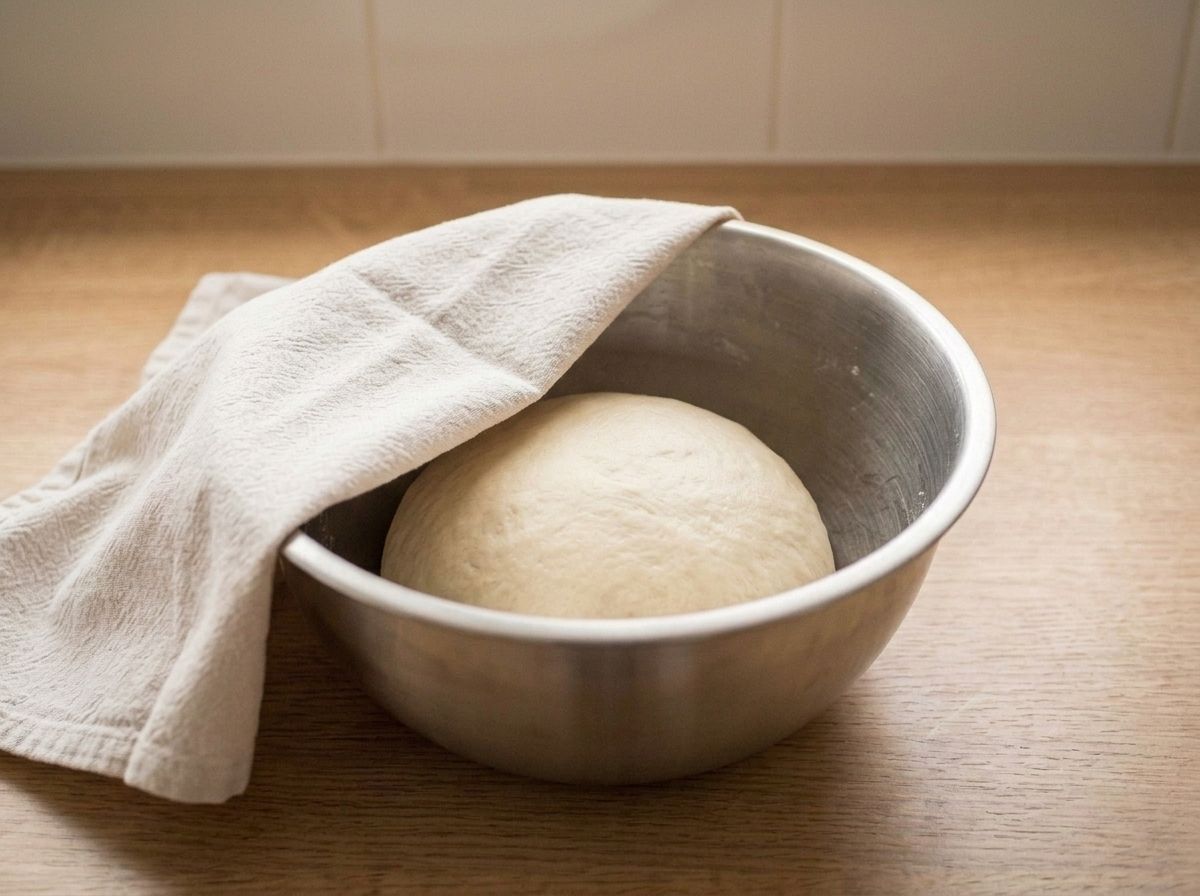
Cover the bowl and leave it for 10 minutes. The milk powder is still absorbing liquid, so dough that feels a little dry now will feel right at the end of the rest. Only add more milk after the rest, and only a teaspoon at a time.
- 6
Roll smooth, crack-free balls
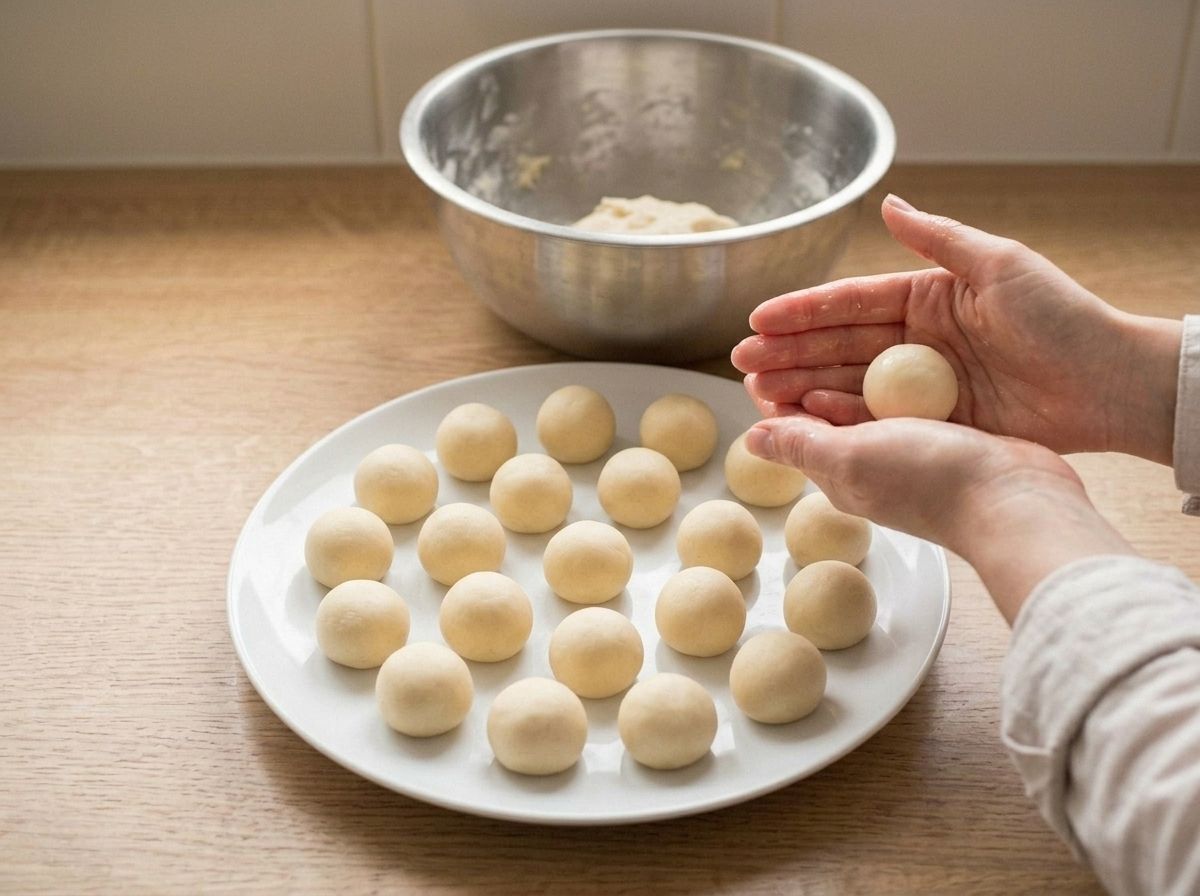
Grease your palms with ghee and shape the dough into 20 balls, each about 1 inch (2.5 cm) across. Keep rolling each one between your palms until the surface is completely smooth. Any hairline crack you can see now will open in the hot fat. Cover the finished balls with a damp towel.
- 7
Bring the fat up to temperature
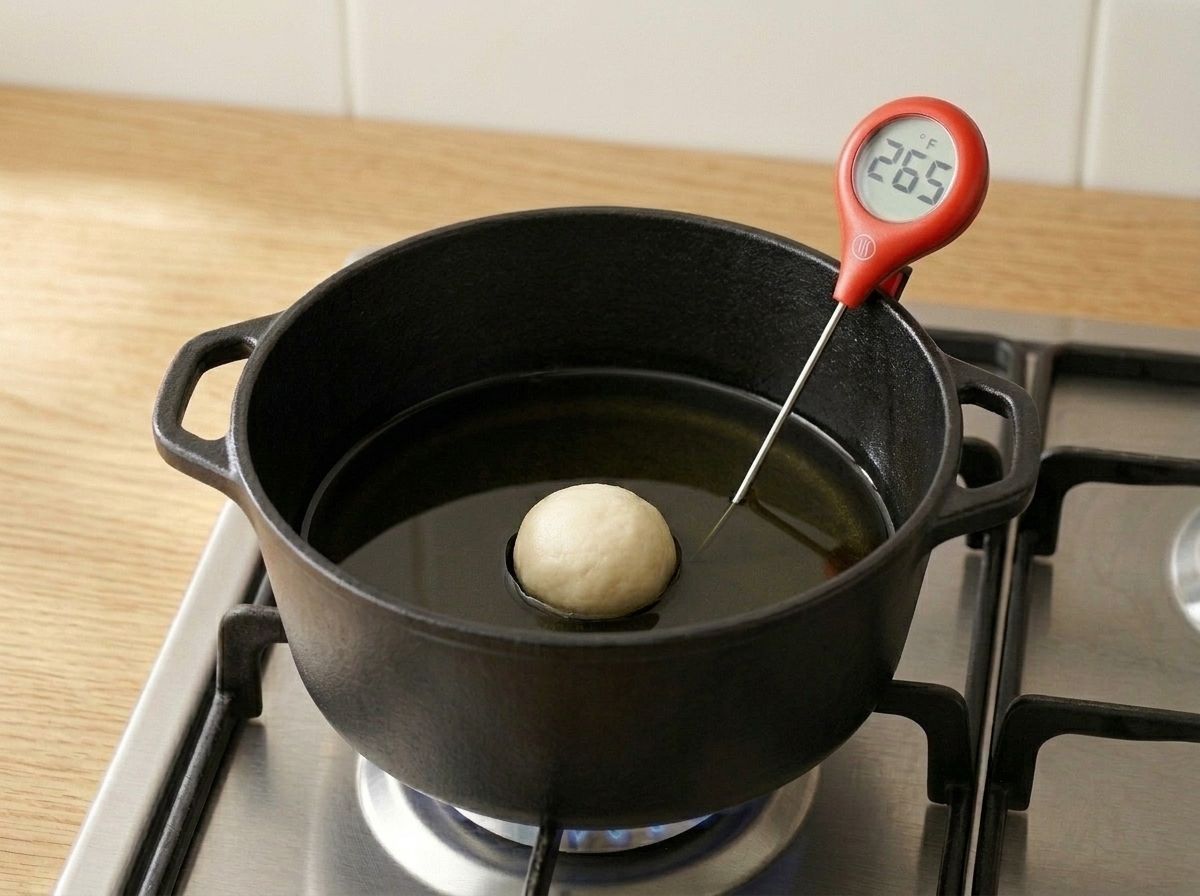
Pour ghee or oil into a deep pot to a depth of about 2 inches (5 cm) and heat it to 265°F (130°C). Drop in one ball as a test. It should sink, sit on the bottom for a second or two, then rise slowly without taking on any color. If it browns, the fat is too hot. If it never rises, it is too cool.
- 8
Fry them low and slow
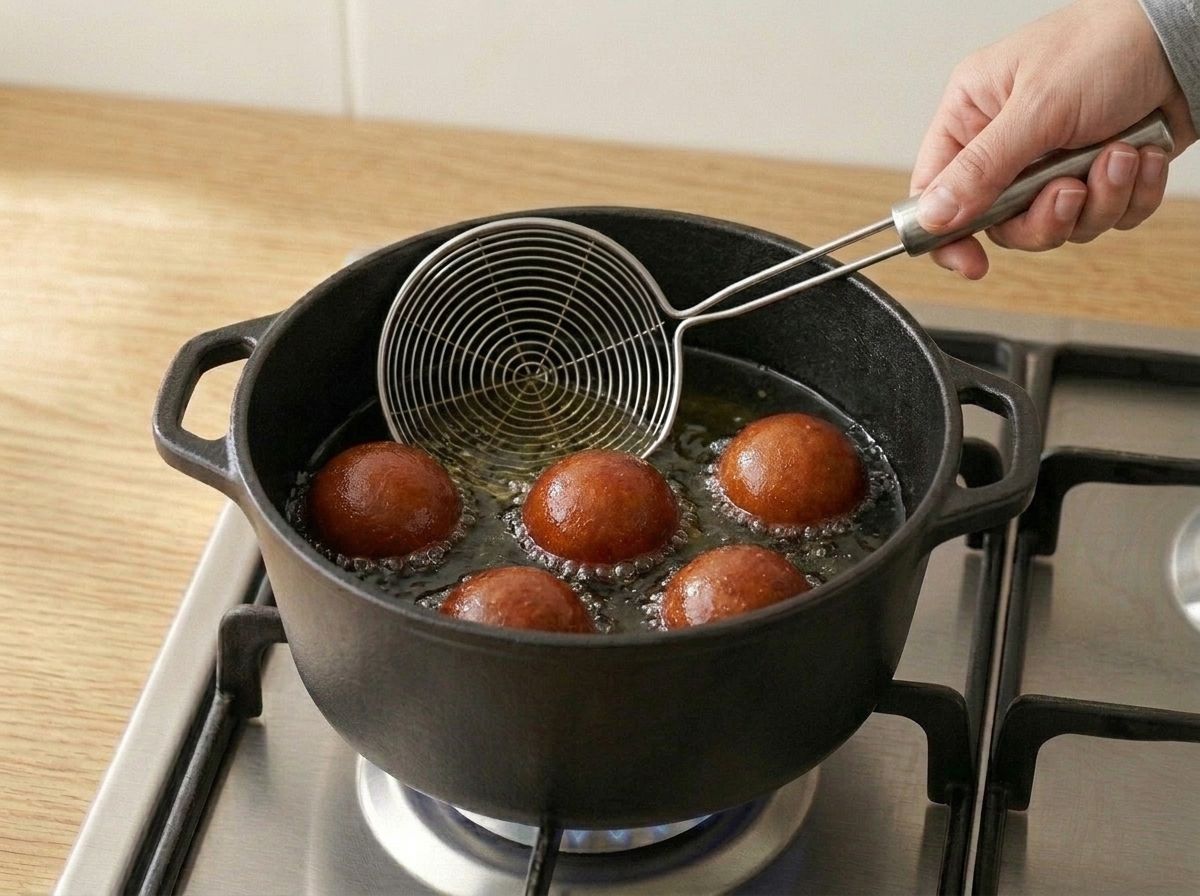
Slide in 6 or 7 balls at a time, leaving room for them to swell. Instead of stirring, swirl the pot or push the fat around them with a slotted spoon so they roll over on their own and color evenly. Give them 8 to 10 minutes to reach a deep reddish brown, letting the fat drift up to about 300°F (150°C) toward the end.
- 9
Move them into warm syrup
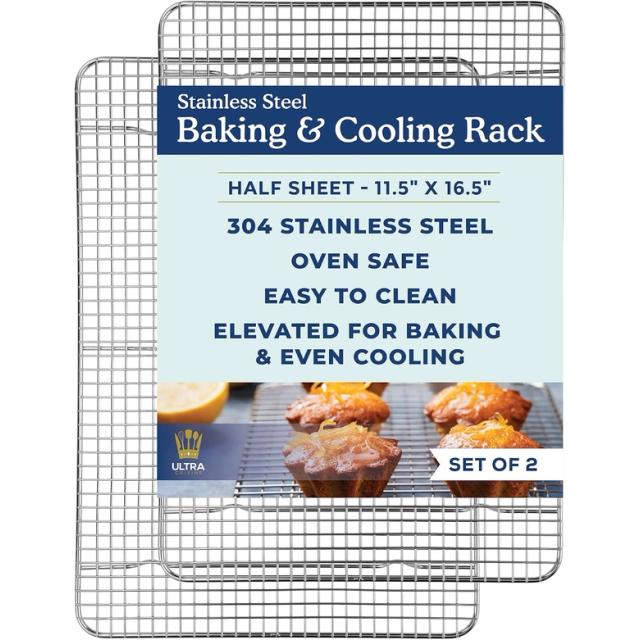
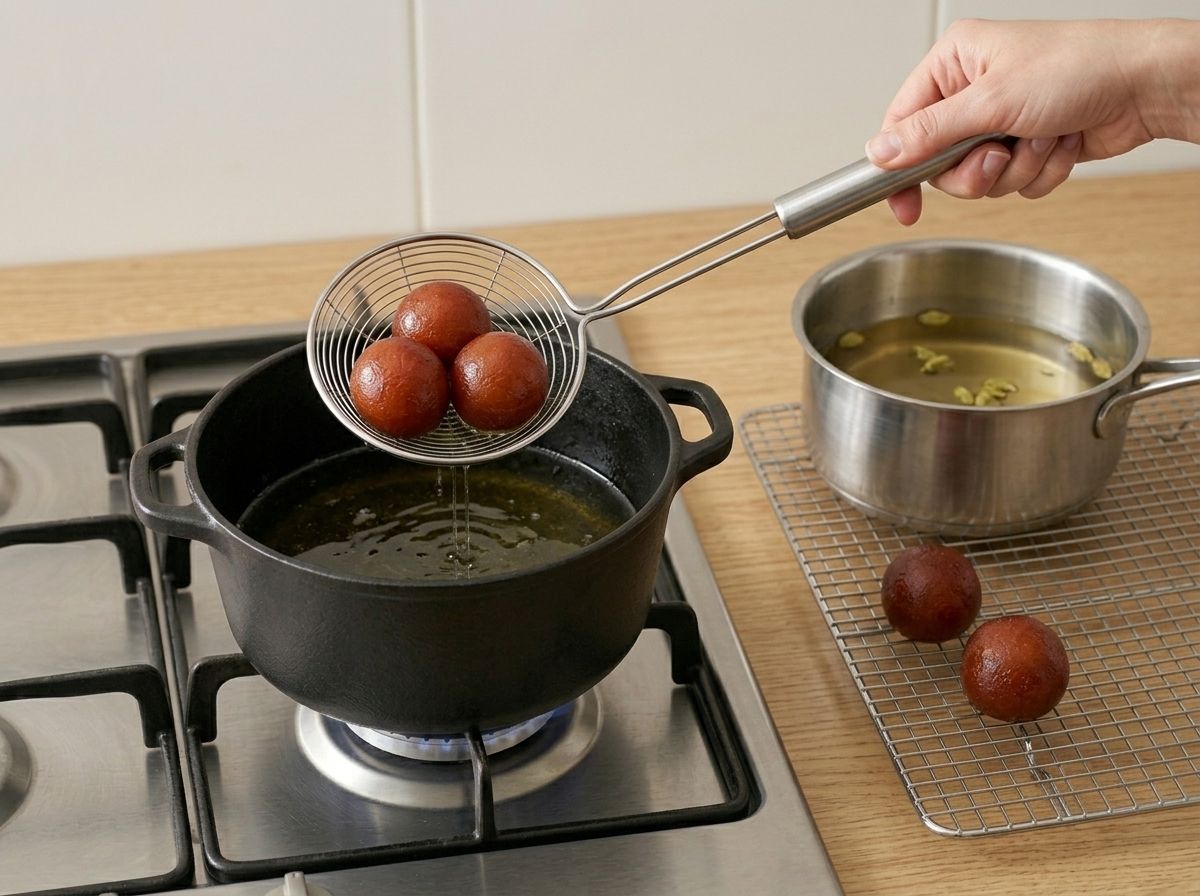
Lift the jamuns out with the slotted spoon, rest them on a wire rack for 30 seconds, then lower them into the syrup while both are still warm. The syrup wants to be around 120°F (50°C), warm to a fingertip and nowhere near boiling. Fry and soak the next batch the same way.
- 10
Soak them for at least 3 hours
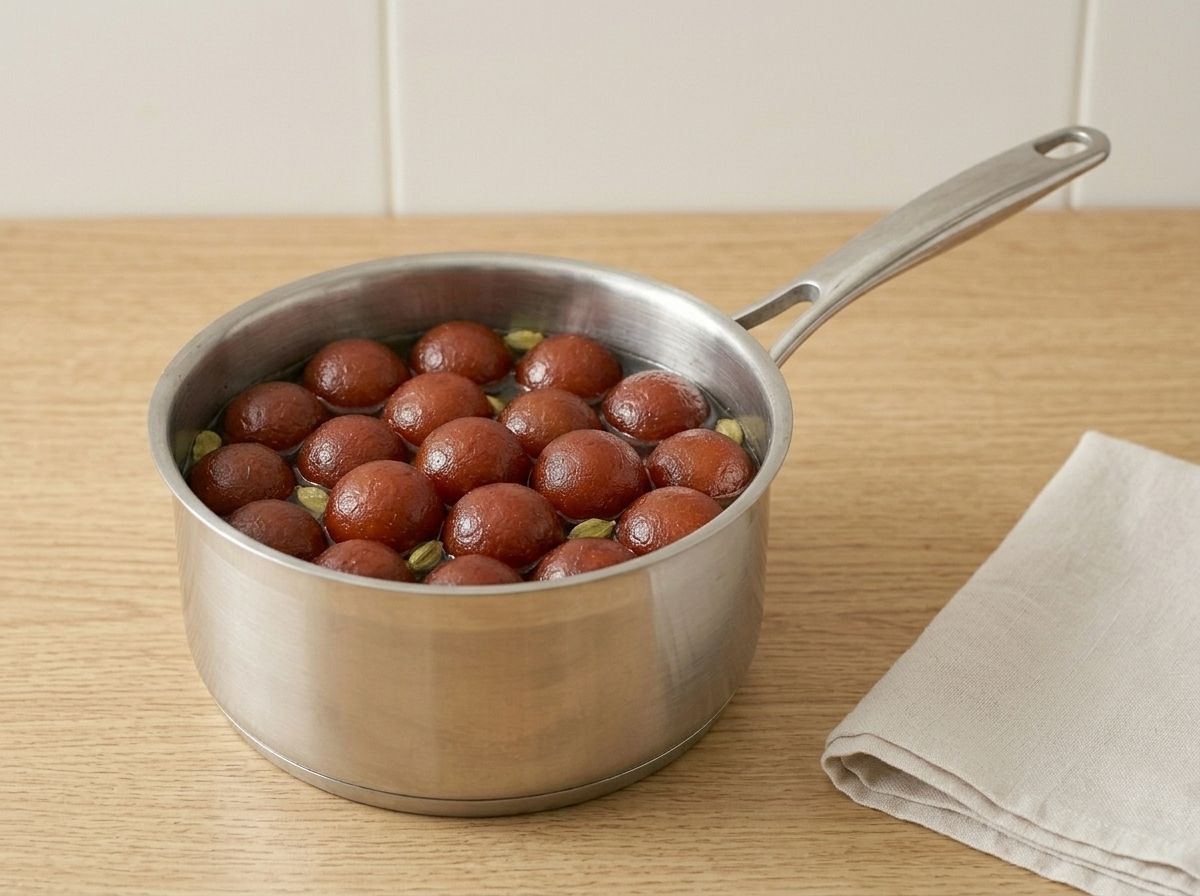
Cover the pan and leave it alone. The jamuns will roughly double in size as they drink, and a night on the counter gives a noticeably softer center than an afternoon does.
- 11
Warm through and garnish
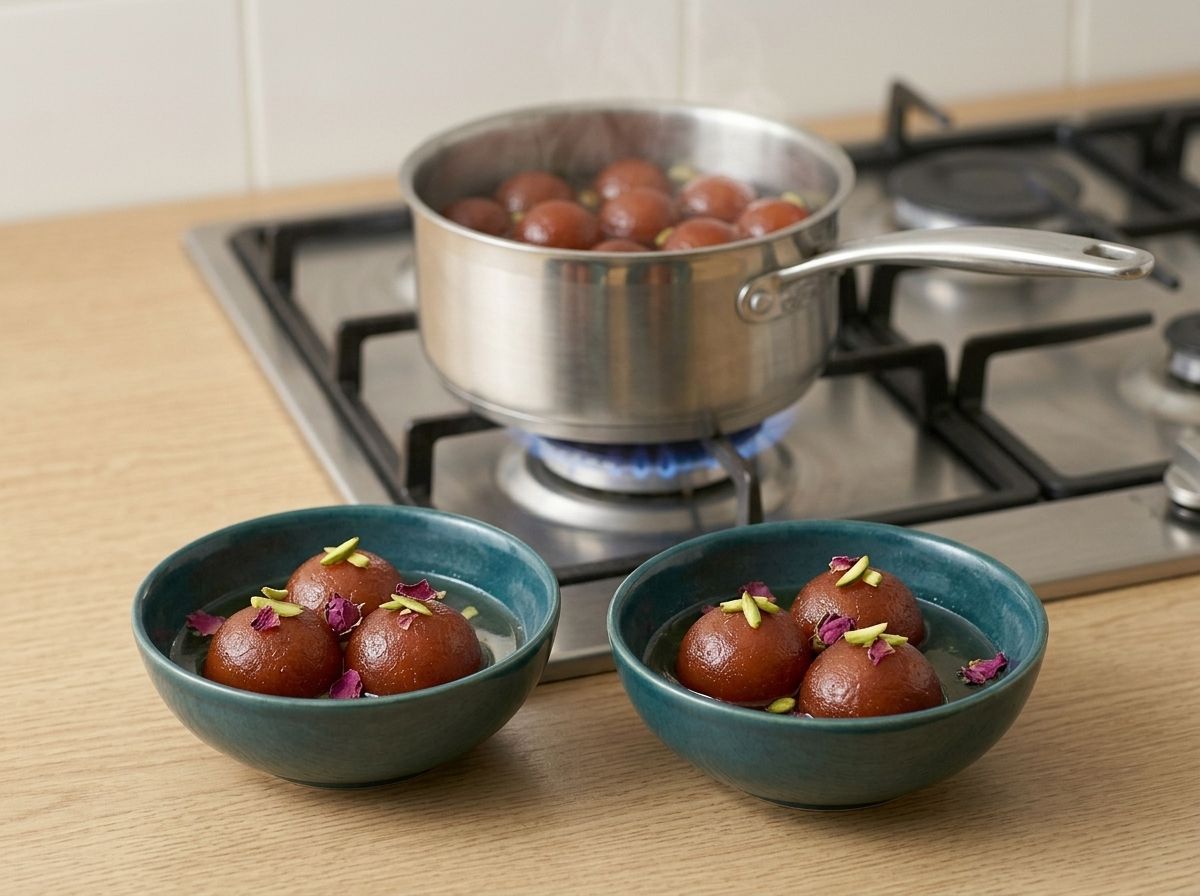
Set the pan over low heat for 2 or 3 minutes, until the syrup loosens and the jamuns are warm right through. Spoon two or three into each bowl with plenty of syrup, then scatter over the pistachios and rose petals if you have them.
Notes
Roll every ball before the fat goes on the heat. Once frying starts there is no spare hand for shaping.
Full-fat milk powder only. Nonfat gives a rubbery jamun that no amount of soaking will rescue.
Stop the syrup well short of a thread. Barely tacky between finger and thumb is the whole target.
They roughly double as they soak, so roll them smaller than the ball you are picturing.
Nutrition Facts
20 jamuns · 109 g per serving
- Calories
- 179 kcal
% Daily Value*
- Total Fat
- 9.2 g12%
- Saturated Fat
- 5.4 g27%
- Sodium
- 26 mg1%
- Total Carbohydrate
- 23.9 g9%
- Dietary Fiber
- 0.3 g1%
- Sugars
- 21.1 g—
- Protein
- 1.4 g3%
Recipe from veggierecipes.blog
When it goes wrong
Troubleshooting
They are hard in the middle
Almost always the fat was too hot. A jamun that browns in three minutes has set a crust while the center is still raw dough, and nothing soaks through a sealed crust afterward. Start at 265°F (130°C) and give them the full 8 to 10 minutes. The other cause is a kneaded dough: once gluten develops, the ball tightens as it fries instead of opening up.
They came out of the syrup the size they went in
The syrup was too thick. Most gulab jamun recipes written in English tell you to cook it to one-string consistency, and that instruction ruins more batches than anything else about this dish. At one string the syrup is saturated enough that it cannot move into the jamun, so it sits on the surface and glazes it instead. Stop at barely tacky, which is about five minutes of simmering and no more.
They broke apart in the fat
Three usual suspects. Too much liquid, so the dough was sticky rather than tacky when you rolled it. Too much baking soda, which expands the balls faster than they can hold themselves together. Or fat that was too cool, so they sat in it softening before a skin could form. The first takes a spoonful more flour, the second takes a level measuring spoon, and the third takes a thermometer.
The surface cracked and fried up rough
The dough was too dry. A hairline crack you can see before frying opens wide in the fat, and a rough surface both colors unevenly and takes syrup badly. Work in another teaspoon of milk, give the dough a few more minutes of rest, and roll with lightly greased palms rather than dry ones.
The syrup went grainy and set solid
That is sucrose crystallizing on itself, which is what a sugar syrup does when it is boiled too long or left with nothing to interfere. The teaspoon of lemon juice is in the recipe to prevent it, by splitting some of the sucrose into glucose and fructose that will not fit into the crystal. If it has already happened, add 3 or 4 tablespoons of water and warm the pan gently until it runs clear again.
They are pale and taste greasy
The opposite temperature problem. Fat below about 250°F (120°C) never seals the surface, so the jamun spends ten minutes absorbing it rather than browning in it. The test is the single ball: it should sink, pause, then rise steadily to the top within a few seconds. If it just lies on the bottom, fish it out and let the fat come up before you commit a whole batch.
Before you serve
Serving & Storage
Gulab jamun is served warm, two or three to a small bowl, with enough syrup to pool around them. At Diwali and at weddings they come off a tray at room temperature, but warm is better and two minutes over low heat is the whole difference. In restaurants across North India the standard pairing is a scoop of vanilla ice cream set against a hot jamun, which sounds like a concession to tourists and is not. The temperature contrast is the point. Rabri, thickened sweetened milk, is the older and richer version of the same idea.
What they do not want is more sugar alongside. Put them next to rasgulla or a tray of barfi and the plate flattens into one long sweet note. Something sharp does much more for them: masala chai, plain black coffee, or a bowl of cold yogurt if you are serving them after a heavy meal.
Making it ahead
These are better on day two than on day one, which makes them one of the few desserts worth making the day before on purpose. Fry, soak, cover the pan and leave it on the counter overnight. The syrup itself can be made up to a week ahead and kept in the fridge, but warm it before the jamuns go in, because cold syrup will not soak into anything. The dough is the one part that does not keep: rolled balls dry out and crack within an hour or two, so mix it on the day.
Storing leftovers
Left in their syrup and covered, they keep two days at room temperature and about a week in the fridge. Bring them out an hour before serving or warm the pan gently, because cold syrup is thick and a cold jamun is firm. What does not work is storing them drained: a jamun out of its syrup dries to something close to a rock overnight, and putting it back in later does not undo it. Freezing is fine, in the syrup, in a rigid container for up to two months, though they come back slightly coarser in texture. Never reheat one dry in a microwave, which does the drying and the toughening at the same time.
Still wondering
Frequently Asked Questions
Is gulab jamun vegan?
No, and it is not a small adjustment. The entire dish is milk solids, so removing the dairy removes the recipe. Versions built on cashew or coconut milk powder do exist and some are very good, but they are a different sweet rather than this one with substitutions, and they need their own ratios.
Can I halve the recipe?
Halve the dough and you get 10 jamuns, but do not halve the syrup to match. The jamuns have to sit submerged for the whole soak, so a half batch still wants roughly three quarters of the syrup, about 1 1/2 cups of sugar to 1 1/2 cups of water, in a narrower pan.
Can I bake them or cook them in an air fryer?
You can cook the balls that way, and what comes out will not be gulab jamun. Deep fat surrounds the ball and cooks it evenly at a temperature you can hold to a few degrees. Dry heat drives moisture off the surface and sets a dry skin, and a dry skin is precisely the thing that stops syrup getting in. If deep frying is off the table, this is not the dessert to adapt.
Can I use this syrup with a boxed gulab jamun mix?
Yes, and it is worth doing. The mixes handle the dough perfectly well, but the syrup instructions on the packet are usually the one-string version, which is a large part of why boxed jamuns so often come out glazed and dense. Make the syrup on this page, keep it warm, and follow the packet for everything else.
Featured In
More Indian Dishes To Try
Made this?