
Pasta with Tofu Sauce Recipe
Published · Updated
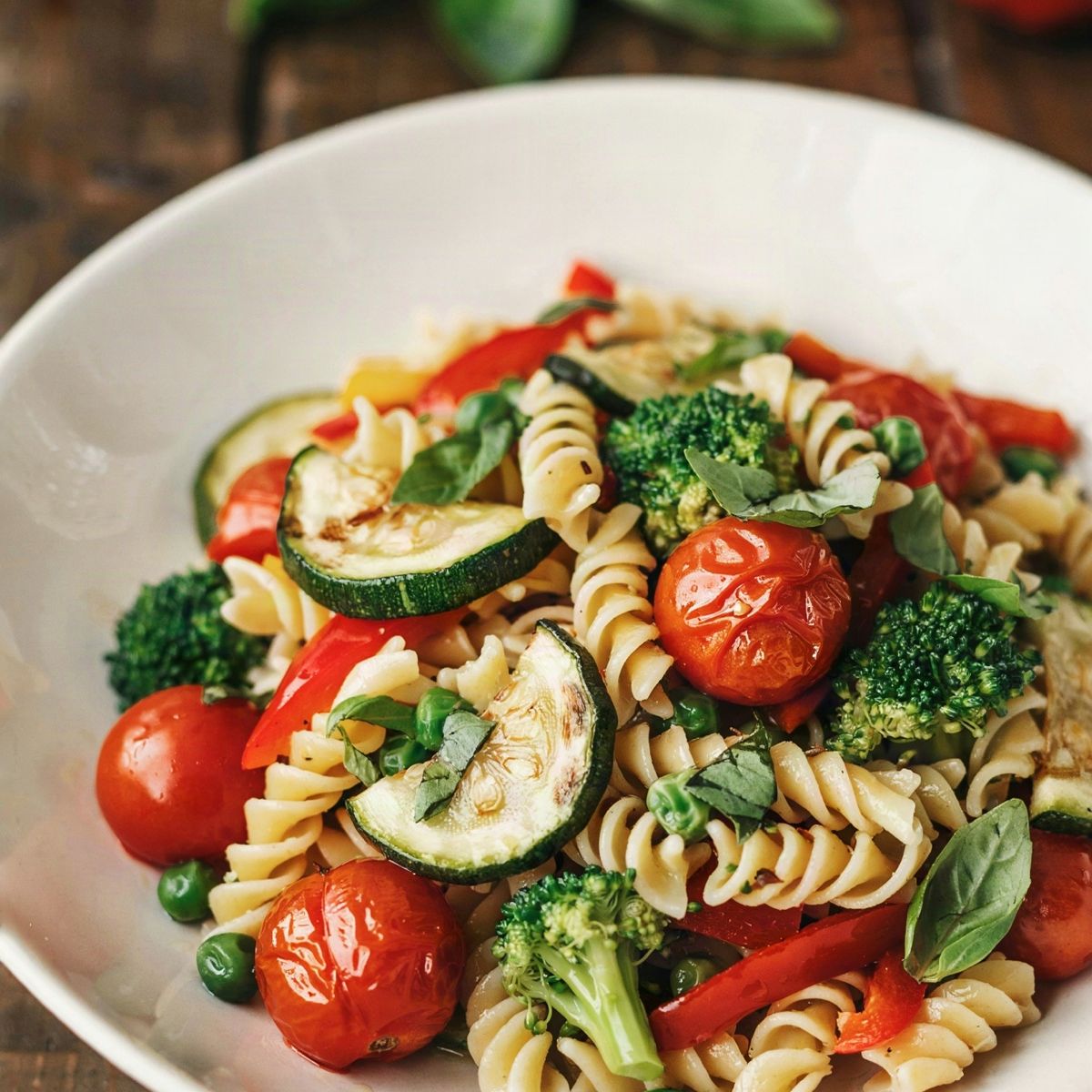
A light, creamy, and protein-rich pasta dinner you'll want to make on repeat. This tofu sauce is everything!
Jump To Recipe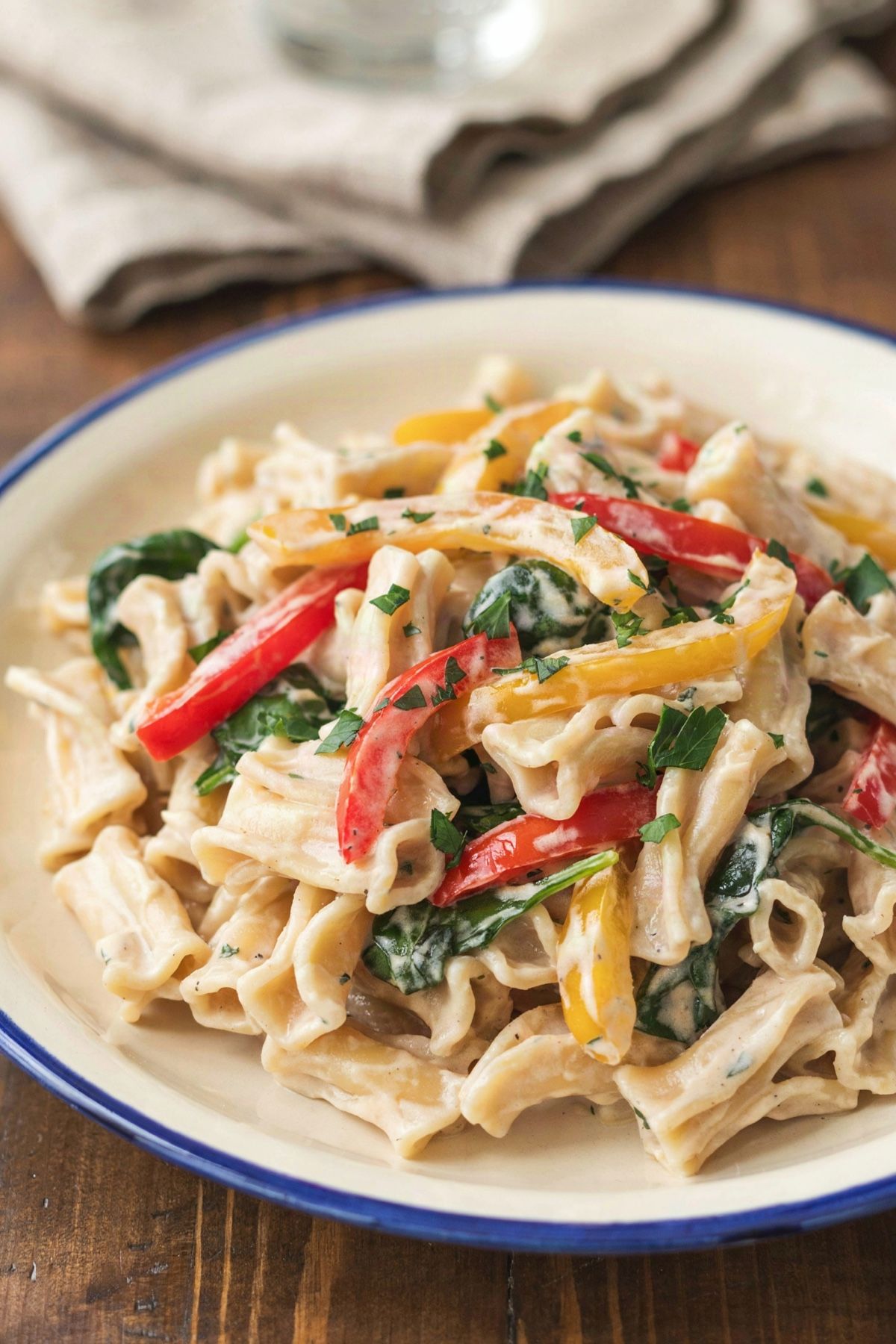
Why I Love This Creamy Tofu Pasta
Let me just say, I never thought tofu could create such a rich, satisfying pasta sauce until I tried this out. If you're looking for comfort food that won't weigh you down, this is it. You get all the creamy indulgence you want while skipping the heavy cream, plus you pack in plenty of plant protein.
What sets this pasta apart for me:
- High in protein thanks to tofu, so it keeps me feeling full long after dinner.
- No dairy at all, just pure, guilt-free creaminess.
- Easily customizable: toss in spinach, broccoli, or whatever vegetable stash needs to be used up.
- Comes together in about half an hour, one of those perfect workday solutions.
Honestly, this is a great gateway dish if you’re tofu-curious but haven’t found a recipe to get excited about. Give it a shot, might just turn into one of your favorite pasta sauces.
The story
Tofu Pasta Sauce Is American, Not Italian
The dried basil and the oregano are a costume. Nothing about a sauce made by pureeing a block of soy curd comes from Italy, and the lineage of this dish runs instead through American vegetarian cooking of the 1970s. The Farm, an intentional community founded in Lewis County, Tennessee in 1971, published The Farm Vegetarian Cookbook in 1975. Written by Louise Hagler, it was the first cookbook published in the United States with no meat, no dairy and no eggs in it, and more than any other book it is the reason tofu ended up in ordinary American kitchens.
What those cooks worked out was a technique rather than a recipe. Put tofu in a blender with enough liquid and a little acid, run it long enough, and soy protein starts behaving like dairy. Hagler’s later Tofu Cookery runs the phrase “blend until smooth and creamy” past sour cream, mayonnaise, hollandaise, Thousand Island dressing and green goddess, one after another. A pasta sauce was an obvious next stop, and by the 1990s a blender, a block of tofu and a jar of nutritional yeast were standard equipment in any vegetarian household.
Here is the part that pays off when you actually cook it. The technique this sauce needs in order to work is Italian, and it is older than the cream sauces it stands in for. Fettuccine Alfredo, made in Rome by Alfredo di Lelio around 1908, contained pasta, butter and Parmigiano and no cream whatsoever. Its richness came from cheese and starchy cooking water beaten together in the pan into an emulsion. Cream was an American addition, decades later, and the jarred stuff most people picture when they hear the word Alfredo is downstream of that.
So the creamy pasta without cream is the older idea, not the substitute. Which means the reserved cooking water in this recipe is not a hedge against the sauce being too thick. It is the ingredient doing the same structural work that starch and cheese do in a Roman kitchen: binding fat and water into something glossy that clings to the pasta. Treat it as an afterthought and you get seasoned tofu sitting next to some noodles. Treat it as the point and you get a sauce.
What to buy
Ingredient Notes
Firm tofu
Buy the water-packed block from the refrigerated case, the kind that sloshes when you shake it. The word on the label matters more than usual here: firm and medium-firm break down into a smooth puree, while extra-firm and the shelf-stable super-firm vacuum packs stay grainy however long you run the blender, because the water has already been pressed out and what is left is dense curd. And do not press this tofu, just drain it. The water still inside the block is a good part of what makes the sauce creamy, which puts this recipe at odds with nearly every other tofu recipe you have cooked.
Silken tofu, if you would rather
Silken is a different product, not a softer version of the same one. It sets in its own package and is never cut into curds or pressed, so it purees in seconds and needs less liquid. Look for it in aseptic cartons on the shelf rather than in the chiller. If you want the smoothest possible sauce for the least work, use it. What you give up is roughly half the protein and a good deal of body, and the sauce sits thinner on the pasta. This recipe is written for firm because the protein is most of the reason to make it.
Reserved pasta cooking water
Not interchangeable with water from the tap. By the time the pasta is done the water is cloudy with leached starch and carries the salt you put in the pot. Those starch granules are what keep the oil and the tofu solids from separating, and what makes the sauce grip the pasta instead of sliding off it. So salt the pot properly, it is the only seasoning that gets inside the pasta rather than sitting on the outside of it, and reserve a full cup even though you will probably use three quarters of that.
Extra virgin olive oil
Keep it out of the blender. Blending shears oil into microscopic droplets, and the bitter polyphenols that normally sit shielded inside larger droplets get stripped out and dispersed through the whole sauce. The result is acrid in a way you cannot season around, and there is no fixing it after the fact. Warming the oil gently in the skillet with the garlic causes none of that damage and gets you a flavored oil out of the same two minutes. If you do want oil in the blender for some other recipe, use plain refined olive oil, which has had the polyphenols removed.
Garlic
Two cloves is not many, so make them fresh ones rather than the jarred paste. Garlic blitzed in raw and then only ever warmed through keeps its full sulfurous bite, and under all the dried herbs that reads less as garlicky and more as a chemical harshness at the back of the mouth. A minute in warm oil converts those compounds into sweeter ones. Watch it while it happens, though: garlic goes from pale gold to burnt in about fifteen seconds, and burnt is worse than raw.
Lemon juice
Fresh, and stirred in off the heat. Tofu on its own tastes flat and faintly beany, and no amount of salt fixes flat, only acid does. Two tablespoons lifts the whole sauce without making it taste of lemon. The timing is not fussiness: acid plus heat is precisely the combination used to curdle soy milk into tofu in the first place, so juice squeezed into a simmering pan can turn a smooth sauce grainy while you watch. Bottled juice will do at a pinch, but it is duller and you will end up using more.
Nutritional yeast (optional)
Deactivated yeast flakes, now stocked by most supermarkets as well as every health food shop. It supplies glutamates, which is what makes the sauce read as savory and faintly cheesy rather than as seasoned tofu. It is marked optional because the recipe genuinely works without it, but per tablespoon nothing else on the list does as much. Buy the fine flakes rather than the coarse ones if you get the choice, they dissolve into the sauce instead of speckling it.
Pasta with Creamy Tofu Sauce
A creamy, high-protein pasta sauce blended from firm tofu, loosened with starchy pasta water and finished with garlic bloomed in olive oil and a squeeze of lemon.
Ingredients
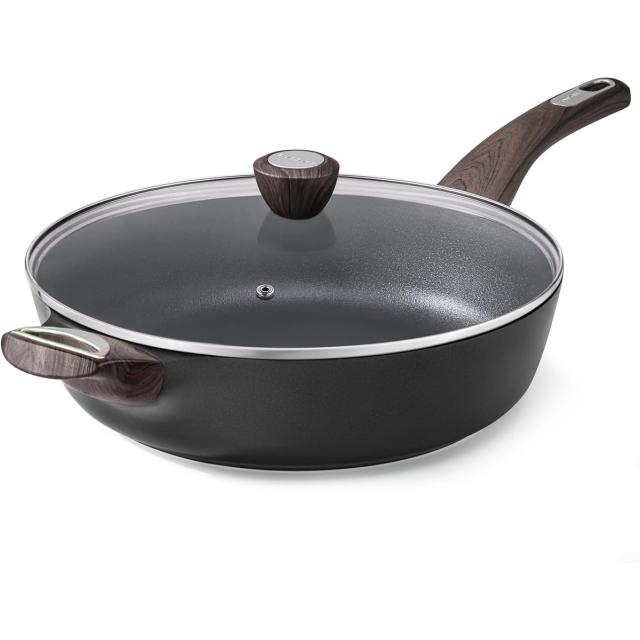
Equipment
As an Amazon Associate I earn from qualifying purchases, at no extra cost to you.
Instructions
- 1
Boil the pasta, save the water
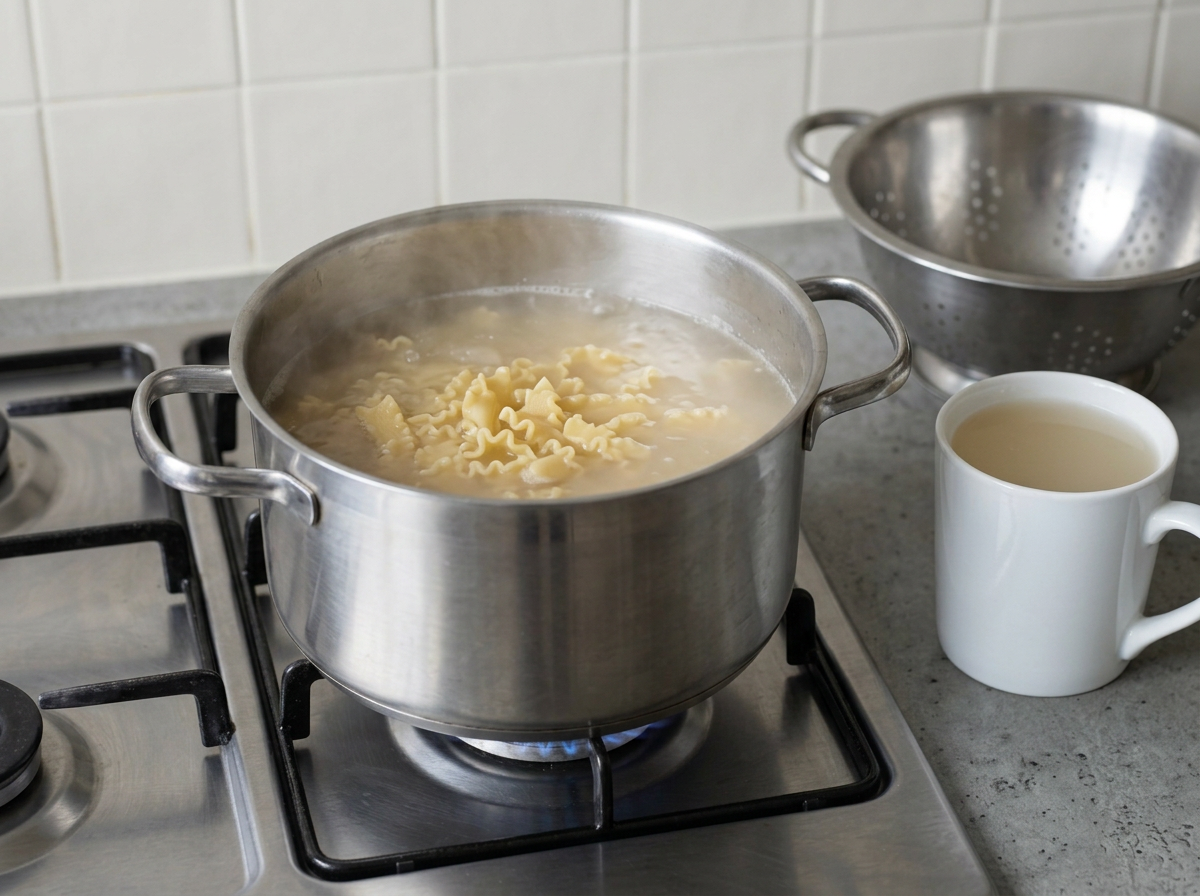
Bring a large pot of well salted water to a boil. Add the pasta and cook it one minute short of the package time, so it still has a firm center. Before you drain it, dip a mug into the pot and reserve 1 cup (240 ml) of the cooking water. That water is the sauce’s only liquid and its only thickener, so pull it out before you tip the pot, not after.
- 2
Blend the sauce
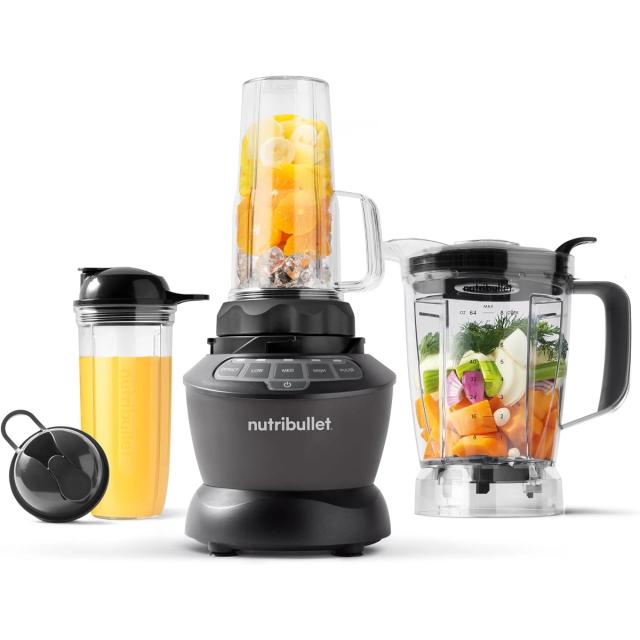
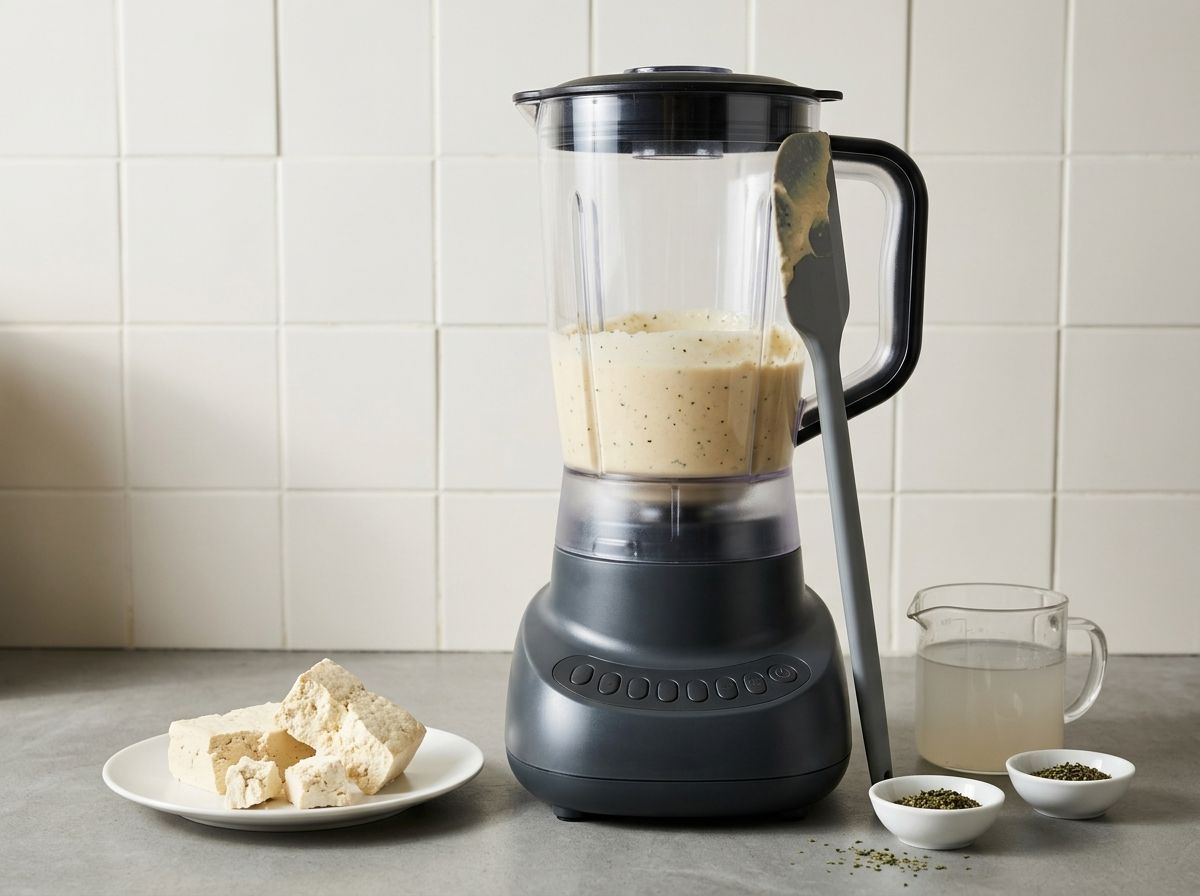
Break the drained tofu into chunks straight into the blender. Add the basil, oregano, nutritional yeast, a good pinch of salt, several grinds of pepper and ½ cup (120 ml) of the hot pasta water. Blend for a full 60 to 90 seconds, stopping twice to scrape the sides down. Firm tofu is pressed curd, and it looks like grainy paste at the 20 second mark and smooth at the 90 second mark. Keep the olive oil, the garlic and the lemon juice out of the blender.
- 3
Bloom the garlic in the oil
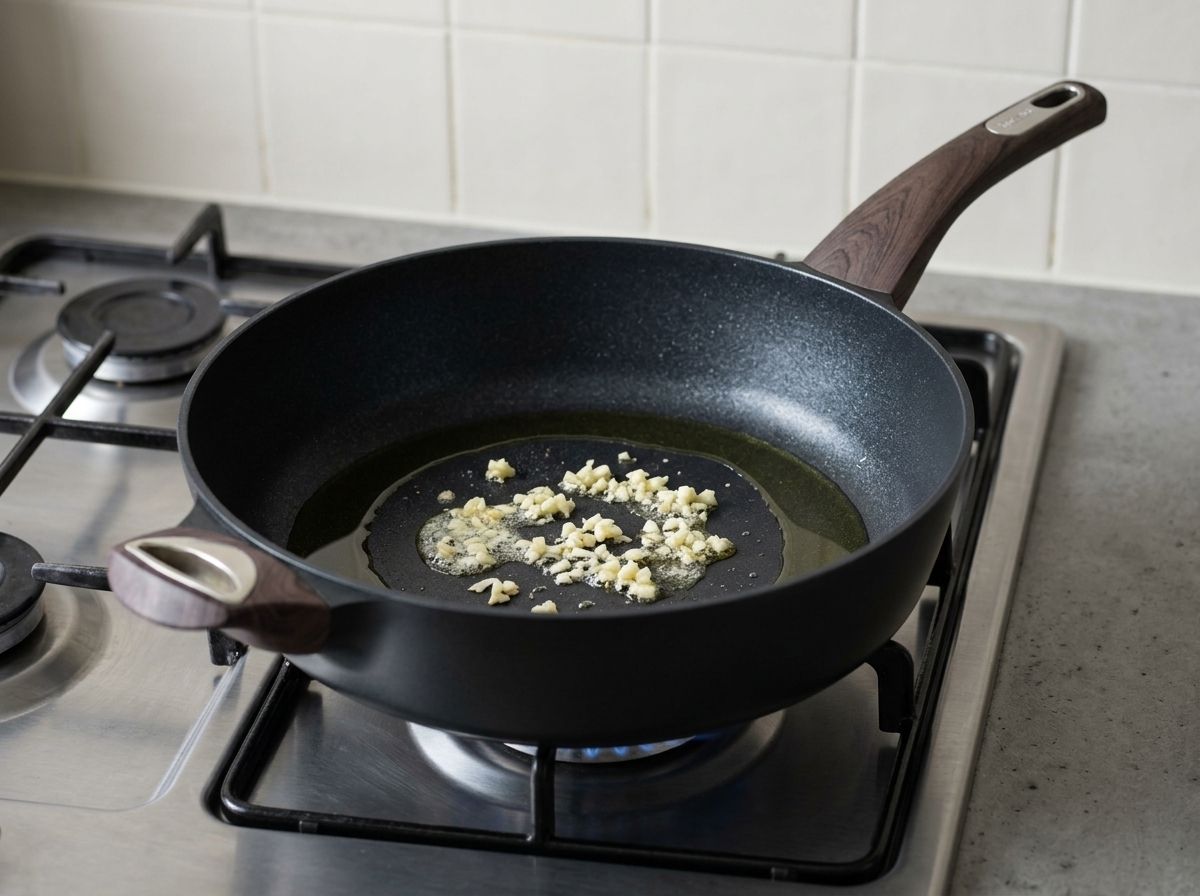
Warm the olive oil in a large skillet over medium-low heat. Add the minced garlic and cook it for about a minute, until it smells sweet and turns the palest gold. Do not let it brown. Garlic blended in raw and then only warmed through tastes harsh and stays harsh, and extra virgin olive oil turns bitter in a blender, so both of them belong in this pan instead.
- 4
Cook the vegetables first
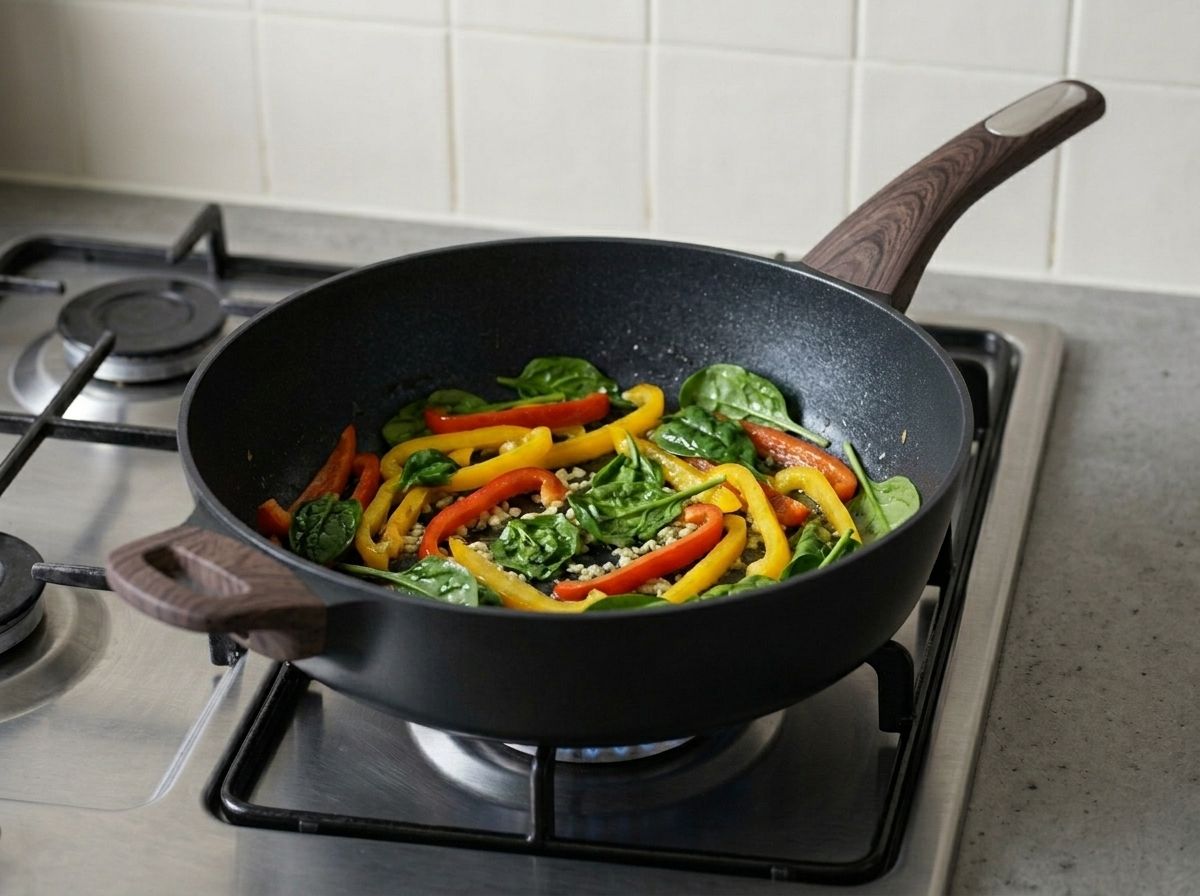
If you are using vegetables, add them to the garlic oil now and cook until tender: about 5 to 7 minutes for broccoli florets or diced peppers, about a minute for spinach. Get them done before the sauce goes in. Raw vegetables dropped into a pan of sauce steam instead of frying, and they leak water that thins the sauce out.
- 5
Warm the sauce, gently
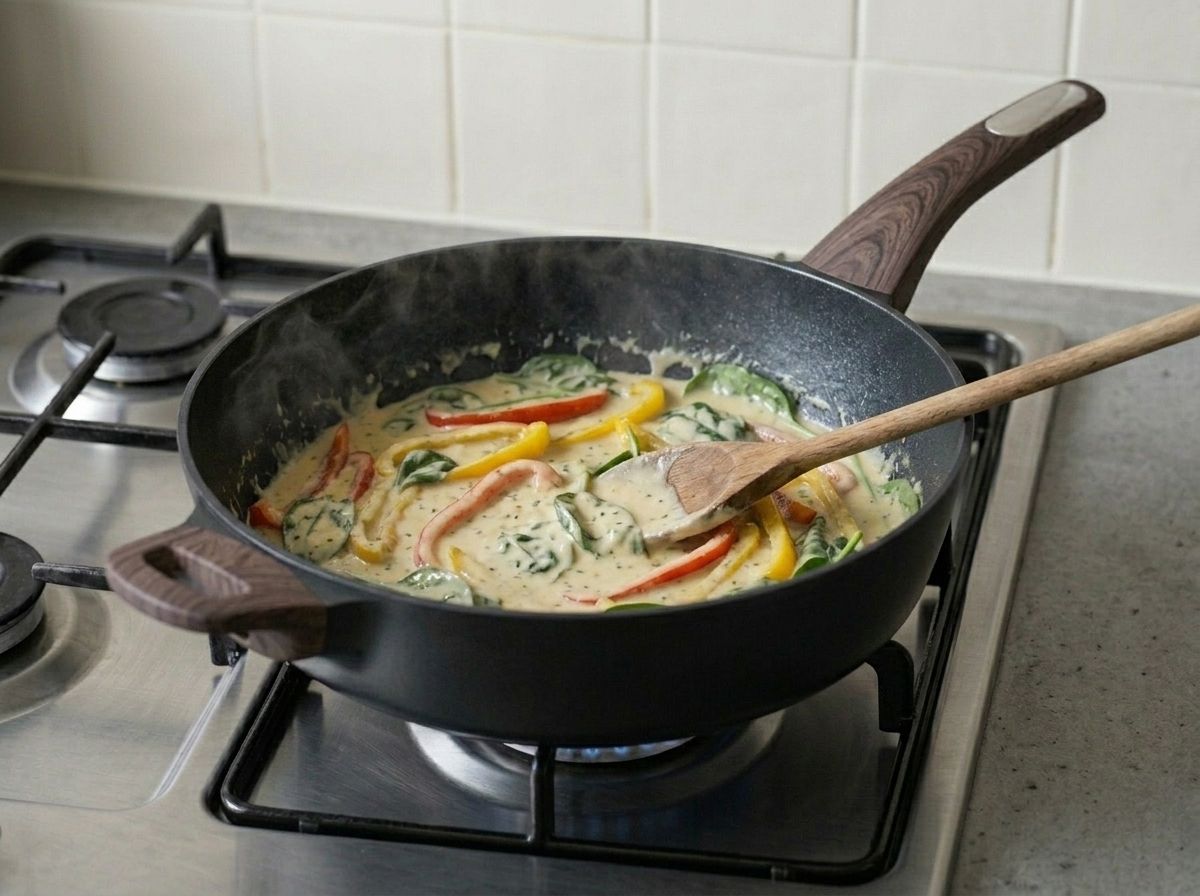
Turn the heat to low and pour the blended tofu into the skillet. Stir it into the garlic oil and warm it for 2 to 3 minutes, until it steams. Do not let it bubble. Blended tofu is soy protein held in suspension, and heat is what makes soy protein clump, which is how tofu gets made in the first place. A boiled tofu sauce goes grainy and does not come back.
- 6
Toss, then finish with lemon
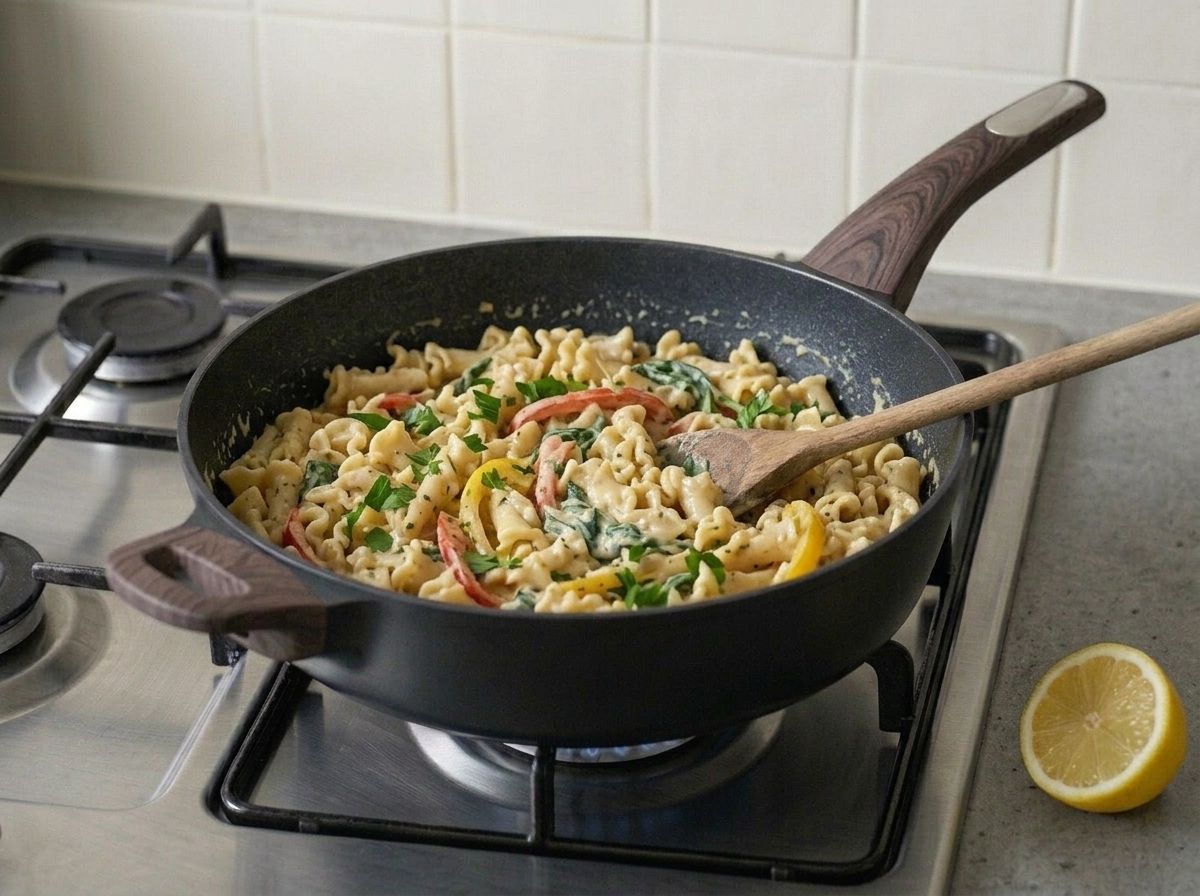
Add the drained pasta and toss for a minute, loosening with the rest of the pasta water a splash at a time until the sauce slides and coats rather than clumps. Take the pan off the heat, stir in the lemon juice, and taste. It will need more salt than you expect. Serve straight away, with parsley if you have it.
Notes
Do not press the tofu. This is the one tofu recipe where the water inside it is the point.
Reserve more pasta water than you think you need. It is the only thing that loosens the sauce without watering down the flavor.
Use gluten-free pasta for a gluten-free version.
Add any vegetables you like. Try spinach, kale, broccoli, or bell peppers.
Nutritional yeast adds a savory, cheesy note. The sauce works without it but tastes plainer.
Nutrition Facts
4 servings · 309 g per serving
- Calories
- 358 kcal
% Daily Value*
- Total Fat
- 9.1 g12%
- Saturated Fat
- 1.2 g6%
- Sodium
- 210 mg9%
- Total Carbohydrate
- 51.6 g19%
- Dietary Fiber
- 5.2 g19%
- Sugars
- 5.2 g—
- Protein
- 18.3 g37%
Recipe from veggierecipes.blog
When it goes wrong
Troubleshooting
The blender just spun and nothing happened
There is not enough liquid in the jug. Firm tofu blended dry packs itself against the walls and the blades spin in a cavity in the middle. This is the most common way this sauce fails, and it is the whole reason the pasta water gets reserved before you drain rather than after. Pour in the ½ cup of hot pasta water, stop, scrape the sides down with a spatula, and start again. On a small or low-powered blender, add another two tablespoons.
It’s perfectly smooth and it tastes of nothing
Two things are missing, and it is nearly always both at once: salt and acid. Tofu soaks up a surprising amount of salt before it registers at all, so a sauce for four needs considerably more than a pinch. Then the lemon. Add half the juice, taste it, add the rest. If it is still flat after both, what it wants is the nutritional yeast, which brings the savory depth that tofu has none of on its own.
It went grainy in the pan
It got too hot. Blended tofu is soy protein suspended in water, and heat makes soy protein clump back together, which is the exact reaction used to manufacture tofu. Take it past a gentle steam and the sauce breaks into curds and cloudy liquid, and it does not come back. Keep the burner on low, and stir the lemon juice in only after the pan is off the heat, because acid and heat together do it twice as fast.
It was grainy before it even reached the pan
Either the blending stopped too early or the tofu is the wrong sort. Firm tofu is curd that has been pressed together, and breaking those curds down takes a genuine 60 to 90 seconds with two scrape-downs, not the twenty seconds it takes to look roughly mixed. If you have given it the full time and it is still gritty, read the packet: extra-firm and vacuum-packed super-firm blocks have had most of their water removed and will never go smooth. Keep those for frying.
The sauce slid off and pooled at the bottom of the bowl
Not enough starch, and almost certainly not enough tossing. The pasta and the sauce have to be in the pan together, over heat, moving, for a full minute. That minute is when the starch clinging to the outside of the pasta and the starch in the reserved water bind the sauce onto it. Draining the pasta, setting it aside and spooning sauce over it at the table gives you two separate things sharing a bowl.
There’s a bitter edge I can’t place
The olive oil went into the blender. Extra virgin oil is full of polyphenols that stay masked inside the oil droplets until something shatters those droplets, and a blender does exactly that. It tastes acrid rather than sour, it sits underneath everything else, and no amount of salt or lemon will cover it. Bloom the oil with the garlic in the skillet instead. A batch that has already gone bitter is not worth rescuing.
Before you serve
Serving & Storage
Serve it the minute it comes out of the pan. This sauce has a shorter window than a tomato one: as it cools the starch sets and the soy protein firms up, and somewhere around the ten minute mark it turns from glossy to pasty. If you are ever going to warm the bowls, this is the dish to do it for.
What goes on top matters more than usual, because the sauce is smooth all the way through and the plate has no texture in it otherwise. The southern Italian answer is pangrattato, sometimes called the poor man’s parmesan: coarse breadcrumbs fried in olive oil with a little garlic until they crunch, then showered over the top. It costs five minutes, it uses up stale bread, and it does more for this plate than cheese would. If you do want cheese and you are vegetarian rather than vegan, note that real Parmigiano-Reggiano is made with calf rennet and is not vegetarian; a vegetarian hard Italian-style cheese or a good aged pecorino substitute is what you want. Chili flakes and a strip of lemon zest are both worth having on the table.
Alongside, keep it sharp and keep it raw. The sauce is rich and protein-heavy and the plate does not need much help, so a chicory or radicchio salad with a mustardy dressing, or just sliced tomatoes with salt and oil, is the right sort of thing. Skip the garlic bread. There is already garlic in the pan and there is already plenty of starch on the plate.
Making it ahead
The sauce is the make-ahead part; the pasta never is. Blend it up to 3 days in advance, leave the lemon juice out, and keep it in a sealed jar in the fridge. It thickens noticeably as it chills, which is normal and not a sign anything has gone wrong. To use it, cook the pasta fresh, reserve the water as usual, and loosen the cold sauce in the skillet over low heat with a few tablespoons of that water before the pasta goes in. The lemon still goes in at the very end.
What does not work is assembling the whole dish ahead of time. Cooked pasta left sitting in a tofu sauce carries on drinking the liquid out of it, and a few hours later you have pasta wearing a thick coating rather than pasta in a sauce. No amount of stirring puts that back.
Storing leftovers
Leftovers keep for 3 days in the fridge. They come out of the container looking dry and claggy, which is the starch setting rather than anything being wrong with them. Reheat in a skillet over low heat with a good splash of water or plant milk, stirring until it loosens, and expect to need a little more salt and a squeeze of lemon to bring it back. A microwave works if you go in 30 second bursts and stir between each one. The one thing that ruins it is reheating fast: high heat curdles the soy protein, and once it has curdled it stays curdled.
Do not freeze it. Freezing permanently changes the structure of tofu, which is a genuinely useful trick when you want chewy, spongy tofu to fry, and a disaster in something meant to be smooth. Frozen and thawed, this sauce comes back grainy and watery with no way to bring the two back together.
Still wondering
Frequently Asked Questions
Is this pasta with tofu sauce recipe vegan?
Yes, as long as you use egg-free pasta and skip any non-vegan garnish, this recipe is completely vegan.
What vegetables work best in this pasta?
Spinach, broccoli, bell peppers, peas and kale all work. Whatever you pick, cook it in the garlic oil before the sauce goes into the pan. Vegetables added to a pan that already holds sauce steam rather than fry, and the water they release thins the sauce.
More Creamy & Protein-Packed Pastas
Made this?