
Vegan Fettuccine Alfredo Recipe
Published · Updated
Silky, rich, and completely dairy-free, this vegan fettuccine Alfredo is impressive comfort food ready in just 30 minutes!
Jump To Recipe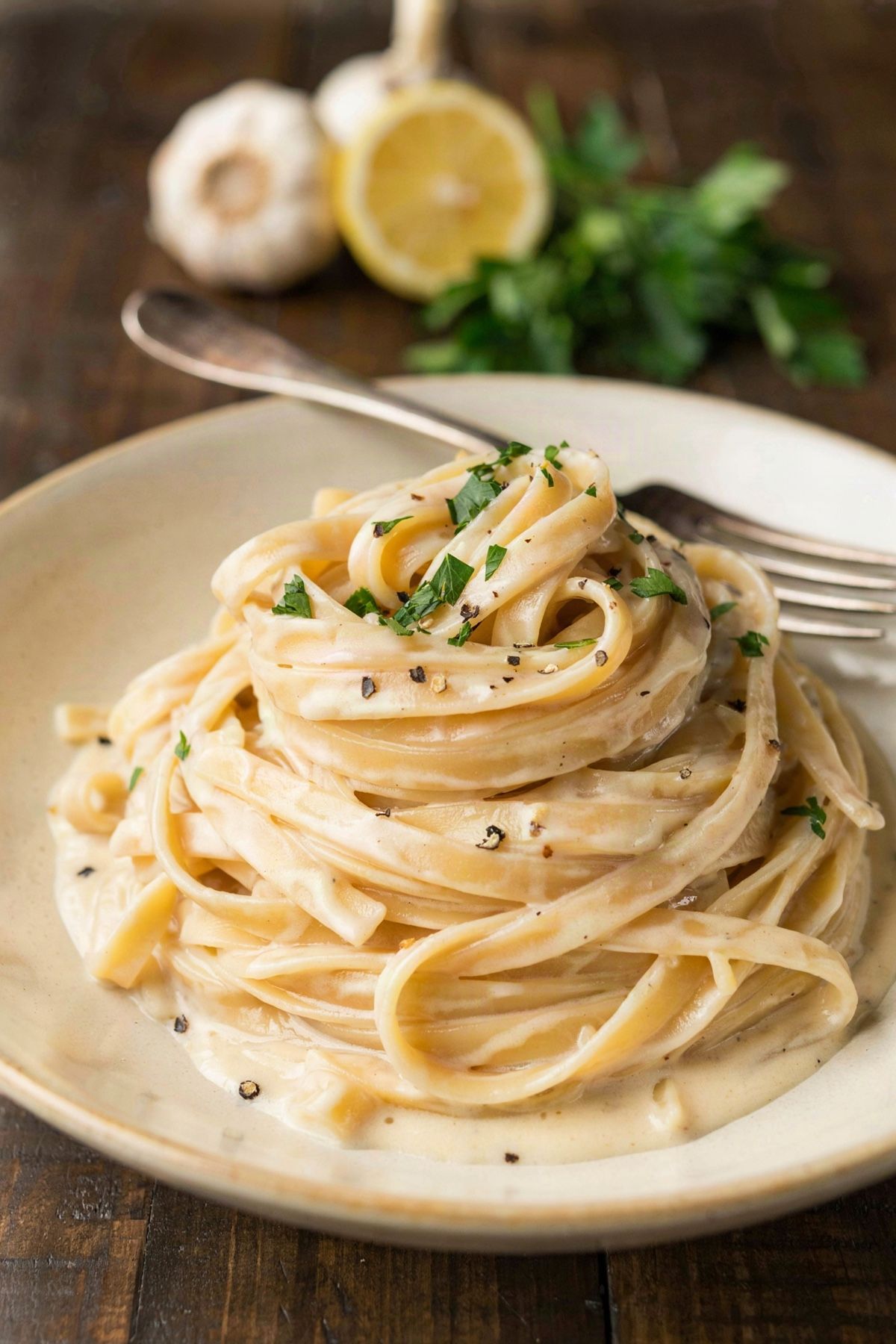
Why I Keep Coming Back to Vegan Fettuccine Alfredo
There’s just something about a huge bowl of creamy pasta that automatically lifts my mood. When I first tried this vegan Alfredo, I honestly couldn’t believe how it captured everything, richness, depth, and a bit of that classic feel-good magic that fettuccine brings to the table, without relying on any dairy.
The secret weapon here is cashews, simmered until soft. They blend up super smooth and mimic the creamy, decadent sauce I crave, especially after a long day. Nutritional yeast and garlic make it crave-worthy, while the lemon juice brightens everything up without overpowering the nutty base.
This recipe checks so many boxes for me:
- Totally plant-based, so it’s lighter on the stomach but still deeply satisfying.
- Ready in under half an hour, so there’s no stress after work.
- Super versatile, sometimes I’ll toss in mushrooms, spinach, or roasted broccoli if I want to amp up the veggies.
If you want to bulk it up, chickpeas or tofu fit right in and soak up the sauce. Nothing fancy, nothing fussy, just good flavors and great textures.
Don’t skip the parsley at the end. Something about that little green finish just makes it sing. You get a meal that’s not only comforting but feels a little special, too. Enjoy it solo, or share with friends over good conversation.
The story
Fettuccine Alfredo Never Had Cream in It
The dish Americans know as a heavy cream sauce began as three ingredients and a technique. In 1908 Alfredo di Lelio, working in his mother’s small restaurant on Piazza Rosa in Rome, made a plate of fettuccine for his wife Ines, who had just given birth to their son Armando and could not face food. Fresh egg fettuccine, butter and young Parmigiano, tossed together, and he called it fettuccine al triplo burro for the amount of butter he used. There was no cream in it, and no garlic either.
What made it work was the tossing. Butter and grated cheese do not become a sauce on their own; they need the starchy water clinging to just-drained pasta to bind them, worked hard and fast on a warm plate until fat and cheese protein emulsify into a gloss that coats every ribbon. Di Lelio did this at the table, and when he opened his own restaurant on Via della Scrofa in 1914 the tableside toss became the show people came for.
The people who came included Mary Pickford and Douglas Fairbanks, then the biggest film stars in the world, who ate there in 1927 and sent back a solid gold fork and spoon engraved “To Alfredo, the King of the Noodles”. He served the dish with them for the rest of his career. He sold the restaurant to two of his waiters in 1943, when rationing made butter and Parmigiano impossible to find, and in 1950 opened Il Vero Alfredo on Piazza Augusto Imperatore with Armando. Both restaurants are still open, and both still claim the dish.
Outside those two dining rooms Italy barely recognizes the name. Elsewhere it is fettuccine al burro, buttered noodles, nursery food no restaurant would put on a menu. The Alfredo that conquered America is a different thing. The earliest cream version food historians can point to is a 1966 recipe from an American noodle company, which added heavy cream and Swiss cheese to the butter and Parmesan. Cream made the sauce foolproof: American butter has a little less fat than Italian, domestic Parmesan does not emulsify like Parmigiano Reggiano, and cream covers for both. Garlic came along to give a blander cheese something to say.
Which is useful to know when you are making it without dairy. The thing worth preserving is not the cream, which was never there, but the emulsion: fat, something savory and cheese-like, and starchy pasta water, worked together until it clings. Cashews supply the fat and body, nutritional yeast and miso stand in for the aged cheese, and the pasta water does exactly what it did in 1908. Tossed properly, a cashew sauce is closer to di Lelio’s mechanics than a jar of cream sauce, even if he would have raised an eyebrow at the garlic.
What to buy
Ingredient Notes
Raw cashews
Raw, unsalted, unroasted; pieces are cheaper and blend identically. Roasted cashews turn the sauce beige and taste faintly of peanut butter, and salted ones throw the seasoning off. The simmer in step 1 is not optional: a blender chips at a raw cashew rather than breaking it down, and twelve minutes in boiling water softens it until it crushes flat between two fingers. That is the test. If it still snaps, give it five more minutes.
Fettuccine
Dried, from a box. Nearly all dried Italian pasta is egg-free, but check for all’uovo on the packet, which means egg; fresh fettuccine from the chiller almost always contains it. Bronze-die pasta, matte and slightly rough rather than shiny, holds a cream sauce far better than the smooth kind. Tagliatelle is the same ribbon under a northern name. Linguine works. Spaghetti is too thin to carry this much sauce and clumps.
Nutritional yeast
Yellow flakes sold in tubs and shakers, and the reason the sauce tastes savory and faintly cheesy rather than just nutty. Buy flakes, not powder, which is easy to overdo. Fortified versions carry B12 and a slightly sharper edge. It is nothing like brewer’s yeast, which is bitter, or baker’s yeast, which is alive. A quarter cup for four servings is right; double it and the sauce turns oddly sweet and one-dimensional.
Vegetable broth
Choose a pale one. Mushroom stock, roasted vegetable stock and most dark cubes turn an Alfredo the color of weak tea, and the whole appeal of this sauce is that it looks like cream. Cubes and powders are also heavily salted, which is why the recipe seasons at the end rather than in the blender. If your only broth is dark, use water and an extra quarter teaspoon of salt instead.
Vegan butter
The original dish is butter and cheese, so a sauce started in vegan butter tastes closer to it than one started in oil. Use a firm block or stick (Miyoko’s, Naturli’, Flora Plant, Violife) rather than a soft tub spread, which is mostly water and spits when the garlic goes in. Olive oil works, but a peppery one pushes the sauce green and grassy. A neutral oil is the better second choice.
White miso paste
The one specialist ingredient, and the one that closes the gap between tasting nice and tasting like Alfredo. Nutritional yeast brings the cheesy top note but none of the aged, fermented depth of a hard cheese; a teaspoon of miso brings exactly that. Look for shiro miso, the pale sweet kind, chilled near the tofu. Red, brown and barley miso are too strong and darken the sauce. Without it the sauce is still good, just flatter.
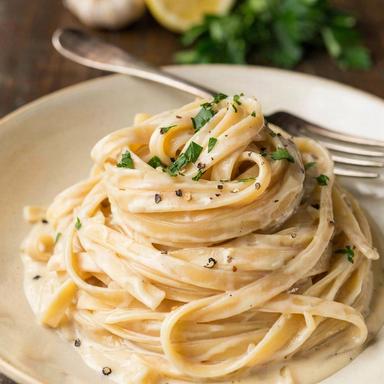
Creamy Vegan Fettuccine Alfredo
A rich vegan Alfredo with a smooth cashew sauce, garlic cooked gently in vegan butter, nutritional yeast and a spoon of miso, tossed with fettuccine and its own starchy cooking water until glossy.
Ingredients
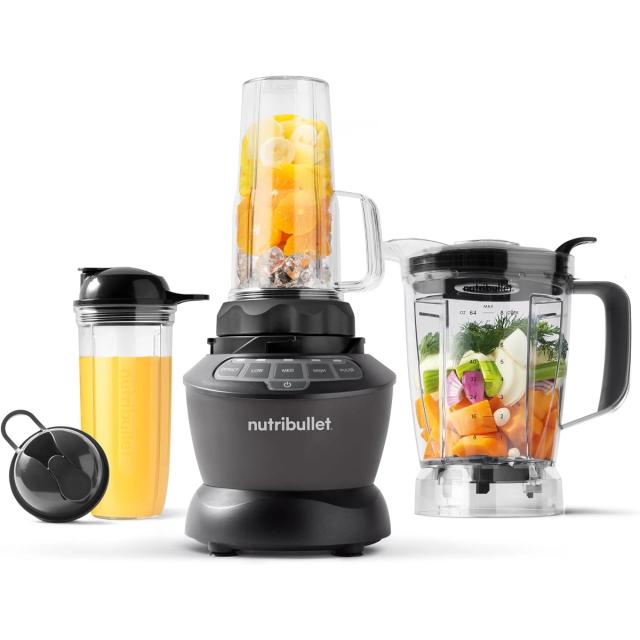
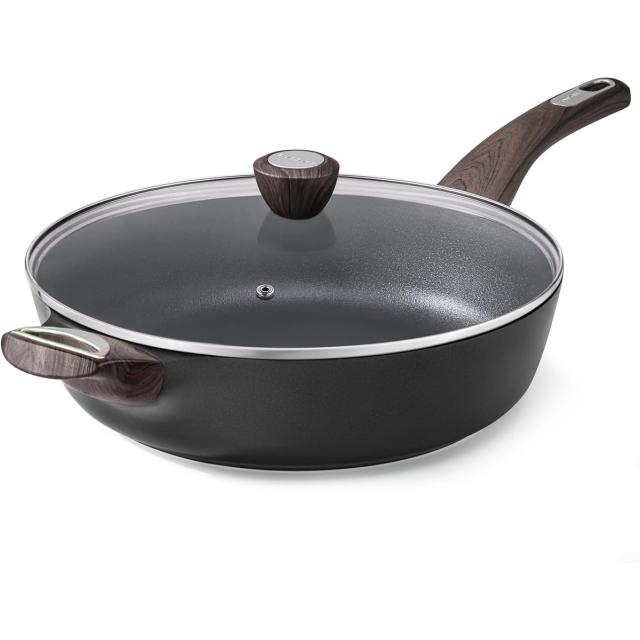
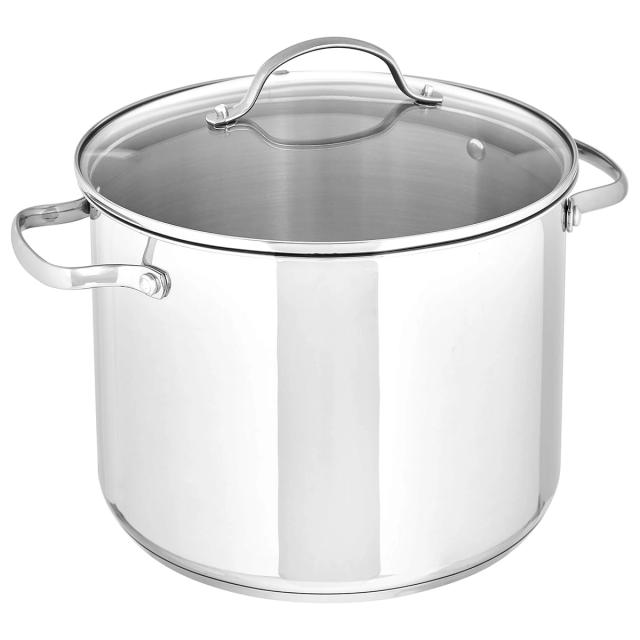
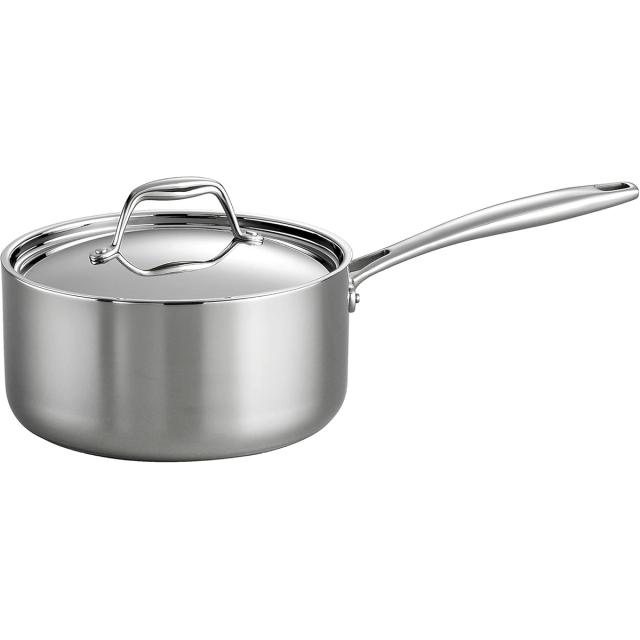
Equipment
As an Amazon Associate I earn from qualifying purchases, at no extra cost to you.
Instructions
- 1
Soften the cashews
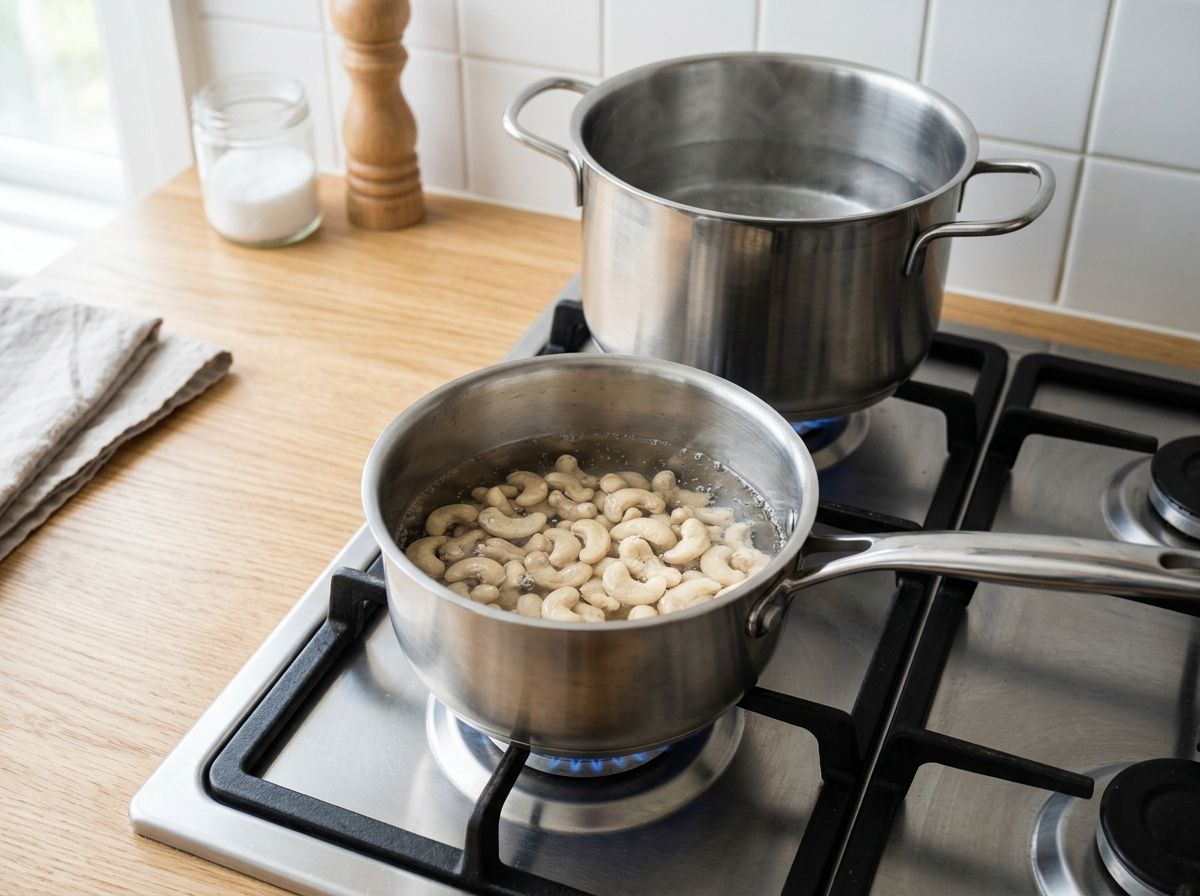
Put the cashews in a small saucepan, cover with plenty of water and bring to a boil. Simmer for 12 minutes, until a cashew crushes flat between two fingers, then drain and rinse. Meanwhile, bring a large pot of well salted water to a boil for the pasta.
- 2
Cook the garlic gently
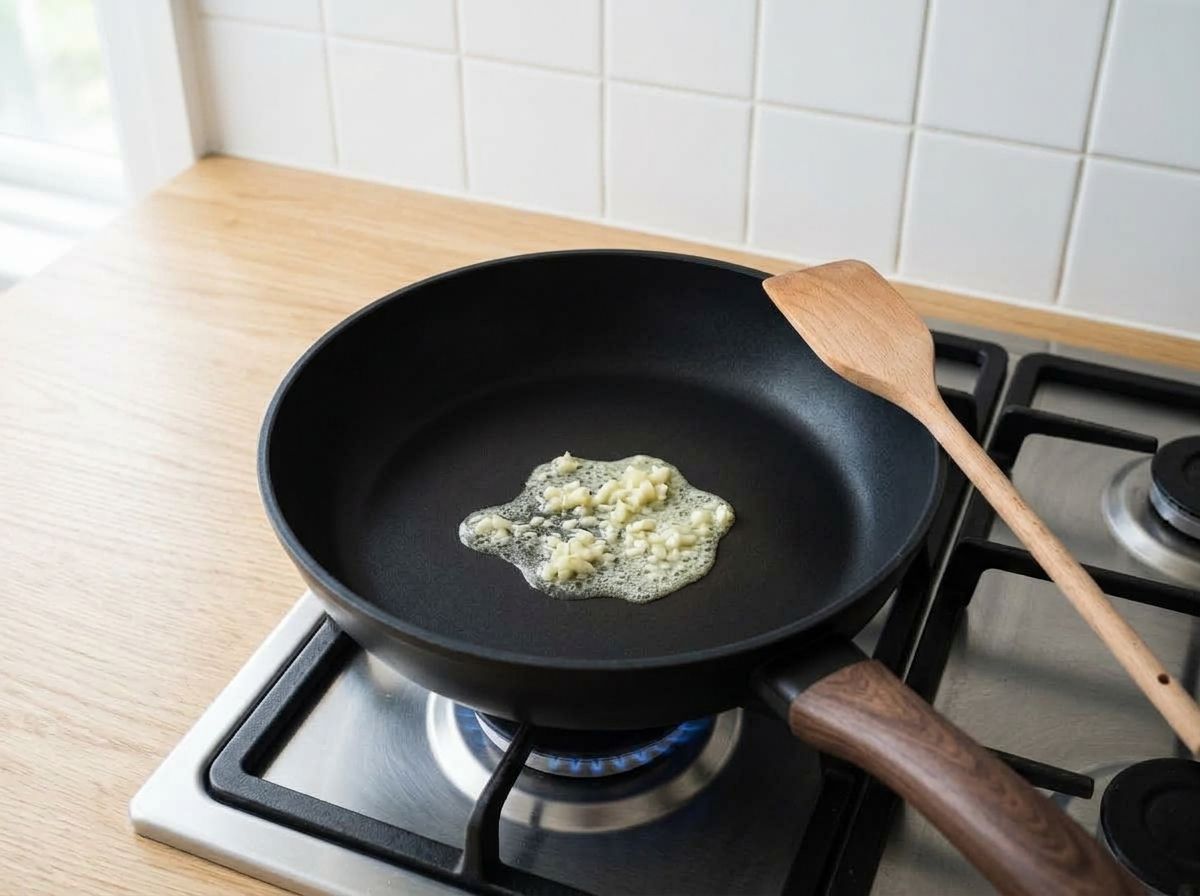
Melt the vegan butter in a large skillet over medium-low heat. Add the garlic and cook for 1 to 2 minutes, stirring, until it smells sweet and has softened without taking on any color. Scrape the garlic and butter into the blender and set the skillet aside.
- 3
Blend the sauce
Add the drained cashews, vegetable broth, nutritional yeast, lemon juice, miso if using, ½ teaspoon salt and a few grinds of pepper to the blender. Blend on high for a full 1 to 2 minutes, stopping once to scrape the sides, until completely smooth with no grit when a drop is rubbed between two fingers. It should pour like heavy cream; it will thicken in the pan.
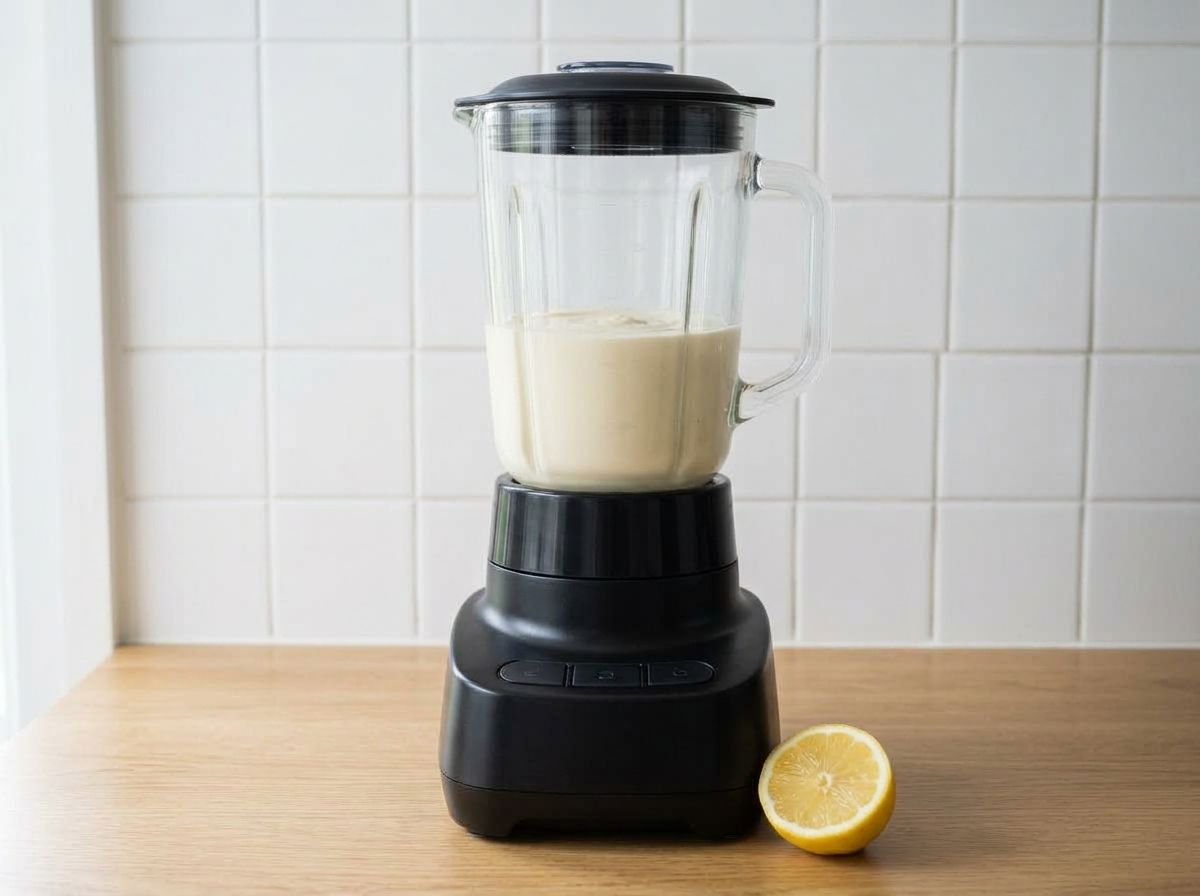
- 4
Cook the fettuccine
Cook the fettuccine in the boiling salted water for 1 minute less than the packet says, until just al dente. Before draining, scoop out 1 cup (250 ml) of the cooking water and keep it. Drain the pasta and do not rinse it.
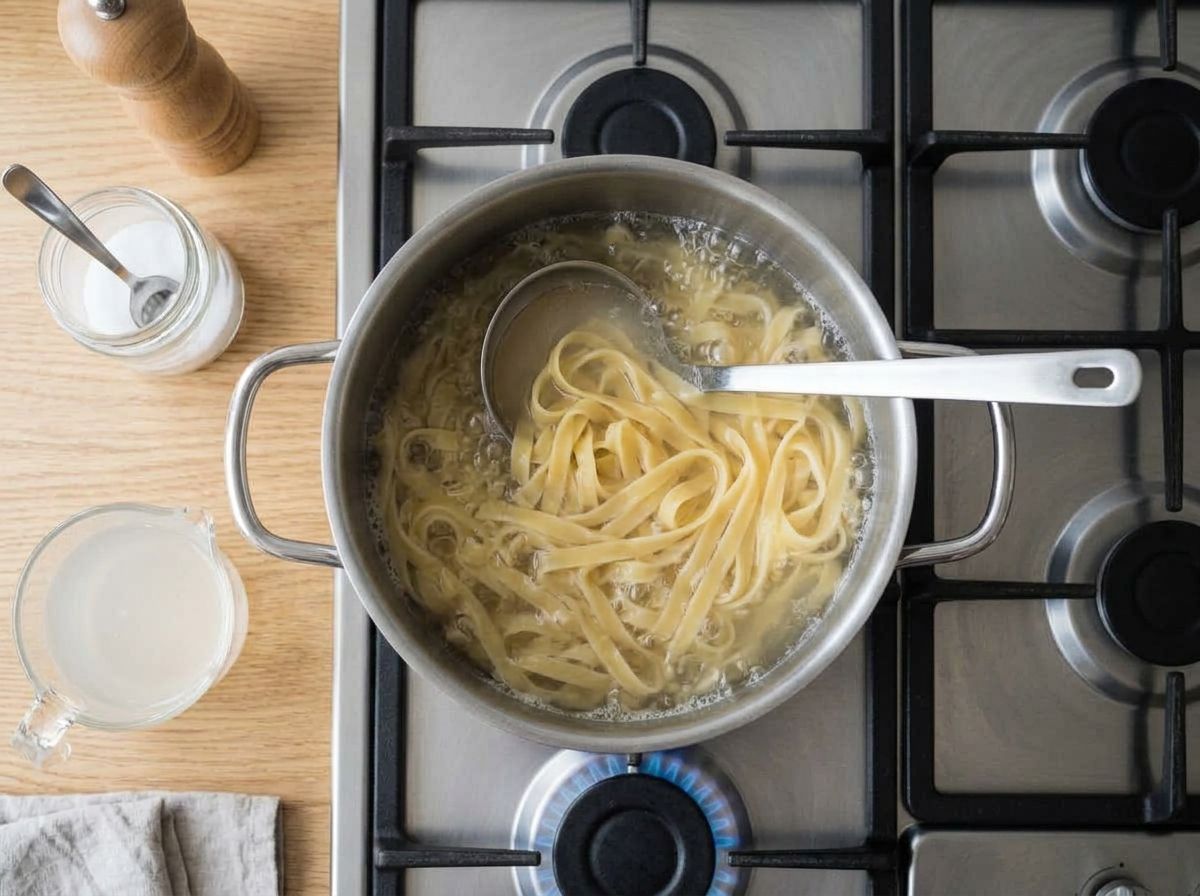
- 5
Toss the pasta with the sauce
Pour the sauce into the skillet over medium-low heat and warm it for a minute without letting it boil. Add the drained fettuccine and half the reserved pasta water, and toss with tongs for 1 to 2 minutes until the sauce turns glossy and coats every strand, adding more pasta water a splash at a time. It should flow off a lifted strand rather than sit on it. Off the heat, taste and adjust the salt and pepper, and grate in a little nutmeg if using.
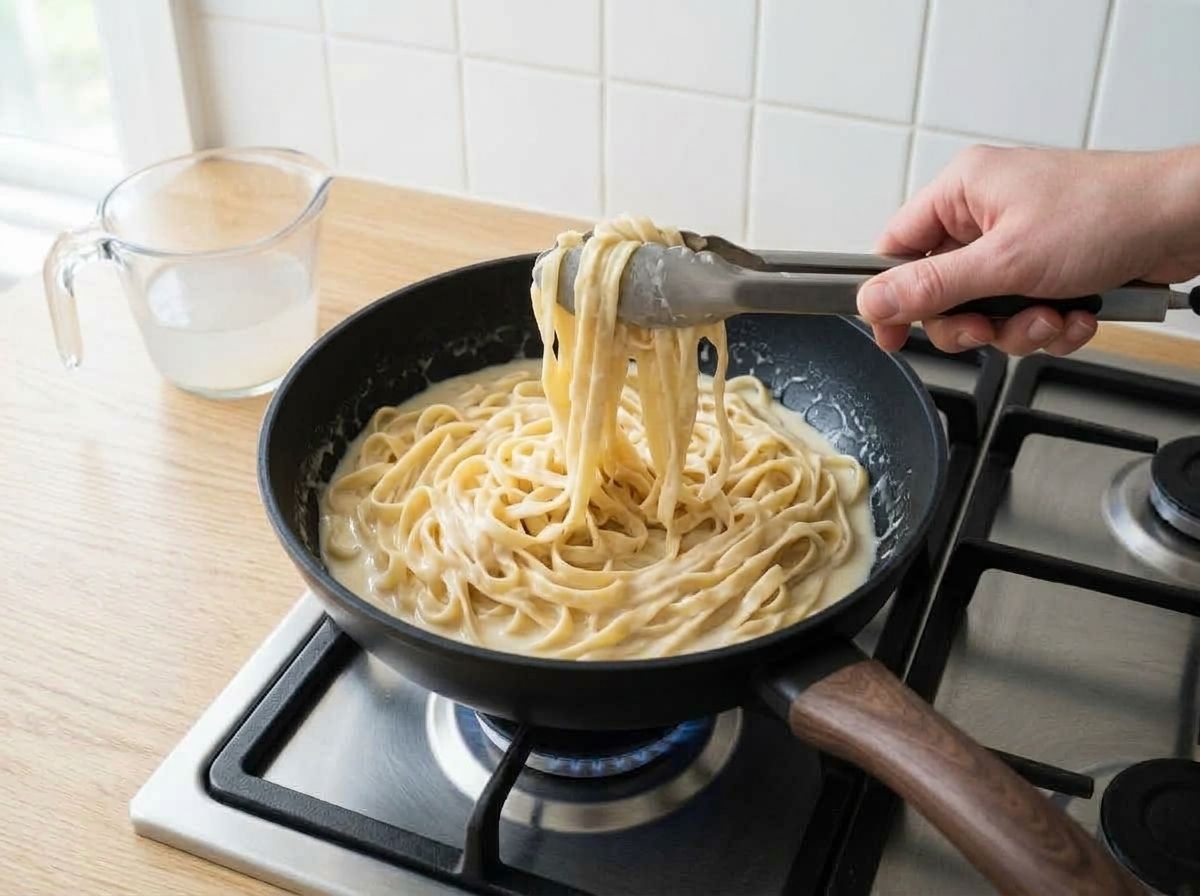
- 6
Serve at once
Divide between warmed bowls, scatter with parsley if using, and finish with more black pepper. Serve immediately; the sauce tightens as it cools.
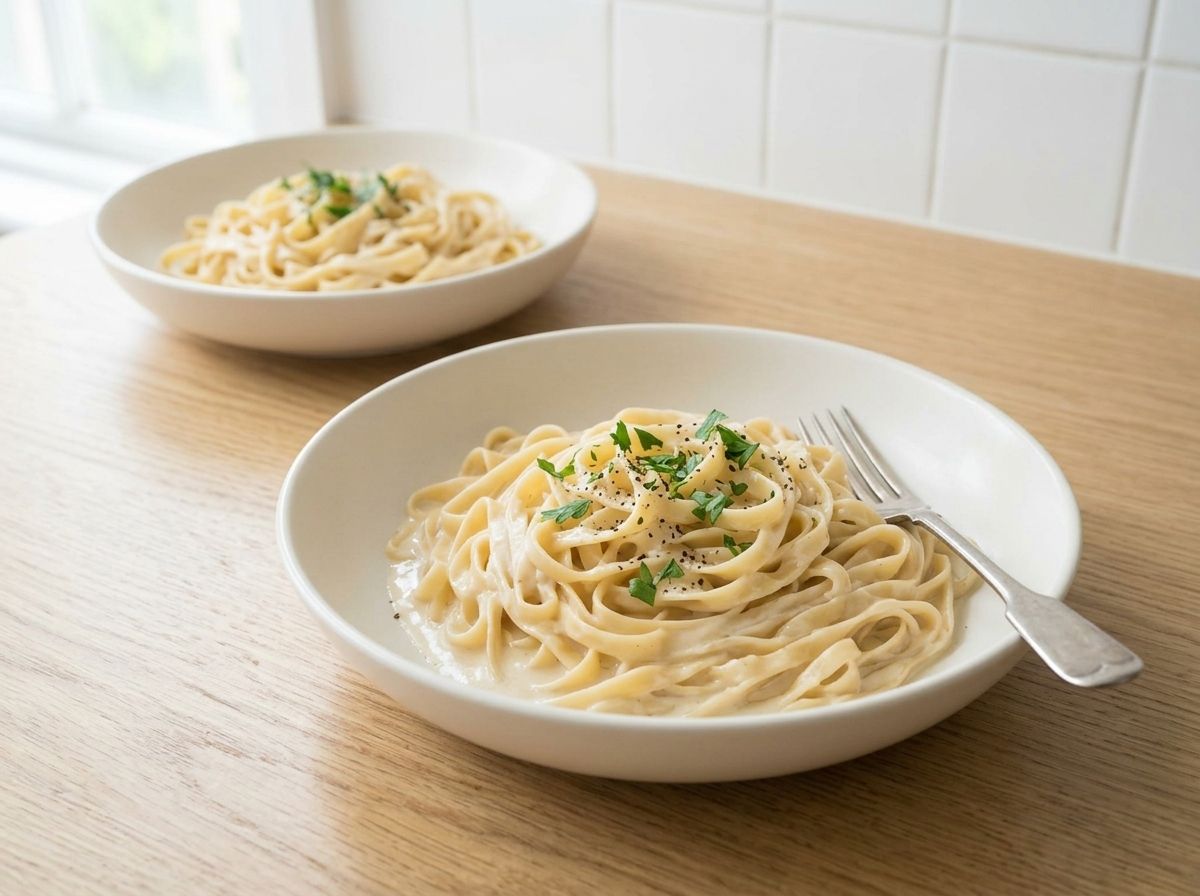
Notes
To soak instead of simmer, cover the cashews with cold water and refrigerate for 4 hours or overnight, then drain and skip the simmer in step 1.
Vegetables go in with the pasta in step 5, cooked separately first. Mushrooms in particular need to be fried hard in their own pan or they water the sauce down.
Nutrition Facts
4 servings · 191 g per serving
- Calories
- 538 kcal
% Daily Value*
- Total Fat
- 19 g24%
- Saturated Fat
- 3.8 g19%
- Sodium
- 547 mg24%
- Total Carbohydrate
- 74.6 g27%
- Dietary Fiber
- 4.8 g17%
- Sugars
- 4.2 g—
- Protein
- 19.8 g40%
Recipe from veggierecipes.blog
When it goes wrong
Troubleshooting
The sauce is gritty
The cashews were not soft enough, the blender did not run long enough, or both. Simmer until one crushes flat between two fingers with no resistance, at least twelve minutes from a rolling boil, then blend for a full two minutes, longer than feels necessary. With a standard jug blender, blend the cashews with the broth alone first, then add the rest. If it is already grainy, push it through a fine sieve with the back of a ladle.
It turned thick and gluey the moment it hit the pan
This is what cashew sauces do. Above a gentle simmer the starch and protein in the nuts set, and a sauce that poured like cream turns closer to hummus. Keep the heat at medium-low, never let it boil, and loosen it with the reserved pasta water a splash at a time while tossing. The sauce should flow off a lifted strand rather than sit on it. If it has seized, take the pan off the heat and whisk in warm water a tablespoon at a time.
It tastes of raw garlic
The garlic went into the blender raw, which is how many vegan Alfredo recipes are written and why so many taste sharp. Raw garlic in a cold blended sauce stays raw; two or three minutes in a warm pan afterwards does not tame it. Cook the minced garlic gently in the butter first, until it smells sweet and has taken on no color, and blend it in with its butter. If it is already blended raw, warm the sauce over low heat for a few extra minutes before the pasta goes in.
It tastes flat
Almost always under-salted. Cashews and pasta both absorb a surprising amount of salt, and a low-sodium broth leaves almost none in the pan. Salt the pasta water properly, a tablespoon to four liters, and taste the finished dish with the pasta in it rather than the sauce alone. Next reach for a squeeze more lemon, which does the job the sharpness of aged cheese does in the original. Salted, sour and still dull means it needed the miso.
The sauce is beige or tan instead of white
One of three things: a dark broth, roasted cashews, or garlic that browned. Dark stock is the usual culprit, and water with a pinch more salt fixes it. Roasted cashews cannot be undone. Browned garlic tastes bitter as well as looking wrong, so start it in a barely warm pan and keep the heat low. Pale butter and a light broth give a sauce the color of double cream.
The pasta clumped into a block while I made the sauce
The order was wrong. Drained fettuccine glues itself together within a minute or two, and rinsing it to stop that washes off the surface starch the sauce needs to cling to. Make the sauce first, while the pasta water heats, so it is waiting in the blender jug, and take the pasta straight from the colander to the pan. If it has already clumped, drop it back into the hot cooking water for twenty seconds and lift it out with tongs.
Before you serve
Serving & Storage
In Rome the dish is tossed and eaten in the same minute, in a warmed bowl, with more black pepper and nothing else. That is still the best way to eat it. The sauce is at its glossiest the moment it comes together and tightens as it cools, so warm the bowls, get everyone to the table before you toss, and serve straight from the pan.
It is rich, so what goes alongside should be sharp and green. A salad of bitter leaves, radicchio or arugula or chicory, dressed with lemon and a little oil, is the classic foil, and garlicky sautéed spinach or roasted broccoli with lemon both work. Vegetables in the pasta itself go in at the end, cooked separately: mushrooms need frying hard in their own pan until browned or they release water into the sauce and thin it, while frozen peas can go into the pasta water for the last minute. Garlic bread is an American habit rather than a Roman one, but nobody will complain.
Making it ahead
The sauce keeps in a sealed jar in the fridge for four days and freezes for three months, which makes a double batch of sauce alone worth doing. It sets to a thick paste when cold. Warm it in a pan over low heat with a few tablespoons of water, whisking until it pours, then treat it as freshly blended: cook the pasta, reserve the water, toss. A thawed batch may look slightly split; a whisk or ten seconds in the blender brings it back. Do not cook the pasta ahead. Fettuccine that sits dressed for even half an hour goes soft and the sauce goes matte, and there is no rescuing that.
Storing leftovers
Dressed leftovers keep for three days in an airtight container and will be a solid block when you open it. Reheat in a skillet over low heat with a generous splash of water, about a quarter cup for two portions, tossing until the sauce loosens and coats the strands again. The microwave works only with water added and a stir halfway; blasted dry, the pasta edges harden and the sauce turns oily and grainy. Reheat once, and do not freeze the dressed pasta; the sauce survives freezing but the fettuccine does not.
Still wondering
Frequently Asked Questions
Can I make vegan fettuccine Alfredo gluten-free?
Yes, with one adjustment. Gluten-free fettuccine as such is rare, so look for gluten-free tagliatelle or linguine, usually brown rice or a corn and rice blend. These shed far more starch than wheat pasta, so the reserved cooking water will be cloudy and thick; use about half as much as the recipe calls for and thin with plain hot water if needed. Cook it a full minute under the packet time, because it goes from firm to mushy faster than wheat. Everything else is naturally gluten-free, with one check: if you use miso, pick a rice-based shiro rather than a barley one.
Can I make it without cashews?
Three swaps work, in order of preference. Raw sunflower seeds go in at the same weight, 140 g, simmered the same way; the sauce is slightly earthier and a shade grayer, but close. Silken tofu is the nut-free option that stays white: a 300 g block in place of the cashews, with the broth cut to 120 ml because the tofu brings its own water. It is lighter, so be generous with the butter. A drained 400 g can of cannellini beans also blends smooth, but the bean flavor comes through and it needs more lemon and salt to taste like a sauce rather than a dip.
How much fettuccine per person, and can I double it?
The recipe uses 85 g of dried pasta per person, a main-course portion by Italian standards; 340 g feeds four as a main or six as a first course. The sauce doubles in one blender batch without adjustment. The pasta is the constraint: it needs about a liter of water per 100 g, so 680 g wants a very large pot or two ordinary ones, and no skillet will toss that much. For a double batch, drain the pasta, return it to its empty pot, and finish it there with the sauce and reserved water.
More Creamy Vegan Pasta Favorites
Made this?