
Spanakopita Recipe
Published
The soggy bottom everyone fears comes from the spinach, not the pastry, and it is fixed before the phyllo is even out of the box.
Jump To Recipe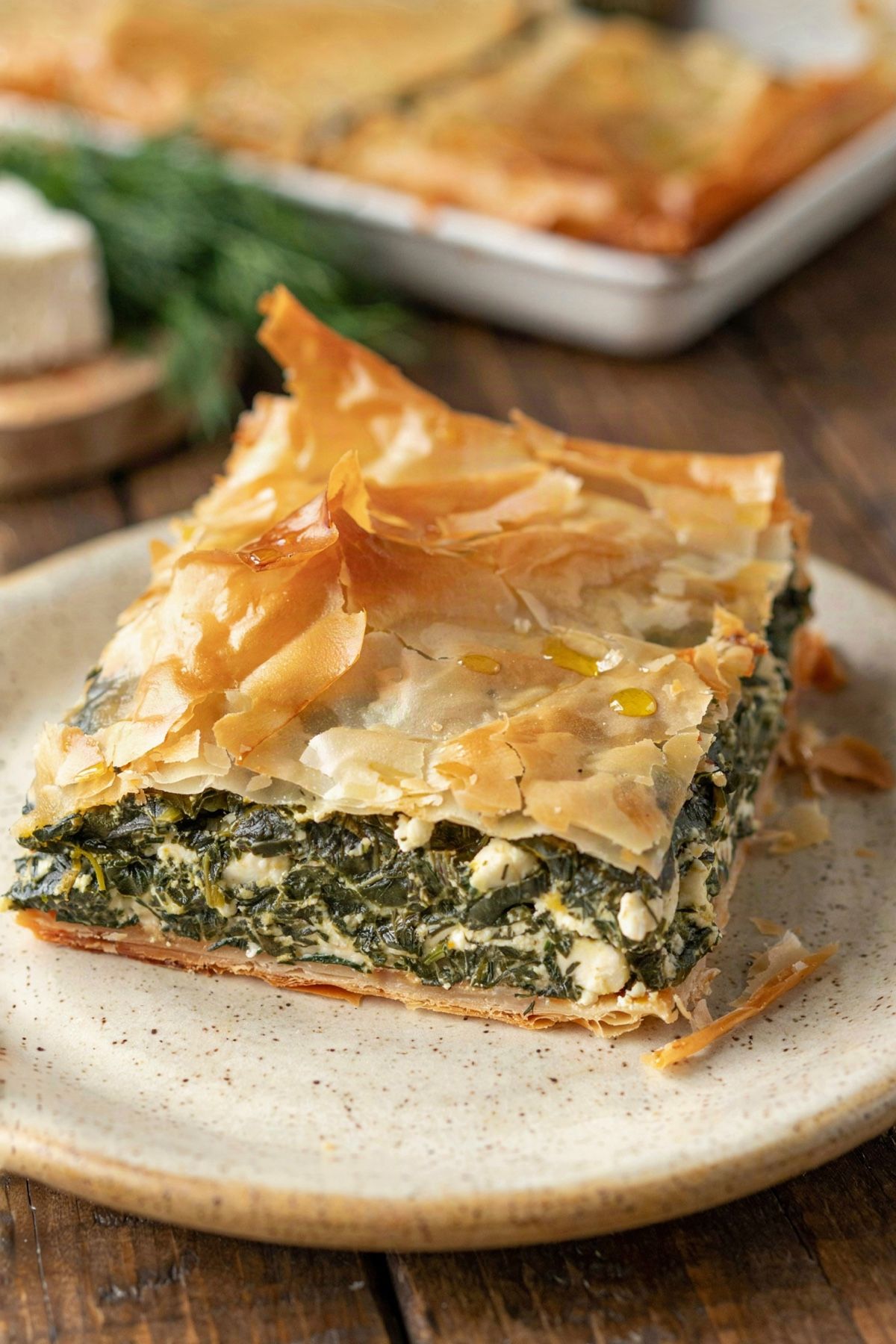
The Pie I Judge Every Greek Bakery By
My first spanakopita was a square from a bakery near a ferry port, eaten standing up at nine in the morning, and it set a standard I have been chasing since: a top that shattered all over my shirt, a bottom that was just as crisp, and a filling that was green and sharp with feta rather than a gray paste. Most of the spanakopita I have had since, including my own early attempts, failed on the bottom.
It took a few soggy trays to accept that the pastry was never the problem. Two pounds of spinach holds an astonishing amount of water, and if any of it is still there when the pie goes into the oven, it ends up in the bottom layers of phyllo. Now I cook the spinach until the pot is dry and then squeeze it again with my hands, and the bottom comes out golden every time.
Layering the phyllo looks fussy and is not. Brush, lay a sheet, brush, lay a sheet. Torn sheets do not matter in the middle, and nobody will ever know.
The story
Spanakopita Technically Has No Cheese In It
Spanaki is Greek for spinach and pita for pie, so spanakopita is simply spinach pie. Strictly speaking, the version with feta has a longer name: spanakotiropita, spinach and cheese pie, with tiri, cheese, in the middle. Greek bakeries label them separately, and in much of Greece a plain spanakopita is the pie made without any cheese or eggs at all. Outside Greece the short name has come to mean the feta version, which is what this recipe makes, and what nearly everyone searching for it wants.
The cheese-free version is the fasting one. The Orthodox calendar asks for long stretches without meat, dairy or eggs, including the seven weeks of Lent, and a pie of greens, herbs, onion and olive oil was what Greek kitchens made to fill them. It is called spanakopita nistisimi, fasting spinach pie, and it is vegan without trying to be.
Both belong to a much larger family. Greece has a pie for almost every vegetable, cheese and region, and the mountain villages of Epirus in the northwest are famous for them. Many of the oldest are hortopites, pies of whatever wild greens were growing: nettles, sorrel, chard, fennel fronds, dandelion. Spinach became the standard because it is easy to grow and to buy, but a mix of greens is still common at home.
Phyllo means leaf in Greek, and village cooks still roll their own, thicker and rougher than the paper-thin commercial sheets most of us buy. Either way, the pie is vegetarian as written, one of the few famous dishes in Greek cooking that never had meat in it to begin with.
What to buy
Ingredient Notes
Spinach
Two pounds of fresh mature spinach, the kind sold in bunches with stems, collapses to about three cups once it is cooked and squeezed. Baby spinach works but holds more water for its weight and has less flavor. Frozen chopped spinach is a fine substitute: use 20 oz, thaw it completely and squeeze it as hard as the fresh, then skip the wilting step.
Feta
Buy Greek feta sold as a block in brine, made from sheep’s or a mix of sheep’s and goat’s milk. Pre-crumbled feta is dry, coated in anti-caking powder and tastes of very little. Feta varies a lot in saltiness, which is why the recipe adds only a little salt and asks you to taste the filling before the eggs go in.
Phyllo
A 1 lb box of thawed phyllo, usually 18 to 20 sheets about 9 by 14 inches, fits a 9 by 13 inch dish with a little trimming. Thaw it overnight in the fridge, never on the counter, where the outer sheets sweat and glue together. Number 4 thickness is the standard; the thicker number 7 sheets are sturdier and less fussy if you are new to phyllo.
Olive oil
Greek home cooks brush their phyllo with olive oil, and it gives a crisper, lighter pastry than butter. Butter browns faster and tastes richer, and many bakeries use it or a mix of the two. Whichever you choose, brush every sheet right to the edges: dry patches are what crack, curl and burn.
Dill and scallions
These are what make spanakopita taste Greek rather than like a spinach quiche. Use a big handful of fresh dill, more than seems sensible, and both the green and white parts of the scallions. Dried dill cannot replace it. A leek, thinly sliced and softened with the onion, is a common addition.
Eggs
Three eggs bind two pounds of spinach and a block of feta into a filling that holds a clean square once the pie has rested. Fewer and the slices slump; more and the filling turns into a spinach omelet. Beat them before they go in, so they mix evenly through the greens.
Spanakopita
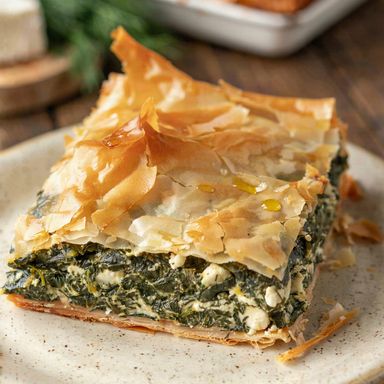
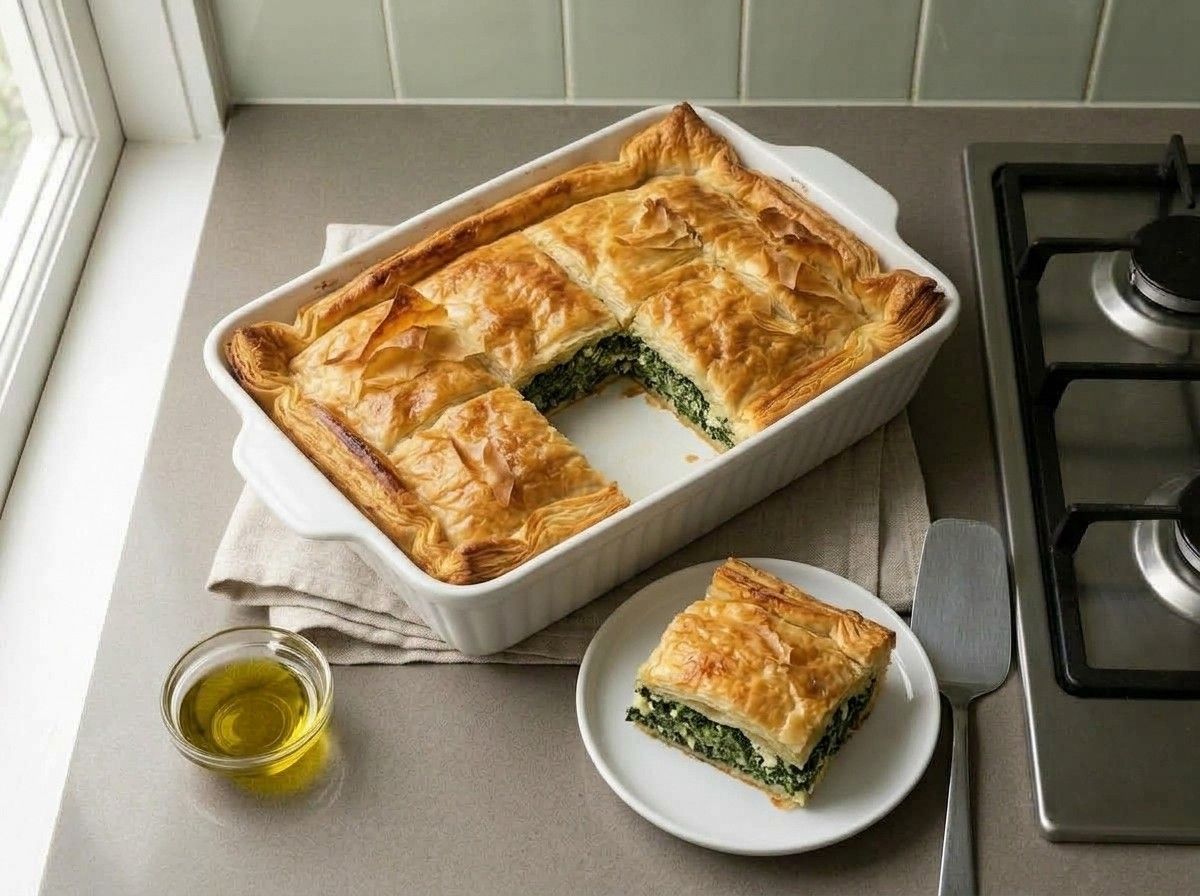
Greek spanakopita baked in a 9 by 13 inch dish: spinach cooked dry and squeezed, feta, dill, scallions and eggs between crisp layers of olive oil brushed phyllo.
Ingredients
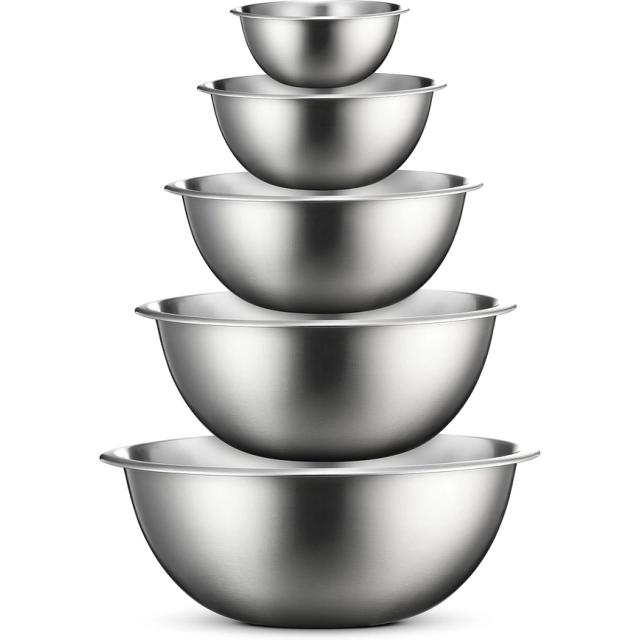
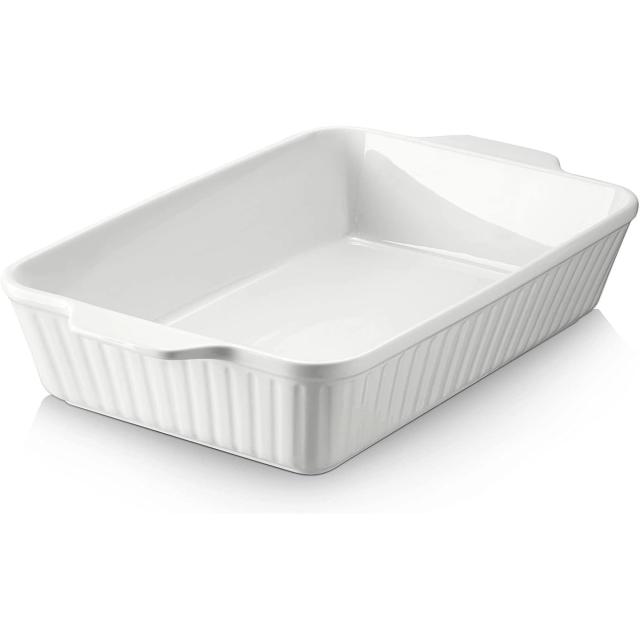
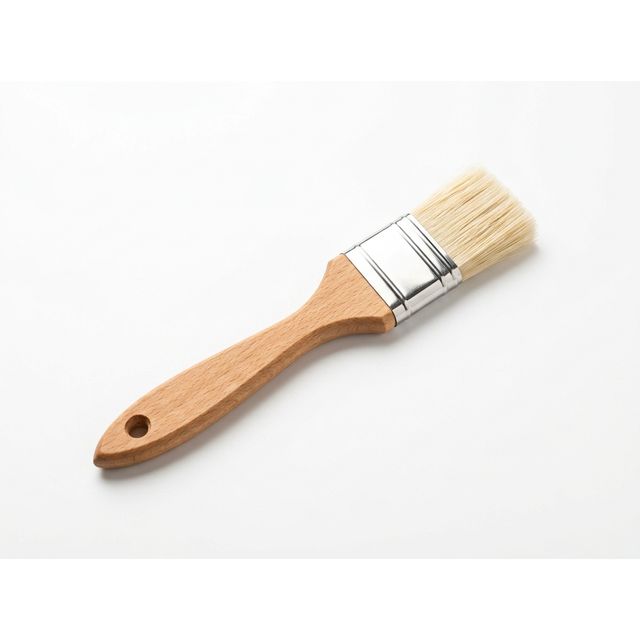
Equipment
As an Amazon Associate I earn from qualifying purchases, at no extra cost to you.
Instructions
- 1
Wash and chop the spinach
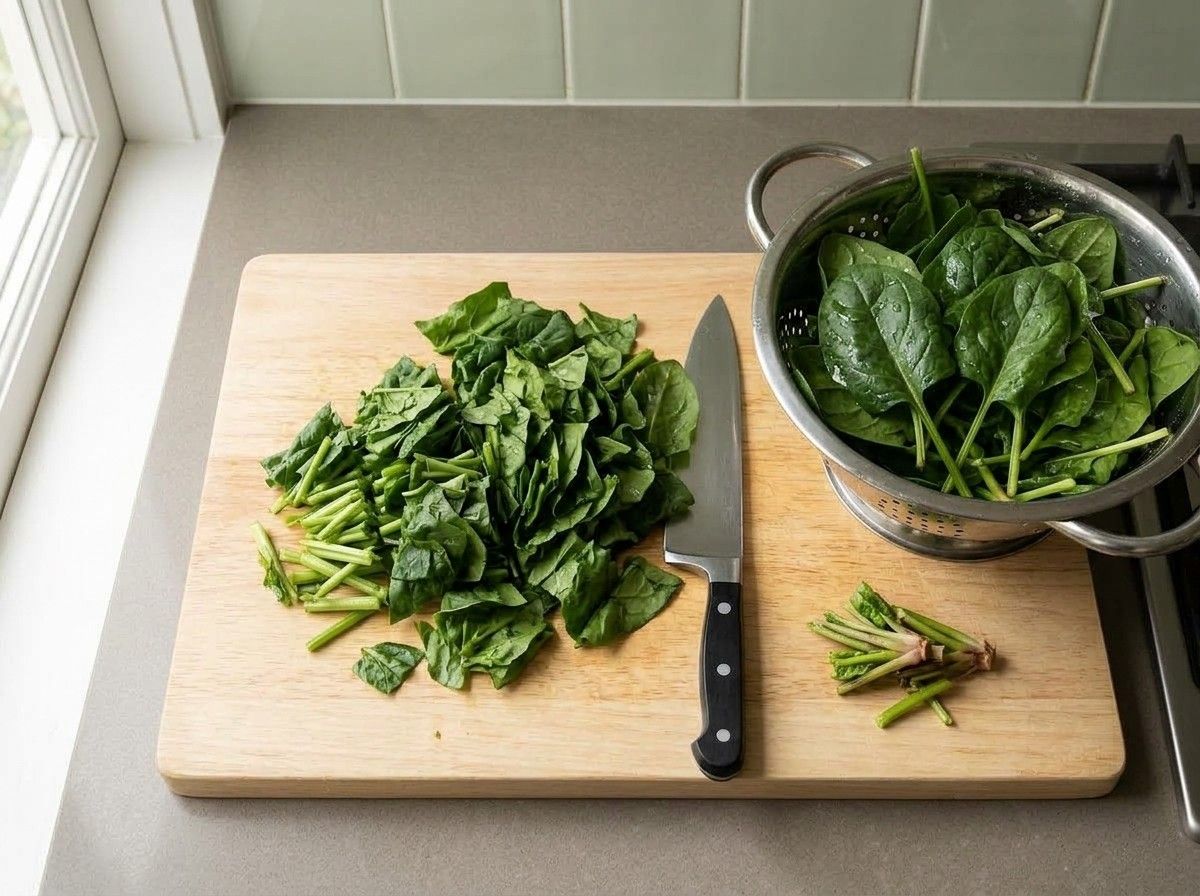
Trim the tough stem ends from the spinach, wash it well in a sink of cold water and lift it out, leaving the grit behind. Drain it in a colander and chop it roughly.
- 2
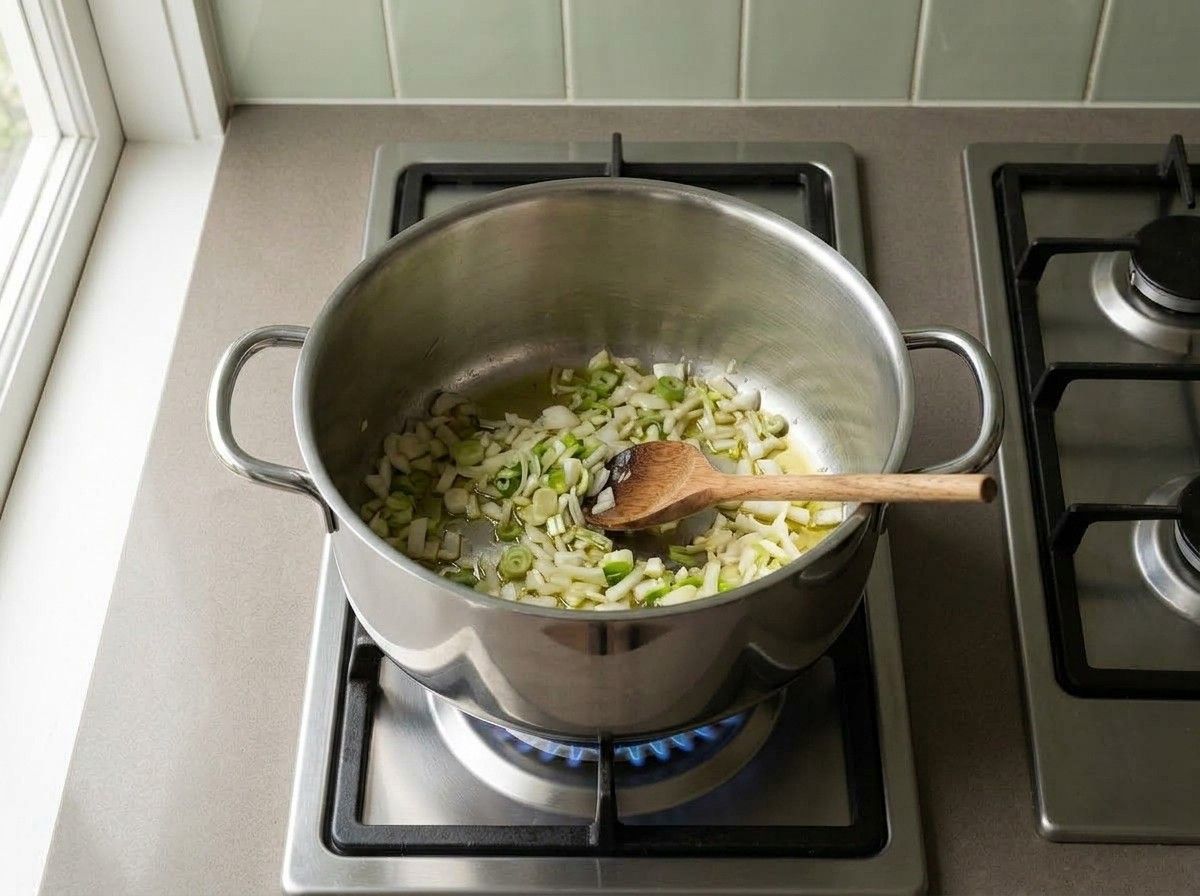
Soften the onion and scallions
Heat 1/4 cup of the olive oil in a large pot over medium heat. Add the onion and scallions and cook for 8 minutes, stirring often, until soft and translucent.
- 3
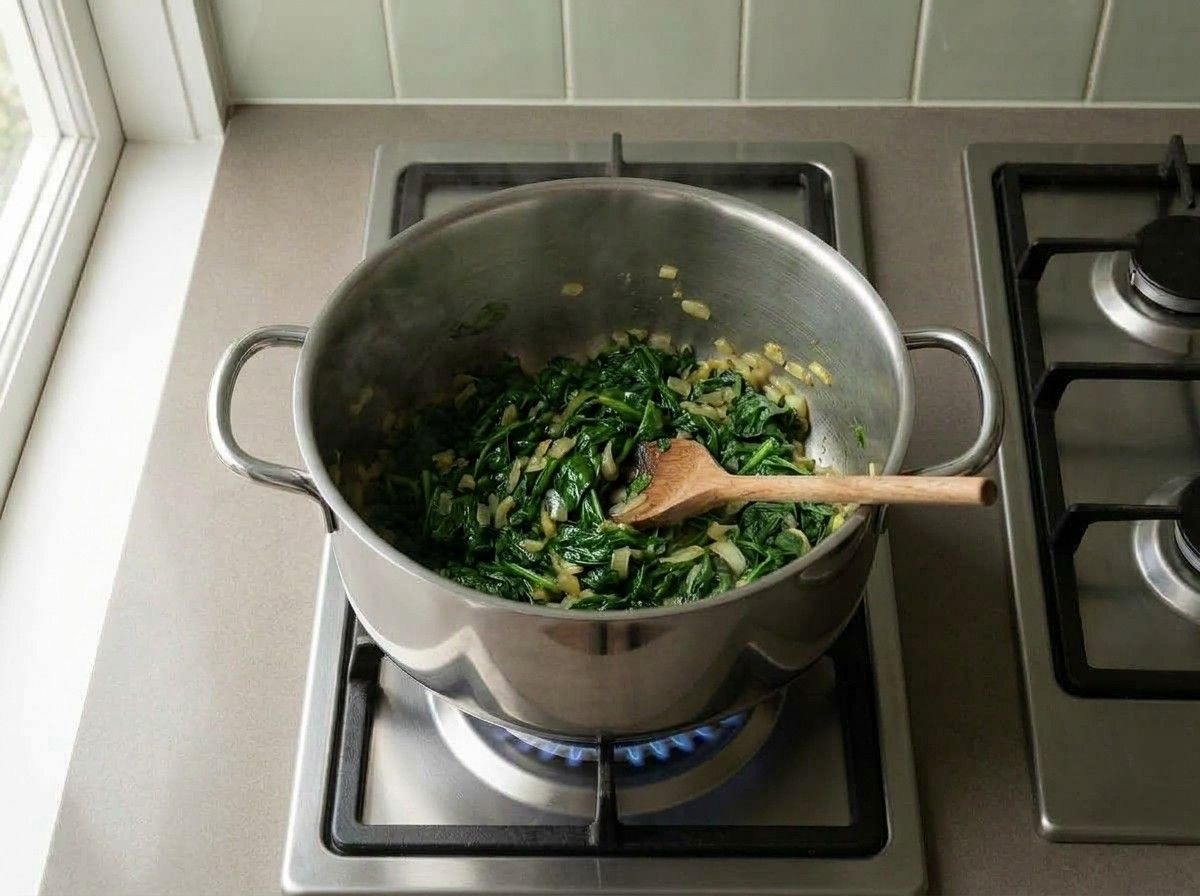
Wilt the spinach and cook it dry
Add the spinach a few handfuls at a time, stirring each batch until it collapses before adding the next. Keep cooking, stirring, for 8 to 10 minutes, until all the liquid it releases has evaporated and the bottom of the pot looks dry.
- 4
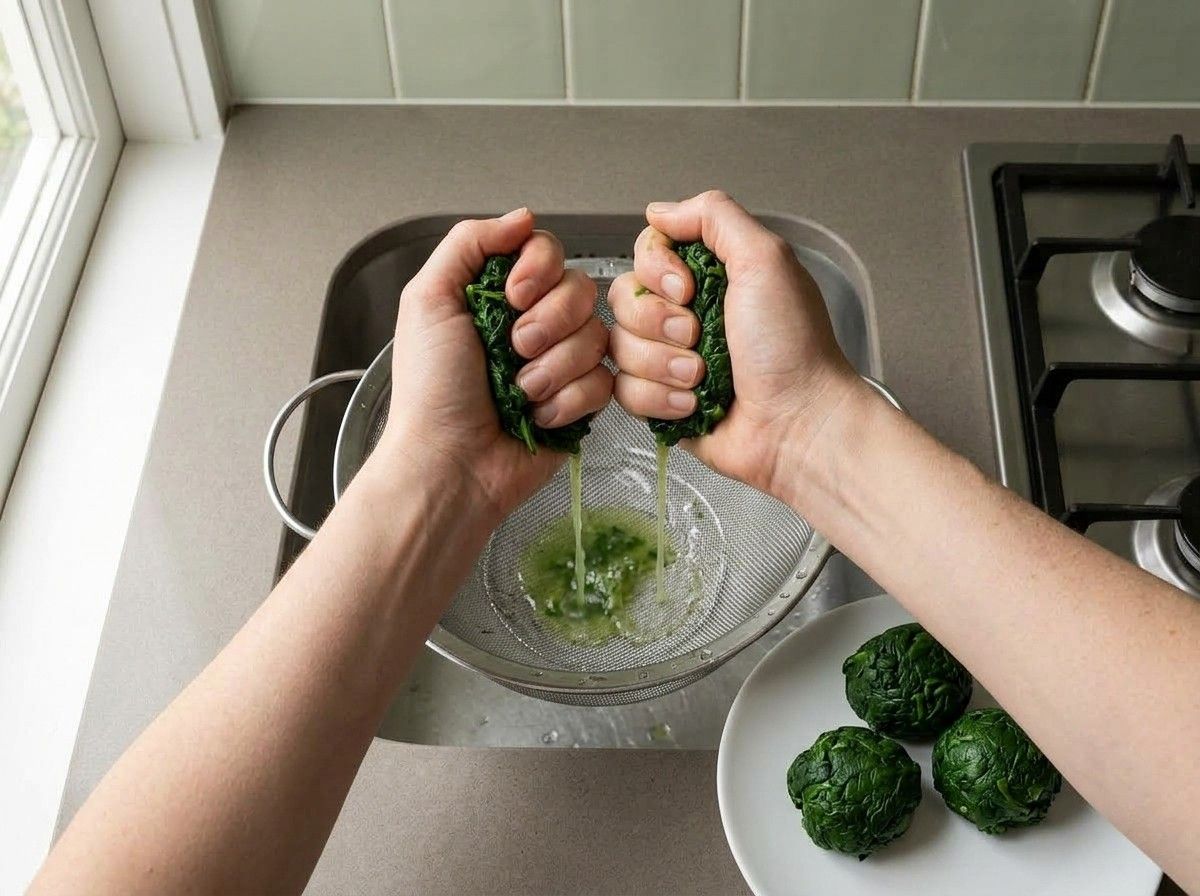
Cool and squeeze the spinach
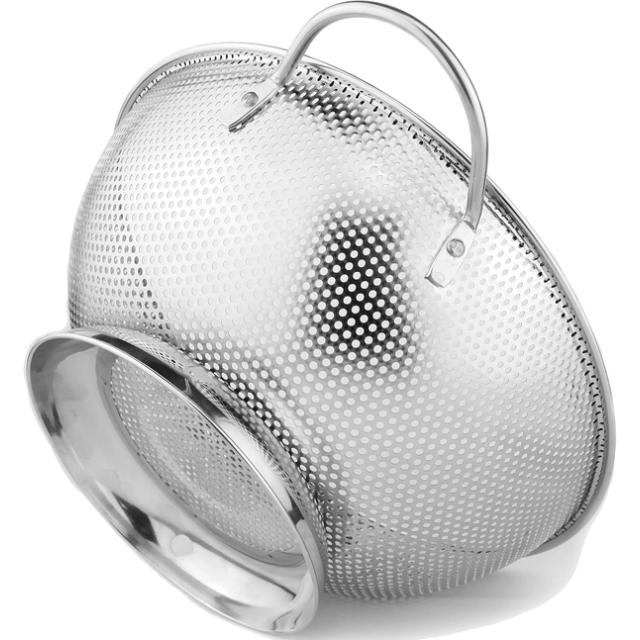
Tip the spinach into a colander and leave it to cool for 15 minutes. Then squeeze it by the handful, hard, until it is compact and only barely damp. Discard the liquid.
- 5
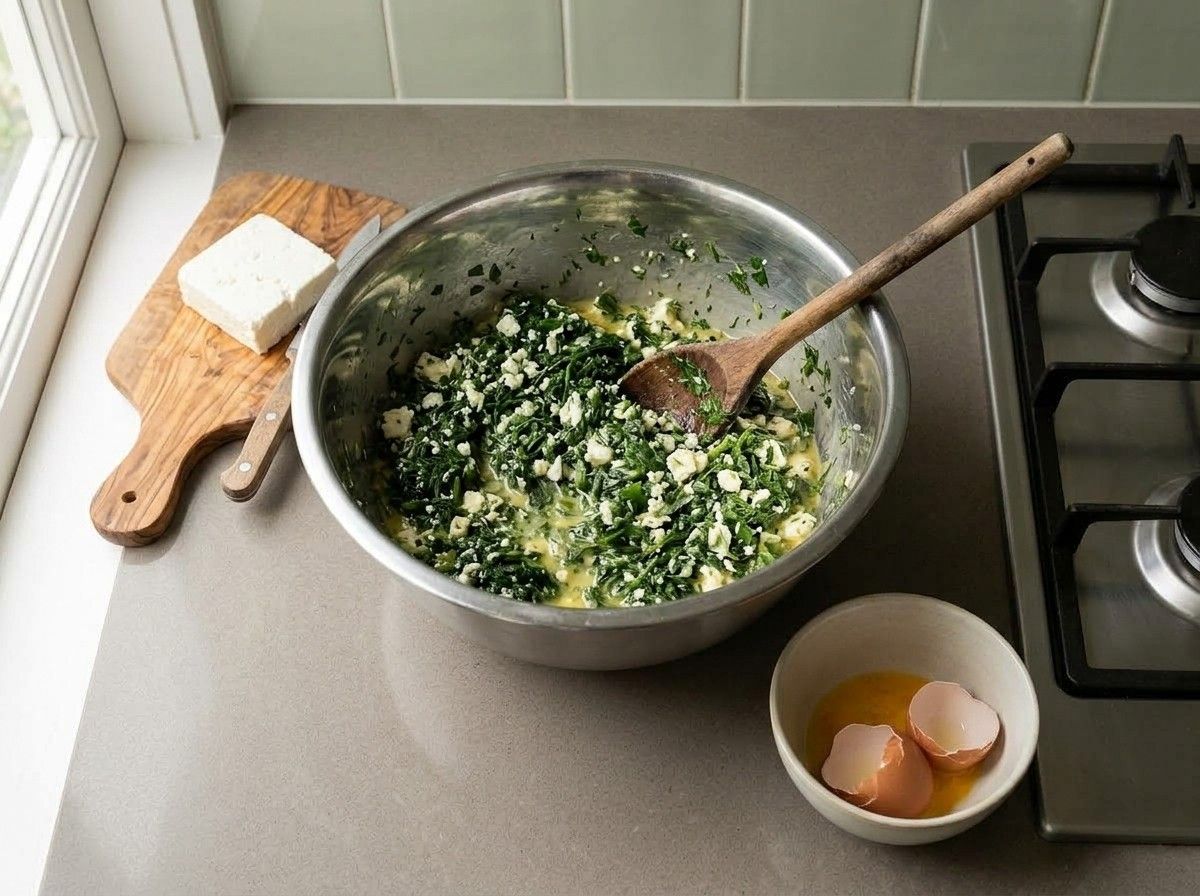
Mix the filling
Put the squeezed spinach in a large bowl and add the dill, parsley, mint, crumbled feta, pepper, nutmeg and salt. Mix well and taste for seasoning, then stir in the beaten eggs until evenly combined.
- 6
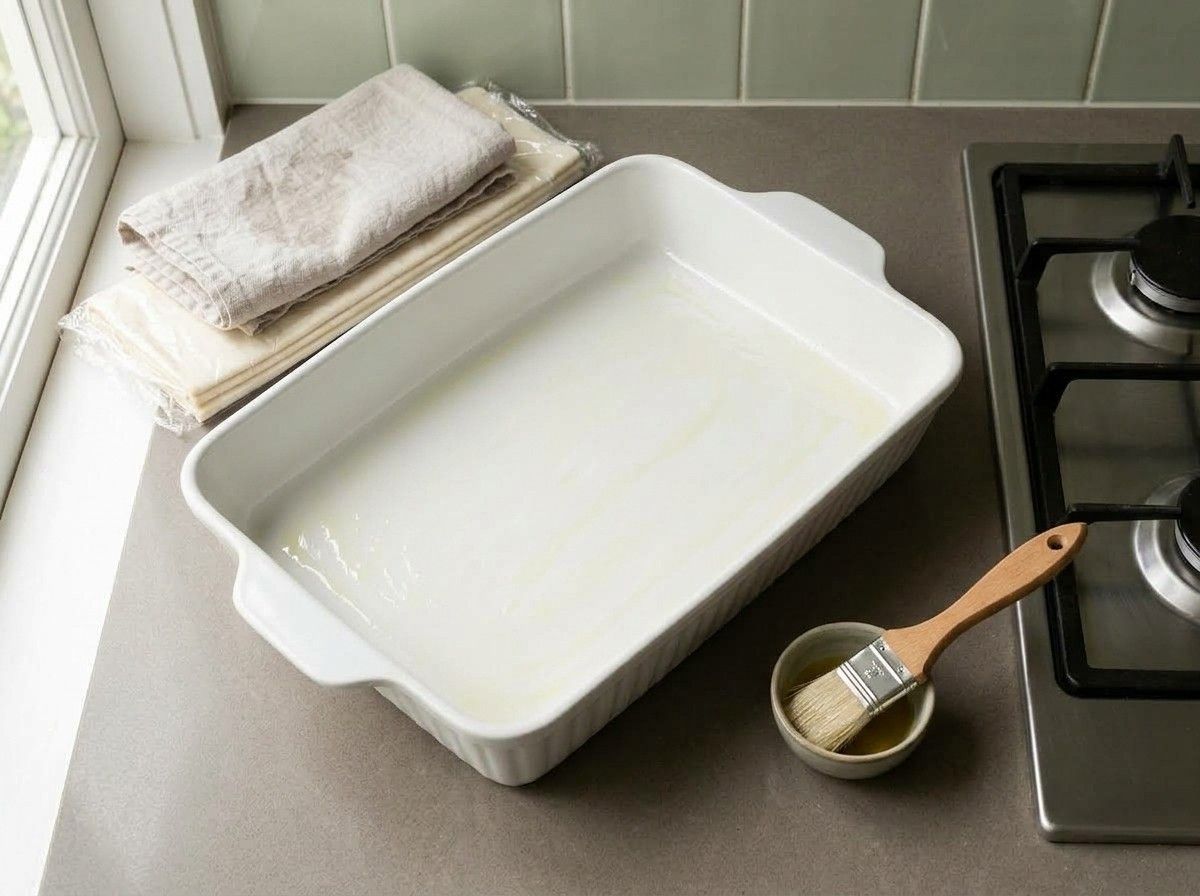
Oil the baking dish
Heat the oven to 350°F with a rack in the lowest position. Brush the base and sides of a 9 by 13 inch baking dish with olive oil. Unroll the phyllo and cover it with plastic wrap and a damp towel.
- 7
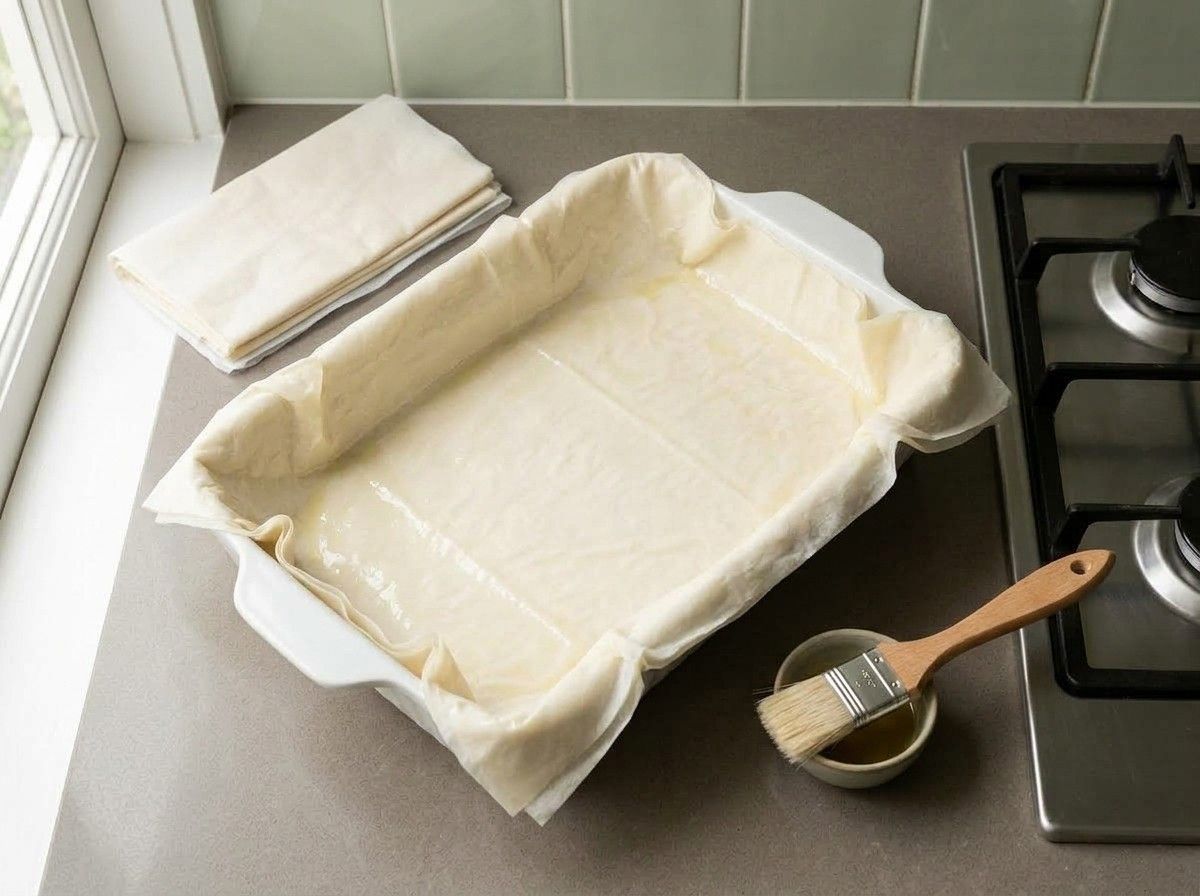
Layer the bottom phyllo
Lay one sheet of phyllo in the dish, letting the excess hang over the sides, and brush it all over with olive oil. Repeat with half of the sheets, about nine, brushing every one right to the edges.
- 8
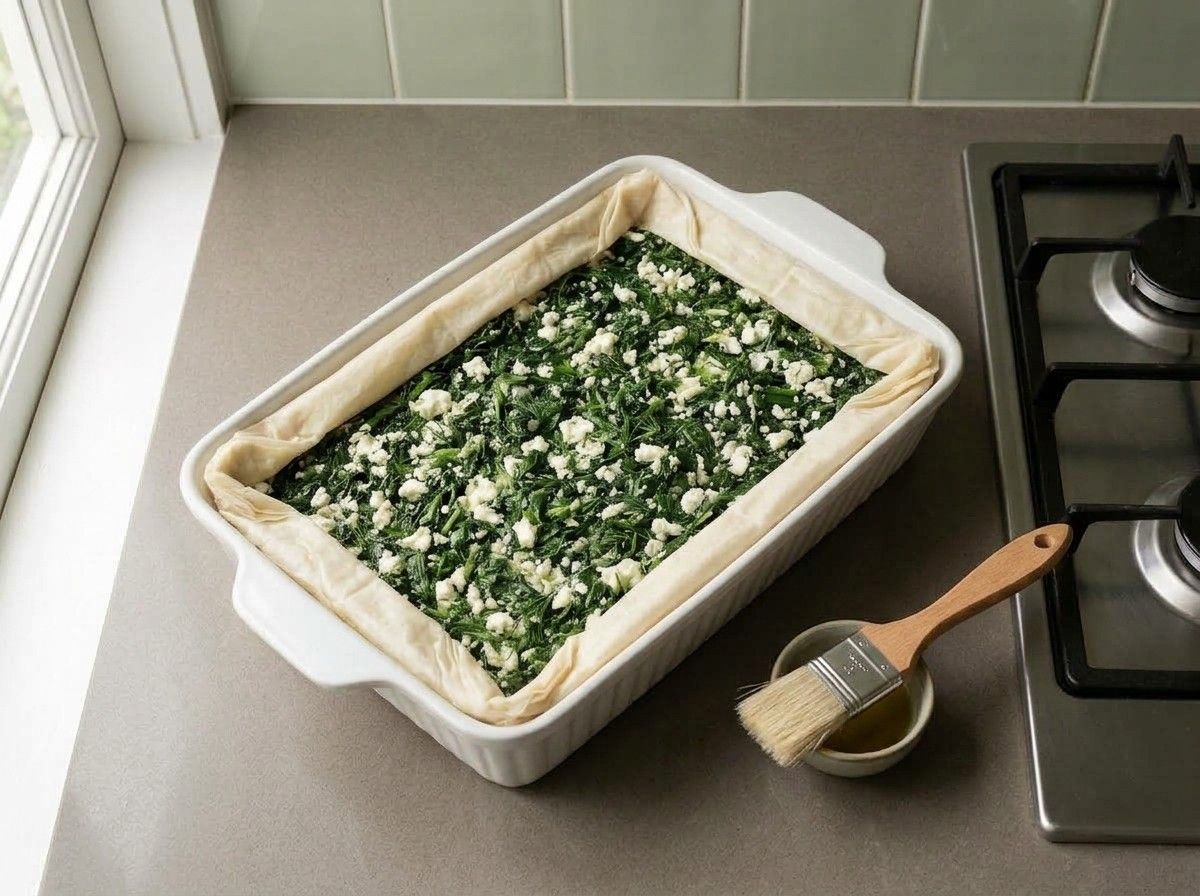
Fill the pie
Spread the filling over the phyllo in an even layer, pushing it into the corners, and fold the overhanging pastry back over the edges of the filling.
- 9
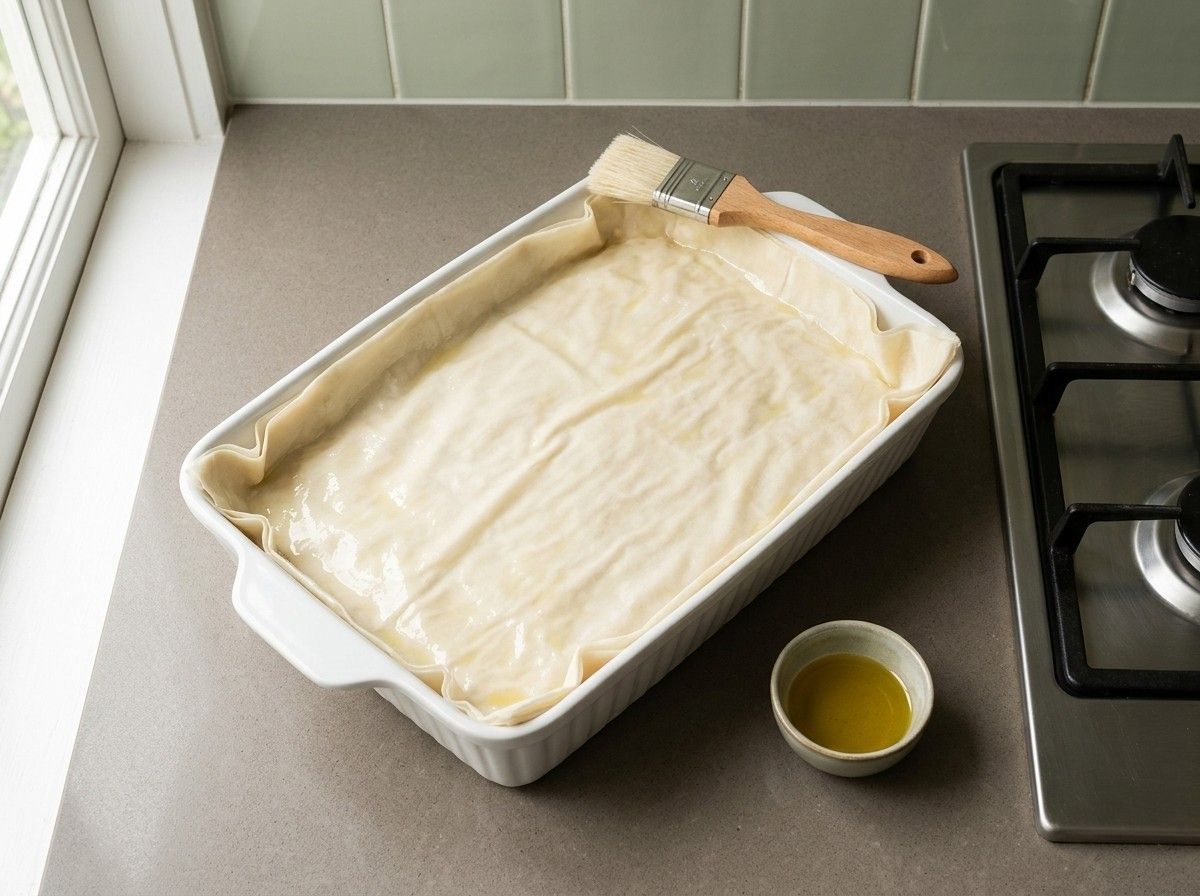
Layer the top phyllo
Cover the filling with the remaining sheets one at a time, brushing each with oil. Tuck the overhanging edges down the sides of the dish, then brush the top sheet generously.
- 10
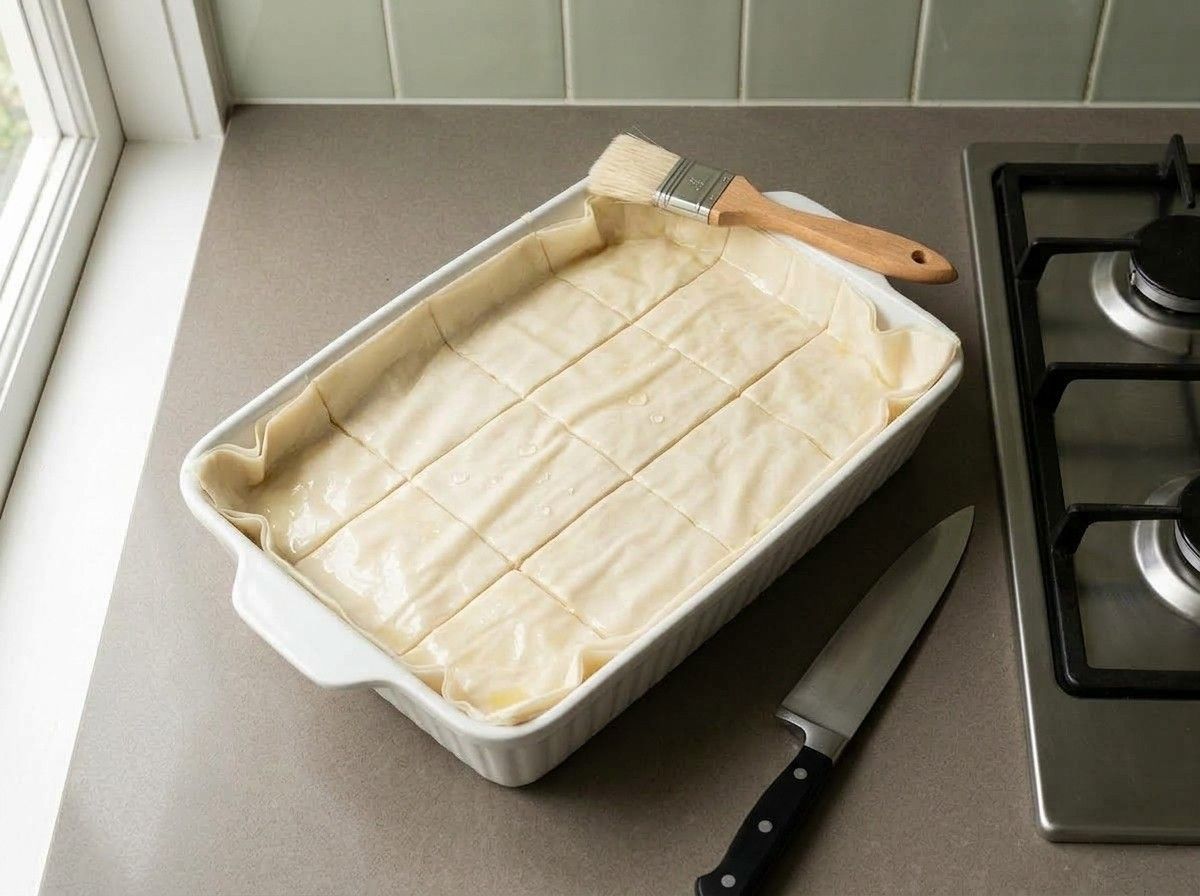
Score the top
With a sharp knife, cut through the top layers of phyllo into 12 squares, without cutting down into the filling. Flick a few drops of water over the surface.
- 11
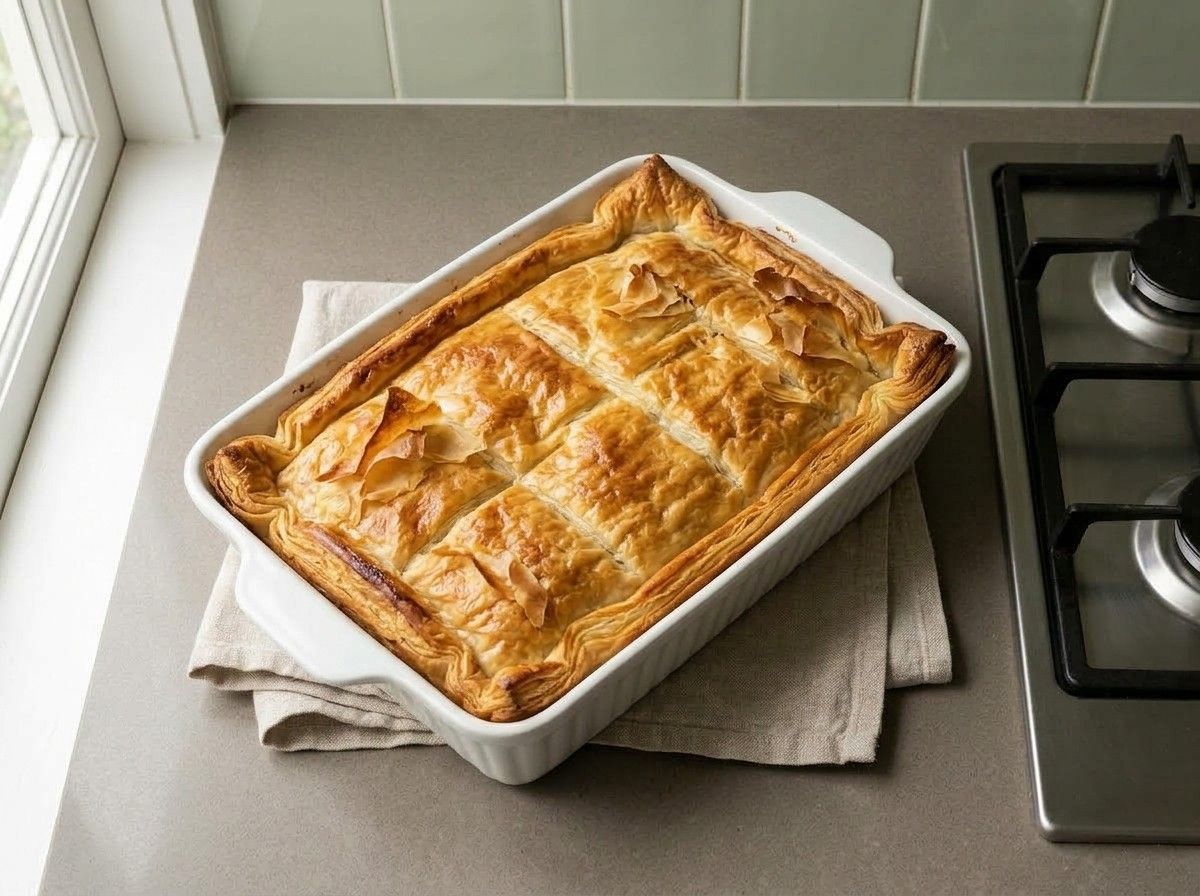
Bake until deep golden
Bake for 50 to 60 minutes, until the top is deep golden brown and crisp and the bottom is golden when you lift a corner with a spatula.
- 12
Rest and cut
Let the spanakopita rest in the dish for at least 15 minutes, so the filling sets. Cut along the scored lines right through to the bottom and lift out the squares.
Notes
Thaw frozen phyllo overnight in the fridge before you start; it is not counted in the times above.
Using frozen spinach, thaw 20 oz completely, squeeze it hard and add it to the softened onions for 3 minutes, then skip straight to mixing the filling.
Melted butter can replace some or all of the oil for brushing the phyllo. It browns faster, so check the top after 40 minutes.
Nutrition Facts
12 squares · 189 g per serving
- Calories
- 345 kcal
% Daily Value*
- Total Fat
- 22.9 g29%
- Saturated Fat
- 6.1 g31%
- Sodium
- 632 mg27%
- Total Carbohydrate
- 25.8 g9%
- Dietary Fiber
- 3 g11%
- Sugars
- 1.1 g—
- Protein
- 10.2 g20%
Recipe from veggierecipes.blog
When it goes wrong
Troubleshooting
The bottom is soggy and pale
The filling was wet, and the water ended up in the bottom phyllo. Cook the spinach until the pot is dry, let it cool, then squeeze it by the handful until it is compact and barely damp. Bake on the lowest rack, and go by the color of the bottom, not the clock: lift a corner with a spatula, or check through the base of a glass dish.
The phyllo kept cracking and tearing
It dried out while you worked. Unroll it only when the filling is ready, and keep the stack covered with plastic wrap and a damp towel, taking one sheet at a time. Tears in the middle layers do not matter at all; patch them with a scrap and keep going. Save the best sheets for the top.
The filling ran out when I cut it
It was cut too hot. The eggs keep setting as the pie cools, and spanakopita needs at least 15 minutes out of the oven before it will hold a square. If it is still loose after that, the filling was wet or underbaked, which shows up as a pale bottom too.
The top layers curled up and lifted off
The sheets were not oiled to the edges, or the top was not scored. Brush every sheet all over, score the top into squares before baking so steam can escape, and flick a few drops of water over the surface just before it goes in, which keeps the top layers from curling.
It tastes flat and grassy
It needs salt, acid or more herbs. Feta and spinach vary a lot, so taste the filling before you add the eggs and adjust it then. More dill, a little more feta or a grating of nutmeg are the usual fixes, and a squeeze of lemon over a slice at the table helps too.
The filling is dry and crumbly
It was overbaked, or the spinach was squeezed so hard it lost everything but fiber. The filling should be moist and soft when the pie comes out, set rather than dry. Pull the pie when the top is deep golden and the bottom is crisp, usually 50 to 60 minutes, and do not leave it in for color after that.
Before you serve
Serving & Storage
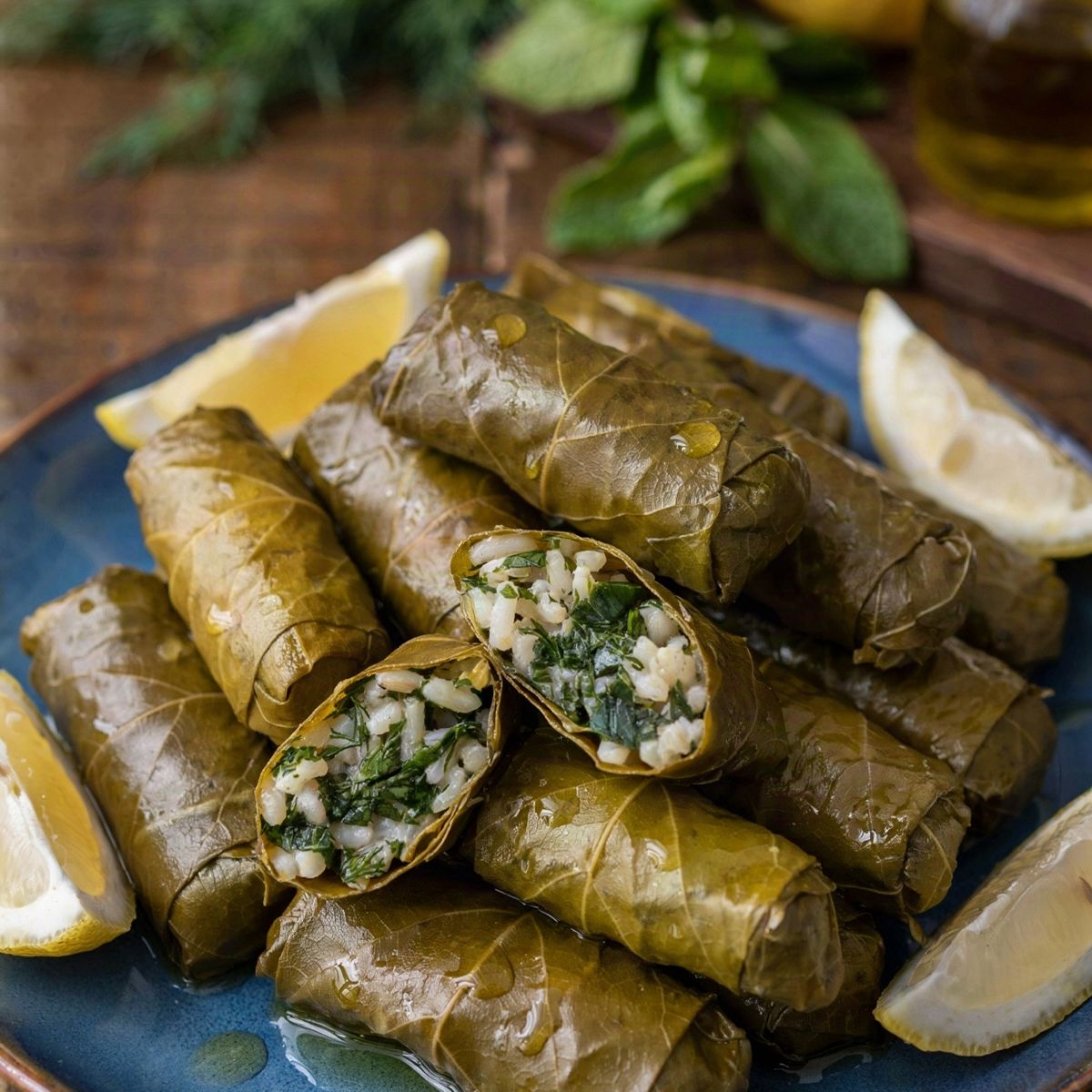
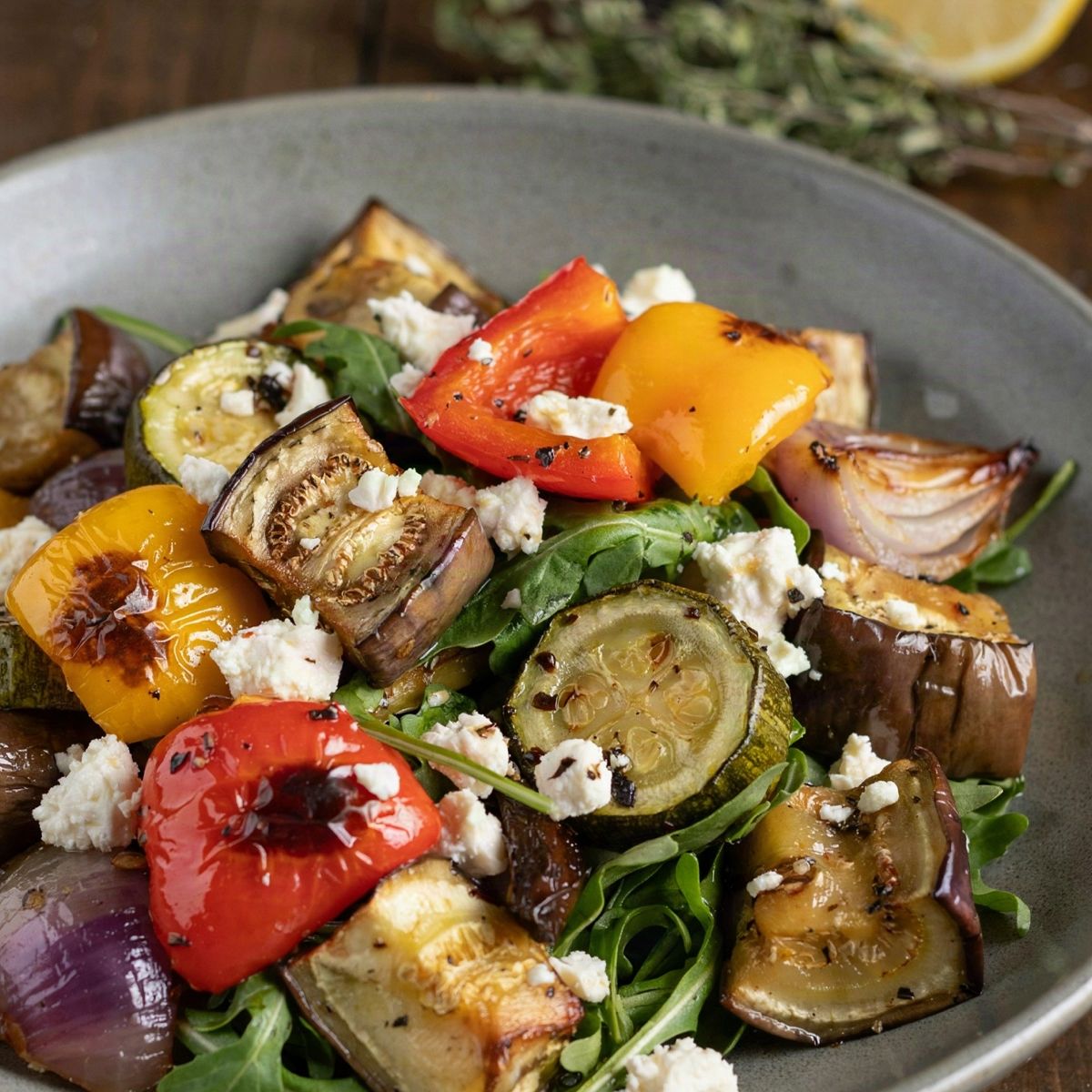
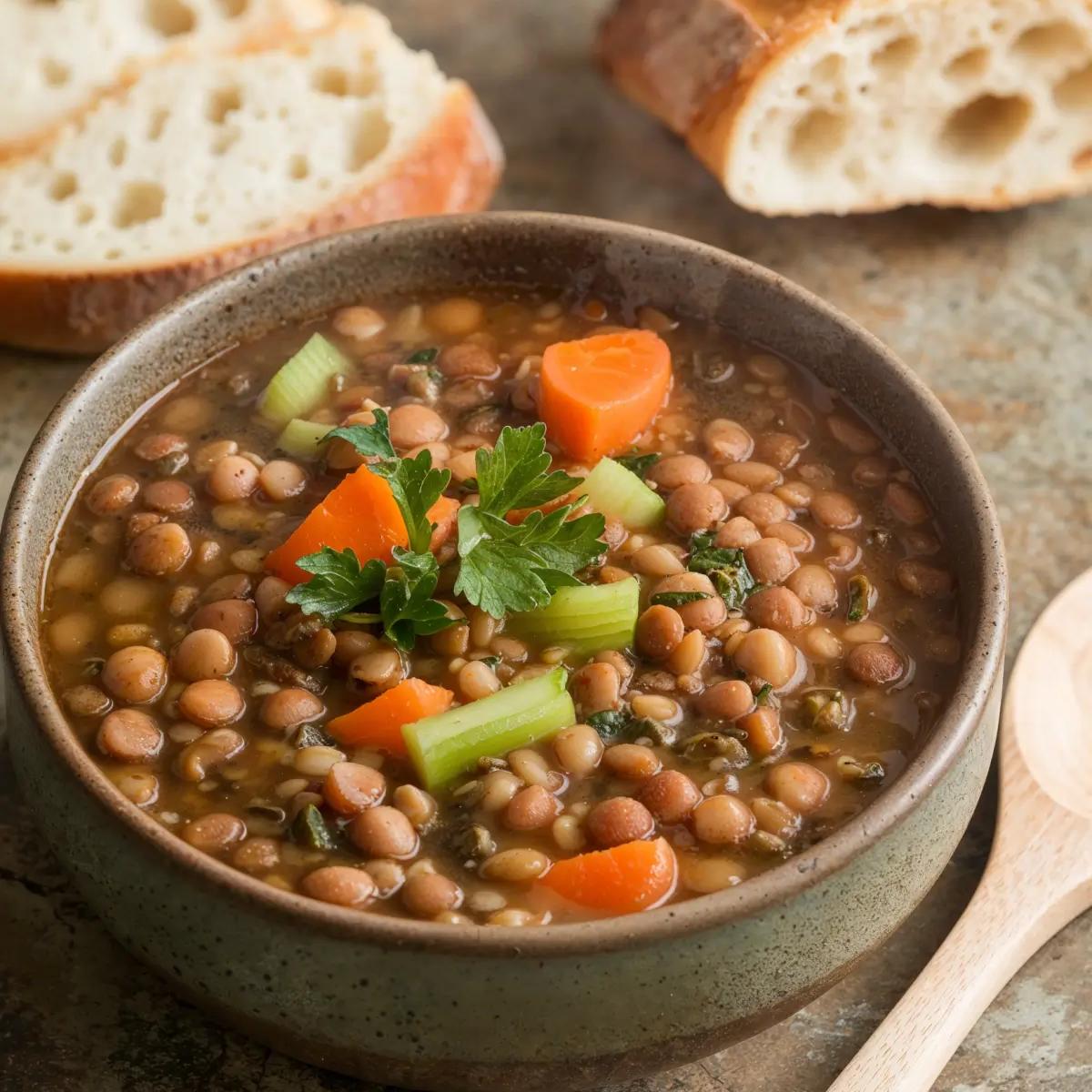
In Greece spanakopita is eaten at any hour, warm or at room temperature, from a bakery square at breakfast to a slice beside dinner. As a main, serve it with a big horiatiki salad of tomato, cucumber, onion and olives, or with a bowl of lentil soup. As part of a meze spread it sits well next to dolmades, olives and a bowl of thick yogurt.
Cut it into small squares for a party, or roll the same filling into triangles; the FAQ below explains how.
Making it ahead
Assemble the pie up to the scoring step, cover it tightly and refrigerate it for up to a day, then bake it straight from the fridge, adding 5 to 10 minutes. For longer, freeze the unbaked pie, well wrapped, for up to three months and bake it from frozen at the same temperature for 75 to 90 minutes. Do not thaw it first, or the bottom turns soggy.
Storing leftovers
Leftovers keep for up to four days in the fridge, loosely covered rather than sealed, which softens the pastry. Reheat squares on a baking sheet in a 350°F oven for 10 to 15 minutes until the phyllo crisps again. The microwave warms the filling and turns the pastry limp and chewy.
Still wondering
Frequently Asked Questions
Is spanakopita vegetarian?
Yes, it contains no meat or fish. The one thing strict vegetarians should check is the feta: traditional Greek feta is often made with animal rennet. Many brands now use microbial or vegetable rennet and say so on the label.
Can I make spanakopita vegan?
Yes, and in Greece it is a traditional fasting dish. Leave out the feta and eggs, add a second large leek and an extra half cup each of dill and scallions for flavor, and stir 3 tablespoons of fine semolina into the filling to absorb moisture and bind it. Brush the phyllo with olive oil; most commercial phyllo is already vegan.
How do I make spanakopita triangles instead?
Cut the phyllo lengthwise into strips about 3 inches wide, brush a strip, put a heaped tablespoon of filling at one end and fold it up in triangles like a flag. Brush the tops and bake on a parchment-lined sheet at 375°F for 20 to 25 minutes. This filling makes about 40.
More For A Greek Table
Made this?