
Dolmades Recipe
Published
The meatless version has its own name, yalantzi, the liar’s dolma, and it is the one Greeks serve cold with lemon.
Jump To Recipe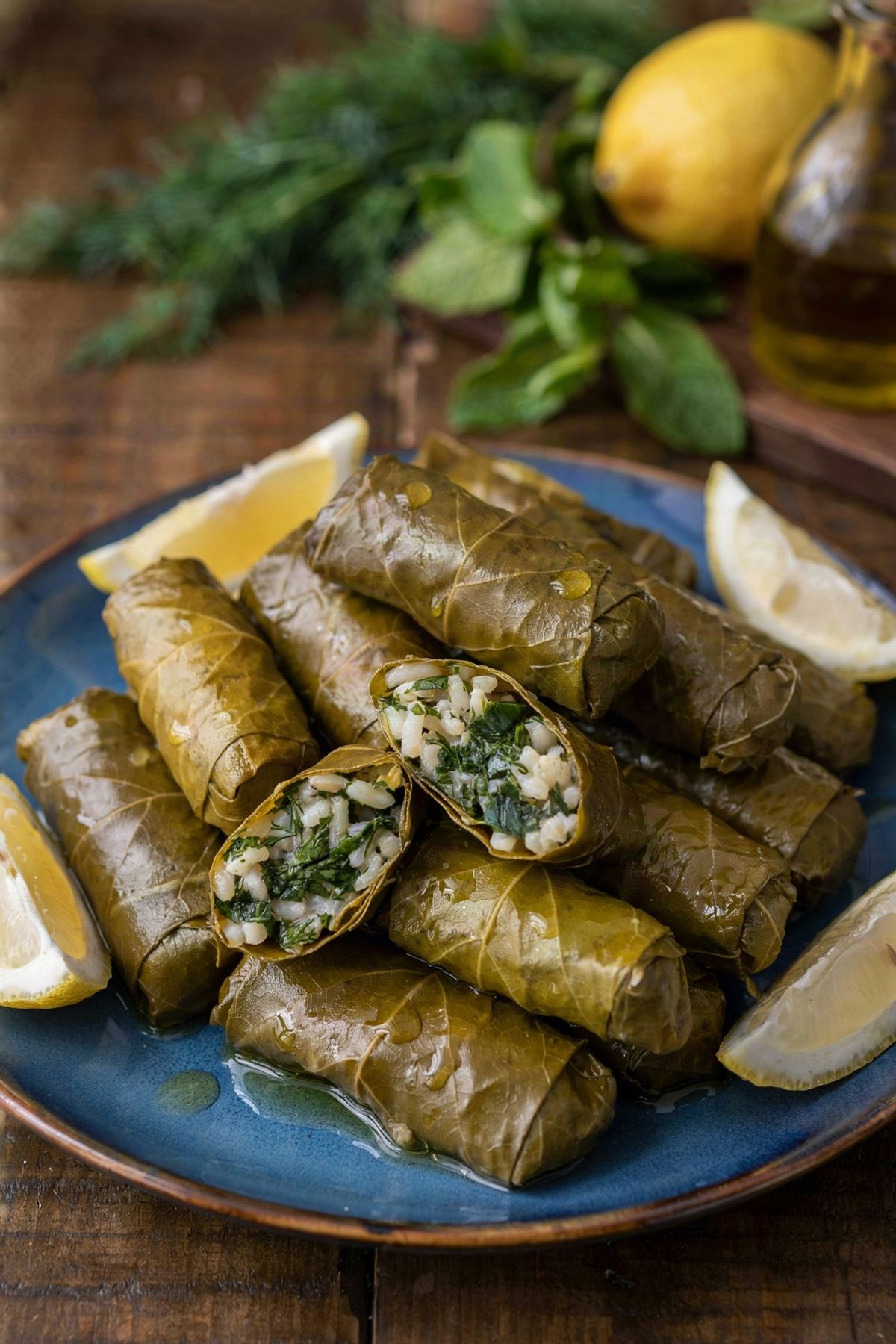
An Afternoon Of Rolling Is The Point
My idea of dolmades used to come from a can: tight, oily little cylinders that tasted mostly of brine and citric acid. The first homemade ones I ate were at a friend’s family table, served at room temperature with lemon wedges and a bowl of yogurt, and they were soft, green with herbs and bright with lemon all the way through. They were also gone in about ten minutes, which is roughly a tenth of the time they took to make.
That is the thing to know before you start. Dolmades are not difficult, but they are slow. Rolling three dozen takes half an hour the first time, a bit less once your hands learn the fold. I have come to like it. It is the kind of cooking that goes better with someone across the table rolling with you.
The reward is that they keep. A pot made on Sunday is lunch, a snack and a meze plate for most of the week, and they taste better on the second day than on the first.
The story
Dolmades Yalantzi Are The Liar’s Dolma
Dolma comes from the Turkish verb dolmak, to fill, and the stuffed vegetables and leaves it names were refined in the palace kitchens of the Ottoman Empire from the fifteenth century on. By the seventeenth century Istanbul had dozens of cookshops that did nothing else. The dish traveled with the empire, which is why stuffed grape leaves are claimed today from the Balkans to the Levant, and why Greece calls them dolmades, or dolmadakia when they are small.
Two families grew from the same idea. Meat dolmas, filled with ground lamb or beef and rice, are served warm, and in Greece usually under an egg and lemon avgolemono sauce. The others are filled with rice, herbs and a great deal of olive oil, cooked gently and served cold. The Turkish name for those is yalancı dolma, the liar’s dolma, a joke about a stuffed leaf pretending to be the real thing without any meat in it. Greek kept the joke as yalantzi.
The meatless version owes its popularity to the church calendar. The Orthodox Christians of the Ottoman world fasted from meat for something like half the year, through Lent and many shorter fasts, and dishes cooked in olive oil became their everyday food rather than a substitute. The Greeks of Asia Minor, who came to Greece in the population exchange of the 1920s, are often credited with the richer versions that add pine nuts and currants to the rice.
So the vegetarian dolma is not an adaptation. It is a dish in its own right with its own name, older in Greek kitchens than most meat versions on restaurant menus, and the one that tastes best at room temperature the day after it is made.
What to buy
Ingredient Notes
Grape leaves
Jarred leaves in brine are what most Greek cooks use outside the spring. A 16 oz jar holds 50 to 60 leaves, enough for this recipe with spares for tears and for lining the pot. They are packed salty, so the soak is not optional. Fresh leaves from an unsprayed vine work in late spring, picked young and palm-sized, then blanched for a minute in boiling water until they turn olive green.
Rice
Medium-grain white rice, the kind sold as Carolina or glacé rice in Greek shops, or arborio. It goes in raw and cooks inside the leaf, which is why the rolls must not be tight. Long-grain rice like basmati stays separate and falls out when you bite, and parboiled or pre-cooked rice turns the filling to paste.
Fresh herbs
This is a herb filling with rice in it, not the other way round, and it should look green when it is mixed. Dill is the Greek signature, with mint for brightness and parsley to round it out. Dried herbs cannot stand in here; if you are short of one, make up the volume with more of the others.
Olive oil
Half a cup sounds like a lot and is exactly right. Dishes cooked like this are called ladera in Greek, from the word for oil, and the oil is what keeps the leaves supple and makes the rice silky rather than dry. Use a good extra-virgin oil, since you will taste it in a dish served cold.
Lemons
Zest goes into the filling and juice into both the filling and the cooking liquid. Fresh lemons only; bottled juice tastes flat and slightly bitter after an hour in the pot. The finished dolmades should be clearly tart, and more lemon squeezed over at the table is normal.
Pine nuts and currants
Optional, and the style of the Greeks from Asia Minor and of Turkish yaprak sarma rather than the plain mainland version. Toast the pine nuts in a dry pan until golden before they go into the filling, and use small dried currants, not raisins, which are too large and too sweet.
Dolmades
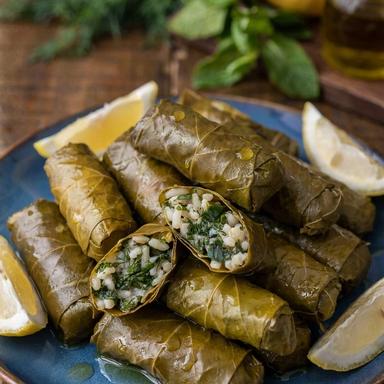
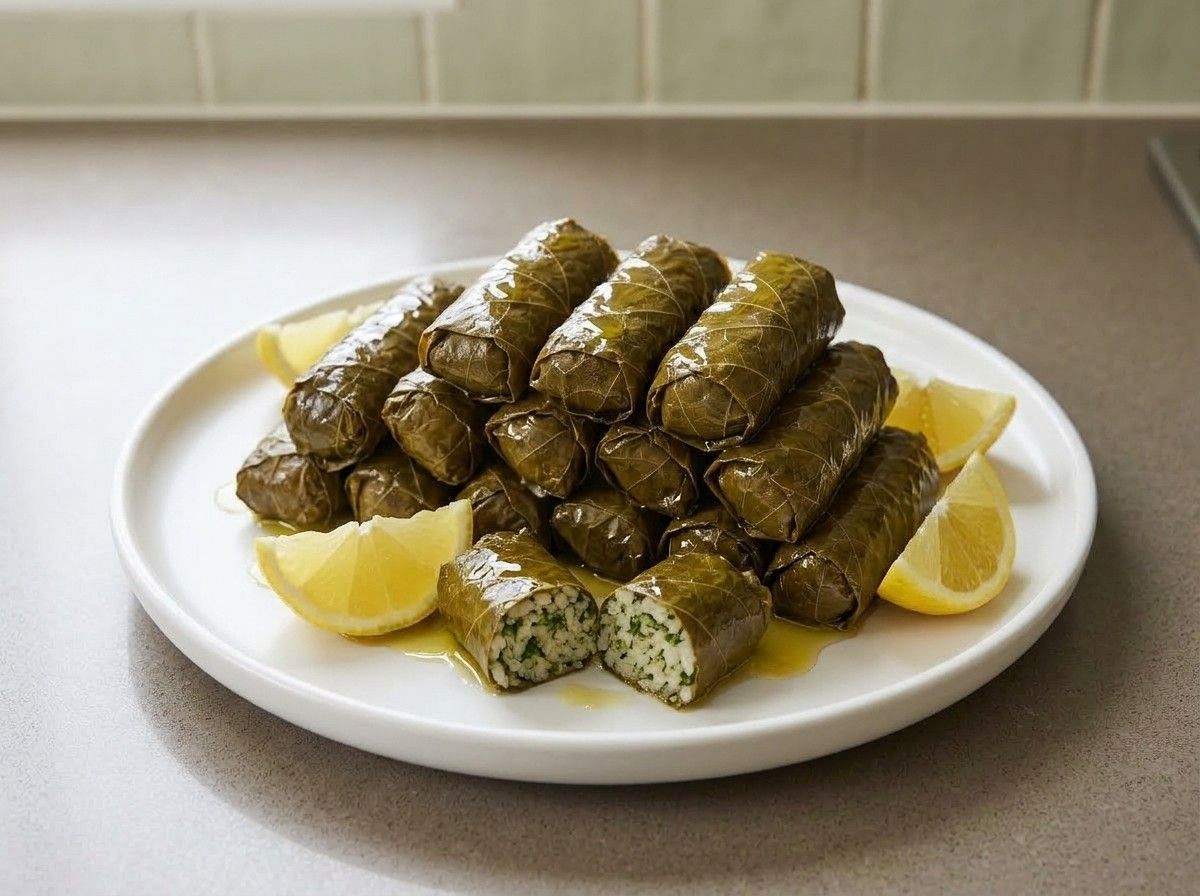
Greek dolmades yalantzi: grape leaves rolled around rice, onion, dill, mint and lemon, packed tightly in a pot and simmered in olive oil, then served at room temperature.
Ingredients
Equipment
As an Amazon Associate I earn from qualifying purchases, at no extra cost to you.
Instructions
- 1
Soak the grape leaves
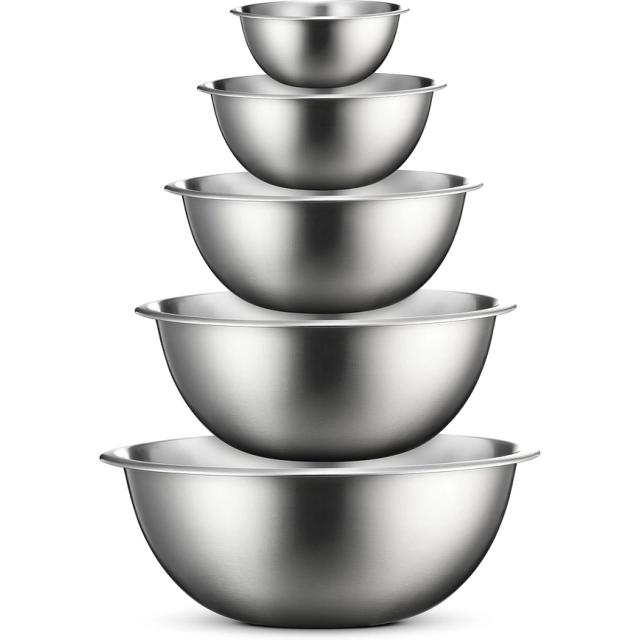
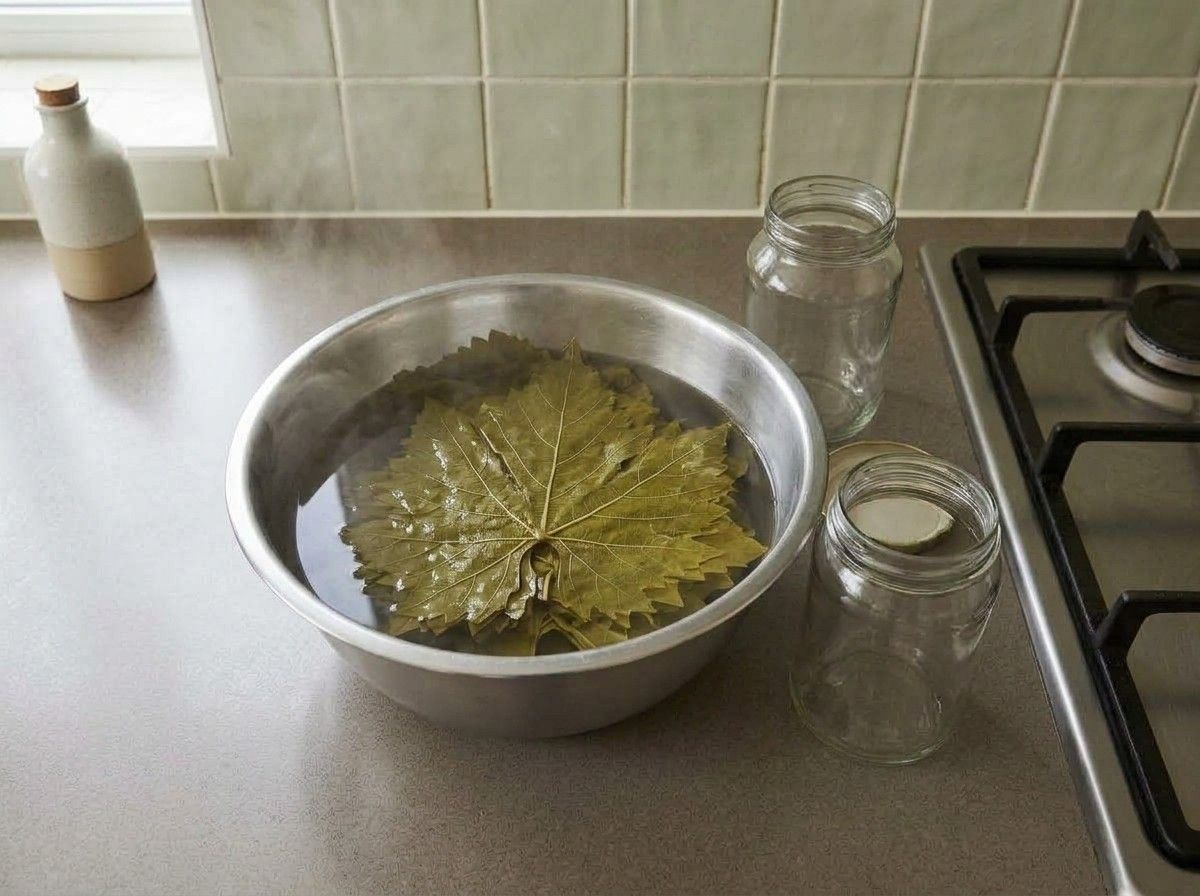
Unroll the grape leaves gently and put them in a large bowl. Pour over enough just-boiled water to cover them and leave them for 10 minutes to soften and lose their brine.
- 2
Drain and rinse the leaves
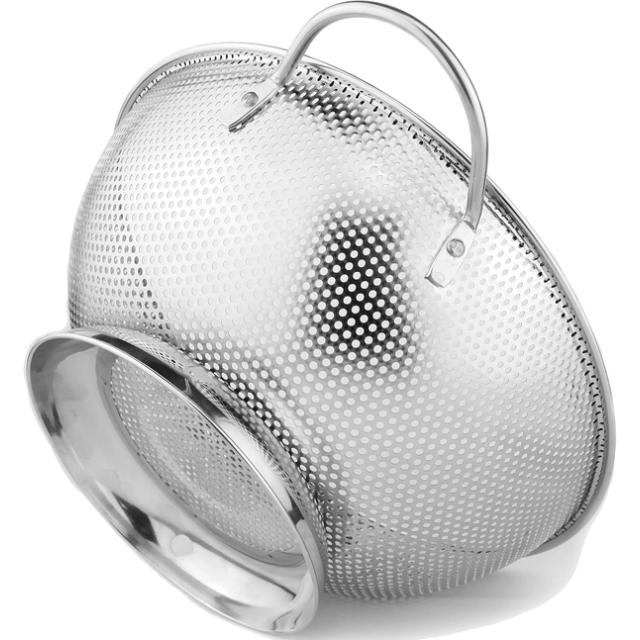
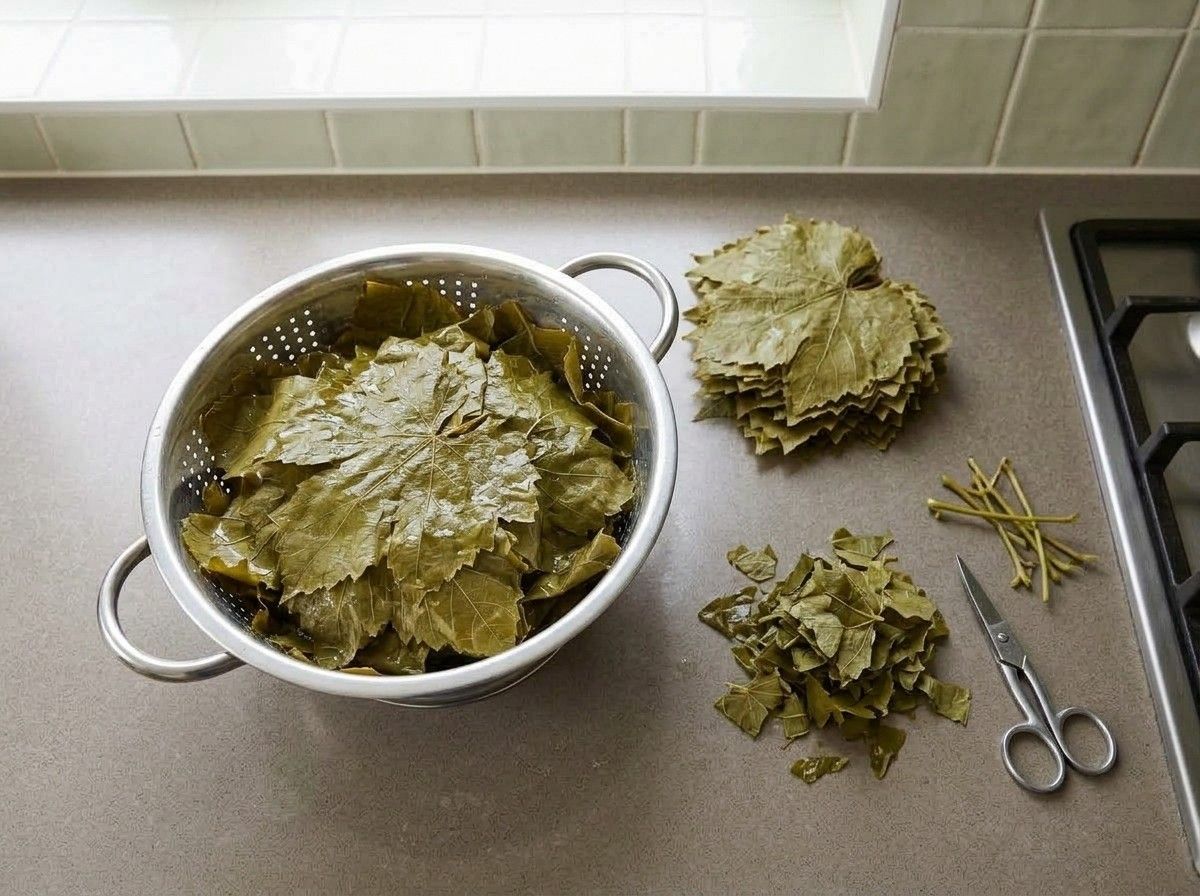
Tip the leaves into a colander, rinse them under cold water and leave them to drain. Separate them carefully, snip off any stems with scissors and set aside the torn or very small leaves for lining the pot.
- 3
Soften the onions
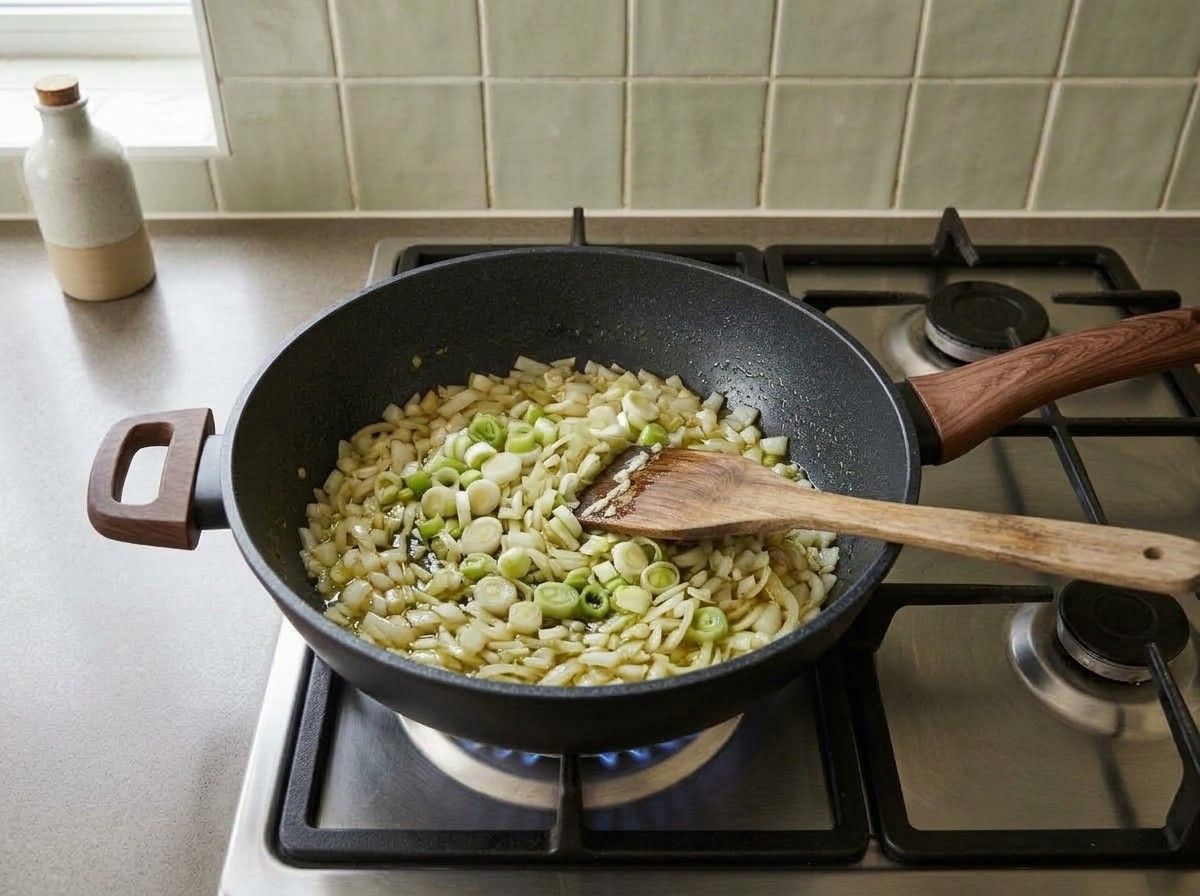
Heat 1/4 cup of the olive oil in a large skillet over medium heat. Add the onion and the scallions and cook for 8 minutes, stirring often, until they are soft and translucent but not browned.
- 4
Toast the rice
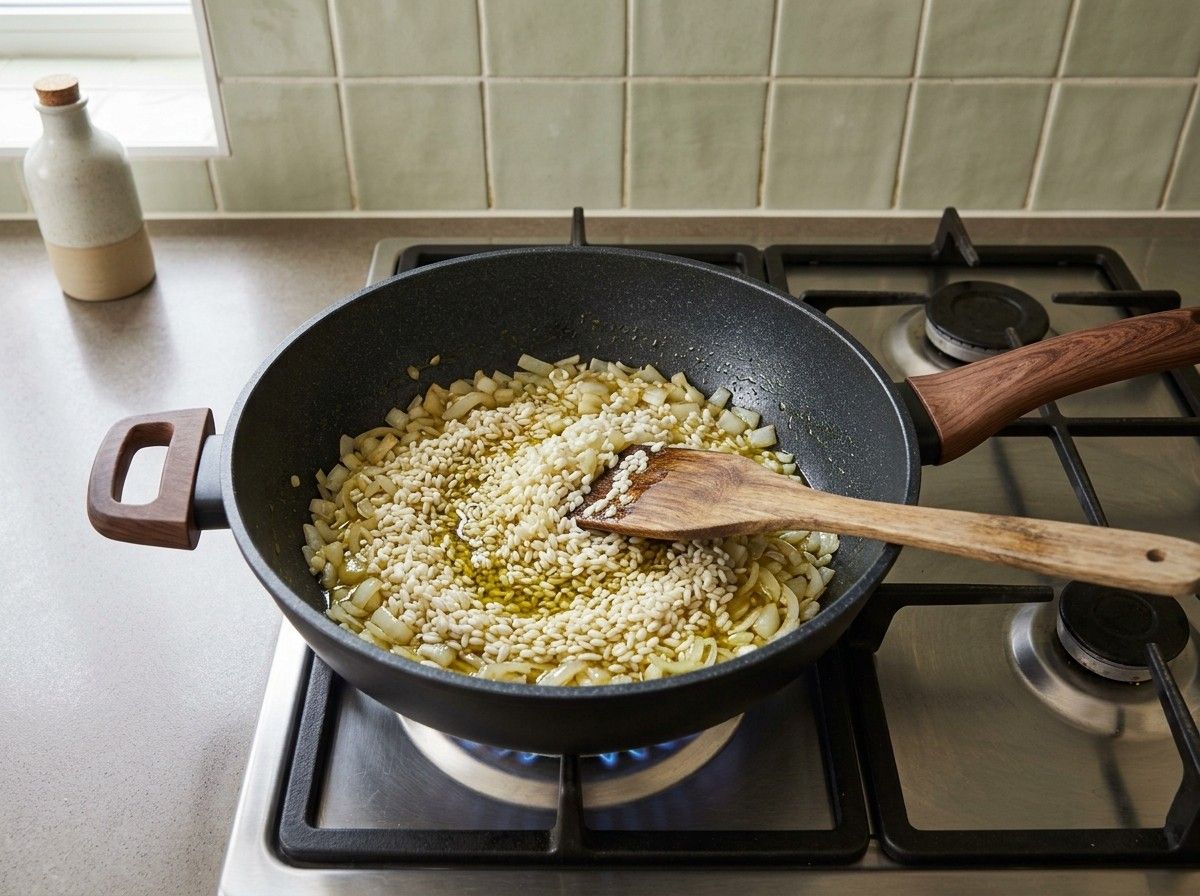
Add the rinsed rice to the skillet and stir for 2 minutes, until every grain is coated in oil and the edges turn translucent. Take the pan off the heat.
- 5
Mix the filling
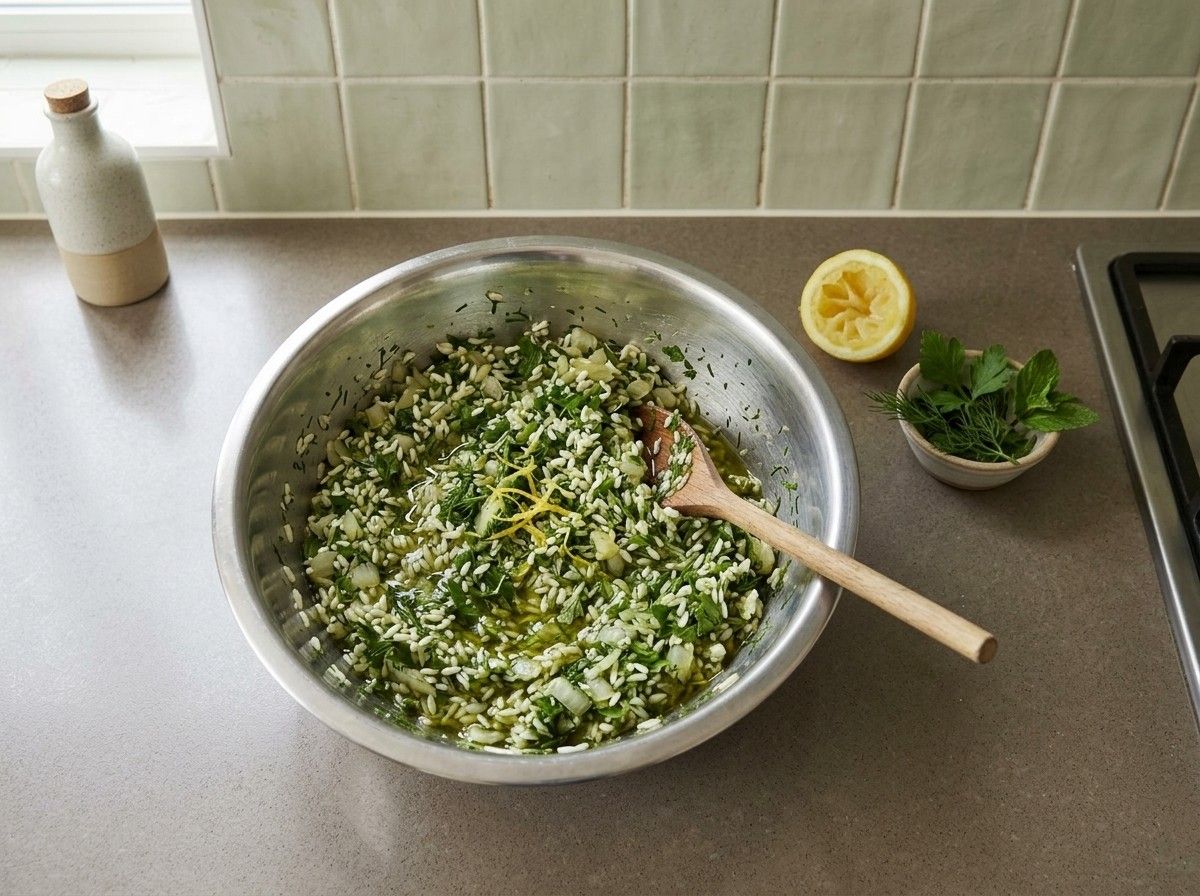
Scrape the rice and onion into a mixing bowl. Add the dill, mint, parsley, lemon zest, 2 tablespoons of the lemon juice, the salt and the pepper, plus the pine nuts and currants if using, and mix well. The filling should look green with herbs.
- 6
Line the pot
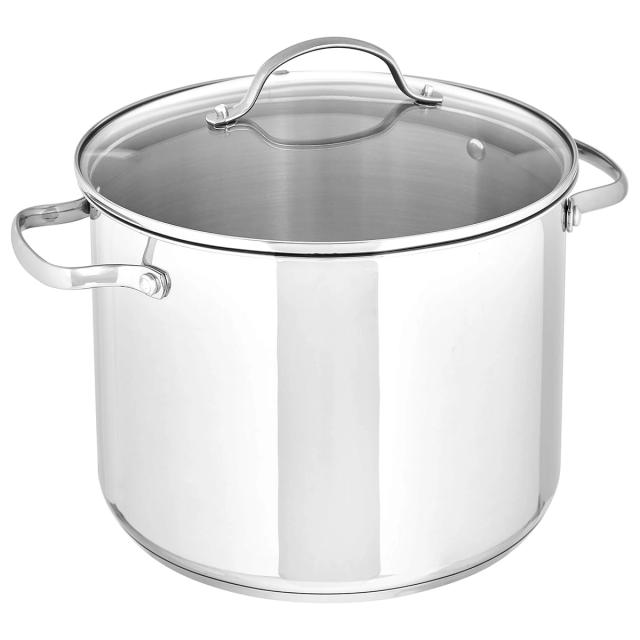
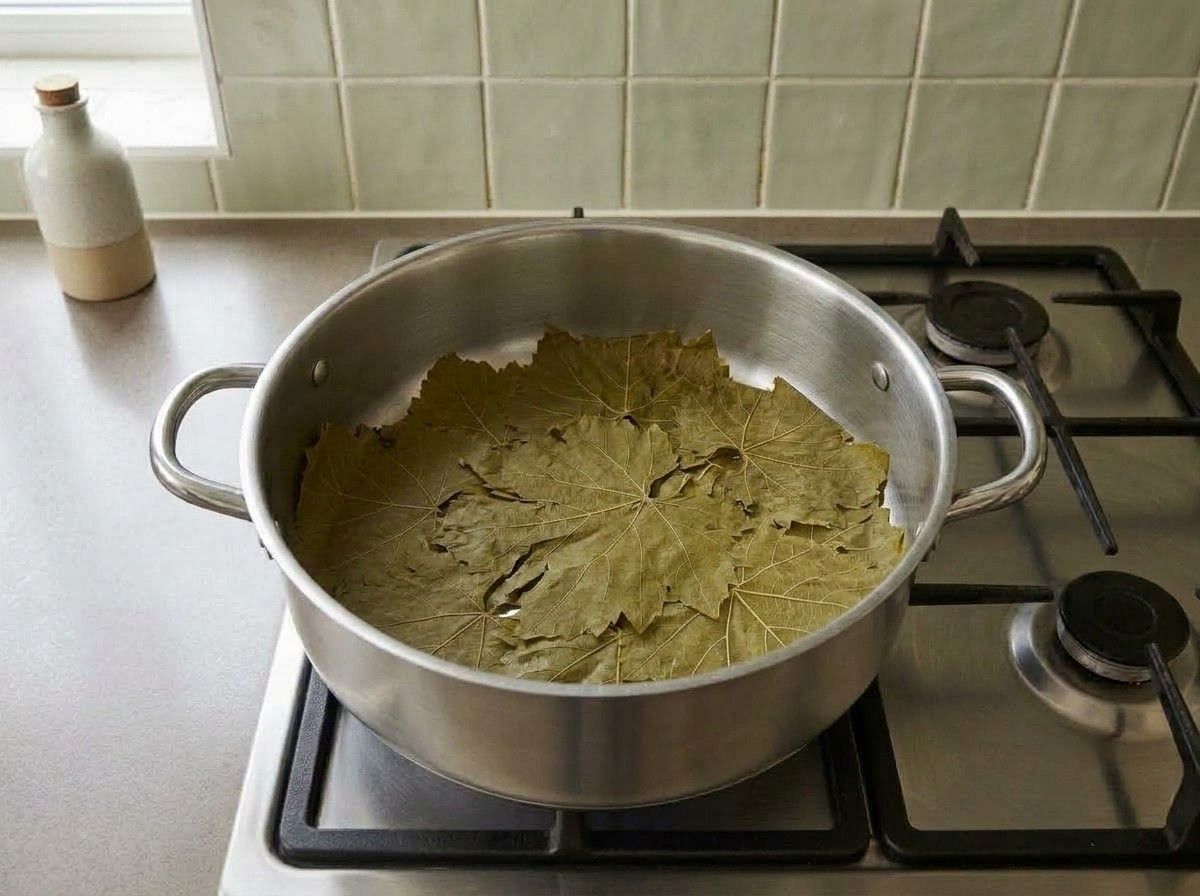
Cover the bottom of a large, wide, heavy pot with the torn and spare leaves in a single overlapping layer. This keeps the rolls off the hot base so they do not scorch.
- 7
Fill a leaf
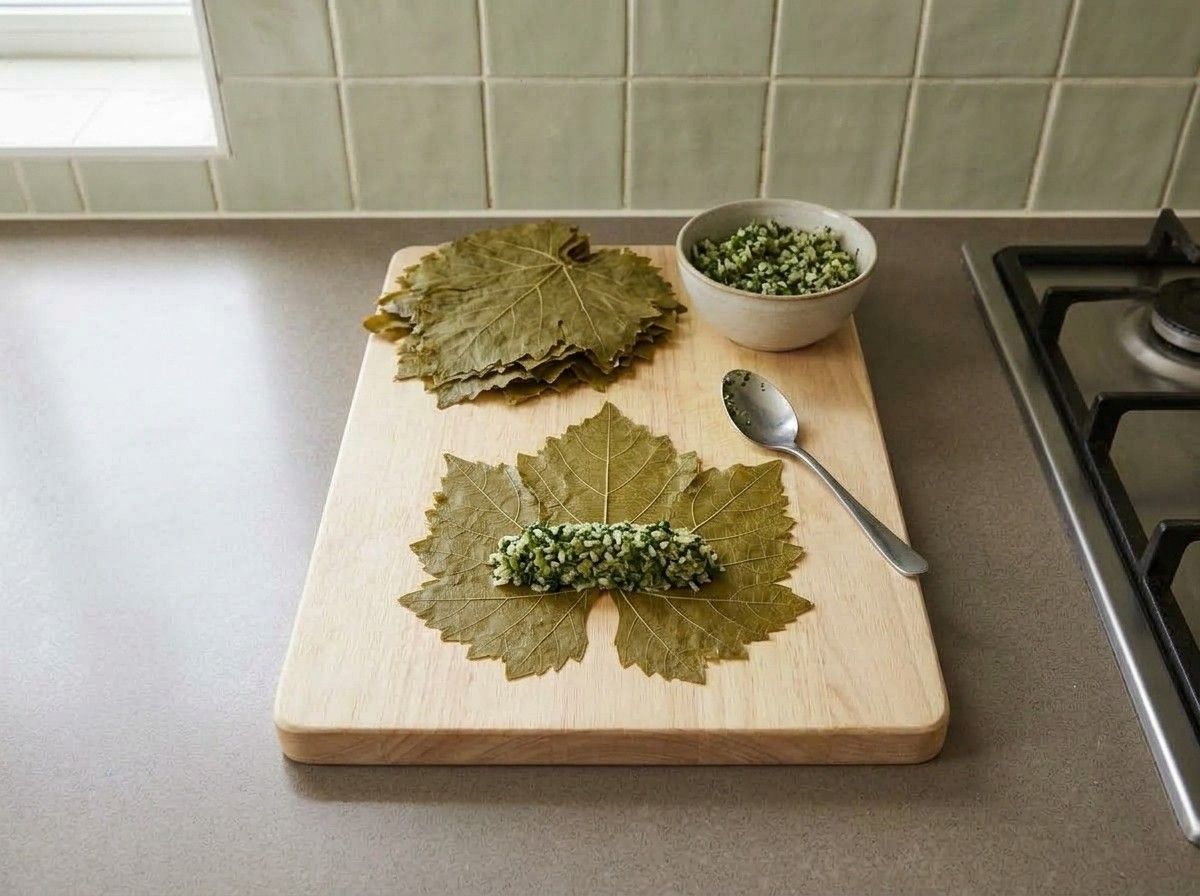
Lay a leaf on the board shiny side down, with the veins facing up and the stem end toward you. Put a heaped teaspoon of filling just above the stem end, shaping it into a short log across the leaf.
- 8
Roll it up
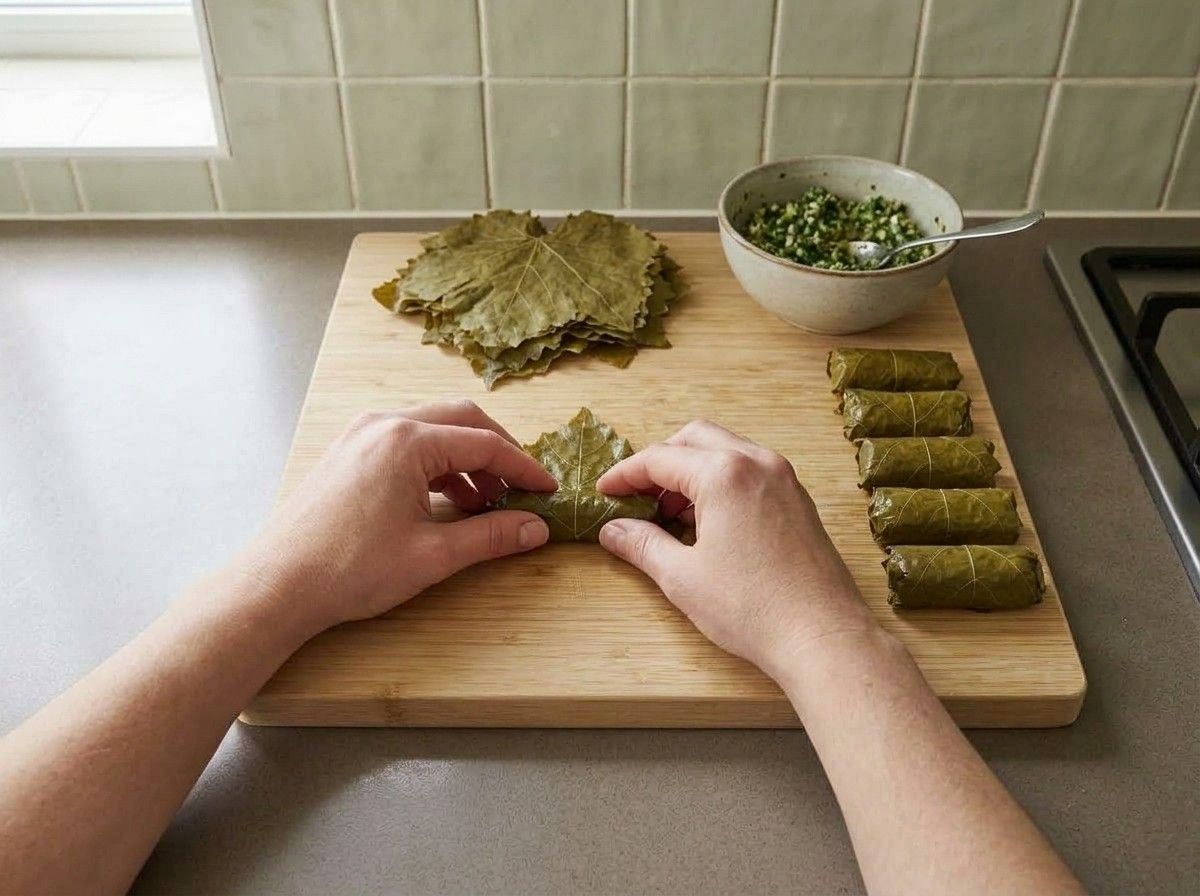
Fold the bottom of the leaf up over the filling, fold in both sides firmly, then roll it away from you into a snug cylinder about 2 1/2 inches long. Keep it snug rather than tight, since the rice will swell. Repeat with the rest of the leaves and filling.
- 9
Pack the pot
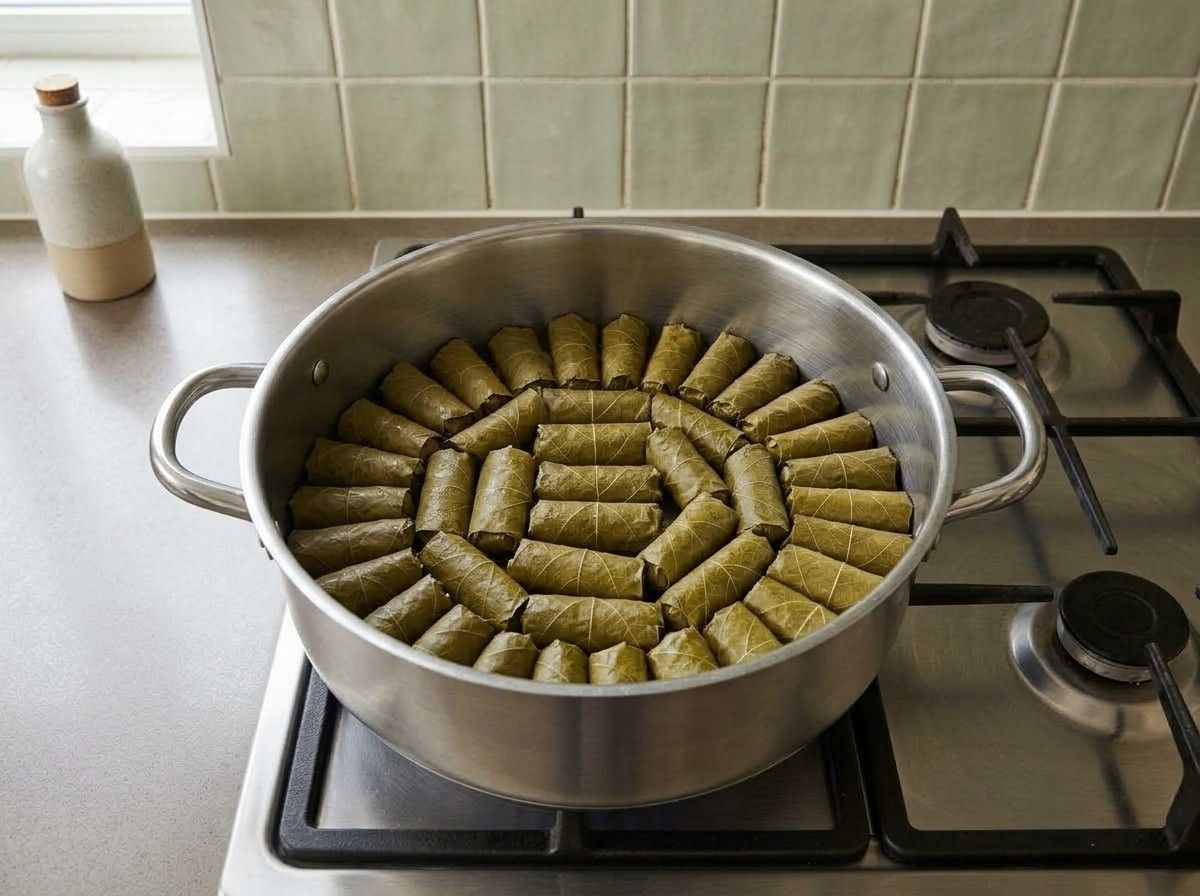
Arrange the rolls in the lined pot seam side down, packed tightly against each other in circles from the outside in. Start a second layer on top of the first if they do not all fit.
- 10
Add the liquid and weigh them down
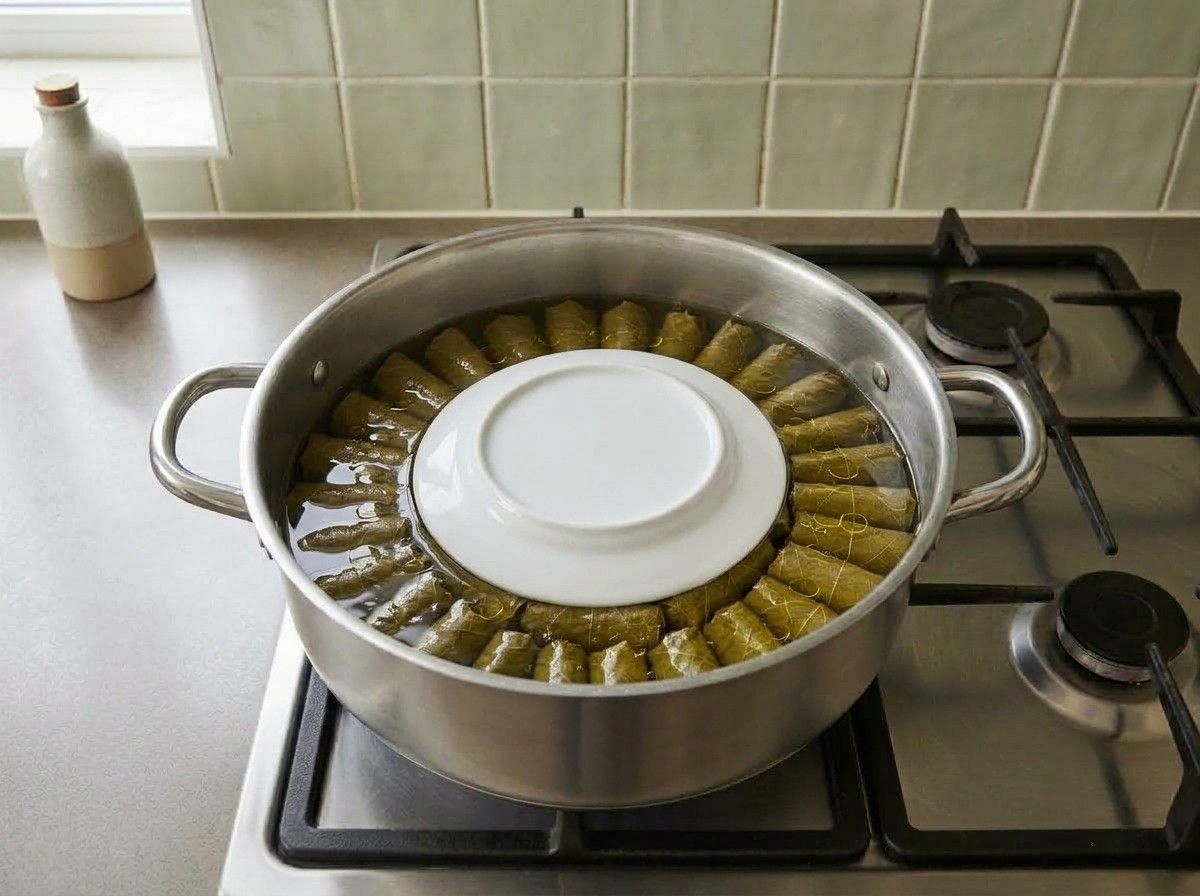
Pour over the remaining 1/4 cup of olive oil and the rest of the lemon juice, then add hot water until the rolls are just covered, about 2 cups. Lay a heatproof plate upside down on top of the rolls to hold them in place.
- 11
Simmer gently
Cover the pot, bring it to a boil over medium heat, then turn it down to the lowest simmer and cook for 50 minutes, until the rice is tender and most of the liquid has been absorbed. Test a roll from the center of the pot.
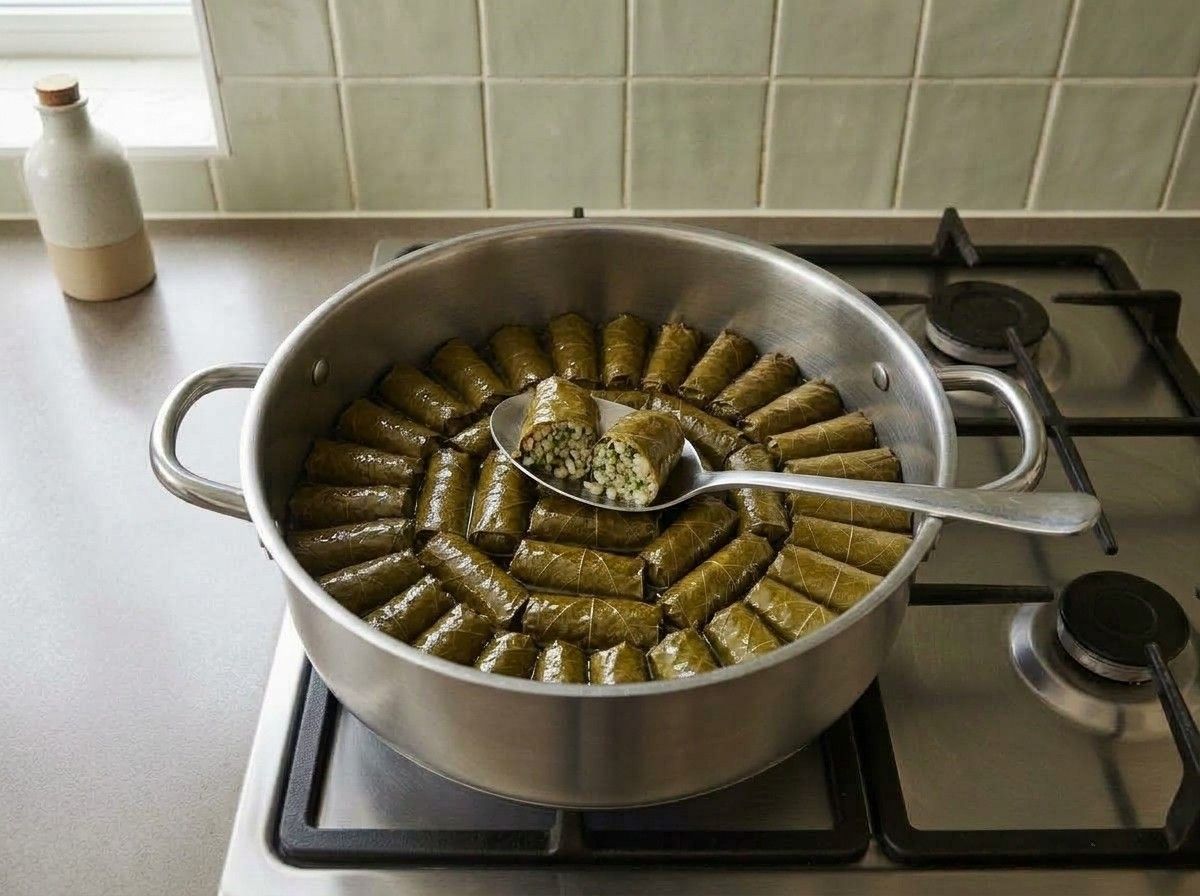
- 12
Cool and serve
Take the pot off the heat and leave the dolmades to cool under the plate for at least 30 minutes, so the rice settles and absorbs the last of the liquid. Lift them onto a platter, drizzle with olive oil and serve warm or at room temperature with lemon wedges.
Notes
A 16 oz jar of grape leaves usually holds 50 to 60 leaves. You need about 36 for rolling and 8 to 10 more for lining the pot.
If a leaf is torn, patch it with a piece of another leaf before you add the filling. Very large leaves can be cut in half along the center vein to make two.
Dolmades taste best the day after they are made, brought back to room temperature.
Nutrition Facts
6 servings (about 36 rolls) · 231 g per serving
- Calories
- 373 kcal
% Daily Value*
- Total Fat
- 23.1 g30%
- Saturated Fat
- 3 g15%
- Sodium
- 603 mg26%
- Total Carbohydrate
- 39 g14%
- Dietary Fiber
- 4.9 g18%
- Sugars
- 6.6 g—
- Protein
- 5.5 g11%
Recipe from veggierecipes.blog
When it goes wrong
Troubleshooting
They unrolled while they were cooking
They were rolled too loosely at the sides, or there was room in the pot for them to move. Fold the sides in firmly before you roll, place every roll seam side down and pack them so tightly they hold each other in place. The inverted plate on top matters as much as the rolling; without it the simmering water lifts them and they open.
They burst open and the rice is spilling out
They were rolled too tightly, or overfilled. Raw rice roughly doubles as it cooks, so each roll needs room to swell inside the leaf. Use a heaped teaspoon of filling for an average leaf, a little more only for big ones, and roll snugly rather than tightly, like a loose cigar rather than a cigarette.
The rice is still crunchy in the middle
The pot ran short of liquid or the lid let the steam out. Pour in another half cup of hot water around the edge, put the plate and the lid back and simmer for 10 to 15 minutes more, then test a roll from the middle of the pot. Do not judge by the top layer, which cooks fastest.
The leaves are tough and chewy
Jarred leaves vary a lot by brand and some are thick and fibrous. Snip off the stems, which are the toughest part, and if the leaves still feel leathery after soaking, simmer them in water for 2 minutes before rolling. Roll with the shiny side out, so the veins and the rougher side face the filling.
They taste salty and briny
The brine was not soaked out. Jarred leaves need ten minutes in just-boiled water and a cold rinse, and very salty brands benefit from a second soak in fresh water. Taste a corner of a soaked leaf before you season the filling, and hold back on the salt if it is still noticeably salty.
The bottom layer stuck and scorched
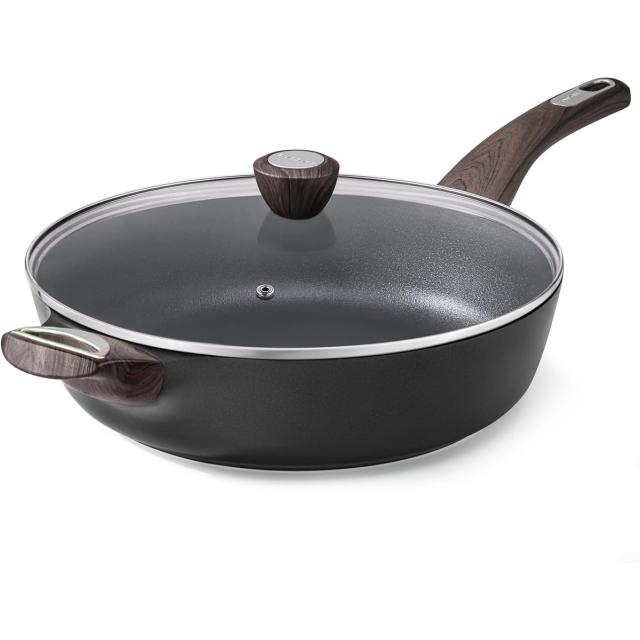
The pot was not lined, the heat was too high or it boiled dry. Line the base with torn and spare leaves before the rolls go in, keep the pot at the gentlest simmer once it boils, and check the liquid after 30 minutes. A heavy, wide pot is much safer here than a thin, tall one.
Before you serve
Serving & Storage
Dolmades are meze, and they are at their best at room temperature, never fridge-cold. Pile them on a platter, drizzle with a little more olive oil and serve with lemon wedges for squeezing. A bowl of thick Greek yogurt or tzatziki beside them is traditional, though it is optional, and leaving it off keeps the plate vegan.
Around them, the rest of a meze table: olives, a wedge of feta or a plant-based alternative, warm pita, a tomato and cucumber salad. They travel well, which makes them a picnic and lunchbox staple, and in Greece they are a fixture of the fasting meals of Lent.
Making it ahead
Dolmades are better made a day ahead, once the rice has settled and the lemon has soaked all the way through. Cool them completely in the pot, then transfer them with any remaining liquid to a covered container and refrigerate. Take them out an hour before serving so the oil loosens and they come back to room temperature.
Storing leftovers
They keep for up to five days in the fridge, in a covered container with a drizzle of olive oil over the top so the leaves do not dry out. They also freeze well. Freeze them in a single layer on a tray, then bag them, and they will keep for three months; thaw them overnight in the fridge. Do not microwave them, which toughens the leaves.
Still wondering
Frequently Asked Questions
Are dolmades vegan?
This version is, as long as you leave the yogurt off the plate. Dolmades yalantzi contain only rice, herbs, onion, olive oil and lemon. Meat dolmades also exist, filled with ground lamb or beef and usually served warm with avgolemono, an egg and lemon sauce, so ask when you order them out.
Are dolmades, stuffed grape leaves and warak enab the same thing?
The same idea under different names. Dolmades is the Greek name, yaprak sarma the Turkish one and warak enab the Lebanese and Syrian one. The Levantine versions often add tomato and warm spices like allspice to the rice and cook in a sharper, more lemony liquid, while the Greek ones lean on dill and mint.
How many does this recipe make, and can I halve it?
About 36 rolls, enough for six people as part of a meze spread. To halve it, halve every ingredient and use a smaller pot, so the rolls still pack tightly in one or two layers. Keep the liquid just covering the rolls; the cooking time stays about the same.
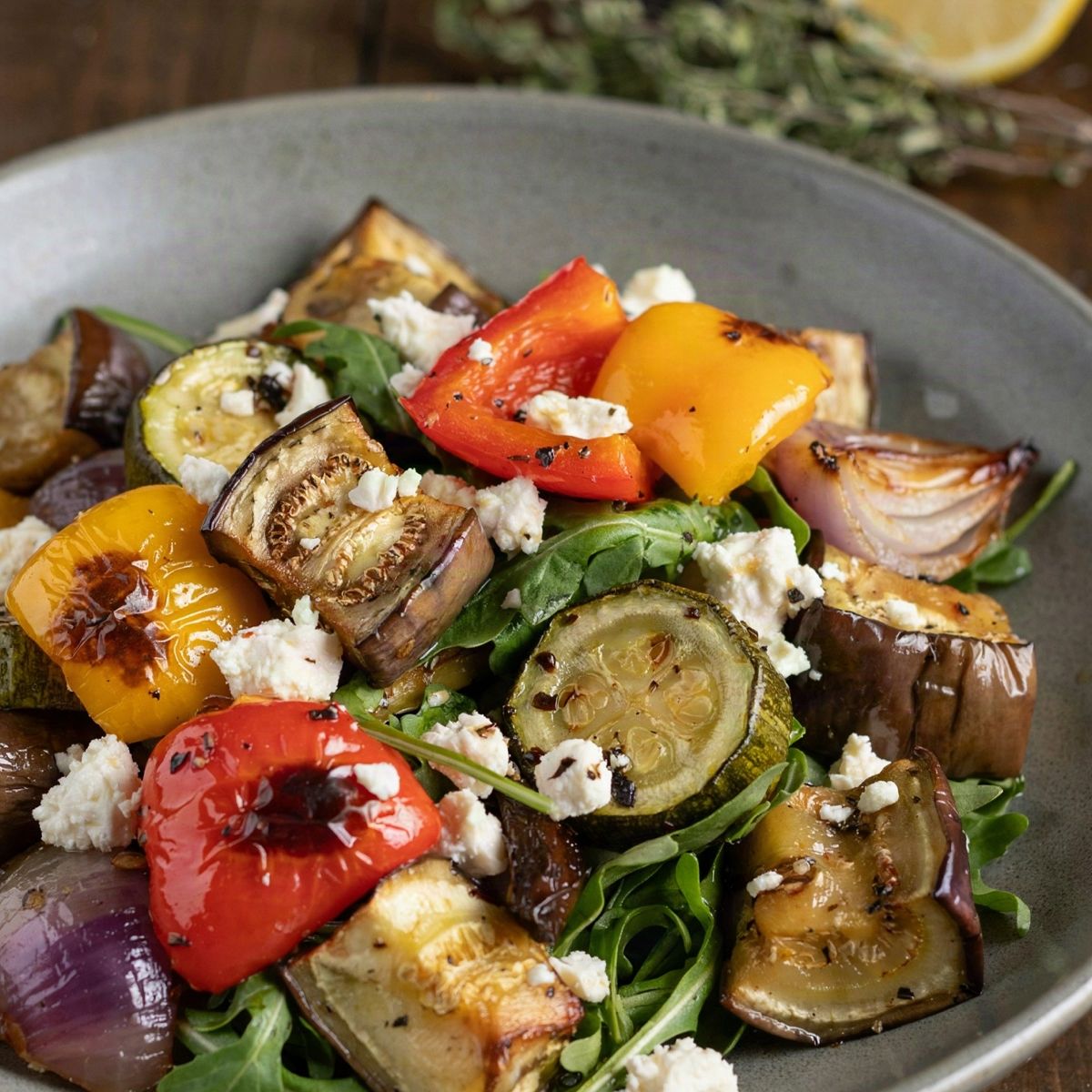
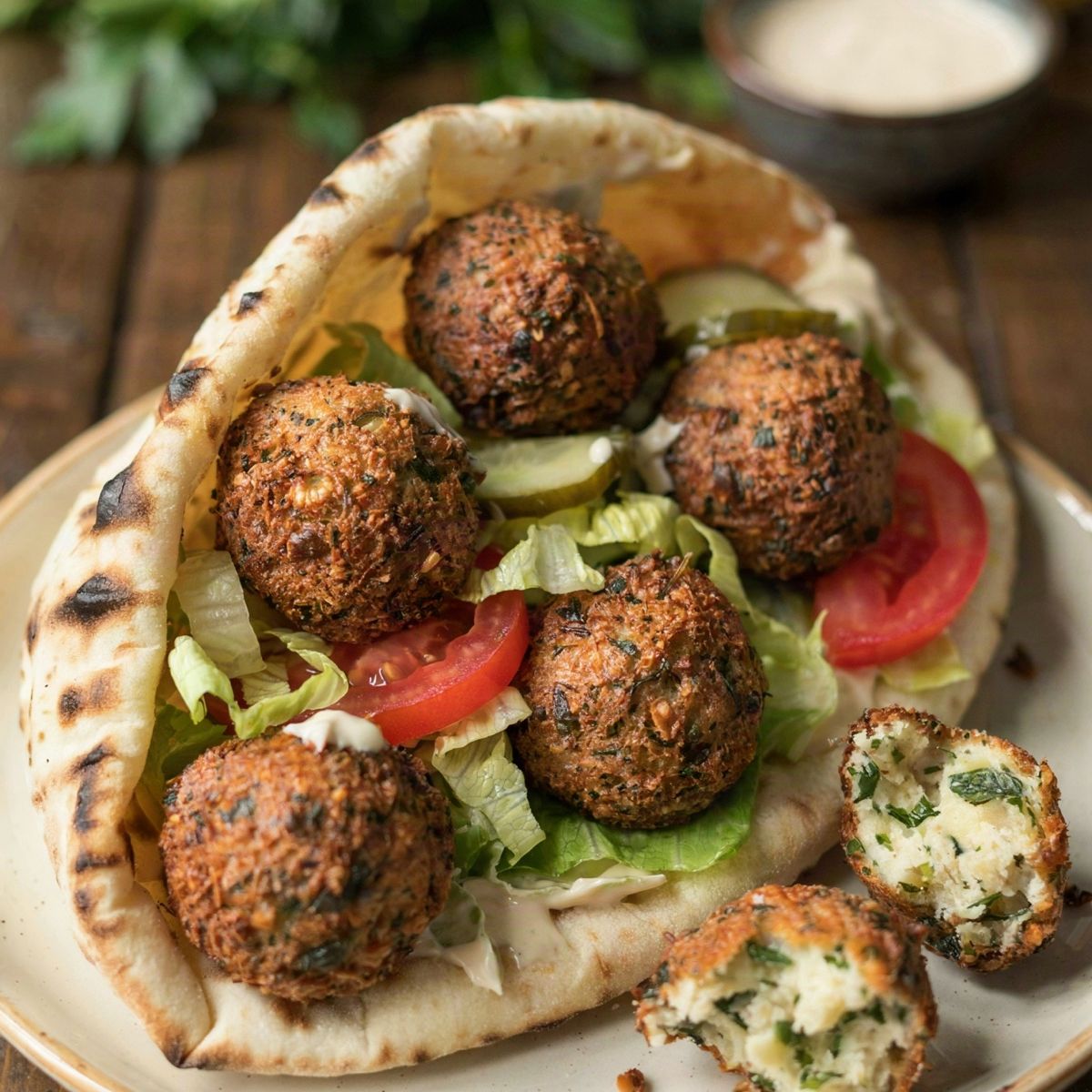
More Mediterranean Plates To Serve With Them
Made this?