
Vegan Carrot Cake Recipe
Published · Updated
Two spiced carrot layers under a vegan cream cheese frosting that is beaten cold, so it holds its shape instead of sliding off.
Jump To Recipe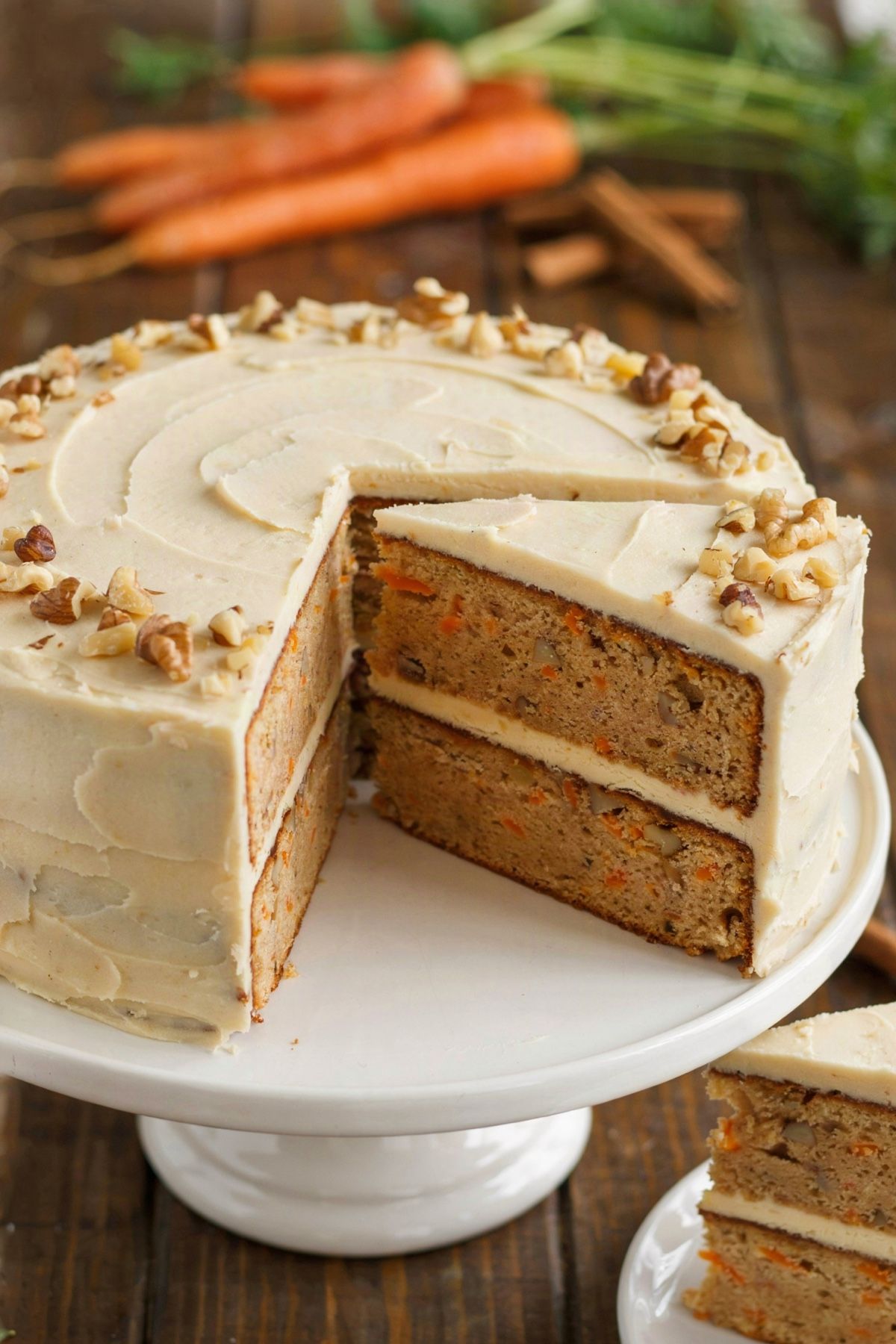
Why I’ll Always Bake This Vegan Carrot Cake
There’s something almost meditative about baking carrot cake from scratch. The aroma of cinnamon, the vibrant orange flecks of carrot, and the satisfaction of watching it rise in the oven. This vegan version checks all my boxes for what makes a memorable dessert: it’s moist, flavorful, and easy to throw together.
One of the best things about this cake is its forgiving nature. No fancy egg replacements are required, and it stays tender thanks to apple sauce and just the right amount of oil. If you want a sprinkle of crunch, chopped walnuts are a must. I also like to sometimes throw in a handful of raisins or coconut to keep things interesting.
Here’s what I love to add or tweak:
- Extra cinnamon for a spicier kick.
- A bit of orange zest in the frosting for brightness.
- Using shredded coconut for tropical vibes.
No matter how you garnish or slice it, this cake always wins points at gatherings, or honestly, just for solo snacking with coffee.
Give it a shot. You’ll see why this one’s a permanent part of my dessert rotation.
The story
Carrot Cake Is Four Centuries Older Than Its Frosting
The cake is old. The frosting is not. An English recipe book of 1591 gives a “pudding in a Carret root” made from grated carrot, breadcrumbs, spices, raisins, cream and eggs, boiled rather than baked, and every element of it except the boiling survives in what we bake today. Carrots went into sweet dishes for a plain economic reason: sugar was an import and a luxury, and the carrot is about the sweetest thing that will grow in a cold, wet northern field.
By the early nineteenth century it had a name and an oven. Antoine Beauvilliers, who had cooked for the French court before opening one of the first restaurants in Paris, printed a Gâteau de Carottes in 1814, and the English edition published in London in 1824 carried it as “Carrot Cakes”.
The thrift came back in the 1940s. British sugar was rationed to eight ounces per adult per week, and the Ministry of Food went looking for something sweet that did not need any. Carrots were the answer, promoted so hard that a cartoon character called Doctor Carrot appeared in November 1941 carrying a bag marked “Vit A”, and so successfully that by 1942 the country was sitting on a hundred thousand tons of surplus carrots. Wartime carrot cake was made with margarine, dried egg or no egg at all.
Cream cheese frosting is the last thing to arrive: an American addition from the second half of the twentieth century, roughly three hundred and fifty years after that boiled pudding, and the only part of the recipe that has ever depended on a dairy. Which puts a vegan carrot cake in a stranger position than it looks. The old classic was a spiced vegetable pudding sweetened by the vegetable, and the block of cream cheese is the newcomer. Replacing the newest ingredient in a four-hundred-year-old recipe is a smaller edit than the word “vegan” makes it sound.
What to buy
Ingredient Notes
Carrots
Buy loose whole carrots and grate them yourself. Pre-shredded carrot from a bag is cut thick and dried at the edges on purpose, so it never softens into the crumb and leaves the cake tasting faintly raw. Two cups is about 220 g, or three medium carrots, and they should be firm ones: a limp carrot has already given up water the recipe is counting on.
Vegan cream cheese
Three products share the name and they do not behave alike. Coconut-oil-based blocks are the firmest and safest here, cultured cashew versions work and taste better, and tofu-based tubs hold so much water that no amount of powdered sugar will make a frosting of them. Look for a block that holds its edge on the plate, and use it straight from the fridge. Letting it warm up first is the most reliable way to end up with soup.
Vegan block butter
This has to be the wrapped stick sold for baking, not a tub spread, and the label is worth reading rather than the front of the pack. Spreads generally run 60 to 70 percent fat with water making up the rest; a baking block is closer to 80. That difference is the entire structure of the frosting.
Unsweetened applesauce
Plain and unsweetened, not the cinnamon-spiced kind, which fights the spicing already in the batter. It does two jobs: standing in for the moisture the eggs would have brought, and supplying the acid the baking soda needs in order to lift anything at all. Mashed banana works structurally, but the cake then tastes of banana, which is a different cake.
Light brown sugar
Two parts brown to one part granulated, and the ratio matters more than the total. The molasses in brown sugar is why carrot cake is brown and tastes faintly of caramel instead of simply sweet; all granulated gives a pale, one-note cake. Dark brown sugar works too and leans the result towards gingerbread.
Ground ginger
The spice most written-down carrot cakes leave out, and the reason so many of them taste only of cinnamon. Half a teaspoon is right: enough to be felt in the finish, not enough for anyone to name it.
Chopped walnuts (optional)
Toast them for 6 to 8 minutes at 350°F first. Raw walnuts folded into a wet batter steam rather than bake and come out soft and faintly bitter. Pecans behave the same way and can be swapped in, and leaving them out changes nothing else.
Vegan Carrot Cake with Cream Cheese Frosting
A two-layer vegan carrot cake spiced with cinnamon, ginger and nutmeg, under a vegan cream cheese frosting beaten cold so it sets firm.
Ingredients
Equipment
As an Amazon Associate I earn from qualifying purchases, at no extra cost to you.
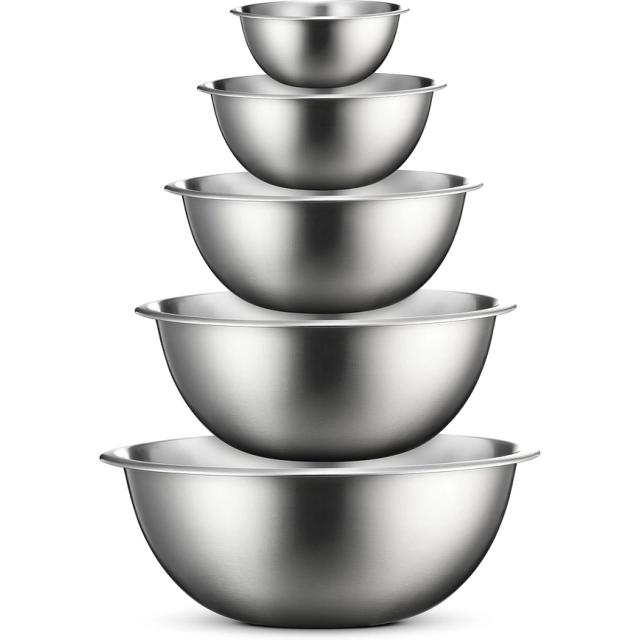
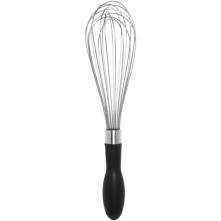

Instructions
- 1
Heat the oven and line the pans
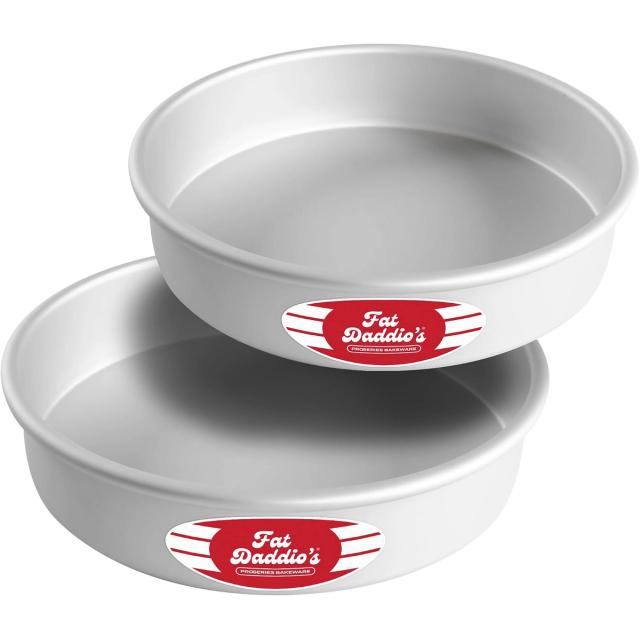
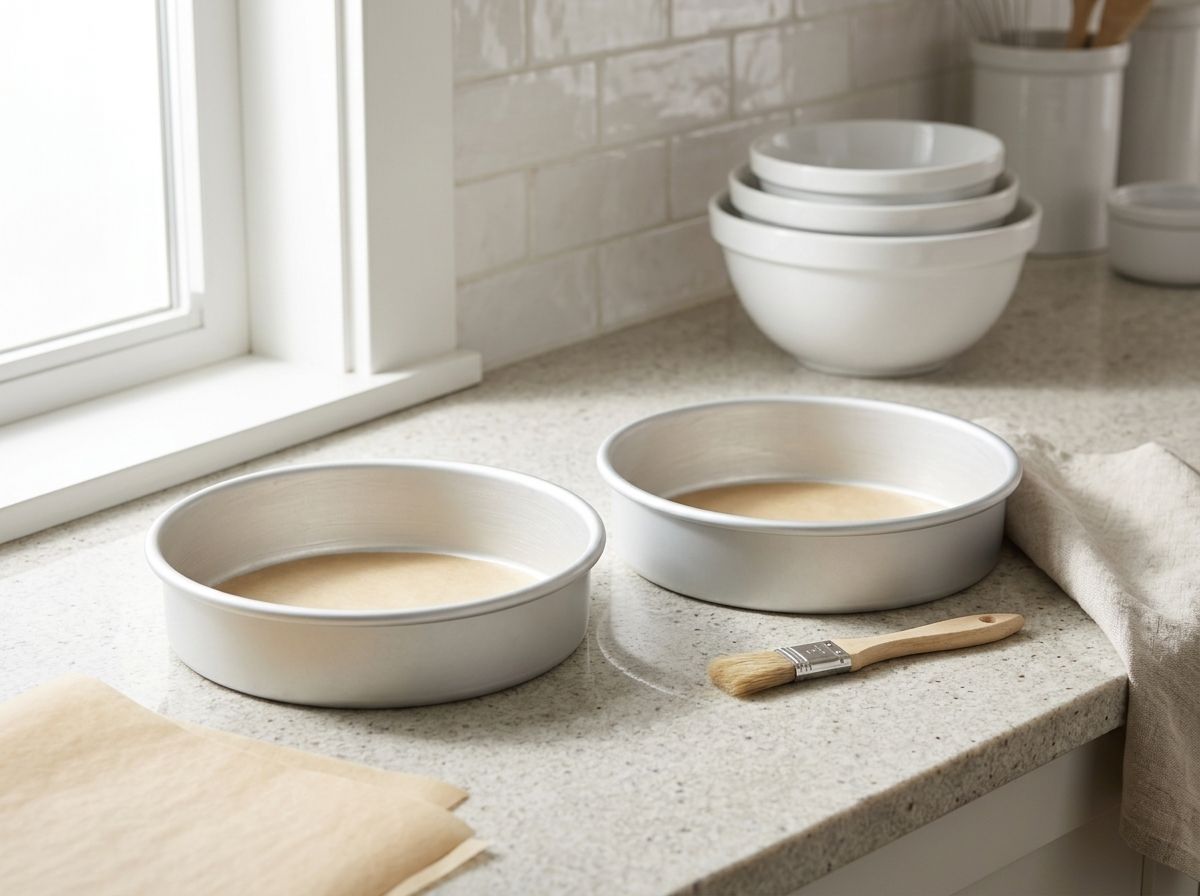
Heat the oven to 350°F (175°C). Grease two 8-inch (20 cm) round cake pans and line the bases with parchment.
- 2
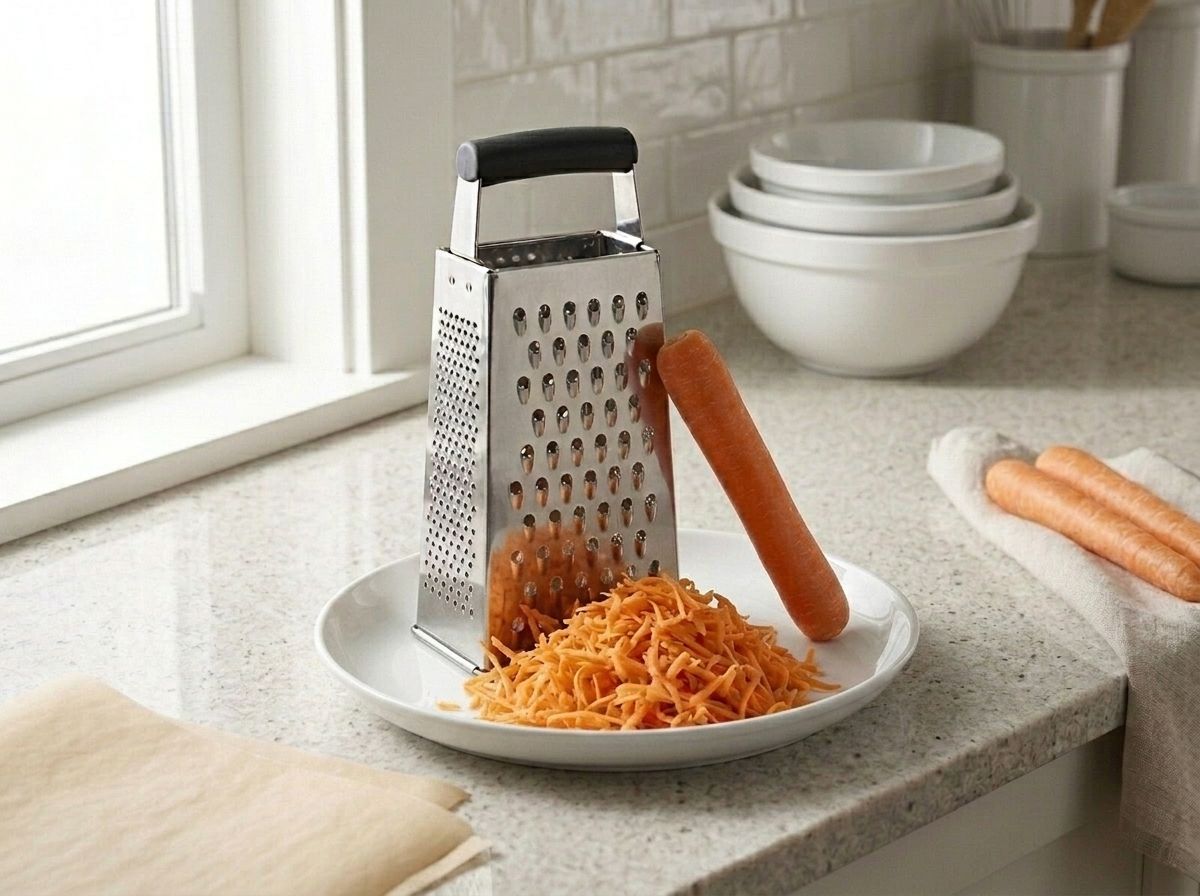
Grate the carrots on the medium holes
Grate the carrots on the medium holes of a box grater rather than the largest ones. Medium shreds soften into the crumb as the cake bakes; long coarse shreds stay stringy and keep their water to themselves.
- 3
Whisk the dry ingredients
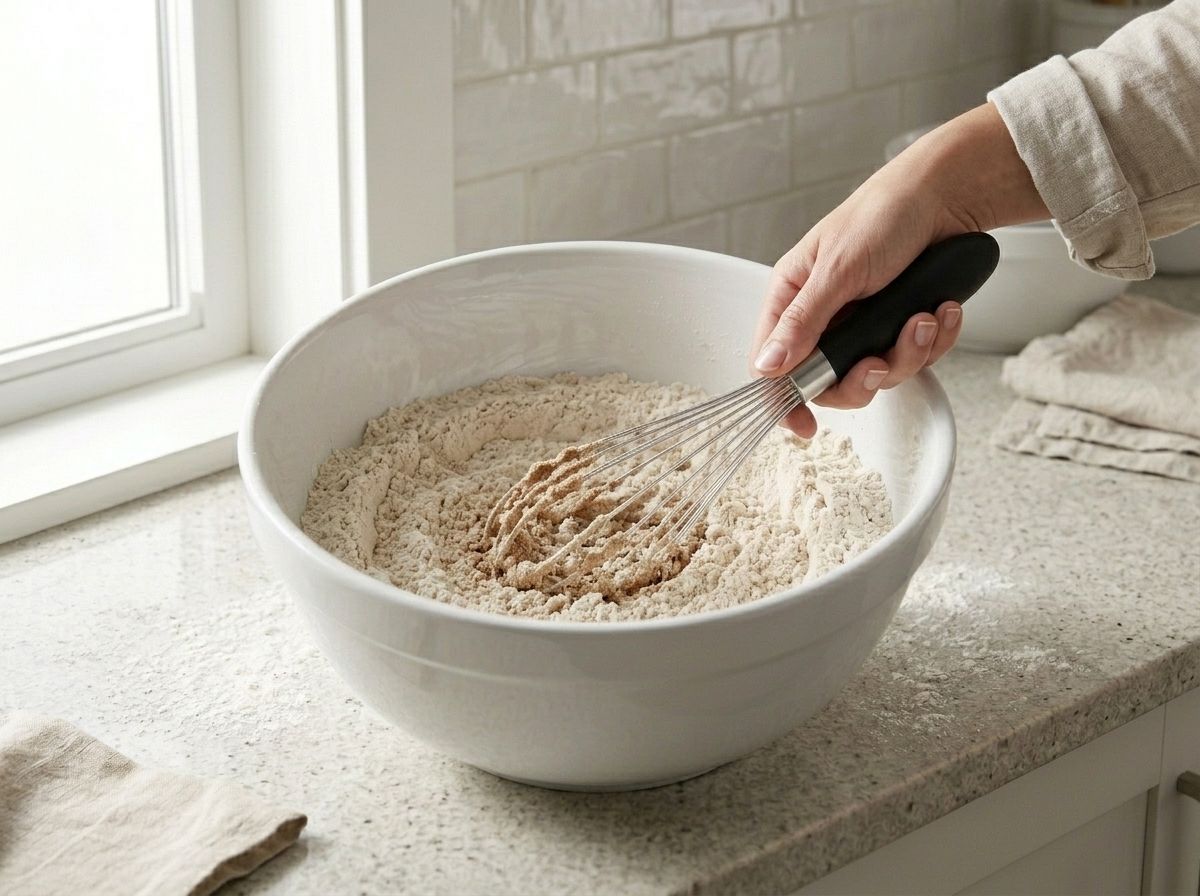
Whisk the flour, baking soda, baking powder, cinnamon, ginger, nutmeg and salt together in a large bowl until the spices are evenly through the flour with no darker streaks.
- 4
Dissolve the sugars into the wet
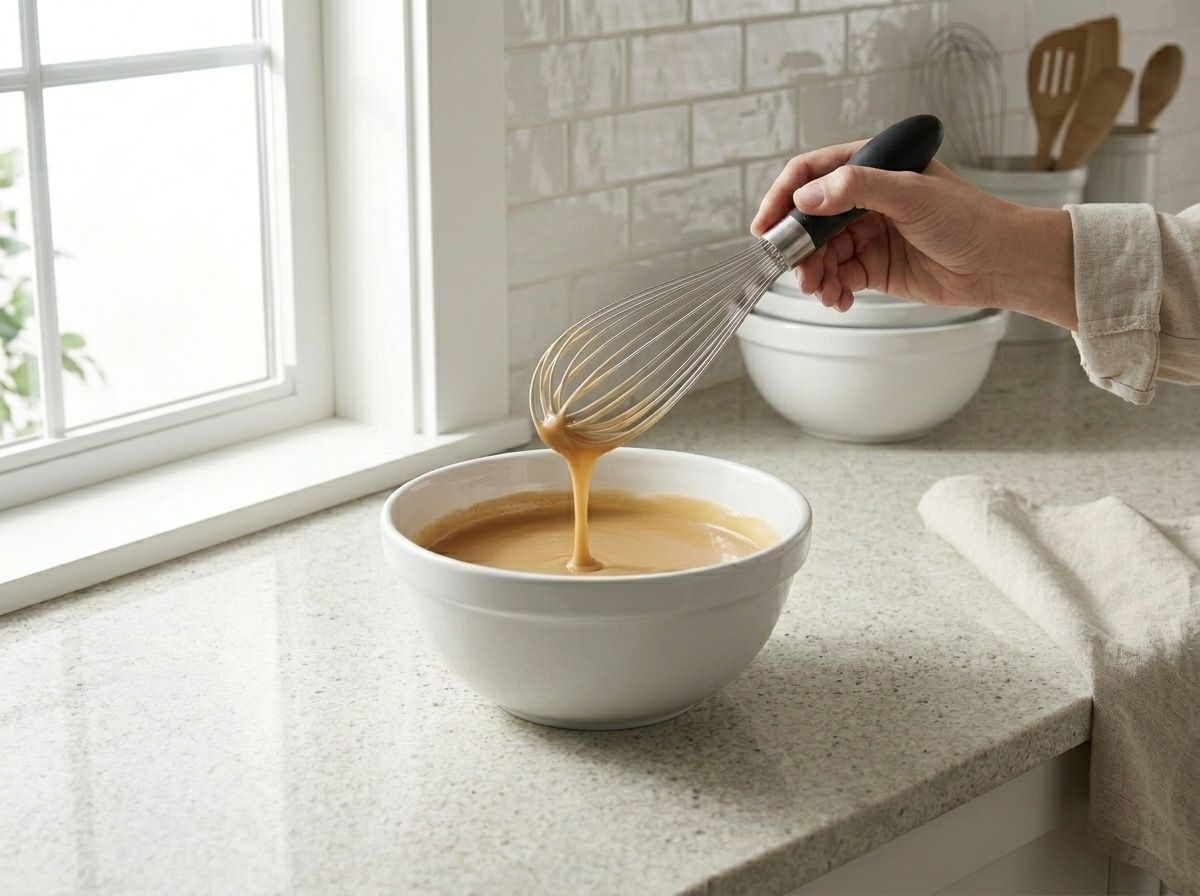
In a second bowl, whisk the brown sugar, granulated sugar, applesauce, oil and the teaspoon of vanilla for a full minute, until no lumps of brown sugar are left. Brown sugar clumps do not break up once the flour is in, and they bake into damp patches.
- 5
Bring the two bowls together
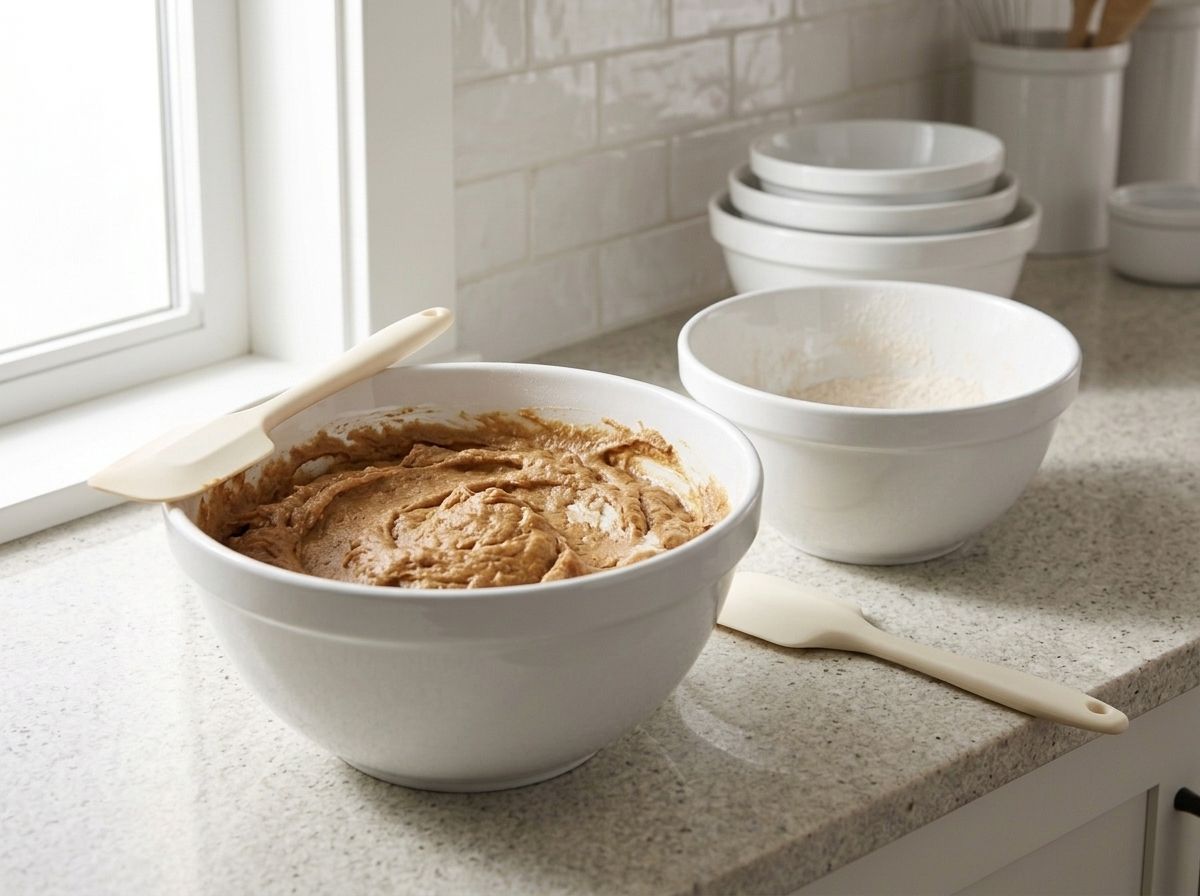
Pour the wet mixture into the dry and stir only until the last streaks of flour disappear. The batter should look rough rather than smooth. Beating it past this point develops gluten and the crumb turns rubbery.
- 6
Fold in the carrots and fill the pans
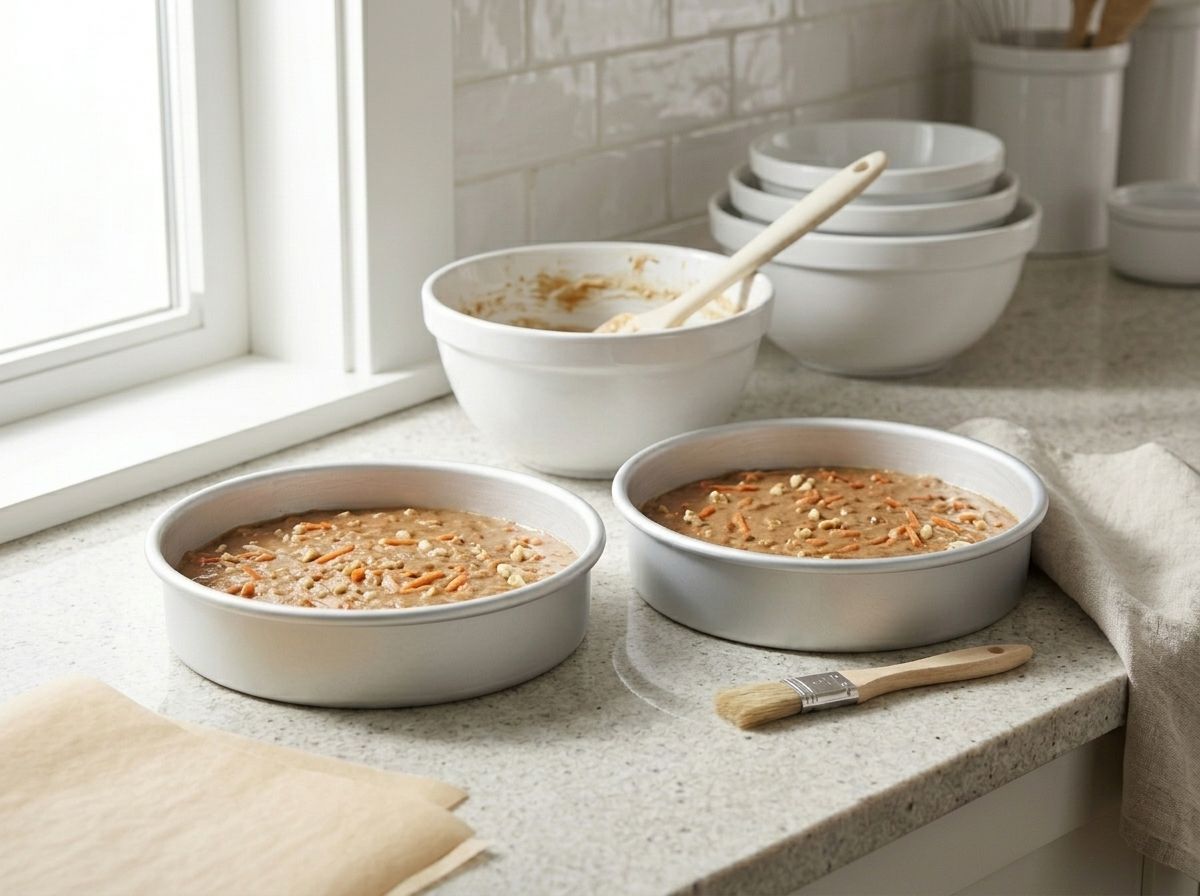
Fold in the grated carrots and the walnuts, if using. Divide the batter between the two pans, about 1½ cups (roughly 475 ml) in each, and level the tops with the back of a spoon.
- 7
Bake and cool completely
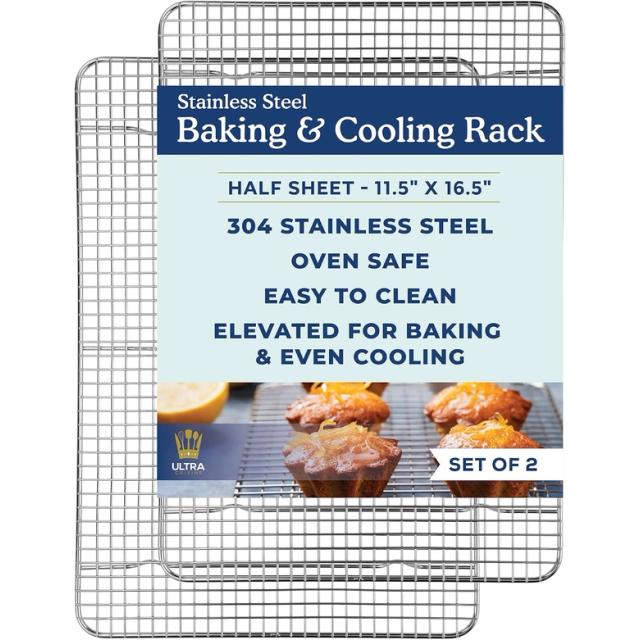
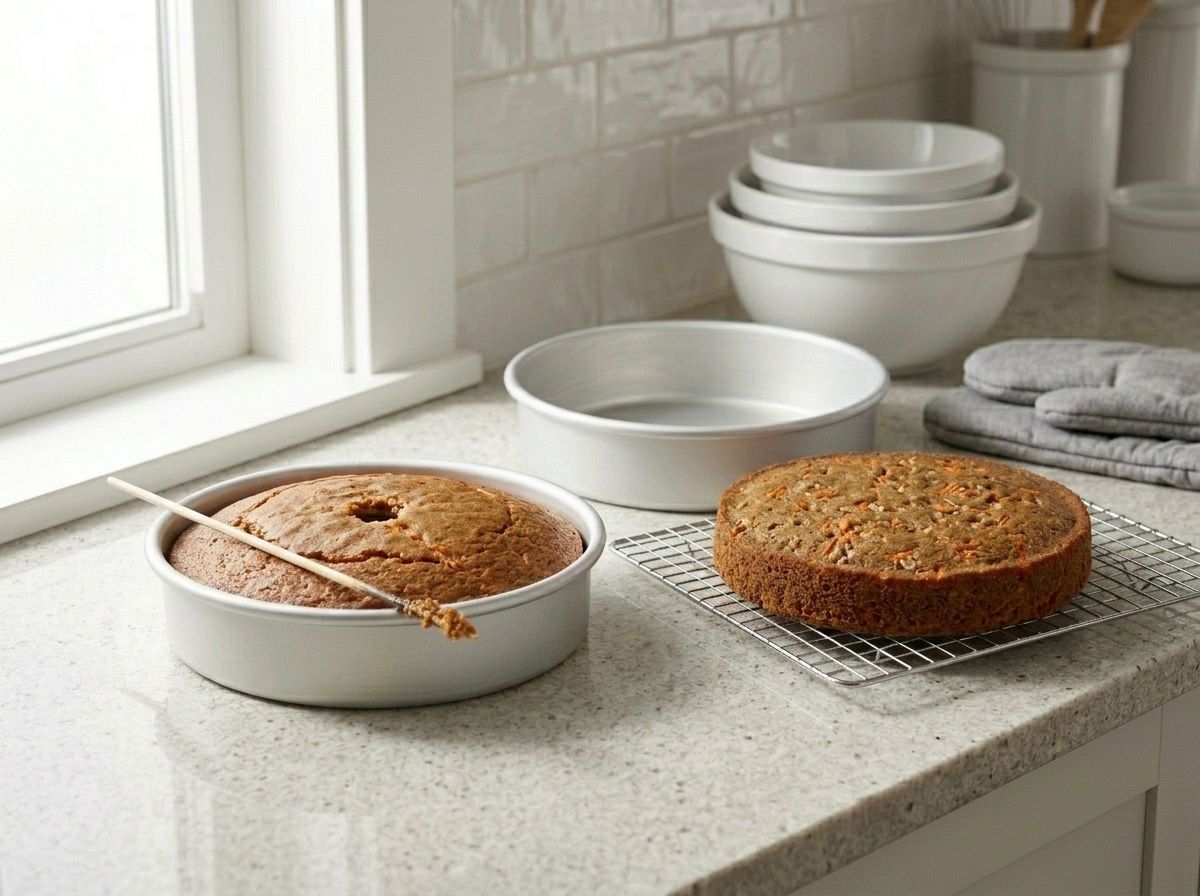
Bake for 30–35 minutes, until a skewer pushed into the center comes out with a few moist crumbs but no wet batter. Cool in the pans for 10 minutes, then turn the layers out onto a wire rack and leave them until they are cold all the way through, about an hour. Frosting a layer that is still warm melts the frosting straight off it.
- 8
Beat the frosting cold and briefly
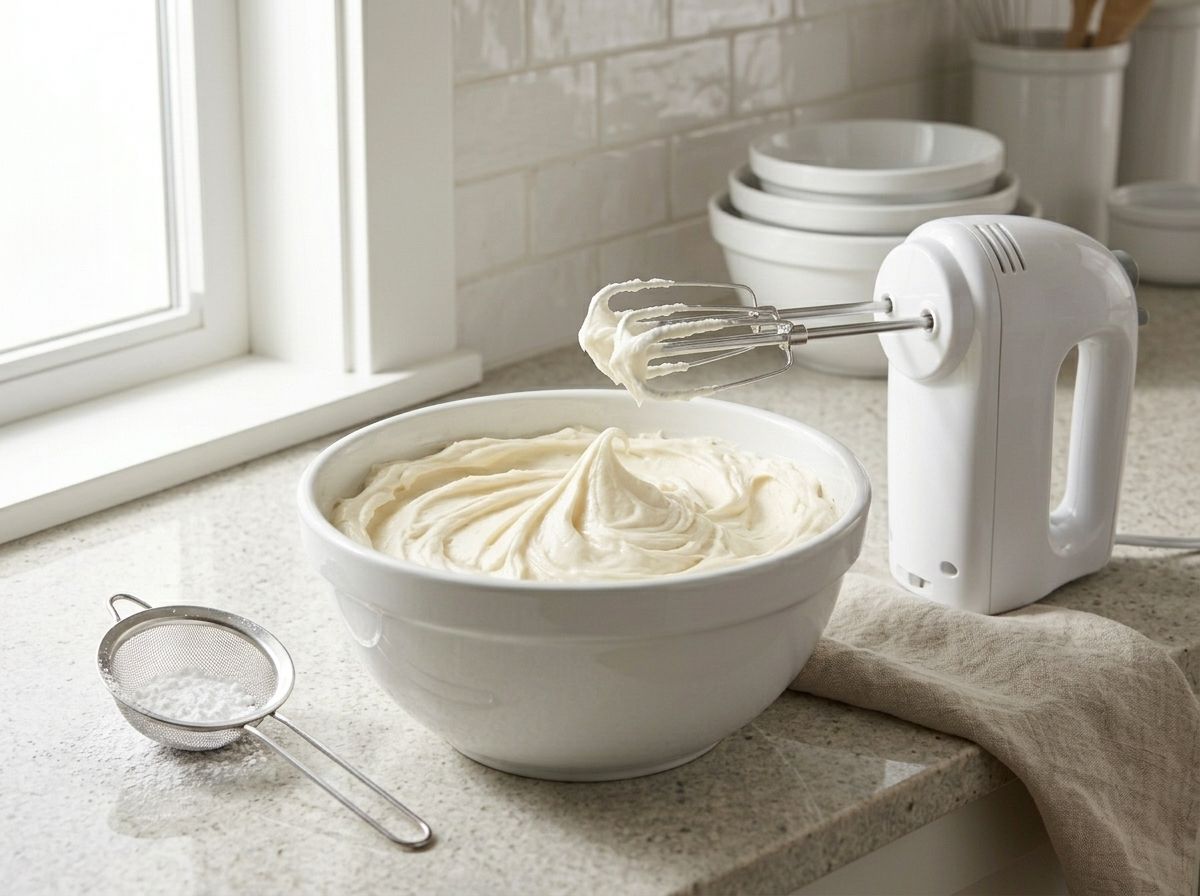
Beat the softened vegan butter on its own until smooth and pale, then add the sifted powdered sugar a third at a time and beat to a stiff buttercream. Add the cold vegan cream cheese, the second teaspoon of vanilla and a pinch of salt, and beat for no more than 30 seconds. Vegan cream cheese loosens the longer it is worked, and a frosting taken past that point never firms up again.
- 9
Chill, fill and finish
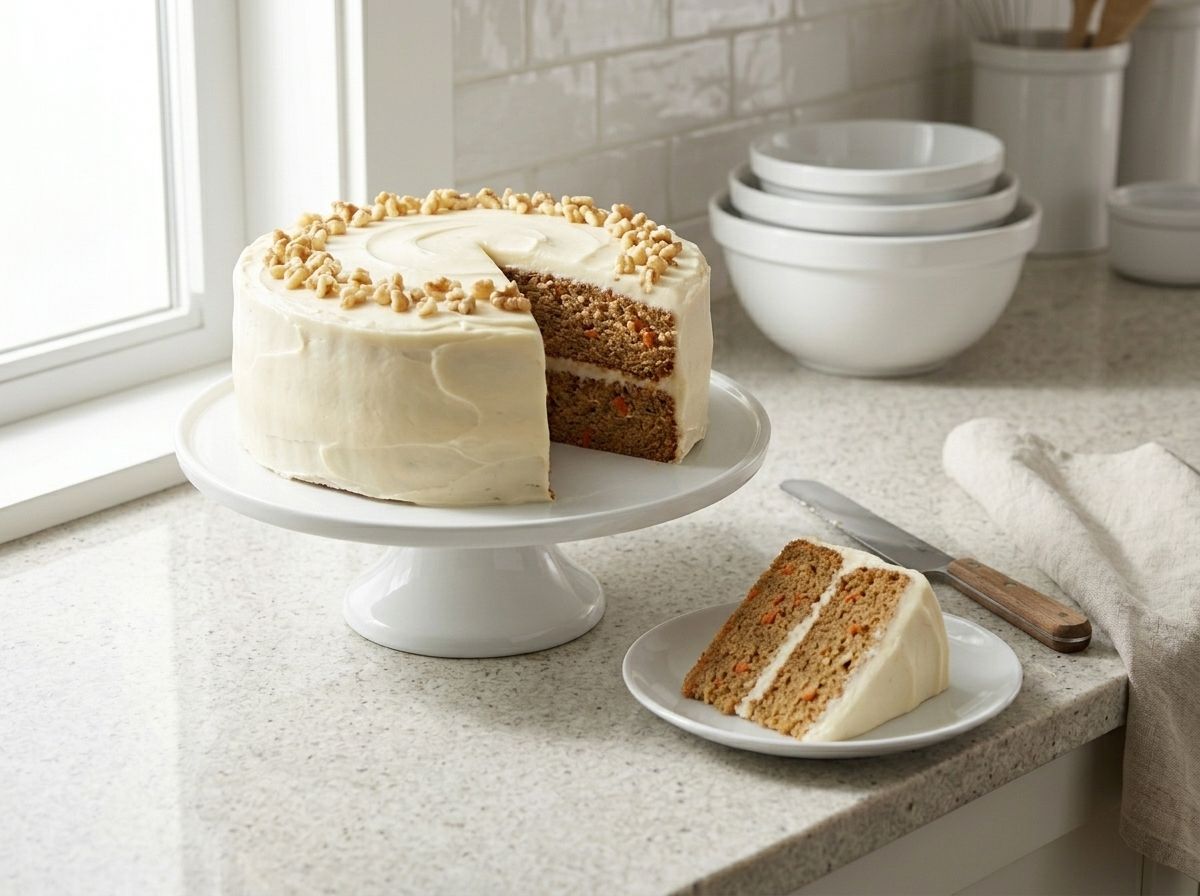
Chill the frosting for 20 minutes, until it holds a peak on the spatula. Spread a third of it over the first layer, set the second layer on top, and cover the top and sides with the rest. Scatter walnuts over the top and chill the assembled cake for 30 minutes so the frosting sets before you cut it.
Notes
Two 8-inch (20 cm) pans are right for this quantity of batter. In 9-inch pans it spreads to barely half an inch and bakes into layers too thin to fill and stack.
The frosting needs vegan block butter, the kind sold wrapped in a stick. Tub spreads carry too much water and will not hold a shape however long you chill them.
For cupcakes, divide the batter between 14 to 16 lined muffin cups and bake for 20 to 22 minutes. Half the frosting is plenty.
Pecans work in place of walnuts, and leaving the nuts out needs no other change.
Nutrition Facts
12 slices · 168 g per serving
- Calories
- 460 kcal
% Daily Value*
- Total Fat
- 14.1 g18%
- Saturated Fat
- 2.8 g14%
- Sodium
- 384 mg17%
- Total Carbohydrate
- 80.9 g29%
- Dietary Fiber
- 3.5 g13%
- Sugars
- 59.9 g—
- Protein
- 6.6 g13%
Recipe from veggierecipes.blog
When it goes wrong
Troubleshooting
The frosting went soupy and slid off the cake
Either the cream cheese was warm or the frosting was beaten too long. Vegan cream cheese is held together by starch and gums rather than dairy protein, and beating shears that structure apart; once it loosens it does not come back. That is why the order matters: butter and powdered sugar first, beaten stiff enough to carry the water, then the cold cream cheese at the end for no more than 30 seconds. If it has already gone, chill the bowl for half an hour and fold in another 60 g of sifted powdered sugar with a spatula rather than reaching for the mixer again.
The layers came out barely half an inch tall
The pans were too big. This batter comes to roughly 950 ml, which is right for two 8-inch (20 cm) pans and nowhere near enough for two 9-inch ones, where it spreads to about a centimeter before rising. Plenty of published carrot cakes specify 9-inch pans for a batter this size, and the result is two thin discs that tear when you lift them.
It tastes sweet but not of very much else
Under-spiced, under-salted, or both. Carrot cake carries 300 g of sugar and needs a real spice load to stand up to it: 2 teaspoons of cinnamon and half a teaspoon of salt for 250 g of flour, roughly double the cinnamon most recipes call for. Salt is the one people cut, and it is what makes the spice legible rather than what makes the cake salty. If it is already baked, orange zest grated into the frosting recovers most of it.
There are stringy orange threads running through the slice
The carrots were grated on the largest holes of the box grater. Long coarse shreds keep their own water and stay identifiably raw through a 35 minute bake, while the medium holes give shorter pieces that collapse into the crumb. Bagged pre-shredded carrot does this whatever you do, because it is cut coarse and then dried.
The crumb is tough and slightly rubbery
The batter was stirred after the flour went in. Eggless batters show gluten development faster than a conventional carrot cake does, because there is no egg protein in the mix softening what the gluten is doing. Stop at the point where the last dry streak disappears, even though the batter still looks rough, and fold the carrots in by hand.
It came out dense rather than light and fluffy
That is carrot cake behaving correctly, and it is worth knowing before you try to fix it. This is not a sponge and never was: it descends from a boiled pudding and is meant to be close-grained, damp, and heavy enough that a thin slice is a real portion. A carrot cake that comes out airy has usually had too much leavening or too little carrot, and it goes stale within a day. Judge it on whether the crumb is moist, not on whether it is light.
Before you serve
Serving & Storage
Serve it cool rather than cold. Twenty minutes out of the fridge lets the frosting soften and stops the crumb tasting tight, and a knife wiped clean between slices is the difference between twelve neat wedges and twelve smeared ones. In Switzerland, where a version called Rüeblitorte has been a standard children’s birthday cake in the canton of Aargau since the nineteenth century, each slice is finished with a small marzipan carrot pressed into the frosting. It looks better than another handful of walnuts and takes about a minute to do.
Beside it, black coffee or a strong tea taken without milk. The frosting is sweet enough that anything sweet next to it flattens the cake, which is why ice cream does this particular dessert no favors.
Making it ahead
The layers are better on the second day than on the first. Bake them, cool them completely, wrap each one tightly in plastic and leave them at room temperature for up to two days. The crumb tightens slightly and the spice comes forward as it sits.
The frosting keeps for three days in a sealed tub in the fridge, where it sets hard. Leave it out for thirty minutes and beat it for ten seconds to bring it back, no longer, because the rule about over-beating vegan cream cheese applies just as much on the third day as on the first.
What does not work is assembling the whole cake more than about a day ahead. The frosting slowly draws moisture out of the cut surfaces it sits against, and by day two the layer directly under the filling has gone gluey. Store the parts, not the finished cake.
Storing leftovers
A frosted cake goes in the fridge, covered, and keeps for four days. This is not optional the way it is with an all-butter buttercream: vegan cream cheese frosting is not stable at room temperature and will slump within a few hours in a warm kitchen. Press plastic wrap directly against the cut face, which is where a cut cake dries out first.
Unfrosted layers freeze well for three months, wrapped in plastic and then foil, and should be thawed still wrapped so the condensation forms on the plastic rather than on the cake. Frosted slices freeze acceptably for about a month, though the frosting comes back very slightly grainy. Do not freeze the frosting on its own: it separates on thawing, and the only way to bring it back together is to beat it, which is exactly what turns it to soup.
Still wondering
Frequently Asked Questions
Can I make this carrot cake gluten-free?
Yes, using a 1-to-1 gluten-free baking blend that already contains xanthan gum, swapped by weight rather than by the cup. Two things change. The batter is wet to begin with and gluten-free blends hold onto that water, so the layers want 5 to 8 minutes longer. And they must be completely cold before you turn them out, because a warm gluten-free layer has nothing holding it together and will break across the middle. Almond and coconut flour will not work at this ratio.
Does vegan carrot cake taste different from regular carrot cake?
The cake itself, barely. Carrot cake has never leaned on eggs for structure the way a sponge does, and its moisture comes from the carrot and the applesauce, which is why it converts more cleanly than almost any other classic cake. The frosting is where a difference is detectable: vegan cream cheese is milder and a little sweeter, so this one reads less tangy than the version most people remember. A teaspoon of lemon juice beaten in at the end closes most of the gap.
How many people does an 8-inch two-layer cake actually serve?
Twelve, cut into slim wedges, which is the right portion for a cake at 460 calories a slice. Cut generously it serves eight and there will be nothing left. To feed twenty, make one and a half times the batter and bake it in two 9-inch (23 cm) pans, which need that extra volume rather than being a drop-in swap, and increase the frosting by half.
Featured In
More Plant-Based Baking to Love
Made this?