
Pecan Pie Bars Recipe
Published · Updated
Buttery, chewy, and packed with caramelized pecans, these pie bars encapsulate everything you love about classic pecan pie, no fork needed!
Jump To Recipe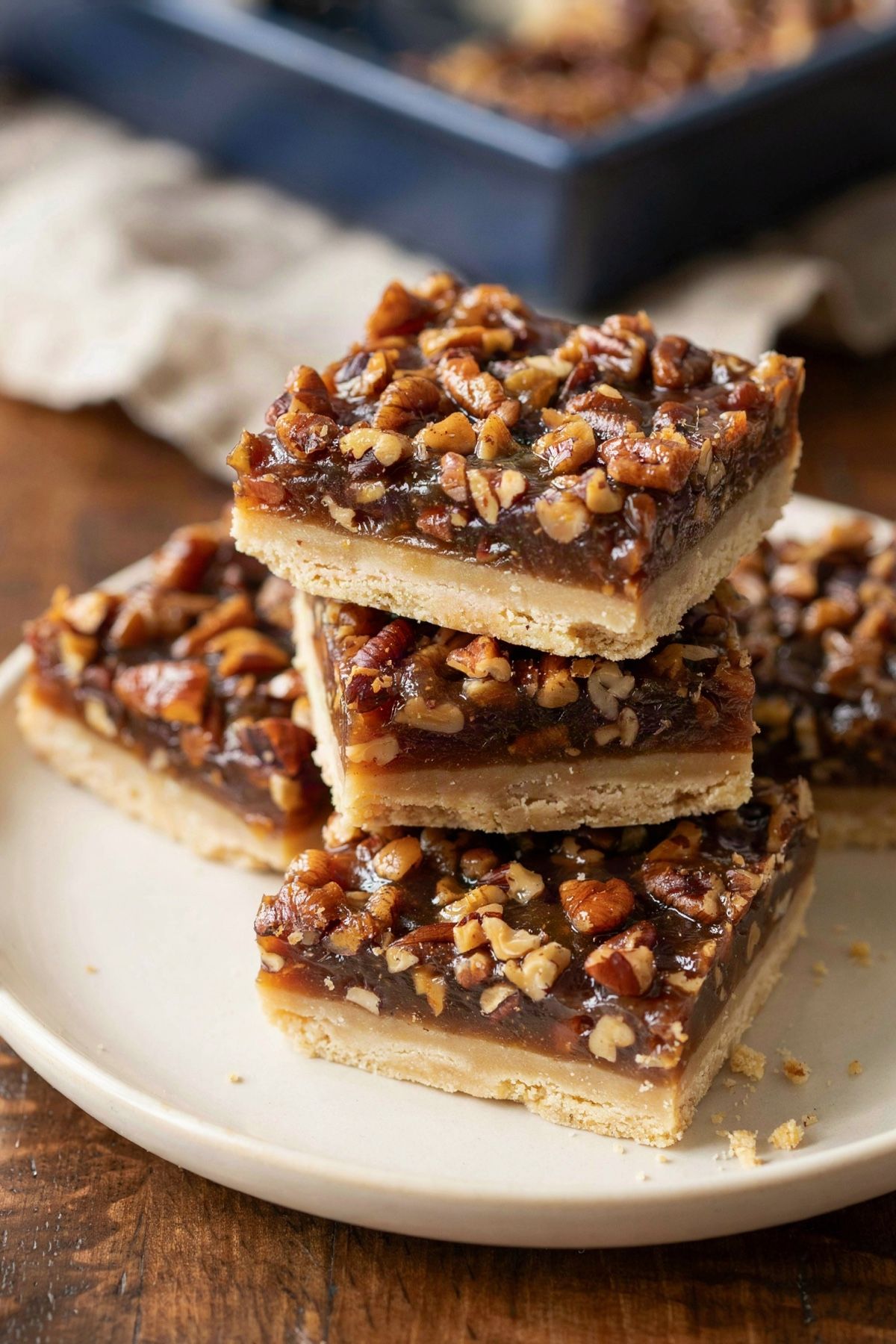
Why I Keep Coming Back to Pecan Pie Bars
Pecan pie in bar form just hits differently. These bars have quickly become a staple in my baking rotation for so many reasons. They capture all the rich, nutty, buttery flavors of a classic pecan pie, but in a hand-held, dare I say, more satisfying way.
There’s something about that layer of buttery shortbread crust, topped with a gooey, caramel-like pecan filling that just doesn’t disappoint, whether I’m grabbing one for a midnight snack or bringing a batch to share at a tailgate.
What I love most about these bars:
- No need for forks or plates, just pure, portable deliciousness.
- Great for making ahead, the flavor even improves after a night in the fridge.
- Perfect texture combo: chewy, crunchy, sweet, and buttery.
These bars are a huge hit at parties and disappear fast, so I always set a few aside for myself.
If you’re chasing that classic holiday pecan pie flavor without the hassle, you need these in your life. Seriously, give these a shot and let the bars do the talking.
The story
Pecan Pie Is Barely a Century Old
The nut is ancient and the pie is not. Pecans are the only major tree nut native to North America, and people were eating them in what is now Texas more than 8,000 years ago. The word reaches English through French from an Algonquian one, pakani, used for nuts hard enough to need a stone to crack.
The pie turns up startlingly late. The earliest printed recipes anyone has traced, from the 1880s onward, are custard pies: milk, eggs, sugar and pecans, closer to a chess pie than to the dark glossy slab we mean today. Neither Fannie Farmer nor The Joy of Cooking bothered with it until the 1940s, which is not how cookbooks treat a dish with deep roots.
What changed was syrup. Karo corn syrup reached American kitchens in 1902, and the company long told a story in which a sales executive’s wife invented pecan pie in the 1930s and handed the recipe to marketing. It is tidy and it is not true. Researchers have since found a Karo pecan pie in a 1925 Dallas Sunday school cookbook, and a New Orleans cookbook from 1900 naming Slidell, Louisiana as the original home of pecan pie, made there with cane syrup. Southern home cooks worked out the syrup-set filling; the corn syrup company found it, printed it on the label and took it national.
The rival origin story, in which French settlers in New Orleans invented the pie soon after Native people introduced them to the nut, is repeated everywhere and backed by no recipe anyone has produced.
The bar is younger again. A shortbread base pressed into a square pan is a mid-century American convenience, the answer to feeding twenty people from one tray without rolling pastry. You give up the crimped edge and you gain a crust that stays crisp, because it is baked twice, once bare and once under the filling.
For a vegetarian table this is a quietly useful dessert. Most classic American holiday sweets want something from an animal that is not butter, milk or egg, whether that is gelatin in a chiffon filling or lard in the pastry. Pecan pie has never needed either. Its richness comes from a nut that is around seventy percent fat, propped up with butter and set with eggs, and a press-in base removes the last place lard used to appear.
What to buy
Ingredient Notes
Light corn syrup
It is there for texture more than sweetness. Corn syrup is mostly glucose, and glucose gets in the way of sucrose trying to crystallize, which is why the filling cools glossy and chewy rather than grainy. Outside the US it is hard to find; golden syrup is the closest swap at the same volume, a little more caramel in flavor. Maple syrup and honey work one for one but are thinner, so the filling sets softer and wants 5 more minutes in the oven. Dark corn syrup makes a deeper, more molasses-like tray.
Pecans
Buy halves and chop them yourself. Pieces are the offcuts and usually older stock. Pecans are around seventy percent fat, which is why they taste as they do and also why they go rancid faster than almost any other nut, so smell a bag before committing it to a tray; rancid pecans taste of paint and no amount of sugar hides it. Keep them in the freezer, where they last a year, and chop them to pea size.
Packed brown sugar
Packed means pressed into the cup firmly enough to hold its shape when tipped out. Spooned in loosely, a cup lands about 30 g short, and that missing sugar sets the filling noticeably softer. The molasses is what gives the filling its caramel edge, so dark brown sugar makes a deeper tray and is the easiest single change to this recipe.
Unsalted butter
It appears twice and in two states. The crust wants it softened, meaning it takes a fingerprint but still holds its shape; the filling wants it melted, then cooled to roughly room temperature before it meets the eggs. If salted butter is all you have, use it and leave out both quarter teaspoons of added salt.
Large eggs
Three large eggs are the only thing turning a pan of hot syrup into something sliceable, so the size matters more than it usually would. Take them out of the fridge half an hour ahead; cold eggs chill the melted butter back into solid flecks that stay visible in the baked filling.
Salt
A quarter teaspoon in the crust and another quarter in the filling, which sounds fussy and is not. The tray carries the better part of 400 g of sugar, and with salt only in the crust the sweetness has nothing pushing back on it and reads flat and cloying by the second bar.
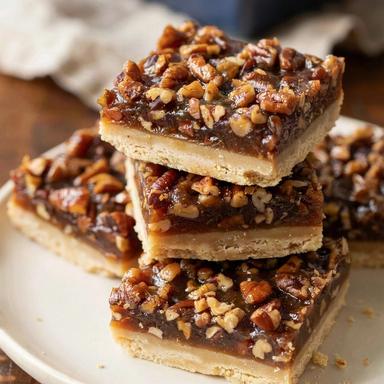
Delicious Pecan Pie Bars
Buttery crust and a caramel-pecan filling bring classic pecan pie flavor into easy-to-serve bars.
Ingredients
Equipment
As an Amazon Associate I earn from qualifying purchases, at no extra cost to you.
Instructions
- 1
Heat the oven and toast the pecans
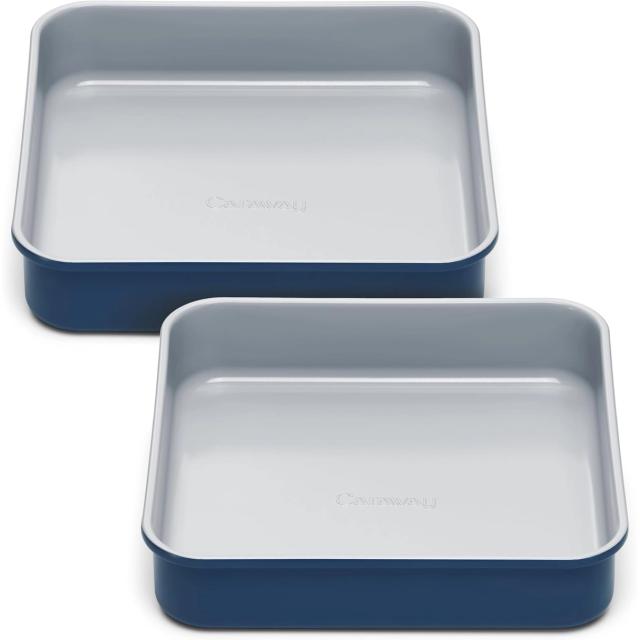
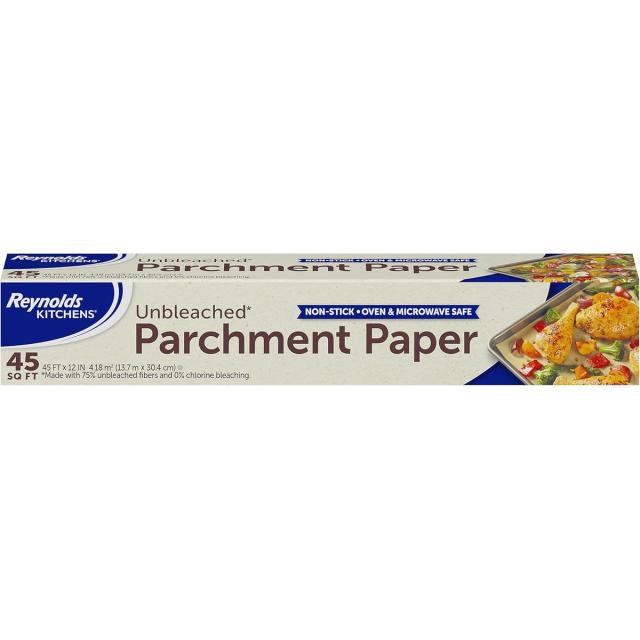
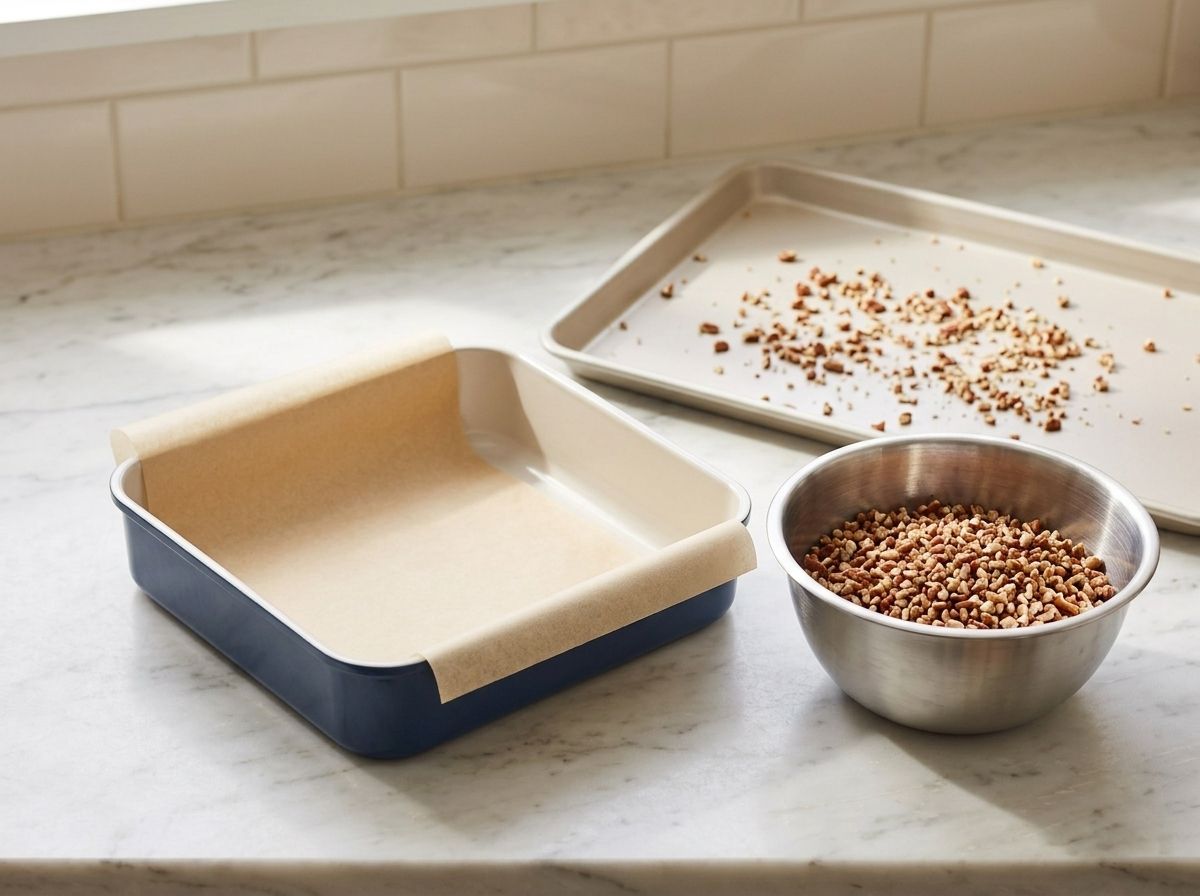
Heat the oven to 350°F (175°C). Line a 9x9-inch baking pan with parchment, leaving an overhang on two opposite sides. Spread the chopped pecans on a baking sheet and toast for 6 to 8 minutes, until they smell nutty, then tip them onto a plate. Submerged in the filling they would only steam.
- 2
Press and bake the crust
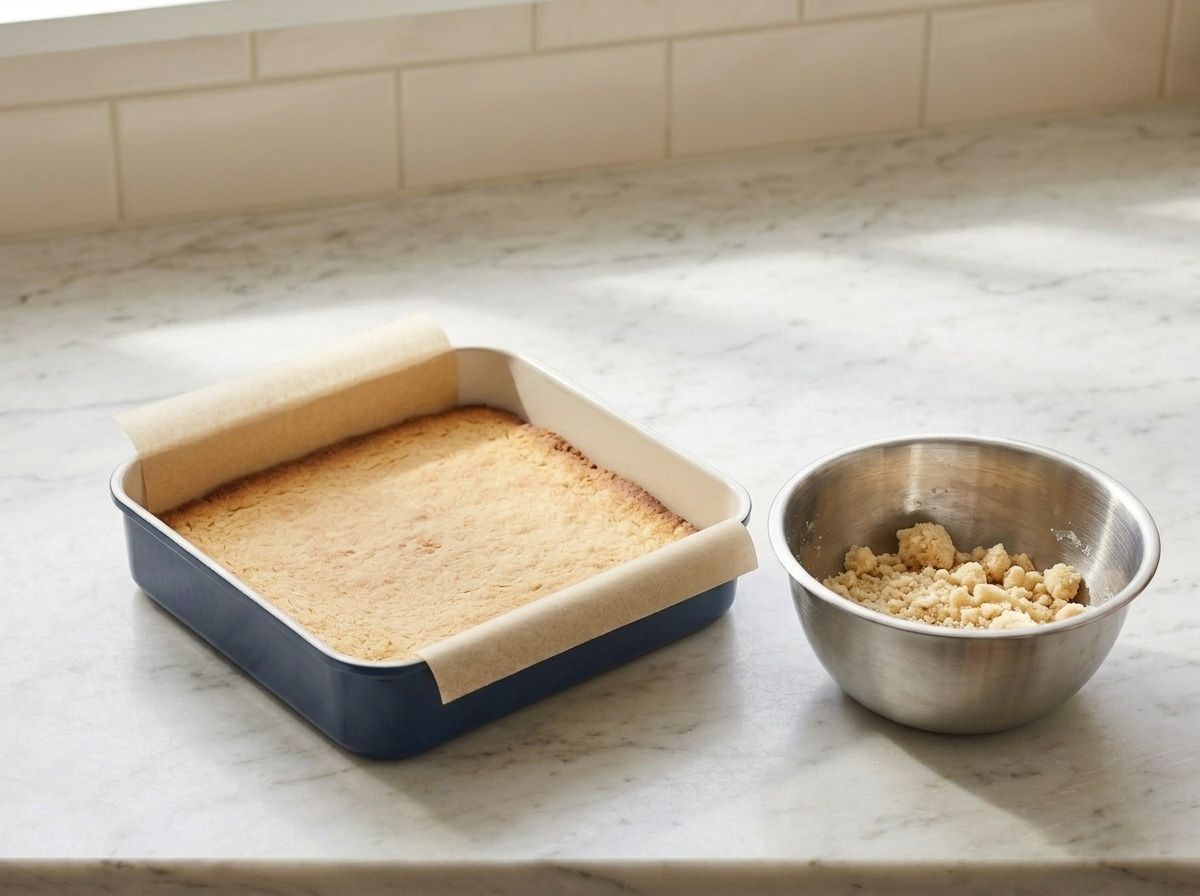
Rub the flour, softened butter, granulated sugar and the crust salt together with your fingers until the mixture looks like damp crumbs. Press it flat and even into the lined pan, right into the corners. Bake for 18 to 20 minutes, until the surface looks dry and the edges have gone golden.
- 3
Mix the filling while the crust bakes
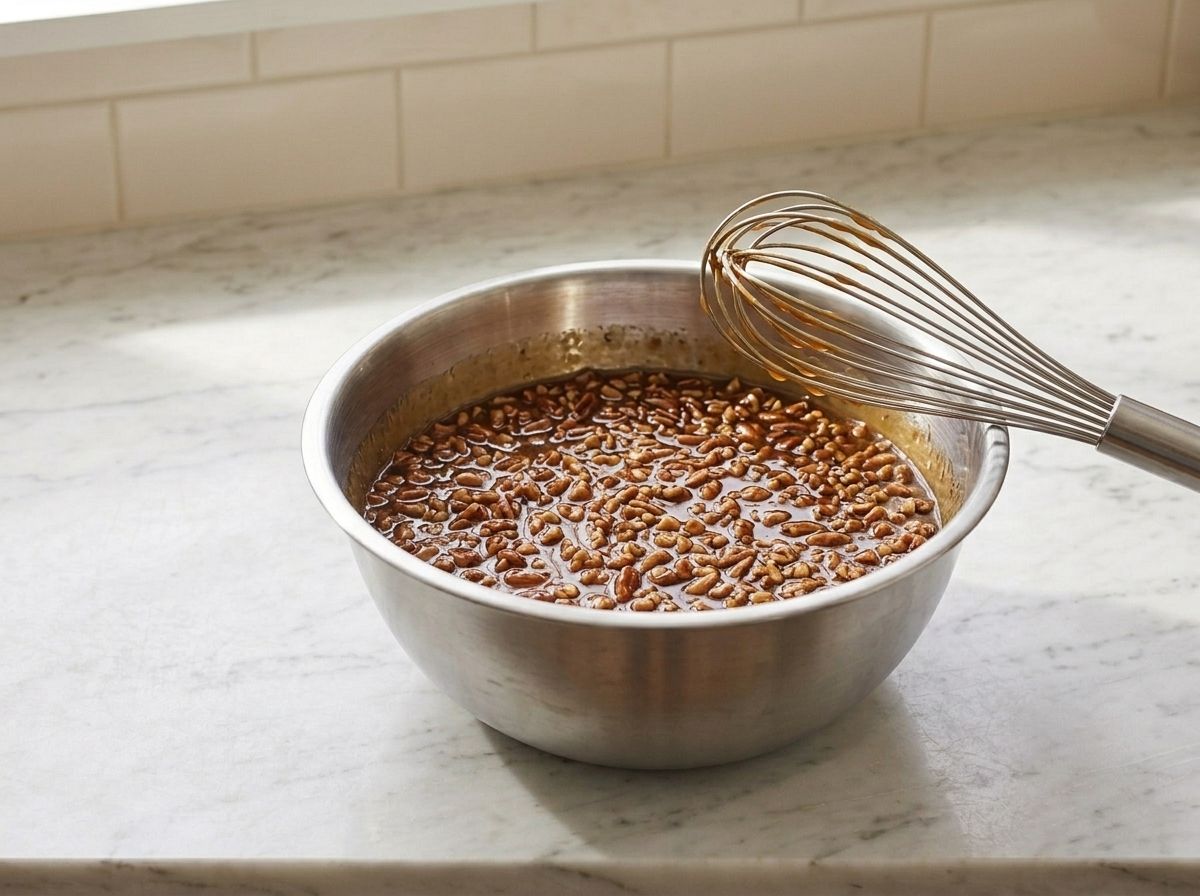
Whisk the brown sugar, corn syrup, melted butter, eggs, vanilla and the filling salt in a bowl until smooth and no longer streaky. Stir in the toasted pecans.
- 4
Fill the hot crust and bake
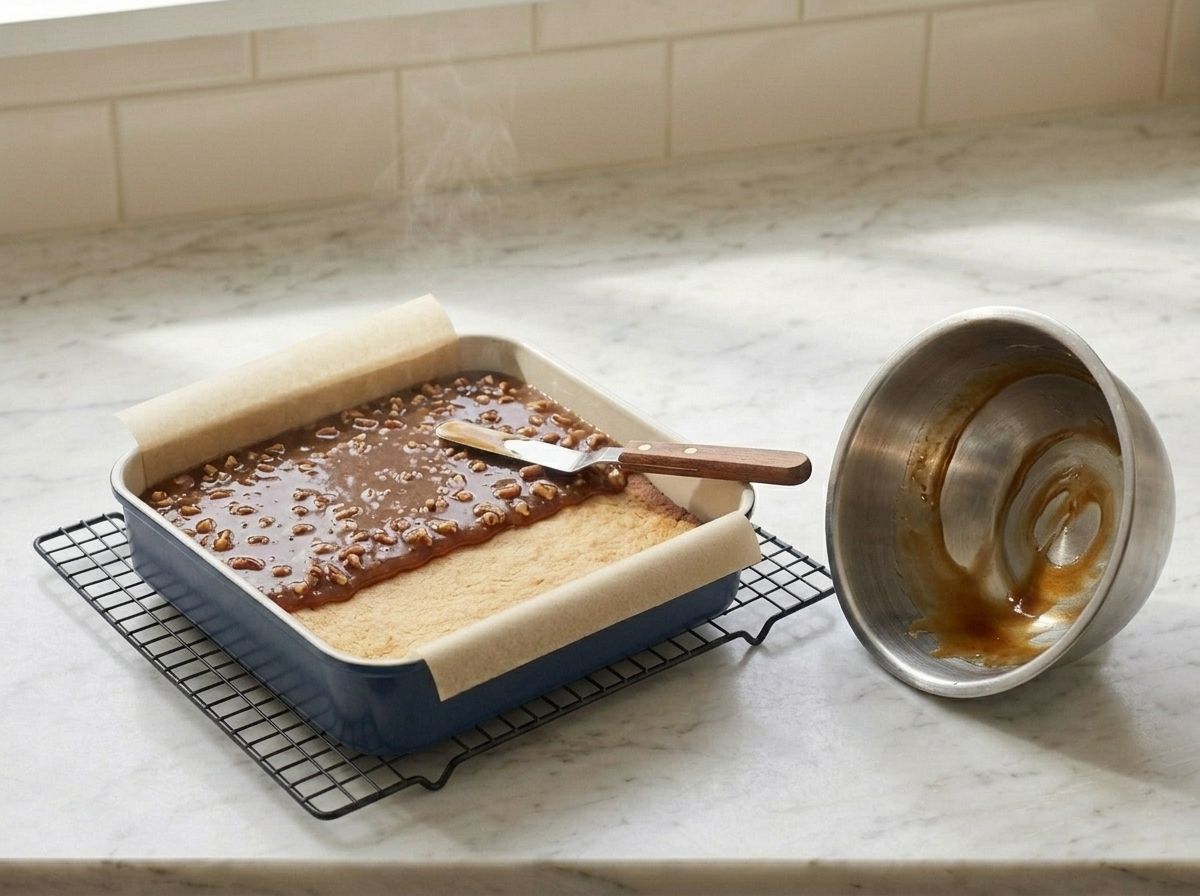
Pour the filling over the crust the moment it comes out of the oven and spread it level. Bake for 25 to 30 minutes, until the edges are set and slightly puffed and the center still wobbles as one piece when you nudge the pan. It carries on firming as it cools, so stop there.
- 5
Cool it through in the pan
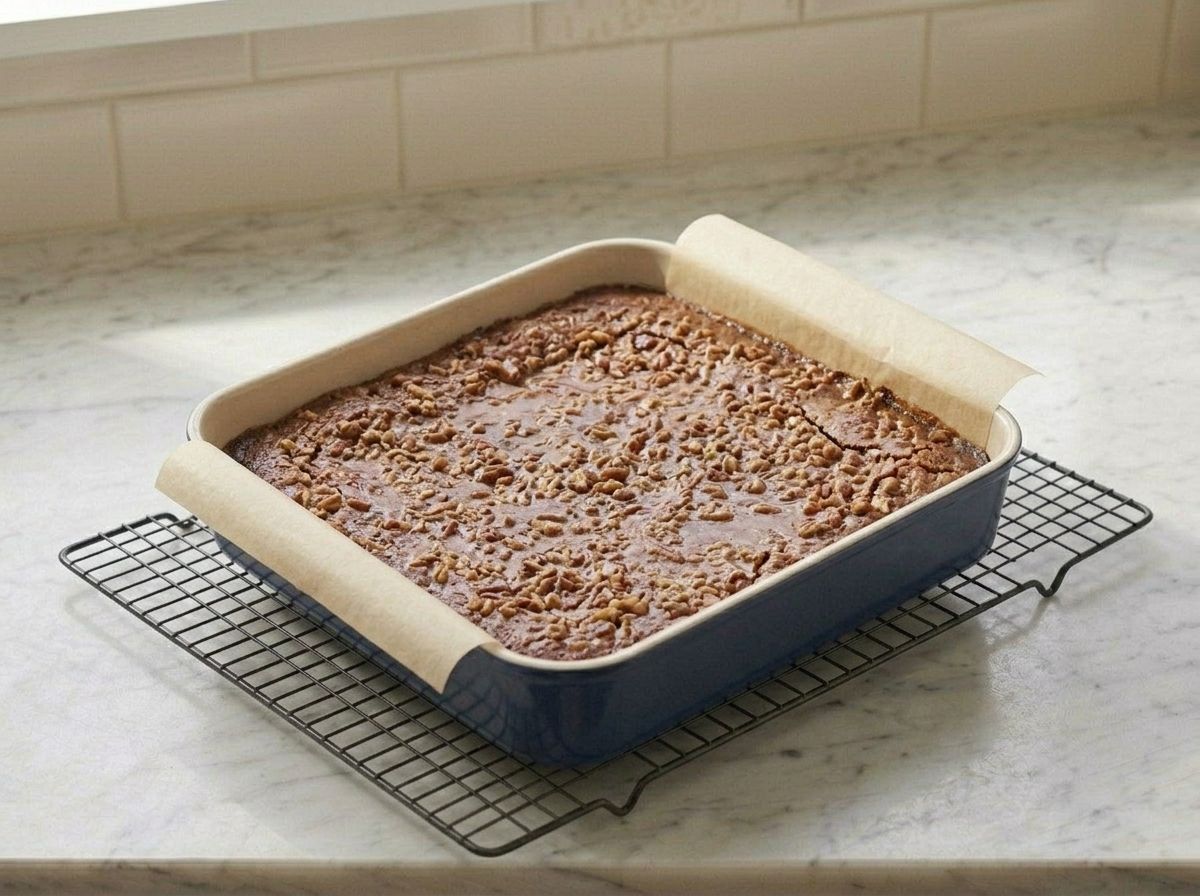
Set the pan on a rack and leave it until cool all the way through, about 2 hours. For the sharpest edges, chill the cooled pan for another hour.
- 6
Lift out and cut
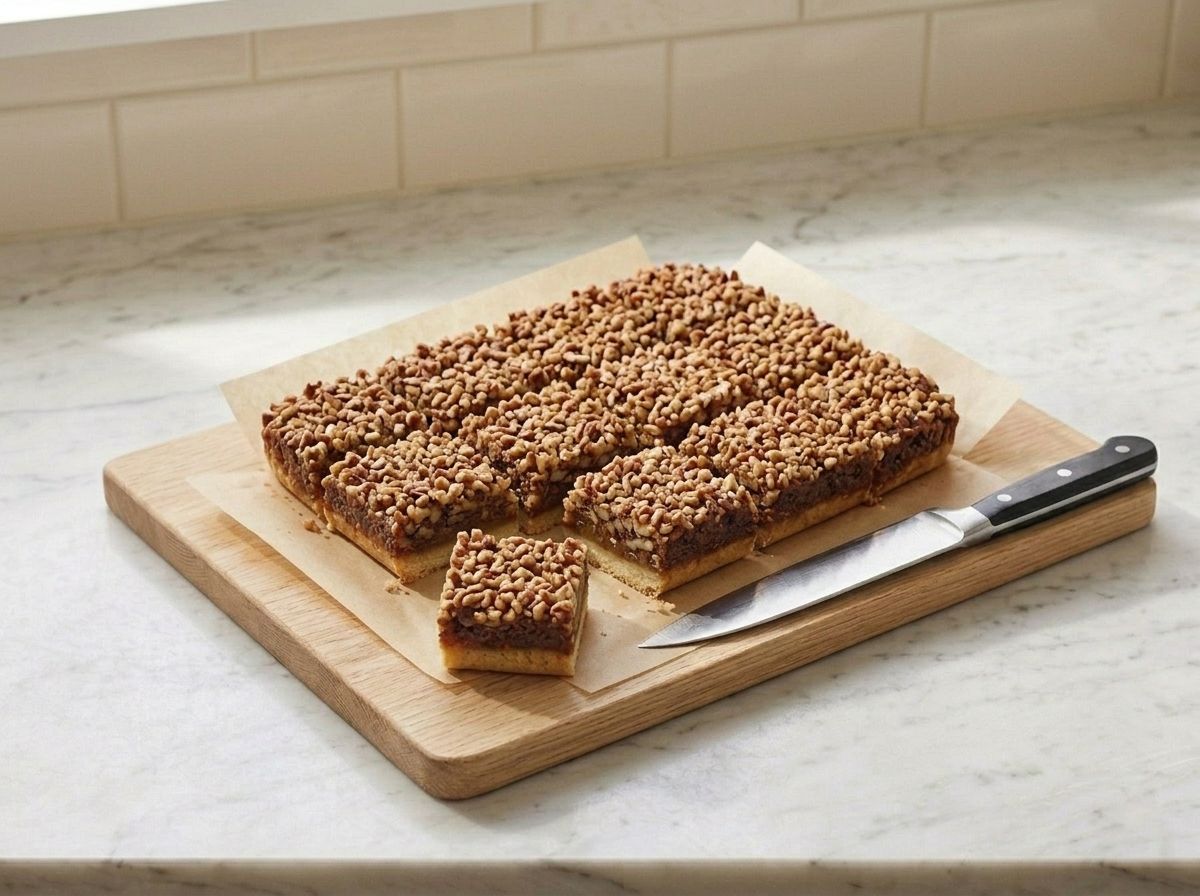
Lift the slab out by the parchment overhang onto a board. Cut into 16 squares with a large knife, pressing straight down rather than dragging, and wiping the blade between cuts. Serve at room temperature, giving chilled bars 20 minutes out of the fridge.
Notes
Weigh the flour if you can. A cup scooped straight from the bag can come out at 145 g rather than 125 g, and the extra turns the crust dry and sandy.
A metal pan crisps the crust edges better than glass or ceramic. In a glass dish, give the crust 3 to 5 extra minutes and judge it by the golden edge rather than the clock.
Nutrition Facts
16 bars · 71 g per serving
- Calories
- 293 kcal
% Daily Value*
- Total Fat
- 17.6 g23%
- Saturated Fat
- 7.2 g36%
- Sodium
- 98 mg4%
- Total Carbohydrate
- 32.9 g12%
- Dietary Fiber
- 1.1 g4%
- Sugars
- 25.6 g—
- Protein
- 3.1 g6%
Recipe from veggierecipes.blog
When it goes wrong
Troubleshooting
The crust went soggy under the filling
Usually two causes at once. The base came out pale, so its starches had not set and it drank the filling, and it had cooled before the filling went on, so nothing sealed the boundary. Bake the crust the full 18 to 20 minutes, until the edges are golden and the middle looks dry, and pour the filling on while the pan is still hot.
The filling never set and it is still liquid in the middle
It came out too early, or the oven runs cool. The wobble you want is the whole center moving as one piece, like a set custard; if it ripples or sloshes it is not there. If it is fully cold and still runny, return the pan to a 350°F oven for 8 to 10 minutes, with foil laid loosely on top.
The top cracked and the filling looks grainy and wet
That is an overbaked egg filling. Held too long in the heat the egg proteins tighten and squeeze the syrup back out, which shows as beads of liquid and a curdled texture under a cracked surface. Nothing fixes it afterwards, so next time take the pan out while the center still wobbles.
The bars smeared instead of cutting cleanly
They were cut warm. A pecan filling stays soft until it is properly cold, and two hours on the rack is a minimum rather than a target. Chill the cooled pan for an hour, lift the slab out on its parchment, then press a large knife straight down instead of dragging it. Dragging pulls the pecans out and leaves a ragged edge.
The crust is greasy and butter pooled at the edges
The butter was too warm, or melted. Softened butter stays suspended in the flour and bakes into shortbread. Any warmer and it coats the flour instead, which is a paste, and the fat separates out in the oven. In a warm kitchen, press the crust into the pan and chill it 15 minutes before baking.
The pecans all rose into a layer on top
That is not a fault, it is what pecan pie does. The nuts are lighter than the syrup around them, so they float in the first minutes of baking and set as a crunchy top over a smooth filling. If you would rather have them spread through the filling, chop them finer, because small pieces stay suspended instead of floating free.
Before you serve
Serving & Storage
Pecan pie is the sweetest thing on an American holiday table, and almost everything traditionally served beside it exists to blunt that. Unsweetened whipped cream is the standard for a reason: the filling has already reached the sweetness ceiling and sweetened cream tips it over. Vanilla ice cream does the same job, crème fraîche does it more sharply, and black coffee is the other classic partner.
Temperature changes these bars more than anything you put next to them. Straight from the fridge they are firm and chewy and easy to eat in the hand. At room temperature the filling loosens and they behave like pie. Warm from a low oven they are gooey and want a plate and a fork, which rather defeats the point of making bars.
Making them ahead
These are better on day two than on day one, which is unusual and convenient: overnight the crust draws a little moisture from the filling and the two layers stop tasting like separate things. Bake the slab up to three days ahead, leave it whole and uncut in the pan, cover it once completely cold and cut on the day. Cutting early exposes four soft sides to the air and they dry out.
Storing leftovers
Airtight, they keep three days at room temperature and five in the fridge, with parchment between the layers or they weld into a block. The fridge firms the filling and dulls the flavor, so take out what you want half an hour before eating. They freeze for three months, wrapped tight, and should thaw in the fridge overnight rather than on the counter, where condensation makes the tops sticky.
Two things do not work. Do not reheat them in the microwave, which liquefies the filling and leaves the crust limp within seconds; 5 minutes in a 300°F oven does the job properly. And do not keep them uncovered in the fridge, because that filling is a sponge for the smell of everything else in there.
Still wondering
Frequently Asked Questions
Can I use a different size pan?
These quantities are written for a 9x9-inch pan. An 8x8 works with the same quantities for a thicker bar; add about 5 minutes to the filling bake and judge it by the wobble rather than the clock. For a 9x13, multiply everything by 1.5 and keep both bake times as written, since the layers end up the same depth. Doubling into a 9x13 leaves the filling too deep to set in half an hour.
Can I make these gluten-free?
Yes, and more easily than a gluten-free pie. The filling contains no flour, so only the crust changes, and a press-in shortbread has no gluten structure to lose. Swap the 125 g of all-purpose flour for the same weight of a 1:1 blend containing xanthan gum, then let the pressed crust sit 10 minutes before baking so the starches hydrate. Skip that rest and it bakes sandy.
Can I make these vegan?
Not by swapping the eggs. The three eggs are the only thing setting the filling, and flax or chia eggs thicken without coagulating, so you get a pan of warm syrup that never firms. Vegan butter substitutes fine in both layers. For a pecan bar with no eggs or dairy the honest route is a different filling: a cooked caramel of brown sugar, syrup and coconut cream over the same shortbread base, set by boiling down rather than by egg.
Featured In These Collections
More Delicious Pecan & Pie-Inspired Treats
Made this?