
Vegan Coconut Chickpea Curry Recipe
Published · Updated
A warm and inviting coconut chickpea curry that's creamy, aromatic, and packed with plant-based goodness, perfect for any dinner table.
Jump To Recipe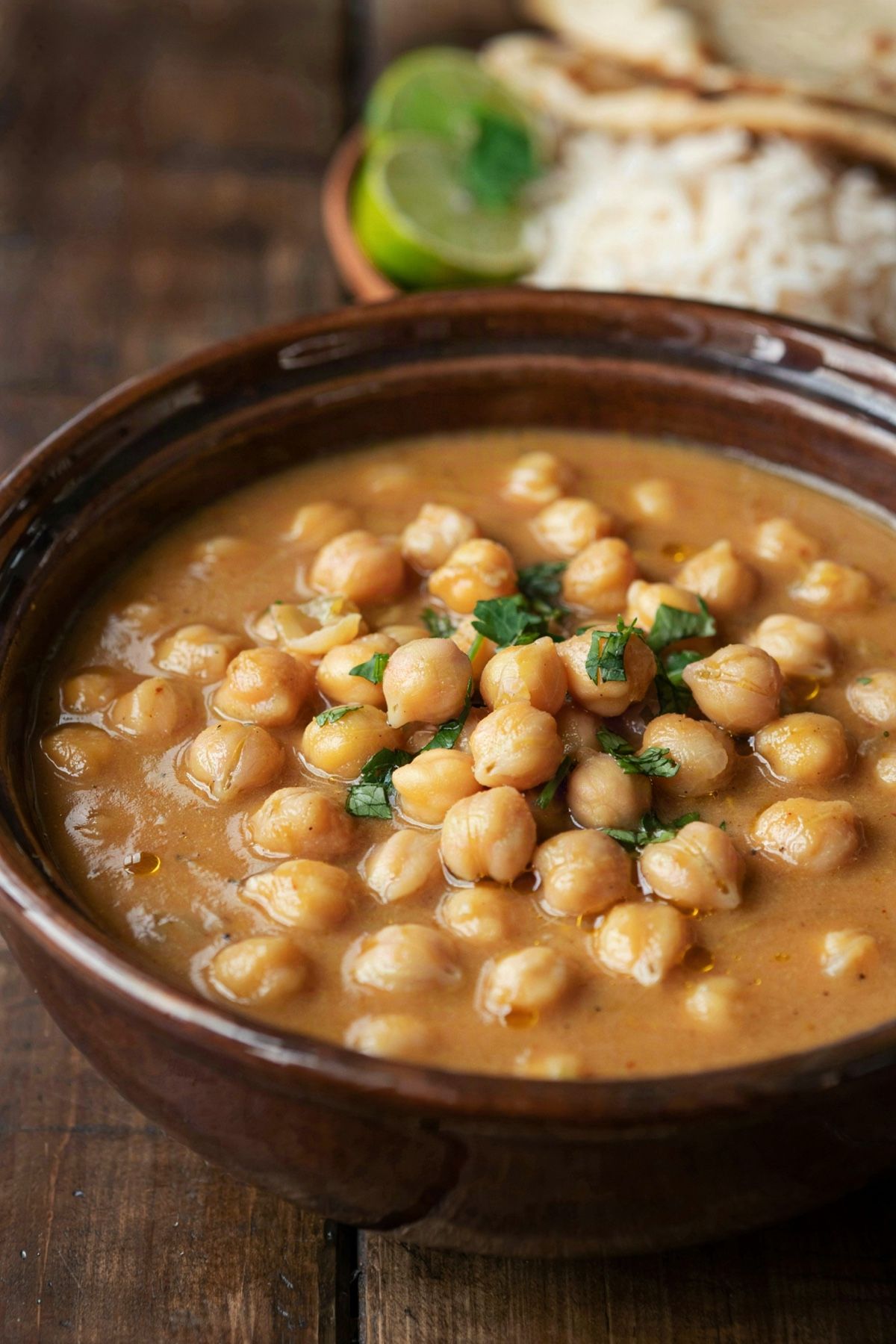
Why I Love This Creamy Coconut Chickpea Curry
A curry that’s rich and totally plant-based is so comforting, isn’t it? The coconut milk wraps the chickpeas and spices in an unbelievable sauce that makes each bite extremely satisfying. When I want a filling meal that won't take hours to whip up, this recipe does the trick, time and time again.
This is a meal I can make in a pinch thanks to canned chickpeas and my pantry staples of coconut milk and canned tomatoes. No special trip to the store is required.
Here’s what stands out for me about this curry:
- Curry powder and cumin, bloomed in oil before anything wet goes in, give it a layered, toasty flavor.
- Most ingredients are pantry staples and the process is beginner-friendly.
- It’s insanely flexible: serve it with rice, naan, or even on its own for a lighter meal.
I recommend making a big batch. It reheats beautifully for lunches throughout the week. This recipe is proof that plant-based eating doesn’t have to mean sacrificing comfort or flavor.
The story
Coconut Chickpea Curry Is Half Kerala, Half London
The word curry is one of the few things in this recipe that really did come from India. Portuguese traders heard the Tamil kari, a spiced sauce eaten with rice, wrote it down as caril, and the English turned it into curry. In Kerala and Tamil Nadu the word is still native: kadala curry is simply chickpea curry in Malayalam. In the north, a chickpea dish takes its name from its spice mix instead, as chana masala or chole.
The curry powder is the London half. Hannah Glasse printed the first English curry recipe in 1747, seasoned with nothing but black pepper and coriander seed roasted on a shovel. Turmeric and ginger only arrived in a later edition. By 1784 Sorlie’s Perfumery Warehouse on Piccadilly was advertising a ready-made curry powder, sold by a perfumer rather than a grocer, to households that had come home from India with a taste for the food and no cook to make it. One jar replaced the dozen choices an Indian cook makes for each dish, and Japan’s curry rice descends directly from it.
India grows most of the world’s chickpeas, in two kinds. Desi chickpeas are small, dark and rough-skinned, and the name just means local. Kabuli chickpeas are the large cream ones in every can, named for Kabul, the route by which they reached India. Punjab’s chana masala uses kabuli chickpeas in a tomato and onion gravy soured with dried mango powder, with no coconut anywhere near it. Kerala’s kadala curry uses black desi chickpeas in a coconut gravy, cooked in coconut oil and eaten for breakfast.
This recipe sits between the two. The coconut belongs to Kerala, and the canned chickpeas and jar of curry powder are the shortcut a London household took two hundred years ago. What it keeps from the Indian kitchen is the method: onions cooked until golden, spices fried in oil before anything wet goes in, and tomatoes cooked until oil appears at the edges. That last stage is the one most quick versions skip, and it is the difference between a sauce and a tomato-flavored coconut soup.
Kadala curry was vegan long before the word existed. In the south, coconut does the work that ghee and cream do in the north, so a dish built on it needs no substitution at all to leave out animal products. That is why this curry is not a plant-based version of anything. It is simply the coconut branch of a very old family.
What to buy
Ingredient Notes
Curry powder
A British blend, not an Indian one, and no other jar on the spice rack varies as much from brand to brand. Turmeric makes up roughly 15 to 20 percent of most blends, so two tablespoons already carry about a teaspoon of it. That is why this recipe no longer adds more. Mild and medium blends suit a family table; Madras is hot. Ground spices fade within a year, and stale curry powder tastes of dust.
Chickpeas
Two standard cans, 15 oz in the US or 400 g elsewhere, each of which drains to about 250 g. Rinse them, because the canning liquid is salty and faintly metallic. To cook your own, 1 cup (200 g) of dried chickpeas makes roughly 3 cups cooked. Cook them until creamy all the way through before they meet the tomatoes, because acid stops beans softening any further.
Coconut milk
Full-fat, from a can. Light coconut milk is the same product cut with water, so it can only make a thinner sauce. The cartons sold next to the dairy milk are a drink rather than a cooking ingredient, and they will not thicken at all. The cream rises and sets in the can, so open it and stir it smooth before pouring rather than relying on a shake.
Crushed tomatoes
Crushed rather than diced, and the choice matters more than it looks. Most canned diced tomatoes in the US are treated with calcium chloride, a firming agent that keeps the cubes intact however long they cook, so they never melt into the sauce. Passata, or whole canned tomatoes crushed by hand, works just as well. If diced is what you have, mash them in the pot as they cook down.
Yellow onion
One medium onion, about 150 g, finely chopped so it browns evenly and disappears into the sauce rather than leaving strands. Yellow onions go golden in 8 to 10 minutes over medium heat; white ones work too but stay slightly sharper. This is the step people rush, because translucent looks finished. It is not, and the finished curry tastes of the difference.
Lime juice
The only acid apart from the tomatoes, and the thing that keeps a coconut sauce from tasting heavy. Squeeze it fresh: bottled lime juice has been pasteurized and tastes flat by comparison. Lemon is a fine swap. Either one goes in off the heat, because citrus that boils loses the bright, fragrant edge you added it for in the first place.
Creamy Coconut Chickpea Curry
A creamy coconut chickpea curry built from pantry staples: golden onions, bloomed curry powder, tomatoes cooked down until the oil shows, and a squeeze of lime to finish.
Ingredients
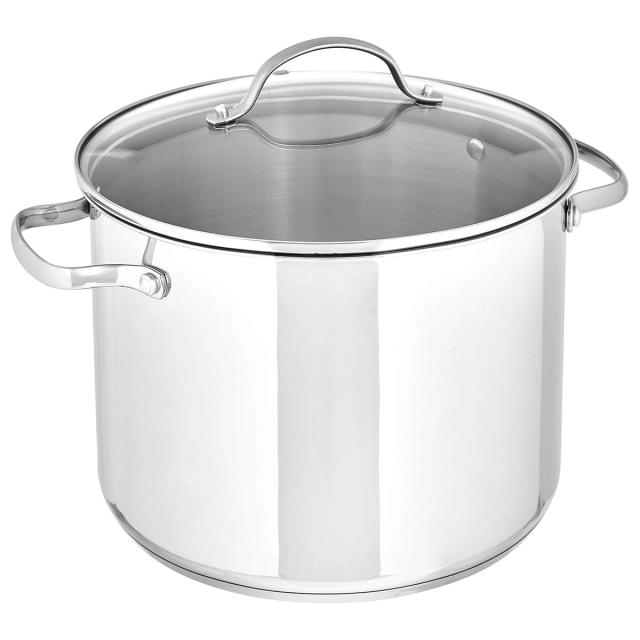
Equipment
As an Amazon Associate I earn from qualifying purchases, at no extra cost to you.
Instructions
- 1
Brown the onion
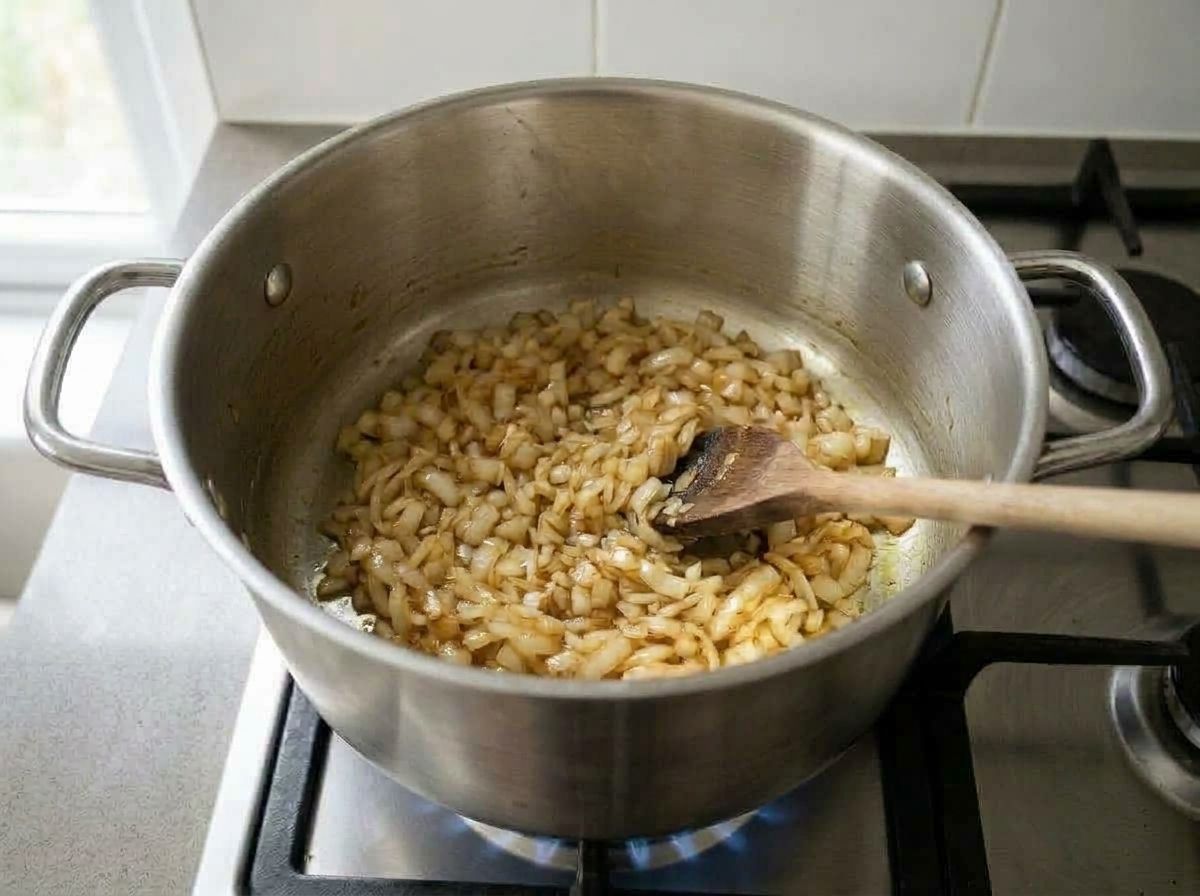
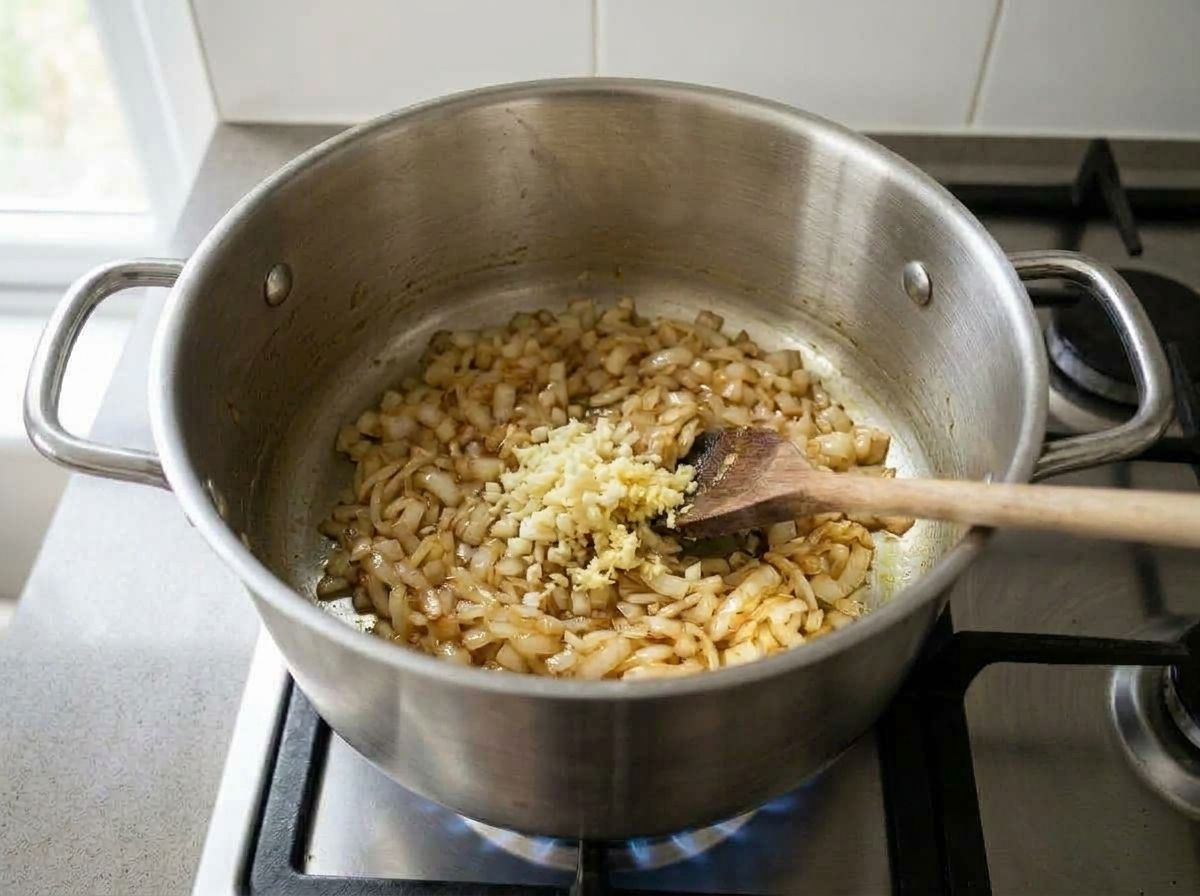
Heat the oil in a large pot over medium heat. Add the onion with a pinch of the salt and cook for 8 to 10 minutes, stirring every minute or two, until it is soft and light golden all the way through. Translucent is not far enough: a pale onion leaves the sauce thin and faintly raw.
- 2
Cook out the garlic and ginger
Stir in the garlic and ginger and cook for 1 minute, stirring constantly, until the raw smell has gone and they just start to catch on the base of the pot.
- 3
Bloom the spices
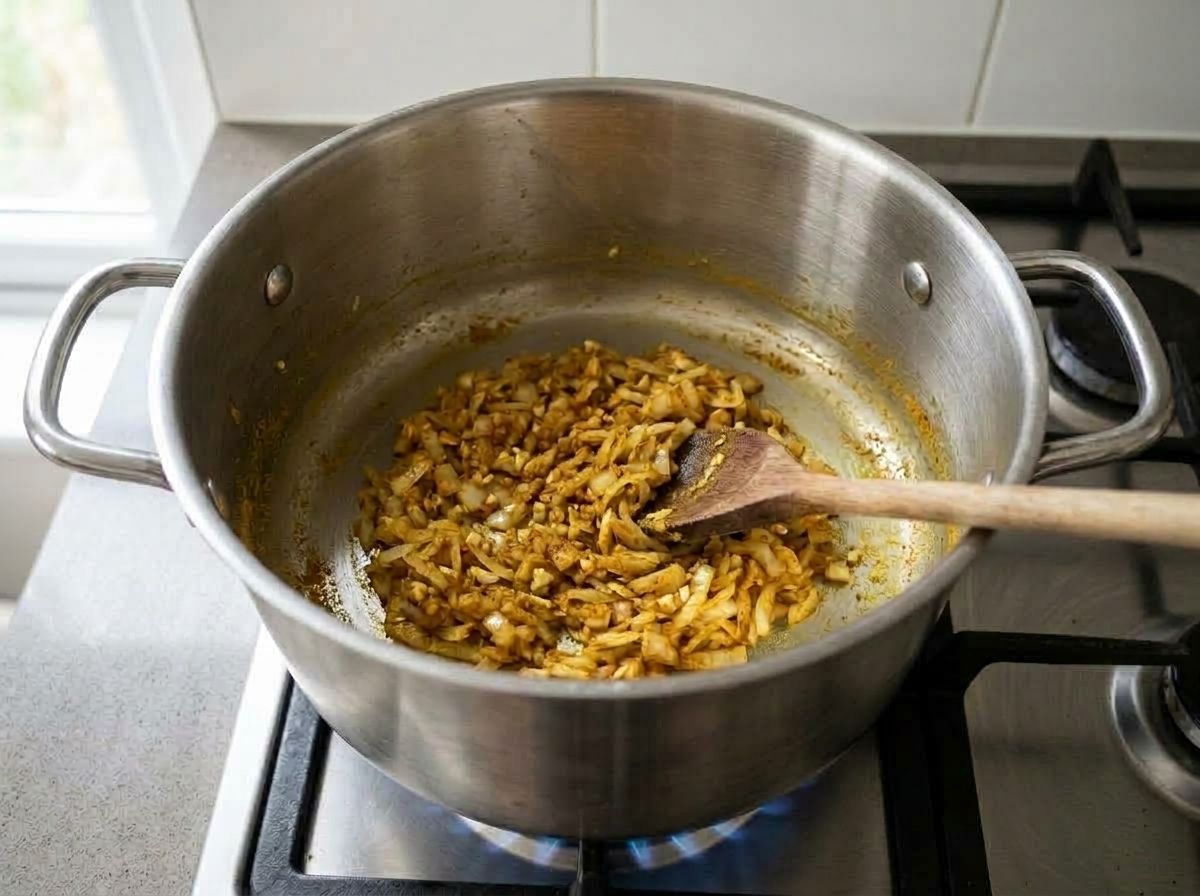
Turn the heat down to medium-low and add the curry powder and cumin. Stir them through the onion for 1 minute, until they darken a shade and smell toasted rather than dusty. If the pot looks dry and the spices start to stick, add a tablespoon of water rather than more oil.
- 4
Cook the tomatoes down
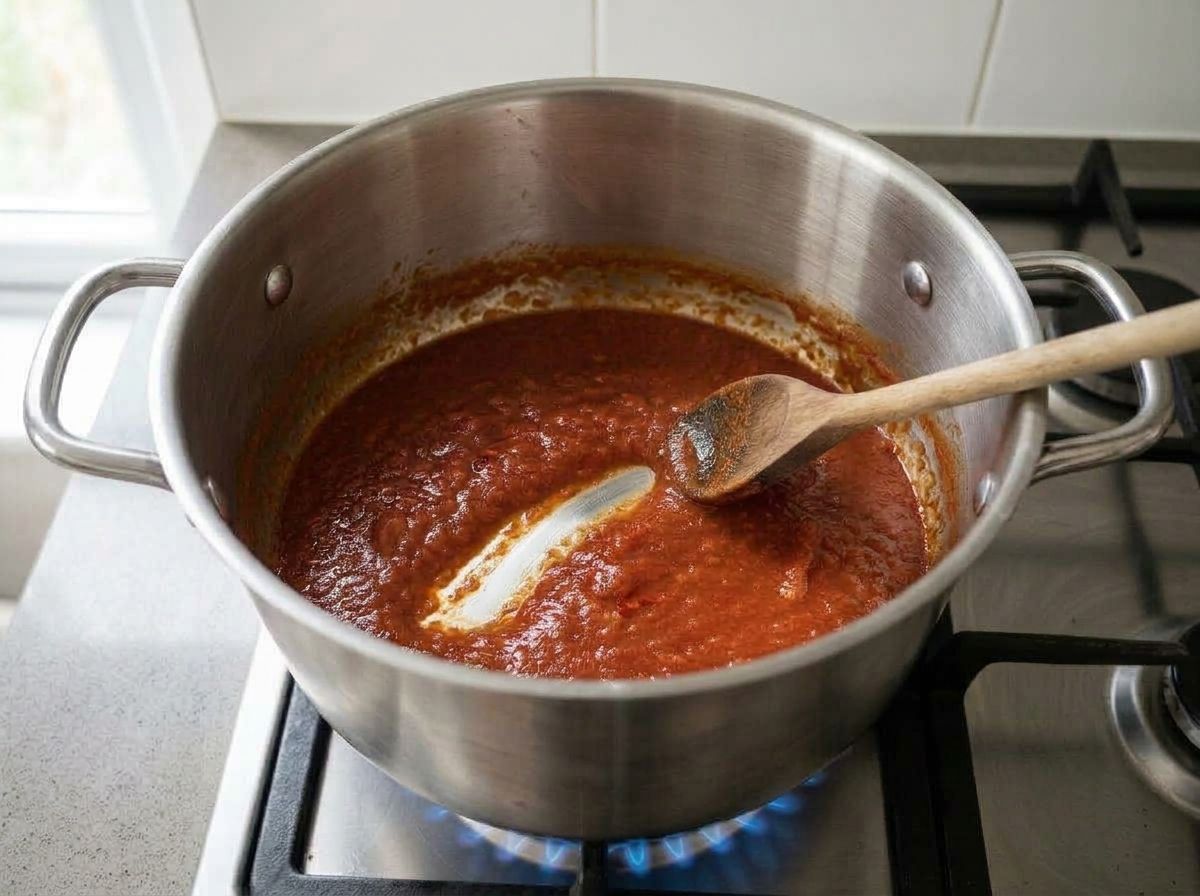
Pour in the crushed tomatoes, add the rest of the salt and turn the heat back up to medium. Cook for 6 to 8 minutes, stirring often, until the sauce darkens to brick red, thickens enough to hold a trail when you drag a spoon through it, and shows beads of oil at the edges.
- 5
Simmer the chickpeas
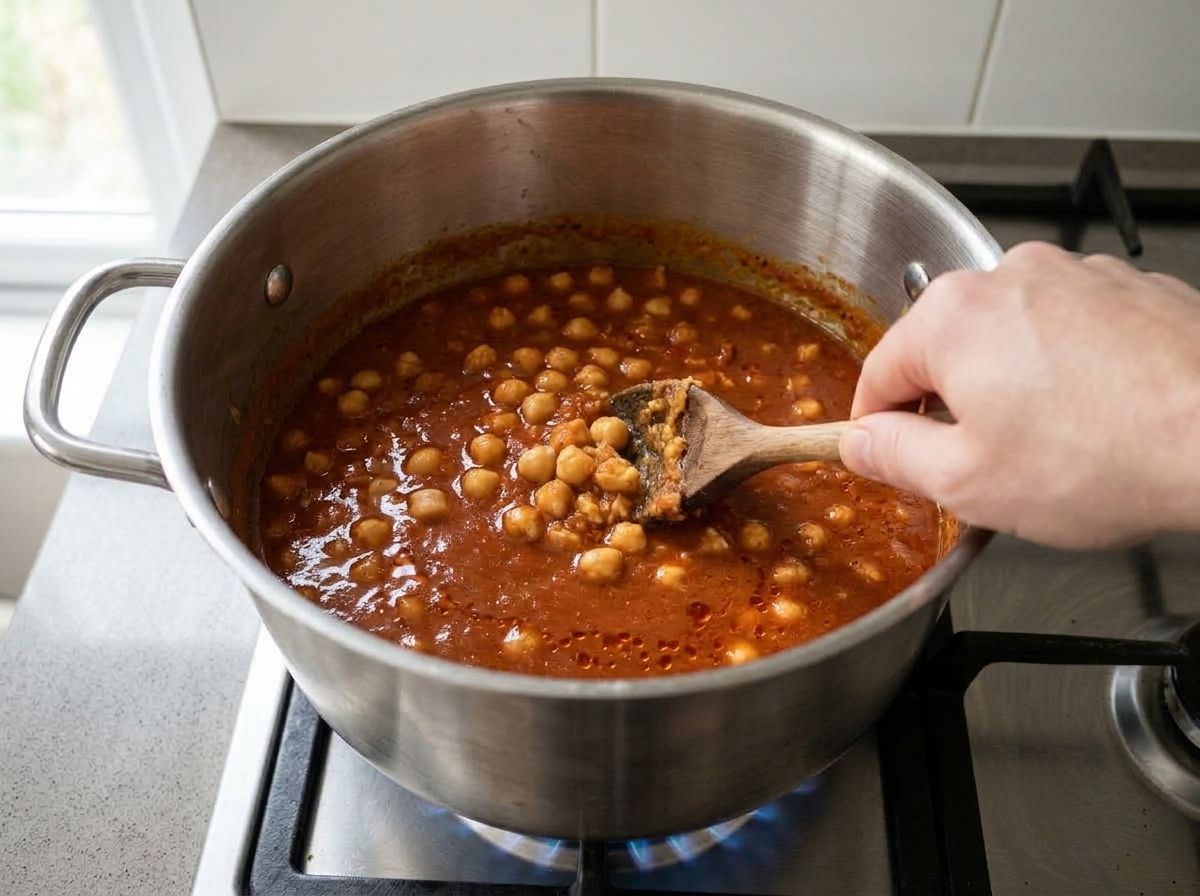
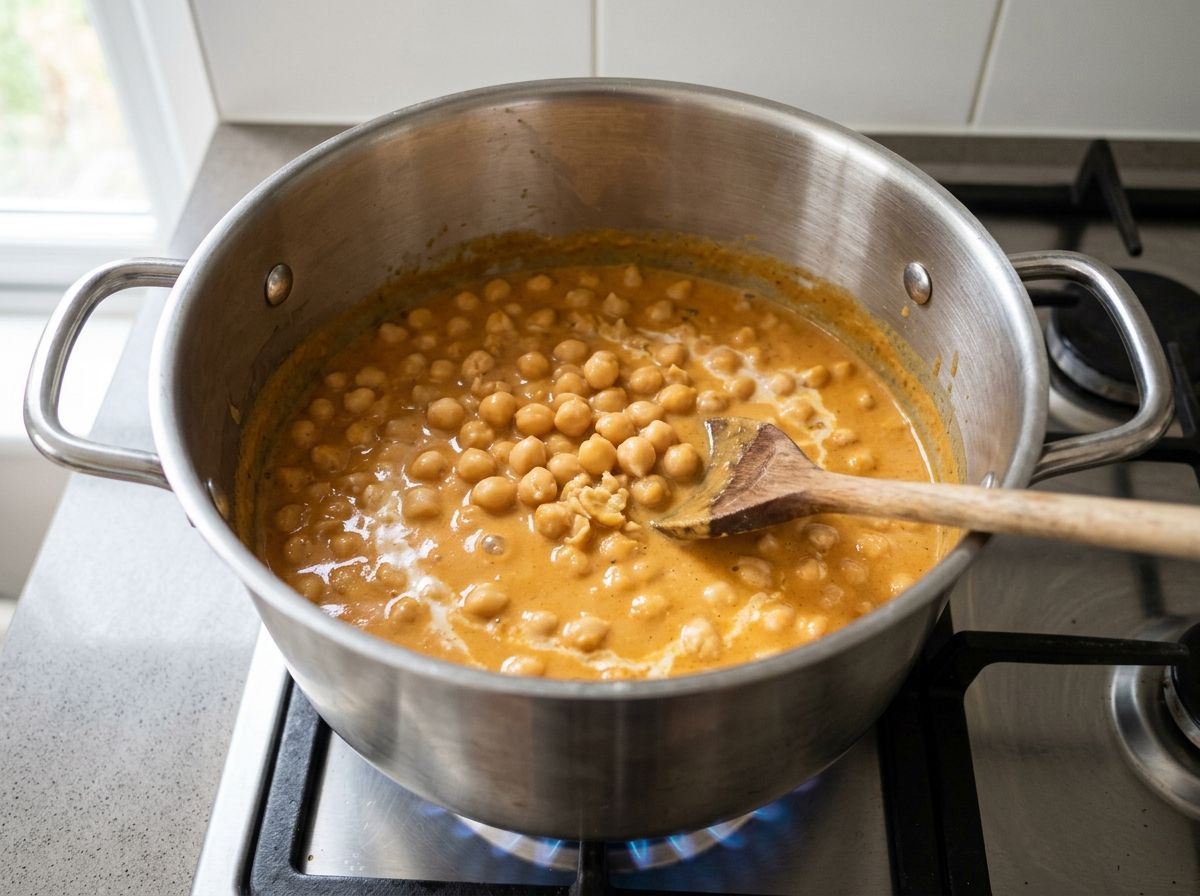
Add the chickpeas and the water, bring it to a simmer and cook for 10 minutes, partly covered, stirring now and then. Then press about a quarter of the chickpeas against the side of the pot with the back of a spoon. The crushed ones thicken the sauce from the inside.
- 6
Stir in the coconut milk
Stir the coconut milk in its can until smooth, then pour it into the pot. Bring it back to a gentle simmer and cook for 5 minutes, uncovered, until the sauce is creamy and coats the back of a spoon. Keep it at a lazy bubble: a hard boil makes the coconut fat separate.
- 7
Finish with lime and serve
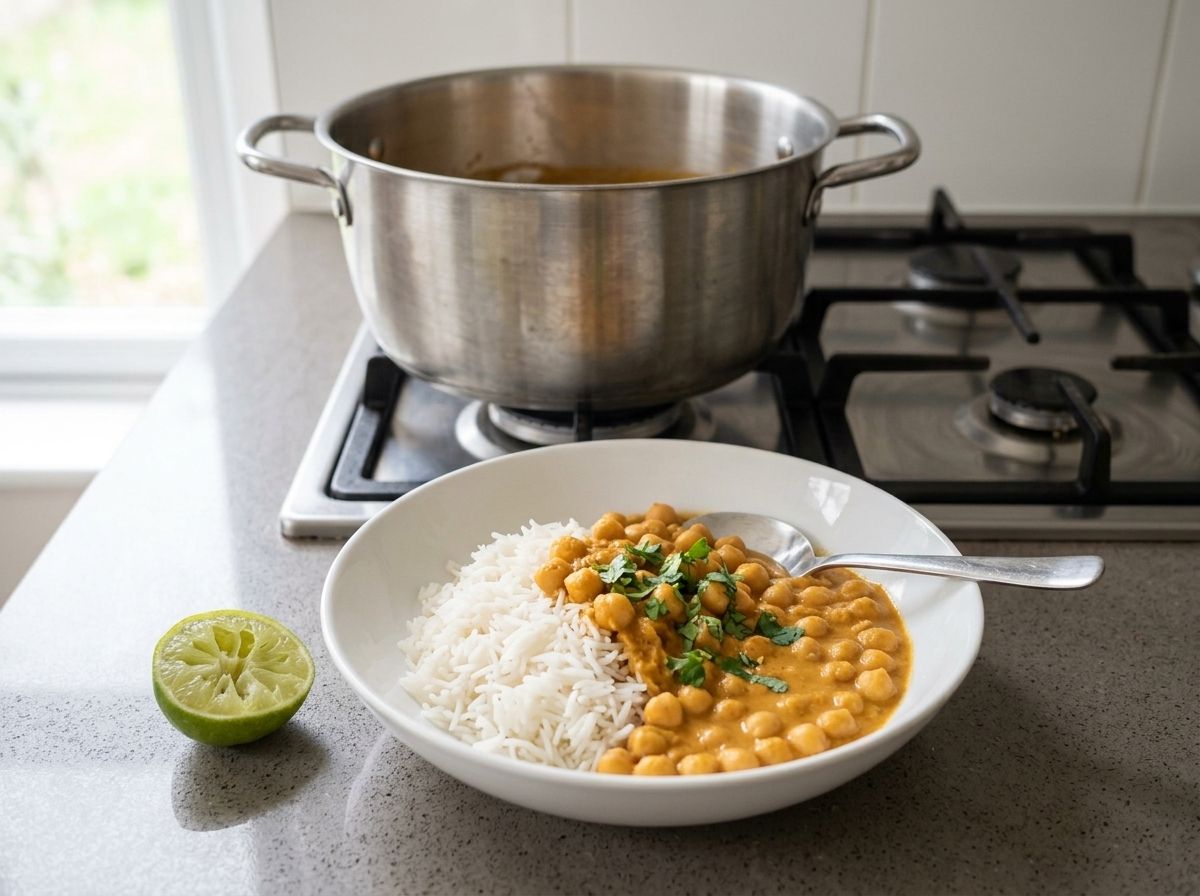
Take the pot off the heat and stir in the lime juice. Taste, add more salt if it needs it, then ladle the curry over rice or alongside naan and scatter with cilantro.
Notes
Use full-fat canned coconut milk. Light coconut milk, or the coconut drink sold in cartons, makes a thin sauce.
Curry powders run from mild to very hot. A Madras blend will make this noticeably spicy.
Add the lime off the heat. Lime juice that boils loses its freshness and can turn bitter.
Nutrition Facts
4 servings · 400 g per serving
- Calories
- 452 kcal
% Daily Value*
- Total Fat
- 32.9 g42%
- Saturated Fat
- 21.6 g108%
- Sodium
- 1085 mg47%
- Total Carbohydrate
- 35.7 g13%
- Dietary Fiber
- 11.2 g40%
- Sugars
- 9.1 g—
- Protein
- 11 g22%
Recipe from veggierecipes.blog
When it goes wrong
Troubleshooting
It tastes bitter and dusty, like raw spice
Either the spices never cooked or there was too much turmeric. Ground spices need a full minute in hot oil before anything wet goes in; stirred in with the tomatoes, they stay raw. Extra turmeric on top of curry powder is the classic source of bitterness. A longer simmer softens raw spice, and more lime with a pinch of sugar rounds off mild bitterness. Black, acrid flecks mean the spices scorched, and nothing rescues that.
The sauce is thin and watery
Usually light or carton coconut milk, or tomatoes that went in with the coconut instead of cooking down first. Simmer it uncovered for another 5 to 10 minutes and crush more chickpeas against the side of the pot, since their starch thickens the sauce as it sits. It also tightens as it cools, so a sauce that looks loose in the pot will be thicker in the bowl.
It tastes rich but flat, like something is missing
Salt and acid. Coconut fat mutes flavor, so the curry needs more salt than you would expect, and the lime is what lifts it. Add salt a pinch at a time and taste between each; when the spices suddenly come forward, stop. If the lime is already in, a few more drops usually do more than any extra spice could.
The chickpeas taste of nothing inside
They went in too late or simmered too briefly. Canned chickpeas take on flavor slowly, which is why they spend 10 minutes in the salted tomato base before the coconut milk dilutes it, and why crushing a few helps. Leftovers fix themselves: after a night in the fridge the chickpeas taste of the sauce all the way through.
Oil pooled on top and the sauce looks split
Two different things. Beads of oil at the edges while the tomatoes cook are the sign you are waiting for: in Indian cooking, that is how you know the base is done. A greasy slick after the coconut milk goes in means it boiled hard and the emulsion broke. It still tastes fine. Take it off the heat and stir hard with a splash of hot water, or blend a ladleful and stir it back in.
There are firm chunks of tomato in a pink sauce
Diced tomatoes. The calcium chloride in most canned diced tomatoes keeps the pieces firm however long they cook, so they stay as cubes and the sauce never turns brick red. Mash them hard with a potato masher as they cook down, or give the pot a few pulses with an immersion blender before the chickpeas go in. Next time, buy crushed.
Before you serve
Serving & Storage
In Kerala, kadala curry is breakfast. It arrives with puttu, rice flour and grated coconut steamed in a tall cylinder, and you break the puttu apart with your fingers and work the curry into it. The pairing is a good guide for this version too: whatever goes alongside should soak sauce up rather than sit beside it.
Plain basmati or jasmine rice is the easy choice, and naan, roti or paratha all work for scooping. Keep the rice plain. A pilaf with its own whole spices competes with the curry powder instead of carrying it. Put the cilantro, extra lime wedges and a bowl of plain coconut yogurt on the table and let everyone finish their own bowl.
Making it ahead
This is one of the curries that is better the next day, because the chickpeas keep absorbing the sauce. Cook it through the coconut milk stage, leave out the lime and cilantro, cool it and refrigerate. The sauce sets thick in the fridge as the coconut fat firms up, so loosen it with a few tablespoons of water as it reheats, then add the lime off the heat just before serving.
Storing leftovers
It keeps for 4 days in a covered container in the fridge and freezes for up to 3 months. Freeze it on its own rather than over rice. A coconut sauce can look slightly grainy after thawing; a minute of hard stirring over the heat brings it back together. Reheat gently on the stove, or in the microwave with a stir halfway, then taste for salt and lime again, because both fade in storage.
Still wondering
Frequently Asked Questions
Can I add vegetables to this curry?
Yes, and the timing depends on the vegetable. Cubed sweet potato or butternut squash, about 1 lb (450 g) in 3/4-inch (2 cm) pieces, goes in with the chickpeas along with an extra 1/2 cup (120 ml) of water and needs 15 to 20 minutes instead of 10. Cauliflower florets take about 12. Frozen peas need only the last 3 minutes with the coconut milk, and 5 oz (150 g) of baby spinach wilts in a minute just before the lime. Add an extra 1/2 teaspoon of salt for every pound of vegetables.
Is this curry gluten-free?
Yes. Everything in the pot is naturally gluten-free, so serve it with rice rather than naan to keep it that way. The one label worth reading is the curry powder’s: spice blends are often packed alongside wheat, and some include asafoetida, which is usually cut with wheat flour. If you are cooking for someone with celiac disease, buy a blend certified gluten-free.
Can I double the recipe?
Yes, in a pot of at least 6 quarts (6 liters), and a wide one matters more than a tall one. A crowded onion steams instead of browning, so expect it to take closer to 15 minutes than 10, and the tomatoes 10 to 12 minutes rather than 6 to 8. Everything else doubles exactly, spices included. Give the chickpeas their full 10 minutes once the pot is back at a simmer, not from the moment they go in.
More Cozy Plant-Based Curries & Stews
Made this?