Vegan Cole Slaw Recipe
Published · Updated
A crunchy, vibrant vegan cole slaw tossed in a tangy creamy dressing. Perfect as a fresh side or sandwich topping!
Jump To Recipe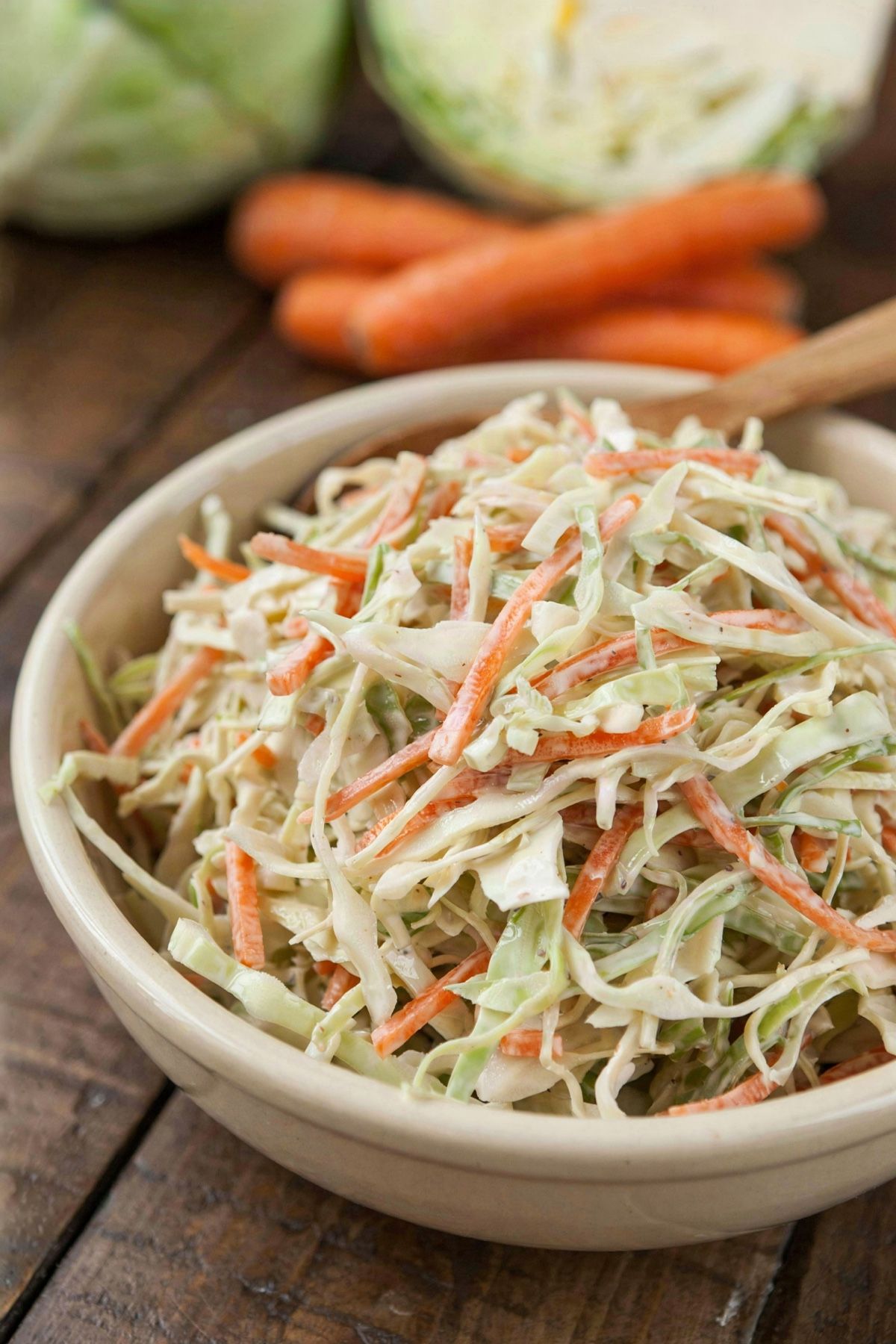
Why I Love This Vegan Cole Slaw
There’s something undeniably satisfying about a cole slaw that gets the balance right, refreshing crunch, creamy tang, and a subtle touch of sweetness. This vegan version absolutely nails it. I like how the crisp cabbage and carrots play off each other, bringing both texture and color to the table without complicating things.
What really sets this recipe apart for me is the versatility. Whether I’m grilling up veggie burgers, piling up tacos, or just looking for something to brighten a picnic spread, this cole slaw fits the bill. I appreciate how easily you can tweak it, sometimes I’ll toss in some chopped apples or a handful of pecans for a change, or even stir in fresh herbs if I want a pop of flavor.
Some of my favorite ways to use this slaw:
- As a side for veggie barbecue plates
- Piled on top of sandwiches or burgers for crunch
- With tacos for added freshness
- On its own as a quick lunch
If you’re into meal prep, this slaw holds up really well for a couple of days in the fridge. The flavors just get better, and it stays crisp. Simple, reliable, and always the first thing to disappear on the table, that’s my kind of side dish.
The story
The First American Cole Slaw Had No Mayonnaise
The name is Dutch. Kool means cabbage and sla is short for salade, and koolsla came to North America with the Dutch settlers of New Netherland, who grew cabbage up and down the Hudson Valley. English speakers heard the first word as ’cold’, and cold slaw turns up in American print well into the nineteenth century, alongside recipes for hot slaw: the same shredded cabbage, dressed while warm.
The Swedish botanist Pehr Kalm traveled through that Dutch country in the late 1740s, and his account, published in English in 1770, describes a cabbage salad dressed with oil, vinegar, salt and pepper. That is the whole recipe. No egg, no cream. The creamy slaw came later, first with cooked ’boiled dressings’ thickened with egg yolk and butter, then with jarred mayonnaise, which reached grocery shelves in the early twentieth century and made the white, creamy bowl the default at delis, fish fries and barbecue joints.
Plenty of American slaw never made that switch. Around Lexington, North Carolina, barbecue slaw is red, dressed with vinegar, ketchup, sugar and pepper, and a mayonnaise version would start an argument. Across the Carolinas and much of the South the slaw goes inside the sandwich rather than beside it.
For a vegetarian kitchen that history is good news. In the long life of this dish, only one ingredient ever carried an egg, and it is the newest one. Swap it for a vegan mayonnaise and nothing else has to change. The recipe below keeps the creamy style, but it borrows the one technique older cooks relied on and most quick recipes skip: salting the cabbage and squeezing it dry before it meets the dressing, which is what keeps the bowl from turning into soup.
What to buy
Ingredient Notes
Green cabbage
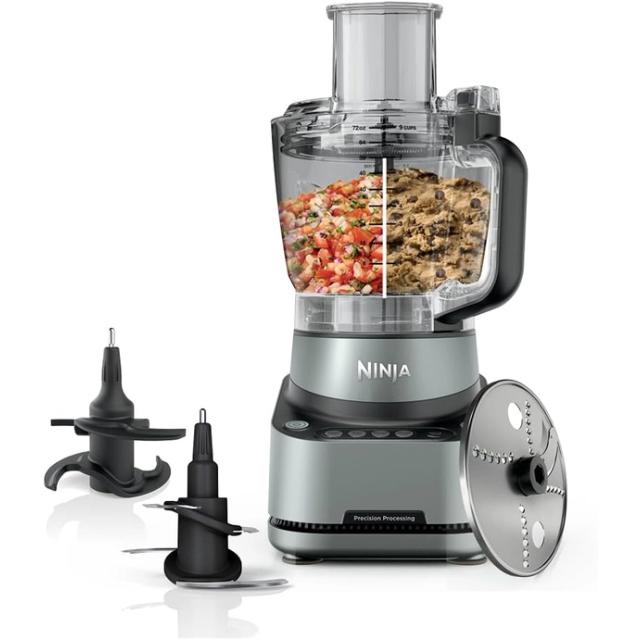
Pick a head that feels heavy for its size, with tight, squeaky leaves; a light one has been in storage a long time and tastes stronger. Cut out the core, which is woody and bitter. Slice by hand, on a mandoline, or with a food processor’s slicing disc. The grating disc shreds it into wet confetti that goes limp within the hour. Up to a third red cabbage adds color, but see the troubleshooting note on pink dressing.
Bagged coleslaw mix
A 400 g bag of cabbage and carrot mix can replace both vegetables. It is cut thicker than hand-shredded cabbage and is often a few days old, so the shreds are drier and chewier. Salt it anyway, for 30 minutes rather than 45, and give it a harder squeeze. Skip bags that smell sulfurous when opened; cut cabbage develops that smell as it ages, and no dressing covers it.
Carrots
Grate them on the large holes of a box grater. The fine holes turn carrot into a damp orange paste that stains the dressing and adds nothing to the crunch. Bagged matchstick carrots work but stay stiff and woody next to the salted cabbage, so chop them shorter. Two medium carrots give about 110 g.
Salt
The 3/4 teaspoon is fine sea salt or table salt. Kosher salt is flakier, so a spoonful holds less: use about 1 teaspoon of Morton kosher, or 1 1/2 teaspoons of Diamond Crystal. The salt draws out water the dressing would otherwise collect, and most of it leaves with that water when you squeeze. That is why the dressing gets no salt until the final taste. Do not use celery salt in its place; it is mostly salt, and you would season twice.
Vegan mayonnaise
Brands differ more than egg mayonnaise does. The ones with oil listed first are thickest and hold up best against the vinegar; homemade aquafaba mayo is thinner, so use a little less vinegar with it. Some are noticeably sweet, so taste yours before adding the maple syrup. For a lighter dressing, replace half with unsweetened plain soy or coconut yogurt. Tahini does work, but it makes a different, nuttier slaw and needs 2 to 3 tablespoons of water to loosen it.
Celery seed
This is the flavor most people recognize as deli coleslaw without being able to name it: faintly bitter, grassy and warm. It sits in the spice aisle of any supermarket, and 1/2 teaspoon is enough for the batch. Crush it lightly between your fingers as it goes in. Leave it out and the slaw tastes of cabbage and mayonnaise and not much else.
Maple syrup and sugar
The sweetener is there to round off the vinegar, not to make the slaw taste sweet. Maple or agave dissolves straight into the dressing. Classic recipes use white sugar, and 1 tablespoon works the same, but in the United States some cane sugar is filtered through bone char. Organic sugar and beet sugar are not, so pick one of those if it matters to you.
Crunchy Vegan Cole Slaw
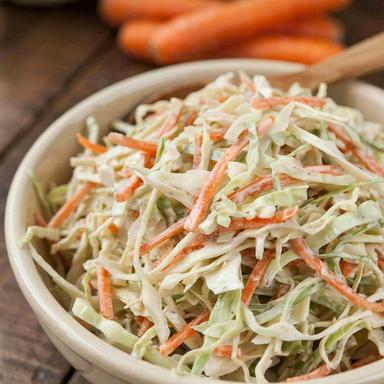
Crunchy vegan cole slaw tossed in a tangy, creamy plant-based dressing, perfect as a side or fresh topping.
Ingredients
Equipment
As an Amazon Associate I earn from qualifying purchases, at no extra cost to you.
Instructions
- 1
Shred the cabbage
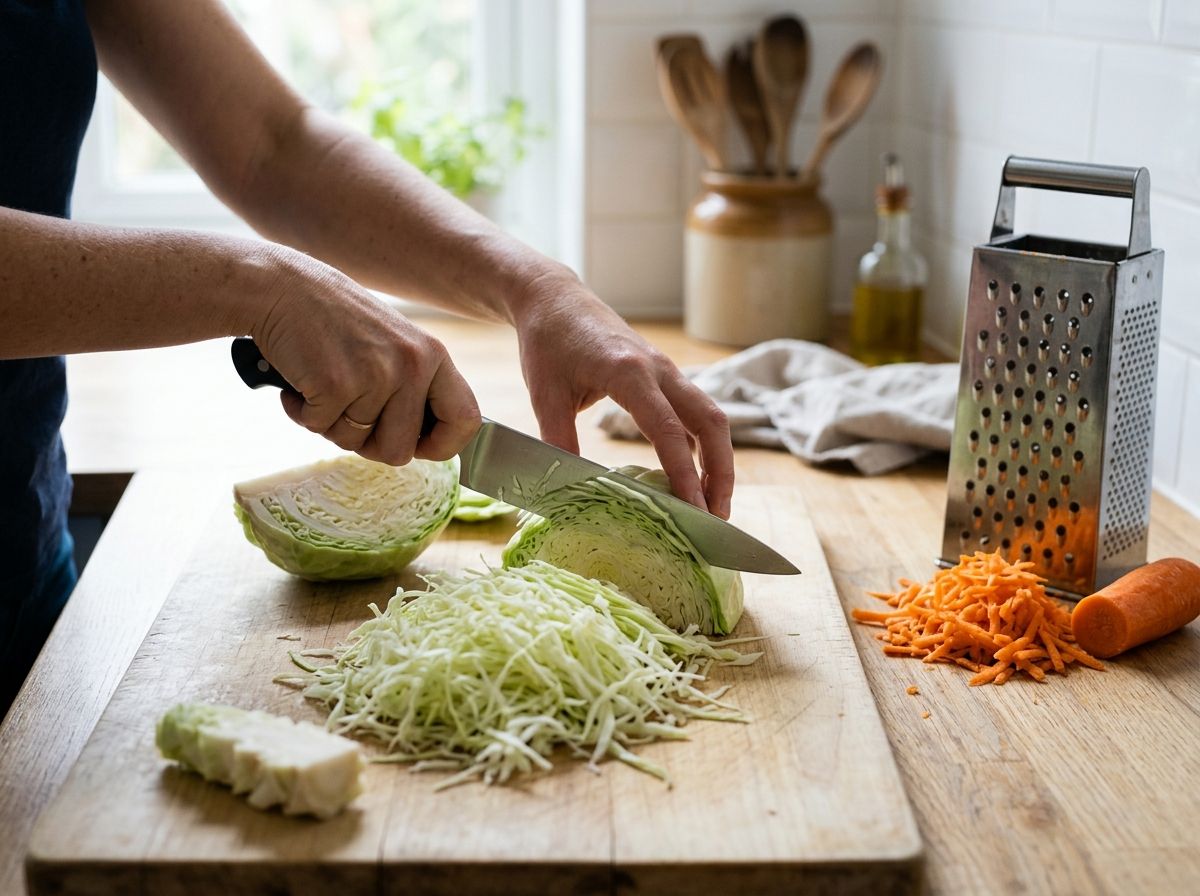
Quarter the cabbage through the core and cut the hard core out of each quarter. Lay each piece flat and slice it as thinly as you can with a sharp knife, or use a mandoline or the slicing disc of a food processor, not the grating disc. Grate the carrots on the large holes of a box grater.
- 2
Salt and drain
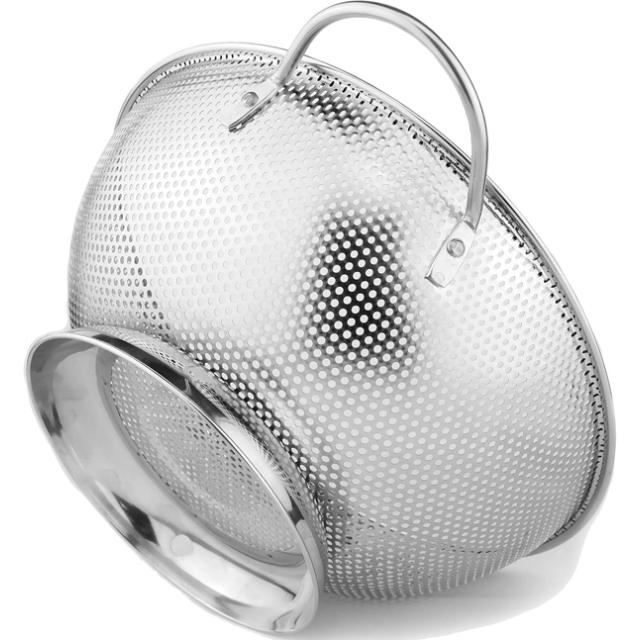
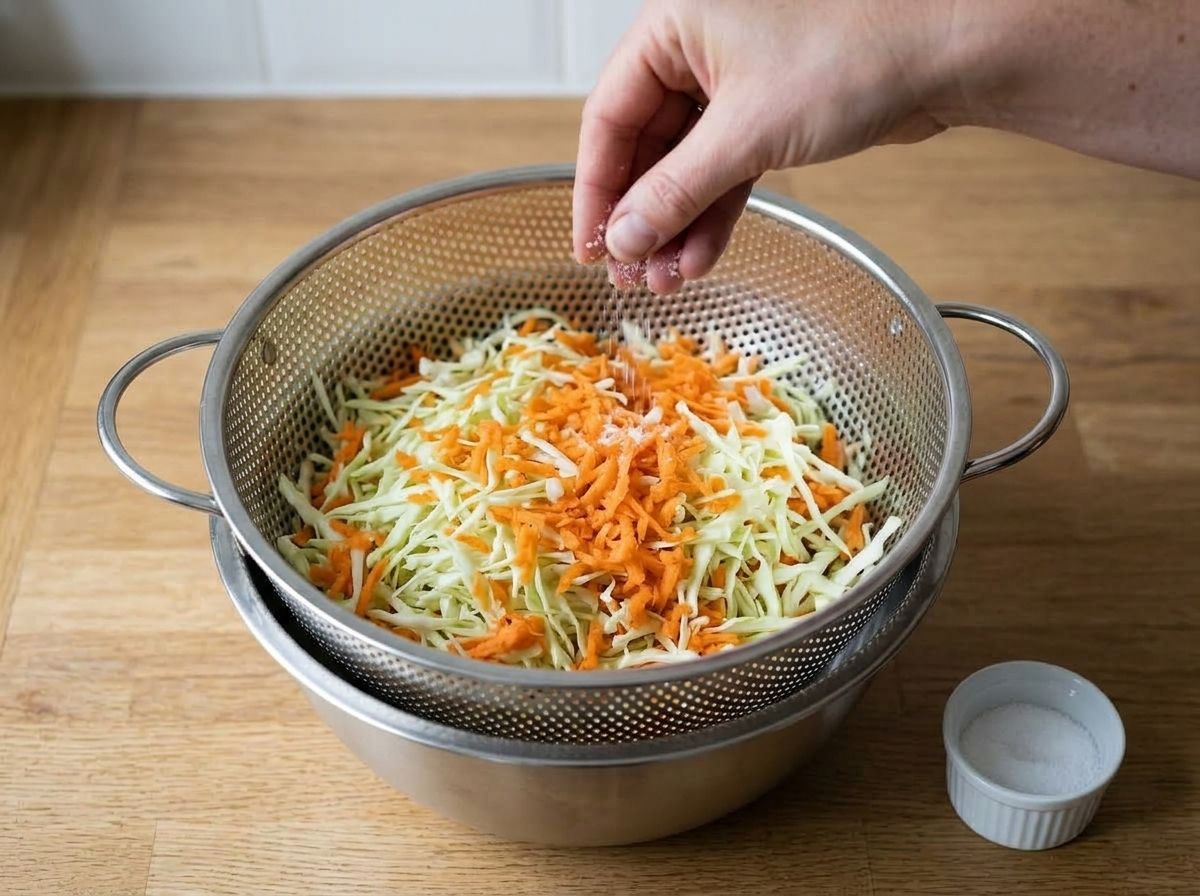
Put the cabbage and carrots in a colander set over a bowl, sprinkle over the 3/4 teaspoon of salt, and toss with your hands until every shred has touched some. Leave it for 45 minutes, or up to 2 hours. The cabbage turns glossy and bendy but still snaps, and a few tablespoons of liquid collect in the bowl underneath.
- 3
Squeeze it dry
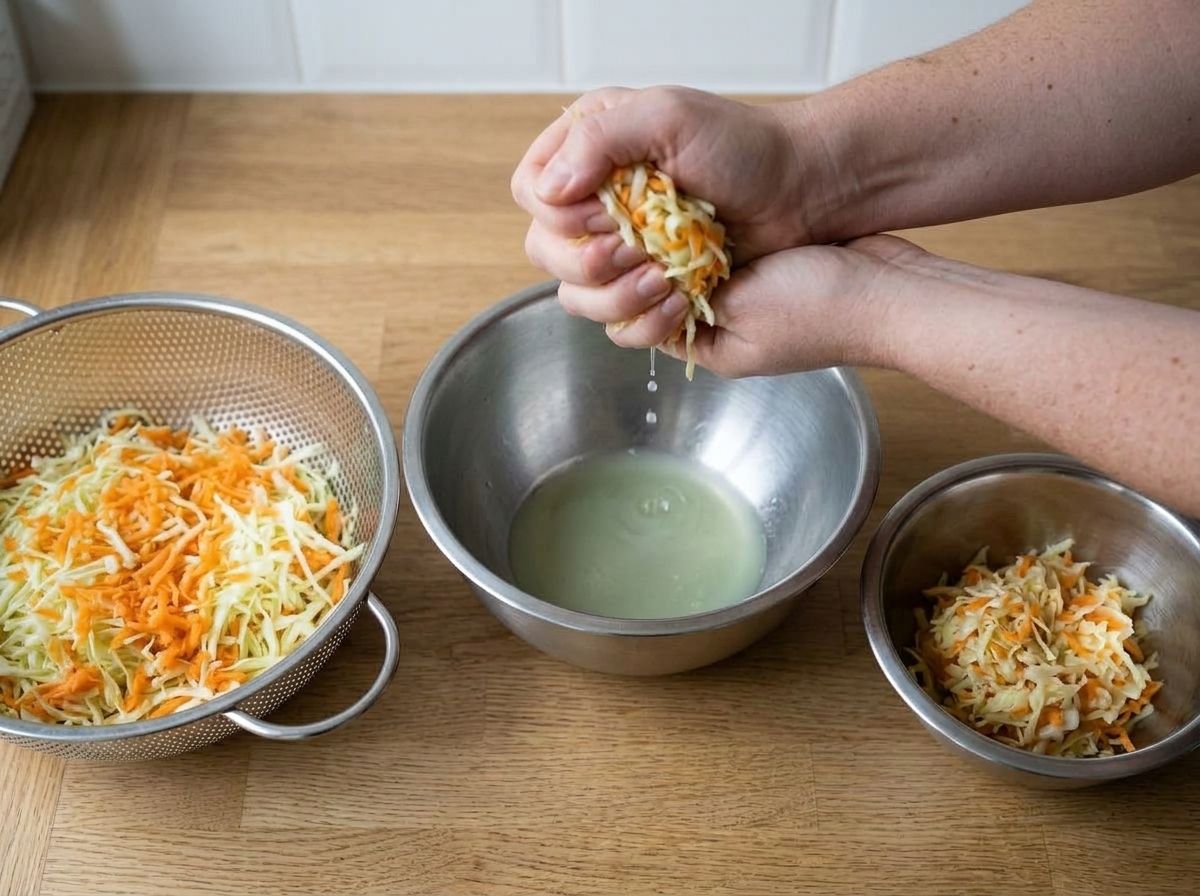
Take the vegetables a big handful at a time and squeeze hard over the sink, or pile them into a clean kitchen towel and wring it out. Taste a shred: it should be pleasantly seasoned. If it tastes salty, rinse it briefly under cold water and squeeze it dry again.
- 4
Whisk the dressing
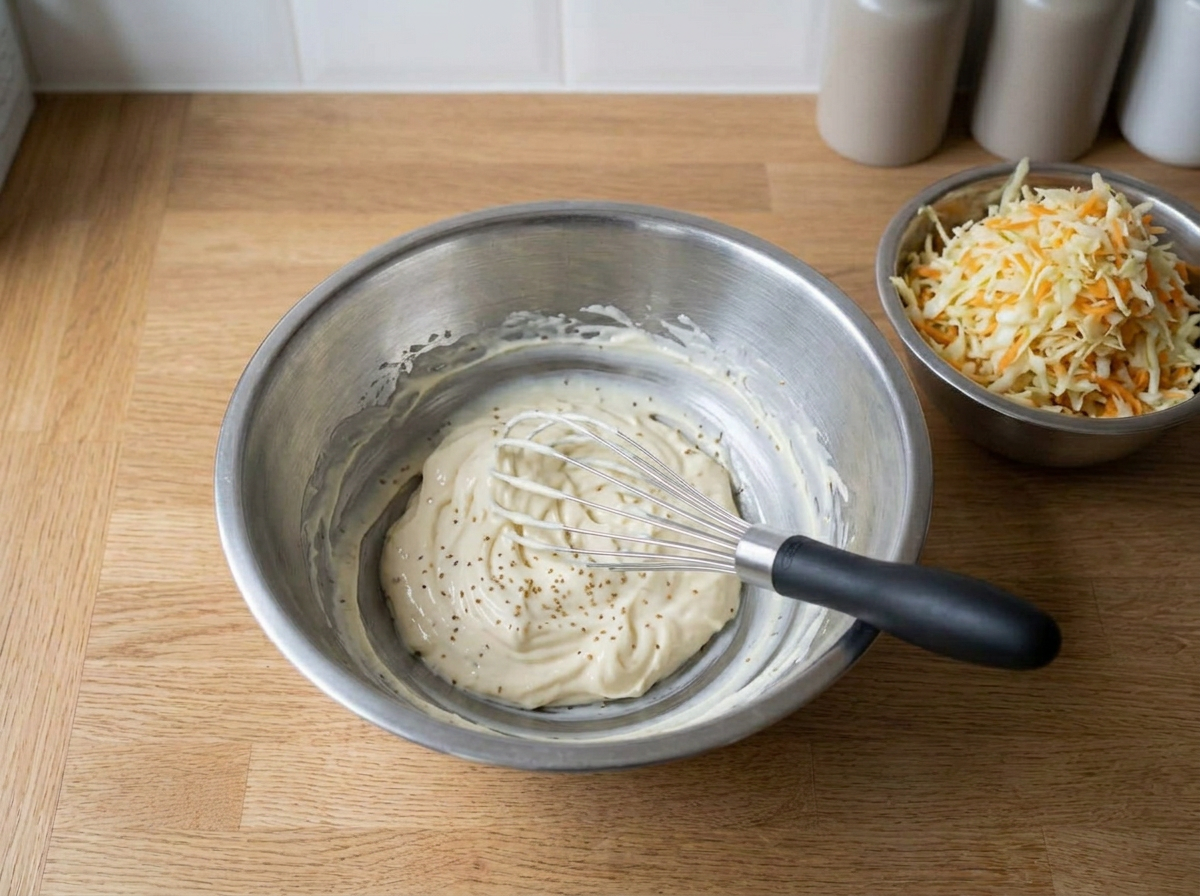
In a large bowl, whisk the vegan mayonnaise, apple cider vinegar, maple syrup, Dijon mustard, celery seed and a few grinds of black pepper until smooth. Do not add salt yet; the cabbage already carries it.
- 5
Dress, chill and season
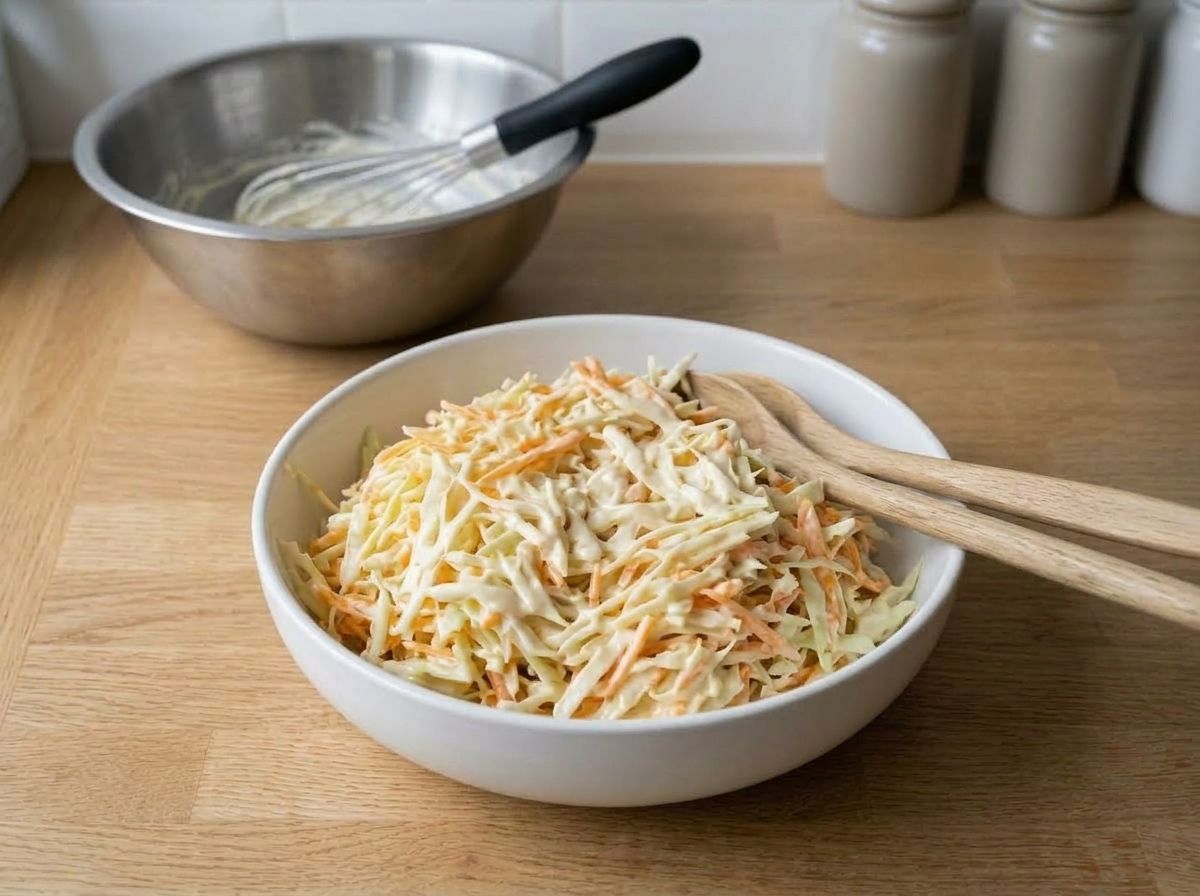
Tip the squeezed vegetables into the dressing and toss until every shred is coated. Cover and chill for at least 15 minutes. Toss again, taste, and add a pinch of salt or a splash more vinegar if it needs it. Fold in the apple, raisins or nuts just before serving so they stay crisp.
Notes
Feel free to customize with apples, raisins, or chopped nuts for extra flavor.
Keeps well in the fridge for up to 3 days, just toss before serving.
If you prefer a lighter dressing, use half vegan mayo and half unsweetened plant yogurt.
Nutrition Facts
6 servings · 115 g per serving
- Calories
- 225 kcal
% Daily Value*
- Total Fat
- 15.3 g20%
- Saturated Fat
- 1.8 g9%
- Sodium
- 434 mg19%
- Total Carbohydrate
- 20 g7%
- Dietary Fiber
- 3.2 g11%
- Sugars
- 4.9 g—
- Protein
- 2.2 g4%
Recipe from veggierecipes.blog
When it goes wrong
Troubleshooting
There’s a pool of watery dressing in the bottom of the bowl
The cabbage went in unsalted. Cabbage is about 92 percent water, and the salt in a dressing starts pulling it out as soon as the two meet, so an unsalted slaw is swimming within the hour. Salting the vegetables first, then squeezing them hard, gets that water out before the dressing goes on. To rescue a watery batch, lift the slaw out with a slotted spoon, pour off the liquid, and stir in a spoonful of fresh mayonnaise.
It went limp and soggy overnight
Either the vegetables were not salted and squeezed, or the cabbage was cut on a grating disc or a box grater, which tears the cells open. Salted, squeezed, knife-cut cabbage stays crunchy for three days, because the water that would soften it has already gone. Mix-ins go soft first, so add apples and nuts to each portion rather than to the whole bowl.
It tastes too salty
The vegetables were salted with fine salt and then salted again in the dressing, or they were not squeezed hard enough to carry the brine away. Before dressing, a salty shred just needs a quick rinse under cold water and another squeeze. Once it is dressed, the fix is dilution: shred another wedge of cabbage, leave it unsalted, and toss it through.
It tastes flat, like cabbage and mayonnaise
It needs acid and it probably needs celery seed. Add vinegar a teaspoon at a time, tossing and tasting between each. Taste it cold, straight from the fridge, the way you will serve it: chilling dulls flavor, so a slaw that tastes right at room temperature tastes bland cold.
It’s too sweet
Some vegan mayonnaise is sweetened, and apples or raisins add more on top of the maple syrup. Stir in another tablespoon of vinegar and a small pinch of salt, which pulls it back toward savory. Next time, taste the mayonnaise first and cut the maple syrup down or leave it out.
The dressing turned pink
Red cabbage bleeds its purple pigment into anything acidic, and vinegar turns it pink. It is harmless and tastes the same. If you want a white dressing with red cabbage in it, salt and squeeze the red cabbage separately and fold it in just before serving.
Before you serve
Serving & Storage
In the Carolinas, slaw is not a side dish that sits next to the sandwich. It goes on top, inside the bun, where the cold, sharp crunch cuts through the smoky, sweet barbecue. That works just as well with pulled jackfruit, barbecue tofu, or a smoky black bean burger. Beyond the bun, serve it beside baked beans and corn on the cob, heap it onto black bean or crispy cauliflower tacos, or spoon it next to anything fried, where the vinegar does the same job the lemon wedge does.
What it does not do well is sit on hot food. Spooned onto a burger straight from the grill it wilts in minutes, so put it out in a bowl and let people add it at the table. Keep it cold until the moment it is served.
Making it ahead
This is the best side to make ahead for a cookout, because the salting step means it does not weep. The cabbage and carrots can be salted, squeezed and refrigerated in a covered container for up to a day. The dressing keeps for five days in a jar. Toss them together anywhere from 15 minutes to a few hours before serving; the slaw is at its best after about two hours, when the cabbage has softened just a little into the dressing. For a picnic, carry it in a cooler and put it back on ice after serving. Like any mayonnaise salad, it should not sit out for more than two hours, or one hour in hot weather.
Storing leftovers
Covered in the fridge, dressed slaw keeps for three days. A little liquid may collect in the bottom; pour it off and toss before serving. Apple goes brown and nuts turn soft, so if you know there will be leftovers, add them to each portion instead of the whole batch. It does not freeze. The water in the cabbage expands as it freezes, bursts the cell walls, and it thaws into a limp mush in a dressing that has split.
Still wondering
Frequently Asked Questions
Is vegan cole slaw gluten-free?
Yes. Cabbage, carrots, apple cider vinegar, Dijon mustard and celery seed are all naturally gluten-free, and so are most vegan mayonnaises. Check the labels on the mayonnaise and the mustard if you cook for someone with celiac disease, and do not swap the cider vinegar for malt vinegar, which is made from barley.
How do I scale it up for a crowd?
The recipe makes about 600 g, six side servings. At a cookout where it is one of several sides, plan on about 80 g a head, so one batch stretches to eight. Scale the salt by weight rather than by eye: 3/4 teaspoon of fine salt for every 430 g of cabbage and carrot, which is about 1 1/2 teaspoons for a whole medium head. Salt in two colanders instead of one packed one, so the water can drain out of all of it.
Featured In These Collections
More Fresh and Colorful Salad Sides
Made this?