
Vegan Quiche Recipe
Published · Updated
This golden vegan quiche is loaded with vibrant veggies and a creamy silken tofu base. A satisfying, crowd-pleasing dish suitable for any time of day!
Jump To Recipe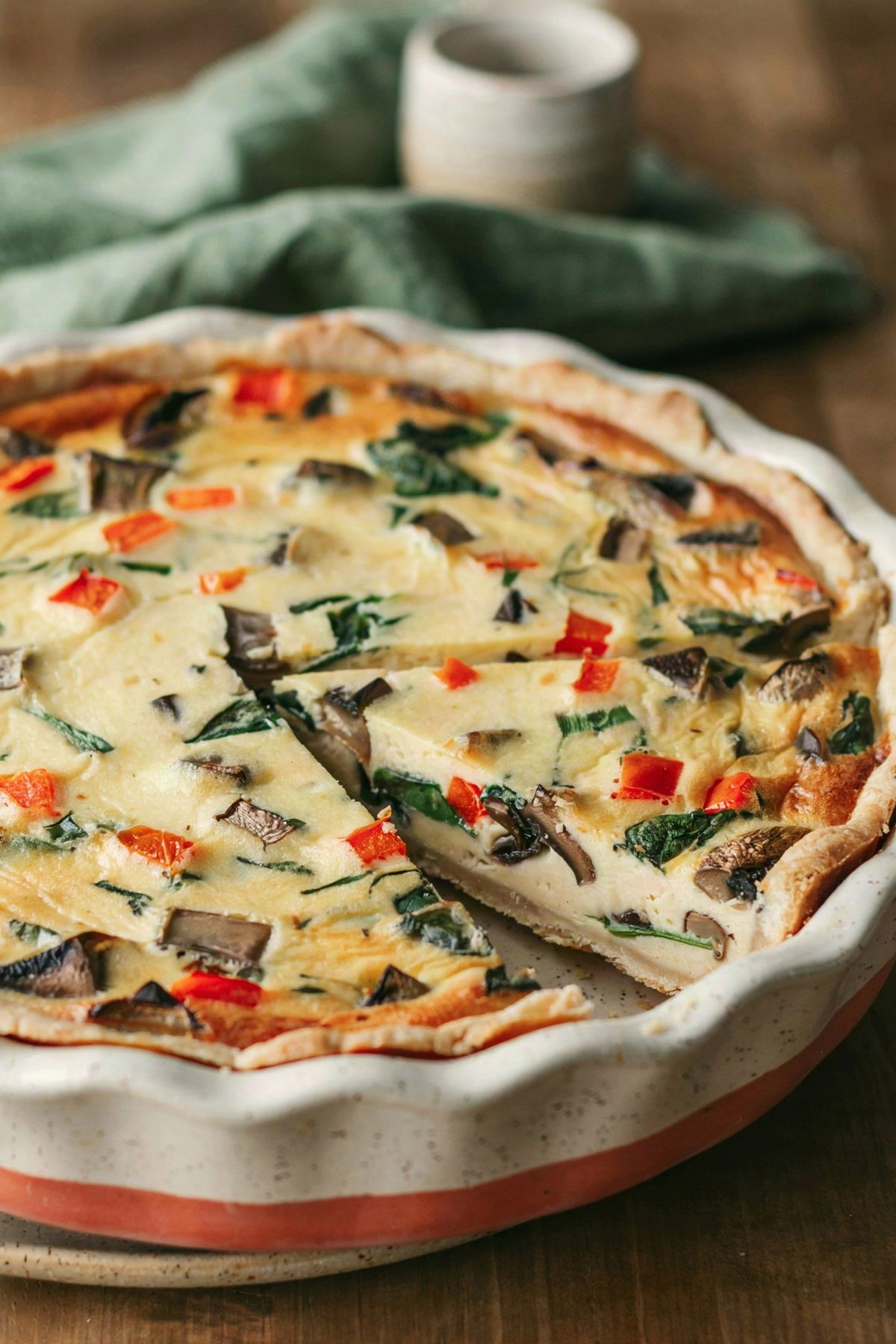
What I Love About This Vegan Vegetable Quiche
I’m a sucker for a good breakfast, and this vegan quiche hits the spot. It’s hearty, colorful, and makes for a seriously satisfying bite every single time. There’s something about that flaky crust filled with a blend of silken tofu and vegetables that just hits the spot. Especially when you’re looking for something plant-based that still feels rich.
This quiche is a great choice when I have guests over for brunch. It looks impressive, but it’s actually easy to throw together. The silken tofu is a game changer for the creamy texture. You’d be surprised how close it comes to the classic quiche feel.
A few reasons why I’m hooked:
- It is perfect straight out of the oven or cold from the fridge, which makes it unusually versatile.
- It is meal-prep friendly and reheats like a champ.
- It packs in a great balance of protein, fiber, and flavor, thanks to the tofu and vegetables.
If you’re after a vegan dish that’s easy, nutritious, and will impress with both looks and taste, you can’t go wrong with this quiche.
The story
Vegan Quiche Changes Less Than You Think
Quiche is French the way the croissant is French, which is to say it was borrowed. Lorraine spent centuries passing between France and the German states, and in the German-speaking half, Lothringen, the dish was Speckkuchen: a plain bake of eggs, cream and bacon. The French word looks to come straight from Kuchen, German for cake, and it turns up in French only in 1805, in a history of Nancy.
Two things about that original surprise anyone who has only eaten a modern one. It had no cheese. The Gruyère people now treat as the mark of a proper quiche Lorraine is a later French addition, and cooks in Lorraine still argue about it. And it was not built in pastry at all. Early quiches sat on bread dough, closer to a savory tart on a pizza base than to the crisp shortcrust shell everyone pictures.
So by the time a quiche reaches a brunch table in shortcrust, with cheese in it and broccoli on top, it has already been rebuilt twice. Worth knowing before someone tells you a vegan quiche is not a quiche.
What has never changed is the custard. Everything a quiche does, it does because a liquid sets in the oven into something sliceable and barely firm. That is the one part a vegan version actually has to solve, and it is the part most vegan quiche recipes walk past. Blended silken tofu tastes right and looks right, but it is close to 90 percent water and will not set on its own; bake it and you get a warm dip in a pastry case. Starch does the job the eggs used to do, and chickpea flour with cornstarch is why this one cuts into wedges instead of sliding off the server.
What to buy
Ingredient Notes
Silken tofu
Buy silken, not soft and not firm, and the shelf-stable carton over the water-packed tub where you have the choice. Silken tofu sets inside its own package and has an even, custard-like body with no curd in it; water-packed soft tofu blends grainier and carries extra liquid into a filling that already has enough. Pour off whatever stands in the carton, but do not press it. Pressing silken tofu only breaks it apart.
Chickpea flour and cornstarch
Chickpea flour, sold as besan in Indian shops and gram flour in British ones, absorbs water, sets when heated and brings a faintly sulfurous background a plain starch would not. On its own it would need nearly twice the quantity and the slice would taste of beans, so flavorless cornstarch carries half the load. Arrowroot swaps in for the cornstarch one for one. Wheat flour replaces neither: it has to be cooked out as a roux to lose its raw taste, and there is no roux stage here.
Kala namak (black salt)
The ingredient that makes people ask where the egg is. It is an Indian salt whose sulfur compounds, hydrogen sulfide among them, are the same ones you smell in a boiled egg, and it is pink-gray rather than black despite the name. The aroma is volatile, though, and an hour at 350°F drives most of it off, which is why the recipe seasons the cut slices as well as the batter. Fine sea salt works if you cannot find it. You lose the egg note and keep a good vegetable tart.
Cremini mushrooms
Cremini, sold as chestnut mushrooms in the UK, have more flavor than white buttons and hold their shape once the water is out of them. The variety matters less than the handling: mushrooms run around 92 percent water and all of it has to leave in the skillet rather than in the oven. Buy them loose where you can, because pre-sliced ones dry at the cut faces and brown patchily.
Vegan pie crust
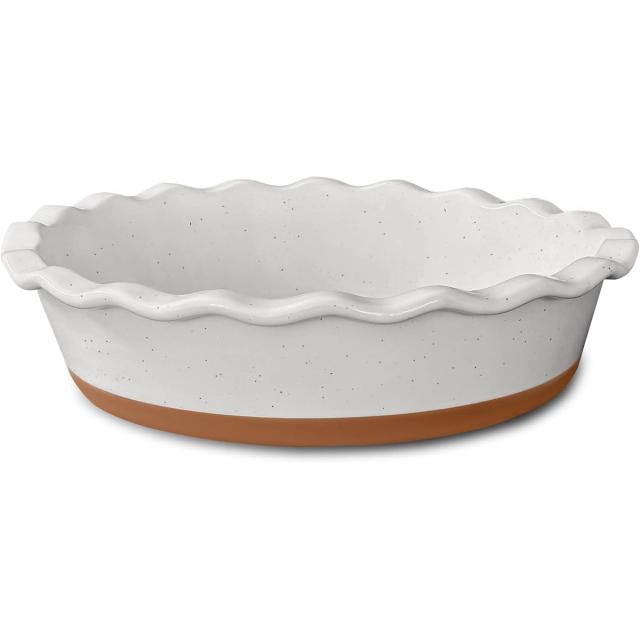
Plenty of frozen shortcrust shells are vegan by accident because they are built on shortening, but read the label for butter, lard and whey before assuming. Buy a deep 9-inch shell rather than a shallow one. This filling comes to close to four cups and a shallow shell will not hold it.
Vegan Vegetable Quiche
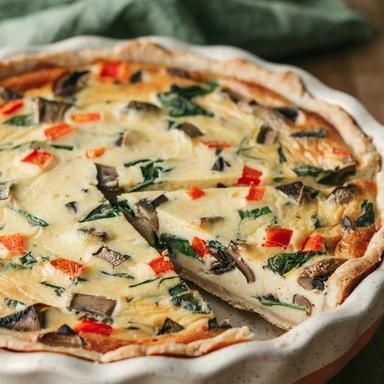
A golden, flaky vegan quiche loaded with creamy silken tofu and fresh veggies, ideal for brunch, lunch, or dinner.
Ingredients
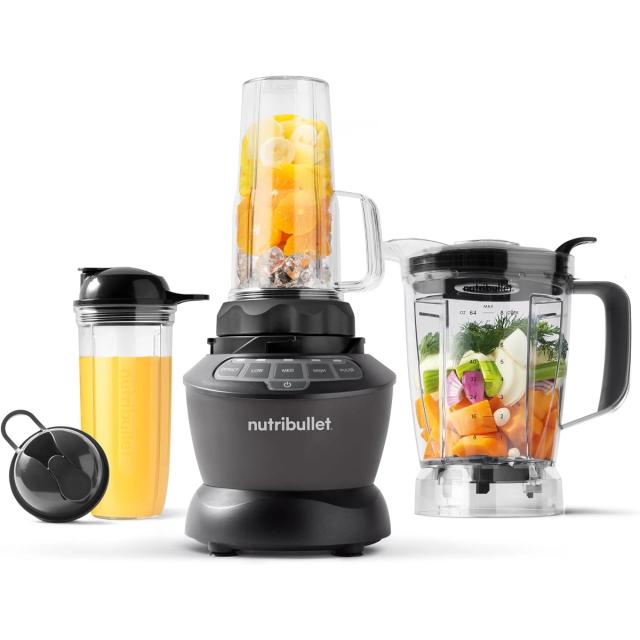
Equipment
As an Amazon Associate I earn from qualifying purchases, at no extra cost to you.
Instructions
- 1
Blind bake the crust
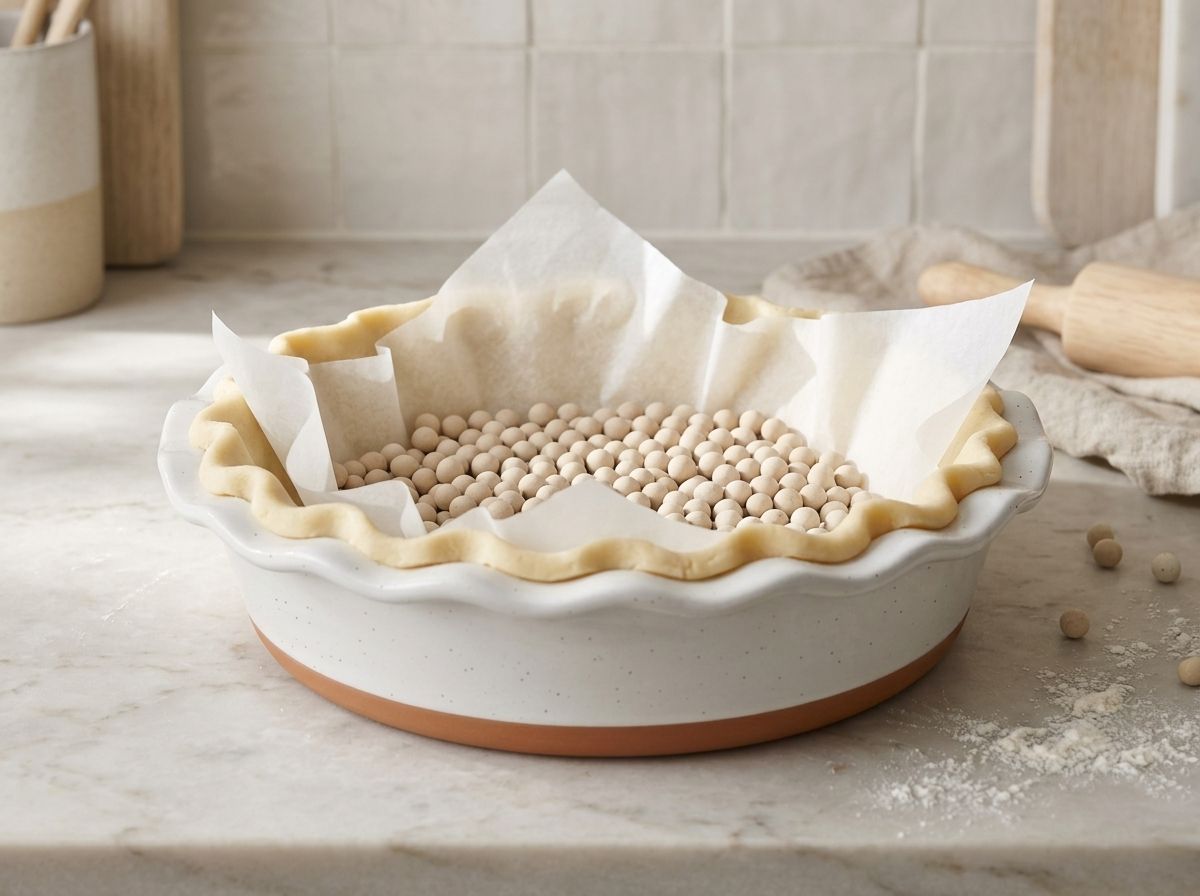
Heat the oven to 400°F (200°C). Line the pie crust with parchment, fill it with pie weights or dried beans, and bake for 12 minutes. Lift out the parchment and weights and bake 6 to 8 minutes more, until the base looks dry and pale gold. Brush the inside of the hot shell with about half a teaspoon of the olive oil, which seals the pastry against the wet filling. Lower the oven to 350°F (175°C).
- 2
Cook the mushrooms dry
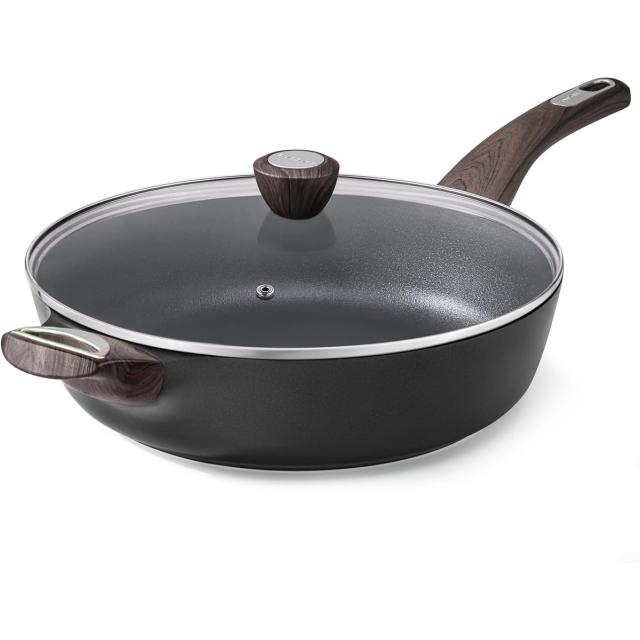
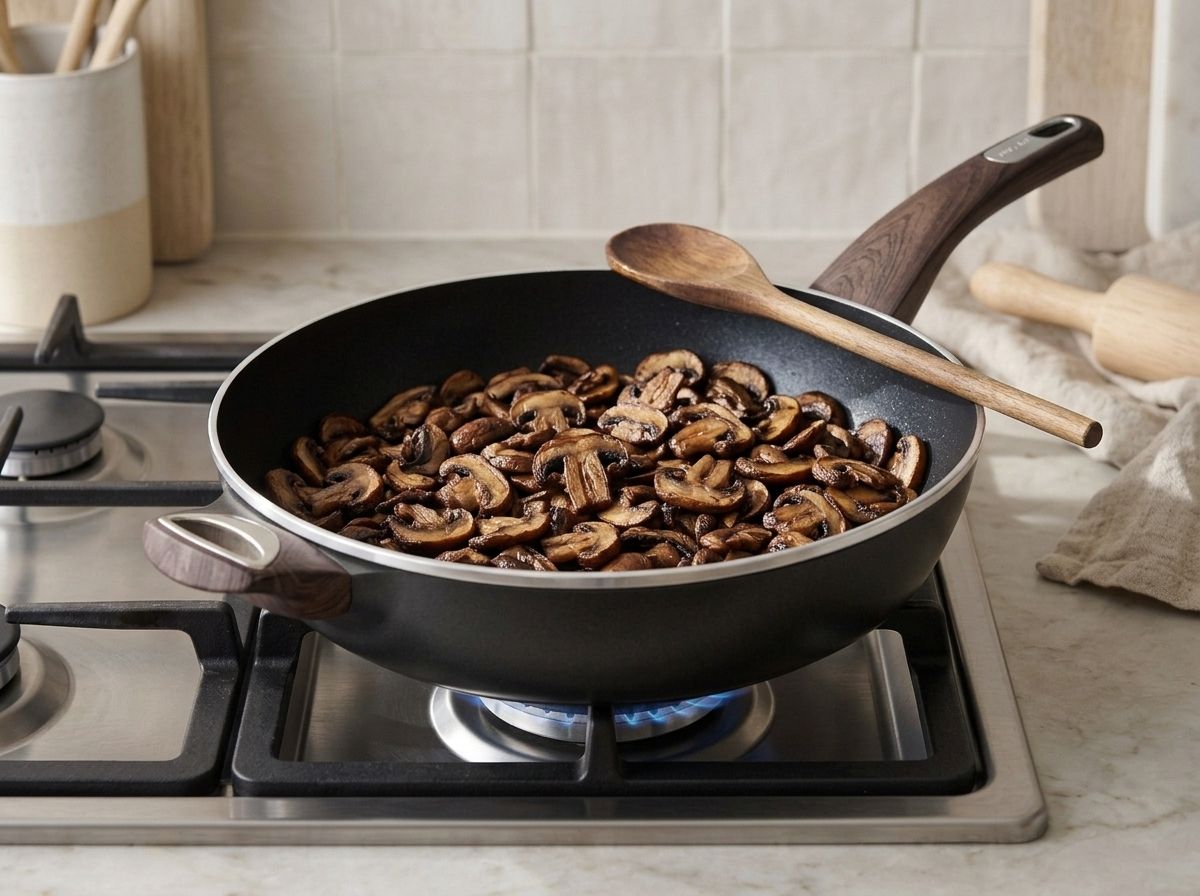
Heat 1 tablespoon of the olive oil in a large skillet over medium-high heat. Add the mushrooms and cook for 8 to 10 minutes, stirring now and then. They will release a pool of liquid partway through. Keep going until that liquid has boiled off and the mushrooms squeak against the pan and start to brown. This step decides whether the quiche sets or stays soupy.
- 3
Wilt the peppers and spinach
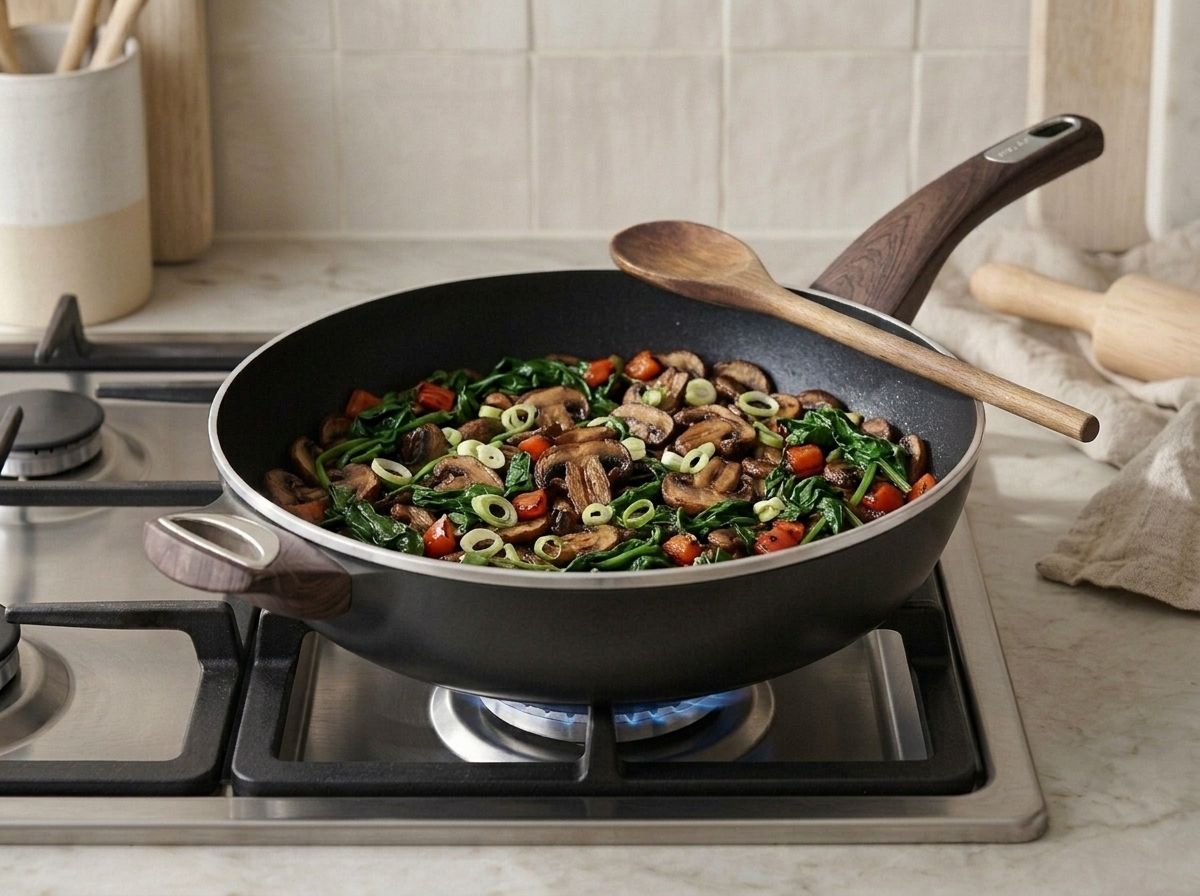
Add the bell pepper and cook 3 to 4 minutes, until it softens at the edges. Add the spinach in handfuls, letting each one collapse before the next goes in, then keep the pan on the heat until no water pools when you push the vegetables aside. Off the heat, stir in the green onions and the fresh herbs, and let the pan cool for 10 minutes.
- 4
Blend the custard
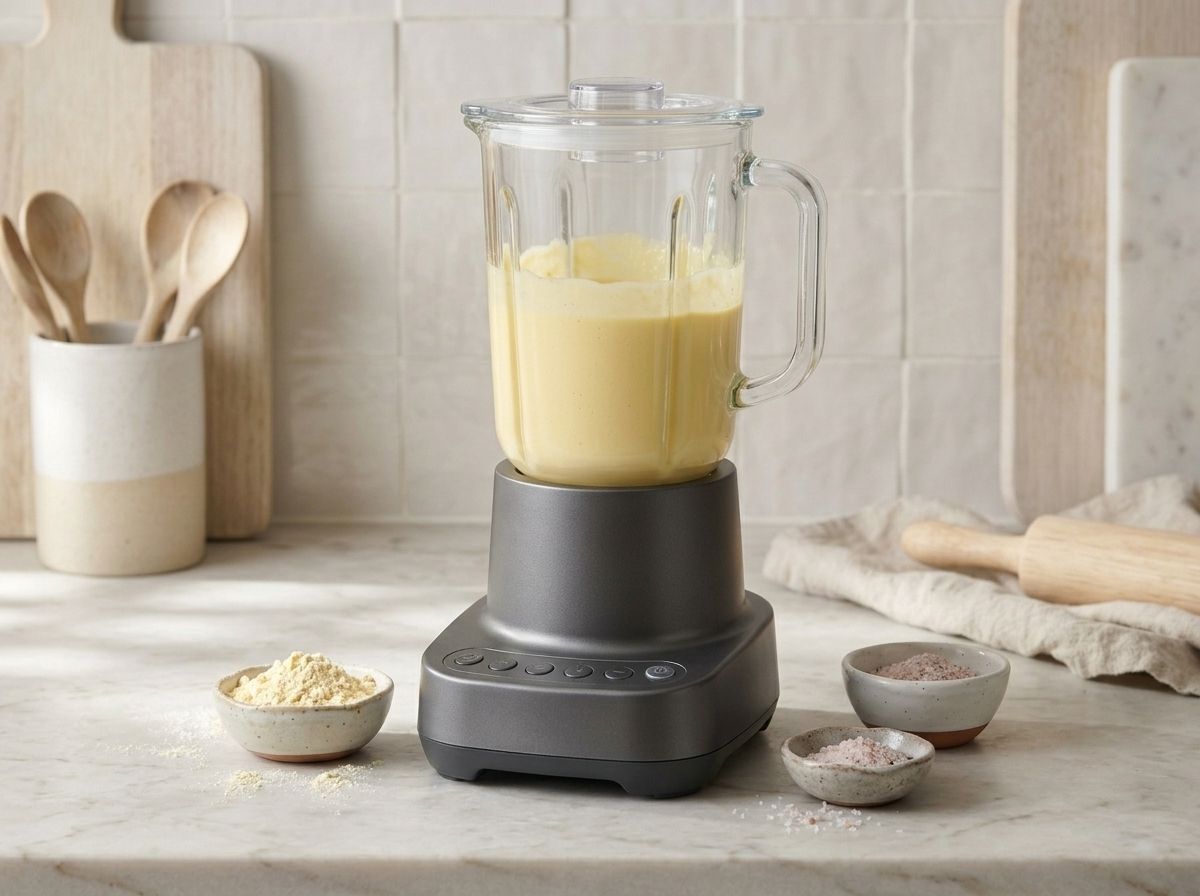
Put the silken tofu, chickpea flour, cornstarch, nutritional yeast, soy milk, remaining olive oil, mustard, garlic powder, onion powder, turmeric, kala namak, sea salt and a good grind of pepper in a blender. Run it for a full minute, scraping down once. It should be completely smooth and about as thick as pancake batter.
- 5
Fold and fill
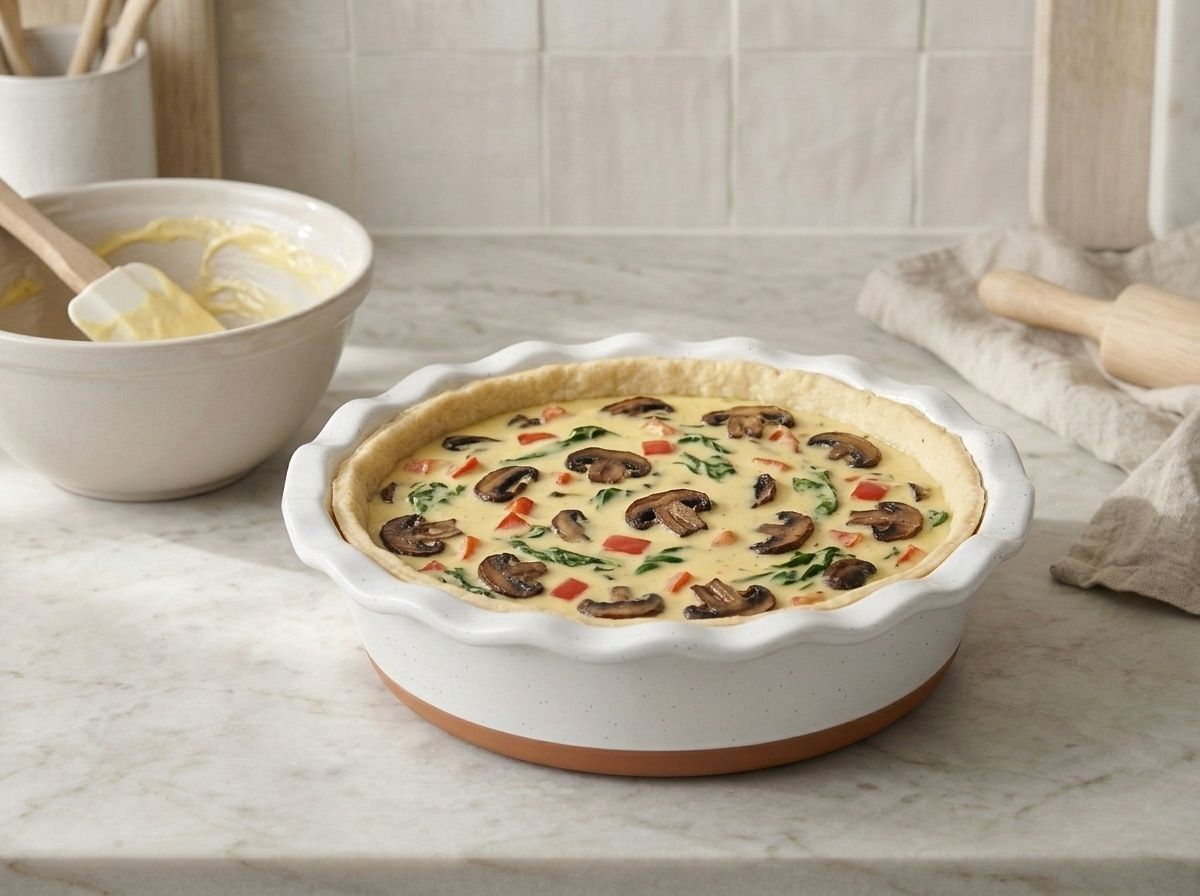
Stir the cooled vegetables into the custard, then pour it into the blind-baked shell and level the top. Fill the shell no more than three-quarters full, because the custard puffs a little as it bakes.
- 6
Bake until barely set
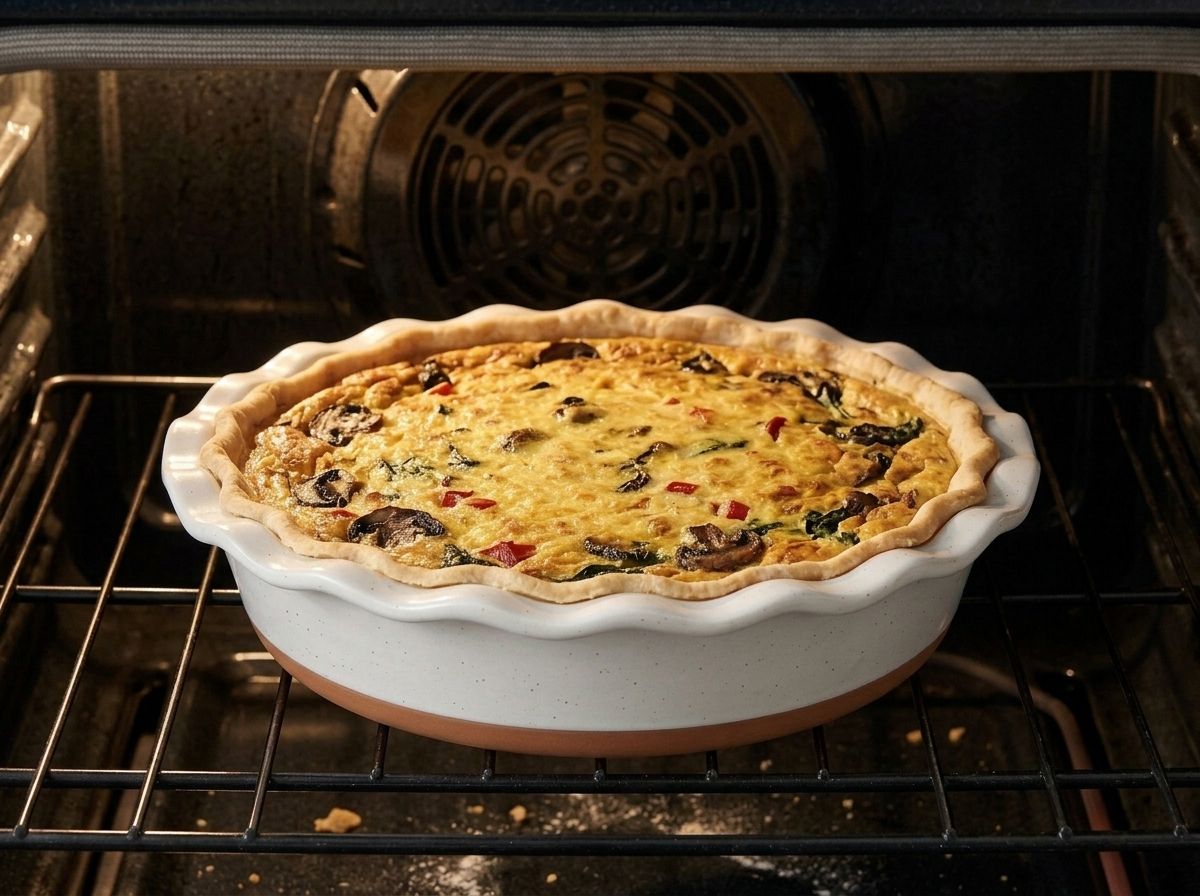
Bake at 350°F (175°C) for 45 to 50 minutes. It is done when the surface is dry to the touch and firm to within about an inch of the middle, with the center still wobbling when you nudge the dish. If the rim of the crust is browning too fast, lay a strip of foil over it.
- 7
Rest before slicing
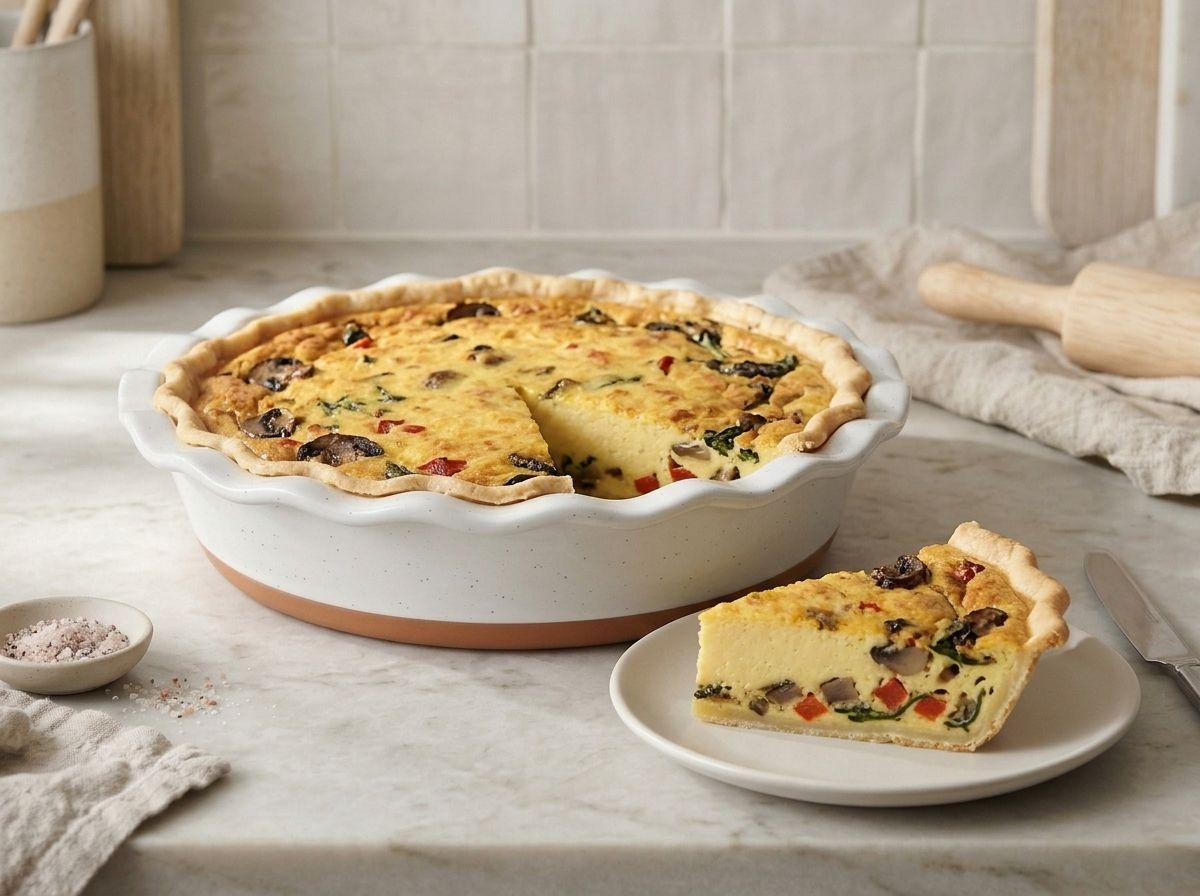
Cool for at least 30 minutes. The starch keeps thickening as the quiche drops below baking heat, and a slice cut hot will slump on the plate however well it baked. Sprinkle a pinch of kala namak over the cut slices just before serving, because most of its egg aroma bakes off over an hour in the oven.
Notes
The filling should look slightly underdone coming out of the oven. It firms as it cools, which is why the 30-minute rest is part of the recipe rather than a suggestion.
Kala namak’s egg aroma bakes off. A pinch over the cut slices puts it back.
The chickpea flour and the cornstarch are both doing work. Drop either one and the filling slumps when you slice it.
Nutrition Facts
8 slices · 164 g per serving
- Calories
- 225 kcal
% Daily Value*
- Total Fat
- 12 g15%
- Saturated Fat
- 2.8 g14%
- Sodium
- 283 mg12%
- Total Carbohydrate
- 22.9 g8%
- Dietary Fiber
- 2.9 g10%
- Sugars
- 2.5 g—
- Protein
- 7.5 g15%
Recipe from veggierecipes.blog
When it goes wrong
Troubleshooting
The middle never set. It is still wet under the crust
Almost always the vegetables. Raw mushrooms and spinach carry more water than the starch can absorb, and they hand it to the custard in the oven instead of to a hot pan where it can evaporate. Cook them until the skillet is genuinely dry before they go near the tofu. The other cause is cutting too early: a quiche that looks wet five minutes out often looks set at forty.
The bottom crust is pale and soggy
The shell went in raw. A wet filling and an unbaked crust in the same dish means the pastry steams rather than bakes, and it never gets hot enough to crisp. Blind bake it, then brush the hot shell with oil before filling to put a thin water-resistant layer between pastry and custard. If it has already happened, ten minutes on the lowest rack of a 400°F oven recovers some of the base.
It tastes flat, like seasoned tofu rather than quiche
Salt is the usual first half of it: this much tofu and vegetable needs more than it looks like it should, and a teaspoon and a quarter is not generous. The second is kala namak that has baked away, which is the whole difference between a quiche and a savory tofu bake. Season the cut slices, not only the batter.
The filling cracked across the top
It baked too long or too hot. Starch-set custards behave like egg ones here, tightening past the point of setting until they split. Pull the quiche while the center still wobbles. The crack changes nothing about the taste, so cover it with the herbs or a row of tomato slices and say nothing.
There is a bitter, chalky aftertaste
Undercooked chickpea flour. It needs sustained heat to lose its raw taste, so this shows up when the quiche came out early, or when the custard was under-blended and pockets of dry besan survived. Blend a full minute, and judge the bake by touch rather than the clock: the top should feel dry, not tacky.
Slices collapse when I lift them out
Under-rested, nine times in ten. The starch network keeps firming for a good half hour as the quiche cools, and that is the step people skip. If it cooled completely and still falls apart, the filling was diluted: either the vegetables went in wet, or the shell was overfilled and the ratio of custard to vegetable dropped too low to bind.
Before you serve
Serving & Storage
In Lorraine a quiche is not the middle of the plate. It comes out warm and thinly sliced at the start of a meal, sometimes in place of the bread, with nothing alongside it. Worth trying once, because a slice on its own eats differently from a slice pushed up against a salad. If you do want something with it, keep it sharp: a green salad in a mustardy vinaigrette, cornichons, or dressed bitter leaves. Acid is what the custard wants, and it is what a rich vegan filling misses most.
Serve it warm rather than hot. Straight out of the oven the custard is at its loosest and the seasoning reads weakest; thirty to forty-five minutes later it slices cleanly and tastes of more. Cold from the fridge is a different dish, denser and more savory, and genuinely good, but do not judge the recipe on a cold slice the first time.
Making it ahead
The quiche is happy baked a day early, and reheating beats timing a bake around guests. You can also split the work: blind bake the shell and cook the vegetables up to two days ahead, covered in the fridge, and the custard blends and bakes in an hour on the day. What does not work is blending the custard in advance. The cornstarch settles out and the chickpea flour keeps absorbing, so a night in the fridge leaves a stiff paste that will not pour level.
Storing leftovers
Cover and refrigerate up to four days. Reheat slices at 350°F (175°C) for 12 to 15 minutes on a baking sheet rather than a plate, so the base of the crust gets dry heat under it. The microwave is quick and it is the wrong tool: it turns the pastry leathery and drives steam out of the custard, which then weeps onto the plate. Slices also freeze, wrapped individually and bagged, for three months; reheat from frozen at 350°F for 25 to 30 minutes, foil over the top for the first 15. The custard comes back slightly grainier, but it survives the freezer better than an egg quiche does.
Still wondering
Frequently Asked Questions
Can I swap the vegetables, and how much can the quiche take?
Swap freely, but keep the total to about 550 g (a generous pound) of raw vegetables, which cooks down to roughly two cups and is what this quantity of custard can bind. Zucchini, asparagus, broccoli and leeks all work. Tomatoes are the one to watch, because they hold more water than they look like they do and let it go after the pan rather than in it, so seed and salt them for 15 minutes first.
Is this vegan quiche gluten-free?
The filling is, and nothing in it needs changing: chickpea flour and cornstarch are both naturally gluten-free and they are the two ingredients doing the setting. Only the crust is in question, so a gluten-free shell makes the whole quiche gluten-free. Gluten-free pastry browns faster and dries sooner, though, so blind bake it 10 minutes with weights and 4 without instead of 12 and 6, and put a foil collar on the rim as soon as it takes color.
Can I make it crustless?
Yes, and it is the better version for meal prep because it slices cold without shattering. Oil a 9-inch pie dish well, skip the blind bake, pour the filling straight in and bake at 375°F (190°C) for 35 to 40 minutes. It still wants the full 30-minute rest, and it comes in about 120 calories a slice lighter.
More Savory Plant-Based Brunches
Made this?