
Vegetarian Corn Casserole Recipe
Published · Updated
The box mix behind almost every corn casserole in America lists animal shortening fourth on its ingredients, which is why this one starts with a bowl of flour instead.
Jump To Recipe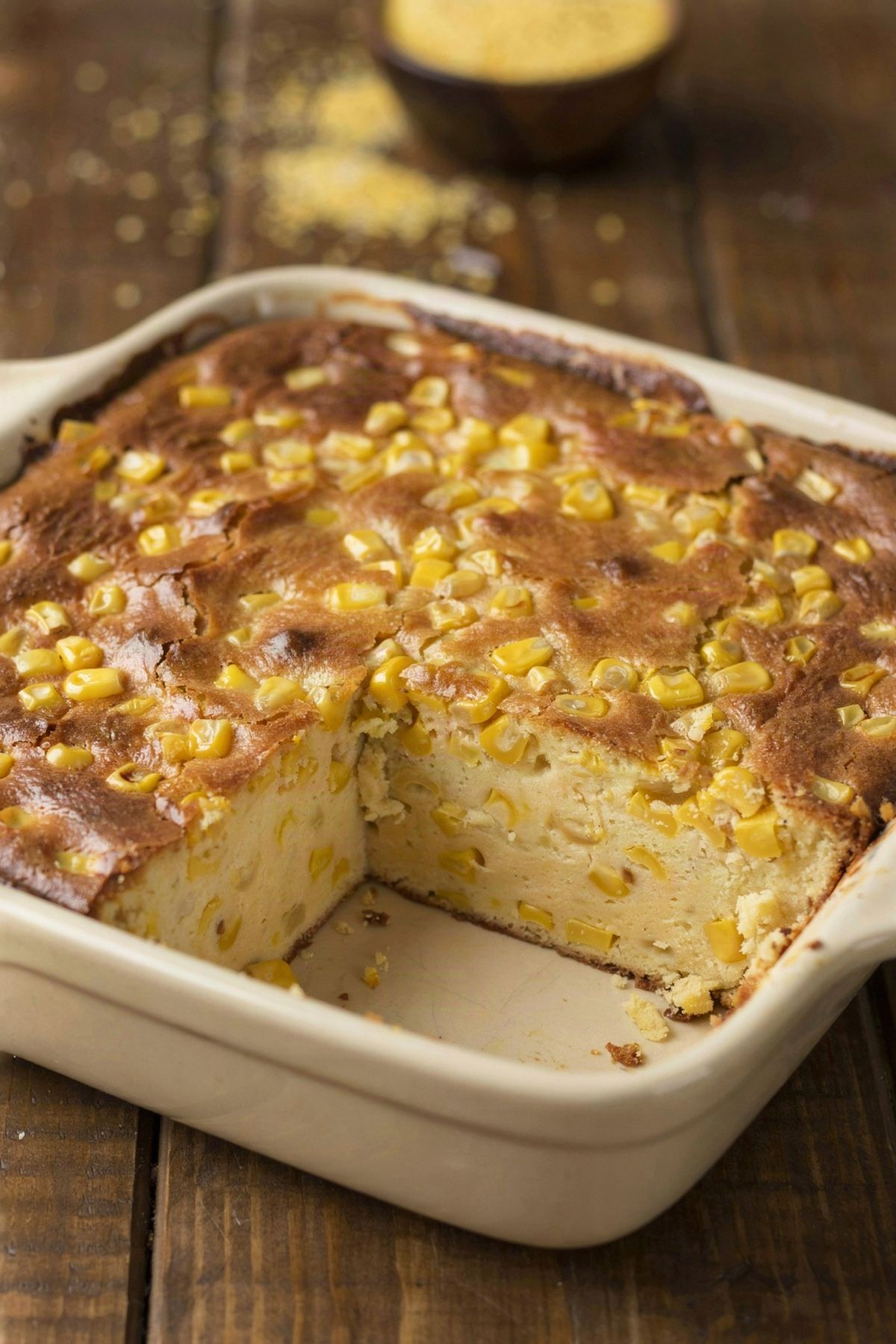
I Found Out At Someone Else’s Thanksgiving
I had eaten corn casserole for years before I ever read a box of the mix. It was at a friend’s parents’ table in Ohio, and I was being the vegetarian who does not make a fuss about it: I asked about the stuffing, I asked about the gravy, and I did not ask about the corn thing, because what would you even be asking. Corn, cream, cheese. Her mother mentioned the Jiffy box afterwards, the way you mention that something was easy, and I looked it up in the car on the way home.
Animal shortening, fourth on the list. Nobody in that kitchen had any idea, including me, and I was the one who had been asking questions. It is not a scandal. It is a 1950 convenience product doing what 1950 convenience products did with fat. But it changed how I read a table. The dishes that get interrogated are the ones with an animal in the name, and the ones that go round unchallenged are the ones assembled out of boxes.
I make it from scratch now, and not on principle. The five dry ingredients take about ninety seconds to weigh out, they cost less than the box, and I get to decide how sweet the thing is. That last part is why I make it more often than I used to. The box version always tasted to me like it could not decide whether it was a side dish or a cake, and two tablespoons of sugar instead of three settles the argument.
The story
Corn Casserole Fails Vegetarian On One Hidden Ingredient
Corn casserole is a young dish sitting on top of a very old one. The porridge underneath it is Native American: ground corn boiled with water, recorded by colonists as samp and suppone, words they took from the Algonquian languages along with the technique. Settlers around Awendaw in South Carolina baked their version and named it for the Sewee town nearby. By the end of the nineteenth century, once butter, milk and eggs had gone in and baking soda had replaced yeast in Southern corn breads, it had become the spoonbread and the corn pudding that are still on those tables now.
The casserole is the twentieth century’s version of it, and unlike the others it has a date. It cannot be older than 1950, because that is when the Chelsea Milling Company of Chelsea, Michigan put “JIFFY” Corn Muffin Mix on shelves, and the casserole is built around that box. Two cans of corn, sour cream, butter, eggs, one box. Five things, forty-five minutes, nothing to measure. It spread through church cookbooks and index cards on exactly that promise, and it is now the third most predictable thing on an American Thanksgiving table.
Which is where the vegetarian problem starts, and it is not where anyone looks for it. Read the box: wheat flour, degerminated yellow corn meal, sugar, animal shortening. The fat in “JIFFY” Corn Muffin Mix is lard and hydrogenated lard, and it is the fourth ingredient by weight. There is no meat in the recipe, no stock, no gelatin, nothing you would think to ask about. The one non-vegetarian thing in a vegetarian-looking dish is inside a box that costs a dollar and nobody reads.
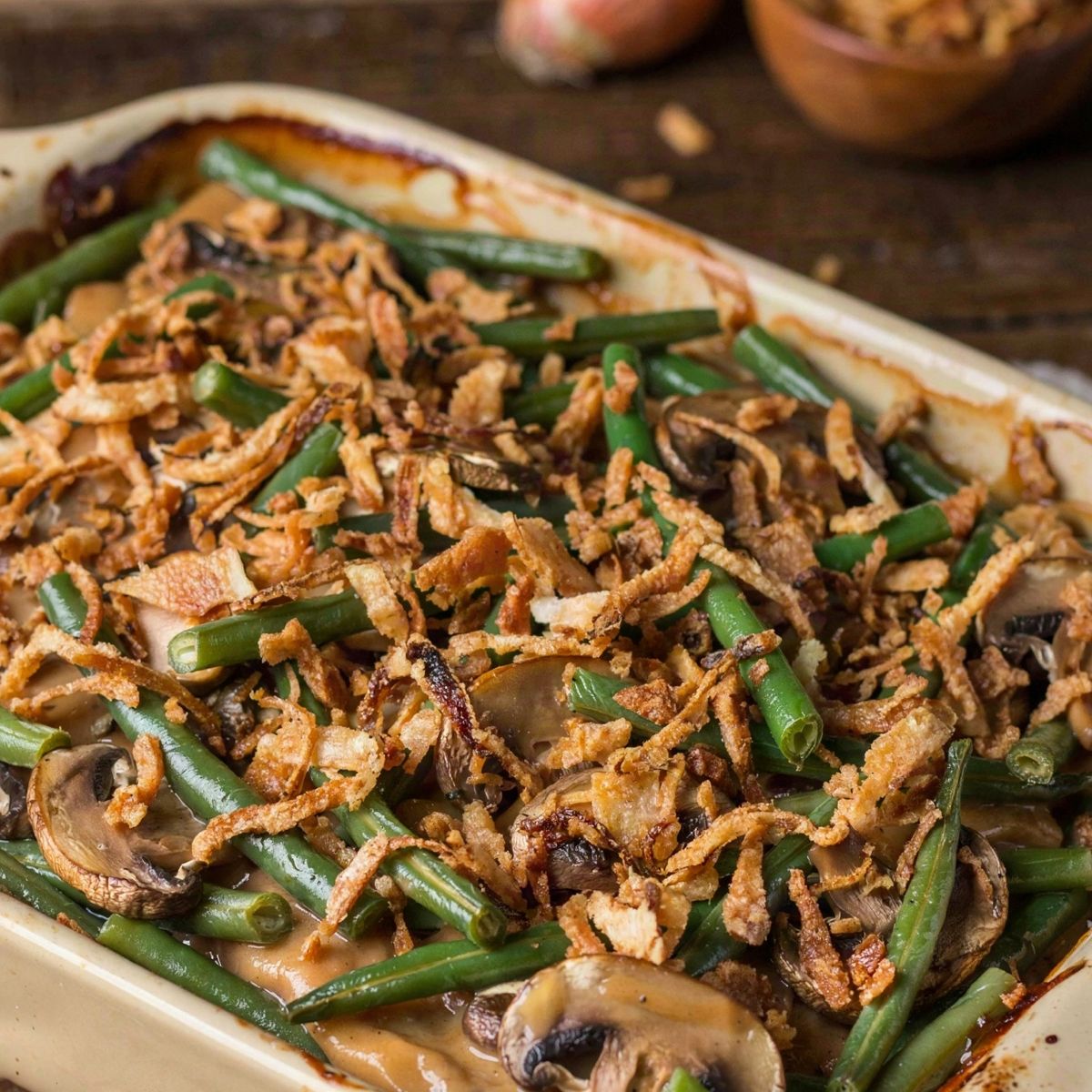
So corn casserole is the dish that goes round the table unchallenged. Stuffing gets asked about, because of the stock. Green bean casserole gets asked about, because of the soup. Gravy gets asked about because it is gravy. Corn casserole is corn and dairy and a box, and it looks like the safest plate on the table.
Chelsea Milling knows this perfectly well, and sells a second box for it: “JIFFY” Vegetarian Corn Muffin Mix, the same product with palm and soybean oil in place of the lard. If your store stocks it, it works, and the recipe below says where it goes. Plenty of stores do not stock it, which is a thin reason for anyone to give up a dish they grew up eating.
There is also a better reason to skip both boxes. What is in one is flour, cornmeal, sugar, baking powder and salt, plus the fat you are already melting for the rest of the recipe. Weighing five dry ingredients takes about ninety seconds, and it hands you the two dials the manufacturer set on your behalf: how sweet the casserole is and how salty. Those are the two standing complaints about the box version, and the version below turns both of them, down on the sugar and up on the salt.
One further thing slips past people, and this one is not in the box. Corn casserole is often finished with sharp cheddar, and a good deal of aged and imported cheddar is still set with calf rennet. It appears on the label as “enzymes” rather than under its own name, which is legal and unhelpful. The cheese here is optional, and the note below says what to look for on the wrapper. None of this makes a vegetarian corn casserole a lesser version of the real one. It is the real one with the box unpacked.
What to buy
Ingredient Notes
Corn muffin mix, or the five things inside it
This recipe does not use a box. The dry ingredients in step 3 stand in for one 8.5 ounce box of corn muffin mix and they are the same ingredients minus the lard: flour, cornmeal, sugar, baking powder, salt. If you can find the green “JIFFY” Vegetarian Corn Muffin Mix, one box replaces all five and the butter stays as written. The blue box does not, and that is the whole reason this page exists.
Canned creamed corn
Not drained, and not interchangeable with the whole kernel can. Most brands are corn, water, sugar, modified corn starch and salt, all vegetarian, but read it once because a few build theirs on butter or cream. Brands vary a lot in thickness, and a thin one is the most common reason a corn casserole bakes up loose. If yours pours out of the can rather than falling off a spoon, hold back two tablespoons of it.
Whole kernel corn
Drain it hard, in a strainer, and shake it. A 15 ounce can gives up close to half a cup of packing liquid, and every spoonful you leave behind ends up in the middle of the casserole and stays there. Frozen corn is a straight swap at 1 1/2 cups, thawed and patted dry on a towel. Fresh corn in late summer is two to three ears, cut off the cob raw. Do not use a second can of creamed corn instead: the kernels are what keep this from being pudding.
Full-fat sour cream
Full fat, and out of the fridge for twenty minutes first. Light and fat-free sour creams are thinned with water and propped up with starch and gums, and they weep in a hot oven. Whole milk Greek yogurt works and is noticeably tangier, which some people prefer against the sugar. Cold sour cream is also half of the greasy casserole problem: it chills the melted butter on contact, the fat seizes into flecks, and flecks do not stay suspended in a batter.
Yellow cornmeal
Fine or medium grind. Coarse stone-ground cornmeal gets fifty-five minutes to soften and does not manage it, so it stays sandy on the tongue. Three products sit beside it on the shelf and none of them work here: corn flour is milled too fine and goes pasty, masa harina is nixtamalized and tastes of tortillas, and cornstarch is not ground corn at all. White cornmeal is fine if it is what you have, the casserole just bakes paler.
Unsalted butter
Melted, then left alone for five minutes. Butter straight off the heat sits near 200°F and egg white starts setting at about 145°F, so hot butter turns the eggs into threads instantly and no amount of whisking takes them back out. Unsalted matters more here than in most baking: two cans of corn and a cup of sour cream already carry a lot of sodium, and salted butter tips the finished dish over.
Sharp cheddar, if you use it
Check how it was set. Most supermarket block cheddar is made with microbial rennet now, but plenty of aged and imported cheddar is not, and the label says “enzymes” rather than naming what they came from. Look for microbial or vegetarian rennet printed on the wrapper. Stir three quarters of the cheese through the batter and scatter the rest on top, because a full cheese lid browns long before the center has set.
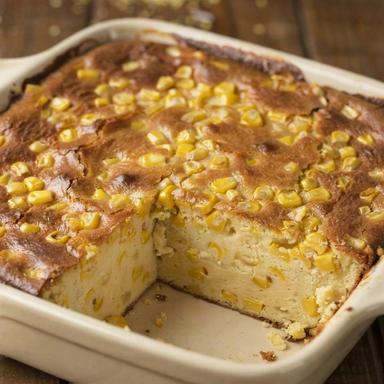
Vegetarian Corn Casserole
A vegetarian corn casserole built without the box mix: a five-ingredient scratch cornbread base, two kinds of corn and full-fat sour cream, baked until the center is just set and left to rest.
Ingredients
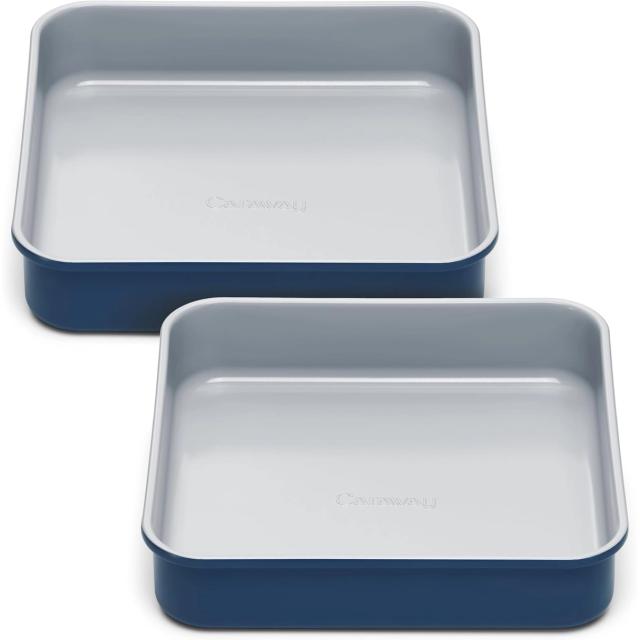
Equipment
As an Amazon Associate I earn from qualifying purchases, at no extra cost to you.
Instructions
- 1
Heat the oven and butter the pan
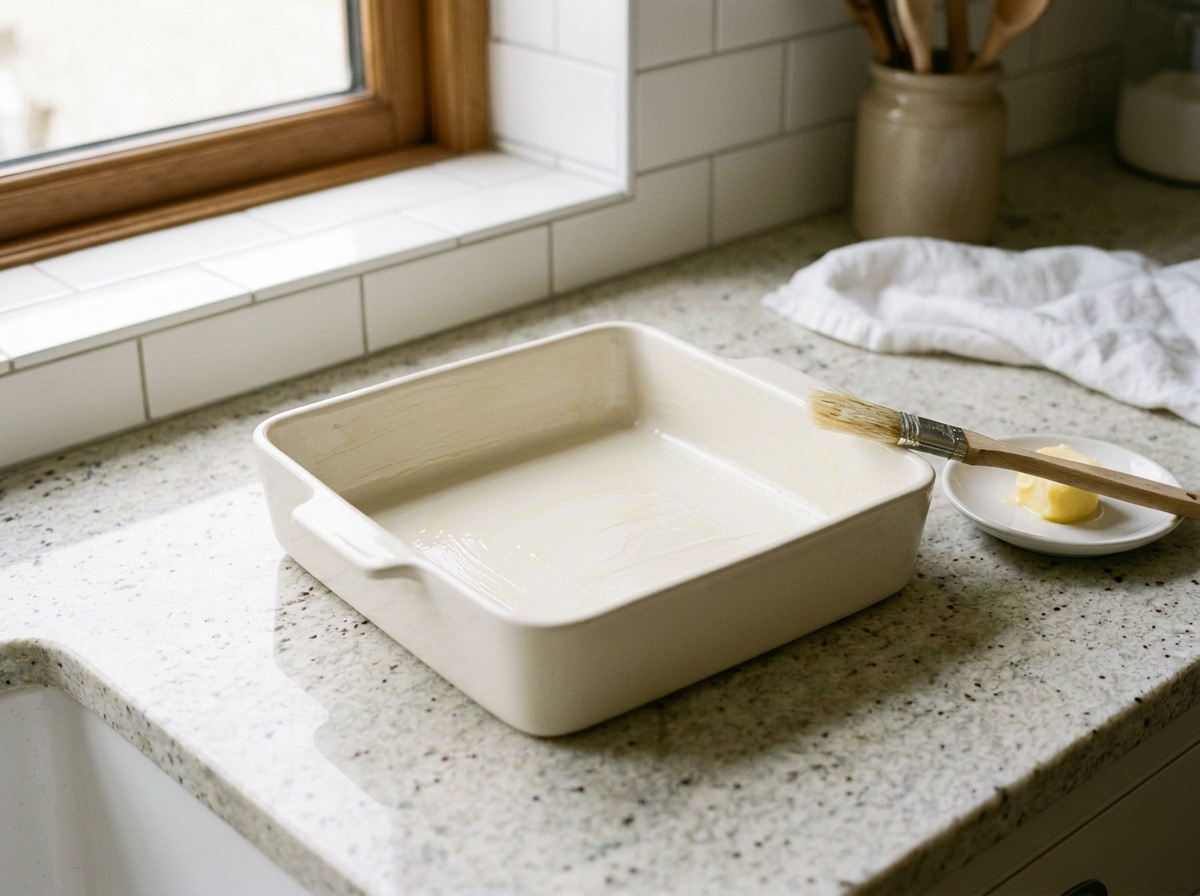
Set the oven to 350°F (175°C) with a rack in the middle position. Butter a 9x9 inch baking pan, or any other 2-quart dish, right up the sides.
- 2
Melt the butter and let it cool
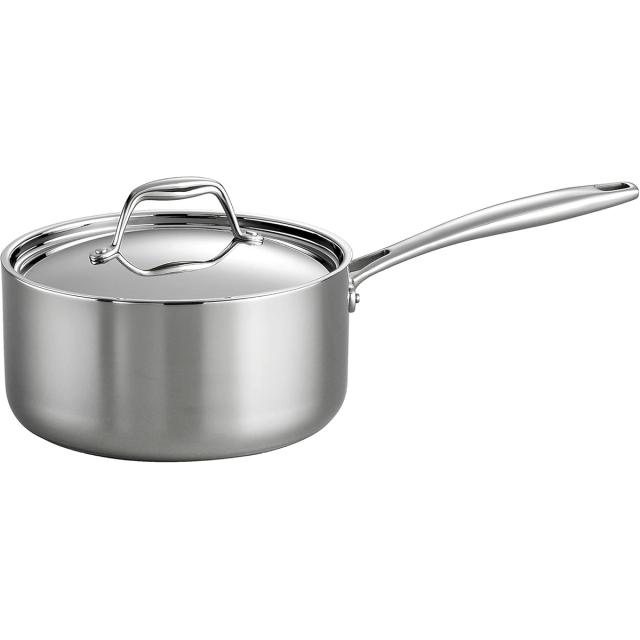
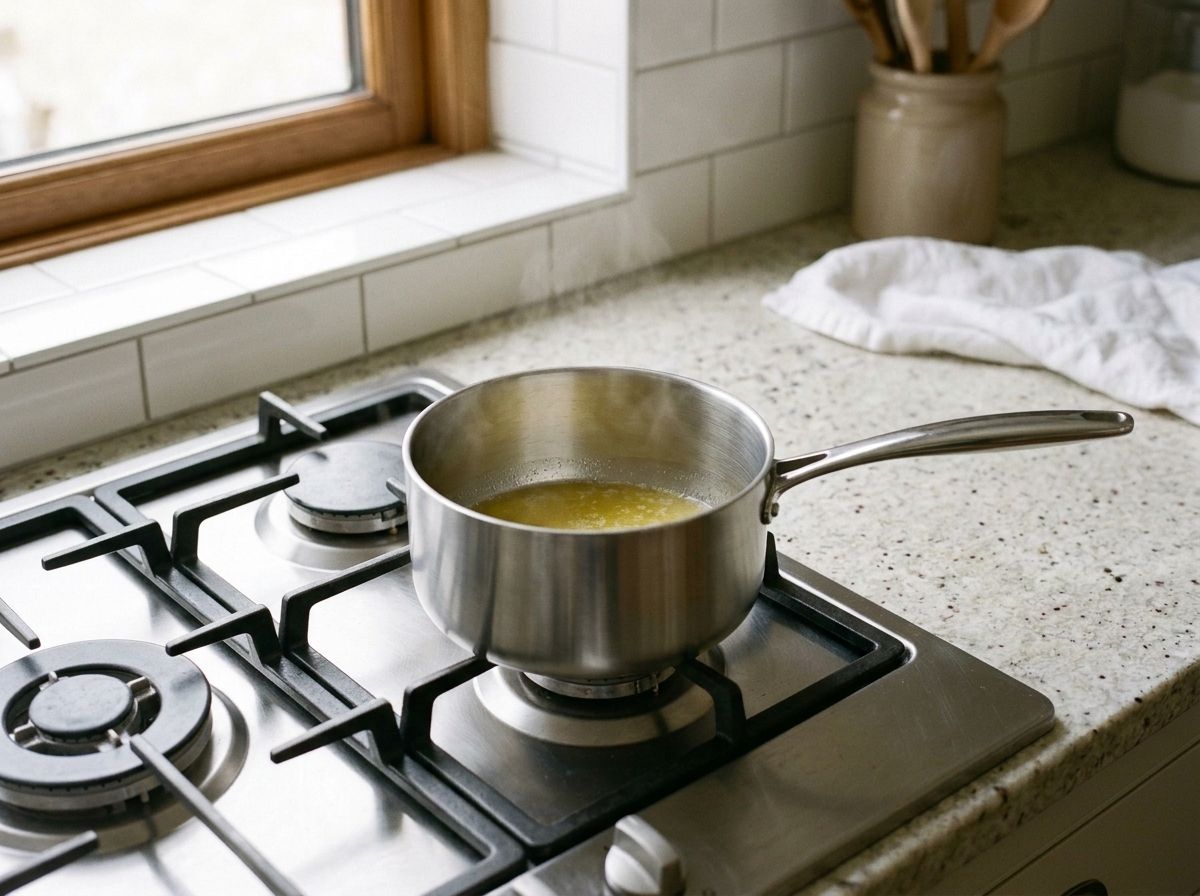
Melt the half cup of butter in a small saucepan or in the microwave, then set it aside for at least five minutes. It has to fall below egg-scrambling temperature before it meets the eggs in step 5.
- 3
Whisk the dry mix
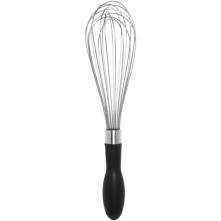
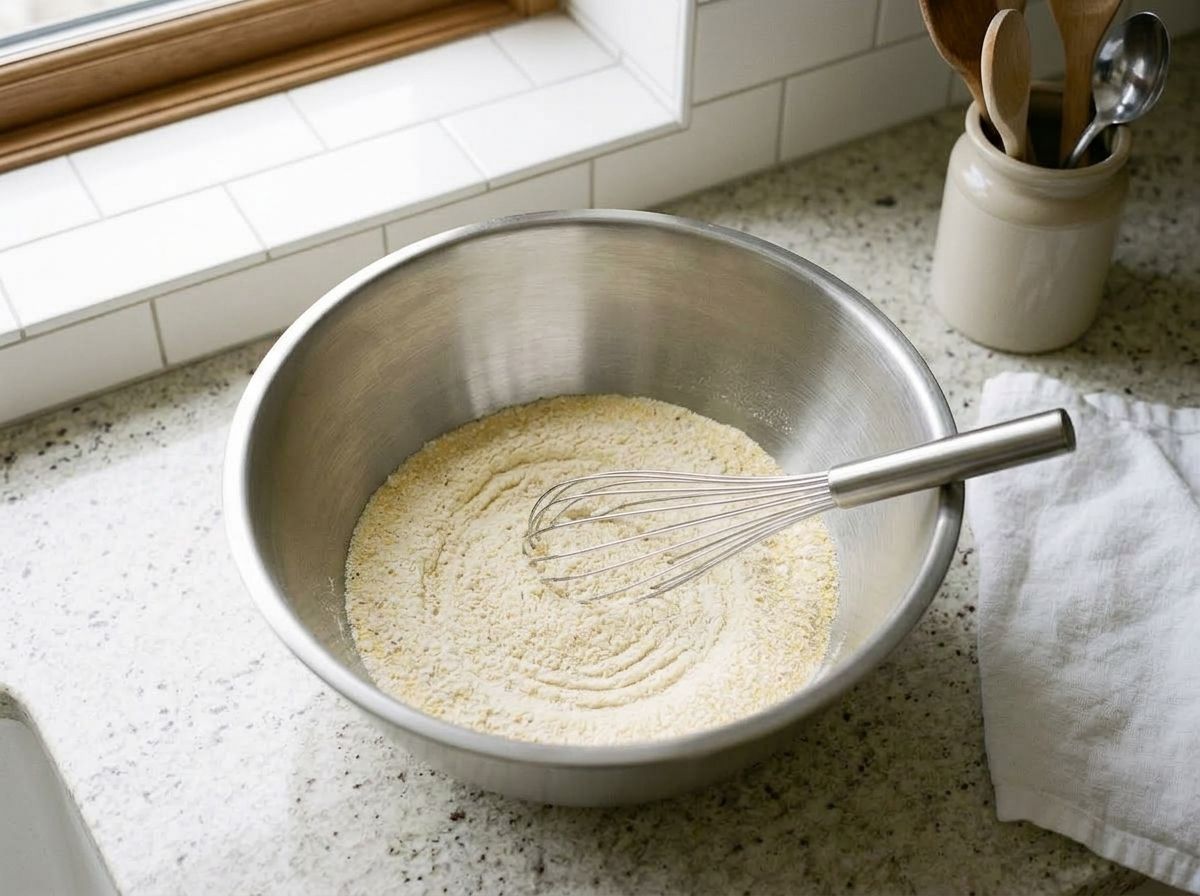
In a medium bowl, whisk the flour, cornmeal, sugar, baking powder and salt together until the color is even and there are no lumps of baking powder left. This is the box mix, minus the lard.
- 4
Drain the whole kernel corn
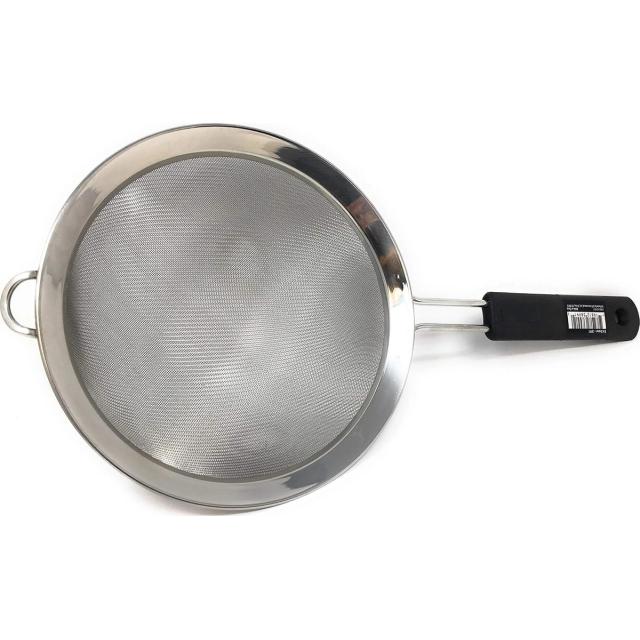
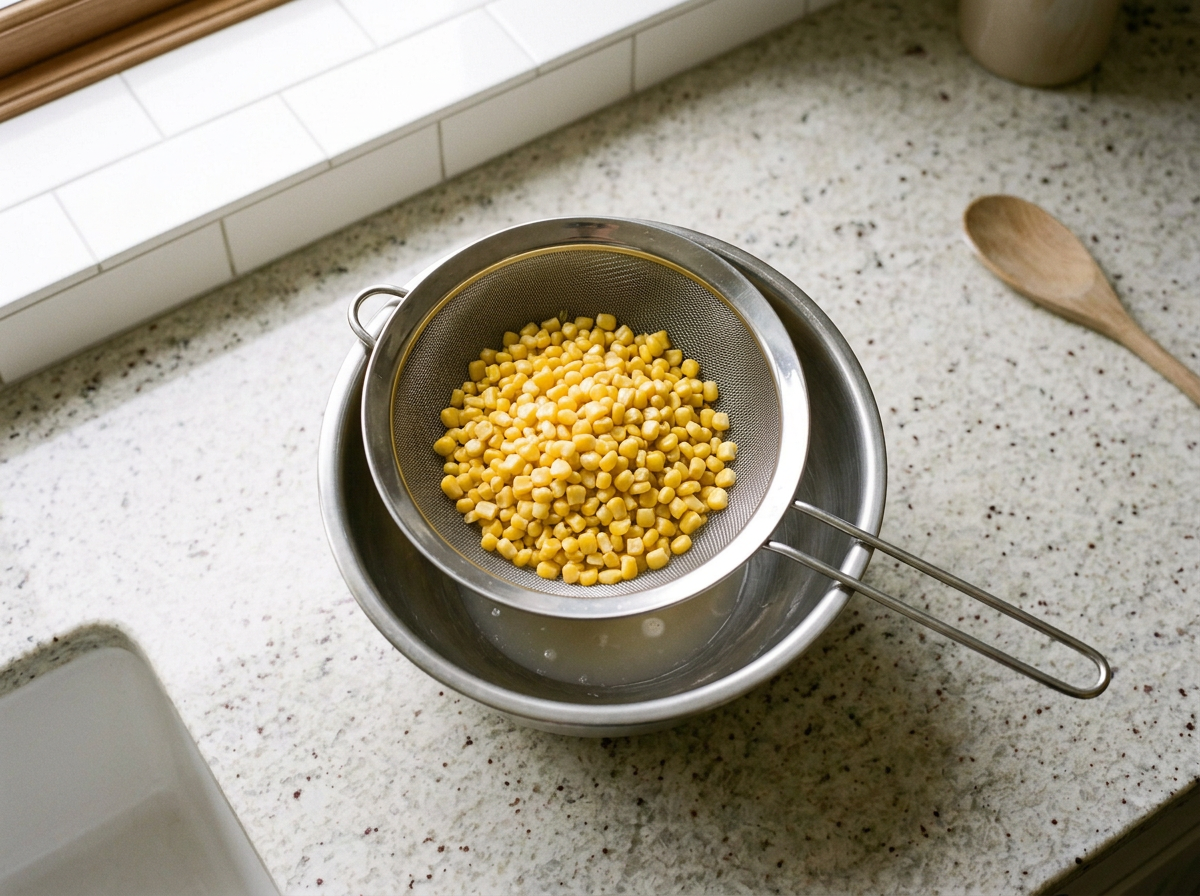
Tip the can of whole kernel corn into a fine mesh strainer and let it drip for a minute, shaking it once or twice and pressing it lightly with the back of a spoon. Close to half a cup of packing liquid comes out, and all of it would otherwise have ended up in the middle of the casserole.
- 5
Whisk the wet ingredients
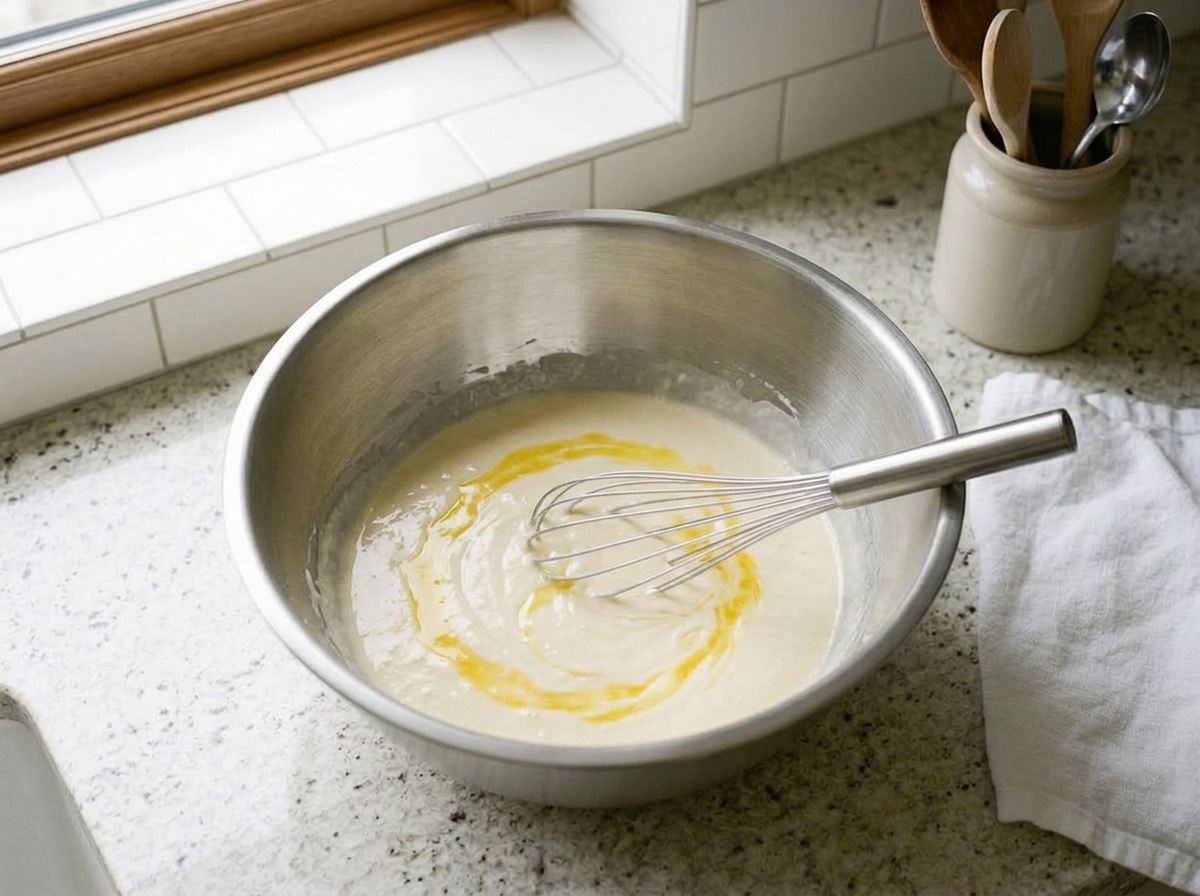
In a large bowl, whisk the eggs into the sour cream until smooth, then pour in the cooled butter in a thin stream, whisking as it goes. Both the eggs and the sour cream need to be near room temperature or the butter seizes into flecks.
- 6
Stir in both kinds of corn
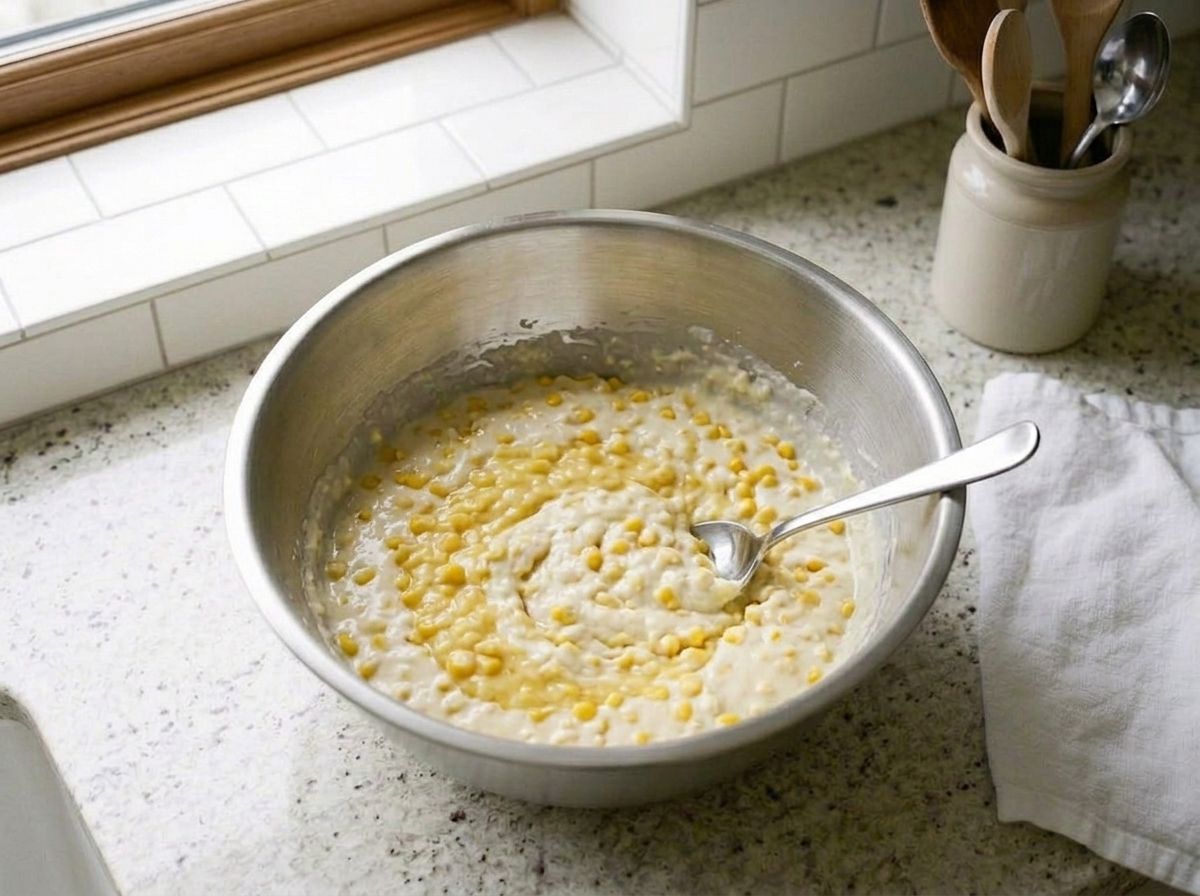
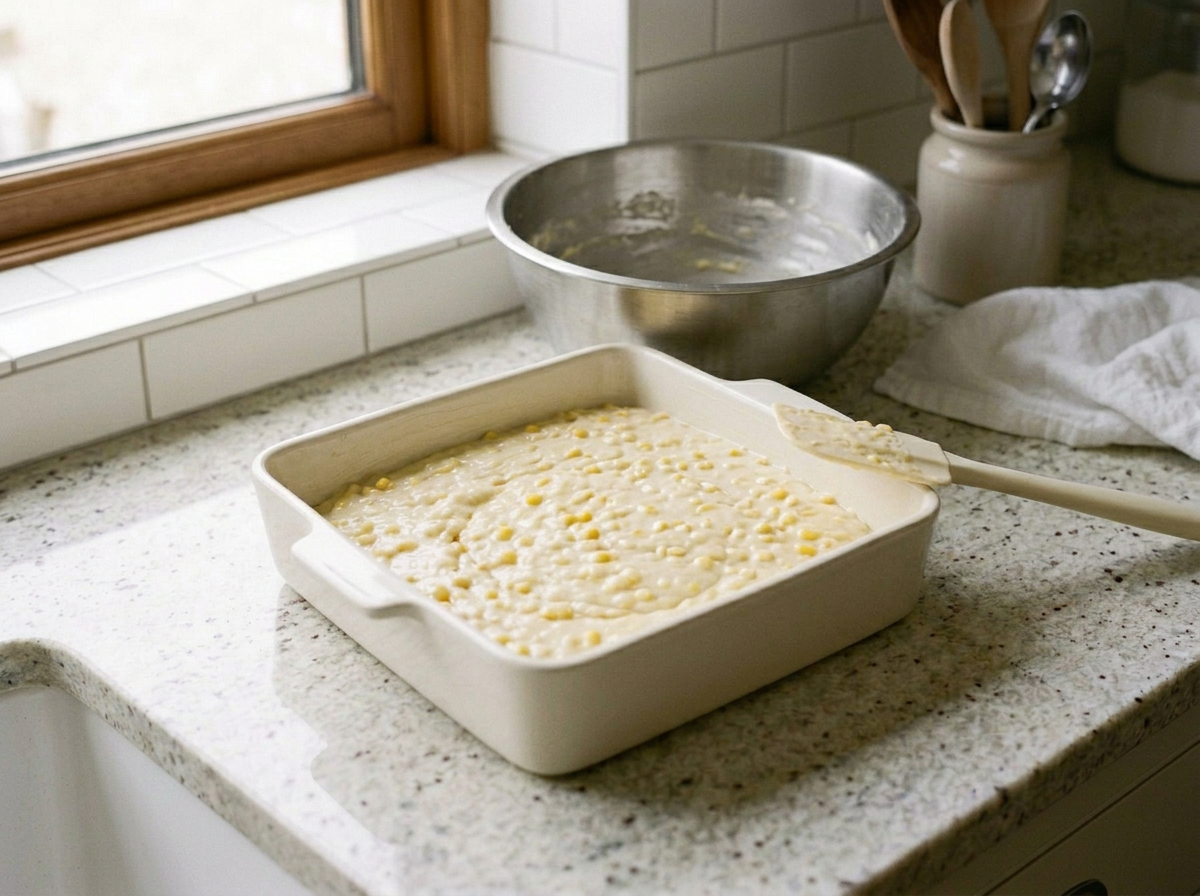
Add the drained kernels and the whole can of creamed corn, liquid and all, and stir until the corn is evenly spread through. The mixture looks thin and sloppy at this stage, which is right.
- 7
Fold the dry mix in
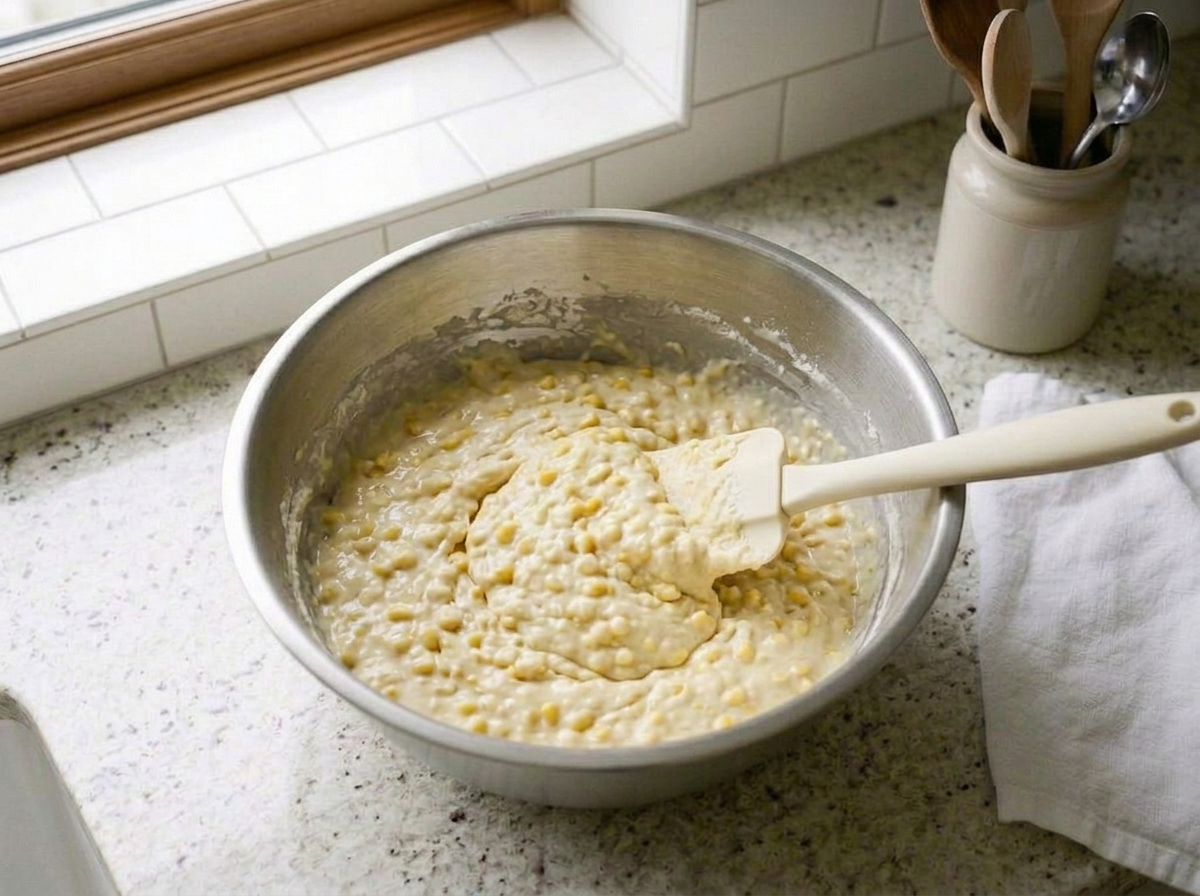
Tip the dry mix into the large bowl and fold it through with a spatula until no dry streaks are left, roughly fifteen turns. Stop as soon as it comes together. Working it any harder builds gluten into a batter that has no business having any, and it bakes rubbery.
- 8
Scrape it into the pan
Scrape the batter into the buttered pan and spread the top level. If you are using cheddar, stir three quarters of it in first and scatter the rest over the surface with the scallions.
- 9
Bake until the center stops sloshing
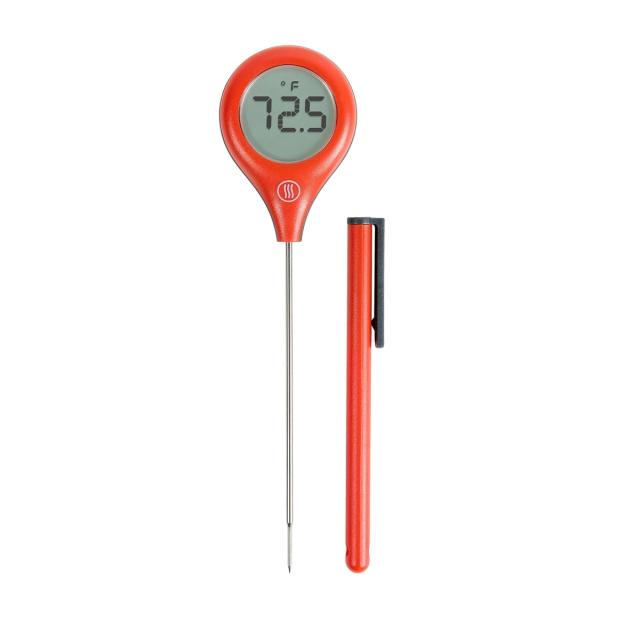
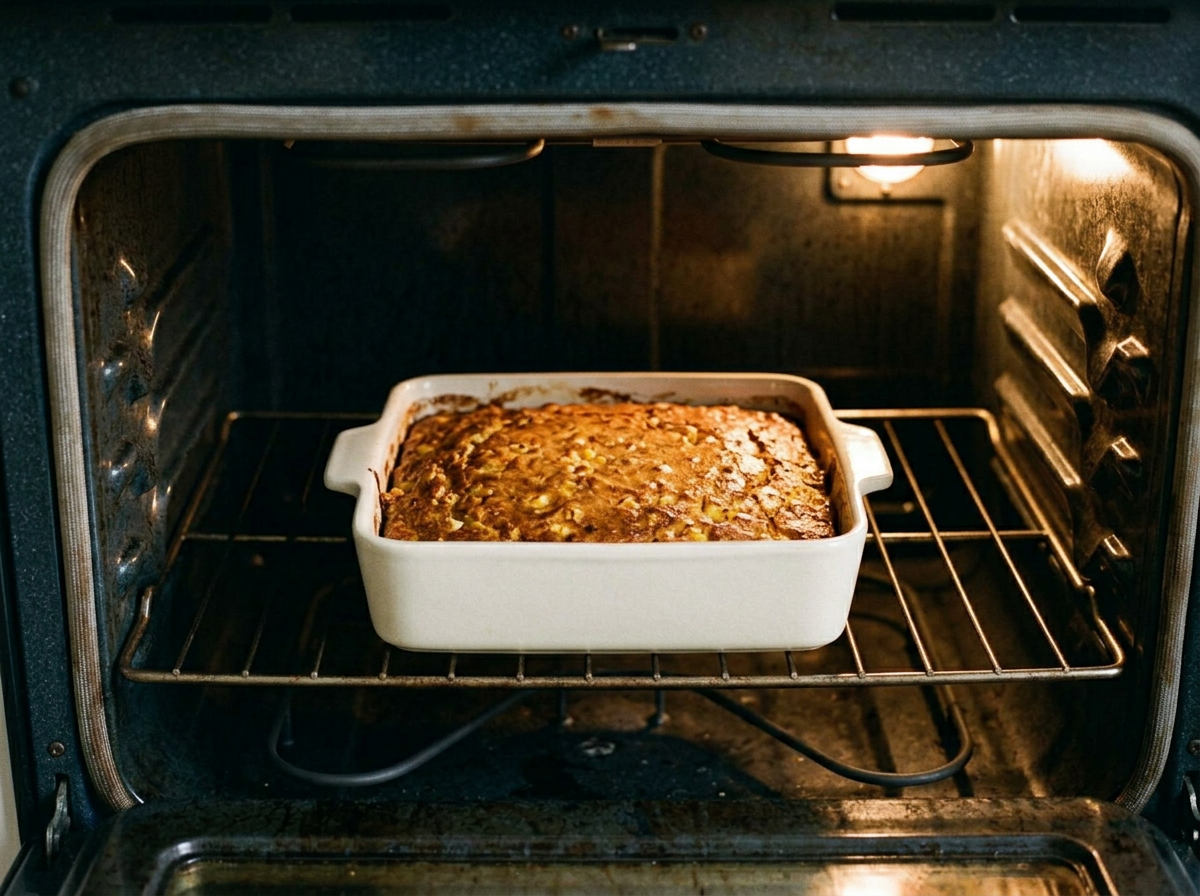
Bake for 50 to 55 minutes. The edges should be set, lightly browned and just pulling from the pan, and the center should jiggle as one piece rather than slosh. A thermometer in the middle reads 165°F. If the top takes on all the color it needs before then, lay a sheet of foil loosely over it.
- 10
Rest it before serving
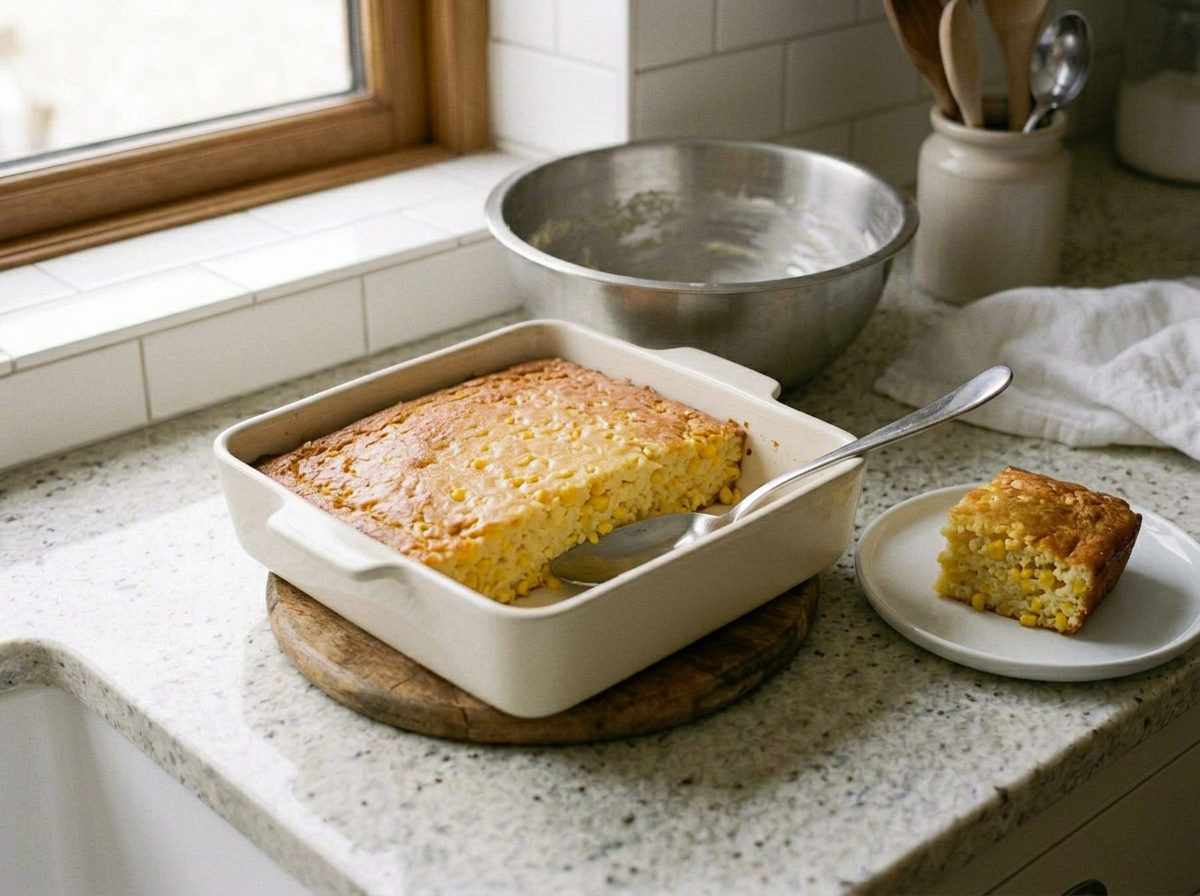
Let the casserole sit for 15 minutes before it goes to the table. It carries on setting as it cools, and going in straight from the oven is the most common way a perfectly good corn casserole reaches the plate as a puddle.
Notes
The green box, “JIFFY” Vegetarian Corn Muffin Mix, replaces the flour, cornmeal, sugar, baking powder and salt if you can find it. One 8.5 ounce box for the quantities here, and the butter stays as written. The blue box is the one with lard in it.
Frozen corn instead of the can: 1 1/2 cups, thawed and patted dry.
Double it in a 9x13 dish and bake 60 to 70 minutes. A single batch in that pan bakes too shallow and comes out dry.
It reheats better than most of the table. Bake it a day ahead, then give it 25 to 30 minutes covered at 325°F.
Nutrition Facts
8 servings · 205 g per serving
- Calories
- 401 kcal
% Daily Value*
- Total Fat
- 24.8 g32%
- Saturated Fat
- 13.6 g68%
- Sodium
- 722 mg31%
- Total Carbohydrate
- 37.1 g13%
- Dietary Fiber
- 2 g7%
- Sugars
- 6 g—
- Protein
- 9.9 g20%
Recipe from veggierecipes.blog
When it goes wrong
Troubleshooting
The middle is still soupy
Three things cause it. The whole kernel corn was not drained hard enough, the creamed corn was a thin brand, or it came out of the oven early. Bake until the center stops sloshing when you nudge the pan and a thermometer in the middle reads 165°F, then leave it for a full fifteen minutes. Be careful what you are calling soupy, though. A soft, custardy center that jiggles as one piece is correct. This is a pudding with cornbread through it, not a cornbread.
There are threads of scrambled egg through it
The melted butter was still hot when it met the eggs. Butter off the heat is around 200°F and egg white sets at about 145°F, so it happens on contact and it cannot be stirred out afterwards. Give the butter five minutes off the heat, or trickle a little of it into the eggs while whisking before the rest goes in. If it has already happened the casserole is perfectly good to eat, it is just flecked.
It tastes like dessert
Sugar arrives from three directions in this dish and hardly any of it is added on purpose. The box mix carries about three tablespoons of its own, canned creamed corn is sweetened, and many recipes then call for more sugar on top of both. The version here puts two tablespoons in the dry mix and nothing else, which lands it as a side dish rather than a cake. If that is still too sweet for your table, drop to one tablespoon and add another quarter teaspoon of salt. Salt does more to cut the sweetness than taking the sugar out does.
It baked dry and crumbly, more cornbread than casserole
Usually the pan. A single batch spread into a 9x13 dish is barely an inch deep, and the oven drives the water out of it long before the center turns custardy. Use a 9x9 or another 2-quart dish, or double the recipe if you want the big pan. The other cause is time. Past about 65 minutes the egg proteins tighten and squeeze water out of the batter, and the dish goes from creamy to crumbly in a way you cannot walk back.
There is melted butter pooling around the edges
The fat broke out of the batter instead of staying suspended in it. Half a cup of melted butter hitting a cup of fridge-cold sour cream is enough to do it: the butter seizes into hard flecks and the flecks fall out during the bake. Let the sour cream and the eggs sit out for twenty minutes before you start. An oven running cold does the same thing more slowly, so check yours with a thermometer if this keeps happening.
The top was brown at half an hour and the middle was still raw
Something is running the surface hotter than the inside. Cheese on top is the usual culprit, since it colors well before the batter beneath it sets, and a rack sitting too high or an oven that runs hot will do it on their own. Move the dish to the middle rack and lay a sheet of foil loosely over the top once it has the color you want. Lay it on, do not seal it down, or the trapped steam keeps the surface wet.
Before you serve
Serving & Storage
Corn casserole goes on the table as a vegetable rather than as a bread, which is worth saying out loud given how sweet most versions are. That is how corn pudding has always been served in the South, in the run of dishes with the green beans and the greens, not over beside the rolls. Serve it with a spoon straight from the dish. It is soft enough that cutting it into squares is a fiction unless you baked it thin.
It takes gravy better than anything else on the table, mushroom gravy in particular, because the sweetness has something to push back against. Set beside the green bean casserole and the stuffing it fills the starch slot that mashed potatoes usually hold, so you can run both or drop the potatoes and nobody will notice. Outside November it belongs with chili, with barbecue plates, and with anything smoky or vinegary. It is the soft sweet thing on a plate of sharp ones.
Making it ahead
The one thing you cannot do is mix the batter and leave it. Baking powder starts working the moment it gets wet and it is largely spent within the hour, so a batter that sat overnight bakes flat and dense. Everything either side of that is fine. Whisk the five dry ingredients together and keep them in a jar for a month. Drain the corn and mix the wet side the night before, covered, in the fridge, and bring the two together in the morning.
Better still, bake it completely a day or two ahead. This dish reheats unusually well for something custard-set, which is not true of most of what surrounds it. Cool it, cover it, refrigerate it, then reheat it covered at 325°F for 25 to 30 minutes until the middle is hot through. It comes back very slightly firmer than it was on the day and no worse for it, and it frees your oven on Thanksgiving morning, which is the only currency that matters by then.
Storing leftovers
Covered in the fridge it keeps four days. Reheat portions covered, either fifteen minutes in a 325°F oven or in the microwave under a damp paper towel, which stops the cut surface going leathery. Straight from the fridge it is also good cold, closer to a firm corn pudding than to anything you would call a leftover.
It freezes, with one caveat. Freeze it baked, cut into portions and wrapped, for up to three months, and thaw it in the fridge overnight before reheating. The texture comes back a little grainier than it went in, because the starch retrogrades and the sour cream lets go of some water. Do not freeze the unbaked batter, for the same reason you cannot leave it sitting in the fridge.
Still wondering
Frequently Asked Questions
How many does this serve, and can I double it for a crowd?
Eight as a side, from a 9x9 or any 2-quart dish. Doubling works cleanly: two of everything into a 9x13 dish, same oven temperature, 60 to 70 minutes instead of 50 to 55. What does not work is a single batch spread into the 9x13, which bakes too shallow to stay creamy. If you need it for twelve rather than sixteen, make one and a half times the recipe in the 9x13 and start checking at 55 minutes.
Can I make it vegan?
Partly, and it is worth being honest about the gap. Vegan butter and a thick unsweetened vegan sour cream both swap in one for one with no change to the result. The eggs are the problem, because they are not moisture here, they are the structure: two eggs are what turn a wet corn batter into something custard-set. The closest substitute is a third of a cup of blended silken tofu per egg with an extra ten minutes in the oven, and it comes out softer and looser than the original. Flax eggs do not work at all in this one, they make it gummy. If you want a vegan side of this sort, vegan creamed corn is a better use of the ingredients than a compromised casserole.
Is it gluten-free?
Not as written, because of the two thirds of a cup of all-purpose flour. It is easier to fix than most baked things, though, since nothing here relies on gluten: this is a poured batter, not a dough. A measure-for-measure gluten-free flour blend goes in at the same 2/3 cup, 85 g, and the casserole is essentially indistinguishable. Check the baking powder is labeled gluten-free while you are at it, most are.
Is corn casserole the same thing as corn pudding or spoonbread?
They are three points on one line and the difference is what does the setting. Corn pudding is the oldest and the plainest: corn, eggs, dairy, no flour, set like a savory custard. Spoonbread adds cooked cornmeal mush and often whipped egg whites, which makes it light enough to need a spoon, hence the name. Corn casserole is the post-1950 one, where a cornbread mix goes in alongside the corn, so it sits somewhere between a pudding and a very moist cornbread. If a recipe calls for a box, it is a corn casserole.
Featured In
More Sides For The Thanksgiving Table
Made this?