
BBQ Jackfruit Pulled Pork Sandwich Recipe
Published · Updated
Smoky, saucy jackfruit piled high on a soft bun and loaded with vibrant slaw, this BBQ jackfruit pulled pork sandwich delivers big comfort and bold flavor, plant-based style.
Jump To Recipe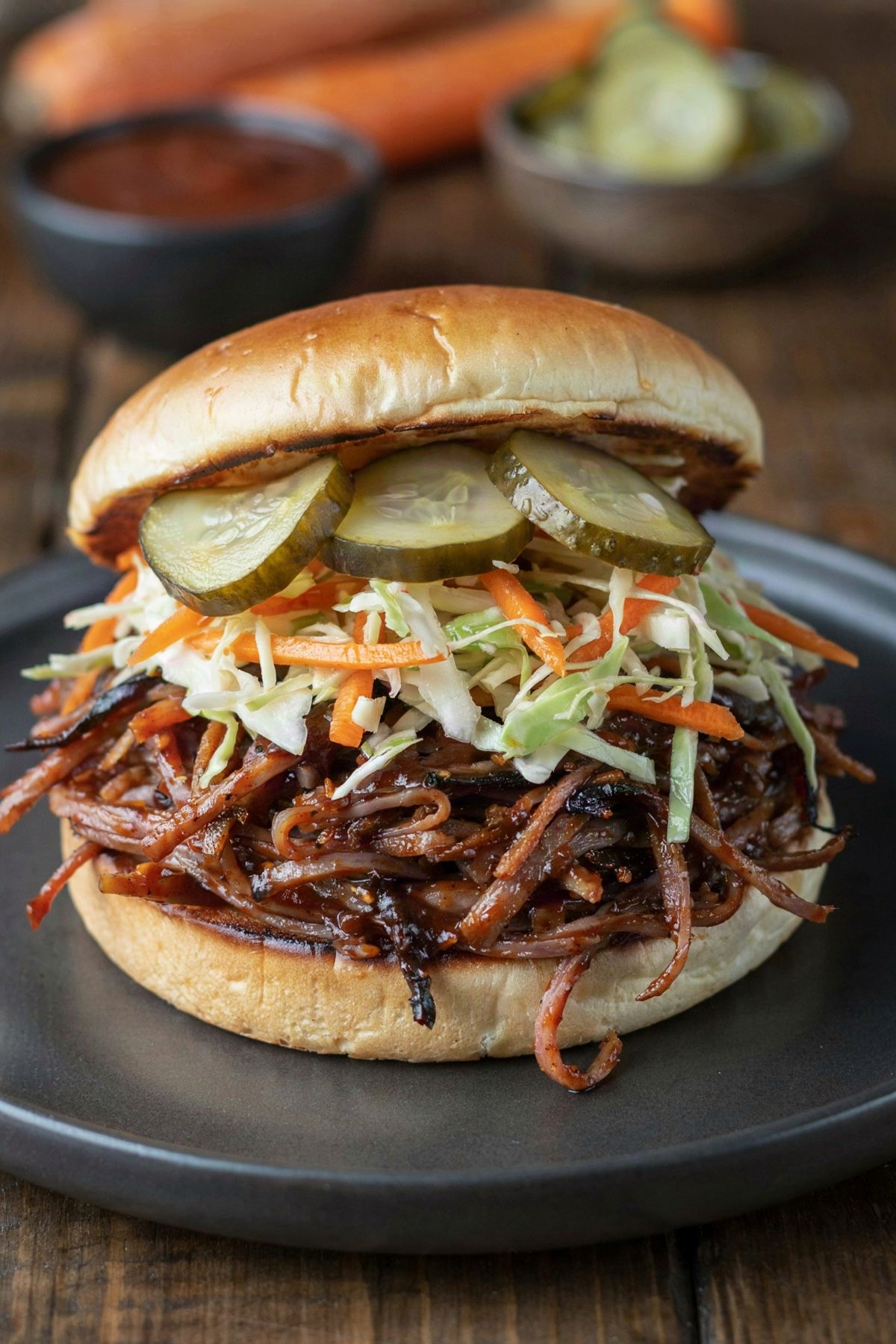
Why I Love BBQ Jackfruit Sandwiches
As a guy who loves food that is hearty and filling, I was a bit skeptical about jackfruit instead of pulled pork. But honestly, this sandwich exceeds my expectations. The texture is quite meaty, and it absorbs the BBQ sauce perfectly, which gives it that classic sauce bite you expect from a pulled sandwich.
How about a crunchy, slightly tangy slaw with pickles on top as a sandwich upgrade? I enjoy how it is messy, satisfying, and packed with flavor, everything comfort food should be, and it's plant-based.
Here’s why it works so well:
- The jackfruit shreds easily and carries any spice or sauce you throw at it.
- Homemade or good bottled BBQ sauce makes all the difference; you can go smoky or spicy depending on your mood.
- This is the kind of meal that leaves you as satisfied as the traditional version.
- Perfect for meal prep or quick weeknight dinners, and it’s a crowd-pleaser at BBQs.
Give this jackfruit BBQ sandwich a try. You might find yourself craving it more than the original.
The story
Jackfruit Was Never Pretending to Be Pork
Young jackfruit was a savory staple centuries before anyone pulled it like pork. In Yogyakarta, on Java, gudeg is unripe jackfruit stewed for hours with palm sugar and coconut milk until it turns sweet, dark and soft enough to pull apart with a spoon. The name is usually traced to the Javanese hangudeg, “to stir”, for the constant stirring the big pots needed. In India the same unripe fruit is kathal, cooked into curries and biryani in its own right, not as a stand-in for anything.
The sandwich it imitates comes from the American South. Pork shoulder is smoked low for ten hours or more, until the collagen melts and the meat separates into strands, while the outside darkens into the crust pitmasters call bark. In the Carolinas the slaw goes on the sandwich, not beside it, and the sharp cabbage against the rich pork is the point.
Canned young jackfruit reached Western supermarkets in the 2010s and got cast as pulled pork almost at once, because of one property: cooked, its fibers separate along the grain in long strands that look just like slow-cooked shoulder.
That is also the trap. Pulled pork is three things, strands, bark and smoky fat, and jackfruit supplies only the first. It has almost no fat, very little protein to brown, and barely any flavor. Most jackfruit recipes simply warm the shreds in sauce and stop there, which is where its reputation for being wet and stringy comes from. This method treats the other two as jobs to do: the jackfruit is browned before it braises, soy sauce supplies the savory depth meat would bring, and the sauced strands are pressed into the hot pan until the tips char. That last step is the bark, and it does more than anything else to make this read as pulled pork.
What to buy
Ingredient Notes
Young green jackfruit
Buy cans labeled young or green, packed in brine or water. Ripe jackfruit in syrup is the same fruit at a later stage: yellow, sweet, tasting of banana and pineapple, and it collapses to mush in the pan. Brine-packed jackfruit tastes sour straight from the can, which is why the rinse and squeeze matter. It carries texture, not protein, at about 1 g per 100 g.
The firm core
Each canned wedge is a slice through the fruit with a pale, firm core at the point and softer pods attached. Many recipes cut the core off and throw it away. Slice it thinly across instead: braised, it shreds into the longest, chewiest strands in the pan. The seeds of young jackfruit are soft and edible; only pick out the odd one that feels hard.
BBQ sauce
The sauce is most of the flavor, so choose it on purpose. Check the label: honey is common, and some sauces use Worcestershire made with anchovies. A thick tomato and molasses sauce in the Kansas City style is what caramelizes in the crisping step. A thin vinegar sauce tastes closer to Eastern Carolina barbecue but has too little sugar to catch, and the edges stay pale.
Soy sauce
One tablespoon across four sandwiches does not make the filling taste of soy. Jackfruit has almost no savory flavor of its own, and the soy supplies the depth that browned meat would. Vegan Worcestershire sauce does the same job if you have it, at the same amount.
Smoked paprika
Spanish pimentón de la Vera is dried over oak fires, and it is the only smoke in this recipe unless you add liquid smoke. Use the sweet (dulce) kind; the hot one fights the sauce. Ordinary paprika is not a substitute, because without the smoke the filling tastes like jackfruit in ketchup.
Cabbage for the slaw
Firm green cabbage, shredded fine, keeps its crunch under vinegar for hours, while savoy goes limp. A bag of coleslaw mix saves the shredding. Do not swap in deli coleslaw: almost all of it is dressed with egg mayonnaise, which quietly makes a vegan sandwich not vegan, and its sweetness doubles up on the sauce instead of cutting it.
Burger buns
Soft is right, because a crusty roll squeezes the filling out of the sides on the first bite. Check the ingredients: brioche buns are usually made with egg and butter, and potato rolls often contain milk. Plenty of plain supermarket buns are vegan.
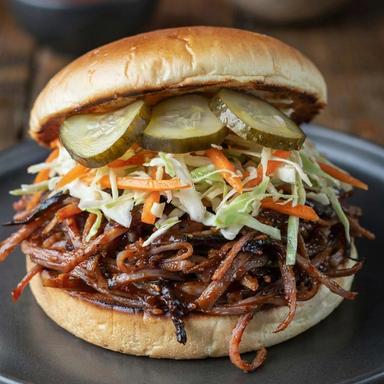
BBQ Jackfruit Pulled Pork Sandwich
Young jackfruit browned, braised and shredded in BBQ sauce, then crisped in the pan and piled on a bun under a sharp vinegar slaw.
Ingredients
Equipment
As an Amazon Associate I earn from qualifying purchases, at no extra cost to you.

Instructions
- 1
Make the slaw first
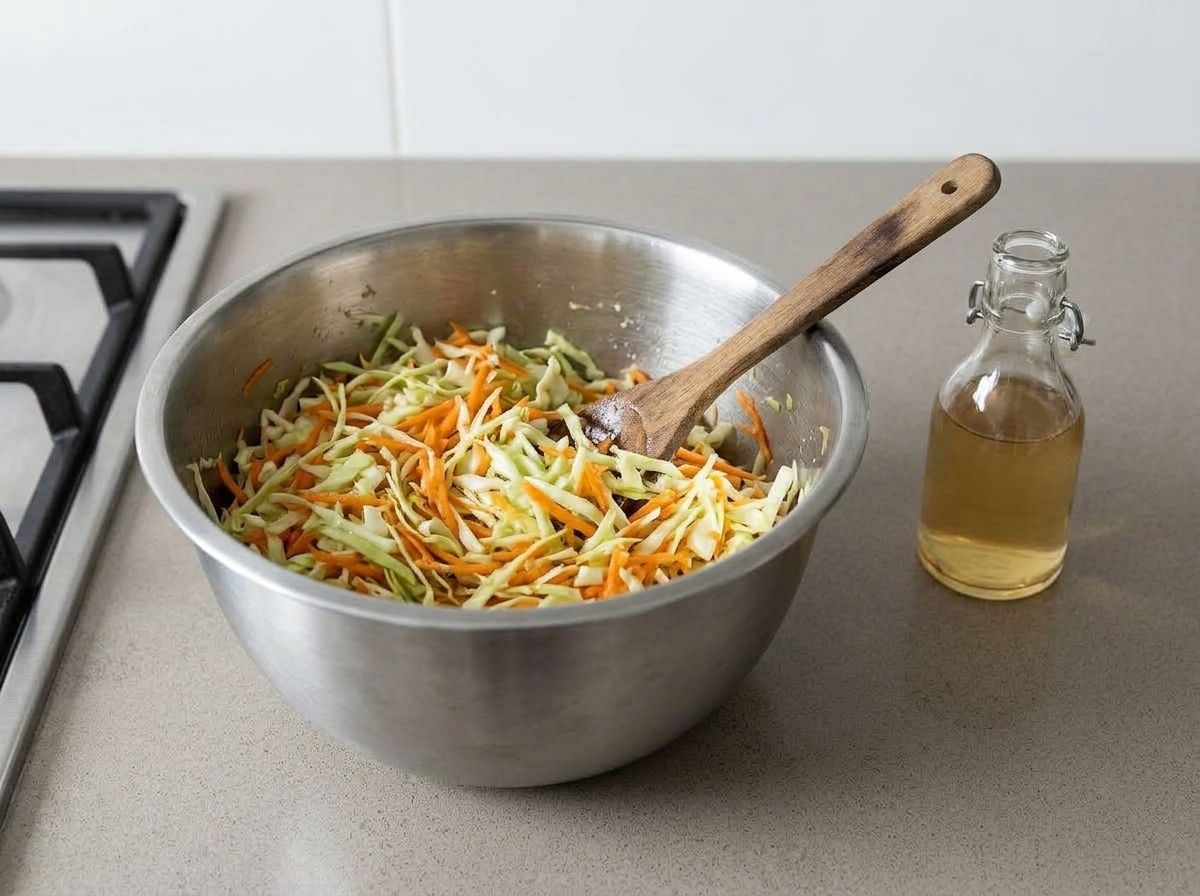
Toss the cabbage and carrot with the apple cider vinegar, maple syrup and a good pinch of salt in a bowl. Set it aside while the jackfruit cooks: 20 minutes takes the raw edge off the cabbage without costing it its crunch.
- 2
Drain and squeeze the jackfruit
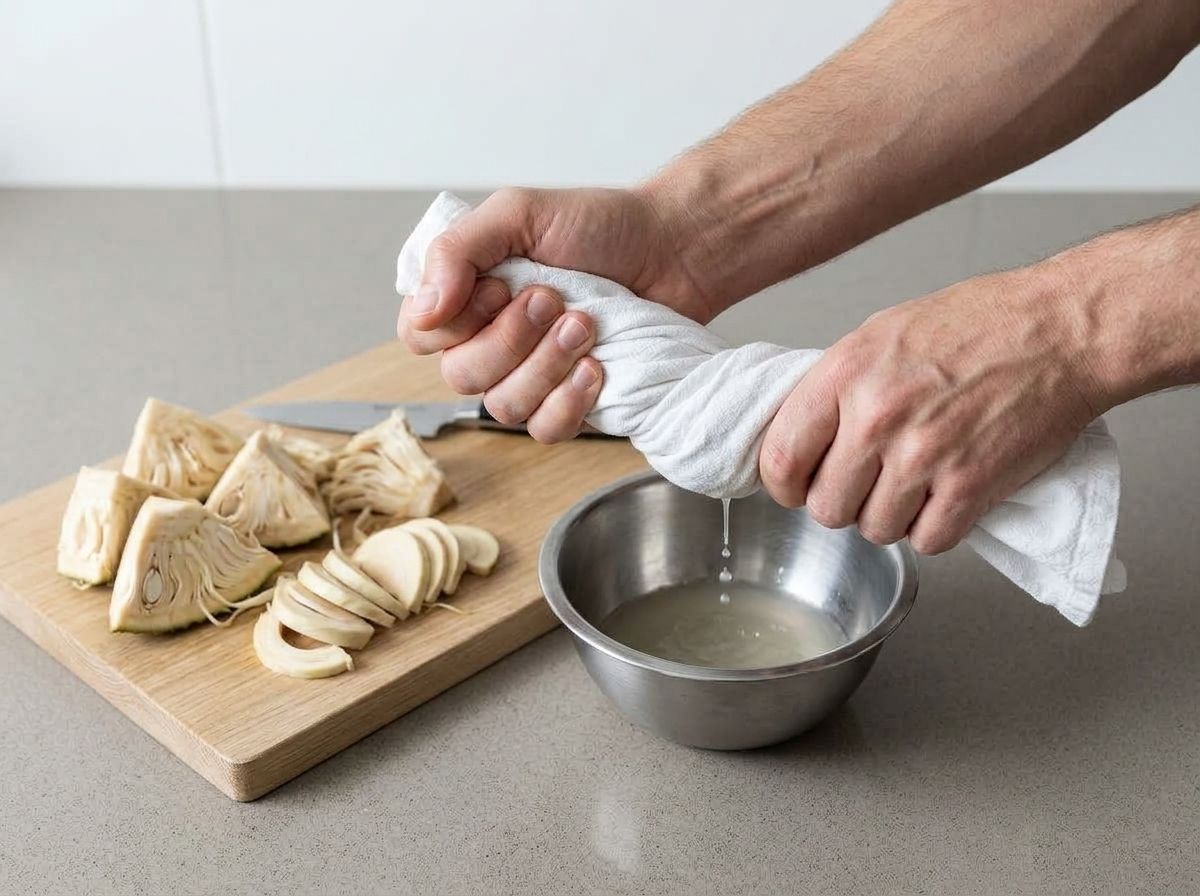
Drain the jackfruit, rinse it well under cold water, then squeeze it hard in a clean kitchen towel to get out as much brine as you can. Slice the firm core at the point of each wedge thinly across rather than cutting it off, and pick out any seeds that feel hard.
- 3
Soften the onion
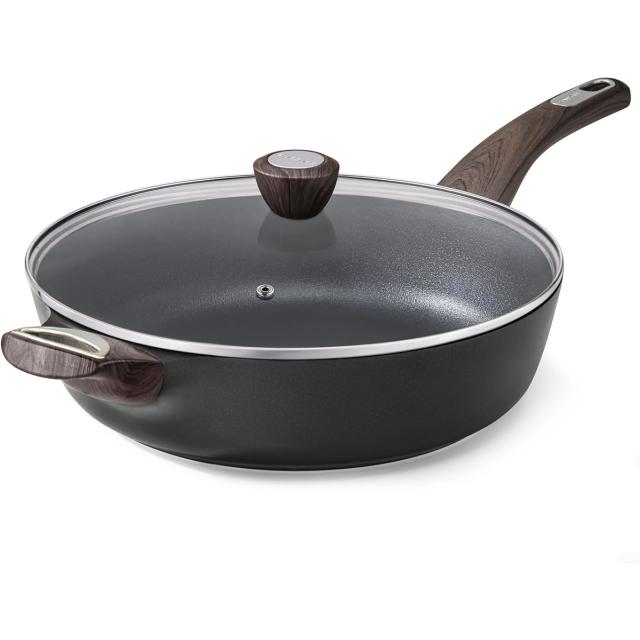
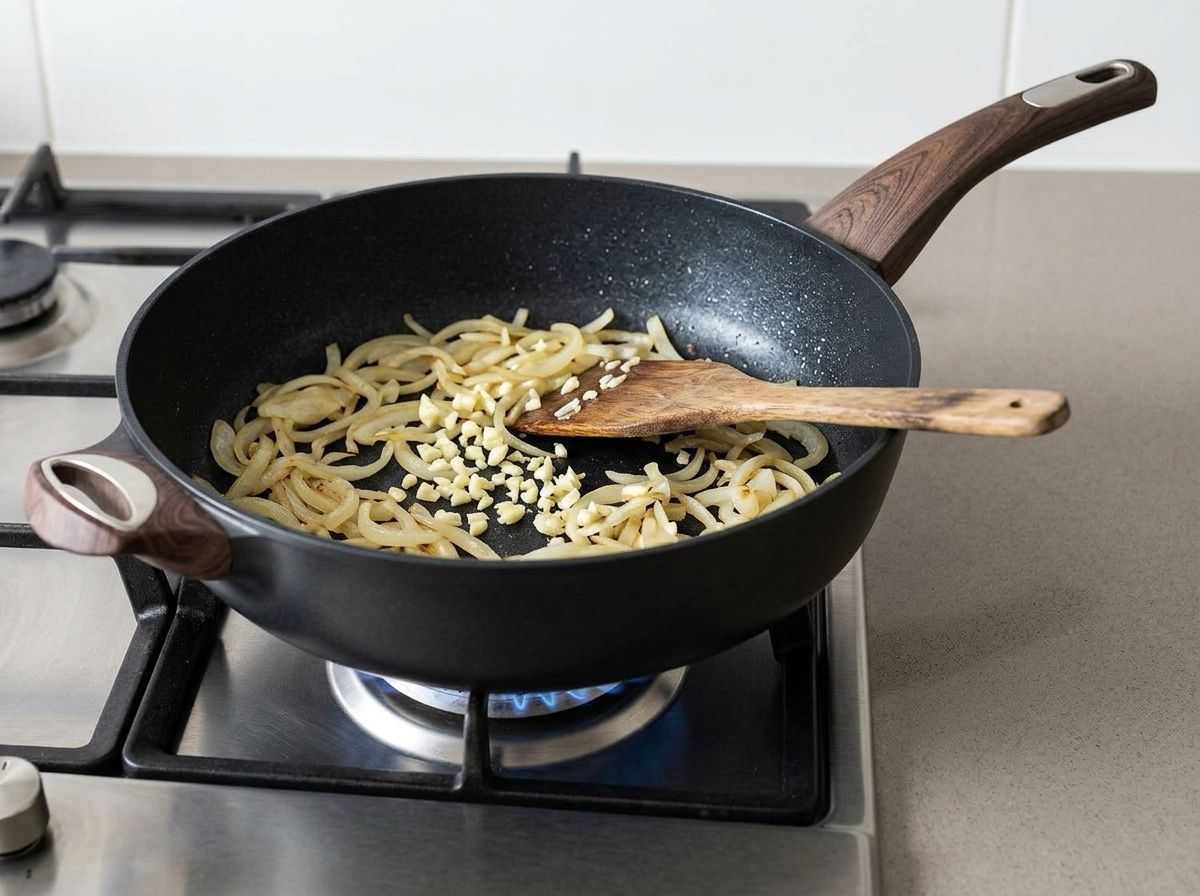
Heat the olive oil in a large skillet over medium heat. Cook the onion for 5 to 6 minutes, stirring now and then, until soft and just turning gold. Add the garlic and stir for 30 seconds.
- 4
Brown the jackfruit
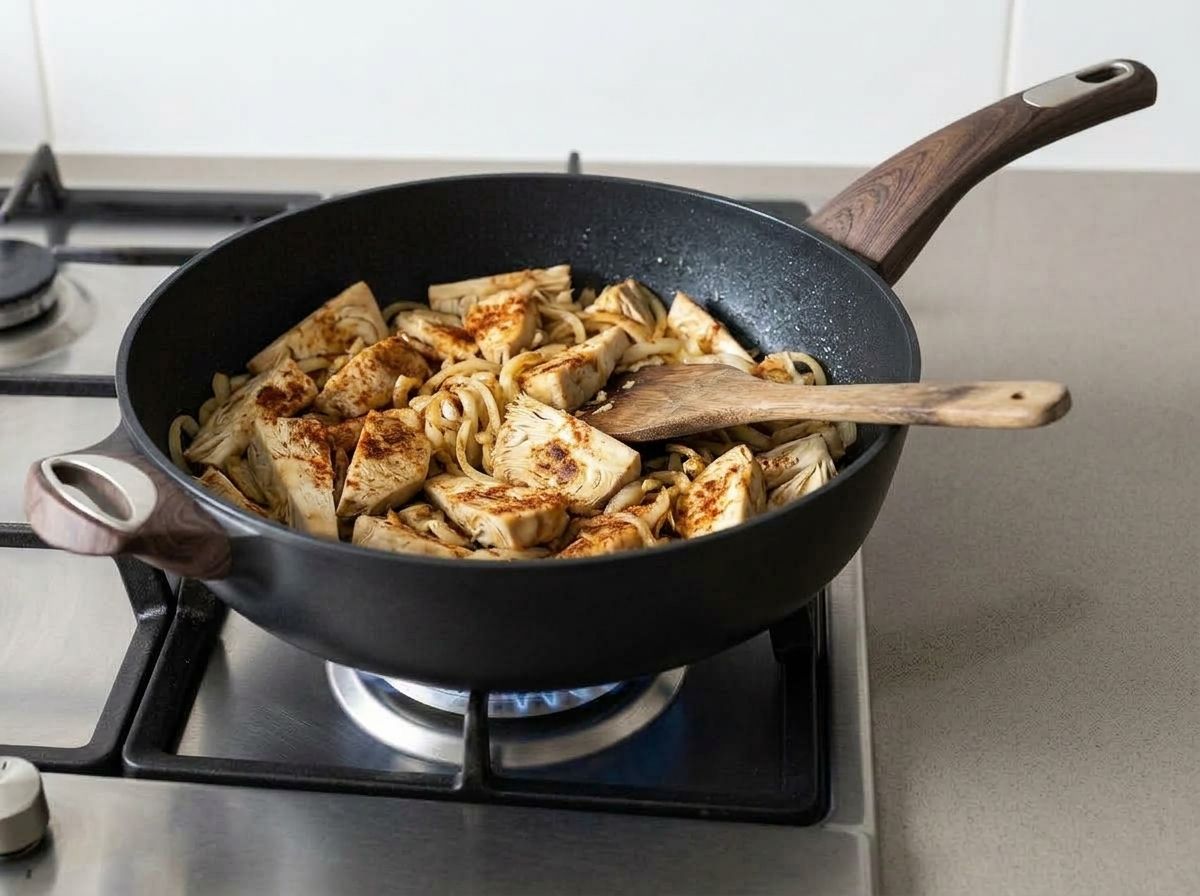
Add the jackfruit, turn the heat to medium-high and spread it out. Cook for 5 minutes, stirring only every minute or so, until the pieces are browned in spots. Sprinkle over the smoked paprika and cumin and stir for 30 seconds.
- 5
Braise, then shred
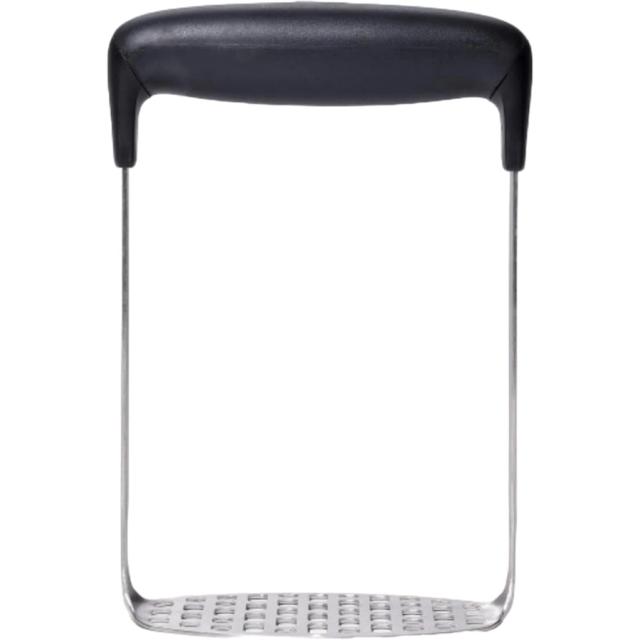
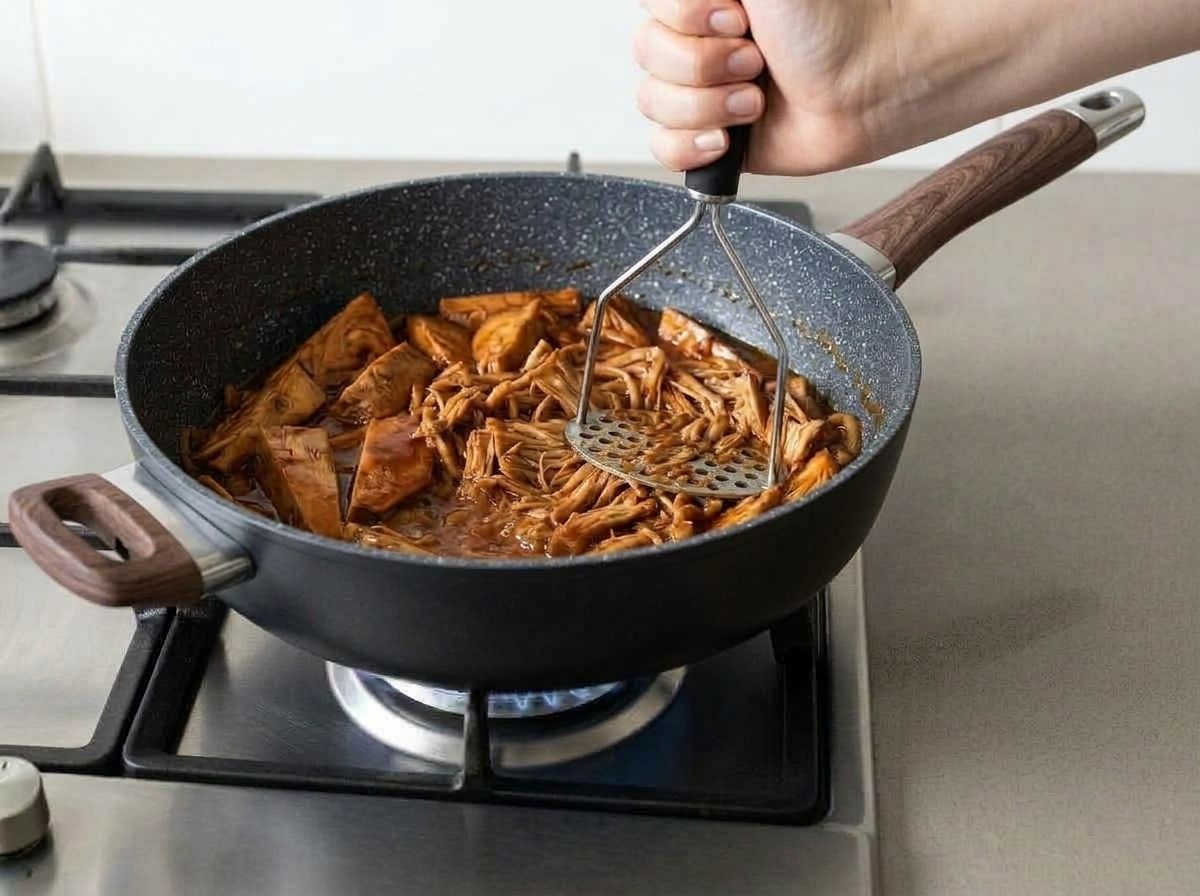
Pour in the broth, soy sauce and half the BBQ sauce. Cover and simmer over low heat for 15 minutes, until a piece crushes easily against the side of the pan. Uncover and shred everything in the pan with a potato masher or two forks.
- 6
Sauce and crisp the edges
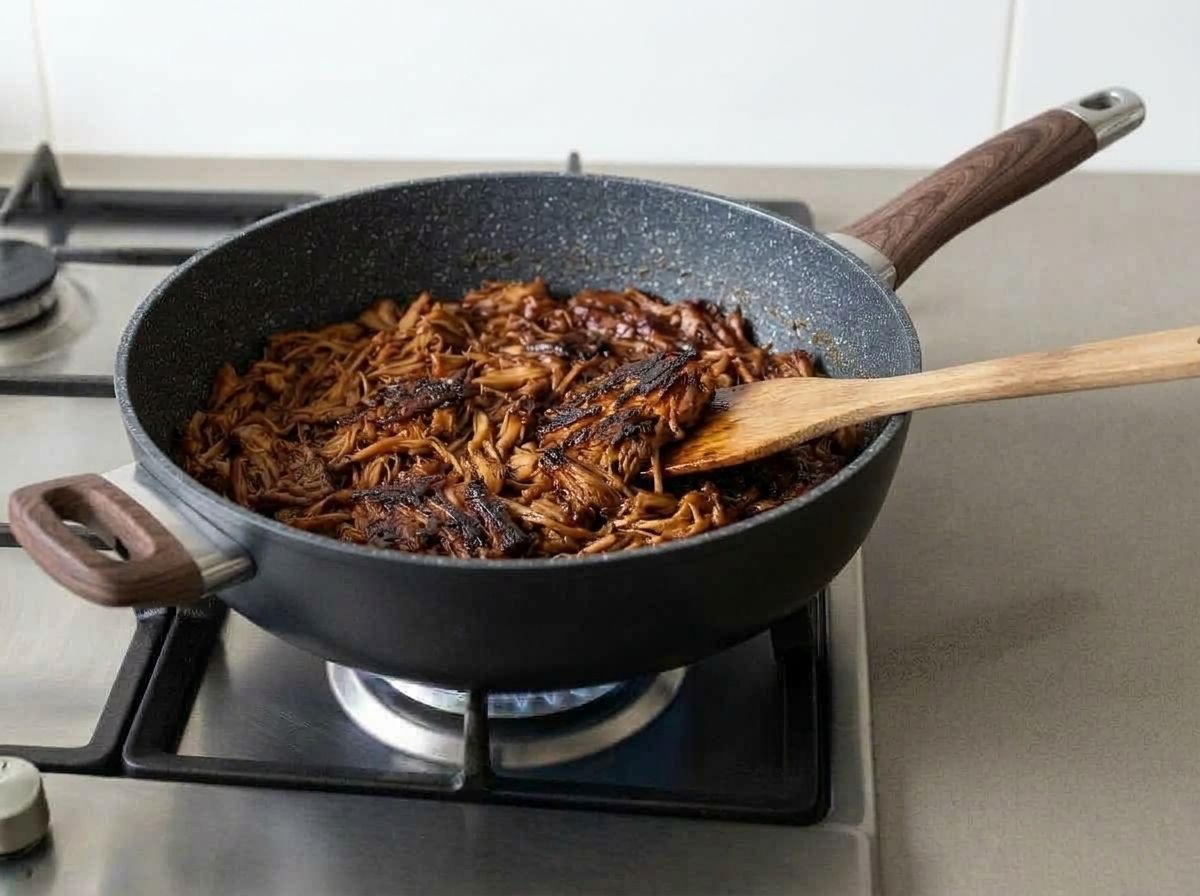
Stir in the rest of the BBQ sauce, season with salt and pepper, and press the jackfruit into an even layer. Cook over medium heat without stirring for 4 to 5 minutes, until the underside darkens and catches. Turn it over in sections and repeat once. The strands should be sticky and charred at the tips, not wet.
- 7
Toast and build
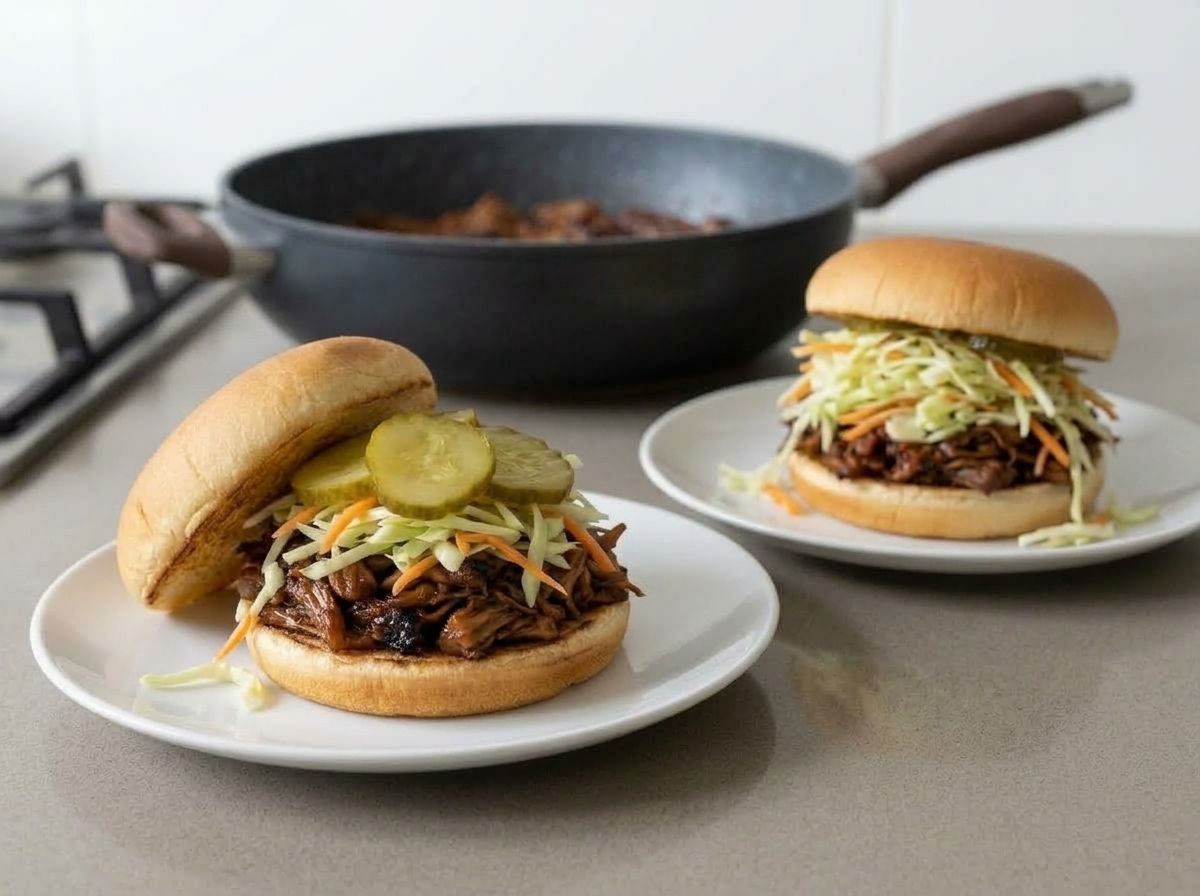
Toast the buns cut side down in a dry pan until golden. Drain the slaw. Pile the jackfruit onto the bottom buns, top with slaw and pickles if using, and close the sandwiches.
Notes
Weigh the jackfruit after draining rather than counting cans. Cans run from 14 to 20 oz and only about half of that is fruit, so two small cans leave the sandwiches thin; buy three.
For a smokier filling, add 1/4 tsp liquid smoke with the broth. Go no further than that, because it turns acrid quickly.
Nutrition Facts
4 sandwiches · 405 g per serving
- Calories
- 387 kcal
% Daily Value*
- Total Fat
- 9.5 g12%
- Saturated Fat
- 1.5 g8%
- Sodium
- 1560 mg68%
- Total Carbohydrate
- 69 g25%
- Dietary Fiber
- 7.5 g27%
- Sugars
- 36.5 g—
- Protein
- 8.4 g17%
Recipe from veggierecipes.blog
When it goes wrong
Troubleshooting
It’s wet and stringy, nothing like pulled pork
The jackfruit was warmed in sauce and never browned or crisped, so you have the strands and none of the bark. Squeeze out the brine, brown it before the braise, and do not skip the crisping step: the strands need to sit in the hot pan long enough to char at the tips. To rescue a wet batch, spread it on a sheet pan and broil for 5 minutes.
It tastes sour, almost pickled
Brine is still in the fruit. Rinsing alone leaves it in the spongy pods, and the jackfruit soaks it up again as it braises. Squeeze each handful hard in a towel until it stops dripping. If the finished filling is already sour, stir in another spoonful of BBQ sauce and a little maple syrup; that rounds it off without hiding it.
There are hard, chewy bits that won’t shred
Either a hard seed slipped through or the cores did not braise long enough. Covered, they soften in 15 minutes; uncovered, the liquid boils off first and they stay rubbery. Add a splash of water, put the lid back on and give it 5 to 10 more minutes, then mash again. Pick out any seed that still resists the masher.
The sauce burned before the edges crisped
BBQ sauce is mostly sugar, and above medium heat it goes from caramelized to acrid in a minute. Keep the heat at medium for the crisping, and press the jackfruit into a layer no thinner than about 2 cm, so the sauce on the bottom is not carrying the whole pan. If it smells sharp, add 2 tbsp water and scrape the bottom up into the filling.
It tastes sweet and somehow flat
The sauce is doing all the work and nothing is balancing its sugar. Taste for salt first, since jackfruit takes a lot of it, then add the soy sauce if you left it out. A spoonful of the vinegar from the slaw bowl, stirred in off the heat, sharpens it in seconds.
The bottom bun went soggy
Untoasted buns soak up the sauce within minutes, and undrained slaw finishes the job. Toast the cut sides until golden, which seals the crumb, tip the vinegar out of the slaw before it goes on, and assemble right before eating. The slaw on top is traditional; a dry layer of it is what keeps the top bun intact.
Before you serve
Serving & Storage
Ask for a barbecue sandwich “with slaw” in North Carolina and the slaw comes inside the bun, piled on top of the meat. That is how this one is built, and the sharp, crunchy cabbage against the sticky filling is the reason the sandwich works. Sour dill pickles go on top or on the side, and a bottle of the same BBQ sauce on the table lets everyone add more.
The classic sides are the ones a barbecue joint serves: baked beans, corn on the cob, potato salad, macaroni salad, or collard greens. Something cold and something starchy is the pairing to aim for. Leftover filling also makes very good tacos with the slaw, loaded baked potatoes, or a rice bowl with pickled onions.
Making it ahead
Braise and shred the jackfruit up to 4 days ahead and keep it in the fridge, but leave the crisping until you serve. Bark does not survive the fridge: it softens overnight and goes completely limp in the microwave. To finish a batch, spread it in a hot, lightly oiled skillet and cook as in step 6, about 8 minutes from cold. For a crowd, double the filling and crisp it on two sheet pans under the broiler, rather than overfilling one skillet, where it steams instead of browning.
The slaw is at its best between 20 minutes and a day after dressing. By day two the cabbage has softened and released water; fine in tacos, too wet for a bun. Never assemble the sandwiches ahead, even by half an hour.
Storing leftovers
Keep the filling and the slaw in separate containers in the fridge, the filling for up to 4 days. The filling freezes well for up to 3 months, because jackfruit does not turn grainy the way a lot of vegetables do. Thaw it overnight in the fridge and crisp it again in a hot pan. The slaw does not freeze.
Still wondering
Frequently Asked Questions
Can I make this recipe gluten-free?
Yes, with three swaps: gluten-free buns, tamari in place of the soy sauce, and a BBQ sauce labeled gluten-free, since some are thickened with wheat flour or built on malt vinegar. The jackfruit and the slaw are gluten-free as they are.
Can I make this oil-free?
Mostly. Soften the onion in 3 tbsp of water in a nonstick pan. The jackfruit will not brown without fat, so go straight from the onion to the braise, then do the crisping on a parchment-lined sheet under the broiler for 6 to 8 minutes instead of in the pan. It comes out a little softer, with less of the charred edge.
More Plant-Based Sandwich & Burger Ideas

Made this?