
Black Bean Soup Recipe
Published · Updated
The fix for a flat pot of beans is not a longer simmer or more salt: it is a tablespoon of vinegar stirred in off the heat.
Jump To Recipe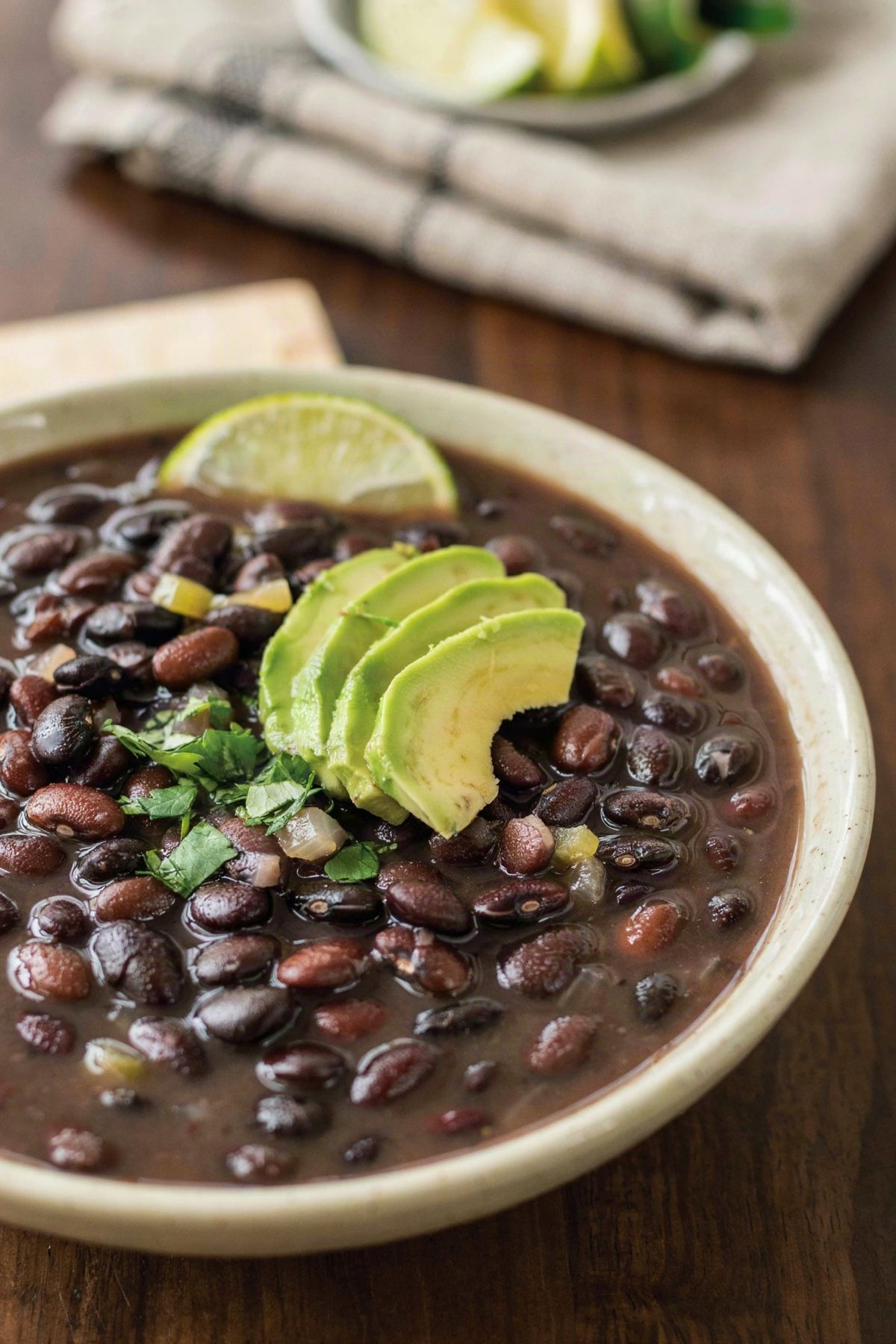
Why This Is My Cold-Night Default
I make this more than any other soup on the site, and it is entirely because of the ratio of effort to result. Three cans, one pot, and most of the hour is the soup simmering while I do something else. There is no stock to make and nothing to soak the night before.
For a long time my version was fine and no better. It tasted like beans. I kept adding salt, then more cumin, then a second chipotle, and it stayed flat in a way I could not name. The fix turned out to be a tablespoon of vinegar stirred in after the pot came off the heat, which is how Cuban cooks have finished black beans for generations and which almost no recipe I had been reading bothered to mention.
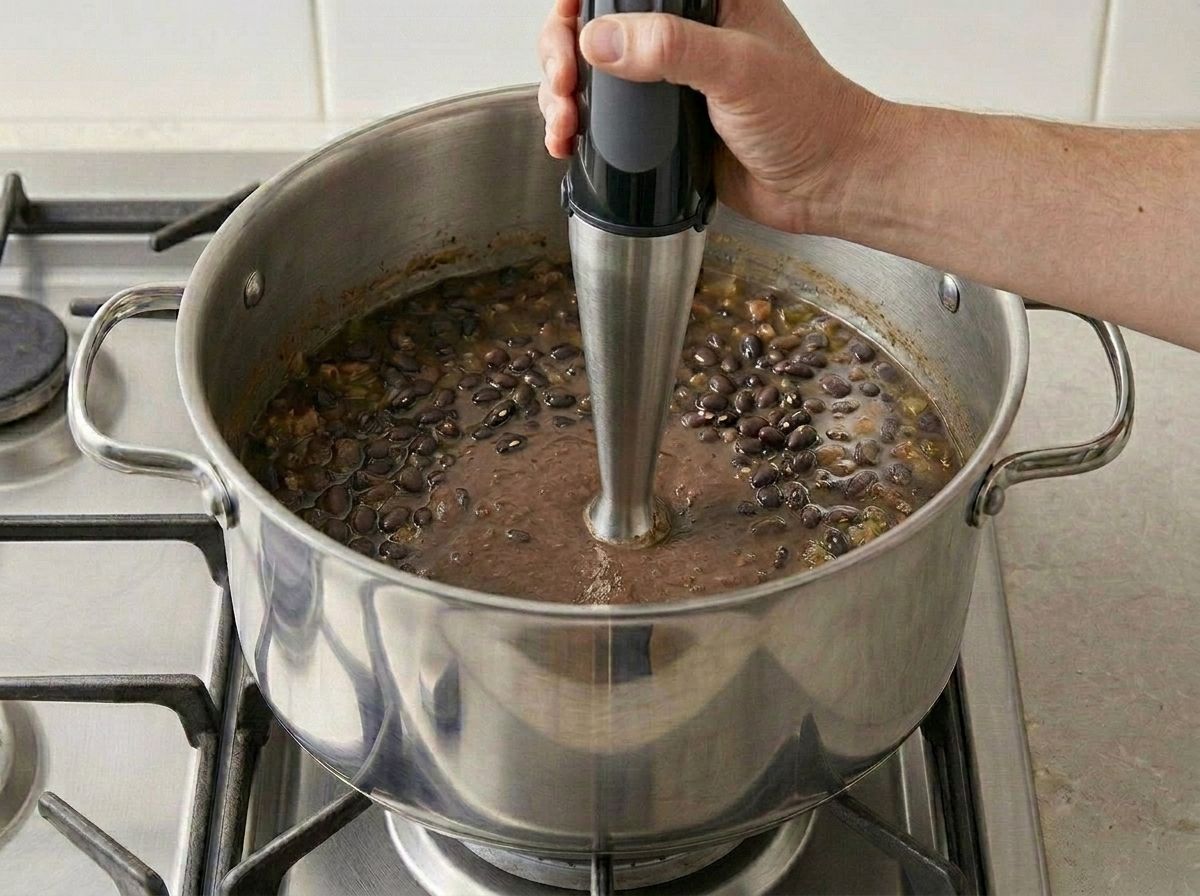
The other thing I got wrong for years was blending. An immersion blender is satisfying to use and it is very easy to keep going for twenty seconds too long, at which point a pot of dark, glossy soup turns into a flat gray-purple puree. A third is enough. You are after body, not smoothness.
Get those two things right and this stops being a decent weeknight soup and starts being the one people ask you for.
The story
The Vinegar Is Not A Garnish, It Is The Recipe
Black beans are one of the oldest cultivated foods in the Americas. Common beans were domesticated in Mesoamerica and again, separately, in the Andes, and black beans are one variety of that same species. They were being eaten in Central America for thousands of years before anyone wrote a recipe down.
The soup most people in the United States picture, though, has a much more specific origin. It comes from Cuban cooking, where a pot of frijoles negros sits somewhere between a side dish and a stew, and where it arrived in Florida with Cuban immigrants: first in the cigar factories of Ybor City in Tampa, later and far more widely in Miami. The version you get in an American diner with sour cream and chopped onion on top is a descendant of that pot.
What makes it Cuban is not the beans. It is the sofrito underneath them. Cuban sofrito is onion, green bell pepper and garlic softened in oil and seasoned with cumin and oregano, and it is worth knowing that this is not the same thing as the word means elsewhere. Puerto Rican sofrito is built on culantro and ají dulce and is usually blended raw. Spanish sofrito leans on tomato. Cuban sofrito is the green pepper one, and swapping in a red pepper because it is what you have makes the soup noticeably sweeter and more generic.
And then there is the finish. Traditional recipes stir in a splash of vinegar, or sometimes dry sherry, at the very end of cooking, along with a pinch of sugar to round it off. It reads on the ingredient list like an afterthought. It is closer to the point of the whole dish. Beans are starchy, earthy and low in acid, which is exactly the flavor profile that tastes dull no matter how much salt you add, and a tablespoon of vinegar at the end lifts the entire pot in a way that nothing else in the recipe can.
There is a second reason the acid goes in last, and it is the one that catches people out when they cook the dried version. Beans soften because heat breaks down the pectin holding their cell walls together, and acid strengthens that pectin instead. Cook’s Illustrated found black beans cooked with citric acid were still hard after 45 minutes. Salt does the opposite and actually helps, because sodium displaces the calcium and magnesium that stiffen the skins, so salting the soaking water is a good idea while adding vinegar or tomato early is not. Canned beans are already cooked, which sidesteps the problem entirely, but the habit is worth keeping.
The acid earns its place a third time on color. The pigments in black bean skins are anthocyanins, the same class of compound that colors blackberries and red cabbage, and they shift with pH: reddish and dark in acid, dull and greenish in alkaline conditions. That is why a pinch of baking soda, sometimes recommended to speed beans along, leaves you with a pot that looks distinctly off, and why the vinegar keeps this soup looking like black bean soup.
What to buy
Ingredient Notes
Canned black beans
Buy low-sodium if the shop has them, and do not drain the cans. The cloudy liquid people tip down the sink is dissolved bean starch, and it is what makes this soup thick without any flour, cornstarch or extra blending. Rinsing the beans and then reaching for a thickener later is doing the same job twice. If all you can find is regular salted beans, use them and hold back the salt until the very end.
Green bell pepper
Green specifically, not red, yellow or orange. Cuban sofrito is built on the grassy, slightly bitter edge of an unripe pepper, and that edge is what keeps the soup from tasting sweet. A red pepper is the same vegetable a few weeks later and it pushes the whole pot toward a generic sweet vegetable soup. This is the substitution most likely to change what you end up with.
Smoked paprika
This is doing the job a ham hock or a few slices of bacon would do in a traditional pot, and it is the reason a vegetarian black bean soup can taste like it had meat in it. Look for Spanish pimentón labeled smoked or ahumado, and buy dulce rather than picante unless you want the heat. Regular sweet paprika is not a substitute for it, it is a different ingredient that happens to share a name.
Ground cumin
Cumin is the backbone of Cuban bean seasoning and there is a lot of it here by the standards of most soups. Ground cumin loses its aroma within months, so if the jar at the back of the cupboard smells of dust rather than anything warm, it will not season this. Buy small jars more often, or toast and grind whole seeds.
Dried oregano
Cuban cooking uses Mediterranean oregano, the mild kind sold as plain dried oregano. Mexican oregano is a different plant with a sharper, more citrusy note. It is good in black beans and plenty of people prefer it, but it will steer the soup toward Mexico rather than Havana. Either works, so pick knowingly.
White wine vinegar
The finishing acid, and the single ingredient most likely to be skipped. Sherry vinegar is the most traditional swap and arguably better. Red wine vinegar and plain distilled vinegar both work. Lime juice works and takes the soup somewhere slightly different. Balsamic does not: it is sweet and dark enough to take the flavor over completely.
Chipotle chile in adobo
Optional, and it does two things: it adds heat, and it deepens the smoke that the paprika started. One pepper makes the soup gently warm rather than spicy. You will use one out of a can, so freeze the rest in single peppers on a sheet of parchment and bag them once solid.
Black Bean Soup
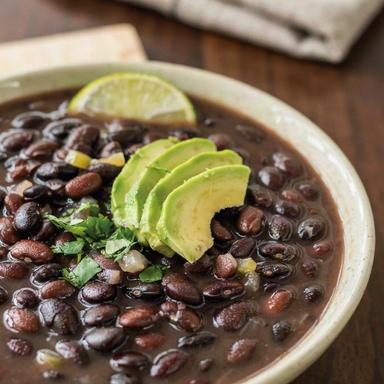
Soft black beans in a dark, smoky broth built on a Cuban sofrito of onion, green pepper and garlic, blended part smooth and finished with a spoonful of vinegar.
Ingredients
Equipment
As an Amazon Associate I earn from qualifying purchases, at no extra cost to you.

Instructions
- 1
Build the sofrito
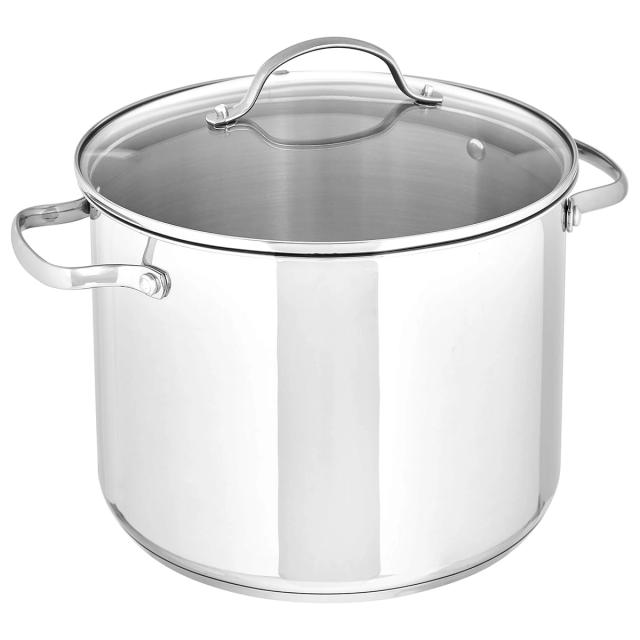
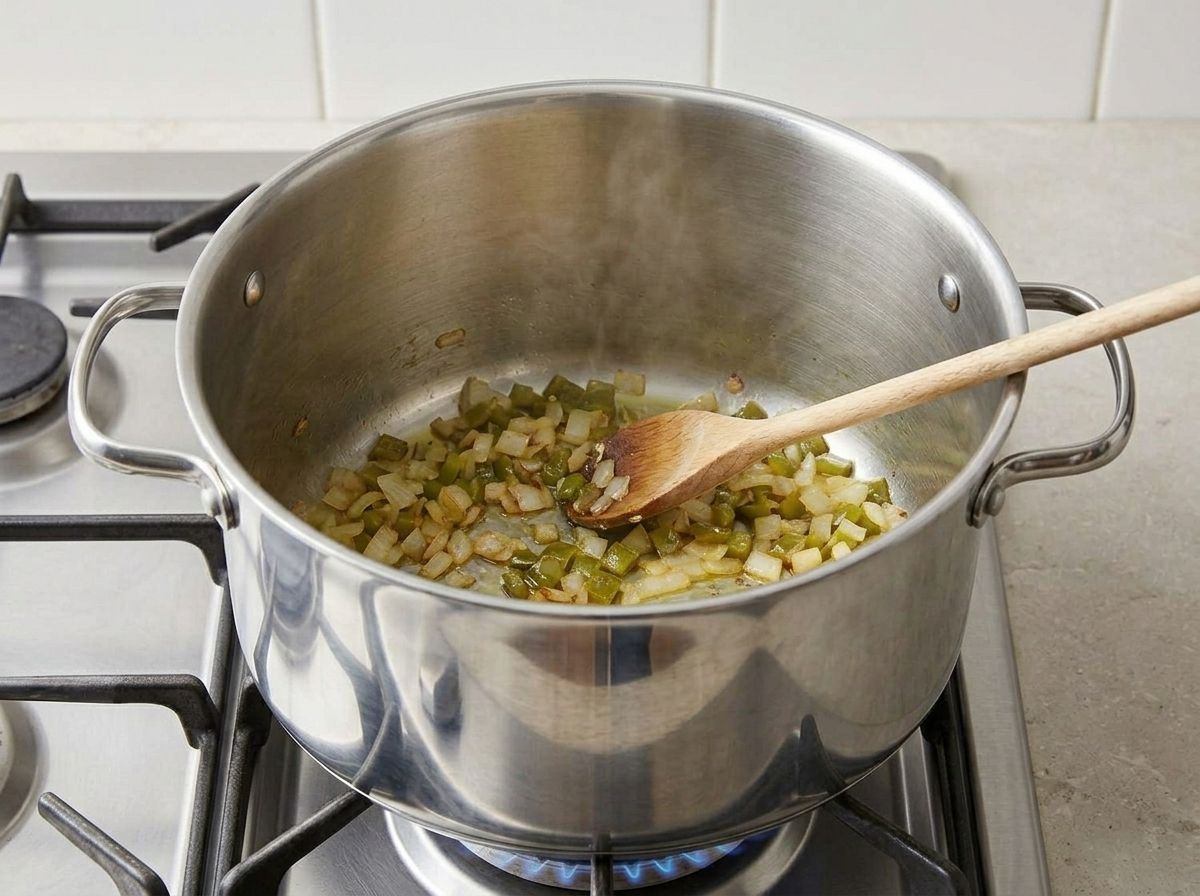
Heat the olive oil in a large pot over medium heat. Add the onion and green bell pepper with a good pinch of the salt and cook for 8 to 10 minutes, stirring now and then, until they are soft and the onion is just starting to take on color at the edges. Do not rush this. Everything the soup tastes of later is built here.
- 2
Bloom the spices
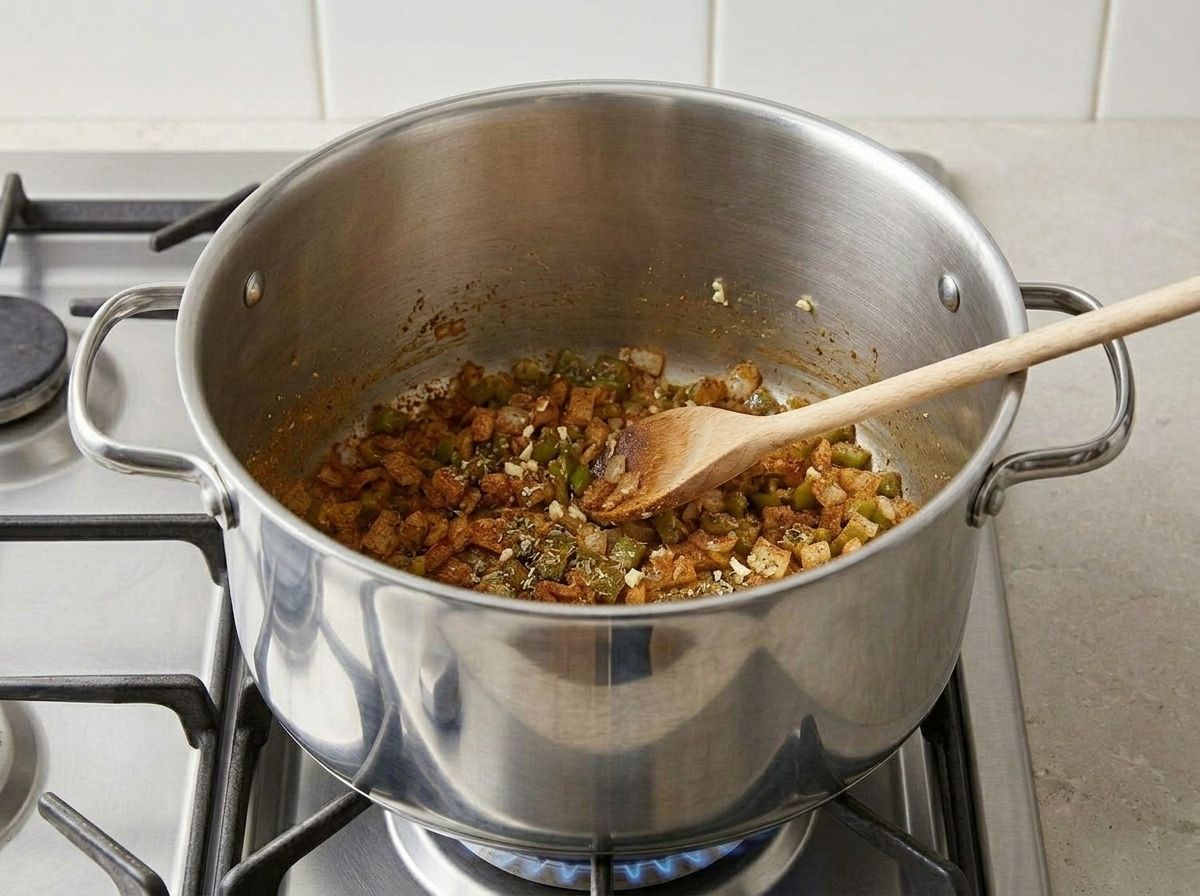
Add the garlic, cumin, smoked paprika and oregano, along with the chipotle if you are using it. Cook for 1 minute, stirring constantly, until the spices smell toasted and the pot looks almost dry. Ground spices need fat and heat to release their flavor, and a minute in the oil does more than ten minutes in the broth.
- 3
Add the beans, liquid and all
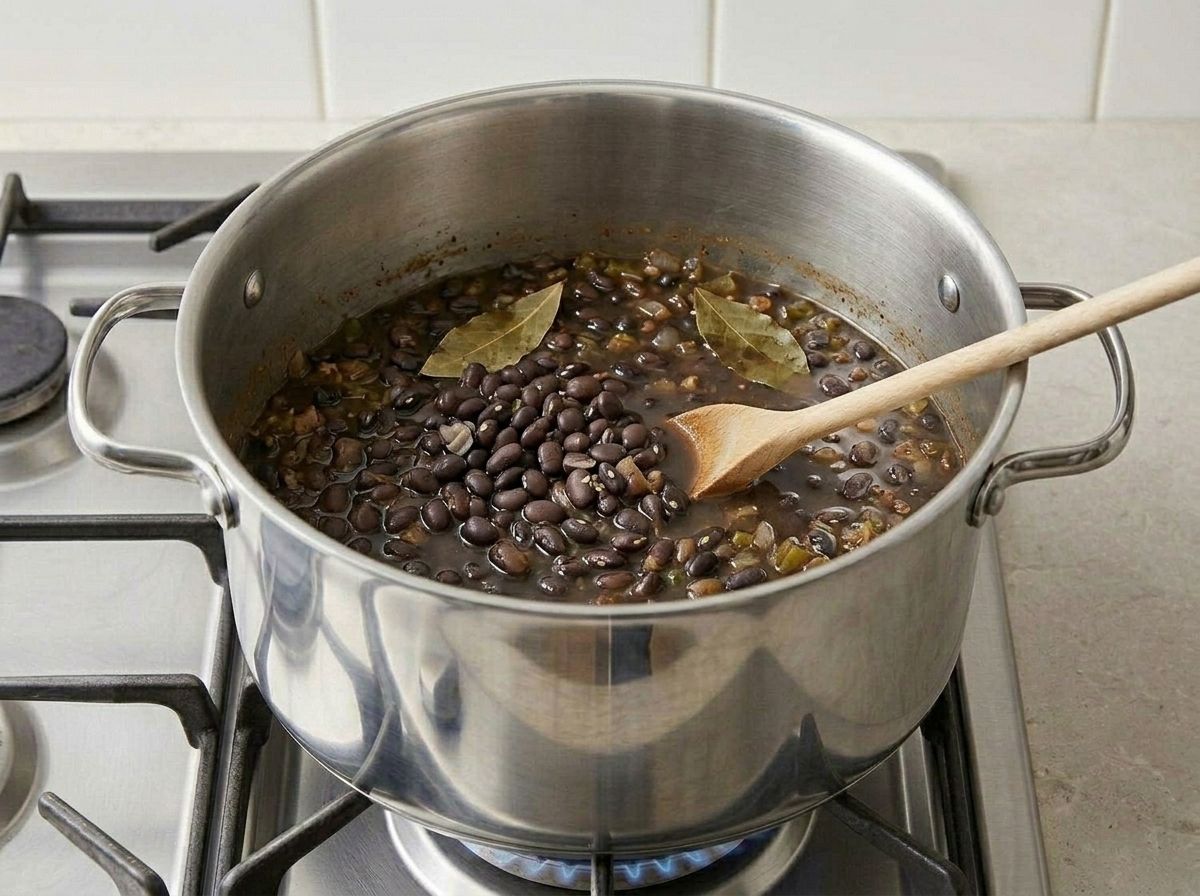
Tip in all three cans of black beans without draining them, then the vegetable broth and the bay leaves. The starchy liquid in the cans is what gives the finished soup its body, so scrape the cans out. Stir, scraping any browned bits off the bottom of the pot.
- 4
Simmer until it thickens
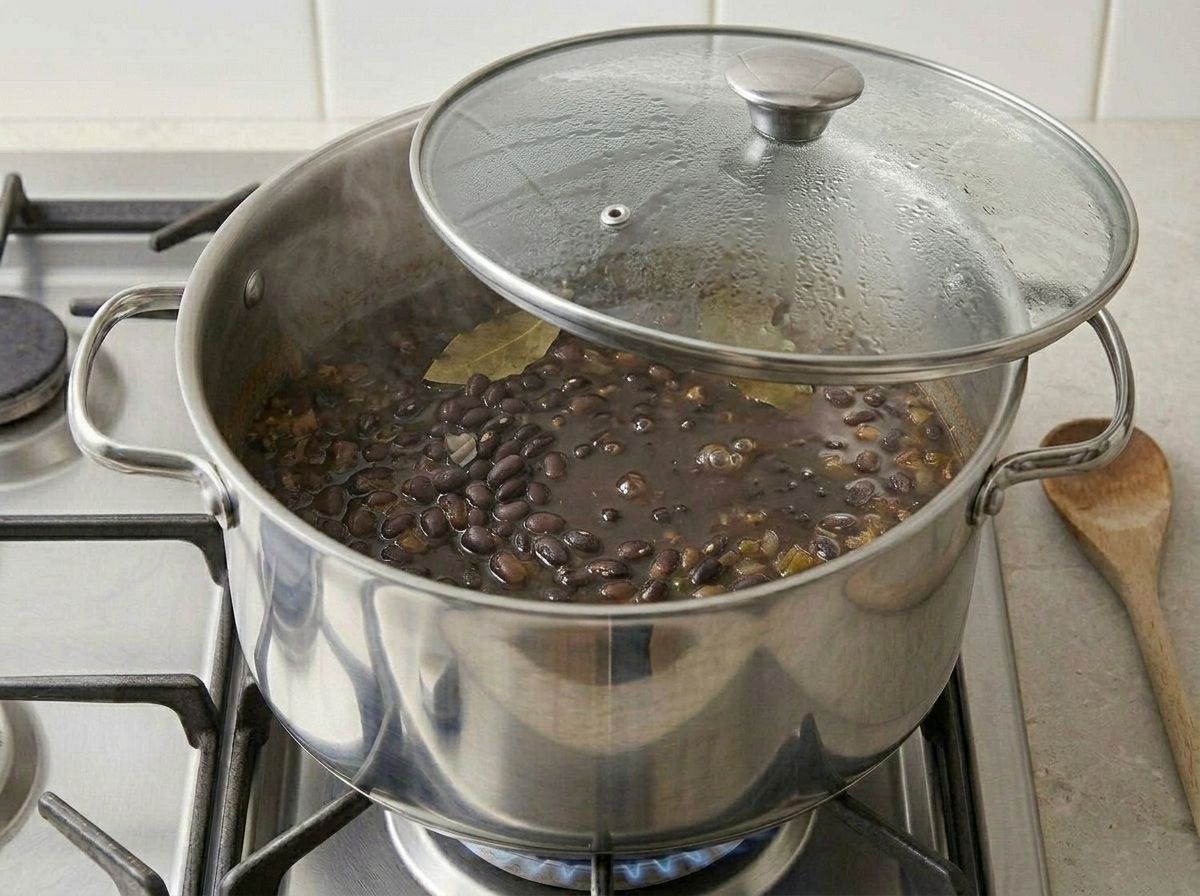
Bring to a gentle simmer, then partially cover and cook for 25 minutes. The surface should barely move. A hard boil breaks the beans apart and makes the soup cloudy rather than dark. Fish out the bay leaves at the end.
- 5
Blend about a third
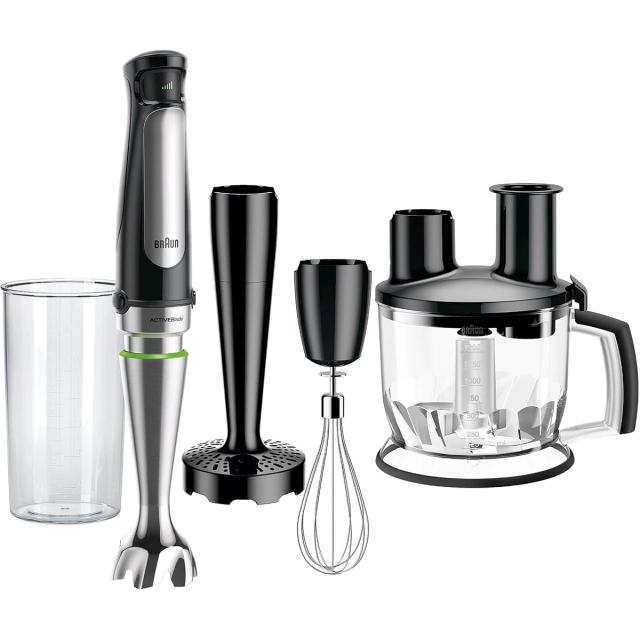
Take the pot off the heat. Blend roughly a third of the soup with an immersion blender, moving it around for a few seconds at a time, or transfer 2 cups to a blender and stir it back in. You want a thick base with plenty of whole beans still in it, not a puree.
- 6
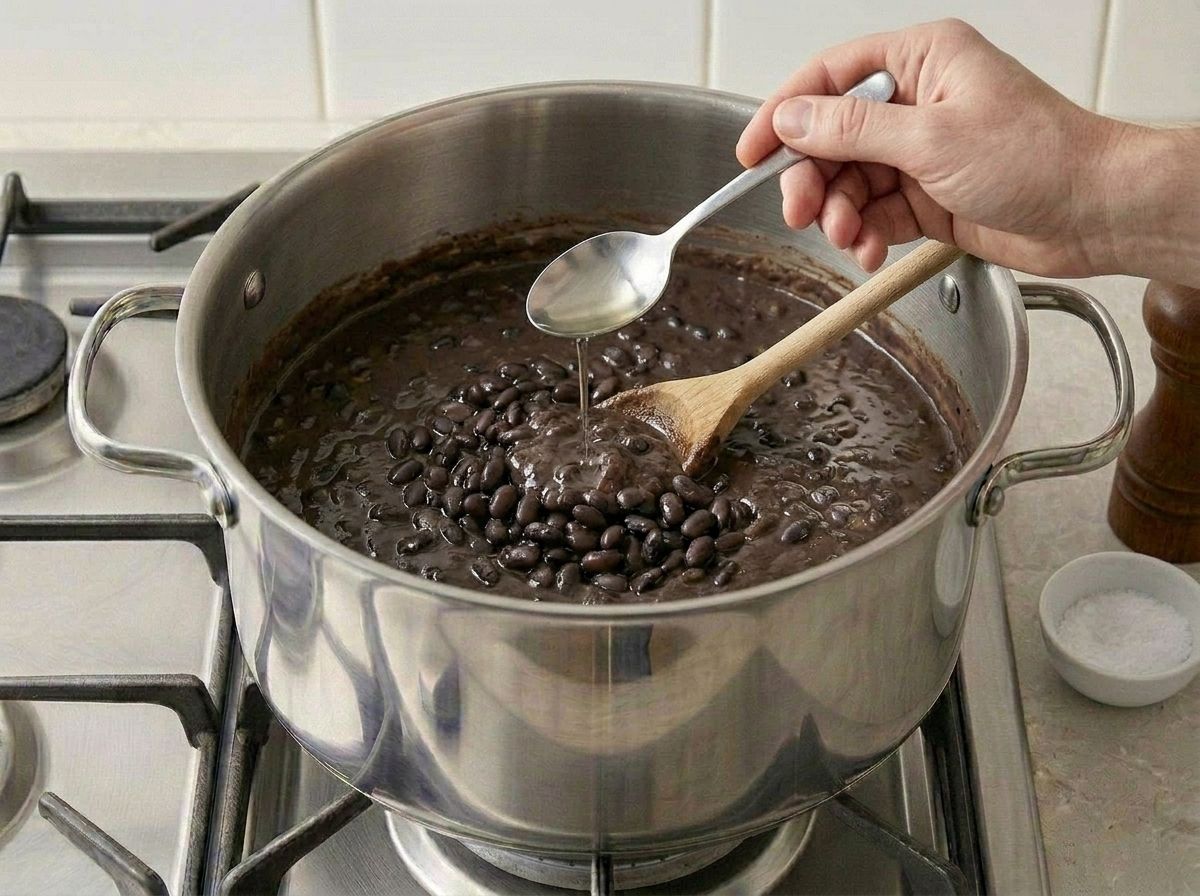
Finish with vinegar off the heat
Stir in the white wine vinegar, the rest of the salt and the black pepper. Taste it now and again after a minute, because the acid takes a moment to come through. If it still tastes flat, add vinegar half a teaspoon at a time rather than more salt.
- 7
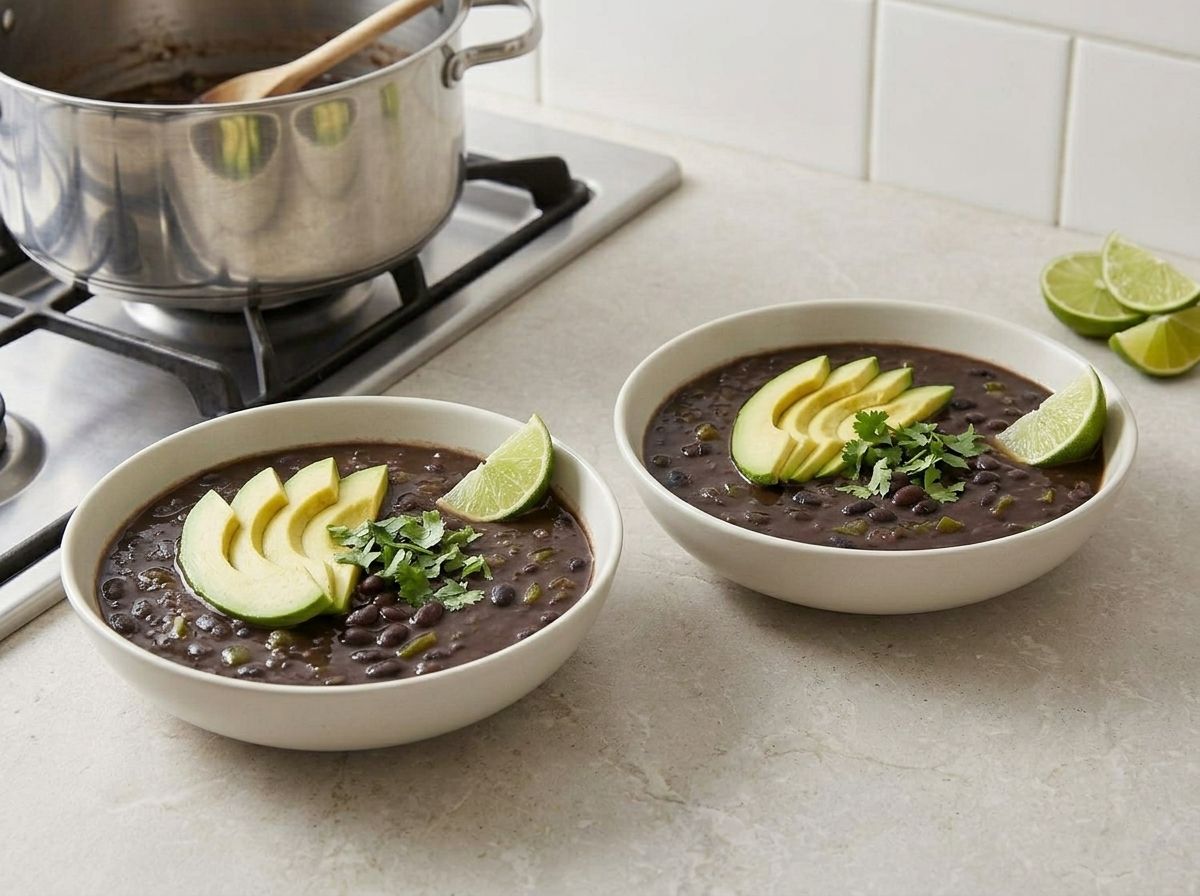
Serve
Ladle into bowls and top with sliced avocado, chopped cilantro and a squeeze of lime. Serve as it is, or spoon it over a scoop of white rice to turn it into a full meal.
Notes
Use low-sodium canned beans if you can find them, and hold back the salt until the end. The canning liquid is already seasoned.
The soup thickens as it stands and thickens a lot in the refrigerator. Loosen it with vegetable broth rather than water.
The vinegar goes in off the heat. Simmering it drives off the aroma and leaves only the sourness behind.
Nutrition is calculated without the optional toppings.
Traditional Cuban recipes finish with a pinch of sugar alongside the vinegar. Canned beans and a well-cooked sofrito are sweet enough that I leave it out, but add ½ tsp if yours tastes sharp.
Nutrition Facts
4 servings · 564 g per serving
- Calories
- 480 kcal
% Daily Value*
- Total Fat
- 15.8 g20%
- Saturated Fat
- 2.4 g12%
- Sodium
- 2168 mg94%
- Total Carbohydrate
- 68.1 g25%
- Dietary Fiber
- 28.1 g100%
- Sugars
- 4.1 g—
- Protein
- 21.6 g43%
Recipe from veggierecipes.blog
When it goes wrong
Troubleshooting
It tastes flat, and adding more salt is not helping
This is the most common thing that goes wrong with black bean soup and it is almost always missing acid rather than missing salt. Beans are starchy and low in acid, and past a certain point more salt just makes a dull soup taste salty. Take the pot off the heat and stir in the vinegar, then wait a minute and taste again. If it is still flat, add another half teaspoon. You should not be able to taste vinegar as vinegar; you should just notice the soup suddenly tastes like something.
The soup came out gray-purple instead of black
It was blended too much. The color lives in the bean skins, and blending disperses those dark skins evenly through a pale starchy liquid, which reads as gray-purple rather than black. Blend about a third and stop. If it has already happened the soup still tastes right, and a little extra vinegar will pull the color back toward dark red-brown, because those pigments are more stable in acid.
It is watery
Three likely causes. The cans were drained, which threw away the starch that thickens it. Not enough of the soup was blended. Or it simply has not reduced yet, because 25 minutes at a bare simmer under a partial lid is doing real work. Blend another cupful before you reach for anything else, and if it is still thin, simmer it uncovered for 10 minutes.
It went stodgy and paste-like
The opposite problem, from blending too much or reducing too far, and it gets worse in the fridge because the starch keeps setting. Thin it with vegetable broth rather than water, a splash at a time, and check the seasoning afterward, since you have just diluted it.
I used dried beans and after two hours they are still hard
Either something acidic went in too early or the beans are old. Acid strengthens the pectin holding bean cells together, so vinegar, tomatoes, wine or lime added at the start can leave beans that never soften however long you cook them. Salt does not cause this and in fact helps, so salt the soaking and cooking water freely and add every acidic ingredient only once the beans are fully tender. Beans that have sat in a cupboard for a couple of years may not soften at all, and nothing will fix that.
It tastes like taco seasoning
Usually chili powder in place of the smoked paprika. Most supermarket chili powder is a blend that already contains cumin, garlic powder and oregano, so using it here doubles up on everything and lands somewhere familiar and generic. Smoked paprika is a single spice doing a specific job. The same thing happens if the cumin gets heavy-handed, so measure it rather than shaking it in.
Before you serve
Serving & Storage
In Cuba a pot of black beans is very often served over white rice rather than on its own, which is how a bowl of soup becomes dinner. Put a scoop of rice in the bottom of the bowl and ladle the soup around it. Cooked separately like this it is not moros y cristianos, the dish where the rice and beans are cooked together and the rice turns black, but it is the same idea.
For toppings, the useful ones are the ones that add what the soup does not already have: something fresh, something sharp and something cool. Sliced avocado, chopped cilantro and a squeeze of lime cover all three. Thinly sliced raw white or red onion is traditional and better than it sounds. Sour cream or a spoonful of plain yogurt is very good if you are not keeping this vegan, and so is a handful of crushed tortilla chips for the crunch.
Making it ahead
This is genuinely better on the second day. The sofrito, the cumin and the smoke settle into each other overnight in a way that 25 minutes on the stove cannot rush. Make it a day early if you have the choice, cool it quickly and refrigerate it, then reheat gently and check the seasoning before serving, because chilled food tastes less salty and less acidic than warm food.
It thickens considerably as it sits, sometimes to the point of holding a spoon upright. That is the bean starch setting and it is not a fault. Loosen it with vegetable broth rather than water so you are not diluting the seasoning along with the texture.
Storing leftovers
Four to five days in the refrigerator in a sealed container. It freezes very well for up to three months, and it is worth freezing in single portions because it reheats faster and you will not thaw more than you want. Reheat on the stove over medium-low heat, stirring, rather than in a microwave at full power, which scorches the thick base at the bottom of the bowl before the top is warm.
Two things do not work. Do not freeze it with the toppings on: avocado turns brown and watery, and cilantro goes black and slimy. Add both after reheating. And this does not convert into a dump-everything-in slow cooker recipe, because the sofrito has to be cooked in oil first. You can move the soup to a slow cooker after step 2 to hold it warm, but skipping that step gives you a pot of seasoned beans rather than this.
Still wondering
Frequently Asked Questions
Can I make this with dried black beans?
Yes. Use about 12 oz (340 g) of dried black beans in place of the three cans, which is what cooks down to roughly the same amount, and expect it to take a couple of hours rather than under one. Soak them overnight in salted water, drain, then simmer covered by 2 inches (5 cm) of water or broth until completely tender, usually 1 to 1½ hours, before you add the sofrito. The important part is that the vinegar goes in only once the beans are fully soft, because acid stops beans softening any further.
Is black bean soup vegan?
This one is, as written. Plenty of traditional versions are not, because a ham hock, bacon or chorizo is the usual source of the smoky, savory depth. Here that job is done by smoked paprika and, if you want it, a chipotle in adobo. Just check your vegetable broth and keep the toppings dairy-free, so avocado and lime rather than sour cream.
Do I have to blend it?
No. Mashing about a cup of the beans against the side of the pot with the back of a wooden spoon is the traditional way to thicken it and gives a rustic texture that is arguably nicer. A blender is faster and easier to overdo. Whichever you use, stop while there are still plenty of whole beans.
Featured In

More Bean And Latin-Inspired Recipes

Made this?