
Brownie Pecan Pie Recipe
Published · Updated
The ultimate dessert for chocolate and pecan lovers: imagine a rich, fudgy brownie, a crunchy caramelized pecan topping, and all the cozy, comforting vibes in one beautiful pie.
Jump To Recipe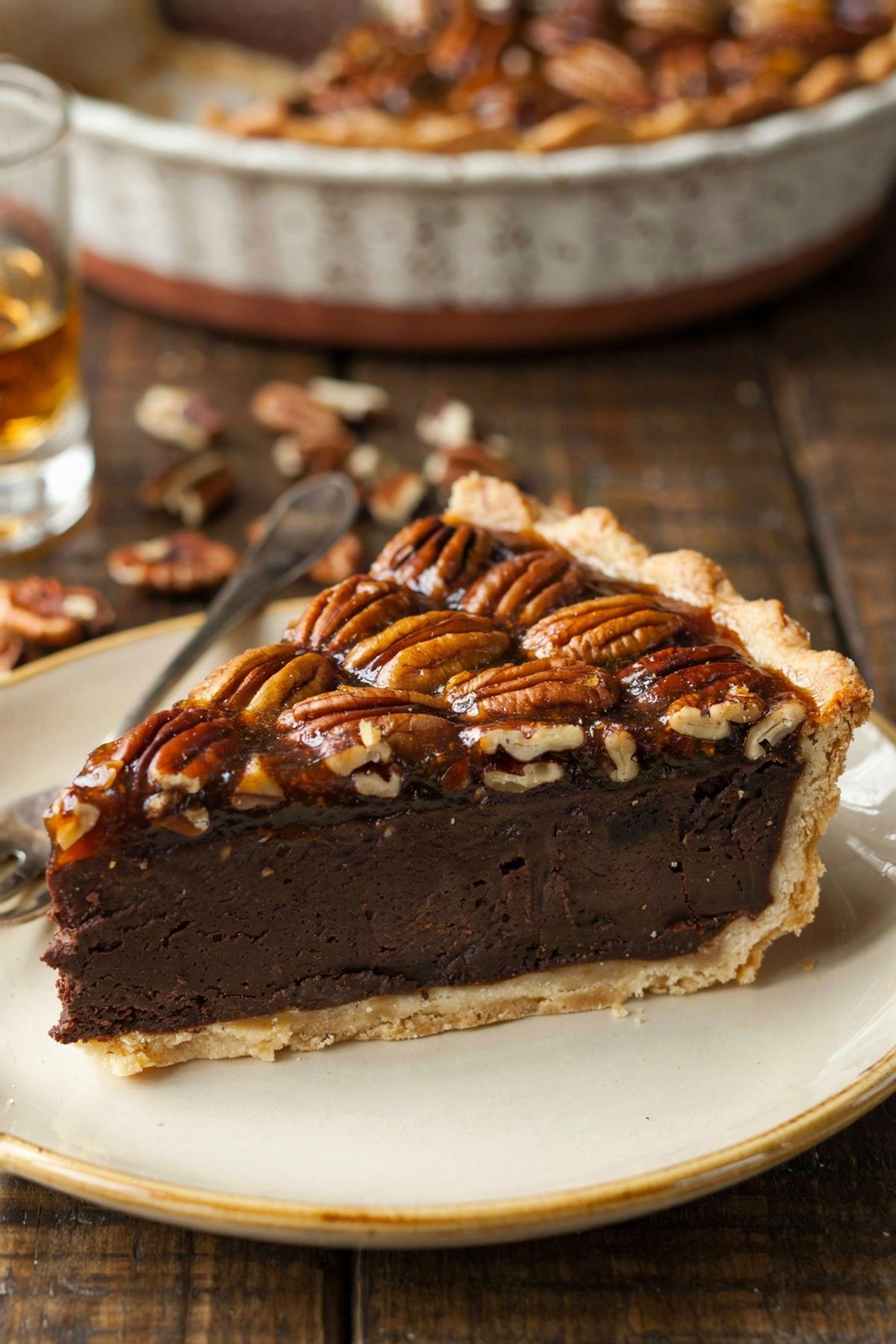
Why I Love This Brownie Pecan Pie
There’s just something unbeatable about the marriage of deep chocolate and roasted pecans. For me, this pie is all about a powerful punch of flavor and texture. The fudgy brownie base has enough richness to stand alone, but that glossy topping of caramelized, crunchy pecans takes things right over the top.
It’s a pie that doesn’t just look good. It demands to be the centerpiece of any dessert table. Between the shiny, almost lacquered finish on top and the dark, dense core, you know you’re in for something special.
Here’s what I especially like to have with it:
- A generous scoop of vanilla ice cream
- A drizzle of warm caramel or chocolate sauce
- Coffee or a smoky bourbon to sip alongside (trust me!)
It’s shockingly easy to put together, but delivers that sense of occasion you want when you’re feeding friends or just treating yourself after a long day. Try it once; it’ll be hard for other pies to keep up.
The story
Brownie Pecan Pie Has a Name It Cannot Legally Use
Chocolate baked into a pecan pie is a Kentucky idea with a lawyer attached to it. George Kern and his parents, Walter and Leaudra, put a chocolate and nut pie on the menu at the Melrose Inn in Prospect, Kentucky in the 1950s, could not agree on a name, and settled the argument by drawing one out of a hat. In 1968 they registered it, hyphen and all, as a trademark.
What followed is why you will never see the obvious name on a recipe like this one. Kern’s Kitchen has defended it more than twenty-five times. A federal judge ordered a local cookbook recalled in 1982 so the recipe could be taken out of it. Bon Appétit got the term declared generic in 1987, then lost it again on appeal. The Louisville Courier-Journal, in Kern’s own city, spent 2017 to 2021 in court before an appeals court ruled that a newspaper describing a pie was describing rather than branding. So every chocolate and nut pie on the internet is called something careful instead: Kentucky pie, Winner’s Circle pie, chocolate walnut pie, brownie pecan pie.
The irony is that the pie most people picture on hearing that name is not the pie it belongs to. Kern’s own version is made with walnuts and contains no bourbon. Pecans and a splash of whiskey belong to the home cooks who spent seventy years working around the trademark, which is how a legal dispute quietly became a recipe genre.
Pecan pie’s own origin story is corporate too, and just as unreliable. Karo tells it as a 1930s discovery by the wife of one of its sales executives, and the recipe was printed on the bottle by 1930. But the historian Rebecca Sharpless traced a pecan pie to a New Orleans cookbook published around 1900, made with eggs, sugar, “Louisiana syrup”, pecans, butter and vanilla, and credited to the lumber town of Slidell. Louisiana cooks were setting pecan pies with cane syrup a generation before a corn syrup company claimed the invention.
For a vegetarian kitchen the useful part is that none of this ever needed meat. The filling sets on eggs, syrup, butter and nuts and nothing else. The pastry underneath is the only place to look: lard shortcrust is traditional in the South, and plenty of supermarket shells still use it.
What to buy
Ingredient Notes
Light corn syrup
Corn syrup is an invert sugar, which is a long way of saying it stays liquid and keeps the rest of the sugar from crystallizing into grit. It also works with the eggs to set the layer. Dark corn syrup and golden syrup both swap in one for one. Maple syrup and honey do not: both are thinner, so the filling stays loose and soaks down into the brownie.
Pecan halves
Pecans are roughly 73% oil, more than any other common nut, and almost all of it unsaturated, which is exactly the chemistry that goes rancid. At room temperature they turn in two to four weeks, and the tell is a crayon smell with a soapy bitterness behind it. Taste one before it goes near a pie you are about to cool for four hours, and keep the bag in the freezer.
Semi-sweet chocolate chips
Chips are engineered to hold their shape in a cookie, so they carry less cocoa butter and a little added stabilizer, and melted alone they go thick rather than fluid. The butter thins them back out, so that is fine here. A chopped bar of semi-sweet or 60-65% dark melts looser and tastes less sweet, which suits a pie with half a cup of corn syrup on top of it.
Pie crust (9-inch)
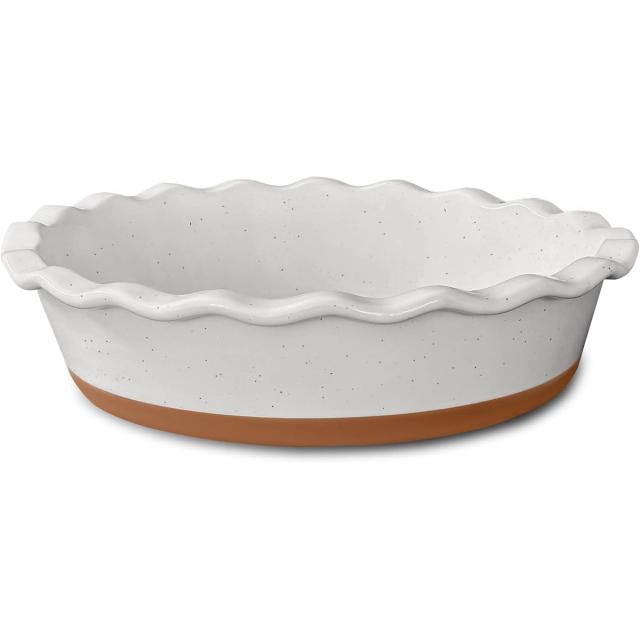
Read the ingredients before you buy. Lard is still standard in southern shortcrust and turns up in supermarket shells and the frozen case, so look for butter or all-vegetable shortening on a vegetarian table. Whichever you use, it has to be blind baked: the base spends the whole bake under an inch of wet filling and never gets dry heat on its own.
Large eggs, for the pecan layer
Four eggs across the two layers is not a typo, and the two in the pecan mixture do the structural work. A pecan layer is a custard: the eggs coagulate as it bakes and trap the syrup in a set gel. Leave them out and you have hot sugar syrup with nuts in it, which looks convincing in the dish and pours out of the first slice. Two eggs to half a cup of syrup is deliberately egg-heavy, because this layer has to hold itself up over soft brownie.
All-purpose flour
A third of a cup for the whole brownie layer looks wrong next to a normal brownie recipe, and it is meant to. Flour is what makes a brownie cakey; the less of it, the more the layer sets on egg and chocolate instead, and that dense slab is what carries the topping. Weigh it if you can, because a packed cup runs up to 20% heavier than a spooned one.
Brownie Pecan Pie
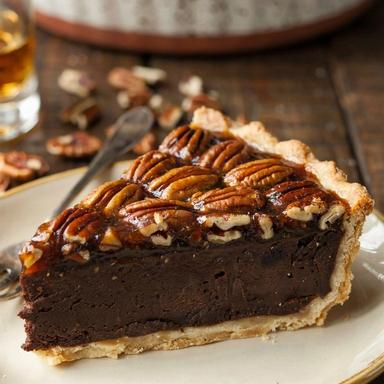
A blind-baked crust under a layer of fudgy brownie, with a proper egg-set pecan pie filling baked on top of it. Rich, and it slices cleanly once it has cooled.
Ingredients
Equipment
As an Amazon Associate I earn from qualifying purchases, at no extra cost to you.

Instructions
- 1
Blind bake the crust
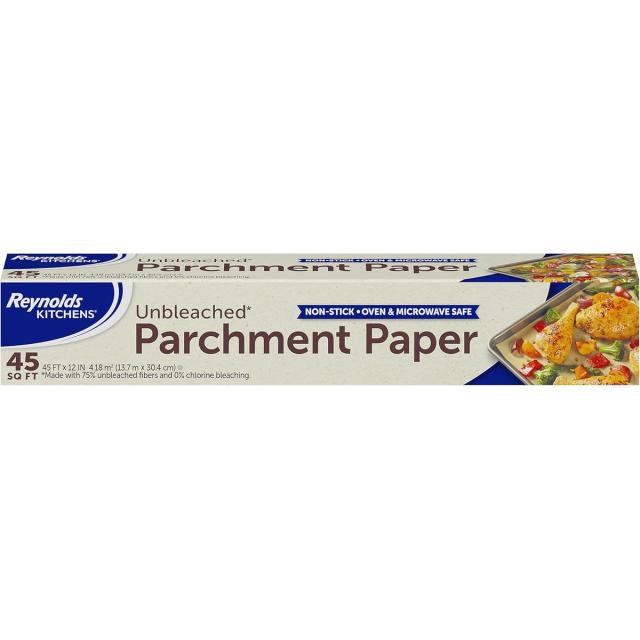
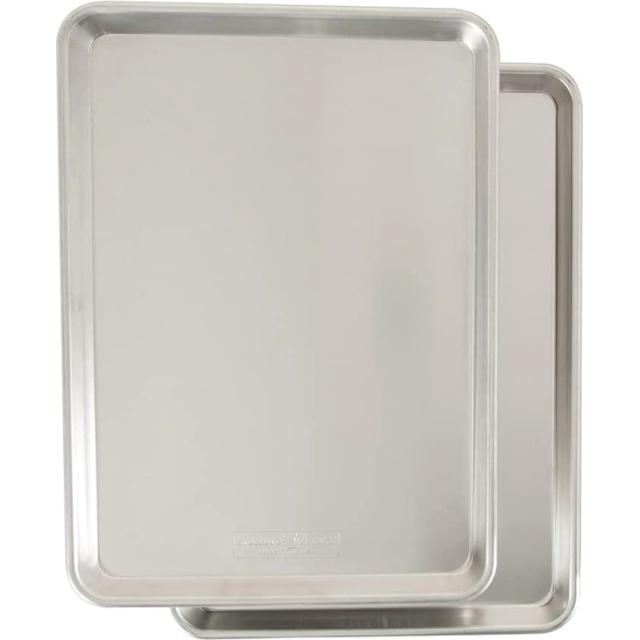
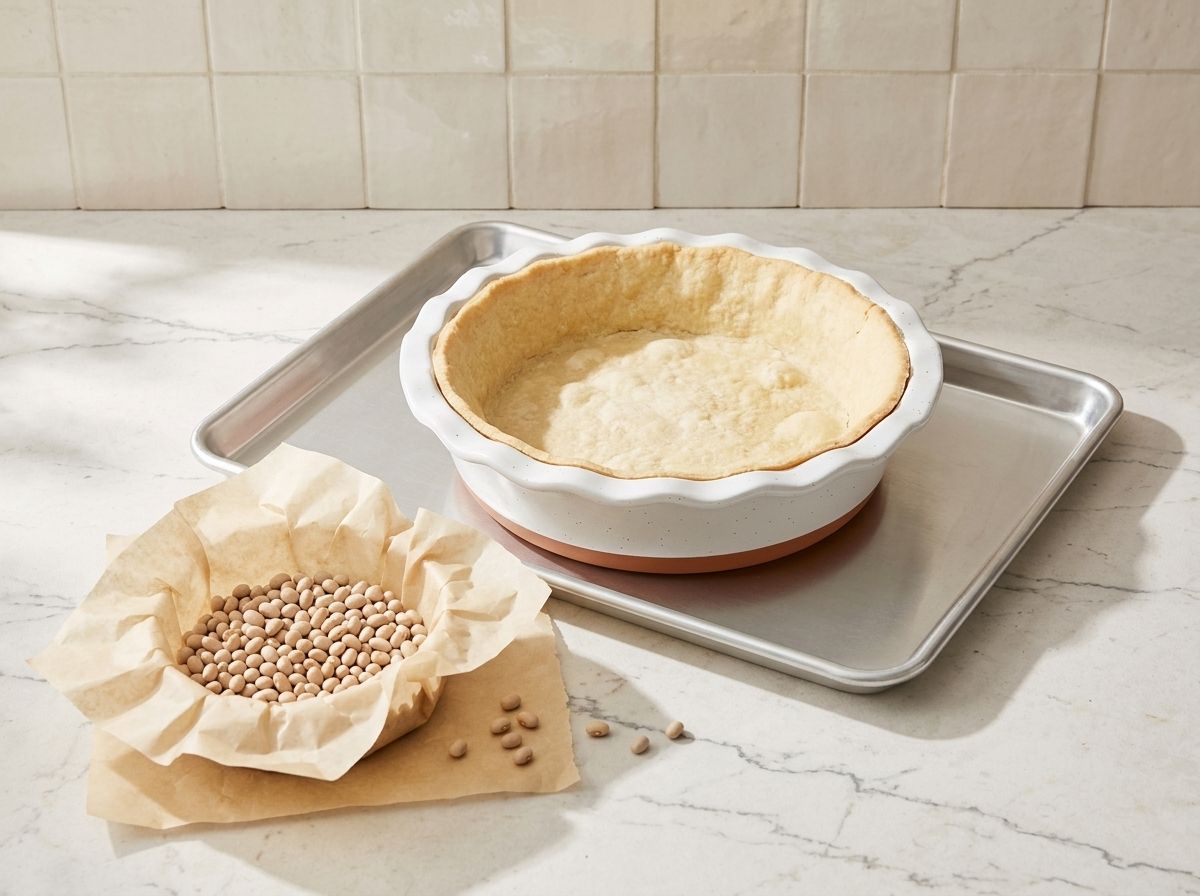
Heat the oven to 400°F (200°C) with a rack in the lower third. Line the pie crust with parchment and fill it to the top with pie weights or dried beans. Bake for 18 minutes, then lift out the paper and weights and bake for 6-8 minutes more, until the base looks dry and the rim is pale gold. Turn the oven down to 350°F (175°C) and stand the pie dish on a baking sheet.
- 2
Melt the chocolate and butter
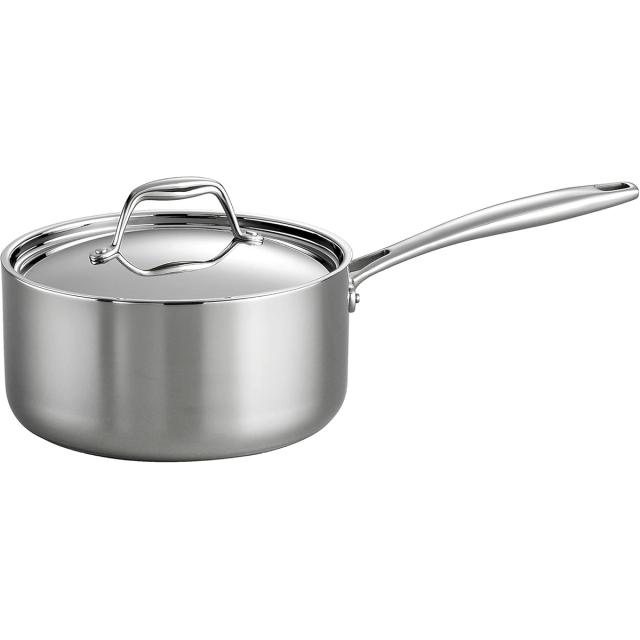
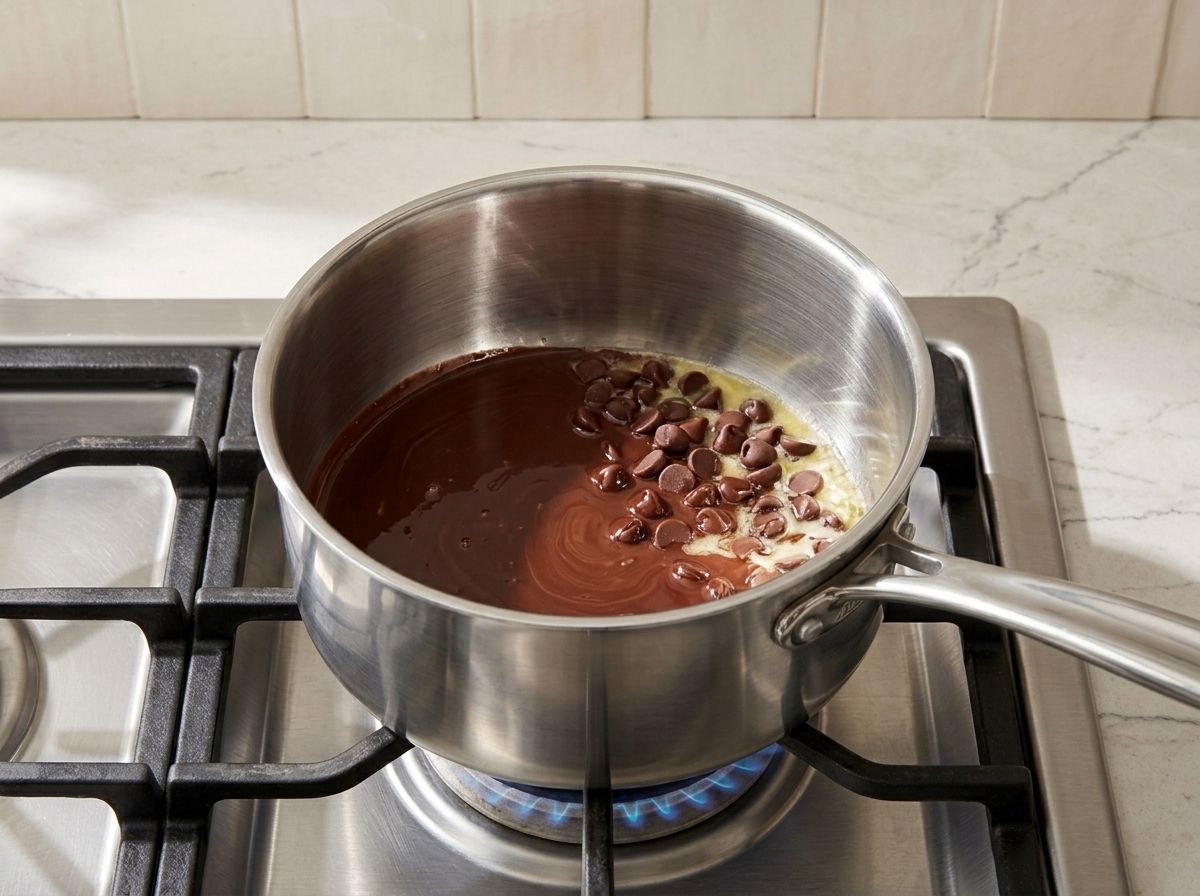
Melt the chocolate chips with the 6 tablespoons of butter in a saucepan over low heat, stirring until smooth. Take the pan off the heat and leave it for 5 minutes. Chocolate straight off the burner is hot enough to scramble the eggs that go in next.
- 3
Mix the brownie batter
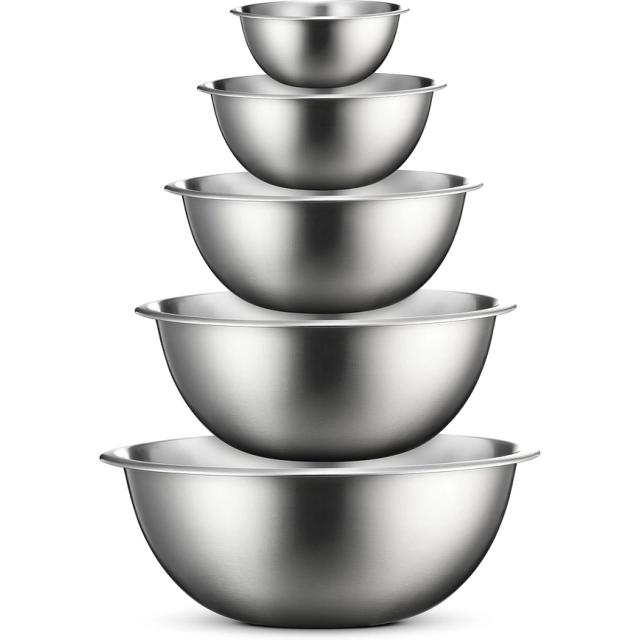
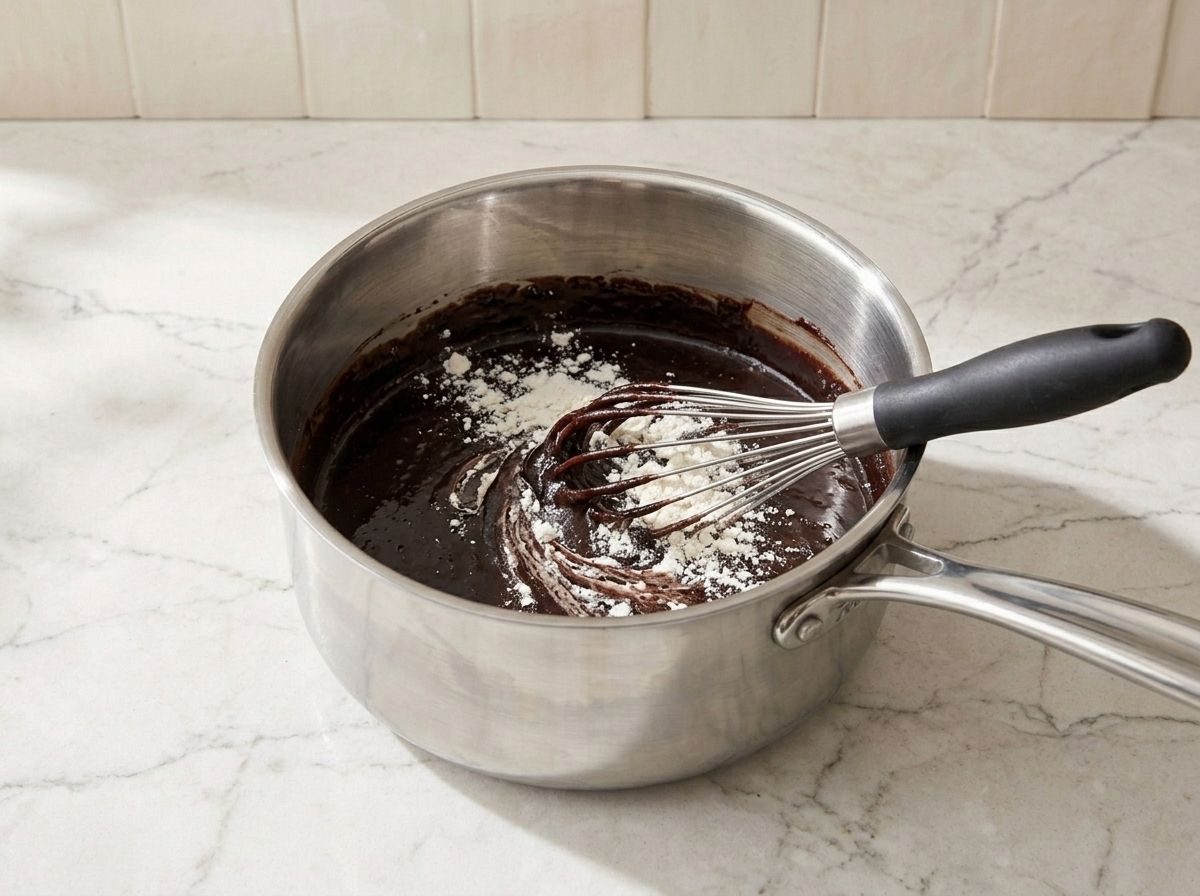
Whisk the granulated sugar into the warm chocolate, then beat in the 2 brownie-layer eggs one at a time, then the vanilla. Add the flour and salt and fold only until no white streaks are left. Beating past that point works the gluten and gives you a cakey brownie instead of a fudgy one.
- 4
Bake the brownie layer on its own
Scrape the batter into the blind-baked crust and level the top. Bake at 350°F (175°C) for 20 minutes, until the surface is set and dry to a light touch. It is still soft underneath, which is what you want: the point is a skin firm enough to hold the pecan layer up rather than let it sink in.
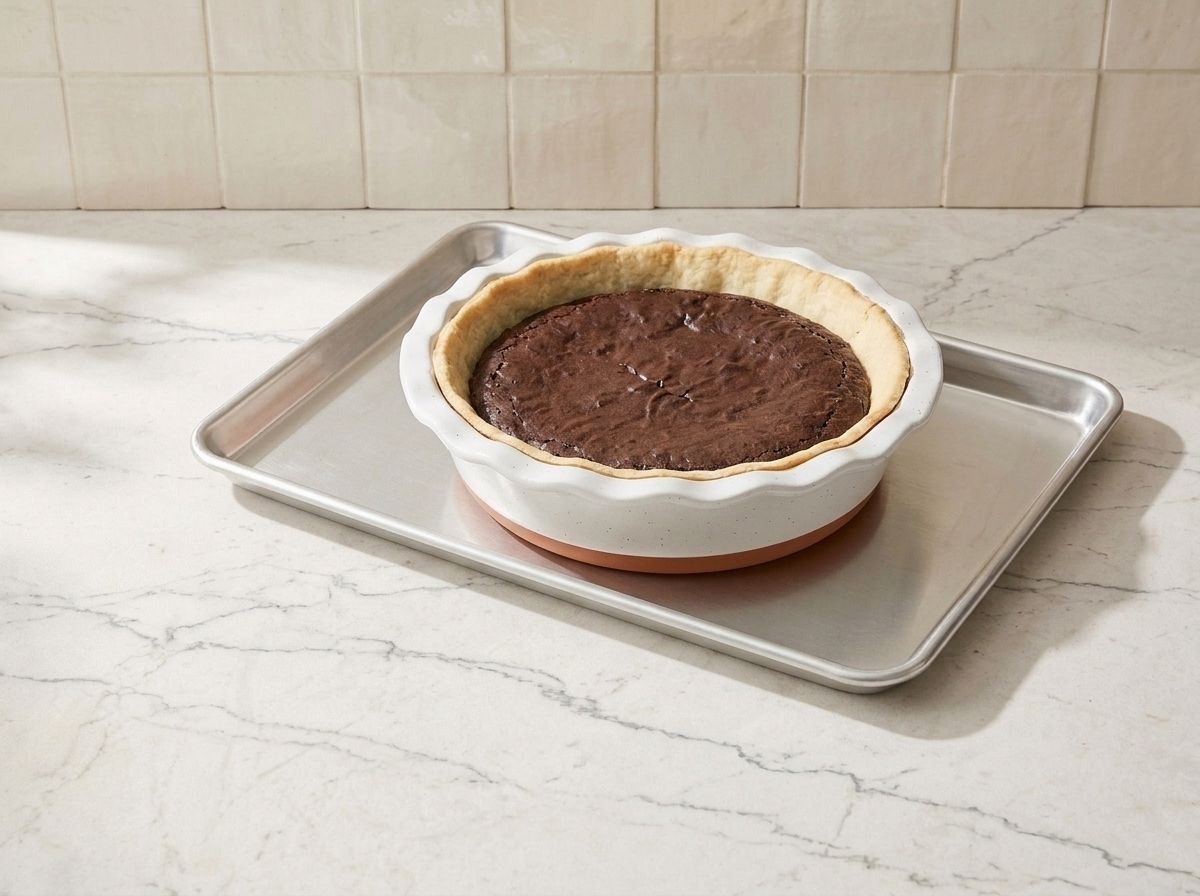
- 5
Whisk the pecan filling
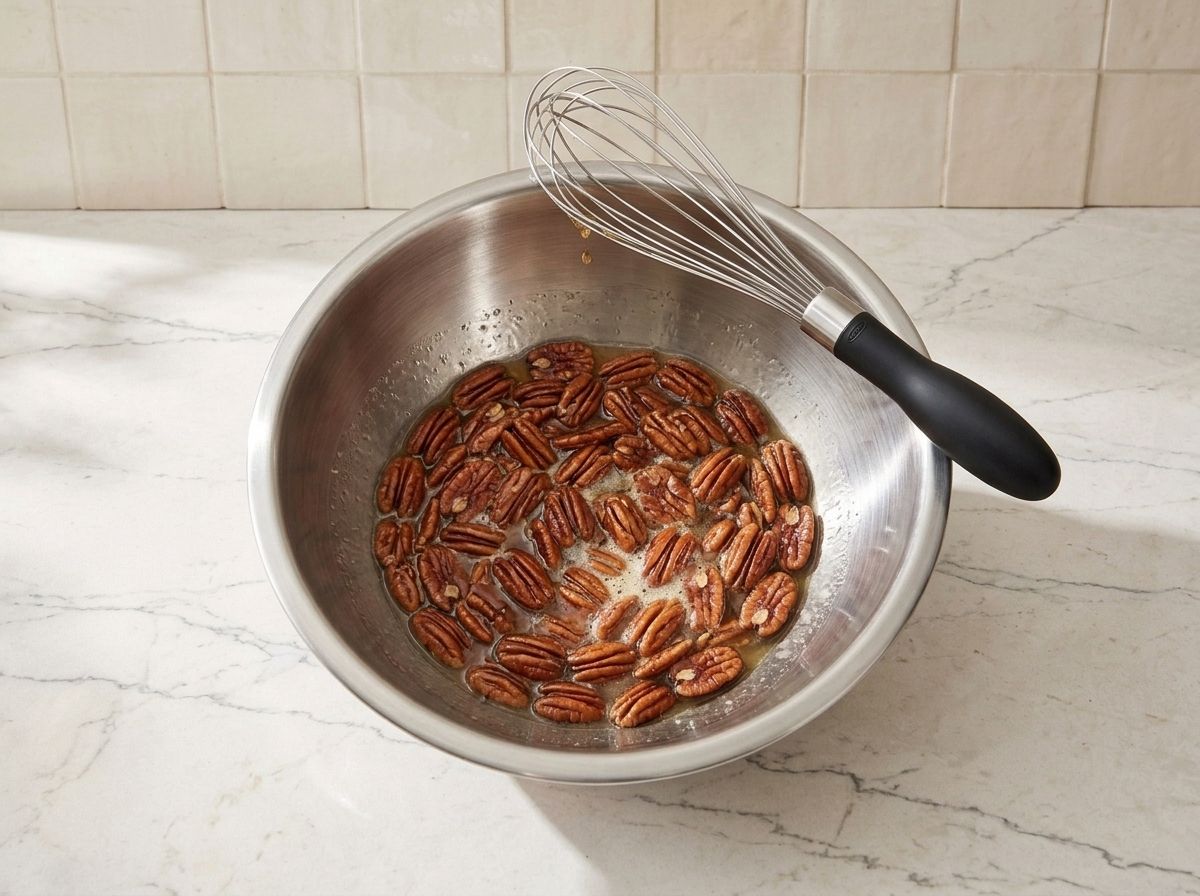
While the brownie bakes, whisk the corn syrup, brown sugar, the 2 remaining eggs, melted butter, vanilla, cinnamon, salt, and the bourbon if you are using it, until smooth. Stir in the pecans. The eggs are what set this layer; syrup and sugar on their own never will.
- 6
Top the pie and bake again
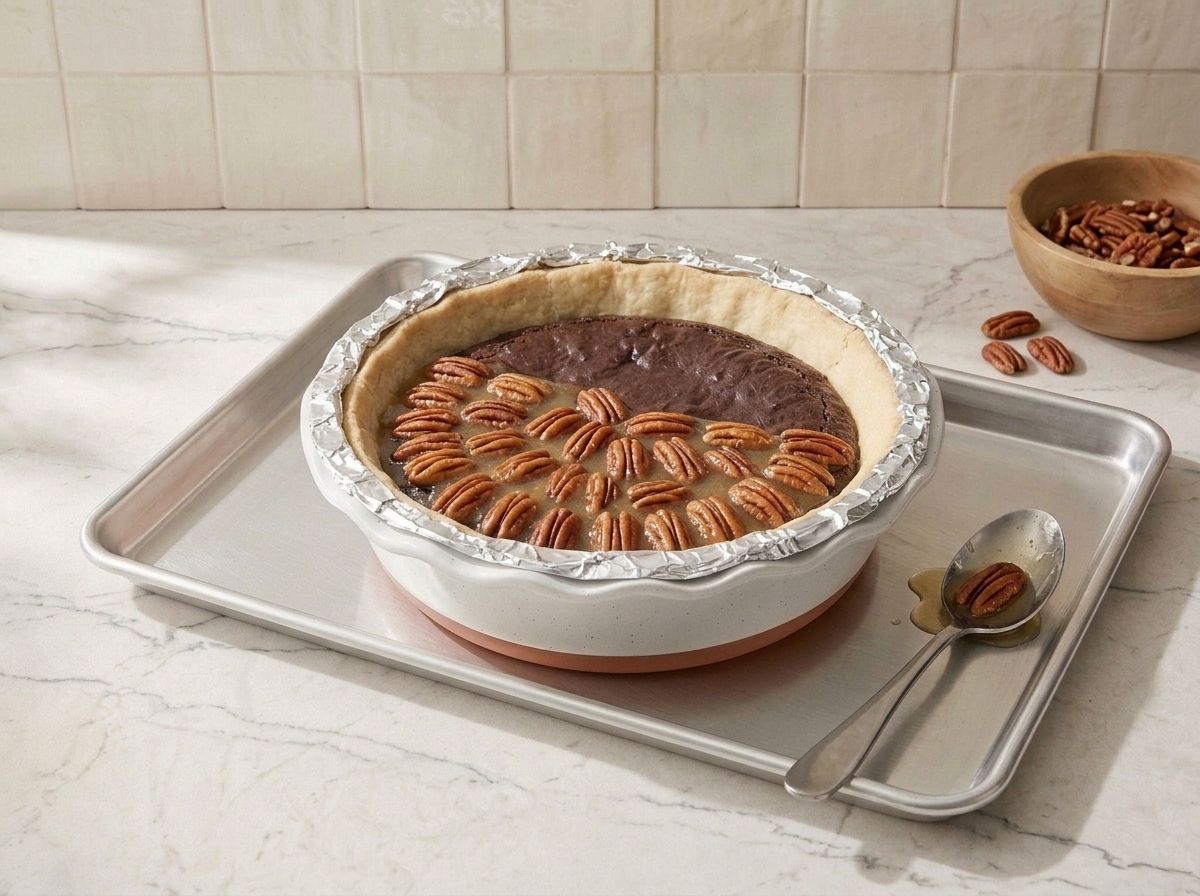
Spoon the pecan mixture evenly over the hot brownie layer, stopping about 1/4 inch (5 mm) below the rim of the crust. Lay a collar of foil over the crust edge so it does not darken further, and bake for 30-35 minutes. It is done when the center is puffed and shifts as one piece rather than rippling when you nudge the dish.
- 7
Cool it completely
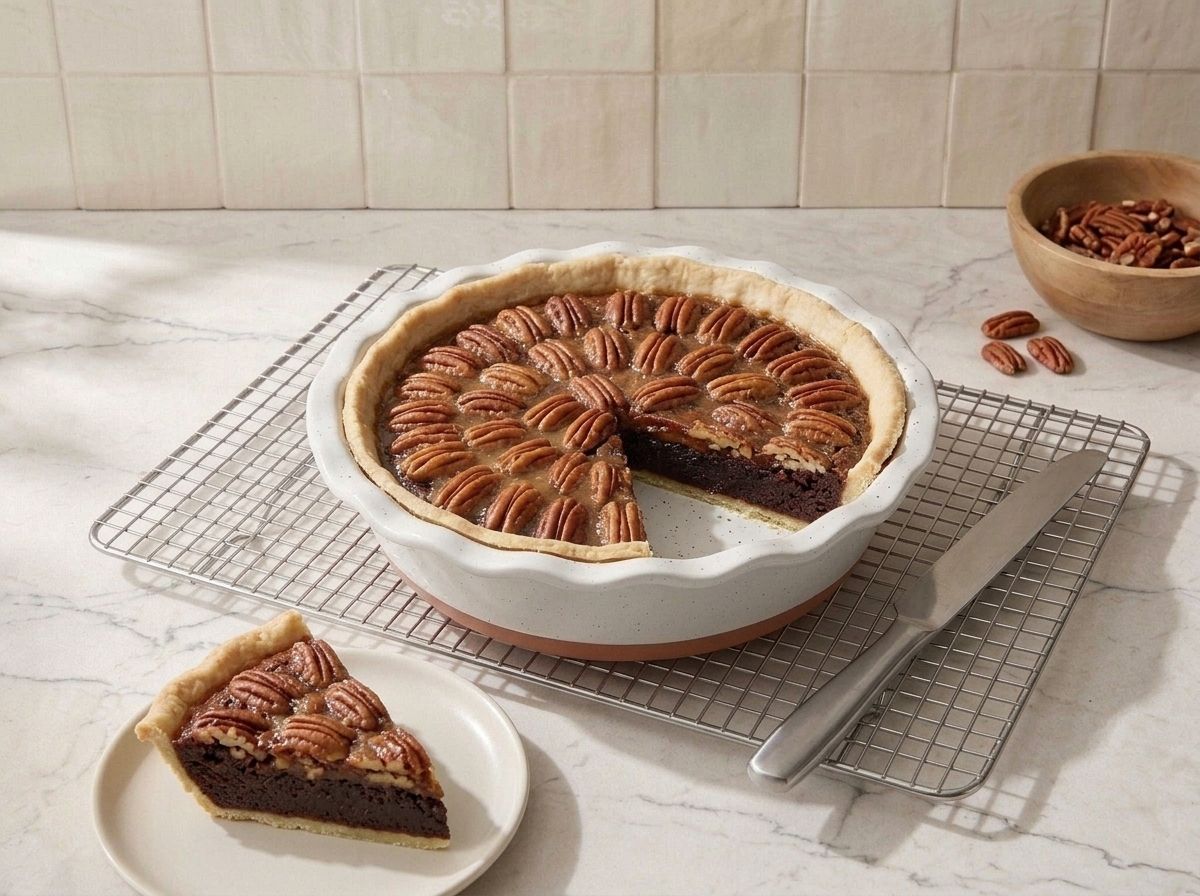
Cool the pie on a wire rack for at least 4 hours before cutting. Warm, the brownie is still liquid and the pecan custard has not firmed up, so the slices slump onto the plate. Serve at room temperature, or warm a cut slice for 15 seconds.
Notes
The filling comes close to the top of a standard 9-inch plate. If yours is shallow, hold back a spoonful or two of the pecan mixture rather than filling to the rim.
Nutrition Facts
8 servings · 138 g per serving
- Calories
- 594 kcal
% Daily Value*
- Total Fat
- 32.1 g41%
- Saturated Fat
- 14.1 g71%
- Sodium
- 286 mg12%
- Total Carbohydrate
- 70.8 g26%
- Dietary Fiber
- 2.5 g9%
- Sugars
- 48.3 g—
- Protein
- 7.7 g15%
Recipe from veggierecipes.blog
When it goes wrong
Troubleshooting
The pecan layer ran out of the pie the moment I cut it
The topping had no egg in it, or not enough. Corn syrup and brown sugar never set on their own; they get hot and go thin again in a warm slice. The layer needs two eggs to half a cup of syrup to coagulate into a gel that holds the nuts. If one is already baked the other way, cut it straight from the fridge, the only state cold syrup will behave in.
The two layers merged into one muddy layer
The pecan mixture went onto raw brownie batter, and pouring one liquid onto another gets you a marble. The twenty minute solo bake exists only to put a skin on the brownie, so if the surface still looks wet and glossy when you check it, give it five more minutes before topping.
The bottom crust is pale and soggy
Blind baking is not optional in this pie. The base sits under an inch of wet filling for over an hour, so it never sees dry heat. Blind bake at 400°F until the floor of the shell looks matte rather than damp, then bake the pie in the lower third of the oven on a baking sheet that heated up with it.
It cracked across the top and wept liquid underneath
Overbaked. Egg protein sets around 180°F and squeezes out its water past that, so the layer puffs, splits and leaks. Pull the pie while the center still shifts as one piece and residual heat will carry it the rest of the way. A cracked top means you needed to stop five minutes earlier, not bake longer.
The crust rim burned before the filling was set
The rim gets blind baked, bakes again under the brownie, then a third time under the topping. Lay a collar of foil over it the moment the pecan layer goes on, not when you notice it darkening, because by then it has already done fifty minutes.
The middle still wobbled when I took it out
It should, and this is the entry worth reading twice. A pecan custard pulled while the center moves as a single piece carries enough residual heat to finish setting on the rack, and four hours of cooling firms this pie far more than ten more minutes of oven would. The failure you are avoiding is the opposite: baked until the center is completely still, it has passed the point where the egg weeps, and it will be grainy and wet underneath by the next day.
Before you serve
Serving & Storage
This pie exists because of a horse race, and Louisville still serves it the way the race weekend does: at room temperature, in small slices, with a spoon of unsweetened whipped cream and nothing else. That restraint is doing real work. A slice already carries around 48 g of sugar, so sweetened cream or caramel sauce tips it from rich into flat, while bourbon or black coffee cuts through it. Ice cream is good, but put it on the plate rather than on a warm pie, where it melts into the pecan layer and loosens it.
Making it ahead
This is a better pie on day two. Overnight the brownie firms up, the pecan layer finishes releasing moisture, and the slices come out clean instead of tacky. Bake it a day ahead and cool it uncovered, so steam does not collect under the topping and dull it, then cover it loosely once it is cold. Leave it at room temperature for the first day and refrigerate after that; it is an egg custard, whatever the sugar content suggests.
Storing leftovers
Covered in the fridge it keeps four days, and cold is when it cuts best: use a long knife, wipe it between slices, then let them sit out for half an hour. To freeze, double-wrap the pie or individual slices and use them within two months, thawing overnight in the fridge. The crust softens either way, and ten minutes at 325°F brings it back.
Two things do not work. Reheating the whole pie dries the pecan layer while re-liquefying the brownie underneath, so it will not slice again until it has cooled through. And microwaving a slice for more than about fifteen seconds superheats the corn syrup, which scorches the pecans sitting in it and turns them bitter.
Still wondering
Frequently Asked Questions
Can I make this gluten-free or dairy-free?
Gluten-free is the easy one. The brownie layer carries only 45 g (1/3 cup) of flour, little enough that a 1:1 gluten-free baking blend swaps in without changing the texture, and the pecan layer has no flour at all. The crust is the real work: buy a gluten-free shell or make one, and blind bake it three or four minutes short of the times above, because they brown faster. Dairy-free is harder than it looks. The recipe uses 115 g of butter in total and a firm plant butter will stand in, but you also need dairy-free chocolate chips, and most semi-sweet chips contain milk fat. Check both labels.
Can I bake this as bars instead, without a crust?
Yes, and it is the more forgiving version. Line an 8-inch square pan with parchment, skip the blind bake, and spread the brownie batter straight into the pan. Bake it for the same 20 minutes at 350°F (175°C), add the pecan layer, then bake 25-30 minutes rather than 35, because the layer is spread thinner and metal conducts faster than a pie plate. Cool it the same four hours and cut 16 squares, which lands each one at roughly 300 calories instead of the 594 in a slice of the pie.
Featured In These Collections
More Sweet & Nutty Desserts
Made this?