
Vegan Pumpkin Pie Recipe
Published · Updated
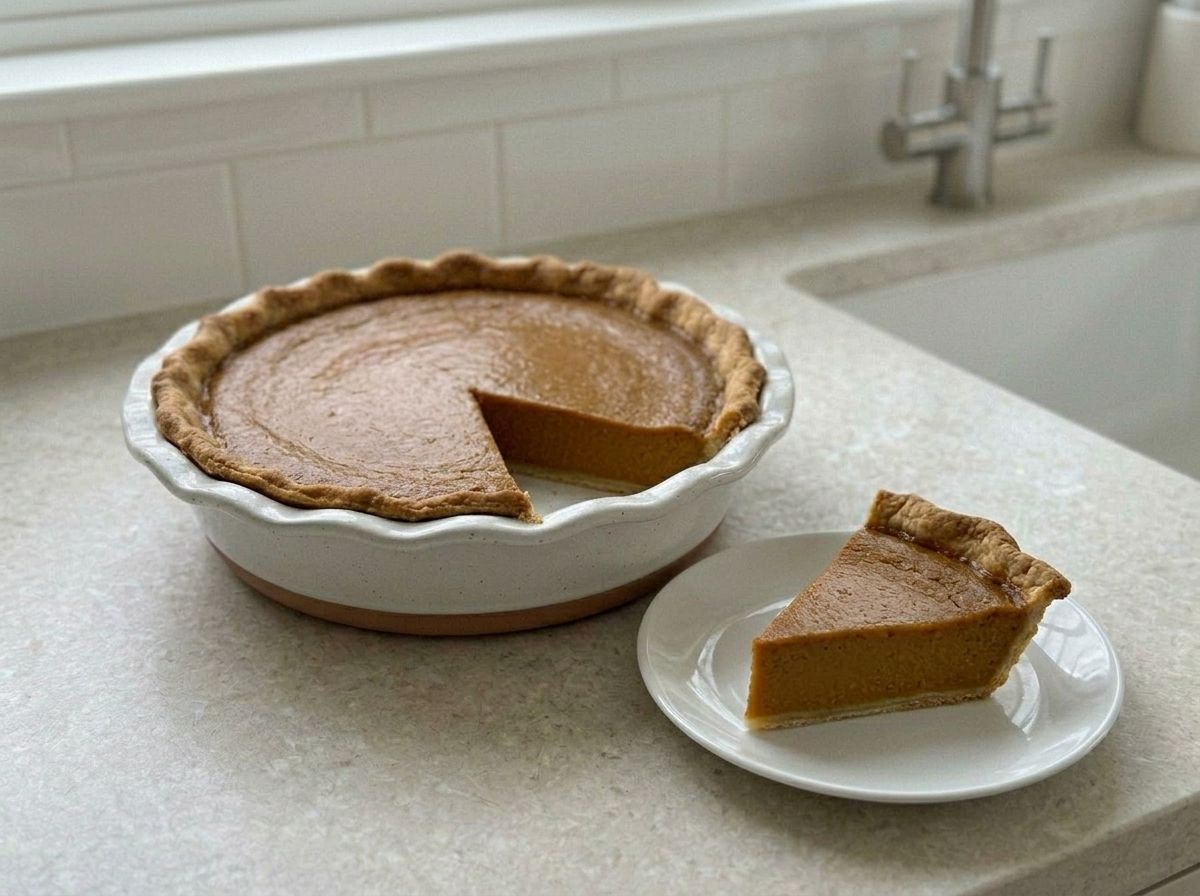
Ultra creamy, perfectly spiced vegan pumpkin pie wrapped in a flaky vegan crust, your must-have fall dessert for every table.
Jump To Recipe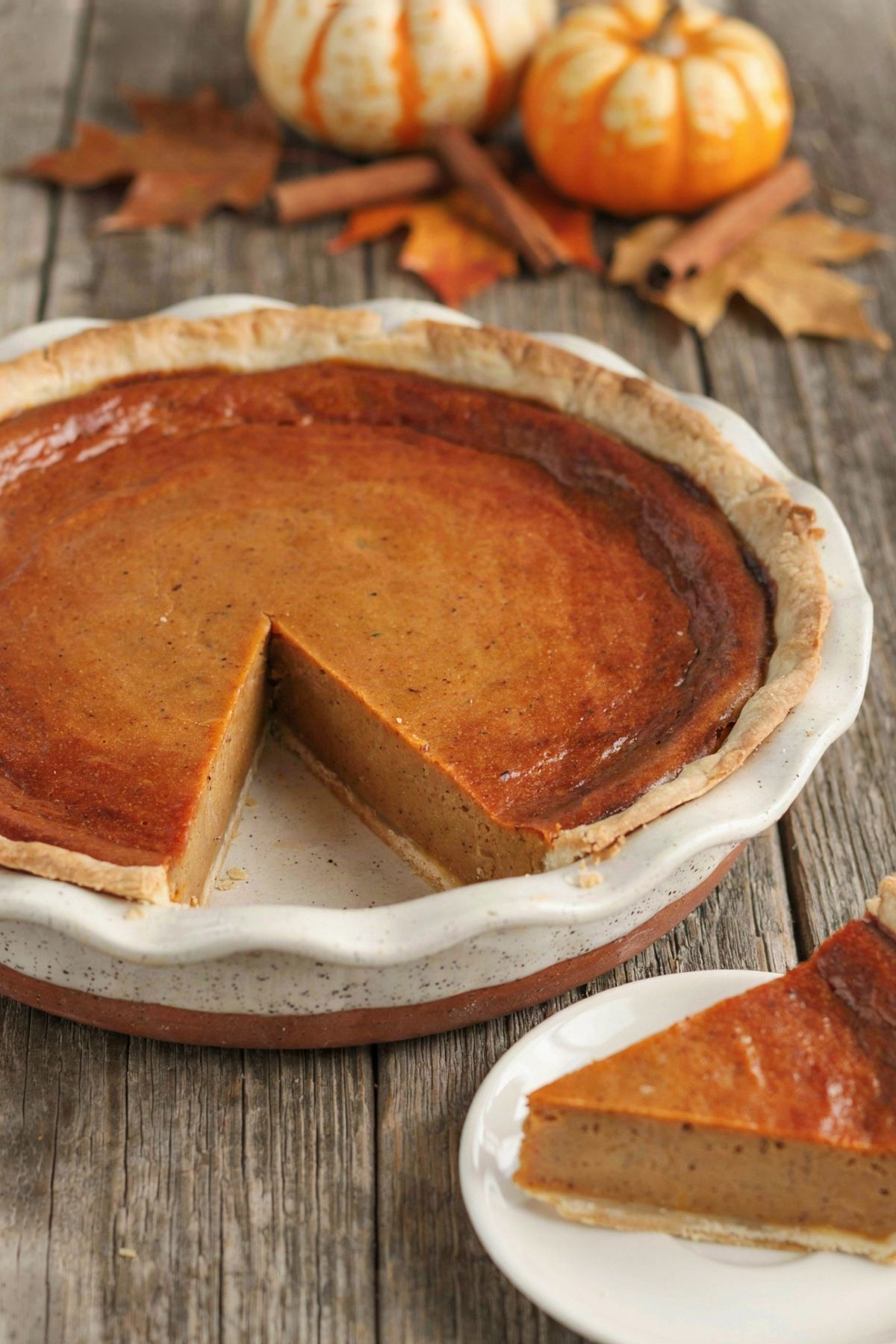
Why This Vegan Pumpkin Pie Hits the Spot
You simply cannot beat the harmonious blend of warm autumn spices and silky pumpkin filling in a fully plant-based treat. As soon as the leaves start changing, which is to say the moment fall is properly underway, I find myself unable to resist. I want that pumpkin pie smell wafting through the kitchen.
There is nothing difficult in this pie, but there are two steps you cannot skip. The crust goes into the oven empty for 20 minutes before any filling touches it, which is the difference between a flaky base and a damp one. Then it needs a long cold rest before it will slice. Neither takes effort, both take time, so start it the day before.
Some ways I love enjoying this pie:
- With a hot cup of black coffee, it really brings out the pie’s cozy flavors.
- Sliced cold from the fridge as a late-night guilt-free snack.
- Even with a dollop of coconut whipped cream if I am feeling extra fancy.
If you are looking for a balanced pie that feels indulgent but fits a plant-based lifestyle, try this recipe. It has been a huge crowd-pleaser at every gathering, and honestly, sometimes even the non-vegans go for seconds.
The story
Vegan Pumpkin Pie Is Closer to the Original Than You Think
The first pumpkin pies in print were not custards at all. English cookbooks of the 1650s and 1660s carry recipes for “pumpion pie”, and Hannah Woolley’s version in The Queen-Like Closet of 1670 is a strange object by modern standards: slices of pumpkin dipped in beaten egg with chopped herbs and fried, then layered into pastry with apples, currants, sugar and sack. Rosemary and thyme, not cinnamon and cloves. Nothing about it pours, and nothing about it sets.
The custard arrived in America. Amelia Simmons put two “pompkin” puddings into American Cookery in 1796, the first cookbook written by an American, and both are recognizably the pie we make now: stewed pumpkin loosened with cream, sweetened, spiced with ginger, baked in a crust. It stuck hard enough that people now assume the eggs were always there.
What fixed the recipe in place was a can. Libby, McNeill and Libby began canning pumpkin in the late 1920s, and in 1929 a recipe went on the back of the label, written by Mary Hale Martin, who ran the company’s home economics department. The version most American kitchens still work from dates from the 1950s, when dried ginger and evaporated milk were added. Libby’s now accounts for close to 90 percent of the canned pumpkin sold in the United States, so one company’s label copy is more or less what “pumpkin pie” tastes like.
The can is hiding something too. Libby’s fills it with Dickinson squash, a variety its own agronomists developed near Peoria, Illinois in the 1930s: sweeter than a field pumpkin, denser, far less watery. The FDA lets any Cucurbita be labeled pumpkin as long as the flesh is deep orange and unsweetened, which is why the carving pumpkin on your porch makes such a disappointing pie.
Once you know the dish was standardized around a canned convenience product, taking the eggs out stops looking like a substitution and starts looking like the next move in the same tradition. The 1950s recipe reached for evaporated milk. This one reaches for canned coconut milk and sets with cornstarch instead of egg protein. Spiced squash baked in pastry, the only part that has survived unbroken since 1670, is untouched.
What to buy
Ingredient Notes
Canned pumpkin puree
Buy puree, not pie filling. The cans sit side by side and look alike, but pie filling is already sweetened and spiced, so it gives you a cloying pie with roughly double the sugar. Puree should list one ingredient. A carving pumpkin is the other trap: bred for size, it carries far more water than the squash in the can, and a puree made from one loosens the filling past what the cornstarch can save.
Full-fat canned coconut milk
The canned kind, not the cartoned drink from the chilled aisle, which is mostly water and cannot carry the fat this filling is built on. Shake the can hard before you open it, because the cream separates to the top and pouring off only the thin liquid leaves a watery pie. Light coconut milk tastes thinner, coconut cream tastes richer, and both go in at the same 160 ml.
Maple syrup
Grade A dark, which used to be sold as Grade B, has the caramel depth that survives an hour in the oven; pale amber syrup vanishes behind the spices. Maple is also the biggest liquid in the filling, so a swap is not one for one. To use brown sugar instead, take 150 g of it and add 60 ml more coconut milk to replace the moisture the syrup was carrying.
Cornstarch
This is the entire set, and the one ingredient to measure by weight. Cornstarch packs, so a scooped cup can run a third heavier than a spooned one, and that gap shows up here as either soup or a pie you could bounce. Arrowroot substitutes at the same weight and sets glossier. Plain flour does not work; it needs more heat than a custard ever reaches.
Vegan pie crust (9-inch)
Most supermarket frozen shells are made with palm oil or shortening and happen to be vegan, but plenty still use butter or lard, so read the box rather than the front of it. Take a standard 9-inch shell rather than a deep dish one: the filling makes about 3¼ cups, which fills a standard shell to the rim.
Ground cloves
A quarter teaspoon is the ceiling, not a starting point. Cloves are the most aggressive spice in this group by a wide margin, and half a teaspoon turns the whole pie medicinal. Cinnamon and ginger carry the flavor; cloves and nutmeg only put a back edge on it.
Delicious Vegan Pumpkin Pie
A creamy, classic vegan pumpkin pie with warm spices and a flaky crust. Dairy-free, easy, and perfect for autumn gatherings.
Ingredients
Equipment
As an Amazon Associate I earn from qualifying purchases, at no extra cost to you.
Instructions
- 1
Heat the oven
Heat the oven to 400°F (200°C) with a rack in the lower third. If the crust is frozen, leave it on the counter for 10 minutes so it does not crack when you prick it.
- 2
Blind bake the crust
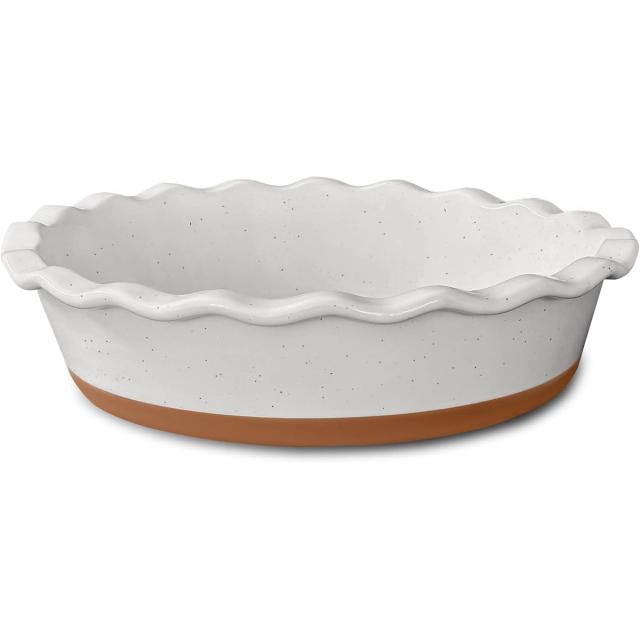
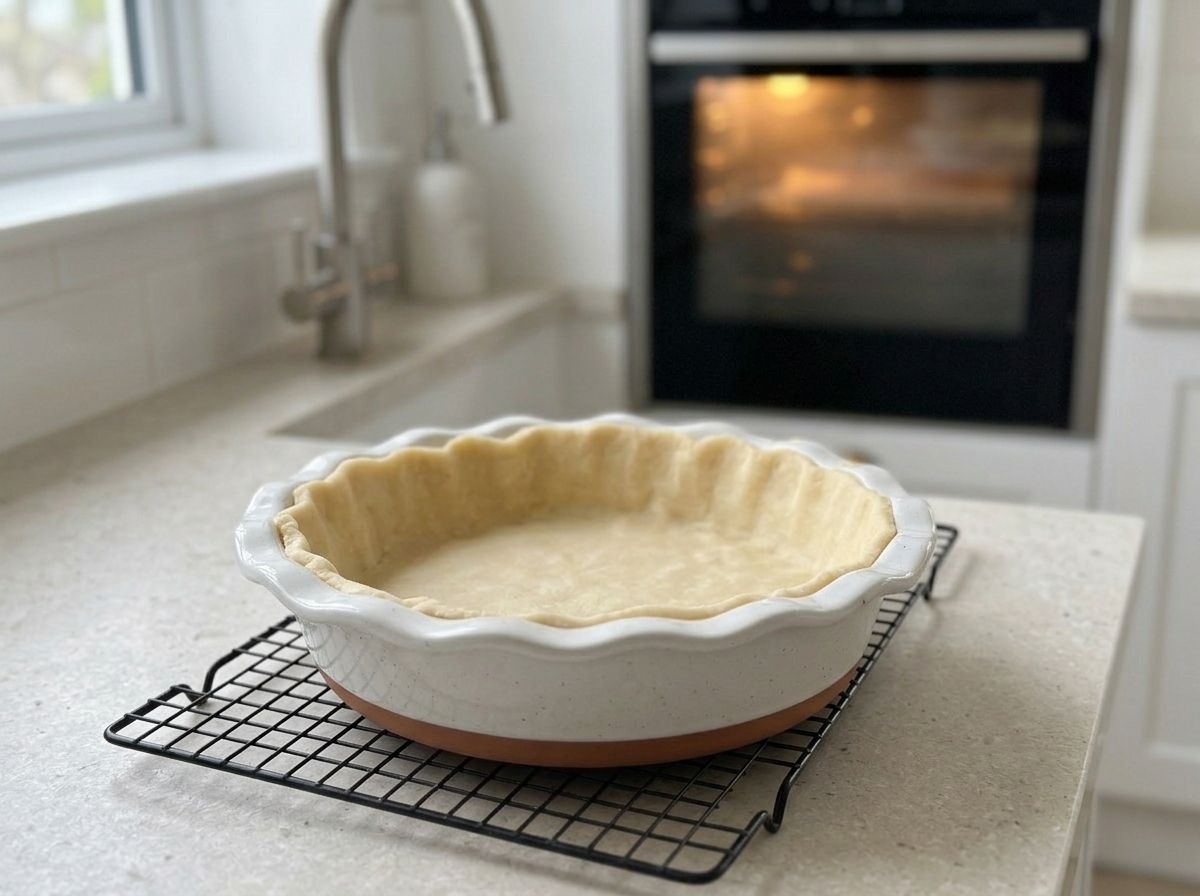
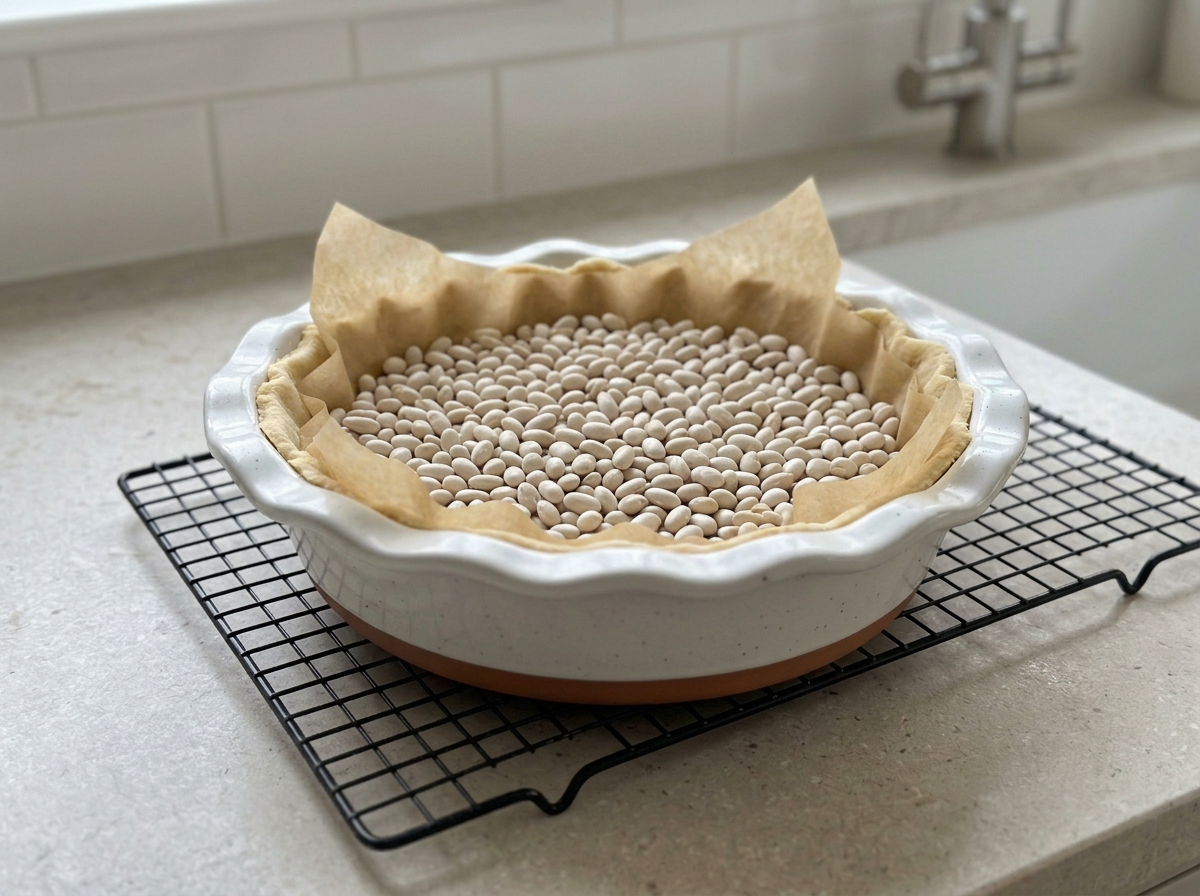
Prick the base all over with a fork, line the shell with parchment and fill it to the rim with pie weights or dried beans. Bake 15 minutes, lift out the parchment and the weights, then bake 5 minutes more, until the base is dry and matte rather than shiny. Turn the oven down to 350°F (175°C) and leave the shell on a rack.
- 3
Whisk the cornstarch while it is dry
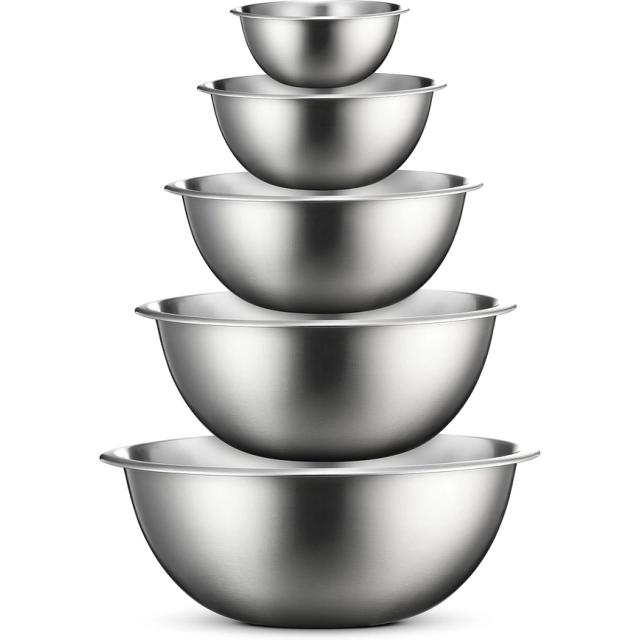
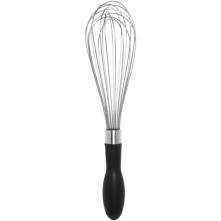
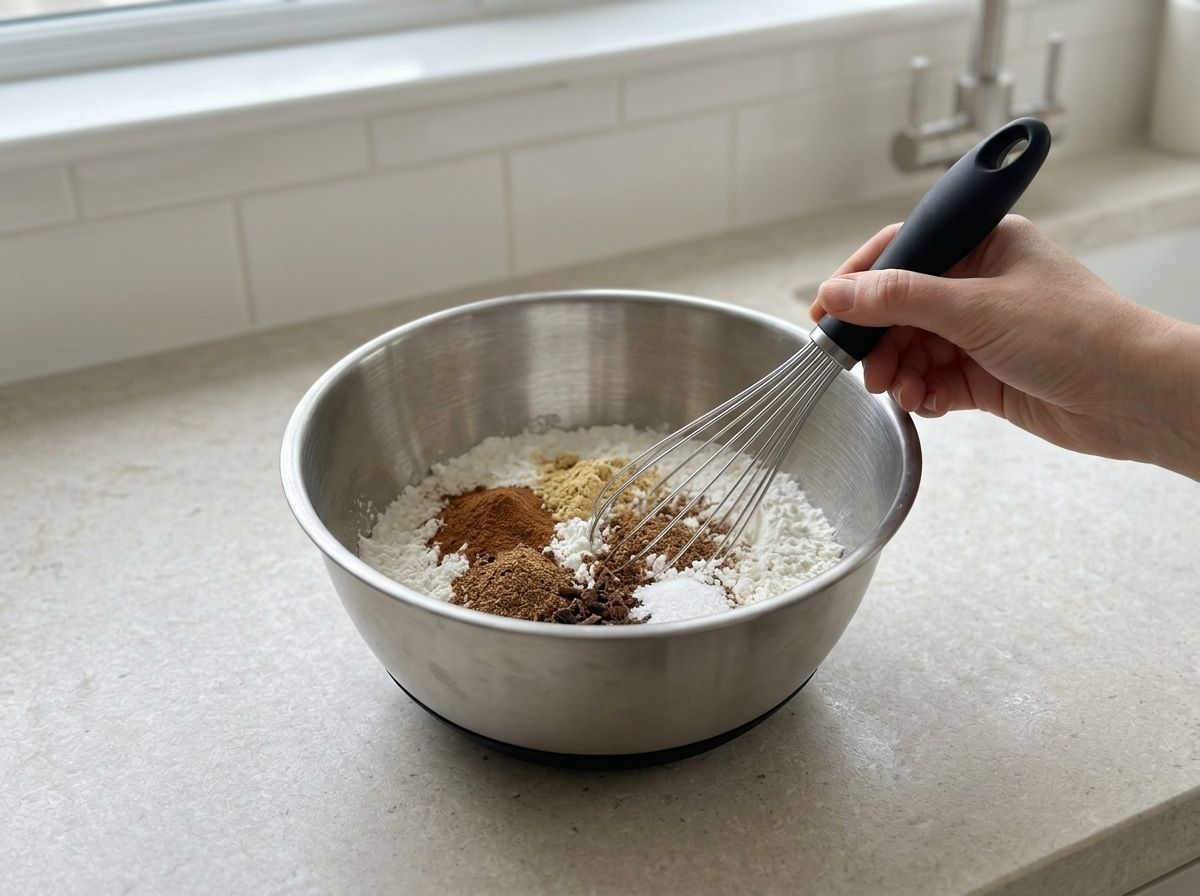
In a large bowl, whisk the cornstarch, cinnamon, ginger, nutmeg, cloves and salt together before any liquid goes near them.
- 4
Build the filling
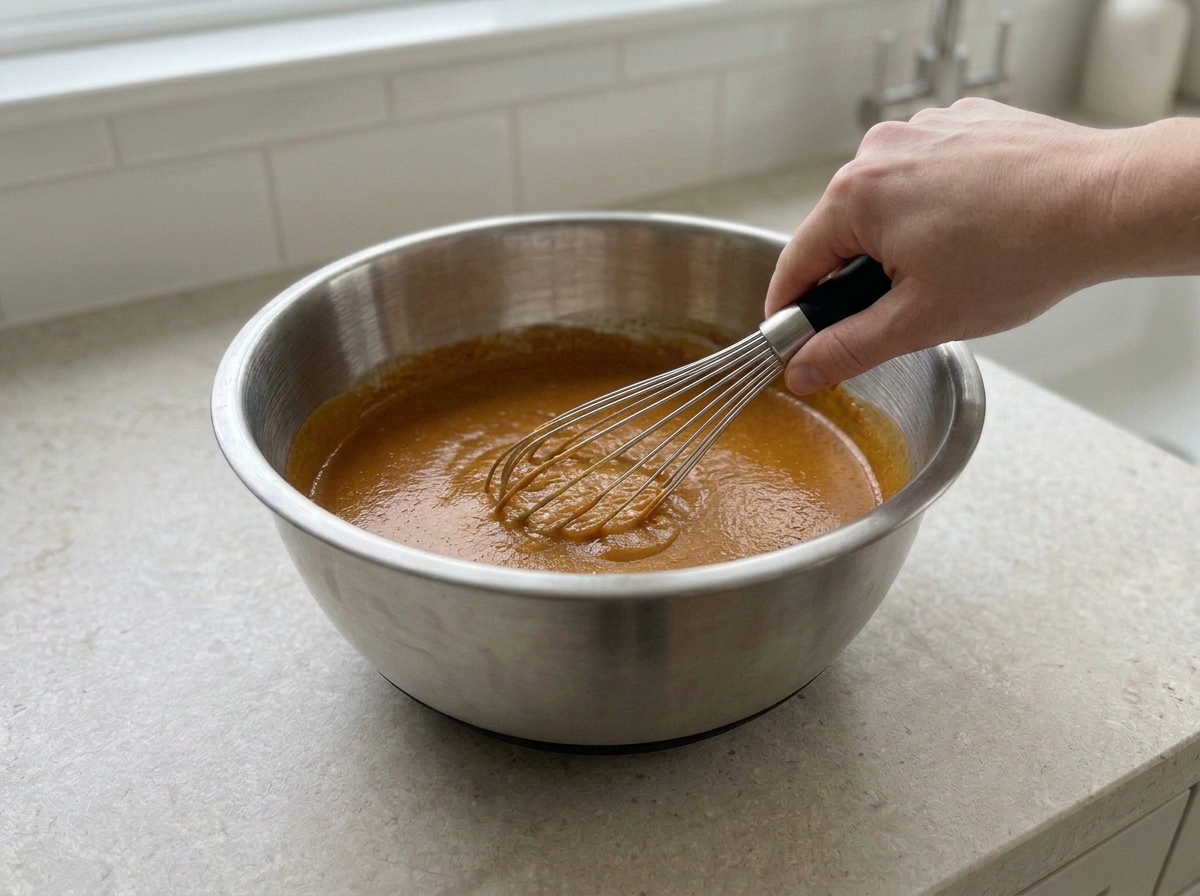
Shake the can of coconut milk hard, then whisk it into the dry mix a splash at a time until the slurry is smooth. Whisk in the maple syrup, then the pumpkin puree and the vanilla. Keep going for a full minute, until the filling is one even orange with no darker ribbons of syrup left in it.
- 5
Fill the warm shell
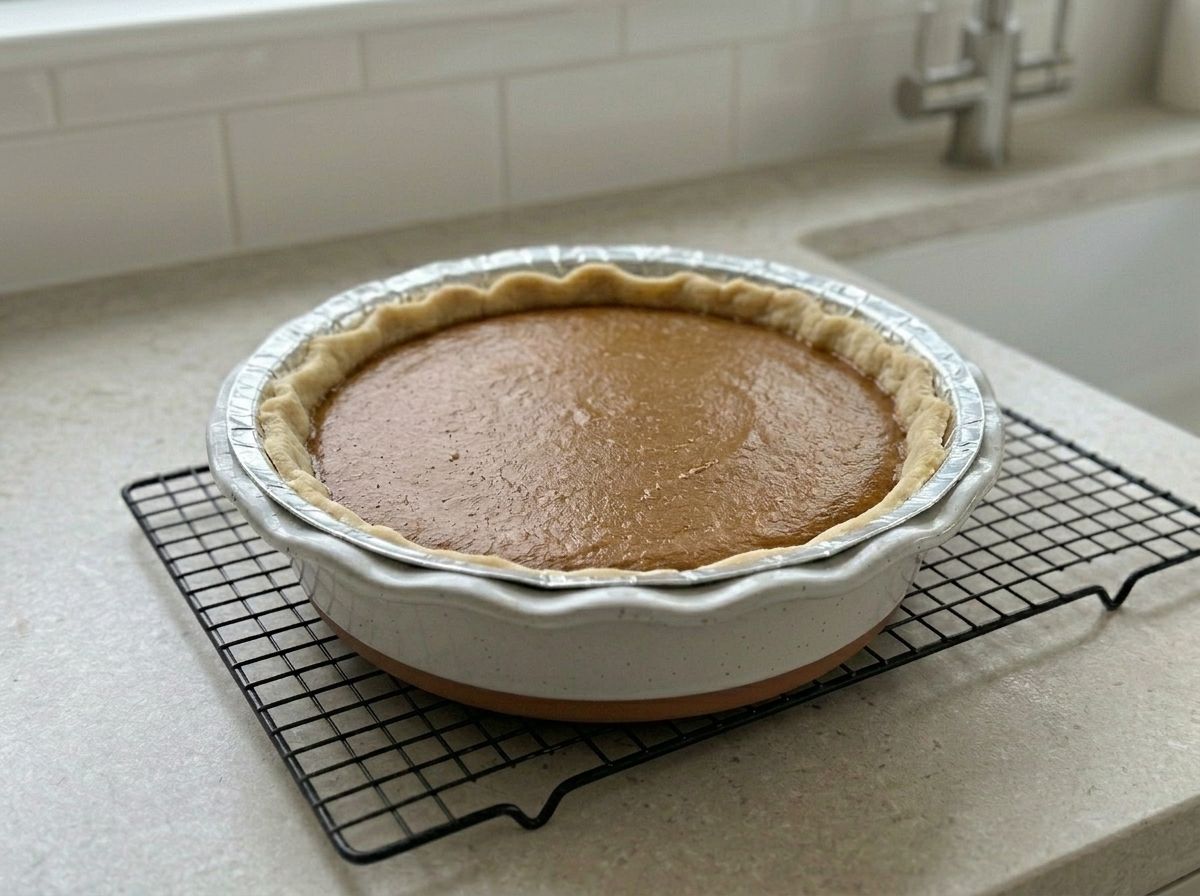
Pour the filling into the still-warm crust and smooth the top. It will sit close to the rim. Cover the pastry edge with a ring of foil or a pie shield, because that rim already has 20 minutes of oven behind it.
- 6
Bake until the middle still wobbles
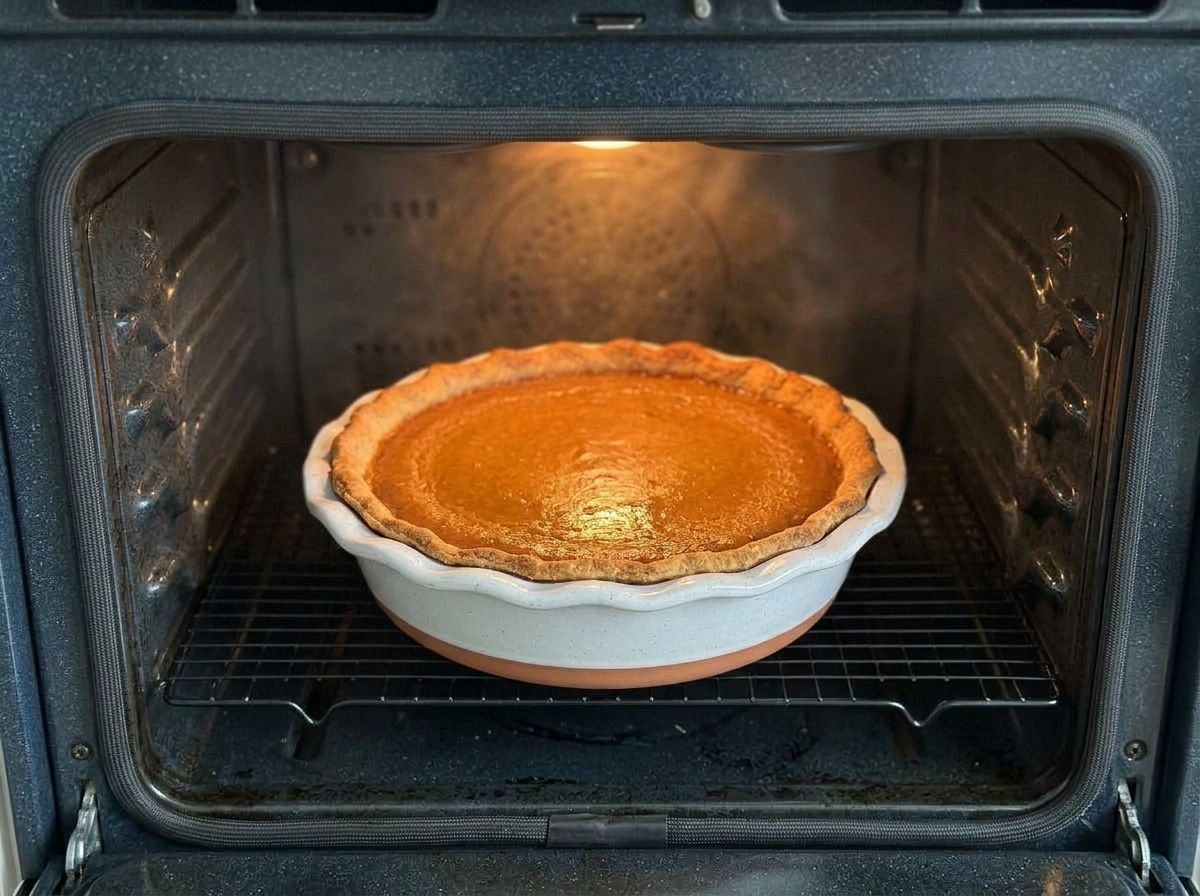
Bake 50 to 60 minutes. It is done when the outer 2 inches look matte and set and the middle 3 inches move as one soft unit when you nudge the dish. Do not reach for a toothpick: a custard baked until it tests clean is already overbaked.
- 7
Cool at room temperature
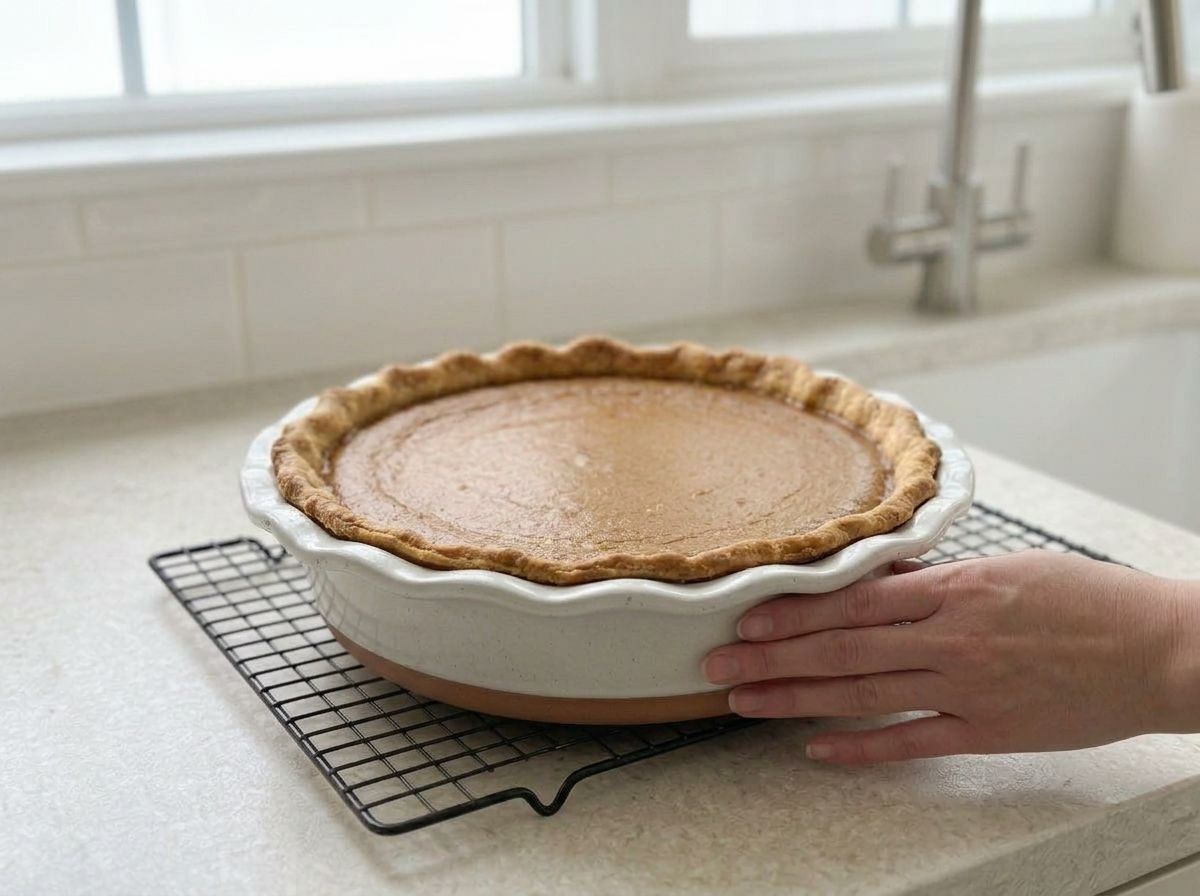
Cool the pie on a wire rack for about an hour, until the dish is no longer warm to the touch.
- 8
Chill until it slices
Refrigerate for at least 4 hours, and overnight if you can. Most of the setting happens as the pie cools, not in the oven.
Notes
For a gluten-free pie, swap in a gluten-free vegan crust. Nothing else changes, including the bake time.
The pie is not firm when it leaves the oven and is not meant to be. The 4 hour chill is part of the recipe.
A 400 ml can of coconut milk leaves you about a third spare. Save it for the whipped topping.
Nutrition Facts
8 slices · 134 g per serving
- Calories
- 273 kcal
% Daily Value*
- Total Fat
- 10.7 g14%
- Saturated Fat
- 5.7 g29%
- Sodium
- 256 mg11%
- Total Carbohydrate
- 42.3 g15%
- Dietary Fiber
- 2.4 g9%
- Sugars
- 19.9 g—
- Protein
- 2.5 g5%
Recipe from veggierecipes.blog
When it goes wrong
Troubleshooting
The middle was still wobbling after an hour in the oven
That is the pie telling you it is done. A cornstarch custard finishes setting as it cools, so it has to leave the oven soft. What matters is the pattern: the outer 2 inches matte and still, the middle 3 inches moving as one unit, the way a set jelly moves when you nudge the plate. If the whole surface ripples in waves, or the center sloshes rather than moves, give it 10 more minutes.
It never set. Cutting it gave me soup under a crust
Too much liquid for the cornstarch, nearly every time. The ratio here is deliberately tight: 425 g of pumpkin against 160 ml of coconut milk and 180 ml of maple syrup, set with 40 g of cornstarch. An extra splash of milk to make it pour more easily is enough to break it. The other cause is time: four hours of chilling is the floor, and a pie cut at two hours runs onto the plate whatever the oven did.
A crack opened right across the middle
Baked past the wobble, cooled too fast, or both. The filling keeps cooking on residual heat after it comes out, so a surface already firm in the oven ends up overcooked, and overcooked starch contracts and splits. A hot pie put straight into a cold fridge does the same thing faster. It is cosmetic only, and coconut whipped cream covers it completely.
The bottom crust is pale and damp
The shell went in raw. A wet filling sitting on unbaked pastry for an hour steams it from above, so the base never gets the dry heat it needs to flake. Blind baking for 20 minutes first is the fix and there is no shortcut around it. If your oven runs cool, preheat a baking sheet with it and slide the dish onto that.
There are white streaks or rubbery specks through the filling
Cornstarch met liquid before it met the spices. It clumps the instant it hits cold liquid, and the outside of each clump gels immediately, sealing dry powder inside where whisking cannot reach. Whisk it with the dry spices and salt first, then add the coconut milk in stages. If the filling is already lumpy, push it through a sieve before it goes into the shell.
It tastes like sweet spiced squash and not much else
Almost always the salt. Half a teaspoon reads as nothing on its own and it is what makes the spices and the maple legible; a quarter teaspoon leaves a pie flat in exactly this way. Pale maple syrup does the same from the other direction. On a pie already cut, a pinch of flaky salt on the slice repairs more than it should.
Before you serve
Serving & Storage
Pumpkin pie is one of the few American desserts that is supposed to be eaten cold. It is not a warm pudding, and reheating a slice works against it, because warming a cornstarch custard loosens the set and the filling weeps onto the plate. Take it out of the fridge about 20 minutes before serving and let it come to cool room temperature, which is where the spices are loudest.
The classic partner is whipped cream, and the coconut version is the right answer here rather than a substitute, since the filling is built on coconut milk already. Chill a can overnight, scoop off the solid layer, whip it with a spoonful of maple syrup. Toasted pecans and a pinch of flaky salt on the slice are worth more than they sound, and so is strong black coffee.
In plenty of American households the second-best moment for pumpkin pie is breakfast the morning after Thanksgiving, straight from the fridge, eaten standing up. That is not only a joke about leftovers. A cold, firm, barely sweet spiced custard eats a lot like baked oatmeal, and this pie is better on day two anyway.
Making it ahead
This is a pie that wants to be made ahead. It needs 4 hours of chilling at the minimum and it is better after a night, once the spices have stopped reading as separate notes and the filling slices cleanly instead of tearing. What does not work is baking it two or three days out: the crust starts to soften under the wet filling from around the 48 hour mark, and by day three the base is closer to cake than to pastry.
Storing leftovers
Cover the pie loosely with foil, or press plastic wrap onto the cut faces only, and keep it in the fridge for up to 3 days. Do not wrap the whole pie tightly, because the trapped moisture goes straight into the crust. Leaving it on the counter is not an option with a custard pie, vegan or not.
Freezing
A whole baked pie freezes for up to 2 months. Cool it completely, freeze it uncovered until the surface is firm to the touch, then wrap it in foil and thaw it overnight in the fridge. Freeze it undecorated: coconut whipped cream comes back grainy and separated, and freezing a pie that has already been cut dries and darkens the cut faces.
Still wondering
Frequently Asked Questions
Is this pie gluten-free?
The filling is, and the crust decides the rest. Cornstarch is the thickener here rather than flour, so there is no gluten anywhere in the filling, and a certified gluten-free vegan crust makes the whole pie gluten-free with no change to quantities or bake time. Two things to check on the box: some gluten-free pastry is made with wheat starch, and some crusts that look plant-based use butter.
Can I use a deep-dish crust, or scale this up to a 10-inch pan?
The filling makes about 3¼ cups, which fills a standard 9-inch shell to the rim. A 9-inch deep dish holds roughly 4 cups and a 10-inch shell about 4½, so multiply everything by 1.25 for the deep dish and by 1.4 for the 10-inch. Add 10 to 15 minutes and judge by the wobble rather than the clock, because a deeper filling takes longer to heat through in the middle.
There are no eggs in this. Is it still a custard?
Strictly, no. A custard is set by egg protein coagulating; this is set by cornstarch granules swelling and gelling. The difference explains how it behaves: it has to come out of the oven soft and finish setting cold, it cannot curdle however hard you push it, and it slices cleaner than an egg pie while tasting a shade less rich.
Featured In These Collections
More Must-Try Vegan Holiday Desserts
Made this?