
Vegetarian Bun Rieu Recipe
Published · Updated
Most vegetarian versions steam the riêu into a block and slice it, because loose tofu curds fall apart in the pot, and egg is what fixes that.
Jump To Recipe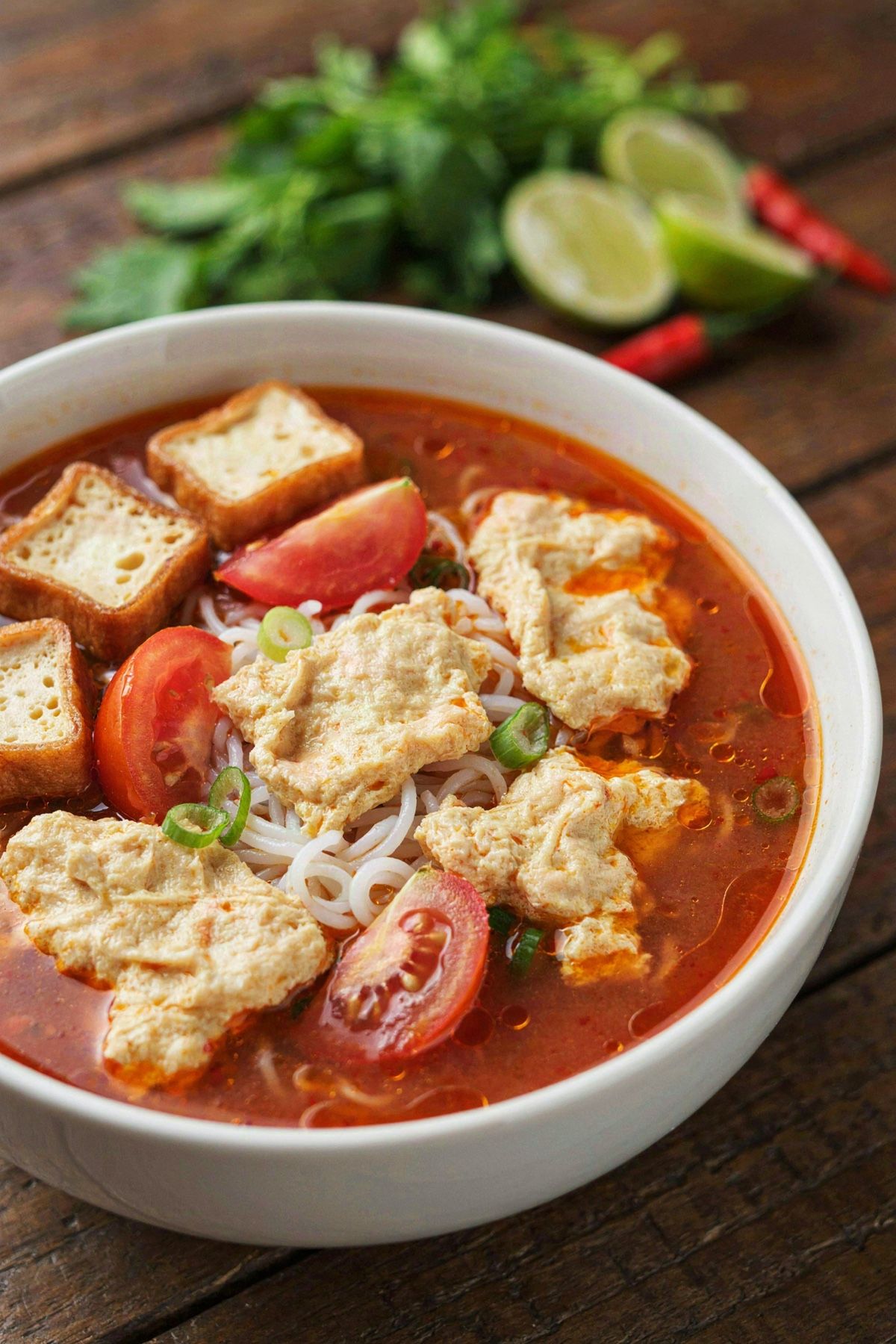
The First Four Times, My Riêu Vanished
I lost the riêu four times before I worked out what I was doing wrong, and all four times I blamed the tofu. I tried a firmer block, then pressed it harder, then added more cornstarch, then gave up and put in so much egg that what came out was closer to a sliced omelette. None of that was the problem. The problem was that I was dropping it into a pot that was boiling.
The fix takes thirty seconds to describe and I had not seen it written down anywhere. Take the broth off the boil. Wait until the surface stops moving except for the odd bubble at the edge. Drop the spoonfuls in, then put your hands behind your back and count to three hundred. They set, they lift, and they come up on their own.
I think the reason nobody says it is that the recipes I was reading had quietly designed around the problem. Steam the mixture in a dish, cool it, cut it into cubes, add the cubes at the end. That works, and I understand why it became the standard advice for a meatless version. But a cube is not a riêu. The whole texture of this dish is a curd that is ragged and light and gives way against the side of the spoon, and a firm cube does none of that.
So this is the version I cook now. It is not harder than the block method. It only asks you to leave the pot alone at the one moment you most want to poke it.
The story
Riêu Is The Curd, Not The Crab
The name describes a technique, not an animal. Bún is the round rice vermicelli in the bowl. Riêu is the raft of set, savory curd floating on top of it. Neither word means crab. Crab is cua, and it appears only in the full name, bún riêu cua, where it sits at the end as a modifier.
Vietnamese menus make the point better than any explanation. Bún riêu ốc is made with snails. Bún riêu cá is made with fish. The riêu is the constant and the protein is a slot that gets filled, which means a vegetarian bowl is not a workaround or a substitution. It is the same dish with a different word on the end.
That word is chay, and bún riêu chay has been cooked on a schedule for generations. On the first and the fifteenth day of the lunar month, the days around the new moon and the full moon, a great many Vietnamese eat ăn chay whether or not they are practicing Buddhists. Temple kitchens and the chay shops clustered around them cook full menus for those two days every month, and bún riêu chay is a fixture on them. It predates the entire Western vegetarian recipe economy.
The dish itself is northern, associated with Hanoi, and it is a sour soup before it is anything else. Traditionally the sourness comes from giấm bỗng, the lees left over from making rice wine, which has a soft fermented tang rather than a sharp acidic one. Almost nobody outside Vietnam can buy it. Tamarind is the accepted stand-in and it is what Vietnamese cooks abroad reach for, which is what this recipe is built on.
The other signature is funk. In the crab version that job belongs to mắm tôm, fermented shrimp paste, which is emphatically not vegetarian. Chay kitchens have their own answer and have had it for a long time: chao, fermented bean curd, which brings the same salty, aged, faintly cheesy edge out of soybeans instead. Again, this is the traditional swap rather than something invented for Western cooks.
All of which leaves exactly one technical problem, and it is worth naming before you start. Because the riêu is a form rather than an ingredient, the only real question is whether a meatless mixture will set into curds that hold. Crab and pork manage it on their own. Tofu does not. Egg does. That is why nearly every vegetarian bún riêu you will find online steams the mixture into a firm block and slices it into tidy cubes, which sidesteps the problem rather than solving it. This one does not steam anything.
What to buy
Ingredient Notes
Firm tofu
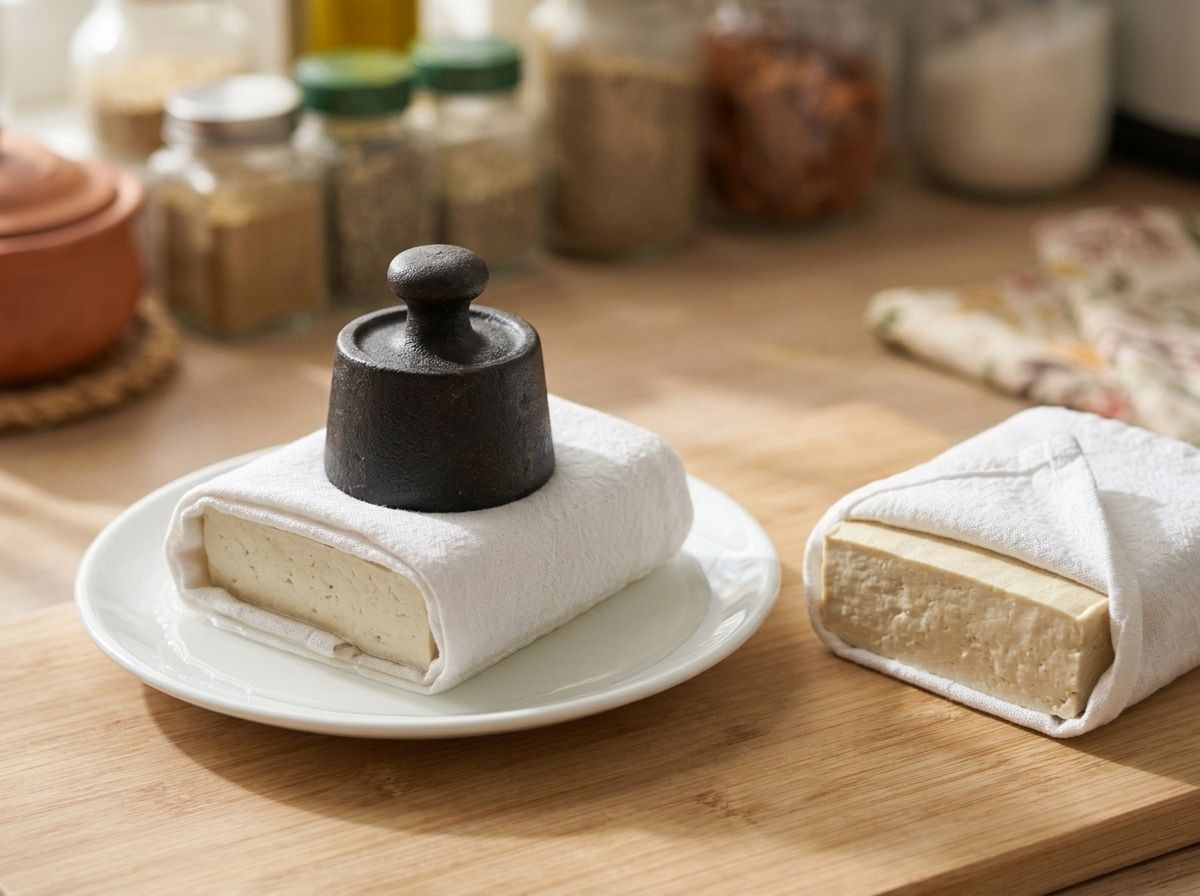
Firm or extra firm, never silken. Silken has no structure to give and the mixture will not hold. Press the block properly: wrap it in a towel, weigh it down, and squeeze until it stops dripping. You want to lose roughly 3 tablespoons of water from a 14 ounce block. Then crumble it fine, to about the size of couscous. Left in large pieces it makes a curd that splits along the seams.
Eggs
Three large eggs to 14 ounces of pressed tofu is the ratio that holds. Egg protein sets between roughly 150°F and 160°F and knits the crumbled tofu into a single mass as it does. Use fewer and the curds break apart in the broth. Use more and you get something bouncy and rubbery closer to a steamed omelette. Let them come to room temperature so they mix in evenly rather than seizing against cold tofu.
Annatto seeds
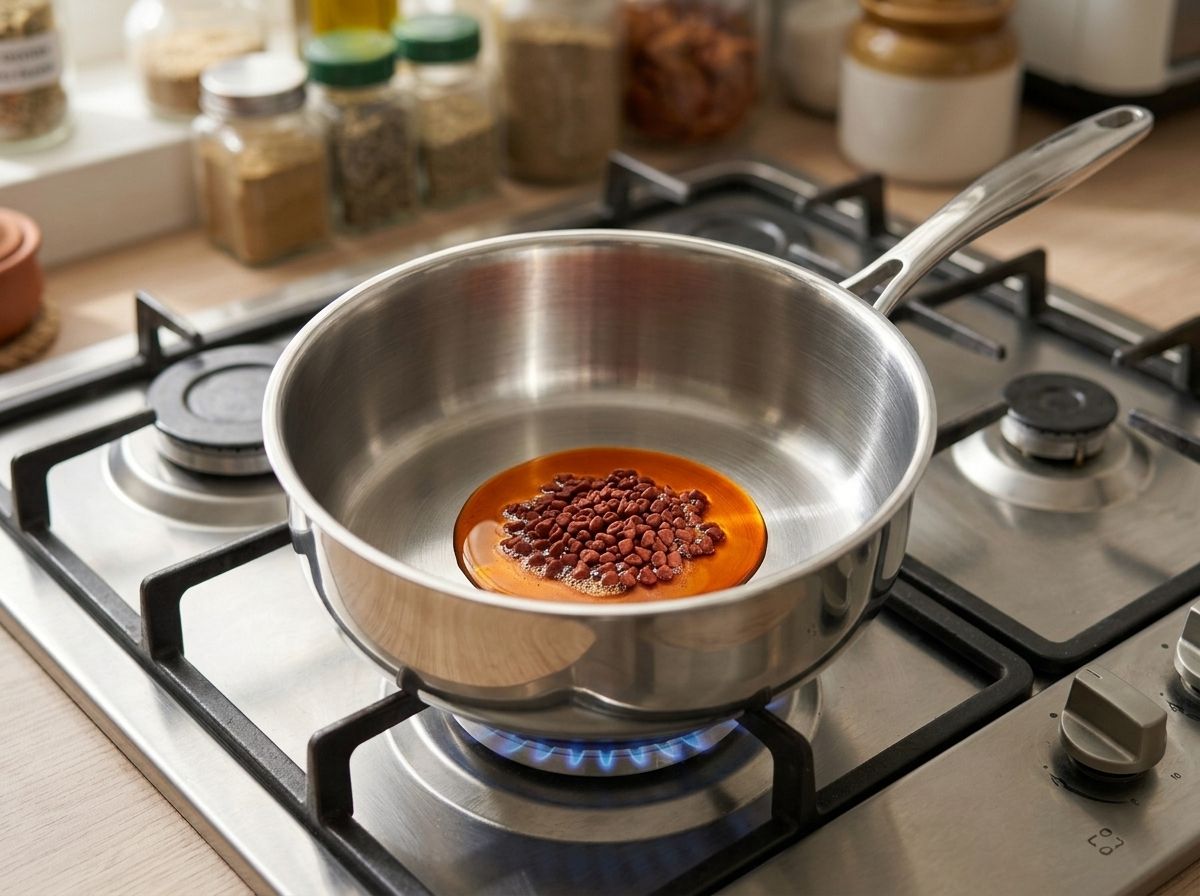
Hạt điều màu, sold as achiote in Latin groceries and as annatto in Southeast Asian ones. Hard brick-red seeds, cheap, and they keep for years. They are what makes the broth that particular orange-red, and they go into warm oil, never hot. Past about 300°F they turn brown and bitter and nothing brings them back. Strain them out afterwards; they color the oil and are not eaten.
Fermented bean curd (chao)
Small jars of pale cubes sitting in cloudy brine, sometimes labeled bean curd, tofu cheese or furu. Buy the plain white kind. The red variety is sweeter, is cured with red yeast rice and will throw the color of the broth off. Two cubes mashed with a spoonful of their brine is all you need, and it is the thing standing in for mắm tôm. It is also doing the job that bottled fish sauce does in other recipes, which is why you will not find any here.
Tamarind
Three different products share this name and they are not interchangeable. Concentrate is thick, near black, and very sour: use half the quantity here. Paste or puree is the loose reddish brown one this recipe is written around. Pulp sold as a compressed block still contains seeds and fiber and has to be soaked in hot water and pushed through a sieve before it is usable. Read the jar before you measure.
Dried shiitake
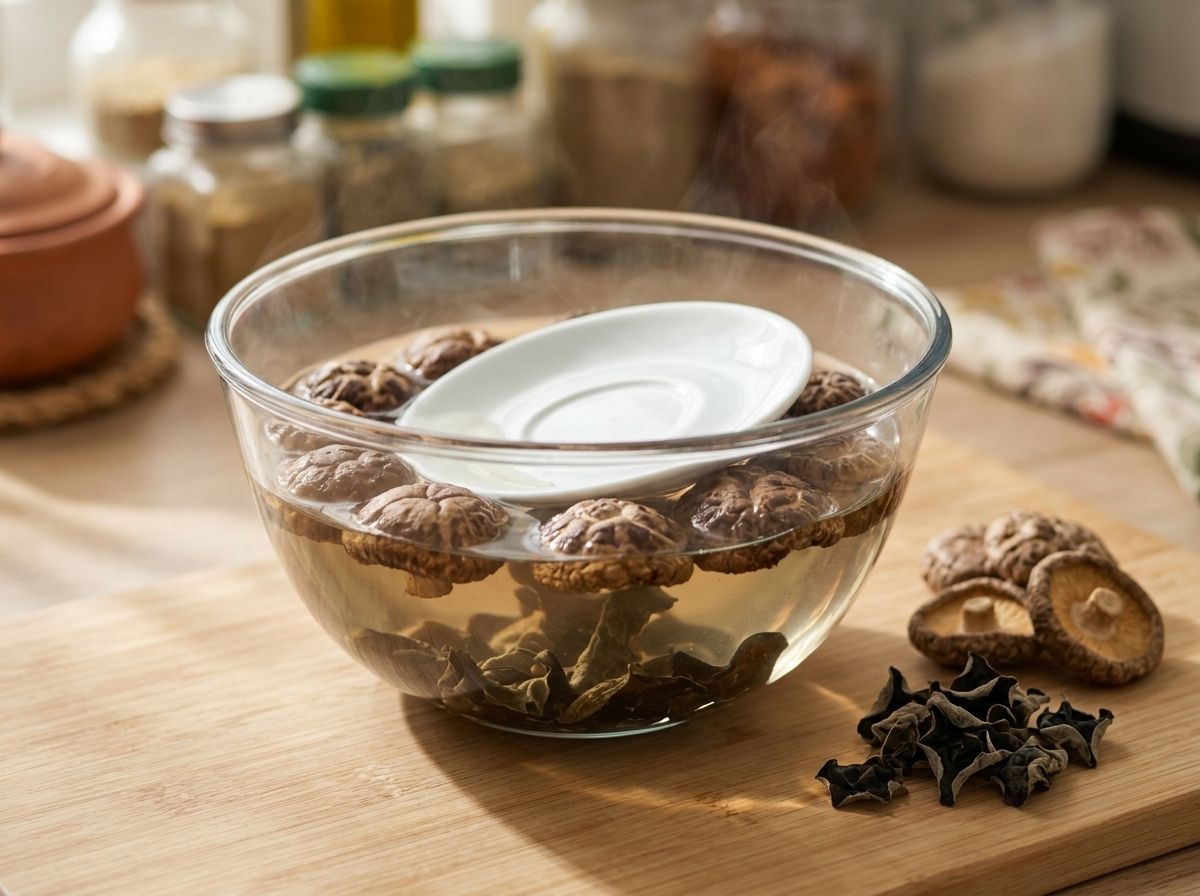
Buy whole caps rather than pre-sliced, which are usually the broken ones. The soaking liquid is half the reason they are here: it carries most of what makes a chay broth taste like it was simmered on something. Pour it into the pot but stop before the last spoonful, which is where the grit settles.
Rice vermicelli (bún)
Round, thin, chalk white, and sold dried in tight bundles. These are not the flat pho noodles and not the hair-thin ones meant for spring rolls. The strands should look like round threads about a millimeter across. Packets are usually labeled bún or simply rice vermicelli.
Vegetarian Bun Rieu
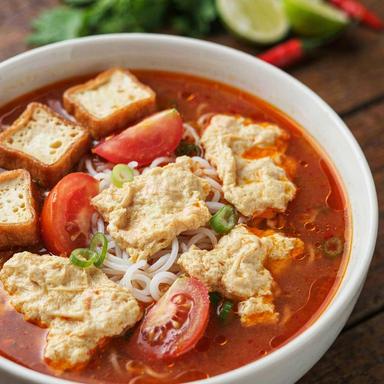
A vegetarian version of Vietnam's sour tomato noodle soup, with riêu curds bound with egg so they set loose and ragged in the broth instead of being steamed into a block.
Ingredients
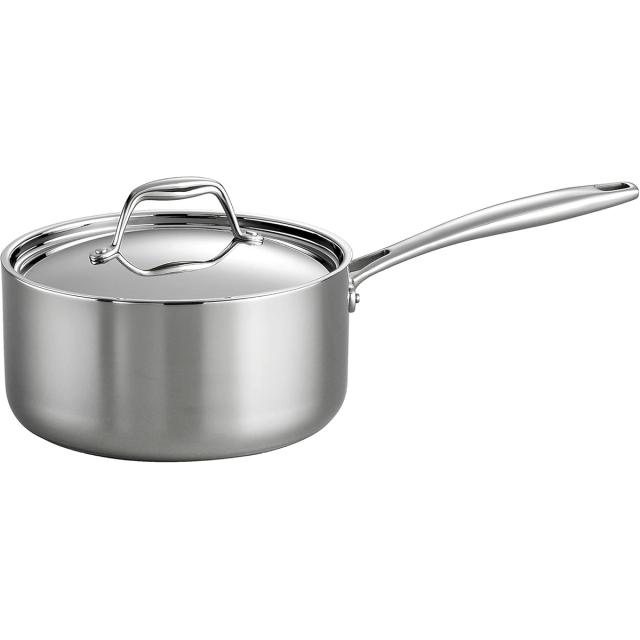
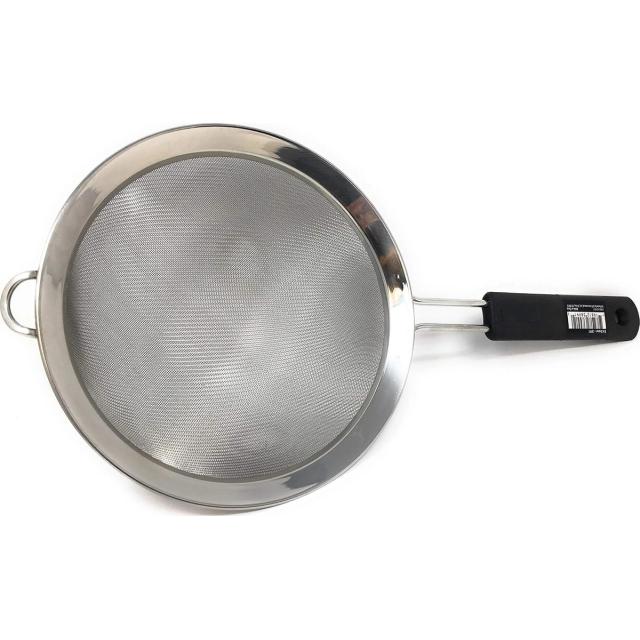
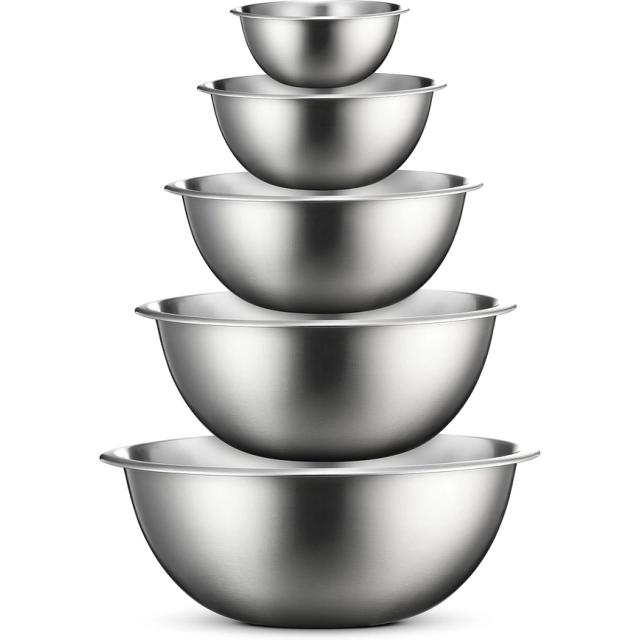
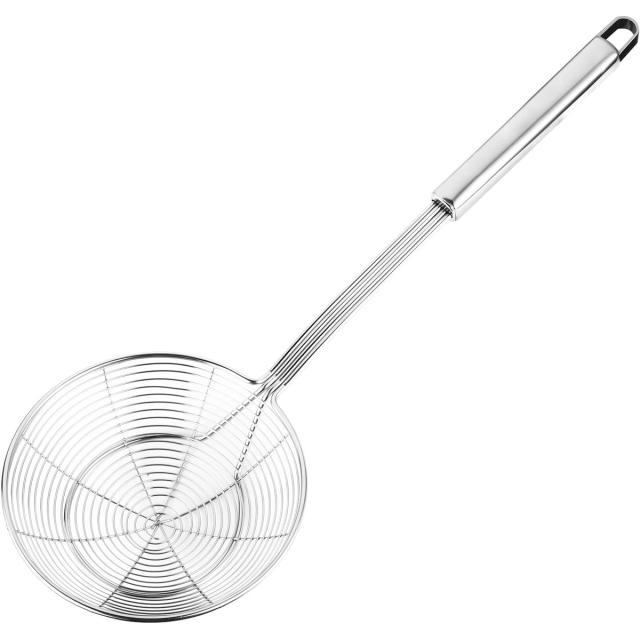
Equipment
As an Amazon Associate I earn from qualifying purchases, at no extra cost to you.
Instructions
- 1
Soak the dried mushrooms
Put the shiitake and the wood ear into a heatproof bowl, pour over 2 cups of just-boiled water and set a saucer on top to keep them under. Leave them for 20 minutes while you get on with everything else. Keep the soaking liquid, it goes into the broth.
- 2
Press the tofu
Wrap the block in a clean kitchen towel, stand it on a plate and weigh it down with something heavy. Leave it for 15 minutes, then squeeze it firmly through the towel until it stops dripping. A 14 ounce block should give up roughly 3 tablespoons of water.
- 3
Bloom the annatto
Warm the oil and the annatto seeds together in a small saucepan over low heat. Once faint bubbles start to collect around the seeds, give it 3 minutes, swirling now and then, until the oil is a deep orange-red. Do not let it get hot enough to smoke or the oil turns brown and bitter. Strain it into a bowl and throw the seeds away.
- 4
Start the broth
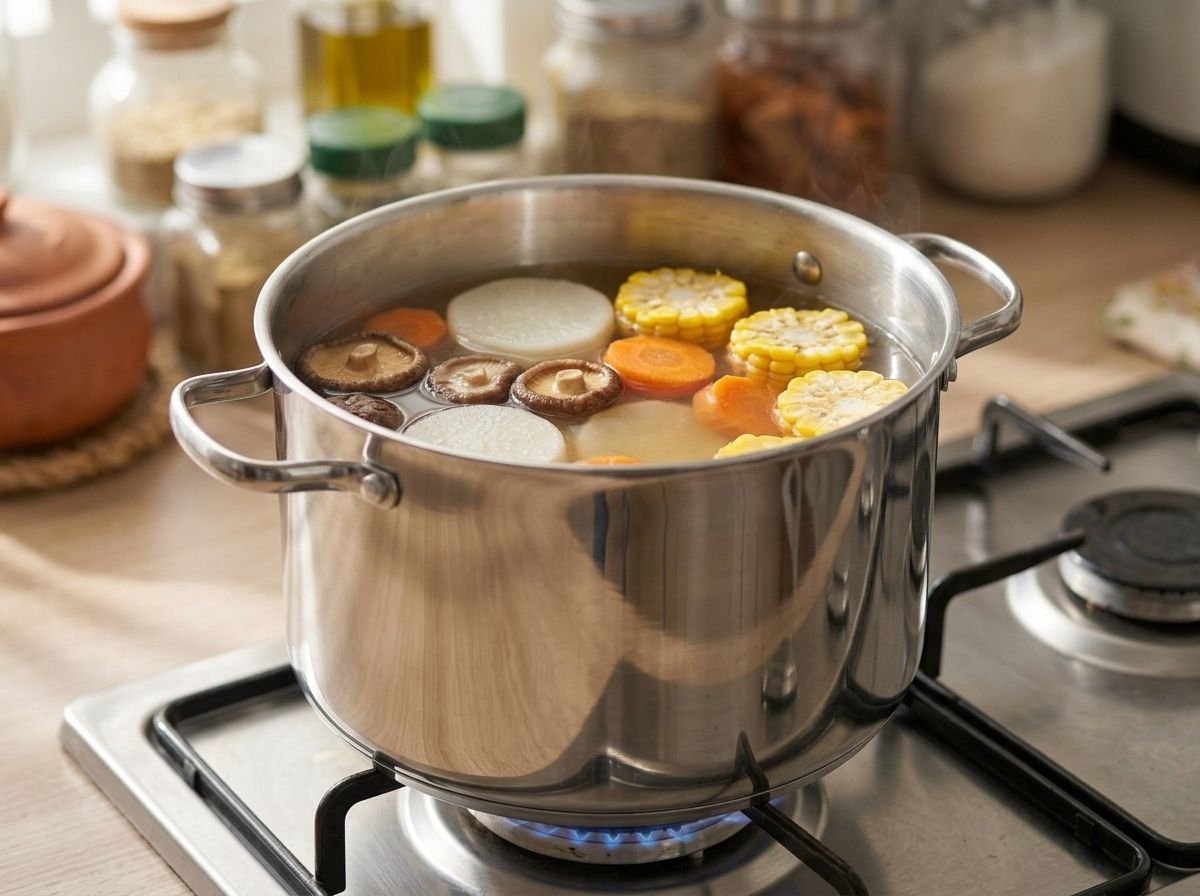
Lift the mushrooms out of their soaking water and squeeze them over the bowl. Slice the shiitake and set the wood ear aside. Put the shiitake, daikon, carrot and corn into a large pot with 8 cups of water, then pour in the soaking liquid, stopping before the last spoonful where the grit has settled. Bring it to a simmer and hold it there for 25 minutes.
- 5
Mix the riêu
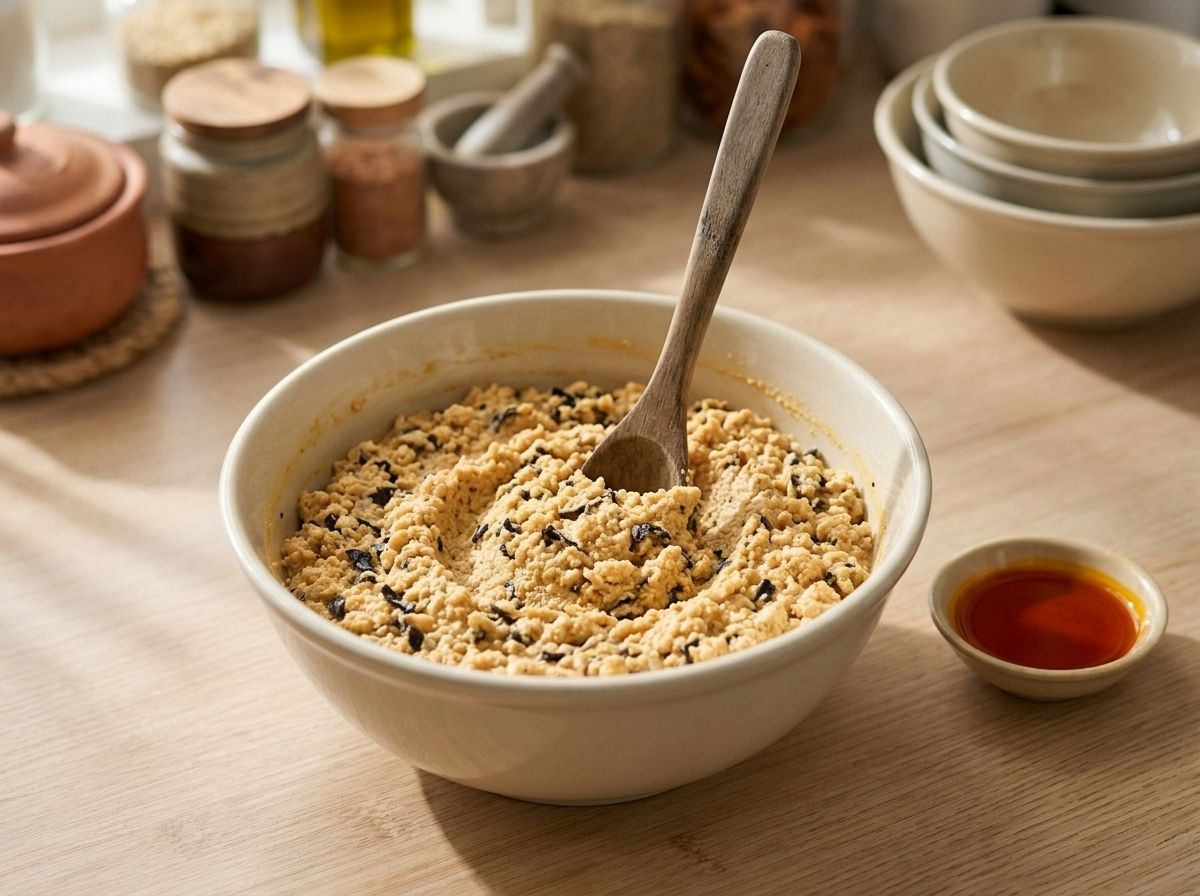
Crumble the pressed tofu into a bowl until it is the texture of couscous with no lumps left. Mince the drained wood ear finely and add it with the shallots, eggs, cornstarch, 1 tablespoon of the annatto oil, the salt, sugar and white pepper. Stir until it is an even, thick paste that holds its shape on a spoon.
- 6
Cook down the tomatoes
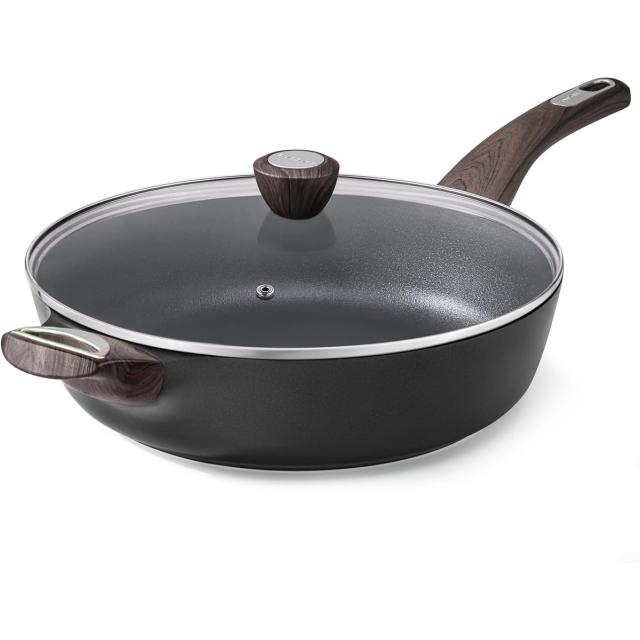
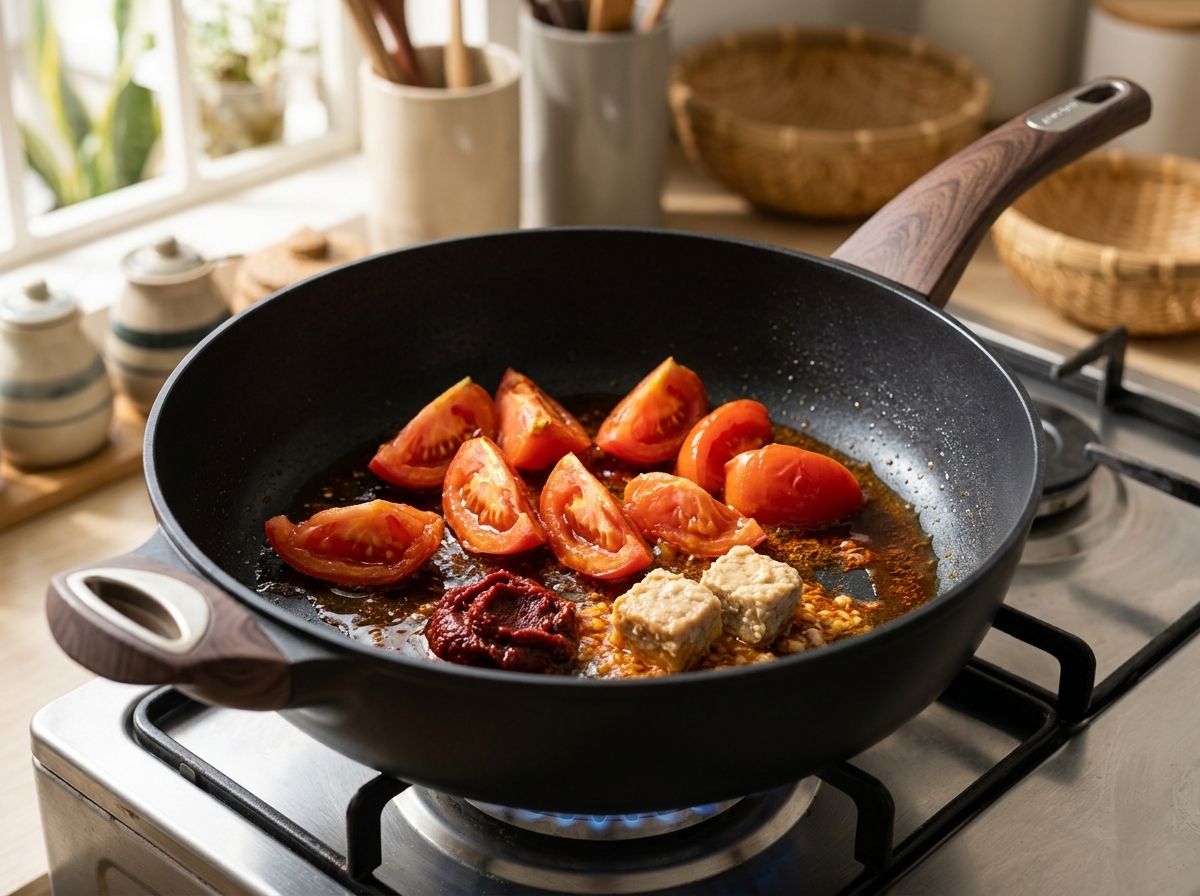
Heat 2 tablespoons of the annatto oil in a skillet over medium heat. Add the tomato wedges and cook for 4 minutes without stirring much, until the skins loosen and they start to slump. Stir in the tomato paste and the mashed chao and cook for 1 minute more, until the paste darkens slightly.
- 7
Season and taste
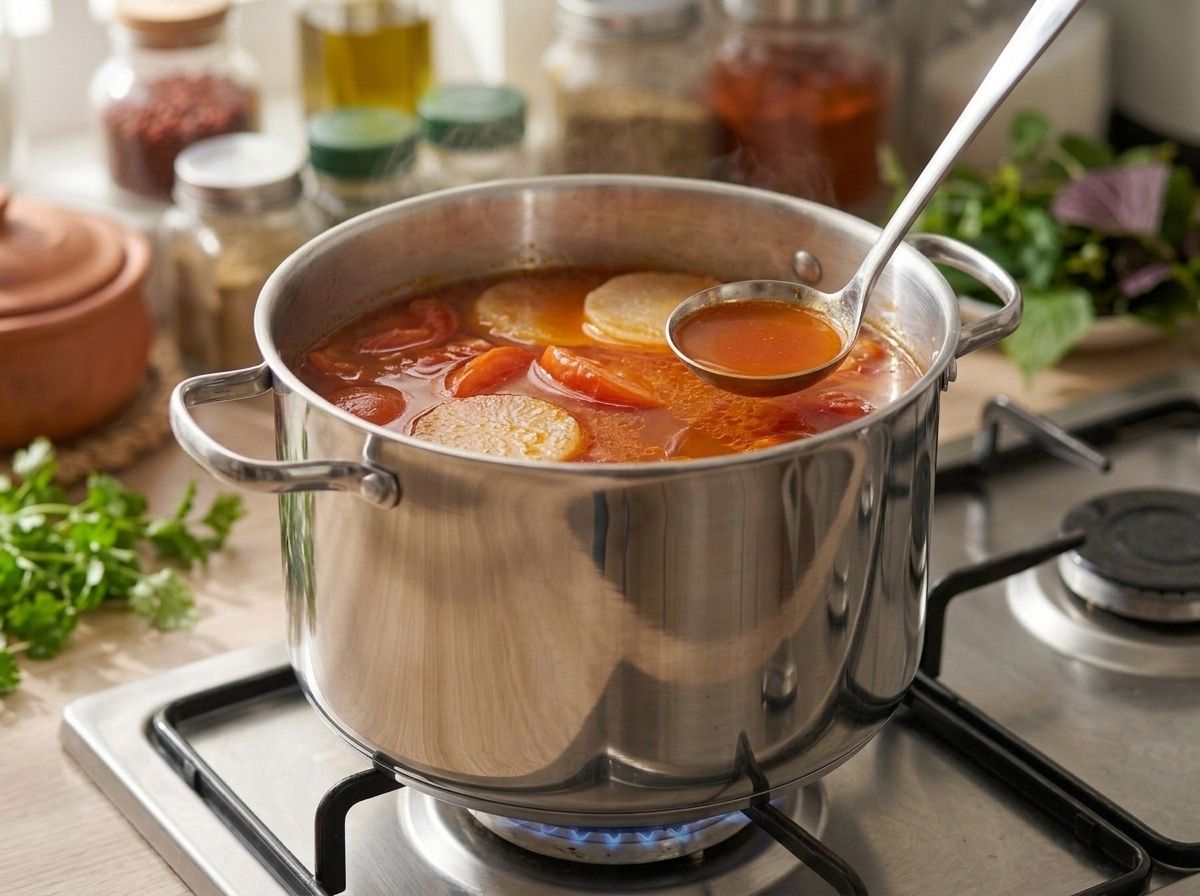
Tip the tomato mixture into the broth along with the tamarind, soy sauce and sugar. Simmer for 3 minutes, then taste. It should be sour enough to make you salivate before it tastes salty. Add the salt now, a little at a time, since soy sauces vary a lot in saltiness.
- 8
Drop in the curds
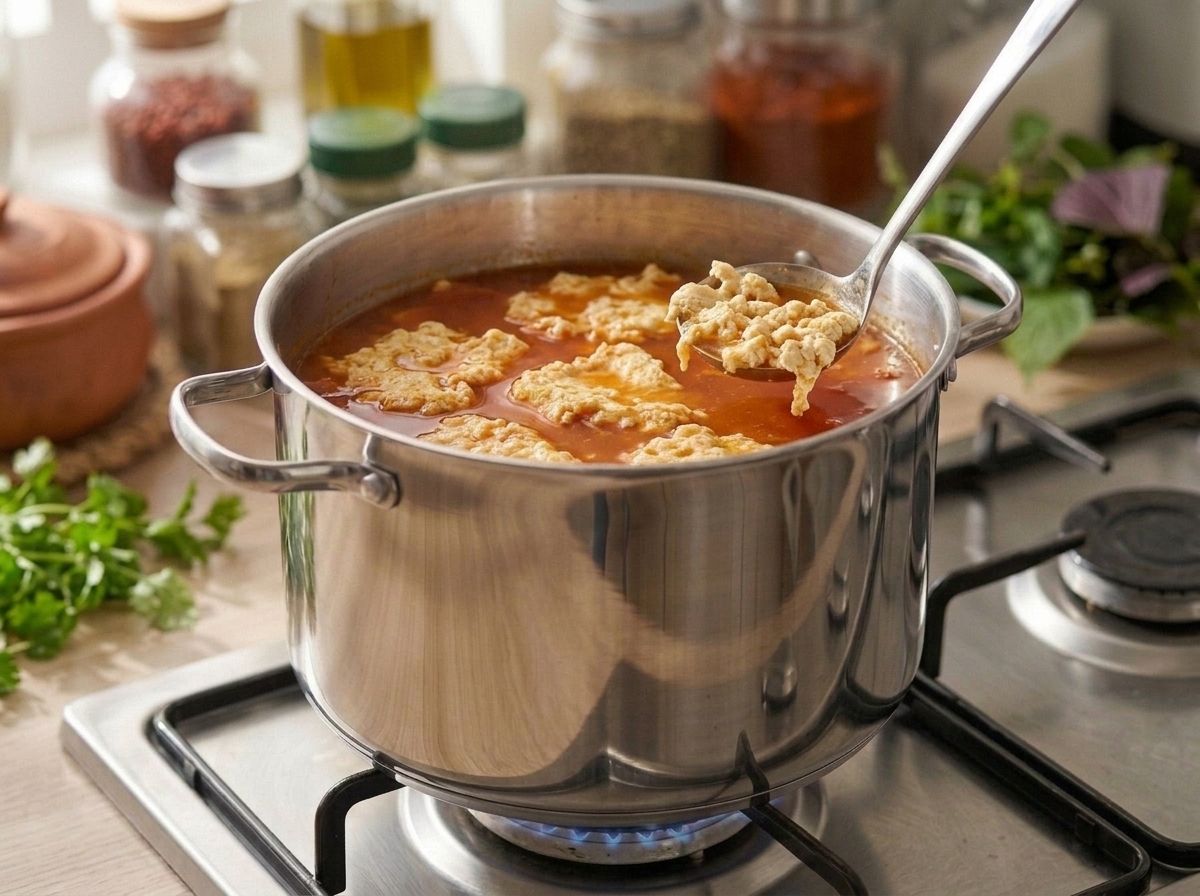
Bring the broth down until the surface is barely trembling, with only the odd bubble at the edge. Scoop rounded tablespoons of the riêu mixture and lower them in one at a time. Now leave the pot completely alone for 5 minutes. Do not stir. The curds set, lift off the bottom and float up on their own when they are ready.
- 9
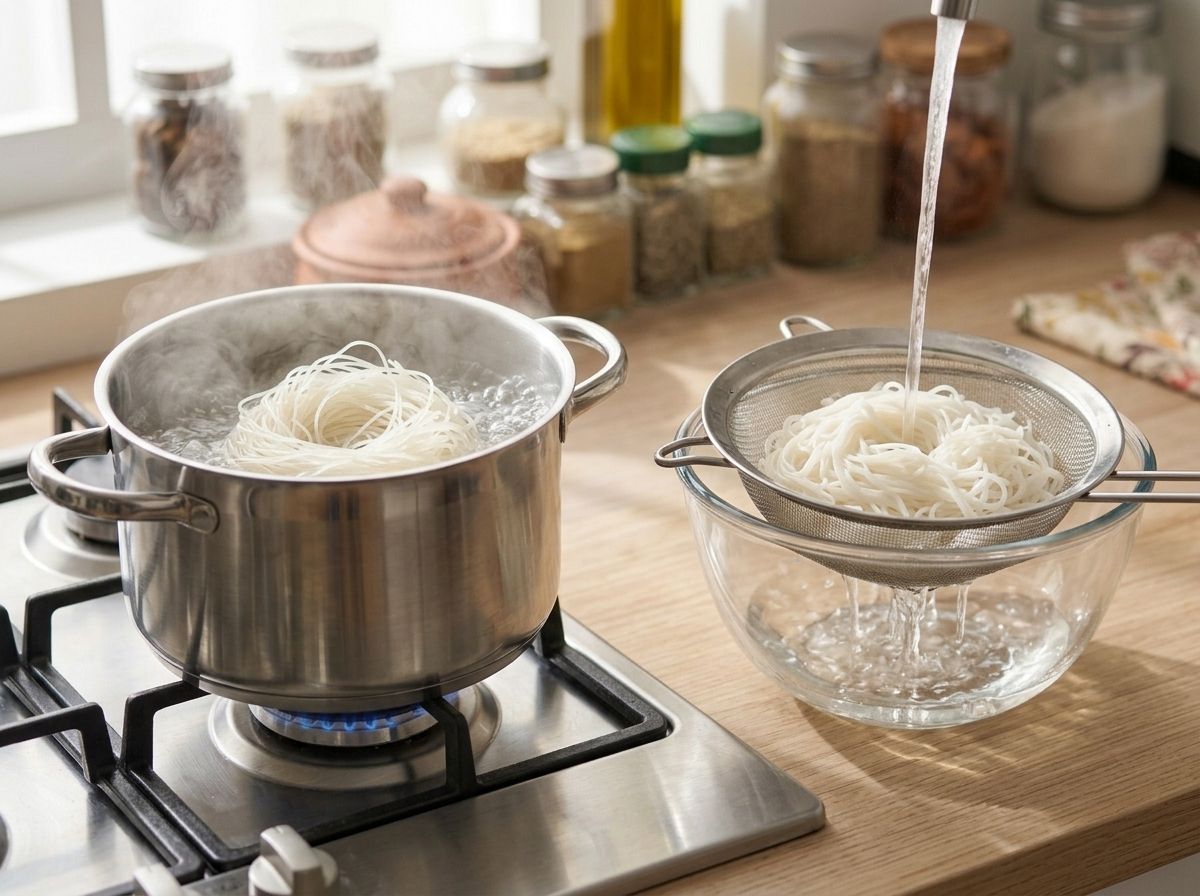
Boil the noodles
Cook the rice vermicelli in a separate pot of boiling water for 5 minutes, until tender with no chalky center. Drain, then run cold water through until it comes out clear. Drain hard and shake the colander out, or they set into a lump.
- 10
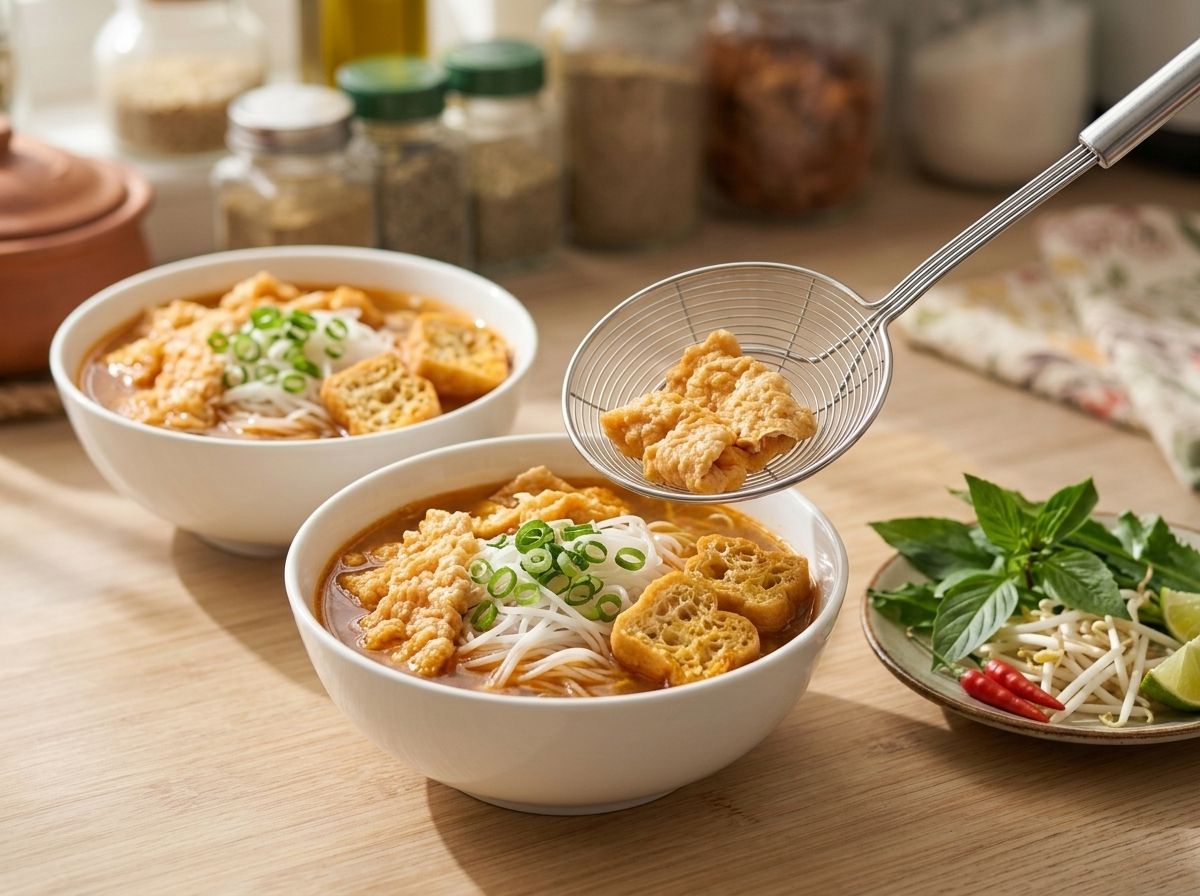
Build the bowls
Divide the noodles among four deep bowls and add the tofu puffs. Ladle the broth over, then lift the riêu across with a slotted spoon so the curds sit on top rather than being stirred through. Scatter over the scallions. Serve with the herbs, bean sprouts, lime and chilies on a plate alongside for everyone to add their own.
Notes
Everything except the riêu and the noodles will sit happily on the stove. Time those two last.
No annatto seeds? Bloom 1 teaspoon of sweet paprika in the oil the same way. You get most of the color and none of the faint peppery note.
Soy sauces vary a lot in saltiness between brands. Taste the broth in step 7 before you add any salt. Tamari works in place of the soy sauce if you are avoiding gluten.
To make your own tofu puffs, cut firm tofu into 1-inch cubes and fry at 350°F until golden and hollow, about 6 minutes.
Nutrition Facts
4 servings · 1317 g per serving
- Calories
- 880 kcal
% Daily Value*
- Total Fat
- 14 g18%
- Saturated Fat
- 2.9 g14%
- Sodium
- 2405 mg105%
- Total Carbohydrate
- 168.2 g61%
- Dietary Fiber
- 18.1 g65%
- Sugars
- 44.2 g—
- Protein
- 31.2 g62%
Recipe from veggierecipes.blog
When it goes wrong
Troubleshooting
My riêu dissolved into the broth
The broth was boiling. Egg has to set gently, and at a rolling boil the curds are torn apart before they can knit together. Bring the pot down until the surface only trembles, with the odd bubble at the edge, then drop the spoonfuls in and leave them completely alone for five minutes. The other cause is stirring. Every stir before they float breaks curds that were most of the way to holding.
The curds came out rubbery and bouncy
Either too much egg for the amount of tofu, or they cooked too long. Stick to 3 large eggs per 14 ounces of pressed tofu; if you added a fourth as insurance, this is what insurance costs. And once the curds float they are done. Another five minutes in the pot tightens them into something with the texture of a hard-boiled white.
The broth went cloudy and murky
Two possible causes and both are about agitation. Either the riêu was stirred while it was still setting, which sheds raw egg into the liquid, or the vegetables were boiled hard instead of simmered, which breaks them down into the broth. Keep the whole pot at a lazy simmer from the moment the vegetables go in.
It just tastes like tomato soup
The funk and the sour are missing. Bún riêu is a sour soup first, and if you left out the tamarind or the chao, or halved them because they smelled strong in the jar, tomato is all that is left to carry the bowl. Both of them smell far more assertive than they taste. Add tamarind a teaspoon at a time until the broth makes you salivate, then add the chao and give it two minutes before you judge it.
There is orange oil pooling on the surface
That is the dish, not a fault. Annatto oil is meant to sit on top in a bright slick, it is how a bowl of bún riêu is recognized on sight in Vietnam, and it carries the color and the aroma up to you as you eat. Stirring it in dulls the broth to a flat pink. If a bowl genuinely reads as too rich, hold back a tablespoon of the annatto oil next time rather than skimming this one.
The noodles stuck together in one lump
They were not rinsed. Bún sheds a great deal of starch as it boils and that starch sets into glue the moment it cools. Drain them, run cold water through until it comes out clear, then drain hard and shake the colander out. They also should not sit around: cook them in the last five minutes and build the bowls straight away.
Before you serve
Serving & Storage
A bowl of bún riêu arrives unfinished on purpose. The kitchen gives you noodles, broth, riêu and tofu puffs, and the plate of herbs, bean sprouts, lime and chili set down beside it is yours to work through a handful at a time, so that the last mouthful does not taste like the first. Vietnamese diners tear the herbs in rather than laying them on top, and they add lime late, after tasting, because the broth arrived sour already.
Of the herbs, perilla matters most. Tía tô, purple on the underside, tasting of mint and anise at once, is the one that makes the bowl smell like bún riêu rather than like soup. Vietnamese balm, kinh giới, comes next. If your shop has neither, mint and cilantro will do the job without doing it well. A small dish of chao mashed with chili and lime on the side is the chay answer to the saucer of mắm tôm that comes with the crab version.
Making it ahead
The broth is better on the second day and it is the one part genuinely worth making in advance. Cook through step 7, cool it, and keep it up to 4 days in the fridge or 3 months in the freezer. Reheat it gently and make everything else fresh.
The riêu does not make ahead, in either direction. Cooked curds weep water overnight and turn dense and slightly rubbery on reheating. Raw mixture separates within a few hours, because the tofu keeps releasing water into it and the cornstarch settles out. Mix it and cook it inside about thirty minutes. Noodles are the same story: they belong in the last five minutes and nowhere earlier.
Storing leftovers
Store the parts separately, always. Broth and riêu together in one container, noodles in another, and the herbs not at all. Three days in the fridge is the limit. Never keep an assembled bowl: bún sitting in warm broth goes on drinking it, and by morning the noodles are bloated and soft and half the liquid is gone.
To reheat, bring the broth to a bare simmer and slip the riêu in for the last minute only. Boiling the curds a second time is what turns them tough. The broth freezes well; the riêu does not, so if you are freezing a batch, freeze the broth alone and make fresh curds on the day.
Still wondering
Frequently Asked Questions
Is this vegan?
No, and the egg is doing structural work rather than sitting there for richness. It is what sets the riêu into curds that survive the broth. Without it a tofu mixture will not knit together, which is exactly why vegan bún riêu recipes steam the mixture into a firm block and cut it into cubes. If you want a vegan version, take that route deliberately: bind the tofu with 3 tablespoons of cornstarch instead of the eggs, steam it in a shallow dish for 15 minutes, cool it completely so it firms, then cut it into cubes and add them in the last two minutes. Everything else in the recipe is already vegan.
What is the difference between bun rieu and bun bo hue?
They are both Vietnamese noodle soups built on round rice noodles and that is roughly where the overlap stops. Bún riêu is northern, tomato red, soured with tamarind, and defined by the floating curd it is named after. Bún bò Huế comes from the old imperial capital in central Vietnam and is built on lemongrass and chili, colored with annatto rather than tomato, and far hotter than bún riêu ever gets. Its noodles are noticeably thicker too, closer to spaghetti than to vermicelli. If you have had one and are expecting the other, the tomato is the first thing that will surprise you.
Can I double this for a crowd?
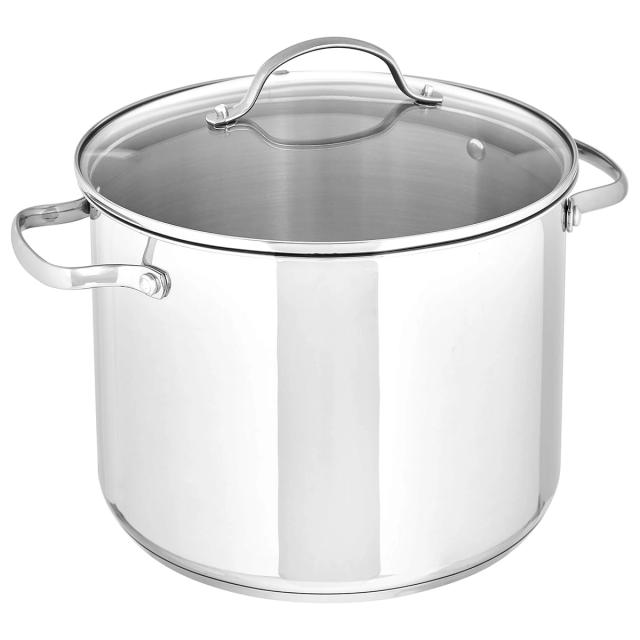
Yes, with one change to the method. Double everything, but cook the riêu in two batches. The curds set because the broth is holding a steady bare simmer, and dropping twice as many cold spoonfuls in at once pulls the temperature down far enough that they slump before they can set. Do half, lift them out with a slotted spoon once they float, bring the broth back up, then do the rest. A doubled batch needs a 12 quart pot and serves eight.
More Asian Noodle Bowls To Try
Made this?