
Vegan Ramen Recipe
Published · Updated
Aromatic vegan ramen loaded with tender veggies, chewy noodles, and a savory umami-rich broth. Cozy, nourishing, and irresistibly delicious.
Jump To Recipe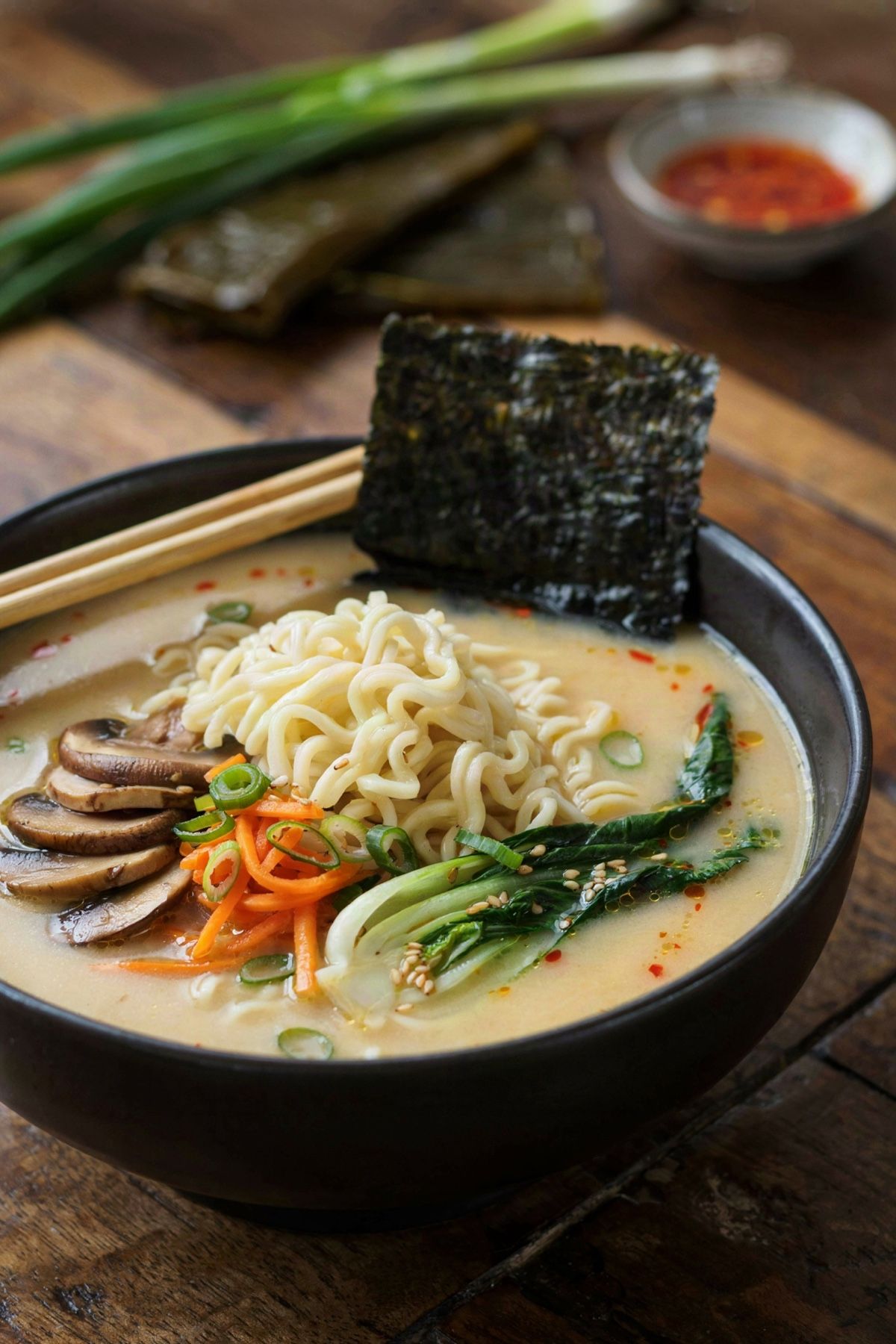
Why I Keep Coming Back to This Vegan Ramen
There’s something special about a steaming bowl of ramen, especially when it’s this easy, plant-based, and full of flavor. I love the deep aroma of garlic and ginger hitting the hot oil, and the toasted sesame that goes in right at the end. Plus the satisfaction of customizing every bowl with different vegetables and toppings.
What I enjoy most about this dish:
- Customizable toppings: every bowl is different
- Satisfying umami broth, all from plants and no shortcuts
- Quick to make: weeknight friendly, no fancy skills required
Honestly, the ritual of slurping noodles and diving into all those vibrant vegetables can’t be beat. A bowl of this vegan ramen resets my mood and fills me up like nothing else.
If you’re after something simple yet soul-satisfying, this bowl is always my answer.
The story
Vegan Ramen Is Younger Than Instant Ramen
Japan has had a fully plant-based cuisine since the Kamakura period. Shojin ryori arrived with Zen Buddhism, and the Zen master Dogen wrote its founding text, Tenzo Kyokun, or Instructions for the Cook, in 1237. Monastery kitchens have cooked without meat, fish, eggs or dairy ever since. Eight hundred years of vegan technique, and none of it produced a bowl of ramen.
Part of that is chronology. Ramen is not an old Japanese dish. It arrived as Chinese wheat noodles in soup, sold around Yokohama's Chinatown at the turn of the twentieth century, and was still called shina soba, Chinese soba, for decades. By the time ramen existed the temple kitchens had six hundred years behind them, and ramen was street food built on pork and chicken bones.
The deeper reason is a rule. Shojin ryori excludes the gokun, the five pungent roots: garlic, onion, green onion, chives and shallots. The teaching is that they stir up desire and anger and blunt the clarity the cooking is meant to serve. So the ingredients doing the most work below, the garlic in the aromatics and the green onion over the top, are the ones a temple cook may not touch. Japan's oldest vegan cuisine and the modern vegan ramen bowl barely share a shopping list. Ginger, for what it is worth, is permitted.
Vegan ramen as a restaurant dish is recent enough to date precisely. Masako Shimokawa opened T's Restaurant in Jiyugaoka, Tokyo, in 2009, and the vegan tantanmen developed there moved into Tokyo Station as T's Tantan in September 2011. It is usually named as Japan's first dedicated vegan ramen shop. Momofuku Ando had invented instant ramen fifty-three years earlier, in 1958. The category stayed small until the run-up to the 2020 Olympics, when Tokyo worked out how many arriving visitors would not eat a pork broth.
So there is no ancient authority to appeal to here, which is freeing. What the temple kitchens did leave is the technique that makes this bowl work: kombu and dried shiitake, the pair shojin cooks used to build depth without a single animal product. You are not making a Buddhist dish. You are borrowing its stock.
What to buy
Ingredient Notes
Kombu
Dried kelp, sold in stiff sheets with a chalky white bloom on the surface. Leave the bloom alone, it is mannitol and much of the flavor sits in it. Kombu is about the richest common food source of glutamate on earth and gives the broth a savory backbone that vegetable stock cannot reach on its own. Never boil it: above a bare simmer it turns the liquid slippery and faintly bitter. If you cannot find any, double the dried shiitake and accept about two thirds of the result.
Dried shiitake mushrooms
Not a stand-in for the fresh ones, they do a different job. Drying ruptures the cells and breaks the mushroom's RNA down into guanylate, which a fresh shiitake carries far less of. Glutamate and guanylate together taste several times more savory than either alone, and that synergy is why kombu plus dried shiitake is the standard vegan stock in Japan. It is also how 15 g of a dry ingredient changes this broth so much. Soak them, slice the caps, put them back in the bowl as a topping.
Miso
White (shiro) or awase, the blended kind, not red. Red is fermented longer and shoves the kombu into the background. Buy it refrigerated where you can, then check the tub for dashi, because plenty of supermarket miso soup pastes have bonito blended in, which quietly makes the bowl neither vegan nor vegetarian.
Ramen noodles
The word “pack” hides a lot. An instant brick is one portion at around 85 g, while a pack of fresh ramen from the refrigerated aisle is often two at 130 g each. Weigh instead: 90 g dried or 130 g fresh per person. Throw away the seasoning sachet, which is usually not vegetarian and which the tare makes redundant. Soba or udon will feed you, but you will be eating a different dish.
Soy sauce and mirin
Japanese shoyu rather than Chinese dark soy, which is thicker and more molasses-like; tamari swaps in one for one. The mirin is a single tablespoon and it is not decoration, because that bit of sweetness is what keeps a salty tare from tasting like nothing but salt. Dry sherry with a pinch of sugar is the closest substitute.
Low-sodium vegetable broth
The tare does the seasoning, so the liquid under it wants to be close to unseasoned. Even with a low-sodium carton this lands near 2,000 mg of sodium a serving, which is simply what ramen is; a restaurant bowl often runs to twice that. A standard salted broth on top pushes it somewhere unpleasant. To bring it down, drop the soy sauce to 1 tablespoon and let people add more at the table.
Nori
The cheapest thing on the list and the one that does most to make the bowl read as ramen rather than noodle soup. Tuck a half sheet against the inside of the bowl with its bottom edge in the broth, and eat it in the first couple of minutes, before it goes to slime.
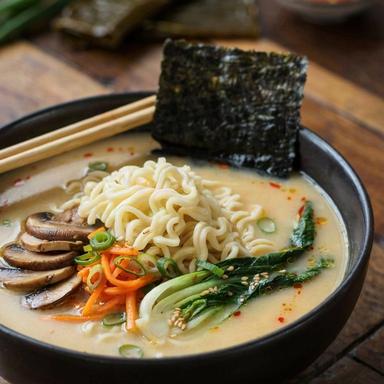
Flavorful Vegan Ramen
Vegan ramen built the way a ramen shop builds it: a kombu and shiitake broth, a miso tare whisked in the bowl, and toasted sesame oil that never sees the pan.
Ingredients
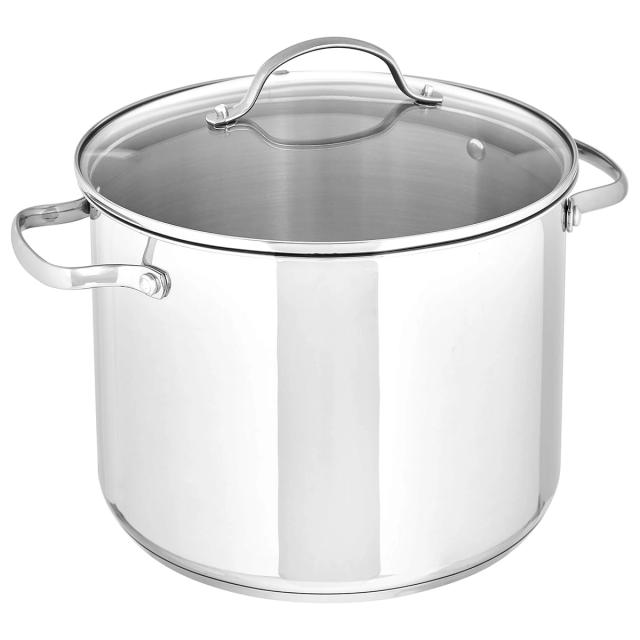
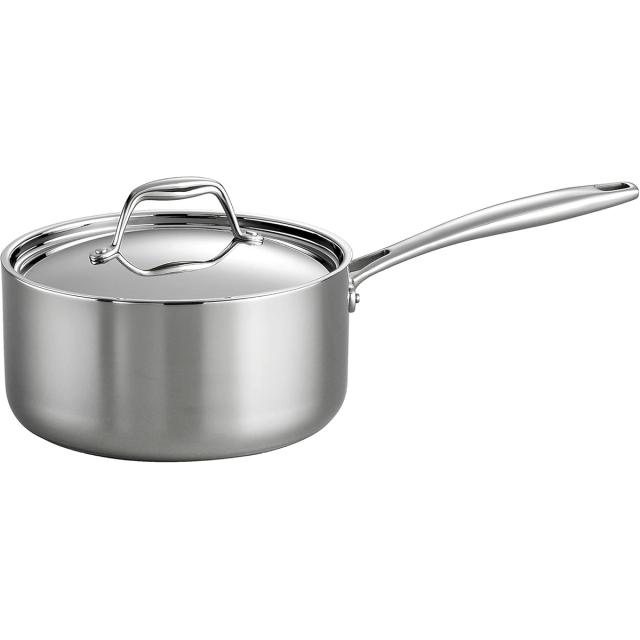
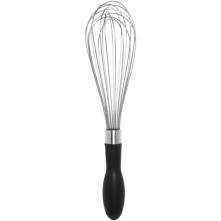
Equipment
As an Amazon Associate I earn from qualifying purchases, at no extra cost to you.
Instructions
- 1
Fry the aromatics
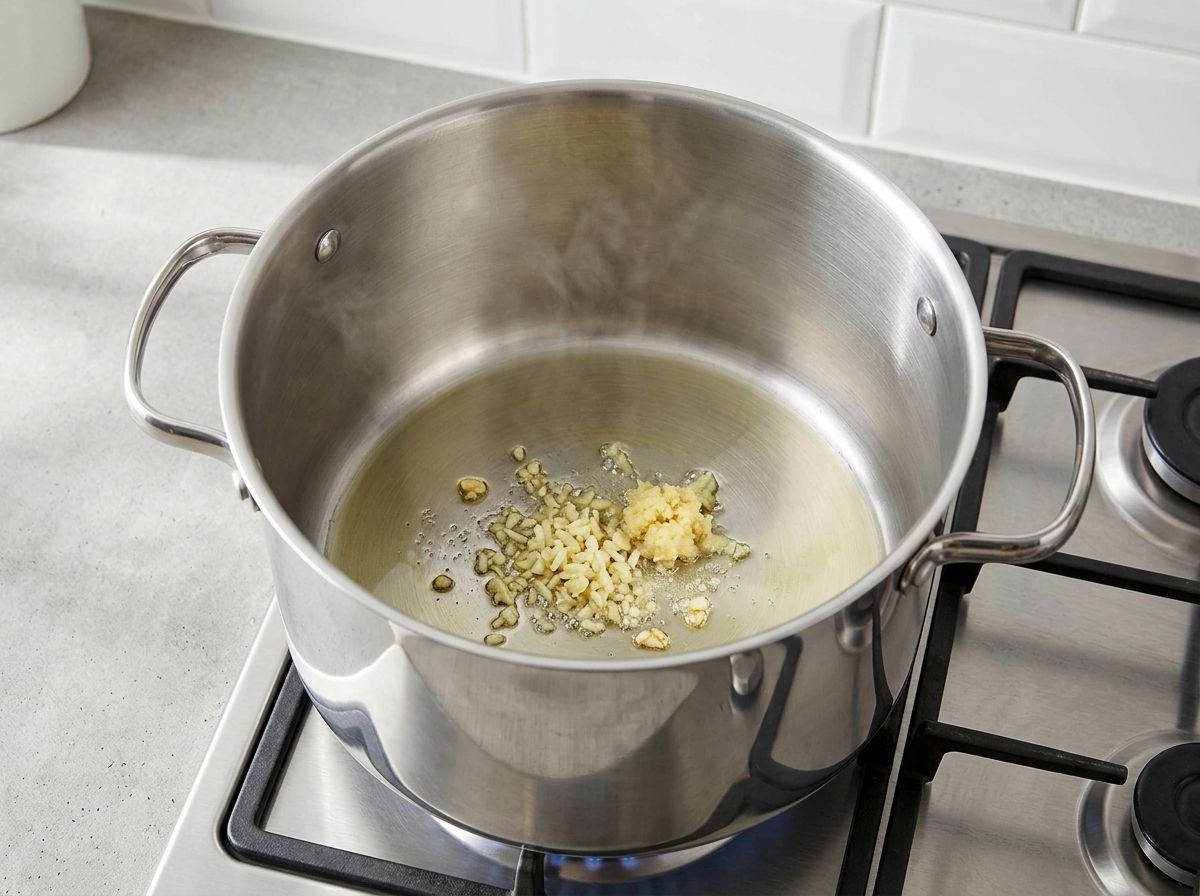
Heat the neutral oil in a large pot over medium heat. Add the garlic and ginger and cook for about a minute, until they smell sweet and are barely golden. Keep the toasted sesame oil out of this pan. It scorches at frying heat, and its aroma is what you want at the end rather than the beginning.
- 2
Steep the kombu and shiitake
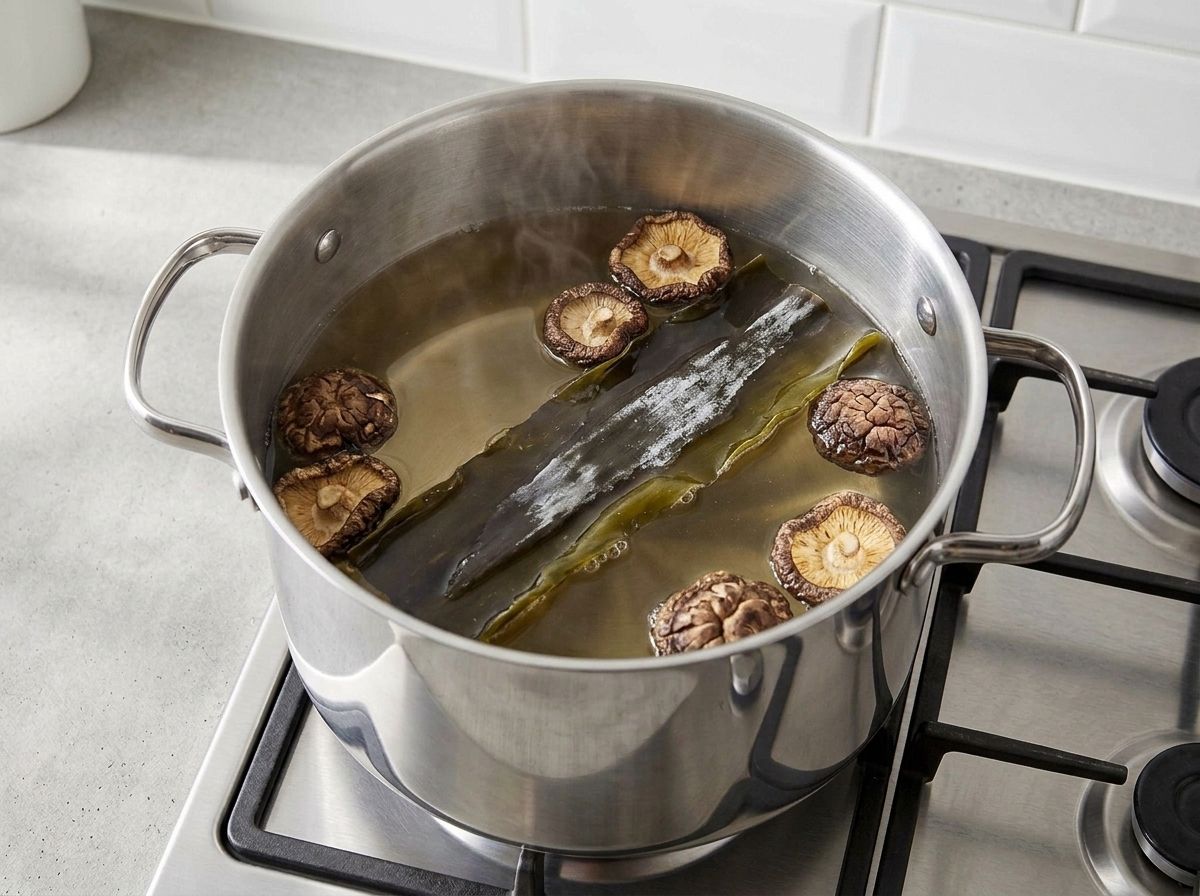
Pour in the vegetable broth and water, then add the kombu and the dried shiitake. Bring it up until it steams and small bubbles cling to the sides of the pot, then take it off the heat before it reaches a simmer, cover it, and leave it for 15 minutes. Do not let it boil. Prep the vegetables while it steeps.
- 3
Whisk the tare
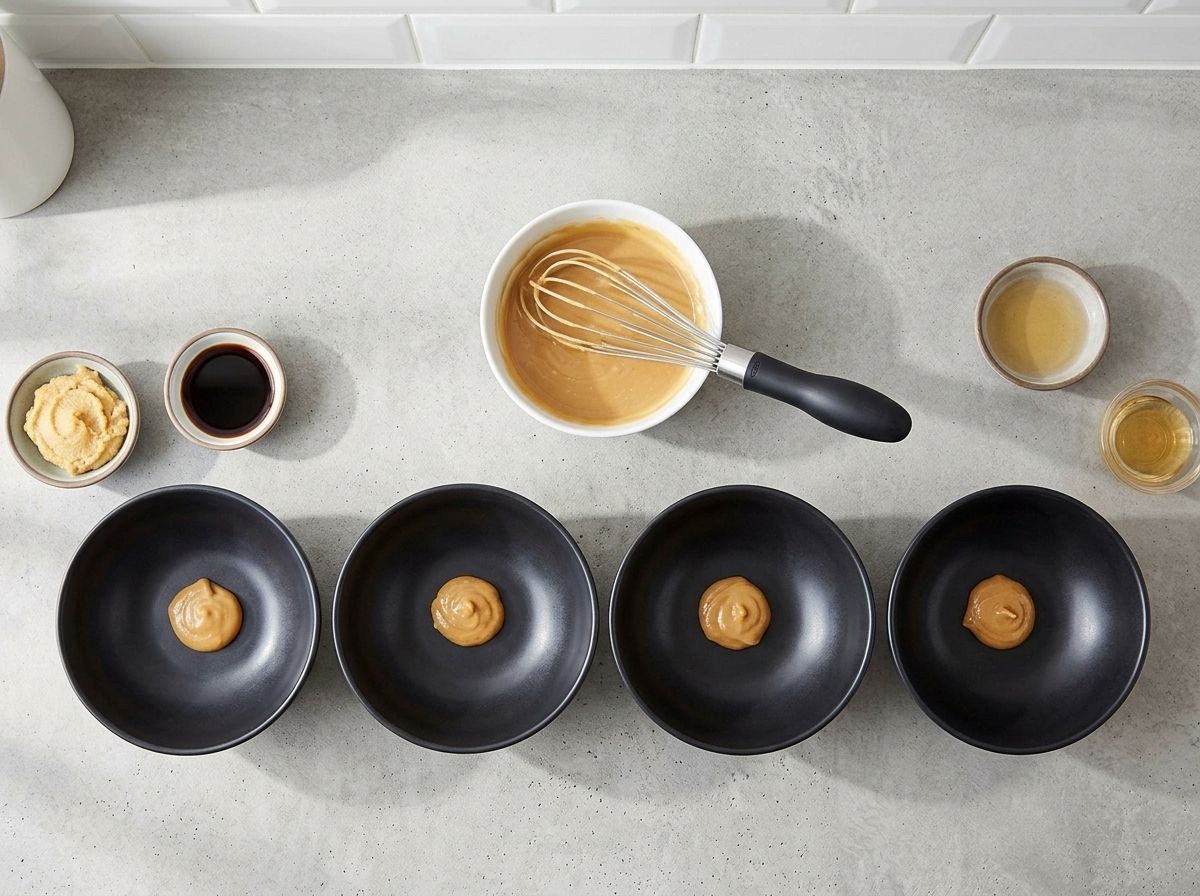
In a small bowl, whisk the miso, soy sauce, mirin and toasted sesame oil into a smooth paste. Divide it between four deep serving bowls, about 2 tablespoons in each. This is the seasoning for the whole dish and it never goes into the pot.
- 4
Simmer the vegetables
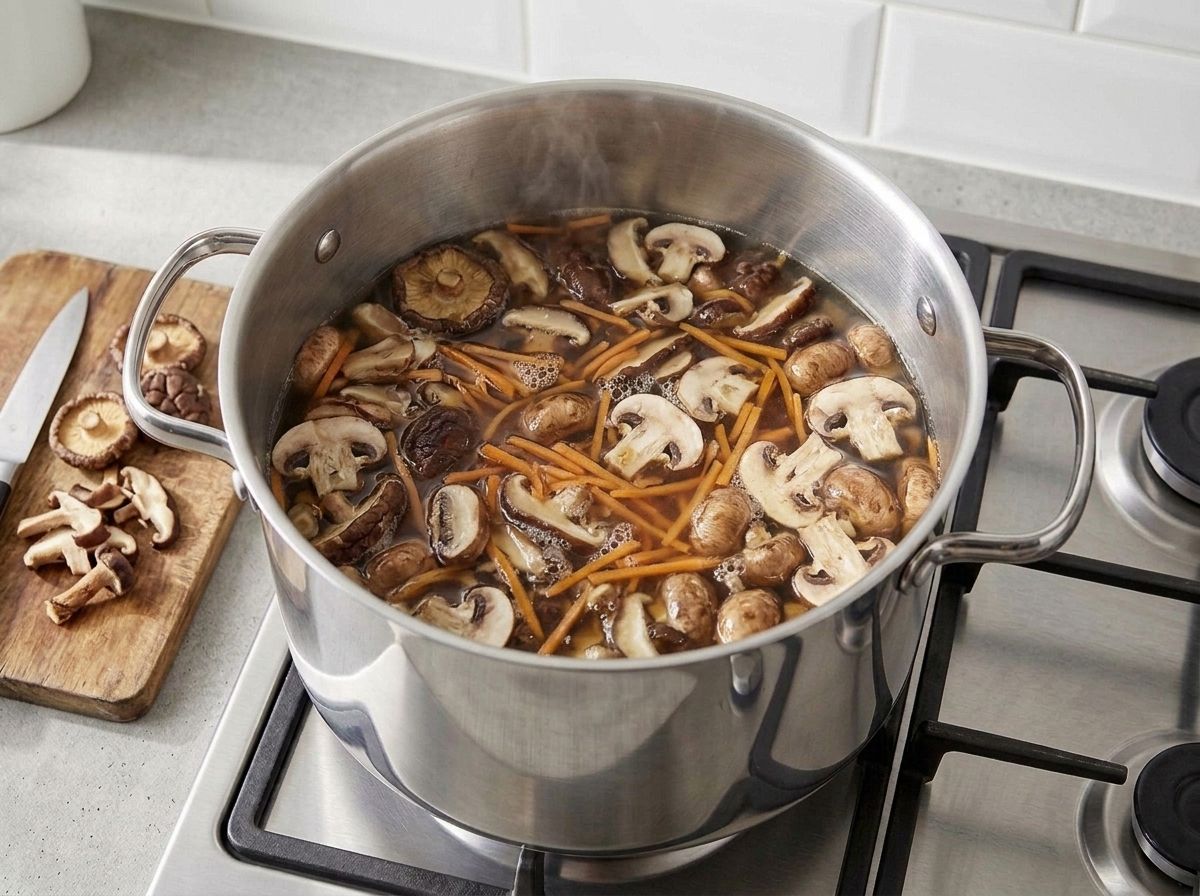
Lift the kombu out of the broth and discard it. Fish out the soaked shiitake, squeeze the liquid back into the pot, cut off the woody stems and slice the caps. Return the sliced caps to the pot with the fresh mushrooms and the carrot, bring it to a gentle simmer and cook for 5 minutes, until the mushrooms are tender and the carrot still has some bite.
- 5
Blanch the greens, then boil the noodles
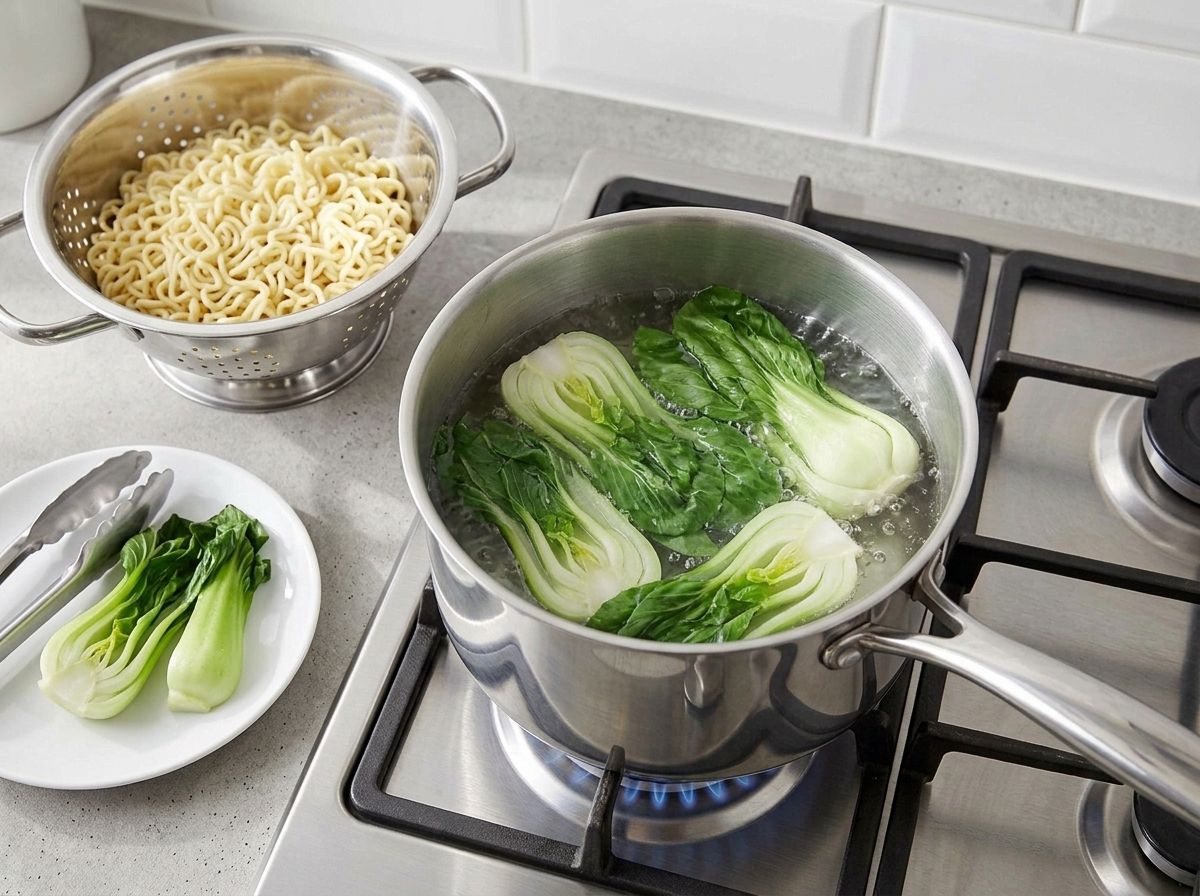
Bring a saucepan of water to a boil. Put the bok choy in cut side down for 2 minutes, until the stems bend without snapping, and lift it out with tongs. Cook the noodles in the same water, usually 2 to 3 minutes, and drain them hard. Shake the colander until they stop dripping, because the water the noodles carry in waters down the broth.
- 6
Build the bowls
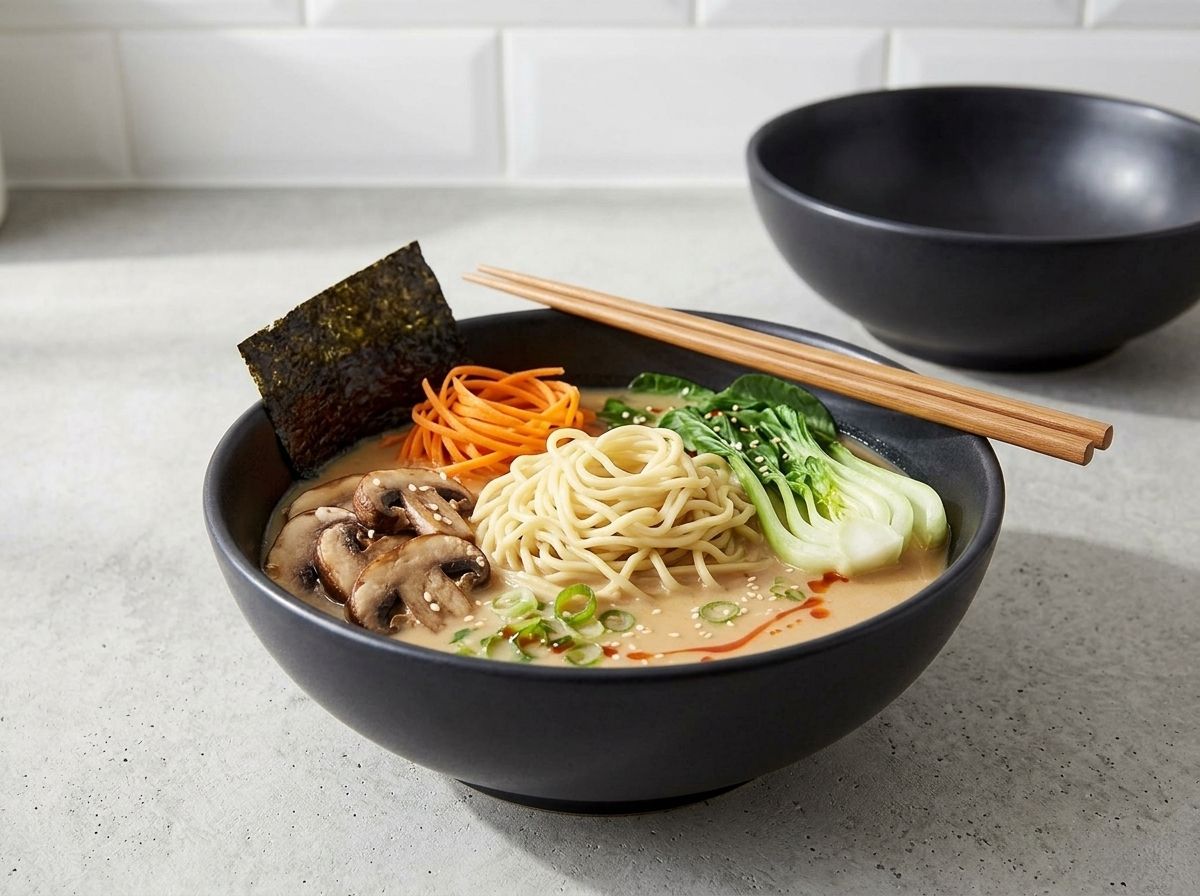
Ladle the hot broth into the bowls, about a quarter of the pot each, and whisk until the tare dissolves and the broth turns opaque. Add the noodles, then arrange the mushrooms, carrot and bok choy on top. Finish with green onion, a piece of nori tucked against the rim, sesame seeds and chili oil. Serve straight away, because the noodles keep softening in the hot broth.
Notes
Cook the noodles last and get them into the bowls straight from the pot. Ramen noodles keep cooking in their own heat, so a batch drained and left to wait while you finish the broth reaches the table overcooked.
The tare belongs in the bowl, not the pot. Miso held at a simmer loses its sweetness and its aroma and settles into one flat salty note.
Use low-sodium broth. The tare already carries about 2 tablespoons of miso and soy sauce per bowl, and a salted broth on top of that is too much.
Add pan-fried tofu, edamame or sweet corn for extra protein and bulk.
Nutrition Facts
4 servings · 529 g per serving
- Calories
- 390 kcal
% Daily Value*
- Total Fat
- 19.5 g25%
- Saturated Fat
- 4.8 g24%
- Sodium
- 2070 mg90%
- Total Carbohydrate
- 45.5 g17%
- Dietary Fiber
- 4.7 g17%
- Sugars
- 5.8 g—
- Protein
- 11.2 g22%
Recipe from veggierecipes.blog
When it goes wrong
Troubleshooting
The broth tastes like vegetable soup with noodles in it
Almost always the seasoning, not the stock. Ramen is seasoned in the bowl and the ratio is far higher than people expect: about 2 tablespoons of tare per serving, roughly 30 ml of concentrated salty paste into 350 ml of soup. Most quick recipes call for a tablespoon of miso and one of soy sauce across four servings, around an eighth of what a shop uses, and thin broth is the inevitable result. If yours still reads flat, whisk another teaspoon of miso into your own bowl before blaming the stock.
My miso broth went grainy and lost its sweetness
It was boiled. Miso is a live ferment and it gets finished rather than cooked. Held at a simmer it separates into gritty specks and sheds the sweetness that makes it worth using, leaving one flat salty note. That is the whole reason the tare goes into the bowl and the broth is poured onto it. Once it has happened it will not come back, though a fresh teaspoon whisked in off the heat patches it.
The noodles were mushy by the time I sat down
Ramen noodles hold enough heat to keep cooking after they leave the water, and they do it twice: in the colander, then again in the broth. Cook them last, after the tare and the toppings are already waiting in the bowls, and pull them about 30 seconds before the package says. If people are arriving at different times, boil the noodles per person rather than all at once.
The broth came out cloudy and slightly bitter
The kombu boiled. Kelp gives up alginates above a simmer, which is what makes the liquid feel slippery, and the flavor slides from savory to faintly metallic. Pull the pot off the heat as soon as small bubbles start clinging to the sides. Cooking noodles directly in the broth does the same damage by another route, dumping starch into it, which is why they get their own pan.
The bok choy stems were raw but the leaves had fallen apart
A head of bok choy is two vegetables with two cooking times. Blanching it cut side down drops the dense stem into the water while the leaves ride near the surface, and that is the entire point of the step. Large heads need quartering and a minute longer. Wilting greens straight in the broth cannot solve this, and it drags vegetal flavor into a broth you just spent fifteen minutes building.
It looked nothing like the photograph
Ramen is arranged, not stirred. Each topping sits in its own place and stays there because the noodles underneath hold it up. Lift the noodles in as a loose mound rather than dropping them in flat, then set the mushrooms, carrot and bok choy in separate quarters instead of scattering them.
Before you serve
Serving & Storage
In Japan a bowl of ramen is not a lingering meal. Shops are built around counters rather than tables and around turnover rather than conversation, and a bowl is expected to be finished in about the time it takes to cool. Slurping does a job: pulling air in with the noodles cools them on the way and carries the aroma of the broth up behind the palate. The dish peaks for a short window and then falls off, which is most of why nobody orders ramen to go.
Put the adjustments on the table rather than in the pot. Chili oil, white pepper, extra sesame seeds and a few spare sheets of nori let four people finish four different bowls. Gyoza, edamame or a sharp cucumber sunomono all sit well beside it.
Making it ahead
The two parts worth making in advance are the two that keep. The tare holds in a jar in the fridge for a month, so tripling the batch is the most useful thing you can do for future weeknights; a bowl then becomes broth, noodles and two spoonfuls. The broth keeps four days refrigerated and is better on the second day, once the shiitake has sat in it longer. Store the two apart, because broth with the miso already stirred through cannot be reheated hard without wrecking it. The noodles are the part that genuinely cannot be done ahead.
Storing leftovers
Store the parts, never the assembled bowl. Broth in one container, noodles in another with a little sesame oil tossed through so they do not weld into one mass, toppings in a third, everything used within four days. Noodles left standing in broth overnight drink most of it and swell to the texture of wet paper, and what they leave behind is thin and starchy. Reheat the broth to a bare simmer at most, and stop short of that if the tare is already in it.
What does not work
Freezing does not suit this dish. Cooked ramen noodles come out spongy and there is no repairing them, and a seasoned broth loses definition through a freeze and a reheat. Unseasoned broth is the exception and keeps three months, so freeze that and make the tare fresh. Blanched bok choy will not take a second heating either, going limp and gray-green. Blanch a fresh handful instead, which costs two minutes.
Still wondering
Frequently Asked Questions
Can I make this ramen gluten-free?
The noodles are the real obstacle, not the seasonings. Standard ramen noodles are wheat, so you need rice ramen or 100% buckwheat soba, and most soba on the shelf is cut with wheat flour. Swap tamari for the soy sauce one for one, checking the label, since a few tamari brands still contain a little wheat. Then check the miso: rice (kome) and soybean (hatcho) miso are fine, but barley miso, sold as mugi miso, is not. Mirin, kombu and dried shiitake are all clear.
What other vegetables work well in vegan ramen?
The traditional toppings are worth knowing before improvising. Sweet corn belongs to Sapporo miso ramen, menma (fermented bamboo shoots) and bean sprouts turn up almost everywhere, and half a sheet of nori is close to standard. All of those go in raw or barely warmed. Anything dense enough to need real cooking, such as broccoli, kabocha or sweet potato, should be roasted or boiled separately and set on top, not simmered in the broth, where it clouds the liquid and pulls the seasoning off balance.
Can I make a single bowl instead of four?
Yes, and the tare is what makes it painless. Make the full tare batch anyway, since it keeps a month in the fridge, and use 2 tablespoons of it. For one bowl you want about 350 ml of broth with a small piece of kombu and one dried shiitake steeped in it, 90 g of dried noodles or 130 g fresh, and whatever toppings are in the house. The proportions never change with scale, only the number of spoonfuls does.
Featured In

More Cozy Bowls and Noodle Soups
Made this?