
Indian Egg Curry Recipe
Published · Updated
Boiled eggs dropped into sauce still taste like boiled eggs. Scoring and frying them first is the step that turns this into a curry.
Jump To Recipe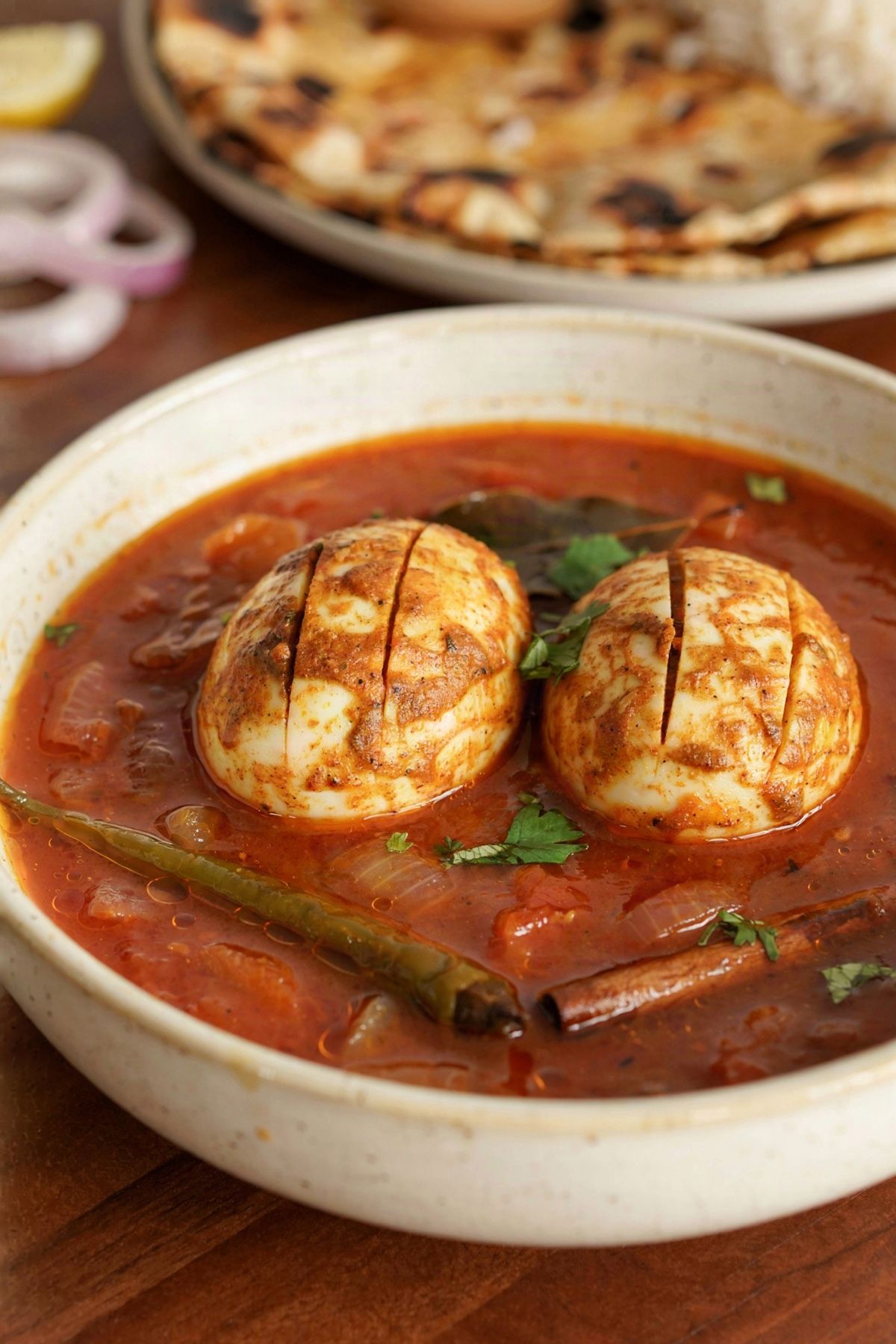
The Curry I Spent Two Years Getting Wrong
I ate this at a highway dhaba long before I tried to cook it, and for a couple of years my own version was a disappointment I could not explain. The gravy tasted right. The eggs tasted like eggs I had boiled for a lunchbox and then hidden under sauce.
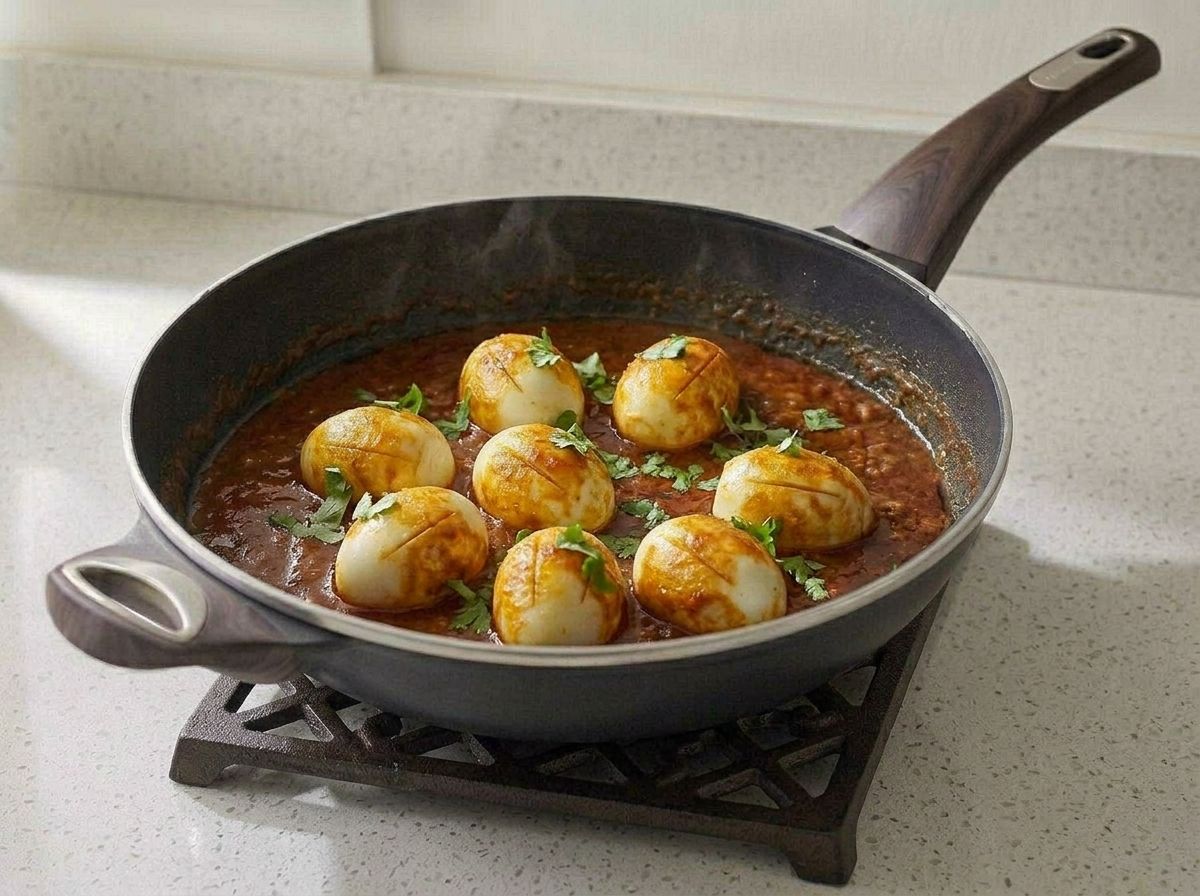
What I was missing is that the eggs get a cooking of their own. The cook I eventually watched pulled them out of a bowl of turmeric and chile, rolled them around a hot pan until the skins blistered and went patchy gold, and only then let them near the gravy. It takes four minutes and it is the whole difference between the dish and an approximation of it.
I make it now on the weeknights when I want something that eats like a rich meat curry and needs none of the shopping. Eight eggs, two onions, a tin of tomatoes if the fresh ones are pale. Once you have made it twice you stop needing the recipe, which is how I think a weeknight curry should behave.
The story
Egg Curry Is The Dish India Cannot Agree Is Vegetarian
India classifies eggs as non-vegetarian on its packaged food labels, the brown dot that tells you a biscuit contains something an animal produced. Roughly 9 percent of the country describes itself as eggetarian anyway: no meat, no fish, but eggs on the plate. The word came into common use in the 2000s and the diet it describes is younger than most people assume. Millions of vegetarian households did not put eggs into everyday cooking until the 1980s, when a national push on poultry made them cheap and unremarkable.
Egg curry sits exactly on that line, which is why it is worth cooking on a vegetarian blog and why nobody in India treats it as a compromise. It is what a household makes when it wants the weight and richness of a meat curry without the meat: something to spoon over rice that tastes cooked down and slow rather than light and vegetable-forward. On a menu it sits with the mutton and the chicken, not with the paneer.
There is no single version. The one most people mean is Punjabi, anda curry, cooked in the dhabas along the trunk roads: whole spices bloomed in oil, onions browned properly, tomatoes reduced until the oil beads back out, and no cream or coconut anywhere near it. In Bengal, dimer dalna adds potatoes, mustard oil and panch phoron, and the potatoes are not a stretcher, they are the point. Kerala goes the other way into coconut milk and curry leaves. The Bengali version carries a colonial fingerprint that surprises people, because eggs were not a staple in Bengali kitchens for most of their history and the dish is newer than the cuisine around it.
What all of them share is a problem no other curry has. In a chicken curry or a chickpea curry the protein cooks in the gravy: it gives something to the sauce and takes something back. An egg does neither. It arrives fully cooked, sealed inside a smooth white surface that flavor slides straight off, and everything you do to it from that point on is a second cooking that can only make it tougher. That single fact is the design of the whole dish. The masala has to be finished before the eggs go in, the eggs have to be given a surface that grips, and the simmer at the end has to be short and gentle. A recipe that skips the scoring and the frying is not making a simpler egg curry. It is making a curry with boiled eggs in it, which is a different and worse thing.
What to buy
Ingredient Notes
Eggs
Large eggs, and buy them about a week before you cook if you can plan that far ahead. A very fresh egg has a low pH in the white that bonds it to the inner membrane, and it will take half the white off with the shell. Let them come to room temperature before they go into the water or the shock cracks them. Eight eggs across four people is the standard dhaba portion of two each.
Yellow onions
Two medium onions, about 300 g, and they have to go a long way past golden at the edges. Twelve to fourteen minutes over medium heat is the honest number. This is the step people cut short and it is where most of the depth in the finished gravy comes from. Finely chopped browns more evenly than sliced, and it disappears into the sauce instead of leaving strands.
Tomatoes
Ripe, and pureed rather than chopped. Pale winter tomatoes make a thin, sour gravy that no amount of spice rescues, so reach for a 400 g tin of whole plum tomatoes when the fresh ones are not worth buying. Blending is also what gives the sauce its body: chopped tomatoes leave you picking curls of skin out of the finished dish.
Kashmiri red chile powder
This is a color spice more than a heat spice. It gives the deep brick red people associate with restaurant curry and carries very little burn. Cayenne is roughly three times hotter, so use a third of the amount and accept a duller color. Sweet paprika with a pinch of cayenne is the closest supermarket substitute.
Ginger garlic paste
Equal weights of fresh ginger and garlic blitzed with a splash of water. The jarred kind is usually cut with citric acid and oil and tastes of the jar. A tablespoon takes two minutes to make and the rest freezes in an ice cube tray. Whichever you use, it has to be cooked out for a full minute before the tomatoes arrive or the finished curry keeps a raw, hot edge underneath everything else.
Kasuri methi
Dried fenugreek leaves, optional, and the one thing here a supermarket may not carry. It is the slightly bitter, savory note that makes a home curry smell like a restaurant one. Crush it between your palms over the pan with the heat off, so it warms through without cooking. There is no substitute worth using, so leave it out rather than swapping something in.
Garam masala
A finishing spice, not a base spice. Blends vary enormously in strength, so taste yours first: a supermarket one heavy on coriander and cumin will take a full teaspoon, while a fresh, cardamom-forward blend is overpowering at half that. Long cooking flattens it, which is why it goes in off the heat at the end and not with the other powders.
Indian Egg Curry
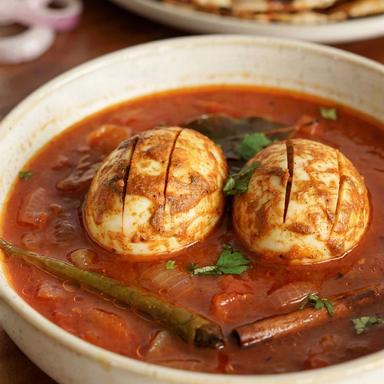
Hard-boiled eggs scored, fried in turmeric and chile, then simmered in a browned onion and tomato masala. Dhaba style, with no cream and no coconut.
Ingredients
Equipment
As an Amazon Associate I earn from qualifying purchases, at no extra cost to you.

Instructions
- 1
Boil the eggs
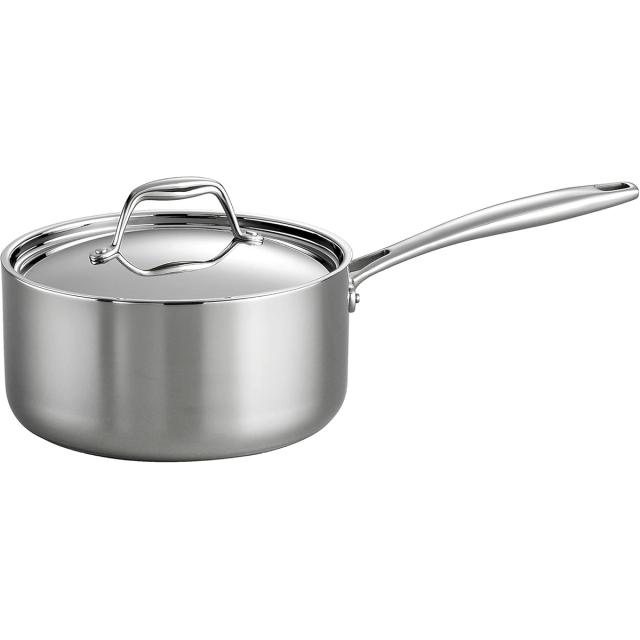
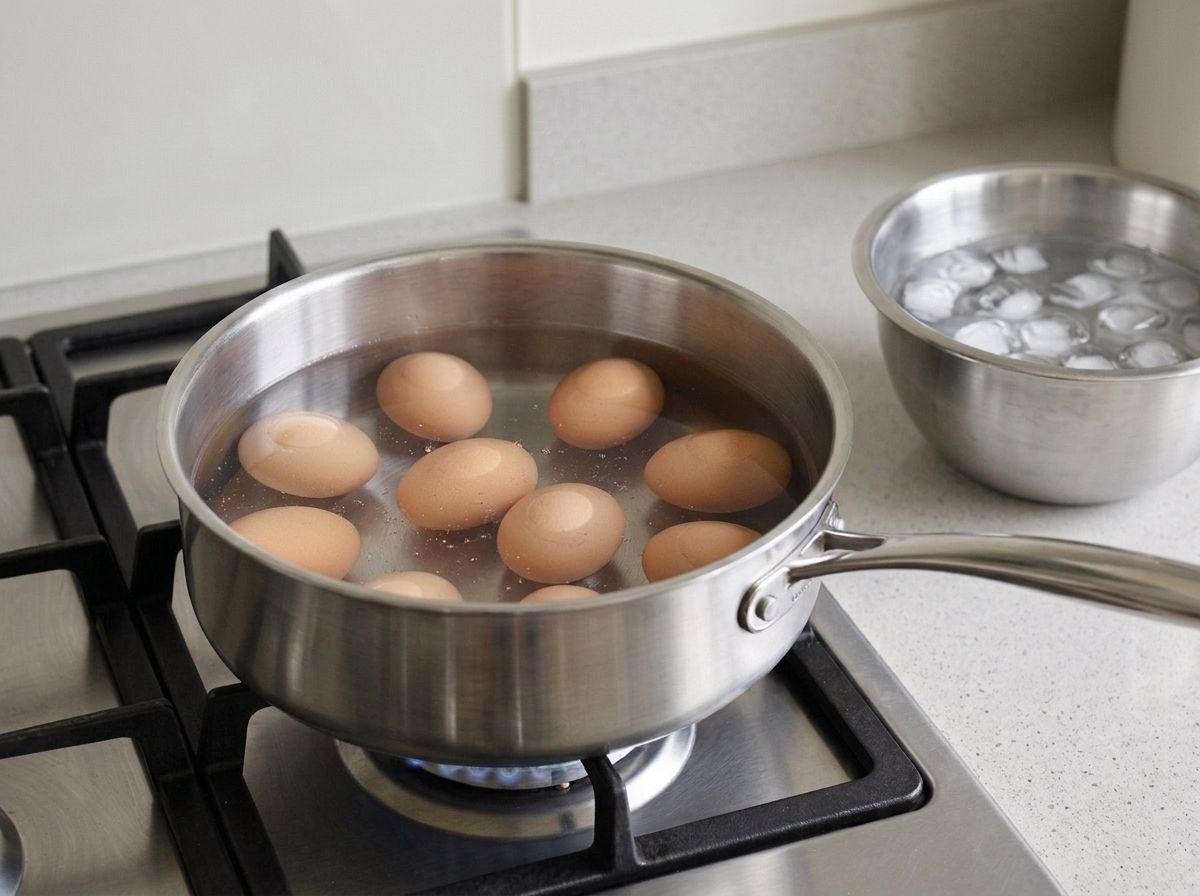
Lower 8 eggs into a saucepan of simmering water deep enough to cover them by an inch. Hold the water at a bare simmer for 10 minutes, then lift them straight into a bowl of ice water and leave them for 5 minutes. A hard boil and a slow cool are what put a gray-green ring around the yolk.
- 2
Peel and score them
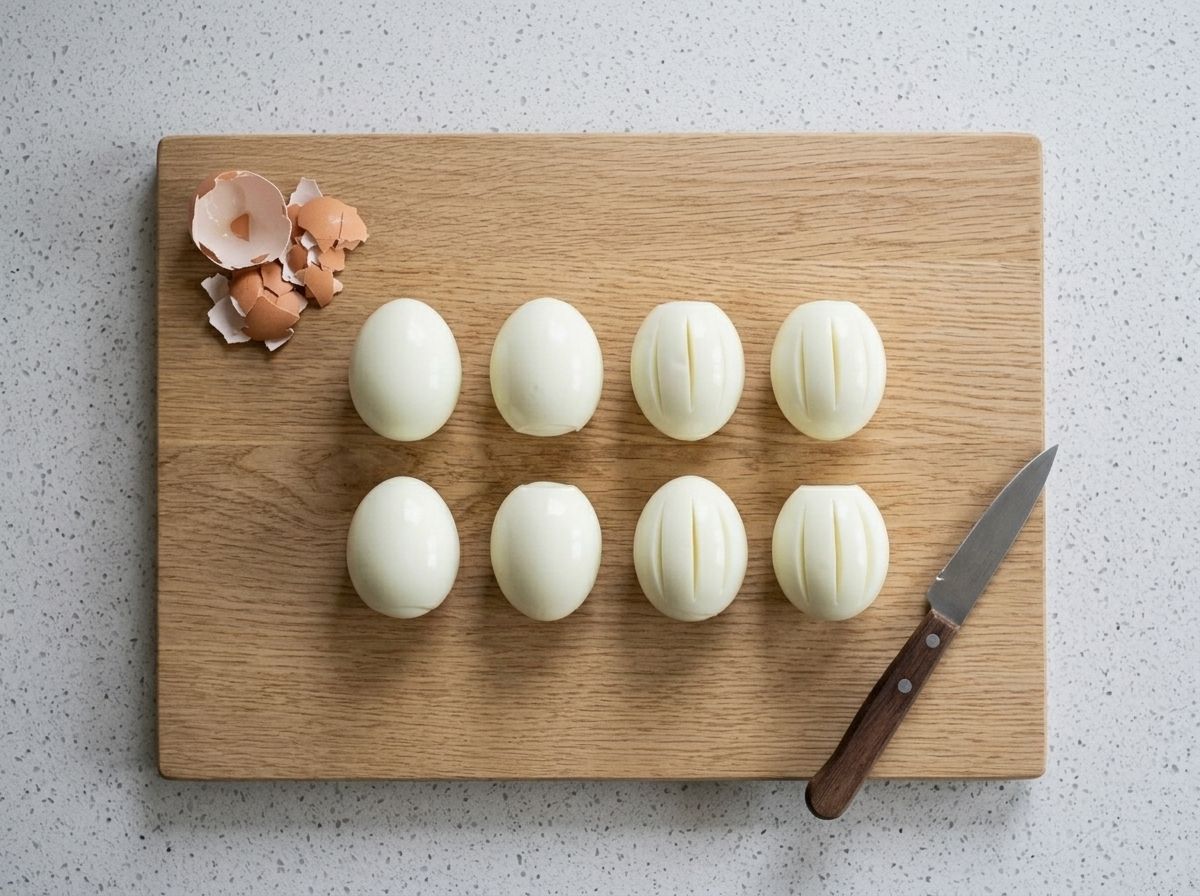
Tap and peel the eggs under running water, then pat them completely dry. Cut 3 shallow slits down the length of each white, about an eighth of an inch deep, and prick each egg two or three times with a fork so it does not burst in hot oil.
- 3
Blister them in spice
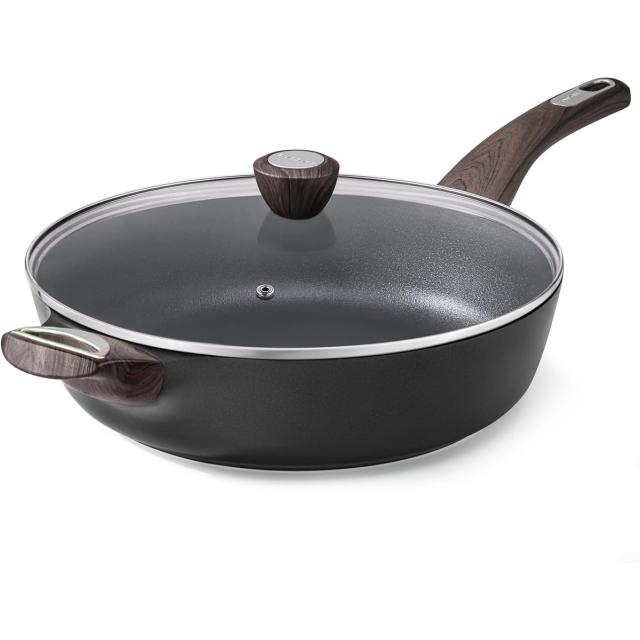
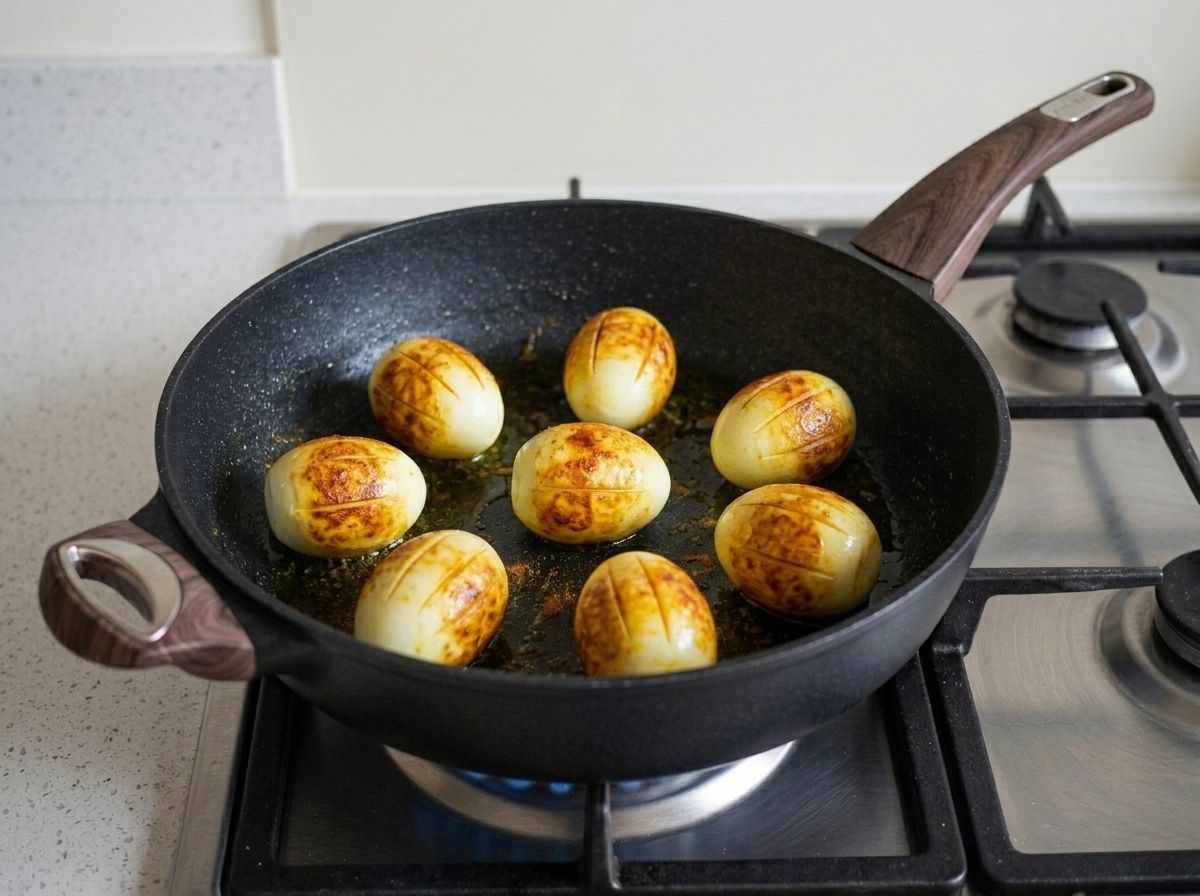
Toss the dry eggs with a quarter teaspoon of the turmeric, half a teaspoon of the chile powder and a pinch of salt. Heat 1 tablespoon of the oil in a large skillet over medium heat and roll the eggs around in it for 3 to 4 minutes, until the skins blister and turn patchy gold. Lift them out and set them aside.
- 4
Bloom the whole spices
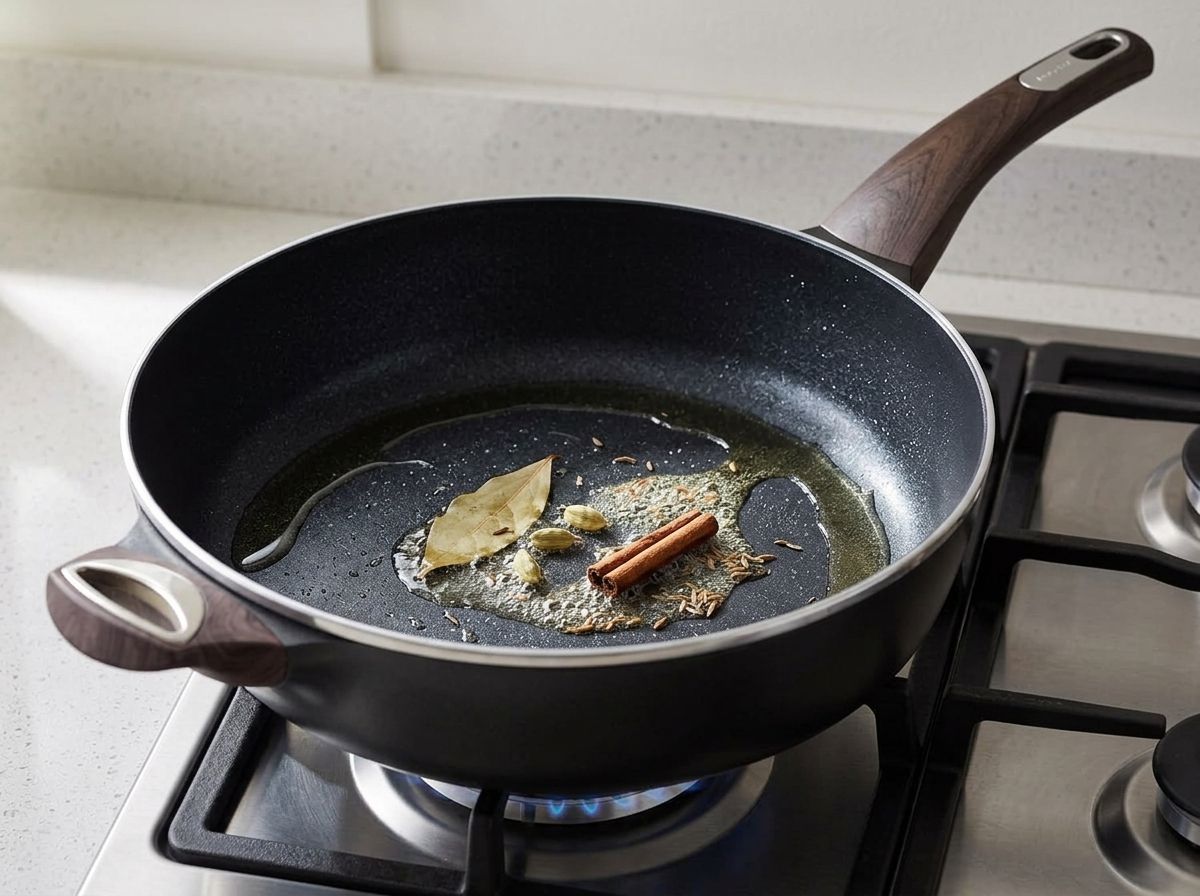
Add the remaining 2 tablespoons of oil to the same pan over medium heat. Drop in the bay leaf, cardamom pods, cinnamon stick and cumin seeds and let them sizzle for about 30 seconds, until the cumin darkens a shade and smells toasted.
- 5
Brown the onions properly
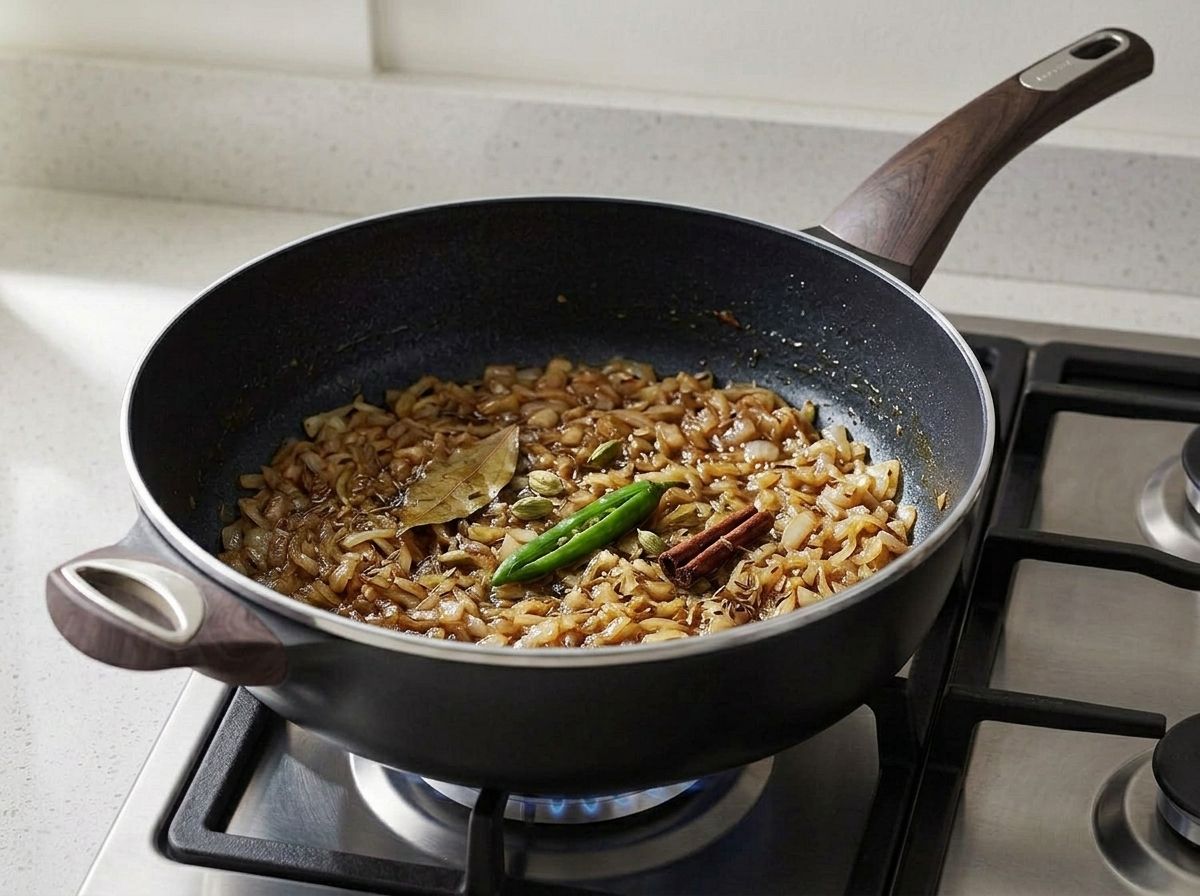
Stir in the chopped onions and the slit green chile. Cook for 12 to 14 minutes over medium heat, stirring every couple of minutes, until the onions are deep golden the whole way through rather than pale with brown edges. This one step decides how the finished gravy tastes.
- 6
Cook out the ginger and garlic
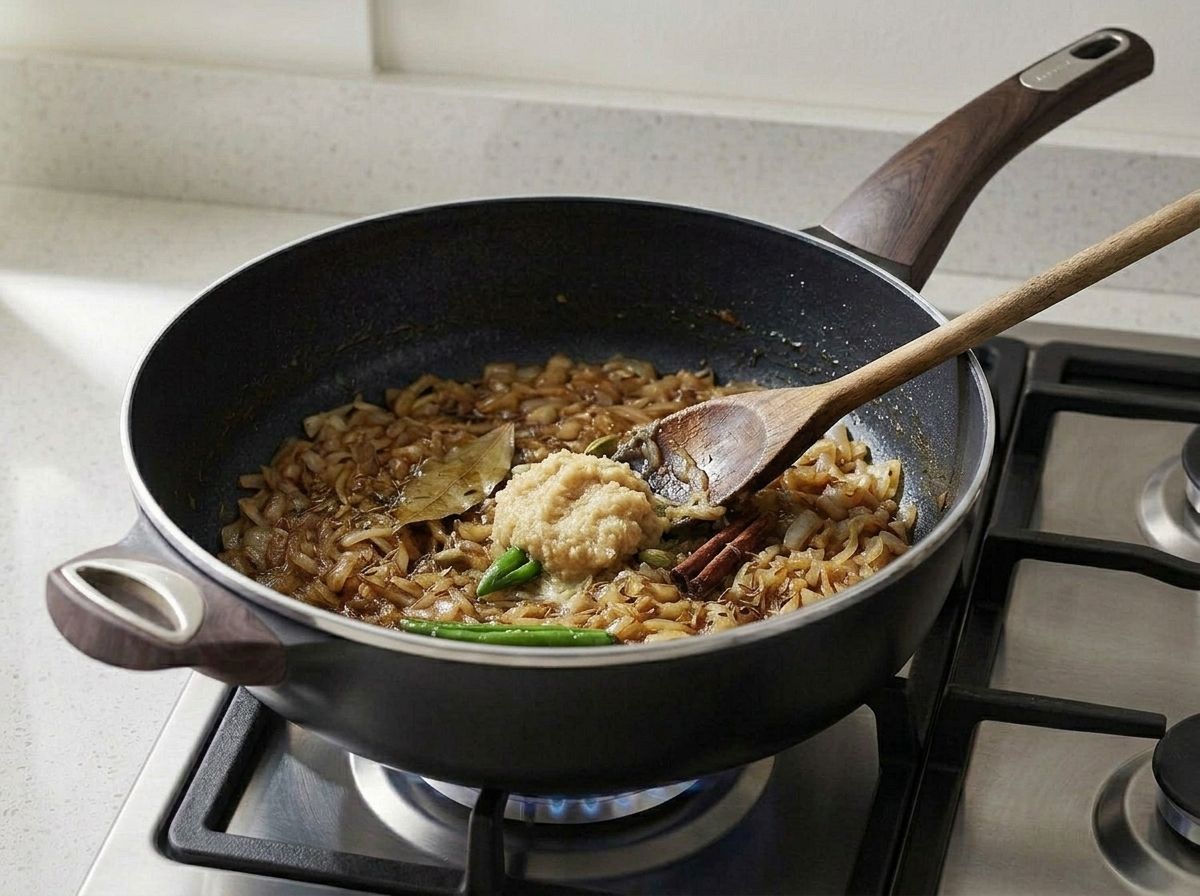
Add the ginger garlic paste and stir it constantly for 1 minute, until the raw smell has gone and it stops catching on the base of the pan.
- 7
Reduce the tomatoes
Pour in the pureed tomatoes and the salt. Cook for 8 to 10 minutes, stirring now and then, until the mixture darkens, pulls away from the sides of the pan and you can see oil beading at the edges. Do not move on before the oil separates.
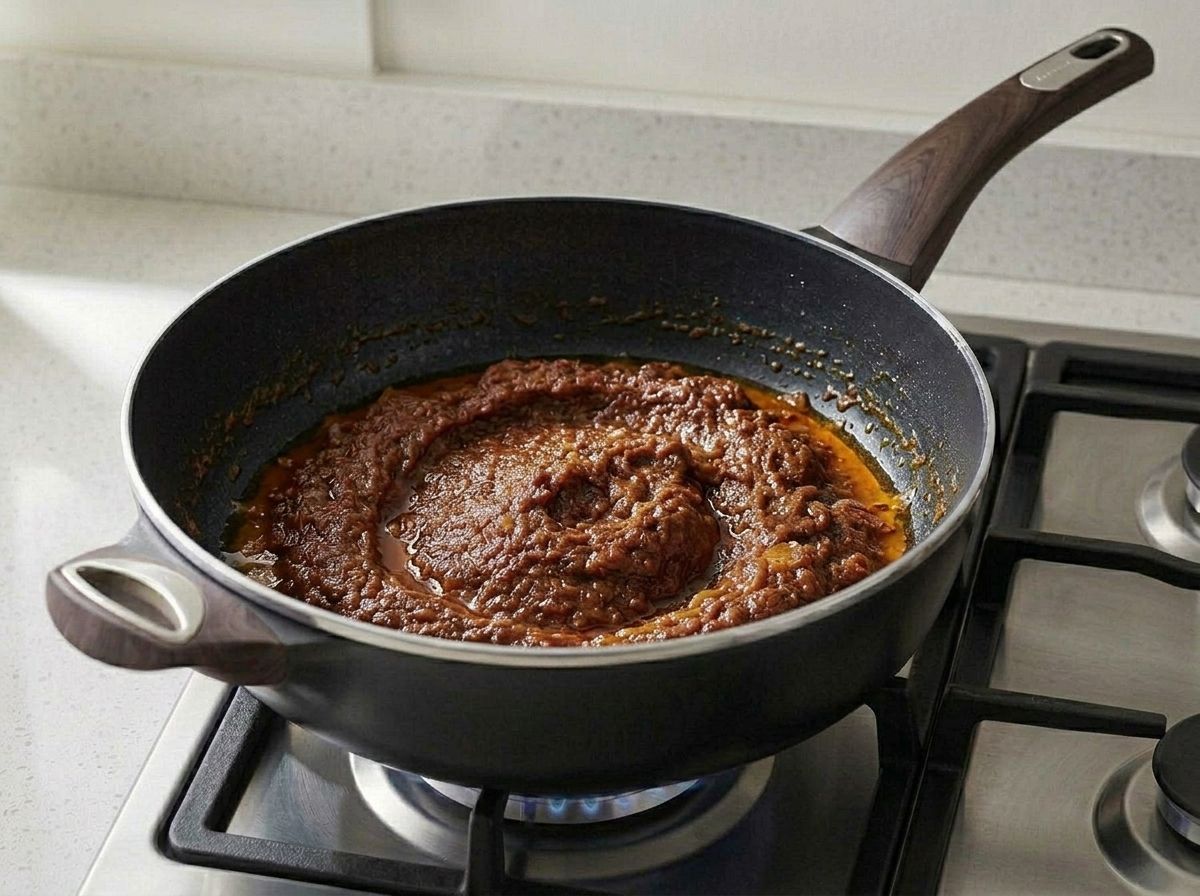
- 8
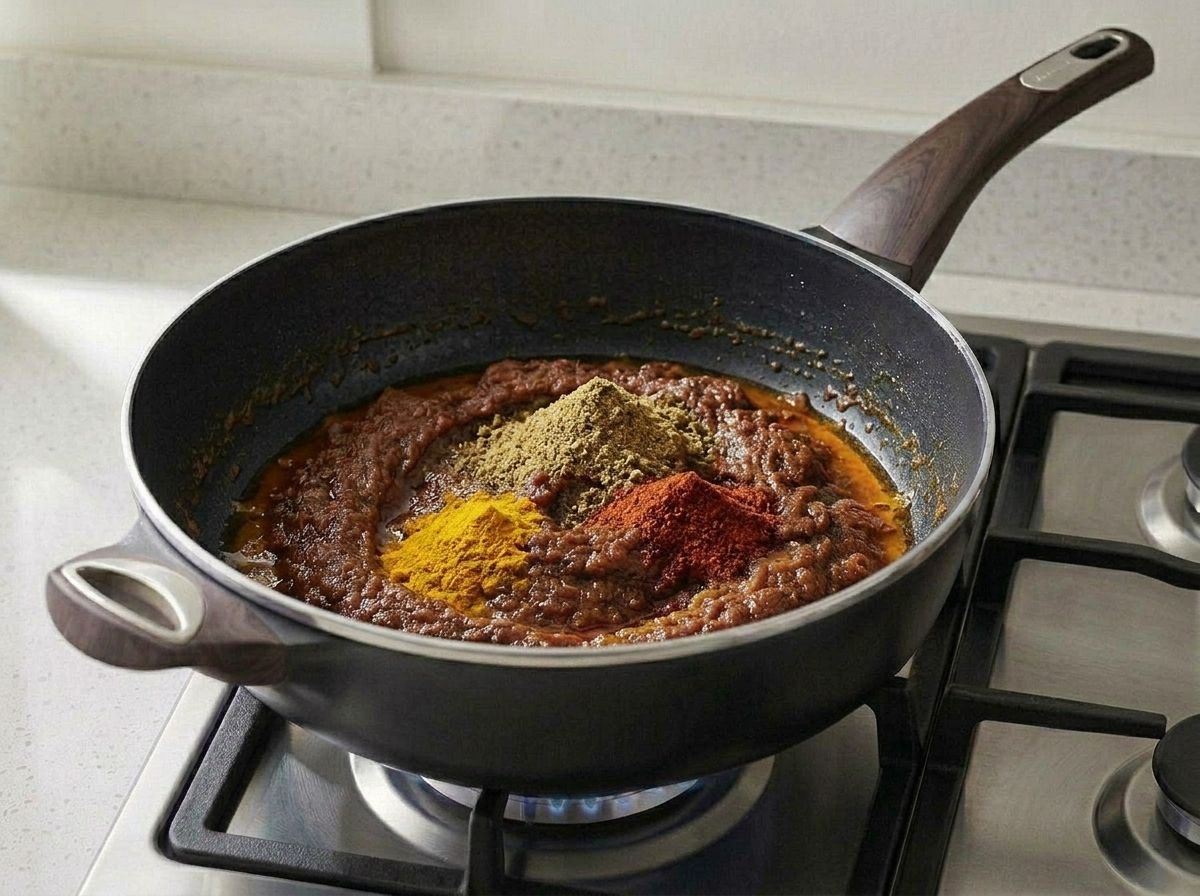
Toast the ground spices
Stir in the remaining turmeric and chile powder along with the ground coriander. Fry them for 1 minute in the hot masala so they cook rather than sitting raw in the sauce.
- 9
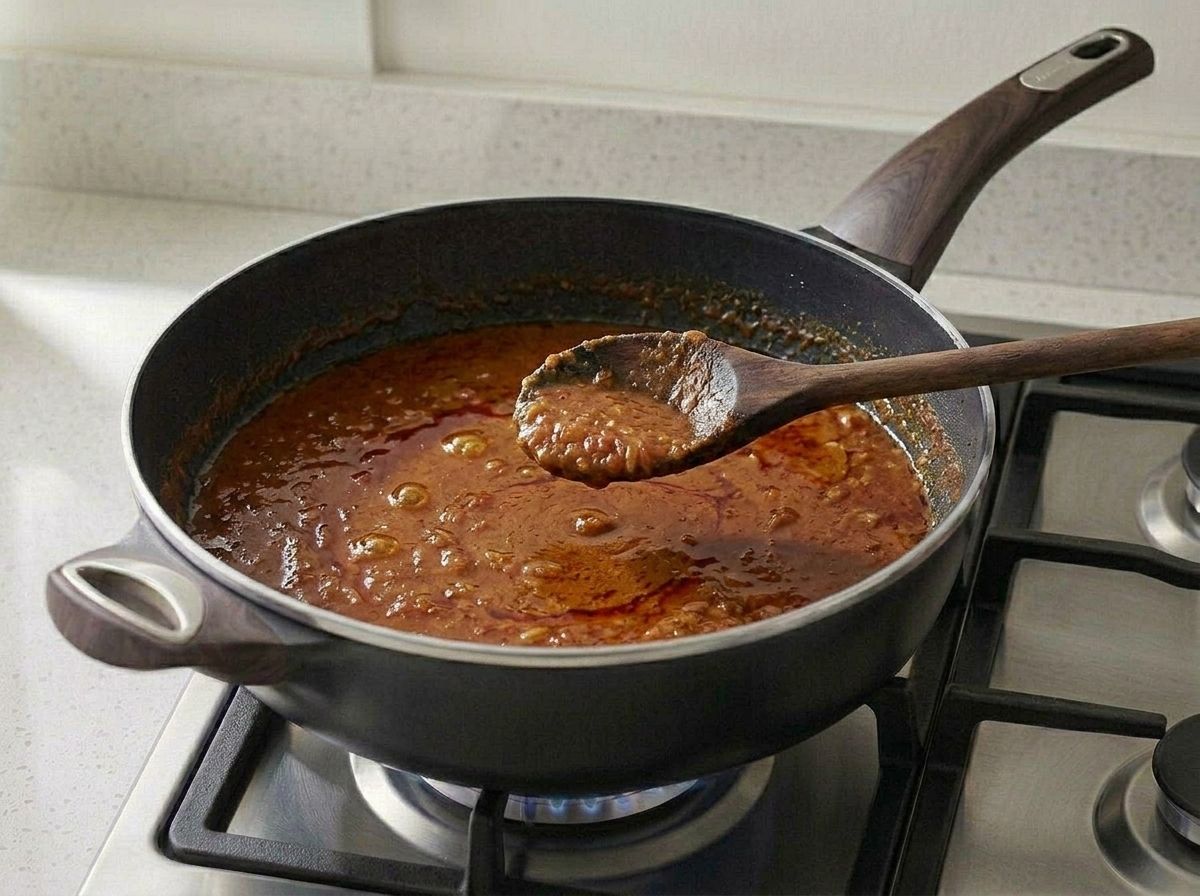
Build the gravy
Pour in the water, scrape the base of the pan and bring it to a simmer. Cook uncovered for about 8 minutes, until the gravy thickens enough to coat the back of a spoon and a film of oil rises to the surface. Taste it and adjust the salt now, while there is still room to stir.
- 10
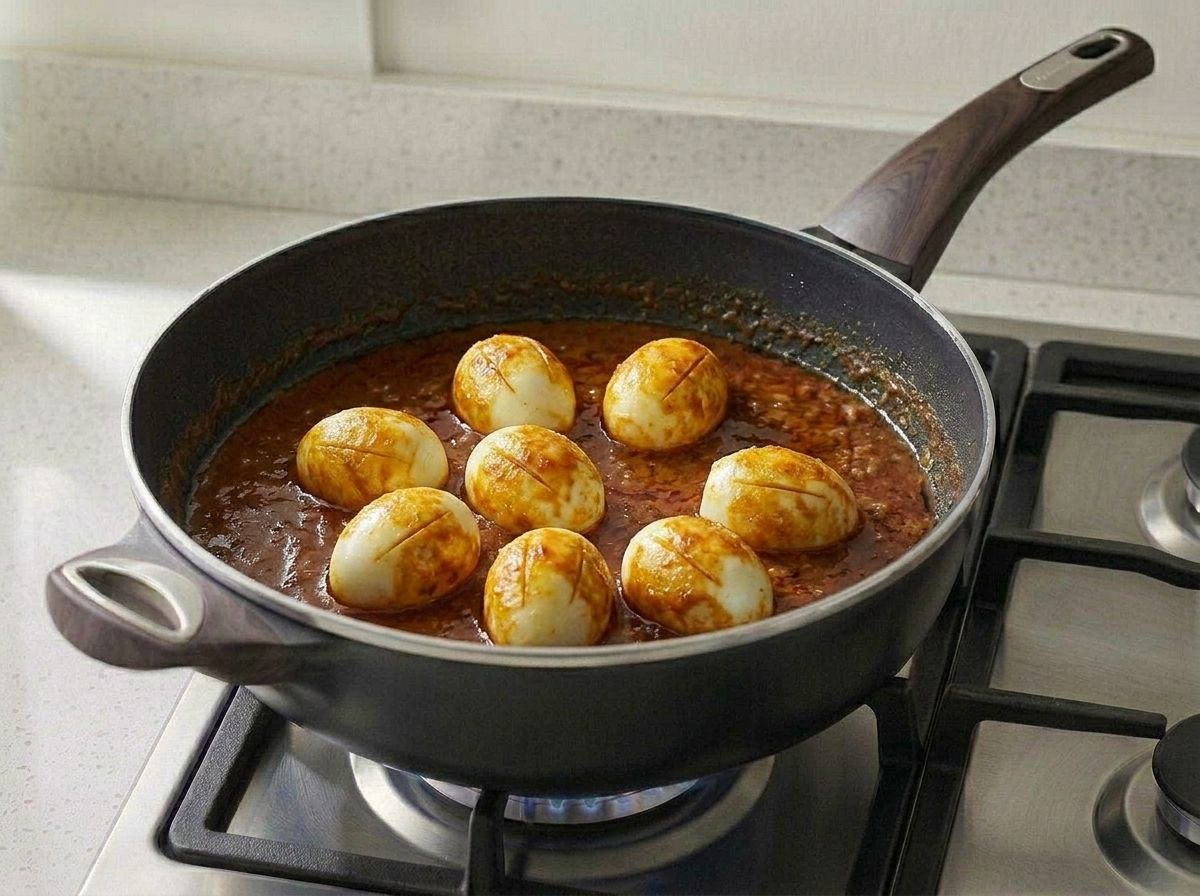
Return the eggs
Slide the fried eggs into the pan in a single layer and spoon gravy over them. Keep it at a lazy bubble for 4 minutes, turning them once. Anything harder than that tightens the whites and turns them rubbery.
- 11
Finish it off the heat
Take the pan off the burner. Crush the kasuri methi between your palms over the surface if you are using it, stir in the garam masala and scatter over the cilantro. Let it stand for 5 minutes before serving so the gravy settles and the spices come forward.
Notes
Buy the eggs about a week ahead. Very fresh eggs peel badly and take the white with the shell.
No Kashmiri chile powder? Use a third as much cayenne and expect a duller red.
Keep the final simmer at a lazy bubble. Those 4 minutes are for coating the eggs, not for cooking them.
Nutrition Facts
4 servings · 391 g per serving
- Calories
- 302 kcal
% Daily Value*
- Total Fat
- 20.9 g27%
- Saturated Fat
- 4 g20%
- Sodium
- 1084 mg47%
- Total Carbohydrate
- 14.5 g5%
- Dietary Fiber
- 4.5 g16%
- Sugars
- 6.2 g—
- Protein
- 14.9 g30%
Recipe from veggierecipes.blog
When it goes wrong
Troubleshooting
There is a gray-green ring around the yolks
Sulfur from the white and iron from the yolk meeting as ferrous sulfide, which happens when eggs are cooked too long or too hot. It is harmless, and it is also a reliable sign the eggs went through more heat than they needed. Ten minutes in water held at a bare simmer, then straight into ice water, and it does not form. Once they are in the gravy, keep that at a lazy bubble too.
The whites are rubbery and squeak against the fork
The eggs were cooked twice: once in the pan of water and again in a gravy that was boiling rather than simmering. Egg white protein tightens and squeezes out its water somewhere above 180°F, and it does not relax again. Four minutes in the gravy is all they need, and those four minutes are for coating the eggs, not for cooking anything. If the surface breaks into a rolling boil, pull the pan half off the burner.
The sauce tastes great but the eggs taste of nothing
This is the failure the dish is famous for, and it means the eggs went in bare. A peeled egg is a sealed, slick surface with nowhere for masala to hold on. Three shallow slits down each white give the gravy a way in, and rolling them in turmeric, chile and salt in hot oil until the skin blisters and goes patchy gold builds a rough, seasoned layer that actually holds sauce. It costs four minutes and it is not the step to skip.
The eggs spat and one of them burst in the pan
Water trapped just under the surface, turning to steam faster than it can escape. Pat the peeled eggs completely dry before they meet oil, prick each one two or three times with a fork, and keep the heat at medium rather than high. Holding a lid over the pan at an angle covers the first thirty seconds, which is when it happens.
The gravy tastes sharp and raw underneath the spice
Two likely causes, both about patience. Undercooked onions leave a pungent edge that spice sits on top of rather than covering, and undercooked tomatoes leave acid. The tomato stage is finished when the mixture pulls away from the pan and you can see oil beading at the edges, not when it merely looks like sauce. That takes eight to ten minutes and a higher flame does not shorten it, it only browns the outside of the paste.
Half the white came away with the shell
Fresh eggs. The white clings to the inner membrane until the egg has had time to lose a little carbon dioxide and its pH rises, which takes about a week in the fridge. If you are stuck with new-laid eggs, crack the shell all over and peel under a running tap so the water works its way under the membrane. A torn egg is no loss here, since you are cutting slits in it anyway.
Before you serve
Serving & Storage
A dhaba serves this with tandoori roti and almost nothing else on the plate: a heap of raw onion rings, a lemon wedge, a green chile. That combination is worth copying. The raw onion cuts a gravy that is essentially cooked onion, and the lemon goes over the eggs at the table rather than into the pan. Plain basmati or jeera rice works just as well and is how it is eaten in Bengal, where the gravy runs thinner and is treated as something to pour.
Keep whatever else is on the table plain. This is a dark, rich, heavily spiced curry and it does not want a second spiced dish beside it. Cucumber raita or plain yogurt, and a simple dal if you are feeding more people than the recipe covers.
Making it ahead
The gravy is the make-ahead component and it genuinely improves overnight, which is true of most onion and tomato masalas. Cook it through the simmering stage, cool it, and keep it in the fridge for up to three days. Reheat it with a splash of water and fry the eggs fresh while it comes up to temperature. Boiling and peeling the eggs a day early is fine as well; store them peeled in a covered container. What does not work is finishing the whole dish in advance, because the eggs spend those extra hours toughening in gravy that is first hot and then cold.
Storing leftovers
Three days in the fridge in a sealed container. Reheat gently in a pan with a spoonful of water, covered, and stop the moment it is hot through. A microwave is the fast route to a rubbery egg, so if you use one, go at half power and stir halfway. Freezing is a split decision. The gravy freezes for three months with no loss worth mentioning, and the eggs do not freeze at all: ice crystals wreck the structure of the white and it thaws watery and tough. If you know some is going in the freezer, hold the eggs back and fry a fresh batch on the day.
Still wondering
Frequently Asked Questions
Is egg curry vegetarian?
It depends on whose definition you are using. Lacto-ovo vegetarian, which is what the word usually means in the US and Europe, includes eggs. India's packaged food labeling does not, and plenty of Indian vegetarians will not eat them. Nothing else in this recipe comes from an animal and the gravy on its own is vegan, so for a mixed table the practical answer is to cook the gravy, keep the fried eggs in a separate dish, and let people help themselves.
How many eggs should I make per person?
Two, which is what eight eggs across four servings gives you. One reads as a light lunch with a lot of rice; three is simply a lot of egg. Scale the gravy along with the eggs rather than adding eggs to the same pan, because the sauce needs to come at least halfway up them to coat properly. Twelve eggs means one and a half times everything and a wider pan so they still sit in a single layer.
Can I use jammy or soft-boiled eggs instead?
Not in this dish. A jammy yolk cannot be scored, will not survive being rolled around a hot pan, and clouds the gravy the moment one breaks in it. The four minutes in simmering sauce would take a six-minute egg to hard-boiled anyway. If you want a runny yolk with these flavors, fry the eggs fresh and spoon the finished gravy around them on the plate instead of cooking them in it.
More Indian Dishes To Cook This Week
Made this?