
Vegan Apple Pie Recipe
Published · Updated
A cozy, classic apple pie made entirely vegan, flaky crust, spiced apples, and all the nostalgia with none of the dairy or eggs!
Jump To Recipe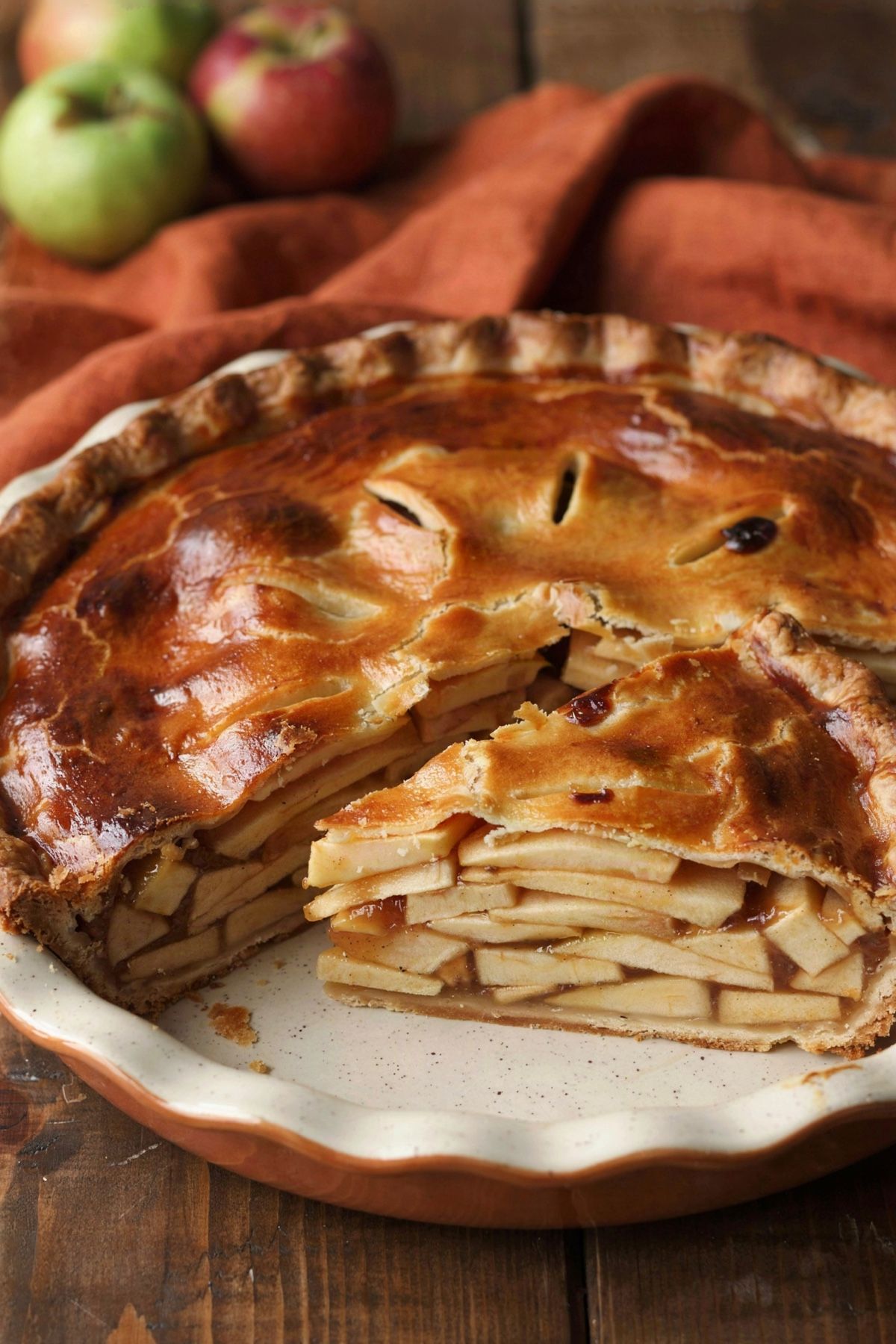
Why I Love Vegan Apple Pie
There’s something about making a good apple pie that just feels right. It’s familiar, welcoming, and you can really taste the quality ingredients, especially with this vegan version. The crust gets perfectly flaky with coconut oil or vegan butter, trust me, you won’t miss the traditional stuff.
The filling is the star here, apples, brown sugar, and just the right amount of spice. You can get creative too: try mixing apple varieties, or toss in some chopped pecans or walnuts for crunch.
What makes this recipe such a staple for me is how accessible it is, both in ingredients and technique. Even if you’re not a regular baker, you can pull this off, just take your time with the crust and trust the process.
There’s no better way to wrap up a fall meal, or honestly, any meal, than with this pie. Serve it with vegan ice cream or just as it is. Either way, it’s going to steal the show.
The story
The Most American Pie Crust Was Already Vegan
The dish is not American, and it did not start out sweet. The first written apple pie recipe is English and usually dated to 1381: good apples, good spices, figs, raisins, pears and saffron, baked in a “coffyn”. There is no sugar in it, because sugar was priced like a spice, and the coffyn was not food. It was a thick flour and water case built to hold the fruit through a wood oven, and it was thrown out or handed to the poor afterwards. The lattice top most people picture came later, from Dutch bakers in the early 1500s.
Apples are not native to North America either. The only one growing here before European settlers arrived was the crabapple, which they found close to useless, so every apple in an American pie descends from a tree somebody carried over. By 1798 the first American cookbook was printing apple pie recipes with no note of where they came from, and “as American as apple pie” only settled into use in the 1920s, with the Second World War turning it into a slogan.
Which brings up the part that matters on a vegan site. If you picture a traditional American pie crust, you are probably picturing butter, and butter is the newcomer. Crisco launched in 1911 as the first solid shortening made entirely from a plant oil, and inside five years Americans had bought more than 60 million cans of it. Within a generation lard went from a kitchen staple to a period detail. Jewish households took to it early, because a fat that was neither meat nor dairy could go into any meal.
So for most of the century in which apple pie became the national dessert, the crust holding it up was plant fat. The all-butter crust is the revival, not the original. A vegan apple pie is not a substitution exercise: the filling never had dairy in it, and the crust has been made without it for longer than most people have been baking.
What to buy
Ingredient Notes
Apples
Acid is what holds a slice together. Pectin is the glue between the cells, and it survives in an acidic environment and dissolves in a neutral one, which is why tart apples keep their edges and sweet ones go to sauce. Granny Smith, Braeburn, Pink Lady and Honeycrisp hold. McIntosh, Red Delicious and Golden Delicious collapse. Two thirds holders to one third collapsers gives you the best of both, distinct slices sitting in something that binds them. All Granny Smith works and tastes a little austere.
Coconut oil or vegan butter
Not interchangeable spoon for spoon, because one is pure fat and the other is around 15 to 20 percent water. Vegan butter brings water of its own to the dough, so start at 6 tablespoons of ice water and stop as soon as it holds. Coconut oil brings none and usually takes all 8. It also swings between hard and liquid across a few degrees, so it goes into the flour straight from the fridge. Use refined, unless you want the pie to taste of coconut.
Cornstarch
It has to reach a full boil to thicken. Below that it swells and never sets, which is why the recipe waits for the vents to bubble thickly instead of trusting the clock. Acid weakens it too, so the lemon juice is measured rather than splashed in. Flour works and leaves the filling cloudy; tapioca starch tolerates acid better and sets clearer, in the same 2 tablespoons.
Brown sugar, packed
It does more than sweeten. The molasses carries the color of the filling and a little acidity of its own, and brown sugar is more hygroscopic than white, so it pulls juice out of the apples faster during the hour they sit. Pack it into the cup: loosely spooned it is short by around 15 g, and the maceration gives back less juice to reduce.
Lemon juice
Two jobs, and neither is making the pie taste of lemon. It keeps the cut apples from browning while you work through 2.5 lb of them, and its acid stops the pectin dissolving in the oven. Bottled is fine, because you are buying acid rather than flavor. Do not add more to cut the sweetness; past a couple of tablespoons it starts working against the cornstarch.
Plant-based milk for brushing (optional)
Color only, and the pie is finished without it. Soy browns best of the common ones because it carries the most protein for the browning reaction, oat comes next and adds shine from its sugars, and almond and rice give the least of both. A teaspoon of maple syrup stirred in gets you closer to what an egg wash did.
Classic Vegan Apple Pie
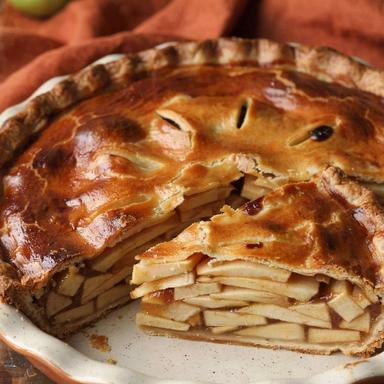
A flaky vegan crust filled with spiced, tender apples, classic comfort dessert with no dairy or eggs.
Ingredients
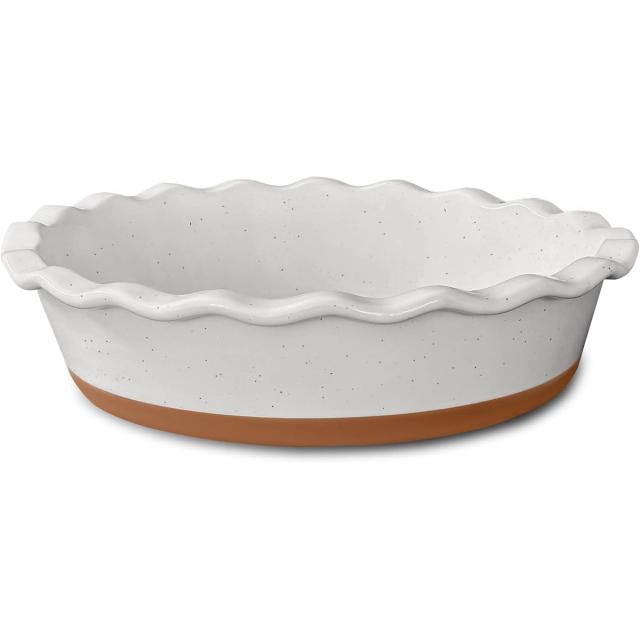
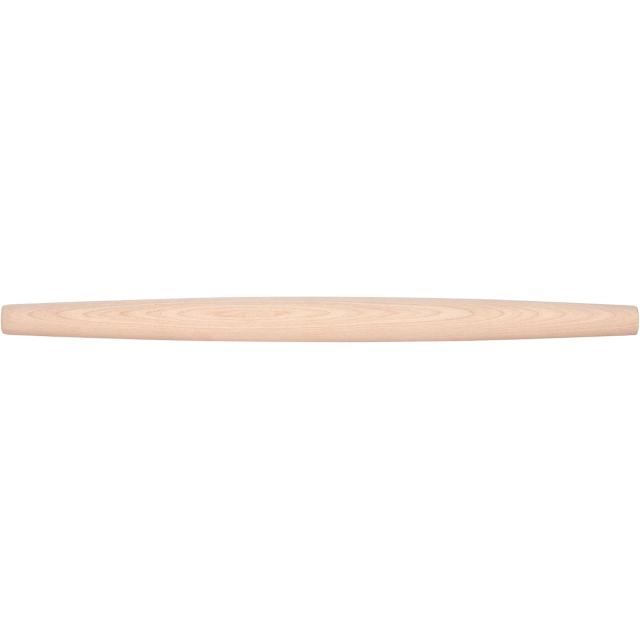
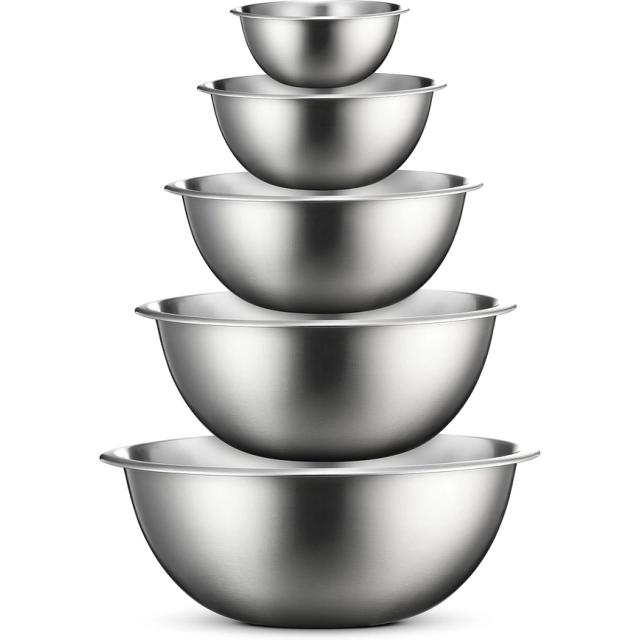
Equipment
As an Amazon Associate I earn from qualifying purchases, at no extra cost to you.
Instructions
- 1
Make the dough
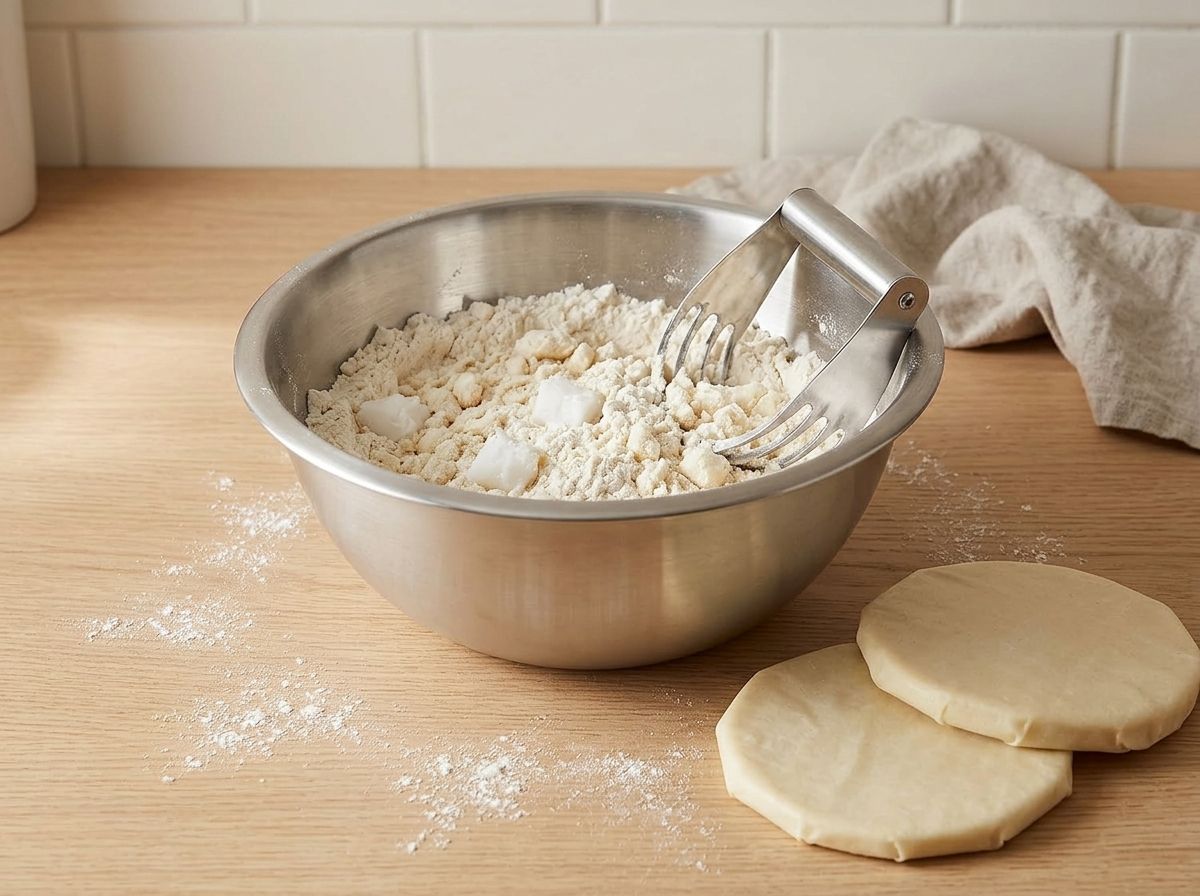
In a large bowl, whisk the flour, salt and sugar. Cut in the chilled coconut oil or vegan butter until the mixture looks like coarse crumbs with some pieces still the size of peas. Add the ice water a tablespoon at a time, stopping as soon as the dough holds together when you squeeze a handful. Vegan butter carries water of its own and usually needs about 6 tablespoons; coconut oil is pure fat and takes the full 8. Divide into two discs, wrap, and refrigerate for at least 30 minutes.
- 2
Macerate the apples
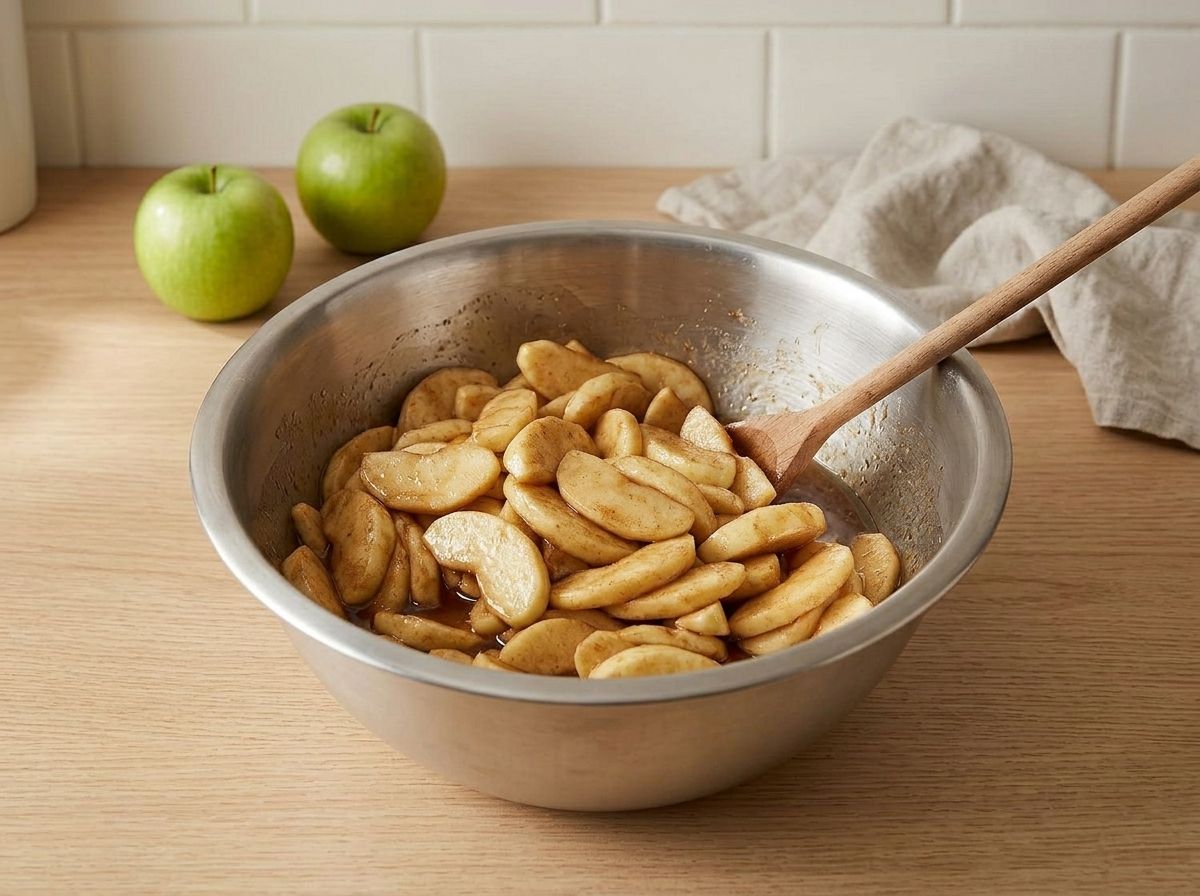
Toss the sliced apples with the brown sugar, lemon juice, cinnamon, nutmeg and the filling salt. Leave at room temperature for 45 to 60 minutes, tossing once. The sugar pulls the juice out of the apples now, in a bowl, instead of later, in the pie. The dough chills while this happens, so the two waits overlap.
- 3
Reduce the juice to a syrup
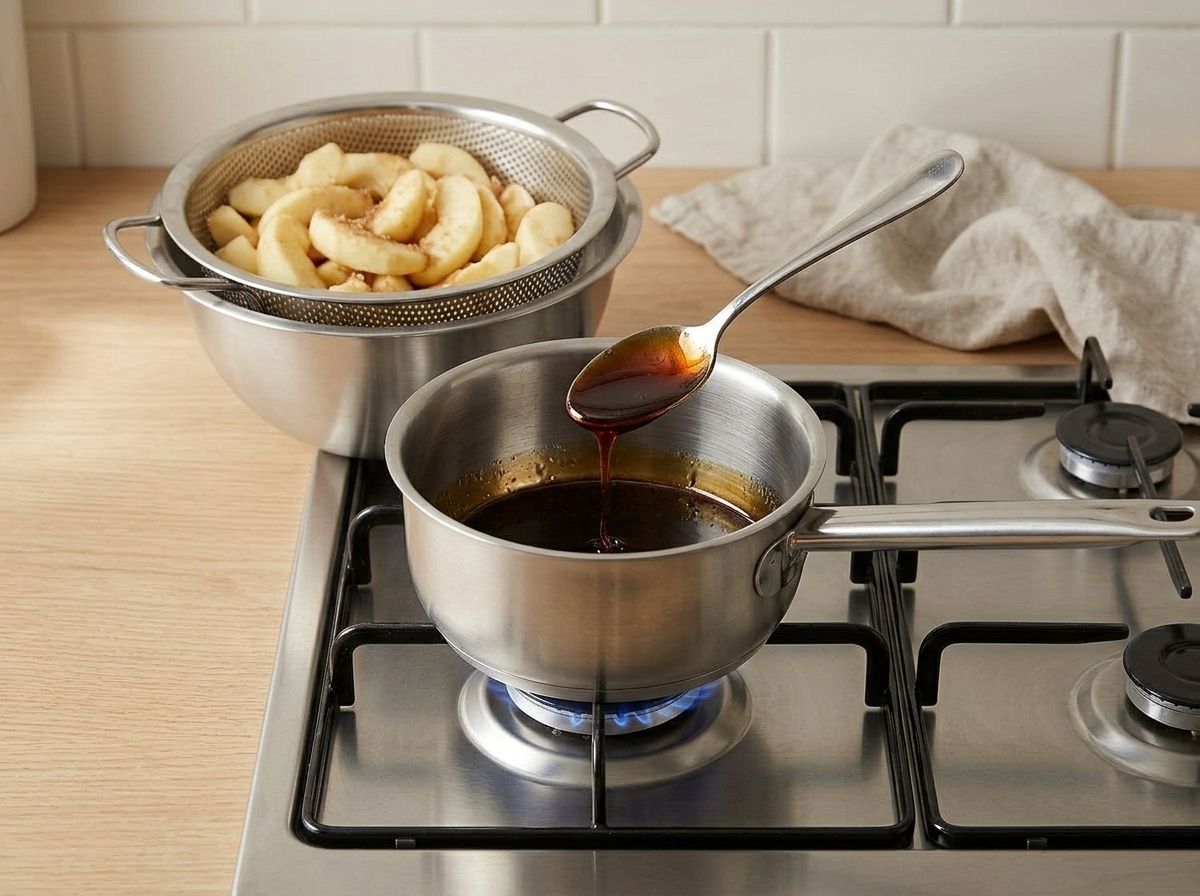
Drain the apples in a colander set over a bowl, pressing gently. You should collect around ¾ cup (180 ml) of juice. Simmer it in a small pan until it reduces by about half and turns syrupy, 5 to 8 minutes. Let it cool for a few minutes, then toss it back through the apples along with the cornstarch and vanilla.
- 4
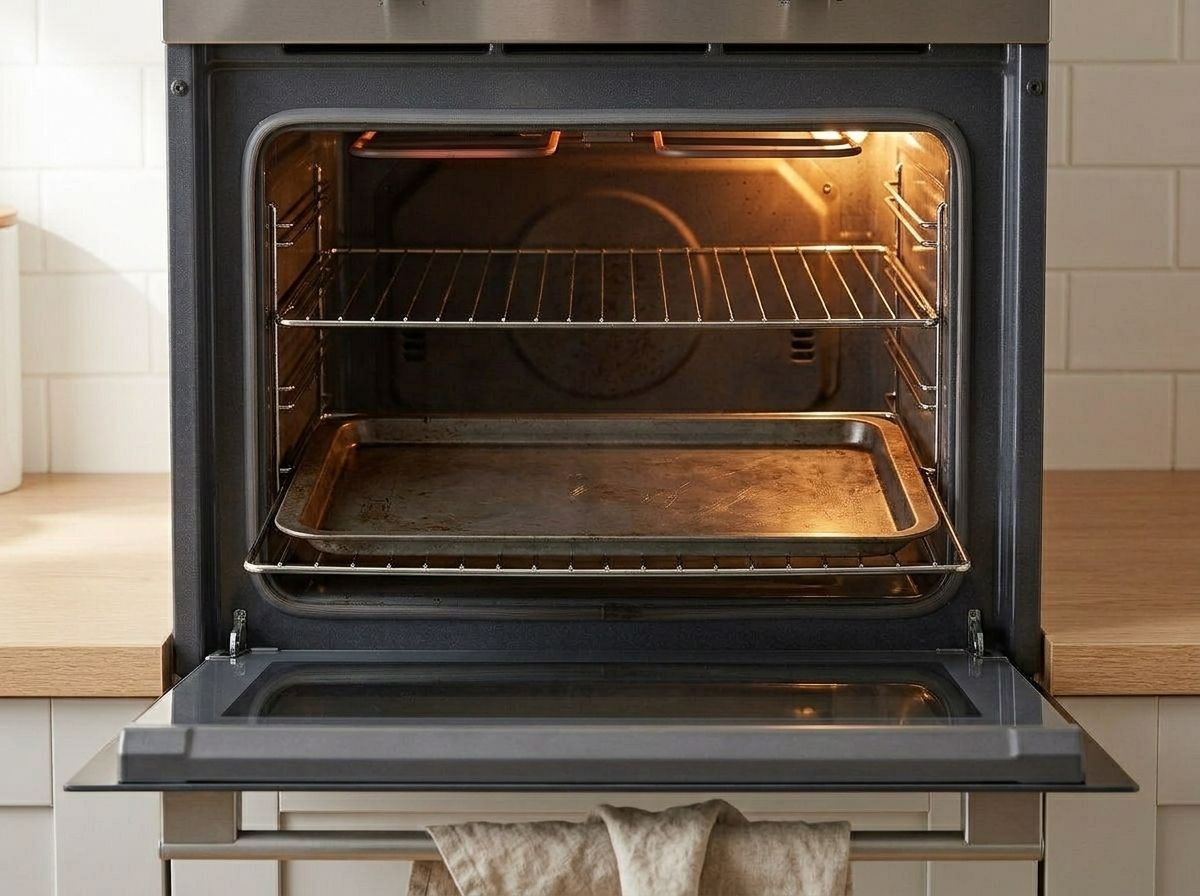
Heat the oven and a baking sheet
Put a rimmed baking sheet on the lower rack and heat the oven to 425°F (220°C). Setting the pie down on hot metal firms the bottom crust before the filling can soak into it.
- 5
Roll, fill and seal
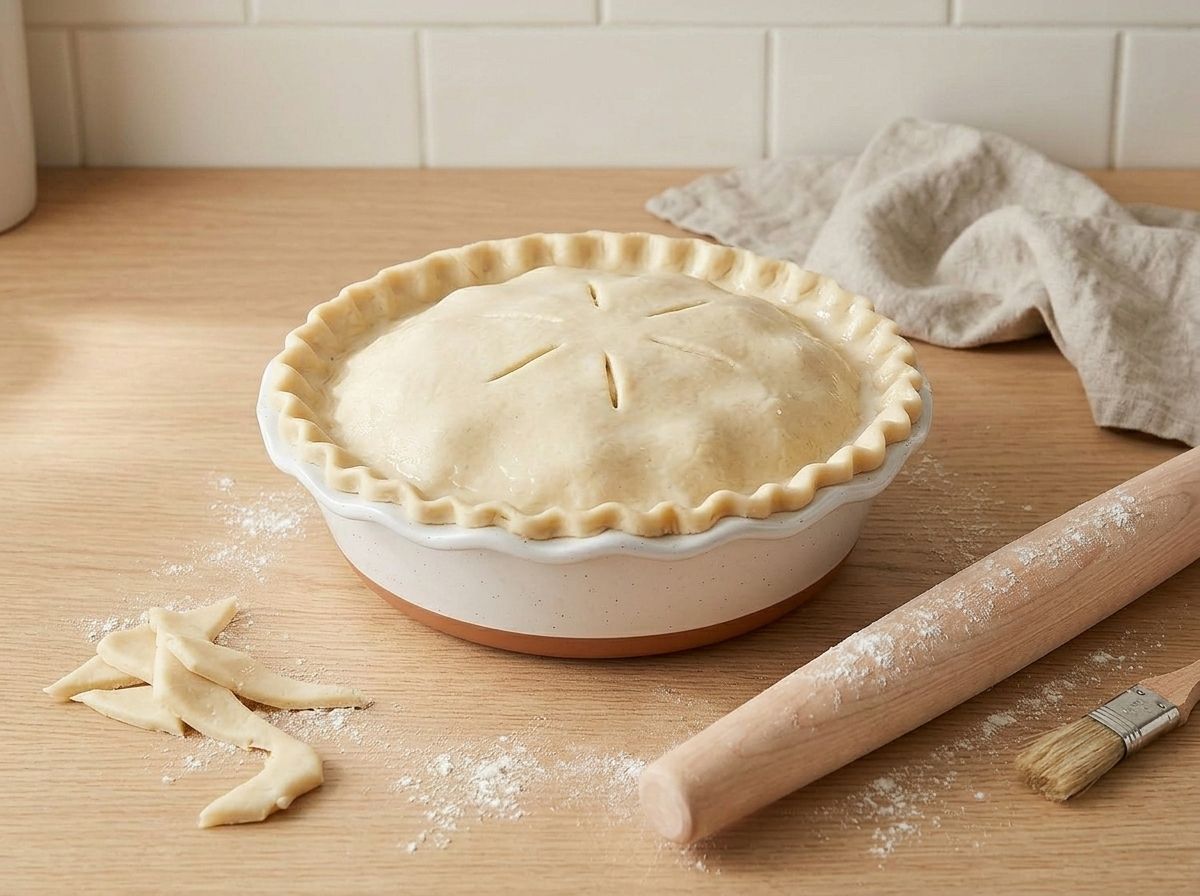
On a floured surface, roll one disc to fit the pie pan and line the pan with it. Pile the apples in and mound them toward the center, because they settle as they bake. Roll the second disc, lay it over the top, trim, seal and crimp the edge, then cut four or five vents. Brush with plant-based milk for a deeper color.
- 6
Bake until the juices run thick
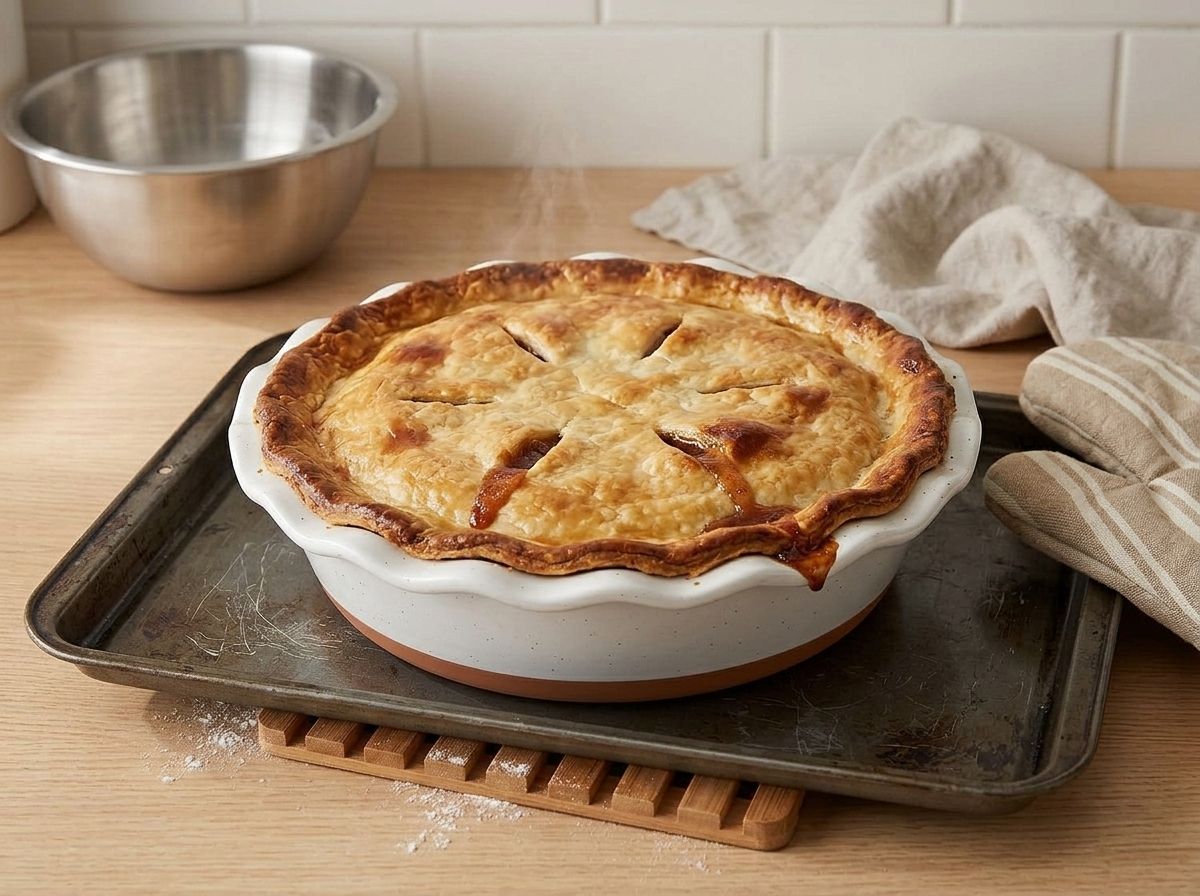
Bake on the hot sheet at 425°F (220°C) for 20 to 25 minutes, then reduce to 375°F (190°C) and bake for another 35 to 40 minutes. It is done when juice coming through the vents bubbles slowly and thickly rather than running thin. Cover the crimped edge with foil if it darkens before the rest catches up.
- 7
Cool it all the way down
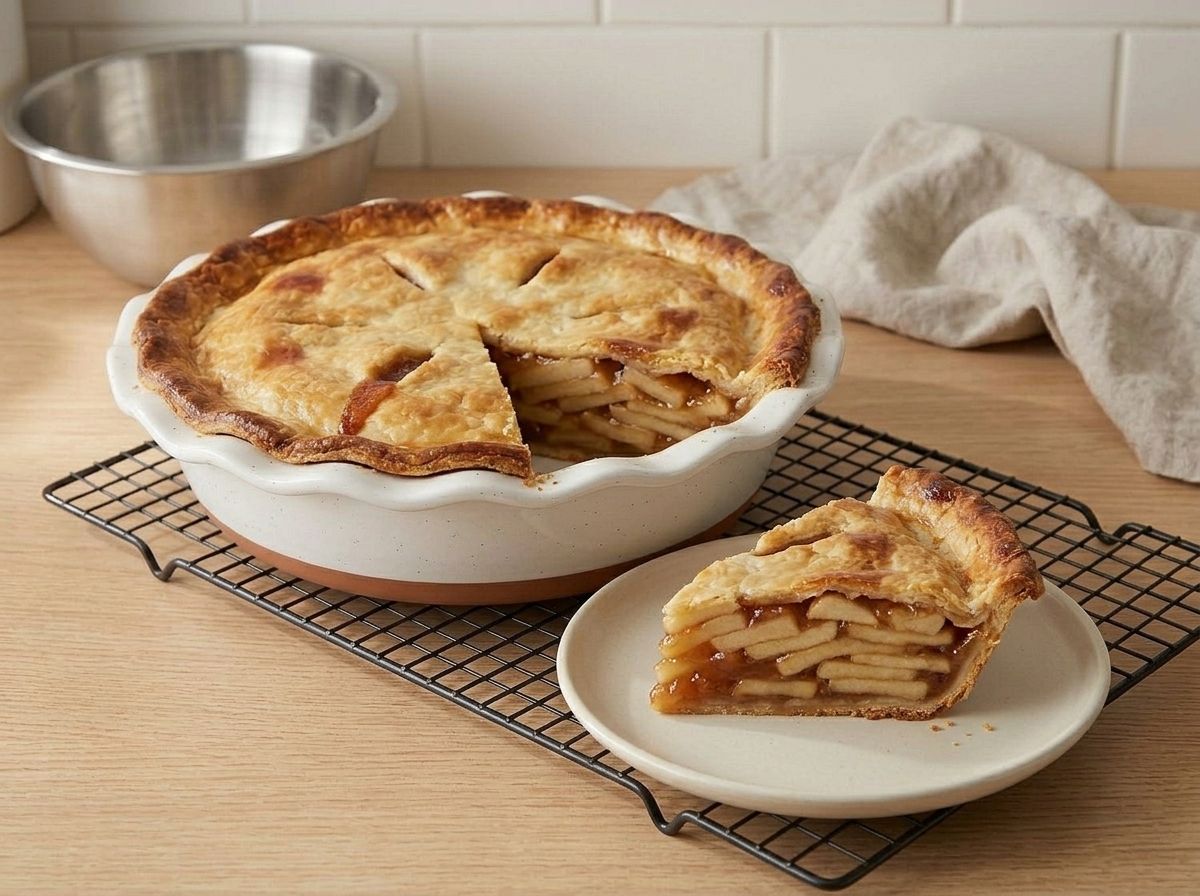
Cool the pie on a rack for at least 4 hours before cutting. Cornstarch only finishes setting as the filling drops back toward room temperature, so a warm pie slices into soup no matter how well it baked. Serve at room temperature, or rewarm cut slices.
Notes
Substitute a store-bought vegan pie dough for extra convenience.
Mix different apple varieties for added flavor complexity.
The pie needs its full 4 hours out of the oven before it will cut cleanly. Bake it the morning you want it, not an hour before.
Nutrition Facts
8 slices · 255 g per serving
- Calories
- 539 kcal
% Daily Value*
- Total Fat
- 27.7 g36%
- Saturated Fat
- 22.6 g113%
- Sodium
- 373 mg16%
- Total Carbohydrate
- 74 g27%
- Dietary Fiber
- 4.8 g17%
- Sugars
- 36.6 g—
- Protein
- 4.5 g9%
Recipe from veggierecipes.blog
When it goes wrong
Troubleshooting
There is a big gap between the top crust and the fruit
The apples went in raw and full of water. They shrank in the oven and pulled away from a lid that had already set, and no amount of crimping closes that. The hour of maceration is the fix: the sugar draws the juice out in the bowl, so the slices lose their volume before they go in the pan rather than after, and what you mound into the crust is close to what you will cut into. Piling the fruit high toward the center buys back the rest.
The filling is soup and the first slice slides off the server
Either the pie came out before the juices bubbled thickly through the vents, so the cornstarch never reached a boil and never set, or it was cut warm. Cornstarch does most of its setting on the way down rather than in the oven, so a perfectly baked pie still runs if you open it after an hour. The 4 hours is not padding.
The bottom crust is pale and soggy
There was nothing hot underneath it. A rimmed baking sheet left in the oven through the whole preheat gives the base a blast of direct heat and sets it before the filling soaks in. Glass and ceramic insulate more than metal, so they need the hot sheet more, not less, and they are the only way to see whether the bottom actually browned.
The coconut oil crust came out crumbly and greasy at the same time
The fat melted before the dough reached the oven. Coconut oil goes from solid to liquid across a few degrees, so the shards that should have steamed apart into layers turned into a puddle in the flour instead. Chill it hard, work quickly, and in a warm kitchen put the lined pan back in the fridge for 15 minutes before filling it.
The apples are still crunchy but the crust is done
The slices were too thick, or a firm variety went in cold. A quarter inch is the number worth measuring against; half inch slices will not cook through in the time the crust can survive. Granny Smith and Braeburn are also the slowest to soften, so a pie made entirely from those needs the full 40 minutes at the lower temperature.
The crimped edge burnt before the middle was done
That is the normal behavior of a thin, raised, exposed rim rather than a mistake in the baking. Cover the rim alone with foil the moment it hits the color you want, and keep going. Covering the whole pie instead traps steam against the top crust and softens the one part that was going well.
Before you serve
Serving & Storage
Apple pie is served at room temperature more often than warm, which surprises people who have only met it in a diner with ice cream melting into the middle. Room temperature is where the filling is fully set and where you taste apple rather than sugar. If you want it warm, cut the cooled pie first and give the slices a few minutes in a low oven. Warming a whole pie you waited 4 hours to set loosens the filling all over again.
Vegan vanilla ice cream is the obvious partner, and the coconut-based ones hold their shape best against a warm slice. Coconut cream whipped cold with a little sugar is closer to how it is eaten in England. A slice of sharp vegan cheddar laid on top is a Yorkshire and Midwestern habit that sounds wrong and is not. Custard is the one to skip, thin enough to flood the plate and drown a filling you spent an hour concentrating.
Making it ahead
Both dough discs keep 3 days wrapped in the fridge and 3 months in the freezer, thawed overnight before rolling. The filling can be macerated and reduced a day ahead, though it throws off more liquid while it sits, so drain it again before it goes in. An assembled raw pie freezes well: build it in the pan, freeze it solid, wrap it, and bake from frozen with an extra 15 to 20 minutes. What does not work is assembling a raw pie and refrigerating it overnight, because the filling soaks into the bottom crust while it sits.
Storing leftovers
Leave it covered at room temperature for the first day, which is the only way the crust stays crisp. After that the fridge holds it for 4 days, the pastry softens, and 10 minutes in a 350°F (175°C) oven brings most of it back. The microwave heats the filling and steams the crust, so it is only worth it if you have given up on texture. Baked pie freezes for 3 months, whole or in slices.
Still wondering
Frequently Asked Questions
Is this apple pie gluten-free?
Not as written. A measure-for-measure gluten-free blend containing xanthan gum makes a workable crust, but it behaves differently: it takes roughly 2 extra tablespoons of water, it will not survive being re-rolled, and it is easier to press into the pan than to roll out. The filling is already gluten-free, because it thickens with cornstarch rather than flour.
Can I use a lattice or a streusel top instead of a full top crust?
Yes, and the filling behaves differently underneath it. A lattice vents far more steam, so the filling reduces further in the oven and sets firmer, and the exposed strips brown sooner, so start checking about 5 minutes early. A streusel top browns fastest of all and usually wants foil laid over it after around 25 minutes. Both bake at the same two temperatures.
Will this fill a 10-inch or a deep-dish pan?
It is built for a standard 9-inch pan. For a 10-inch or a deep-dish 9-inch, scale everything by half again, so 3.75 lb (1.7 kg) of apples and one and a half batches of dough, and add about 10 minutes at the lower temperature. Do not stretch the same filling into a bigger pan, because that is precisely what leaves a gap under the top crust.
Featured In These Collections
More Cozy Vegan Pies and Desserts
Made this?