
Instant Pot Vegetable Soup Recipe
Published · Updated
A vegetable soup that tastes simmered rather than boiled. About twenty minutes of chopping and stirring, and the pot handles the rest.
Jump To Recipe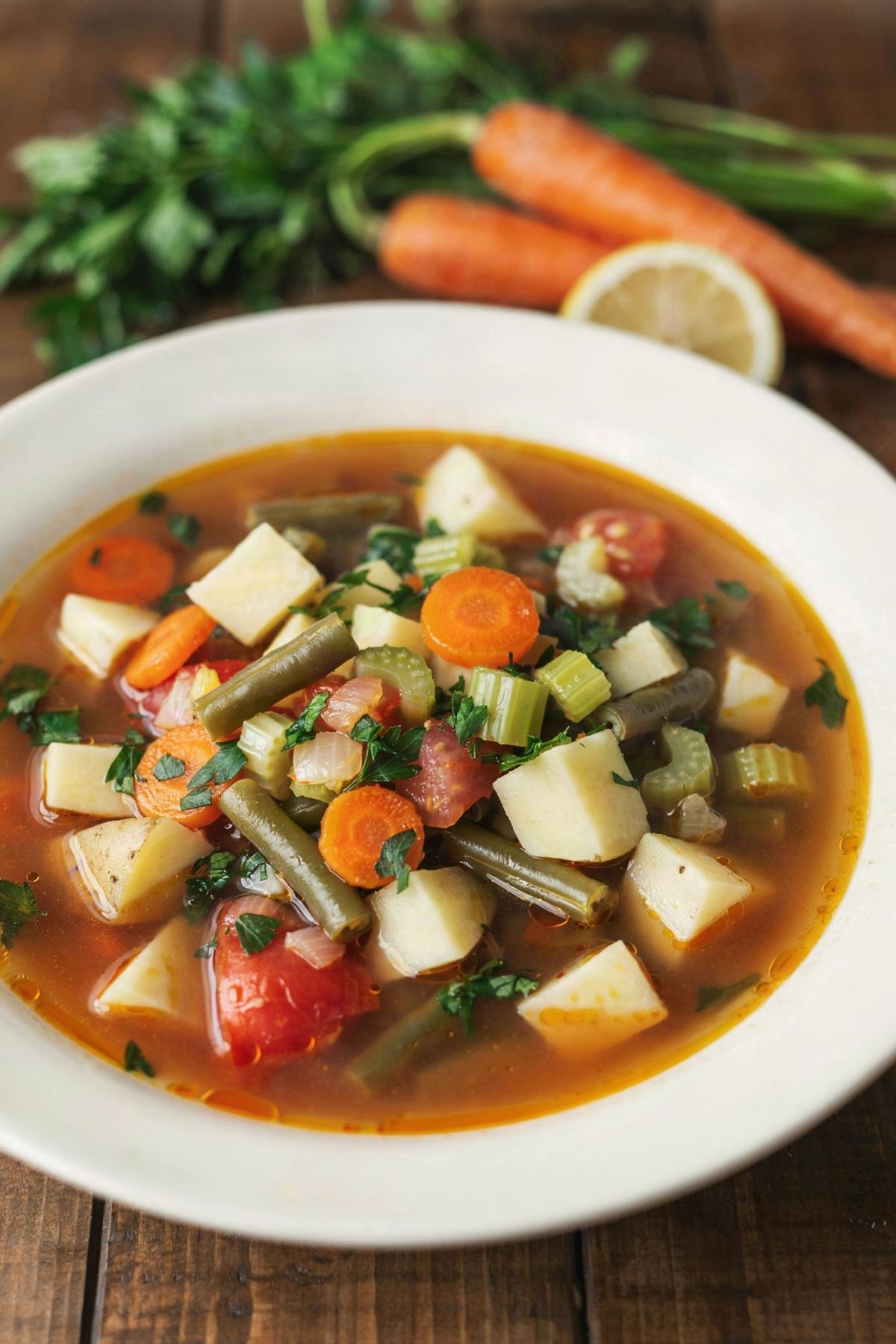
Why I Keep This Instant Pot Veggie Soup In My Back Pocket
There’s really nothing better than a soup that asks for twenty minutes of your attention and then gets on with it by itself. That’s exactly what makes this Instant Pot hearty vegetable soup a near constant for me. It is not a thirty minute recipe, whatever the display says, but almost none of the hour is spent standing over it.
The best part about this soup is just how customizable it is. Grab whatever is in your crisper drawer. Throw in squash, peas, or even some leafy greens like spinach or kale at the end. Seasoning with thyme and basil brings a homestyle flavor that’s both classic and comforting.
What do I like pairing this soup with?
Here are some of my favorite combos:
- with a grilled cheese or crusty sourdough on the side
- topped with extra herbs or even a dollop of pesto
- with a spoonful of cooked small pasta or barley dropped into each bowl
Don’t be afraid to make this your own. Use what’s in season, and remember that anything soft and green goes in after the pressure cooking rather than before. However you change it, this is a go-to for easy, healthy eating.
The story
Instant Pot Vegetable Soup Is Not a Five Minute Recipe
The pot was designed in Ottawa by Robert Wang and two colleagues from Nortel, all three out of work after the telecom collapse. They started sketching in 2008, shipped in 2010 under a company called Double Insight, and sold almost nothing for three years before the internet found it. On Amazon’s Prime Day in 2016 they moved more than 215,000 in a day. “Instant” describes the pot, which needs no watching and no venting. It was never a claim about the meal.
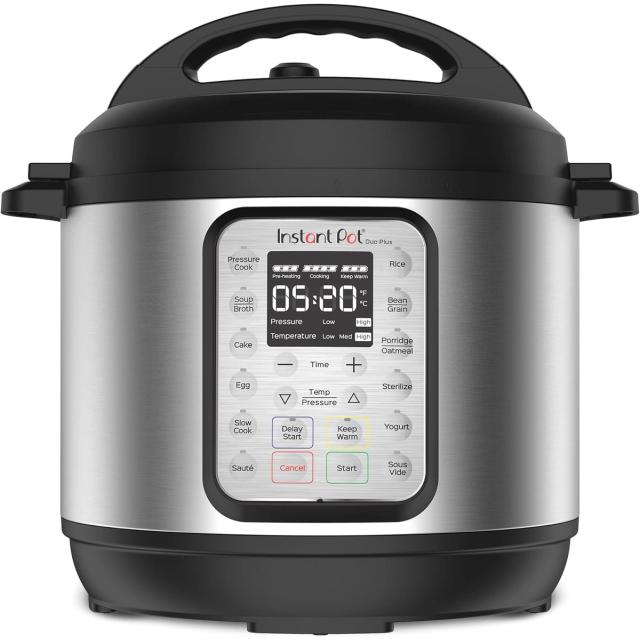
Four minutes is what the display shows, and four minutes is all it spends at pressure. It is also about a tenth of the real number. Chopping is fifteen, the sauté is seven, coming up to pressure is another ten with the vegetables cooking hard throughout, then the pressure has to fall and the green beans want four minutes. The honest total is nearer fifty five. What the pot buys is not speed against a saucepan. It is a long simmer’s worth of depth for twenty minutes of standing up.
That depth has physics behind it. Sealed at working pressure, water boils at about 121°C instead of 100°C. Browning barely runs in a wet pot, because free water pins food near boiling and holds it there. Push past 100°C and the Maillard reaction starts working in liquid, which is the trick behind Modernist Cuisine’s pressure-caramelized carrot soup and why pressure cooked stock tastes faintly roasted.
Here is the part no vegetable soup page mentions, and it is why the method looks the way it does. Maillard browning is strongly pH dependent. It slows sharply below pH 6 and runs best around 8 or 9, which is why Modernist Cuisine reaches for baking soda. Canned tomatoes are deliberately acidified so they can be canned safely, and sit near pH 4.3. Tip a can in and you have parked the soup two full pH points below where pressure browning is possible. All that clever heat is just cooking potatoes.
So the browning has to happen before the acid arrives, dry, in the bottom of the same pot. A meat soup could skip it and pull flavor from bones and fat over an hour instead. Vegetables have no such reserve. Those seven minutes at the start are not a warm-up, they are the stock.
What to buy
Ingredient Notes
Waxy potatoes
Yukon Gold, red potatoes or charlottes hold their edges through pressure and leave the broth clear. Floury varieties like russets collapse, because their cells separate rather than stay put. The loose starch they shed is also what foams up and sprays out of the valve on a fast release, so the variety is doing two jobs here.
Canned diced tomatoes
Every can is acidified, usually with citric acid, because tomatoes sit on the borderline of what can be safely canned without pressure. That is why they land near pH 4.3, and why they go on top unstirred. Fire-roasted diced tomatoes are worth the extra dollar in this soup, since they are the one bit of browning you cannot produce yourself once the can is open.
Tomato paste
The name is a mess across borders. In the US, tomato paste is the thick dark concentrate in a small can or tube, and tomato purée is a much thinner canned product. In the UK and Ireland the same tube of concentrate is sold as tomato purée, and passata is thinner again. You want the concentrate, whatever your shop calls it. Passata will not brown, it just waters down the pot.
Vegetable broth
At 950 ml this is most of what the soup tastes of, so buy low-sodium and season it yourself at the end. A standard carton puts a bowl near 900 mg of sodium before you add a grain of salt. It is also the only place gluten hides in this recipe, since barley malt extract is a common bulking agent in stock cubes.
Green beans
Fresh is worth it, and either way they wait until after the pressure cooking. Frozen beans go in for 2 minutes rather than 4, straight from the freezer, because they were blanched before freezing. Trim them to about 4 cm so they sit on a spoon alongside a cube of potato.
Dried thyme and dried basil
Split across the recipe on purpose. Thyme is woody and holds its aroma in tough leaves, so it takes pressure well and goes in early. Basil is a soft leaf with volatile, fragile aromatics. Fifteen minutes under pressure and it tastes like hay. Three or four minutes in hot liquid at the end is exactly enough to open it up.
Lemon juice
Seasoning rather than flavor. A tablespoon stirred in off the heat will not make the soup taste of lemon, it makes the tomato and thyme taste of more. Use fresh: bottled carries a dull cooked note you notice when nothing else is going on. Boil it and the brightness goes, leaving a faint bitterness.
Instant Pot Hearty Vegetable Soup
A vegetable soup with real depth, built on a proper sauté and finished with lemon, using the Instant Pot to do the long simmering in four minutes.
Ingredients
Equipment
As an Amazon Associate I earn from qualifying purchases, at no extra cost to you.
Instructions
- 1
Soften the onion, celery and carrot
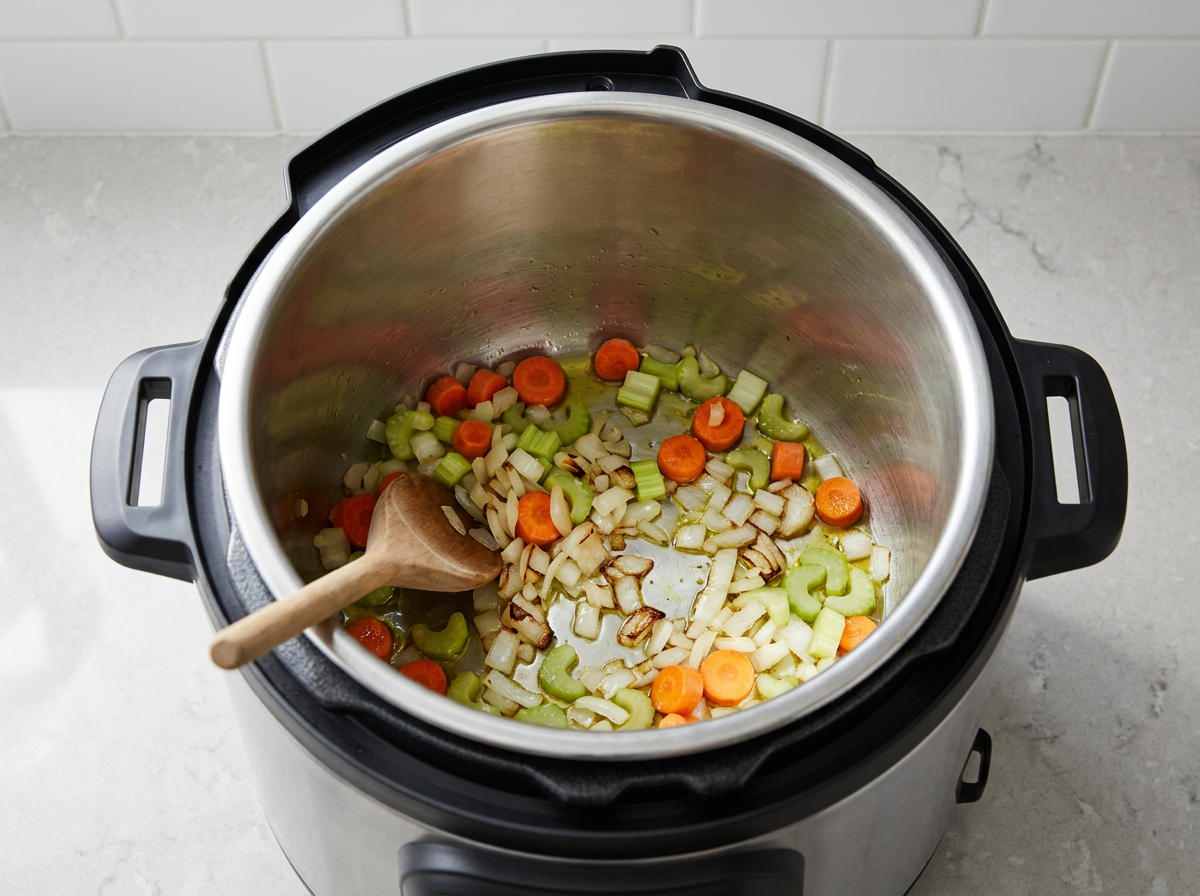
Press Sauté and leave it on the normal setting. Warm the olive oil, then add the onion, celery, carrot and a good pinch of salt. Cook for 5 to 6 minutes, stirring now and then, until the onion is translucent and the vegetables catch a little color at the edges. Do not rush it.
- 2
Bloom the garlic, tomato paste and thyme
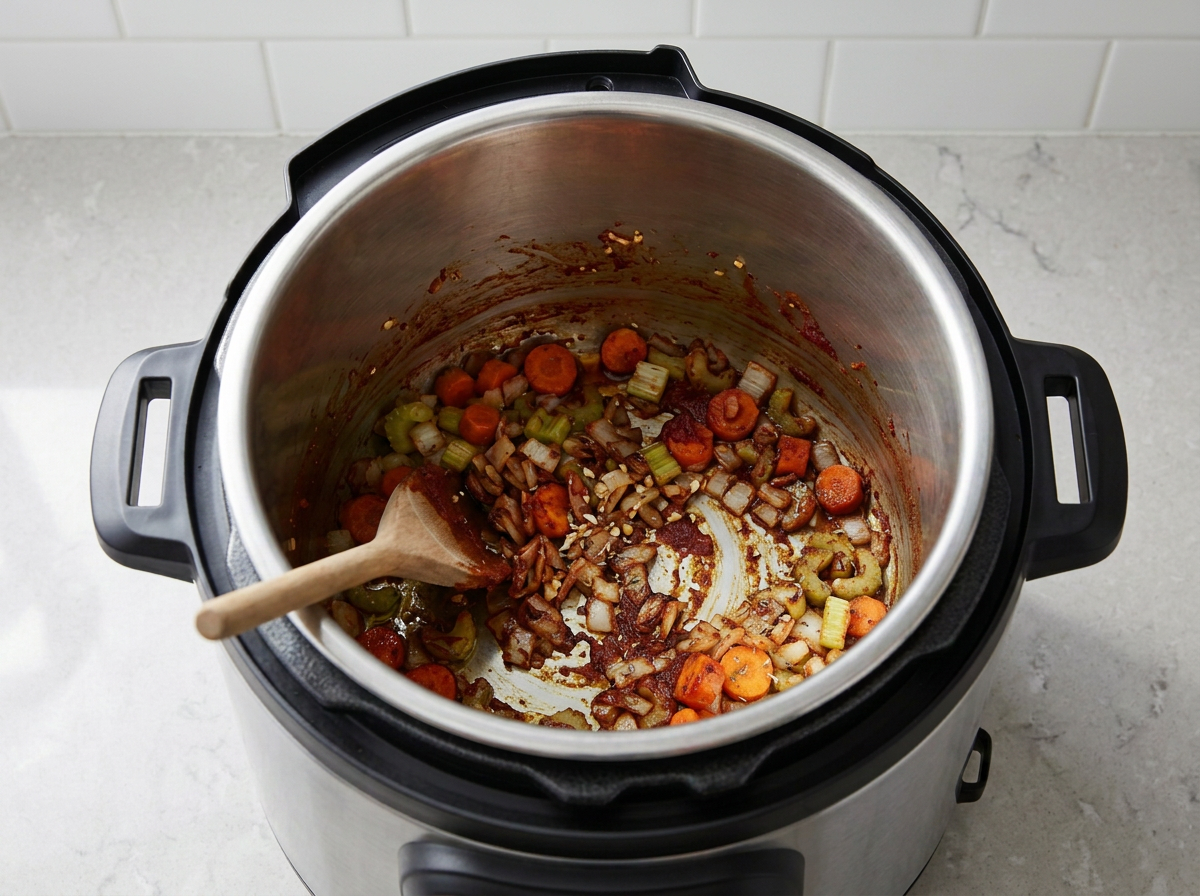
Add the garlic, tomato paste and dried thyme and stir constantly for 60 to 90 seconds, until the paste darkens from bright red to brick and smells sweet rather than tinny. Any longer and the garlic turns bitter.
- 3
Deglaze until nothing is stuck
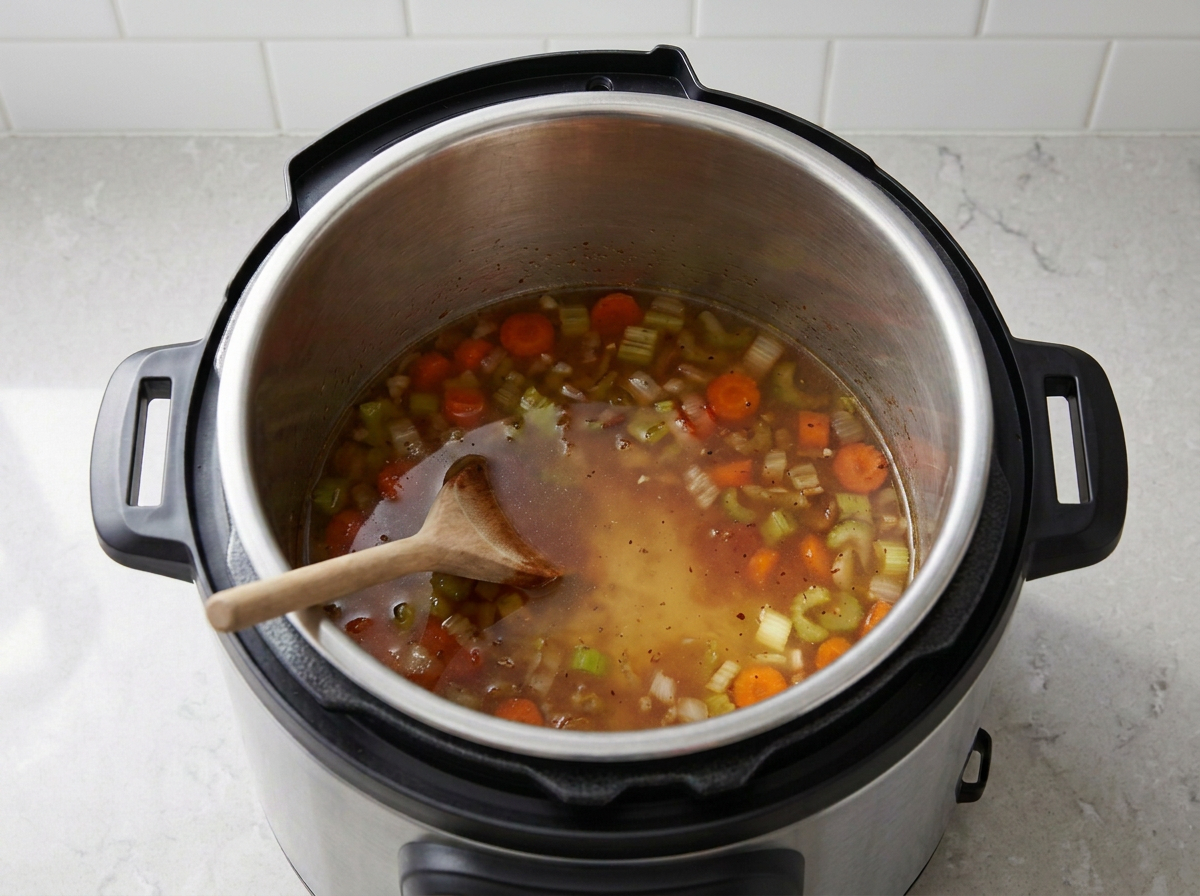
Pour in the vegetable broth and scrape the base with a wooden spoon until every brown patch has lifted and the bottom feels smooth. Press Cancel. Skipping this is the most common reason an Instant Pot flashes Burn.
- 4
Layer the potatoes and tomatoes, and stop stirring
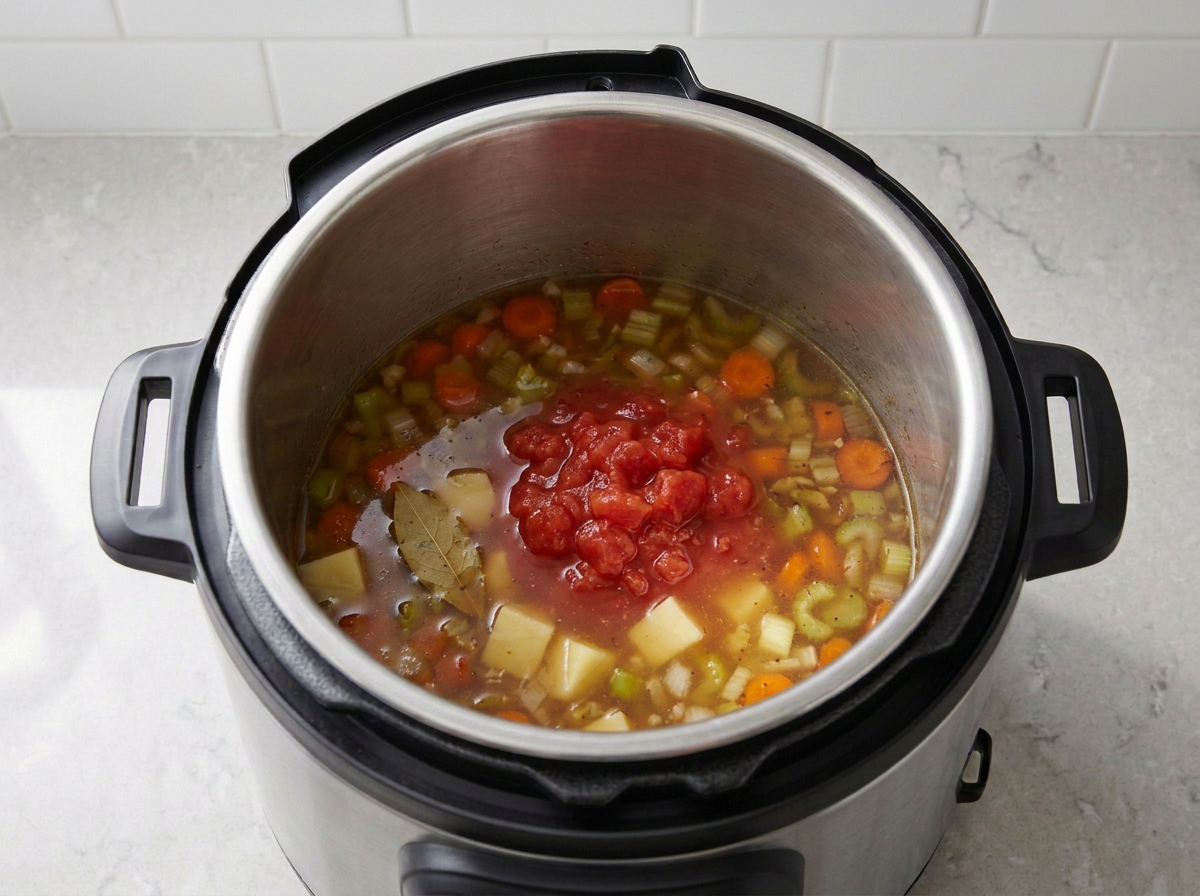
Stir in the potatoes and the bay leaf. Tip the canned tomatoes and their juice on top and leave them there. Do not stir again: stirred in, they sink to the hot base and scorch.
- 5
Pressure cook for 4 minutes
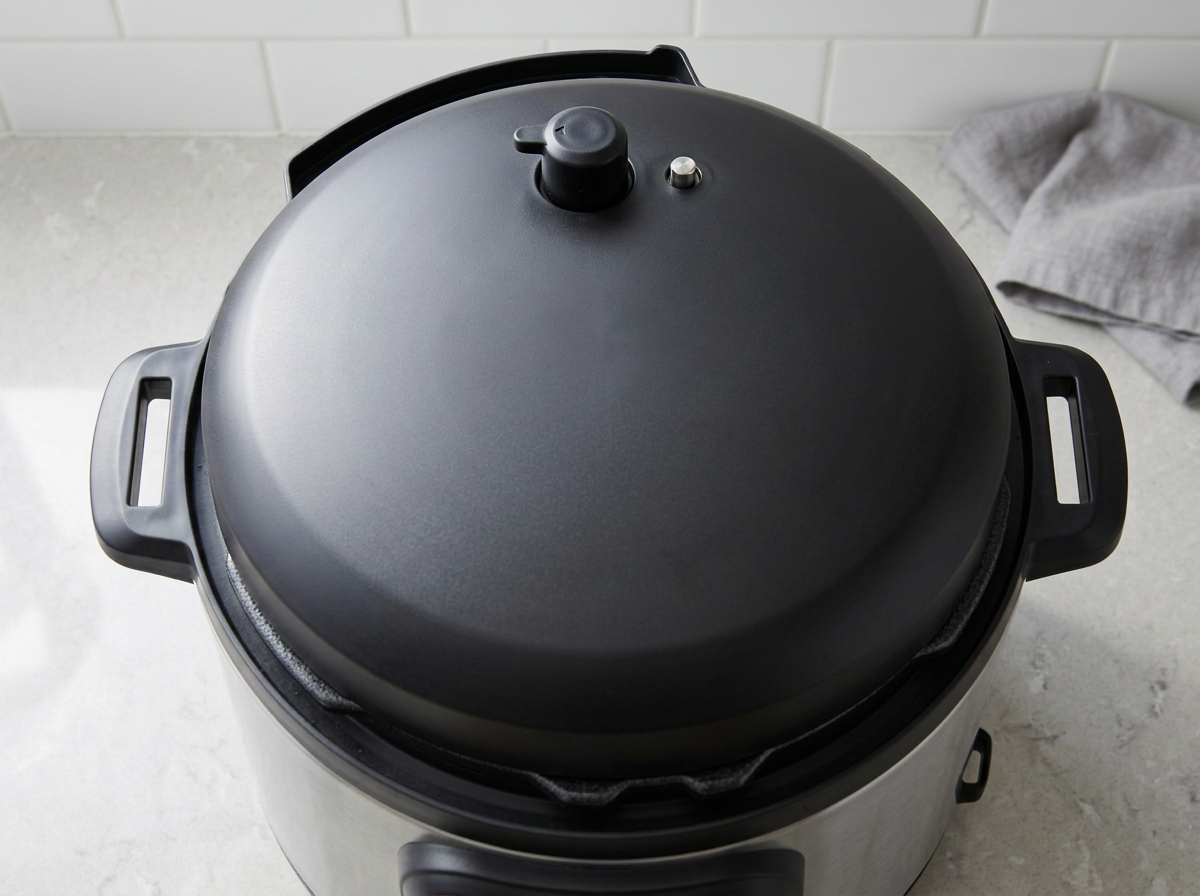
Close the lid, set the valve to Sealing, and select Pressure Cook or Manual on high for 4 minutes. The pot takes about 10 minutes to come up to pressure, and the vegetables cook for all of it.
- 6
Let the pressure fall for 10 minutes
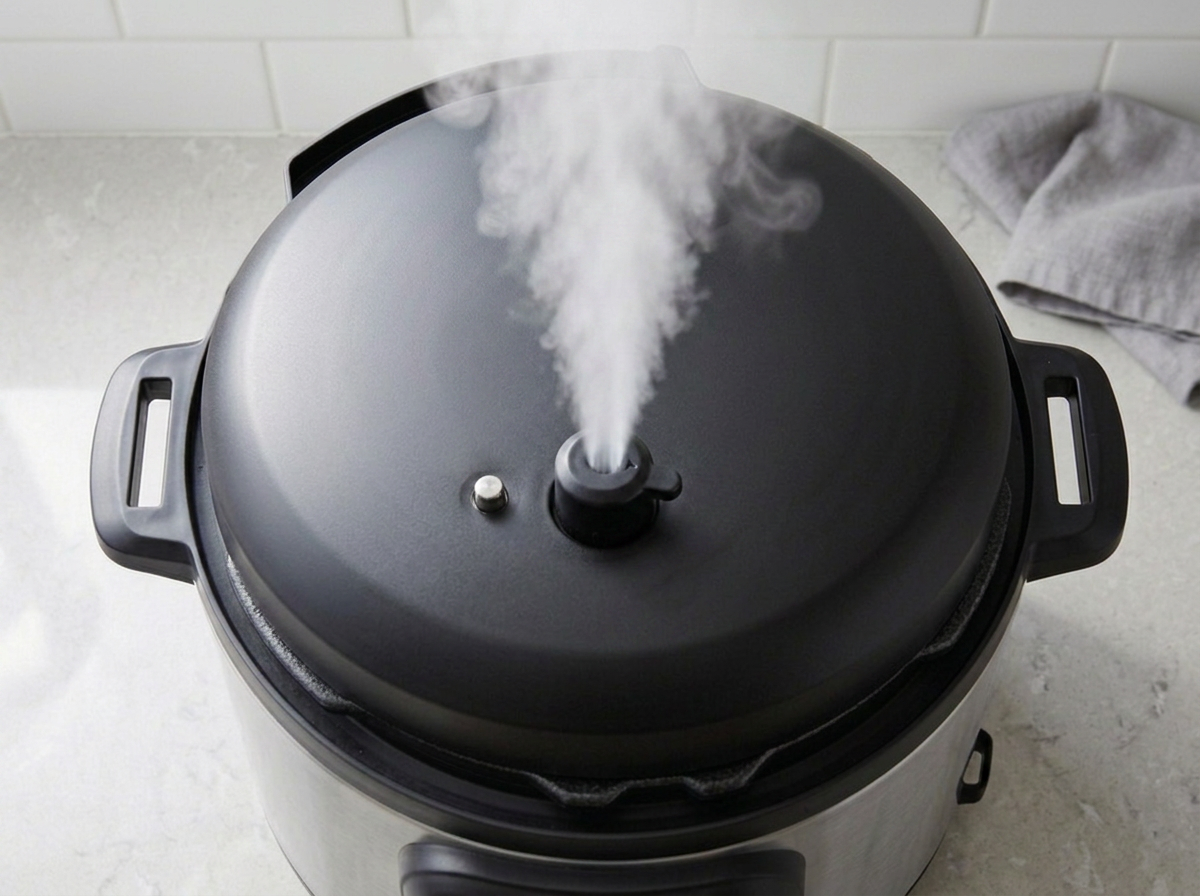
When it beeps, do nothing for 10 minutes, then turn the valve to Venting to release the rest. Releasing a full pot of starchy soup straight away sends foam out of the valve.
- 7
Finish the green beans on Sauté
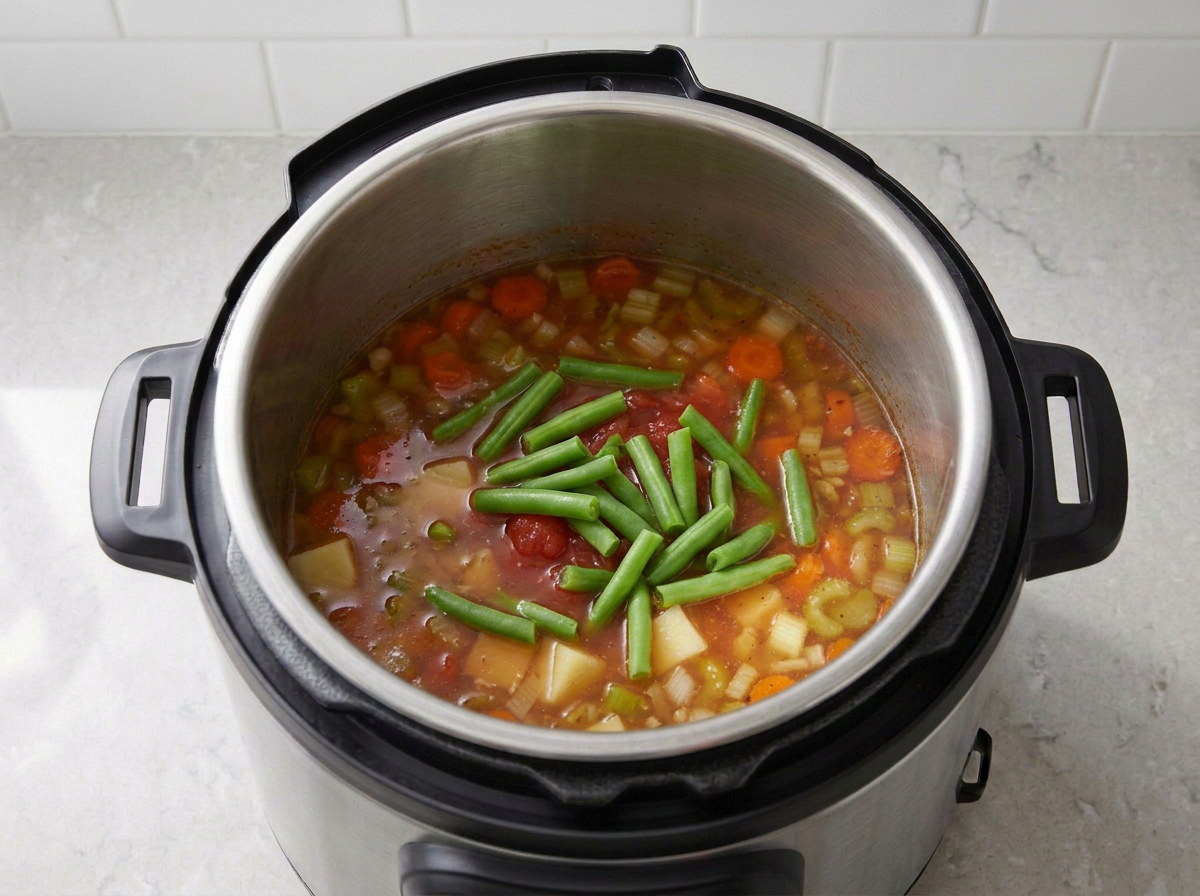
Open the lid, fish out the bay leaf, and press Sauté again. Add the green beans and the dried basil and simmer for 3 to 4 minutes, until the beans are bright green and still have bite.
- 8
Season it at the very end
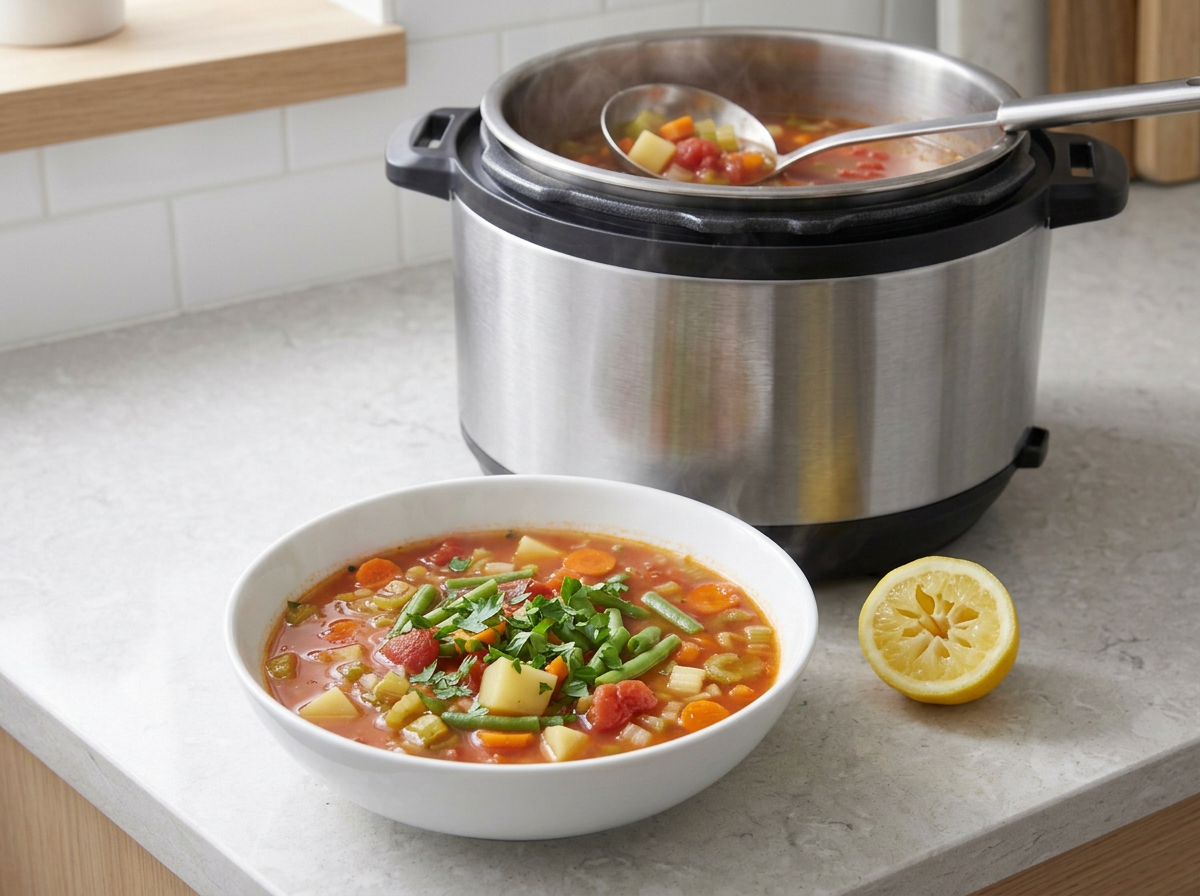
Press Cancel. Stir in the lemon juice, then salt and pepper until the soup stops tasting like broth with vegetables in it. Ladle into bowls and scatter over the parsley.
Notes
Waxy potatoes such as Yukon Gold or red potatoes hold their edges. Russets break down under pressure and turn the broth cloudy and gluey.
Cut the potatoes no larger than 2 cm (¾ inch). Bigger pieces are still hard at 4 minutes, and lengthening the pressure time to suit them overcooks everything else.
A can of drained white beans or chickpeas stirred in with the green beans turns this into a main course. Add them after pressure cooking, never before.
Do not fill the pot past the ½ mark for a doubled batch. Soup foams as it comes to pressure, and an overfilled pot blocks the float valve.
Nutrition Facts
6 bowls · 401 g per serving
- Calories
- 151 kcal
% Daily Value*
- Total Fat
- 5.1 g7%
- Saturated Fat
- 0.7 g3%
- Sodium
- 914 mg40%
- Total Carbohydrate
- 25.1 g9%
- Dietary Fiber
- 4.5 g16%
- Sugars
- 8 g—
- Protein
- 3.4 g7%
Recipe from veggierecipes.blog
When it goes wrong
Troubleshooting
It flashed BURN and never came up to pressure
Two causes, both in the same 30 seconds of the method. Either the fond from the sauté was still welded to the base when the lid went on, or the tomatoes got stirred in instead of left on top. The pot reads the temperature of the metal at the bottom, not of the soup, so anything dense and sugary against it reads as scorching. Cancel, open up, add a splash of broth, scrape the base smooth, push the solids down, pour the tomatoes back on top and start again. Nothing is ruined.
The green beans came out olive brown and floppy
They went in before the pressure cooking. Chlorophyll holds a magnesium atom at its center, and acid knocks it out and replaces it with hydrogen, making pheophytin, which is that drab army green. Heat speeds the swap up. A pot of acidic tomatoes held above boiling for fifteen minutes is close to the worst case you could design. Four minutes at the end, off pressure and below boiling, keeps them bright.
Hot soup sprayed out of the valve on release
A full pot of starchy liquid does that. Releasing all at once drops the pressure faster than the soup can cool, so the whole pot flashes to a violent boil and the foam has one way out. Waiting 10 minutes lets the temperature fall far enough that it cannot happen. Mid-spray, push the valve shut and try again in five minutes.
The potatoes dissolved and the broth went cloudy
Either floury potatoes, or pieces cut too large and then compensated for with a longer pressure time. The second is the trap: a 2 cm dice is done in 4 minutes plus the ramp and the release, and pushing to 8 or 10 to rescue a few big chunks purées everything else. Cut smaller rather than cooking longer.
It tastes like hot vegetable water
Almost always a short sauté. The onion, celery and carrot need the full 5 to 6 minutes to get past translucent, and the tomato paste needs its own 60 to 90 seconds against the metal. Neither is recoverable later, because once the tomatoes are in, the pot is too acidic for anything to brown at any temperature. What you can still do to a flat bowl: salt it properly, which is usually the real problem, add the lemon juice, and if it is still hollow stir in a teaspoon of white miso.
The soup is too thin
It is meant to be brothy, but if you want it to cling, scoop out a ladleful of potatoes, mash them against the side of a bowl and stir them back in. Cornstarch and flour flatten the flavor and leave a coating texture. Reducing it on Sauté works too, but it concentrates the salt, so taste again afterwards.
Before you serve
Serving & Storage
In Tuscany a soup this brothy would rarely arrive on its own. A slice of stale, unsalted bread goes in the bottom of the bowl first and the soup is ladled over it, which is the idea behind ribollita and pappa al pomodoro. Try it once before defaulting to bread on the side: the bread half-dissolves, the soup thickens around it, and a light bowl becomes a meal. Day-old sourdough works, toasted first so it does not go straight to mush.
Otherwise finish it at the table rather than in the pot. Grated vegetarian hard cheese, a spoonful of pesto, chile oil or torn parsley all land better added by the person eating, and a poached egg on top makes it dinner. Cream does not work: it mutes the tomato and the lemon the whole method has been building toward.
Making it ahead
It is better on day two, once the thyme and tomato settle into the broth. The green beans are the exception, and the reason to split the work: stop after the pressure release, cool and refrigerate the base, then bring it back to a simmer and cook the beans, basil and lemon fresh when you serve. Reheated beans lose both color and snap.
Reheat gently on the stove or on Sauté. Do not bring it back up to pressure. Four minutes at 121°C a second time is what turns leftover soup into baby food.
Storing leftovers
Four days in an airtight container in the fridge. Decant into shallow containers rather than leaving the pot out, because a big volume of soup sits in the temperature range bacteria like for hours.
Freezing works for up to 3 months, with one caveat most recipes skip. Potatoes freeze badly: ice crystals puncture the cell walls and what you thaw is mealy rather than creamy. If a batch is destined for the freezer, leave the potatoes out and add them on reheating, or accept the texture, which is a long way from ruined but is not what came out of the pot. Everything else freezes fine.
Still wondering
Frequently Asked Questions
How much protein does this soup actually have, and how do I add more?
As written it is 3.4 g a bowl, which is a side dish rather than a dinner. A drained 400 g (15 oz) can of white beans or chickpeas stirred in with the green beans takes it to roughly 10 g a bowl and adds about 45 calories. Red lentils are the other option, but they need to go in before pressure cooking, 60 g (⅓ cup) rinsed, and they will thicken the broth noticeably.
Can I use different vegetables?
Yes, but sort them by density rather than by preference. Anything as firm as a carrot goes in before pressure cooking: parsnip, swede, turnip, celeriac, butternut squash, all cut to the same 2 cm dice. Anything softer goes in with the green beans at the end, on Sauté, for 3 to 4 minutes: zucchini, corn, peas, broccoli, cabbage. Leafy greens need less than that, about 1 minute for spinach and 3 for kale. Mushrooms are the odd one out and are better browned with the onion in step 1.
Is this recipe gluten-free and vegan?
Vegan as written, with no substitutions needed. Gluten-free depends entirely on the broth, because some vegetable stock cubes and liquid concentrates are bulked with barley malt extract or wheat starch, neither of which has to be flagged on the front of the pack. Check the ingredients list rather than the marketing.
Featured In
More Cozy Veggie-Packed Soups
Made this?