
Shahi Paneer Recipe
Published
The royal version has no tomato in it at all, which is why it comes out ivory and gold instead of the orange on most menus.
Jump To Recipe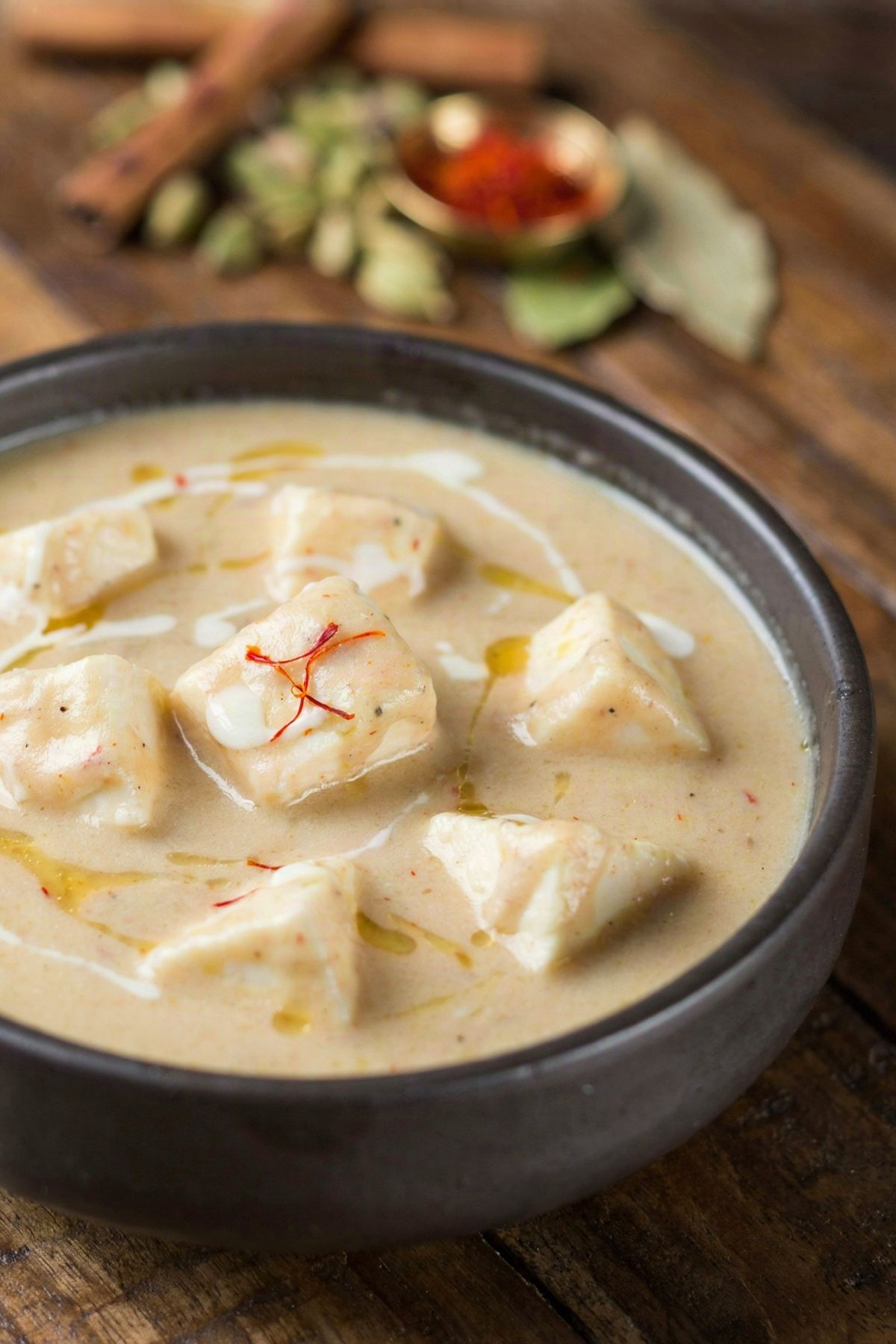
The Paneer Curry For People Who Say They Do Not Like Spice
For years I thought shahi paneer was just a creamier paneer butter masala, because that is what the restaurants near me served under the name: orange, tomato-sharp, a little sweet. Then a friend’s mother made it for a family dinner and brought out something pale gold, smelling of cardamom and saffron, with no tomato anywhere near it. It was the mildest curry on the table and the first dish to run out.
What surprised me was how little it asks. The onions are boiled instead of fried, the nuts go into the same pan, and the whole base is blended smooth before a spice touches it. There is no browning to watch and nothing to burn. The only moment that needs your attention is the yogurt, and even that is a matter of taking the pan off the heat for a minute.
It is now the dish I make when someone at the table says they do not like spicy food. It has flavor everywhere and heat almost nowhere.
The story
Shahi Paneer Borrows Its Gravy From The Mughal Court
Shahi comes from the Persian shah, and in North Indian cooking it marks a dish as royal in the Mughal sense: rich with nuts, cream and saffron, perfumed rather than hot. The gravy here is a korma gravy. Kormas were the braises of the Mughal kitchens, meat cooked gently in yogurt, onion and ground nuts, and the white versions from Delhi and Lucknow use no tomato at all. Their color comes from cream and cashews, and their gold from saffron.
Paneer arrived in that gravy much later. Its own history is contested. The word is Persian for cheese, and one theory credits Persian and Afghan rulers with bringing it to North India; another holds that the technique of splitting milk with acid came with the Portuguese in the seventeenth century. Either way, paneer did not become a restaurant main course until the twentieth century, when Punjabi cooks in Delhi put it at the center of the menu. Moti Mahal, opened after Partition in 1947, is credited with paneer makhani in the 1950s, a tomato and butter gravy that set the template for a generation of paneer dishes.
That is where the orange shahi paneer comes from. As restaurant kitchens standardized on one tomato-based master gravy, the royal white version picked up tomato along with everything else, and today most menus and most recipes serve it orange. Both are called shahi paneer. The white one is the older of the two.
For a vegetarian kitchen it is an unusually good fit. The whole Mughlai gravy tradition was built around meat, and paneer is how vegetarian North India claimed it. Nothing about the dish needs adapting: this is the gravy as the court would have recognized it, with the one ingredient its vegetarian cooks added.
What to buy
Ingredient Notes
Paneer
Buy full-fat paneer in a block, not pre-cubed and not the low-fat kind, which stays rubbery whatever you do to it. Store-bought paneer is pressed hard for shelf life, so it squeaks against the teeth until it has soaked in hot salted water. That soak is not optional here: the gravy is too gentle to soften it for you.
White onions
White or yellow onions, never red. Red onion tints a pale gravy pink-gray once it is blended. The onions are boiled rather than fried because browning is what turns a white gravy beige, and boiled onion blends into a sweet, neutral paste that tastes of the nuts and cream around it rather than of onion.
Raw cashews
Raw and unsalted. Roasted cashews darken the gravy and taste toasted, which is a different dish. Some Mughlai cooks add magaz, peeled melon seeds, for extra body; a tablespoon can go in with the cashews if you find them in an Indian grocery. Blanched almonds work in place of up to half the cashews.
Plain yogurt
Whole-milk plain yogurt at room temperature. Low-fat yogurt splits into grains the moment it meets heat. If all you have is Greek yogurt, loosen it with a tablespoon of water first, since it is thick enough to go lumpy. Take it out of the fridge when you start the onions and it will be ready when you need it.
Saffron
Threads, not powder, which is often cut with turmeric or safflower. Steeping them in warm milk draws out the gold and the aroma before they go in. Real saffron releases its color slowly over several minutes; threads that bleed red instantly in cold water are dyed. A large pinch is enough for four servings.
Kewra water
Distilled from pandanus flowers and sold in small bottles in Indian groceries, it is the floral top note in Mughlai gravies and biryanis. It is optional and potent: a quarter teaspoon perfumes the whole pan, and a half teaspoon makes it taste of soap. Rose water in the same amount is the usual substitute.
Shahi Paneer
Mughlai shahi paneer: soft paneer in a pale, silky gravy of boiled onion and cashews, yogurt, cream and saffron, mild and fragrant with cardamom, made without tomato.
Ingredients
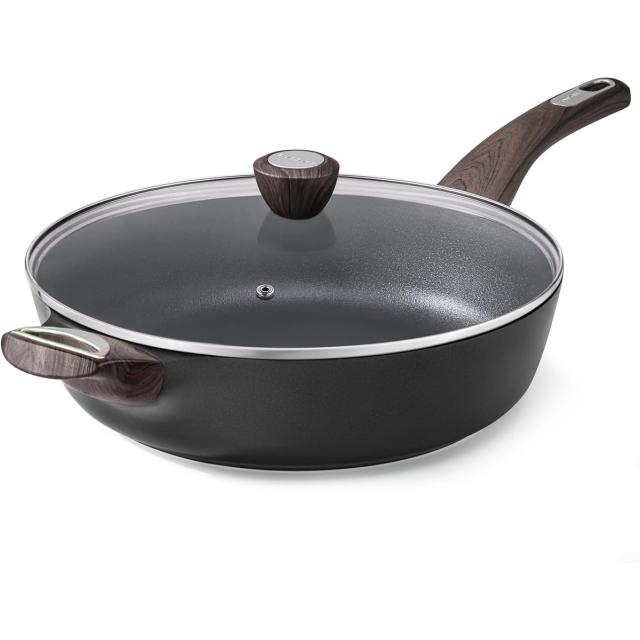
Equipment
As an Amazon Associate I earn from qualifying purchases, at no extra cost to you.

Instructions
- 1
Soak the paneer
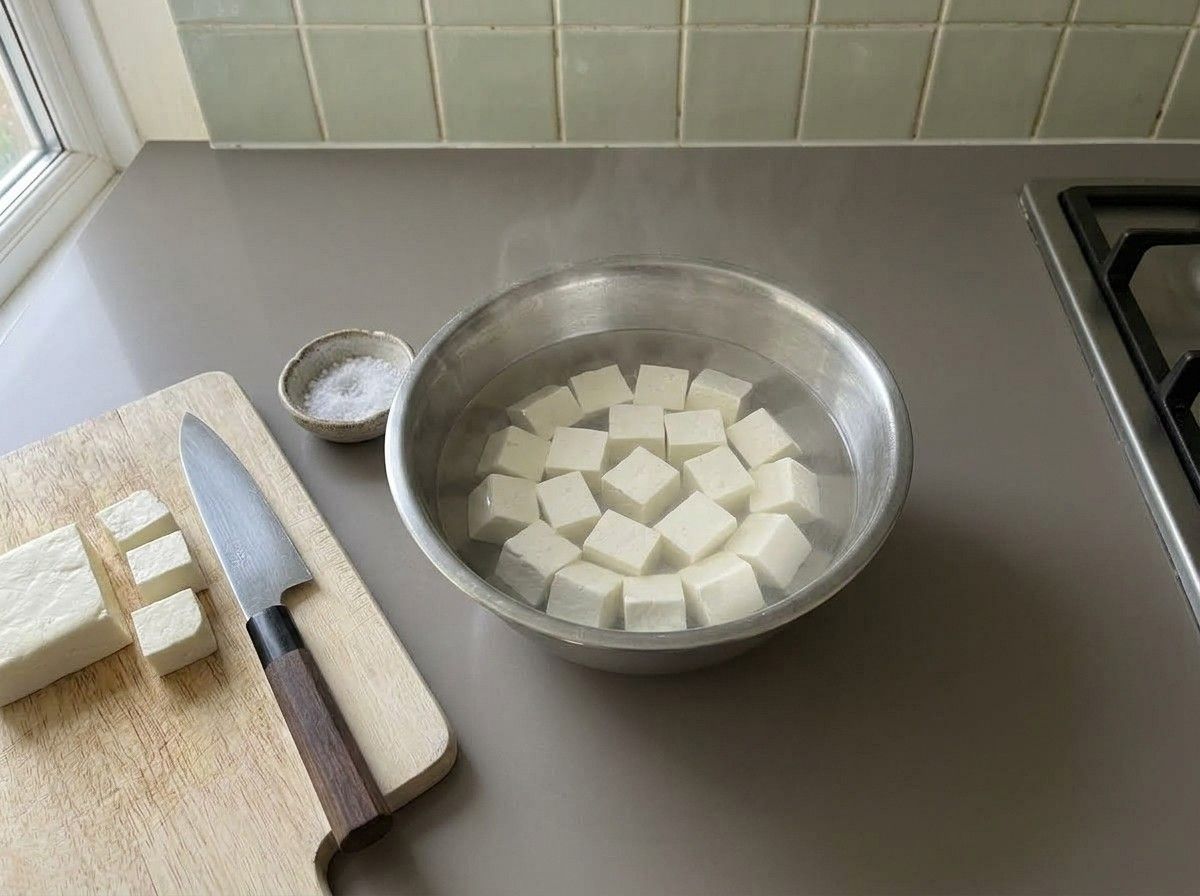
Cut the paneer into 1-inch cubes and put them in a bowl. Cover them with hot tap water, stir in 1/2 teaspoon of the salt and leave them to soak for at least 15 minutes, while you make the gravy. This softens store-bought paneer so it is tender rather than squeaky.
- 2
Bloom the saffron
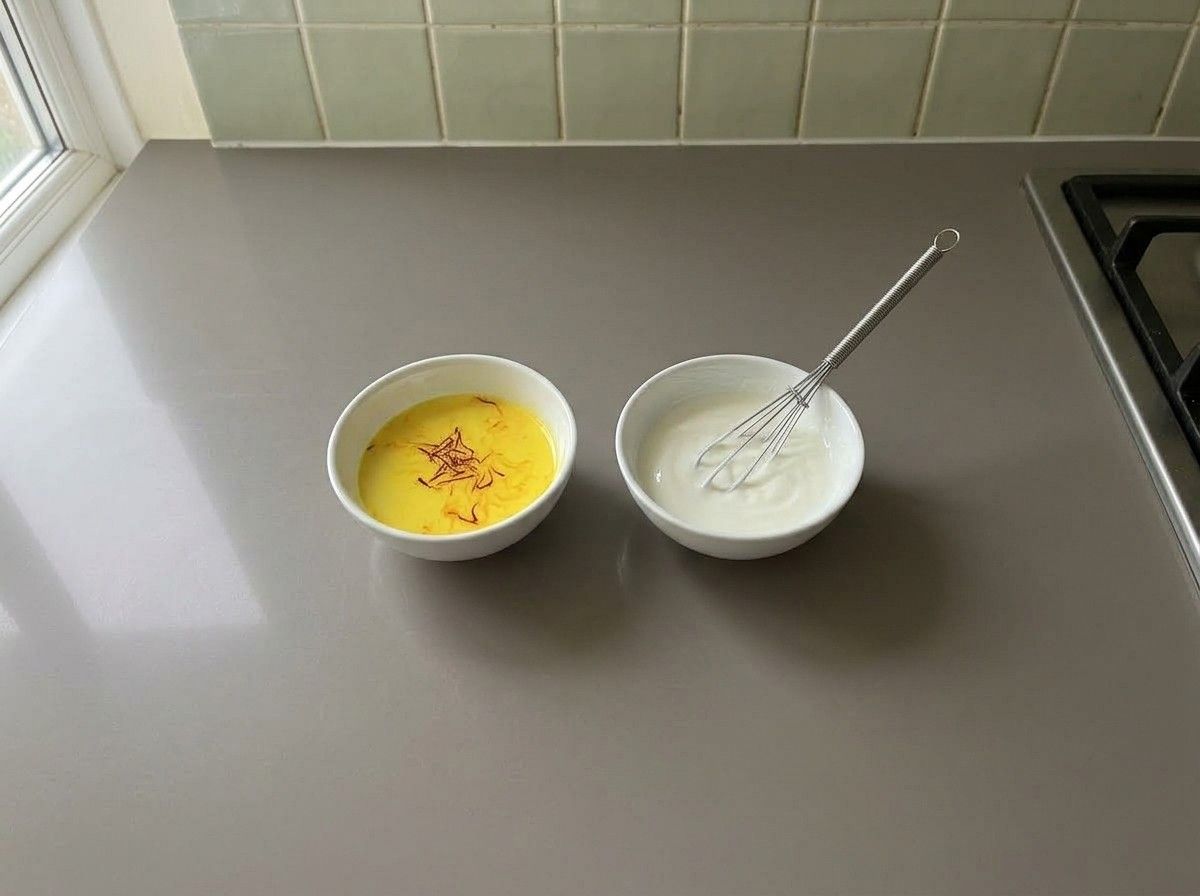
Warm the milk until it is hot to the touch, crumble the saffron threads into it and set it aside. Take the yogurt out of the fridge and whisk it smooth in a small bowl so it can come to room temperature.
- 3
Boil the onions and cashews
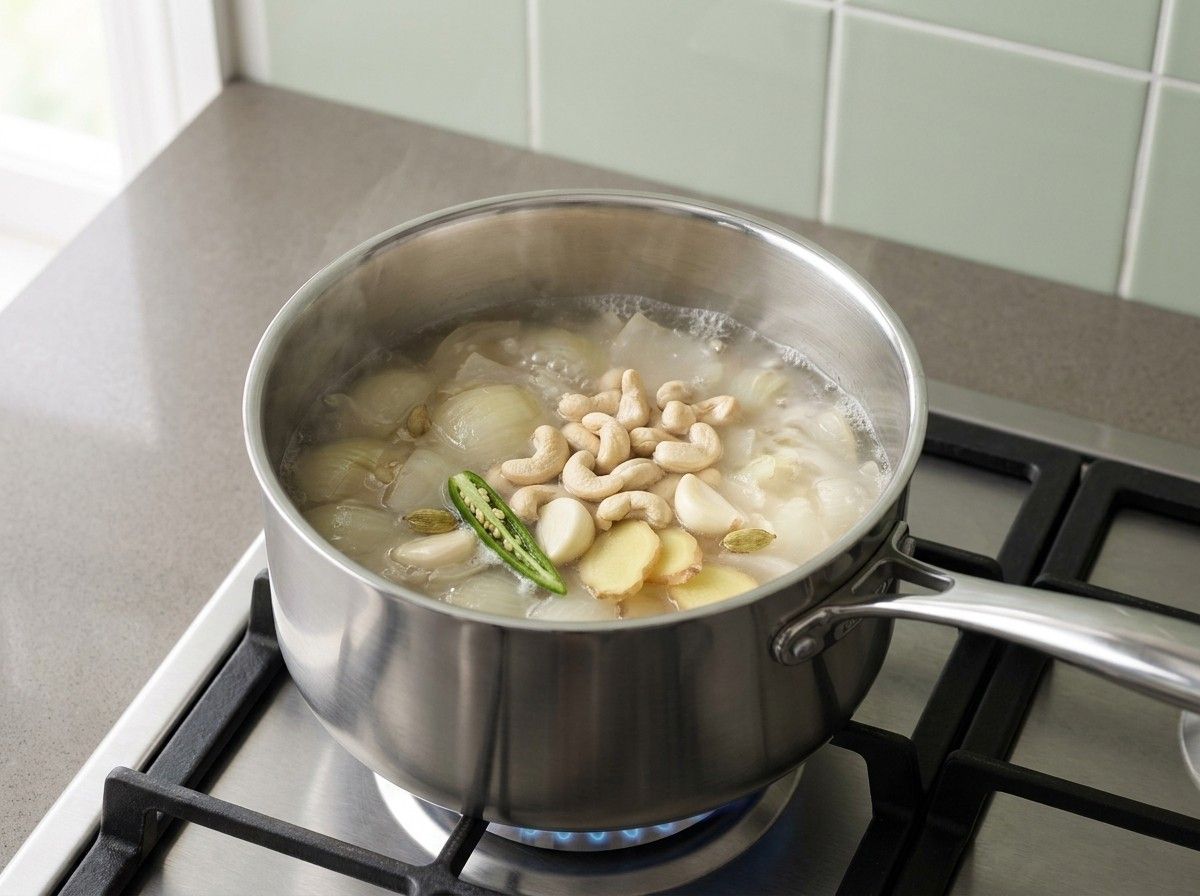
Put the onions, cashews, garlic, ginger, green chili and 2 of the cardamom pods in a saucepan with the 1 1/2 cups of water. Bring to a boil, then cover and simmer for 15 minutes, until the onion is soft and translucent and a cashew crushes easily between your fingers.
- 4
Blend the base smooth
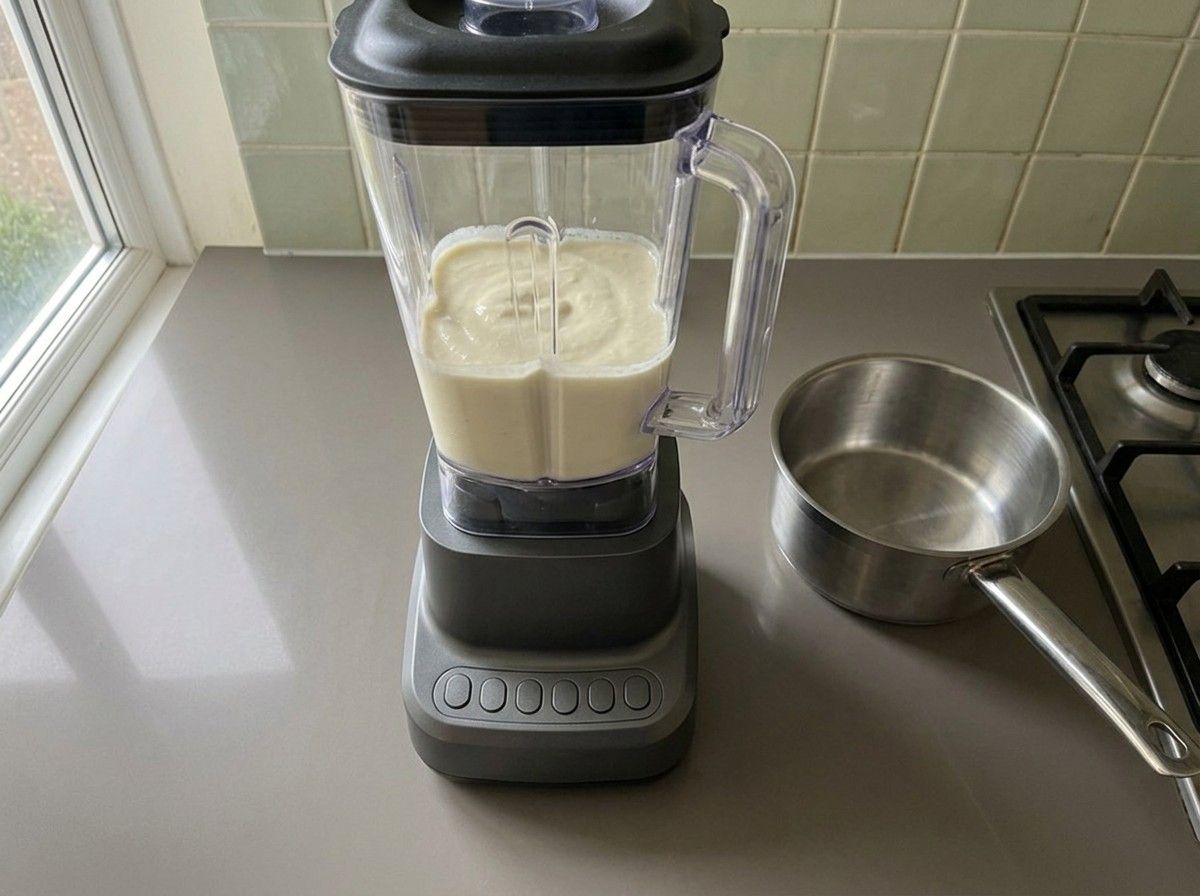
Let the mixture cool for 5 minutes, then tip it into a blender with its cooking water and blend for a full 2 minutes, until it is completely smooth and the color of heavy cream. There should be no flecks of nut or onion left in it.
- 5
Toast the whole spices
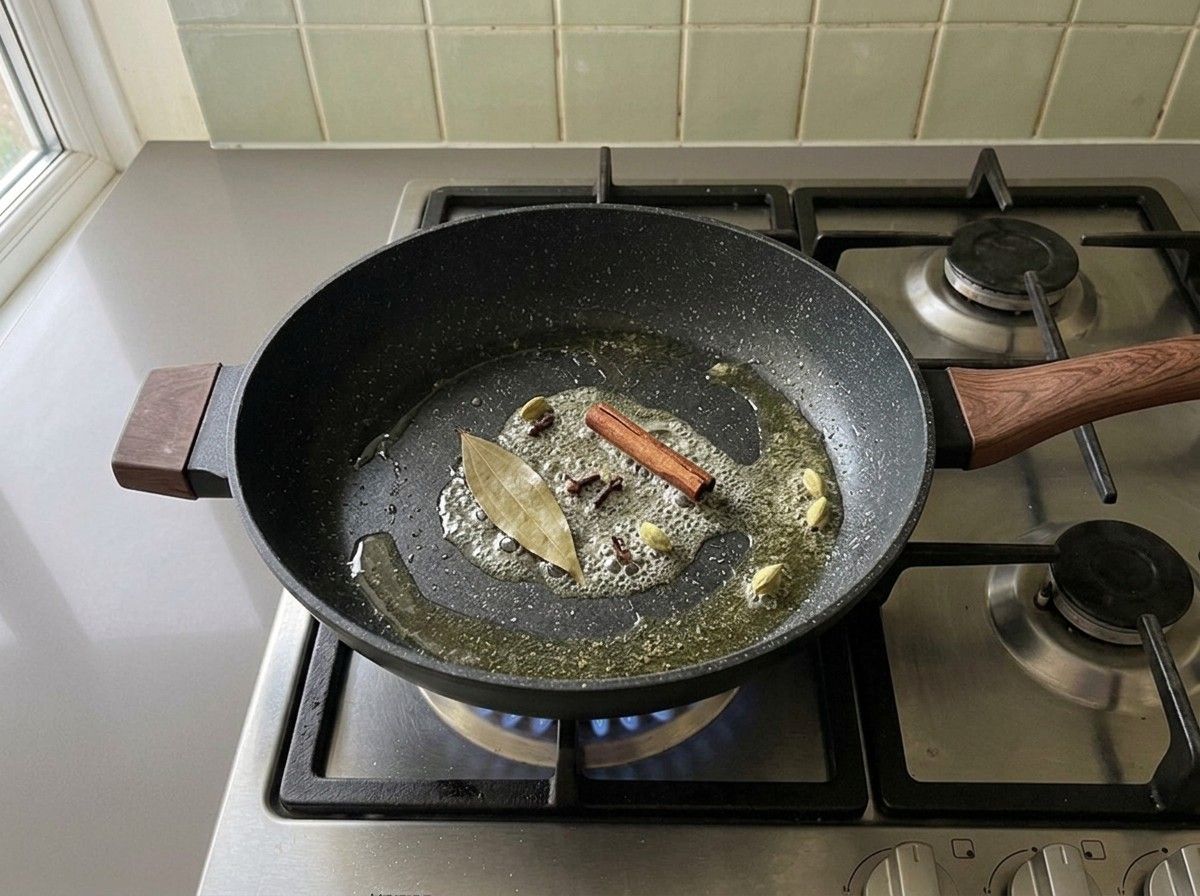
Melt the ghee in a large skillet over medium-low heat. Add the bay leaf, cinnamon stick, cloves and the remaining 2 cardamom pods and stir for 30 to 45 seconds, until the cinnamon unfurls slightly and the kitchen smells of spice.
- 6
Cook the onion paste
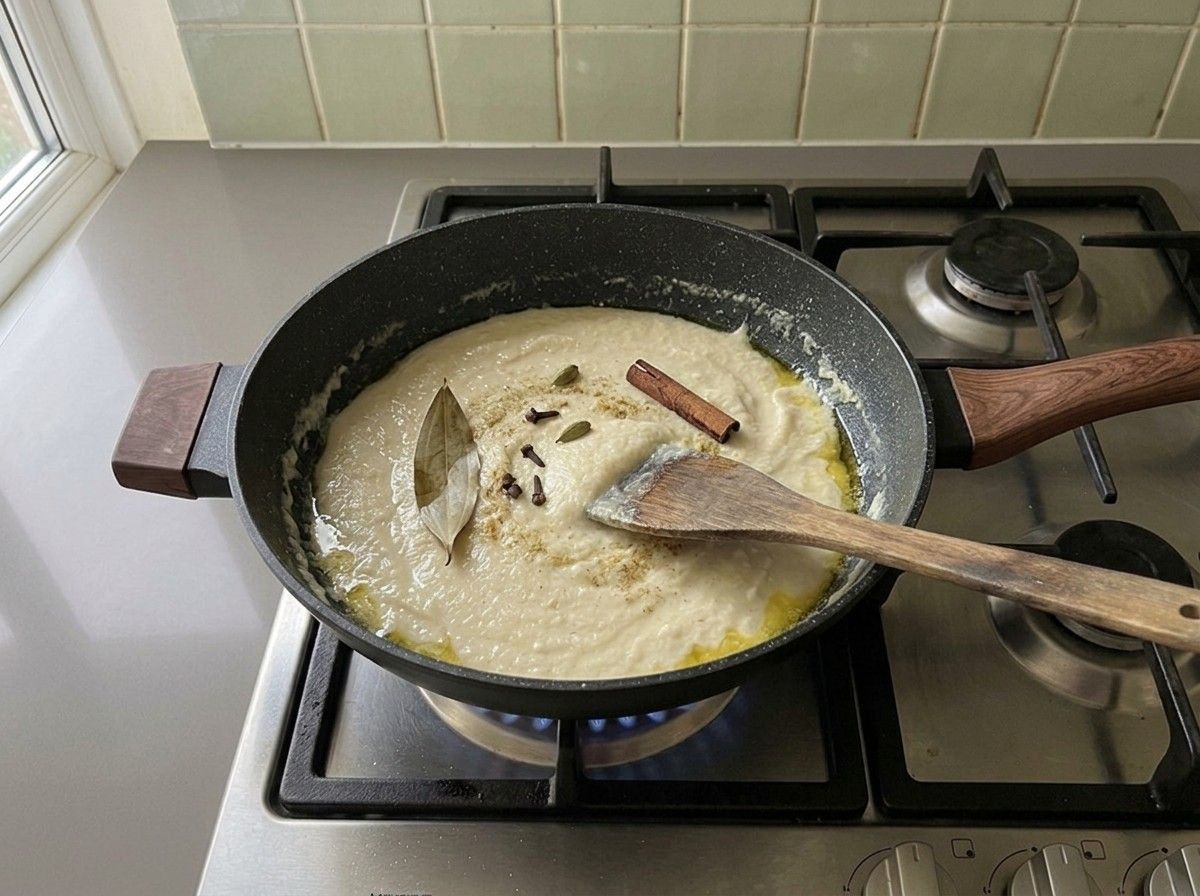
Pour in the blended paste, standing back as it spits, and cook for 6 to 8 minutes, stirring often, until it thickens and the ghee starts to show at the edges. Stir in the coriander, white pepper, garam masala, sugar and the remaining 1/2 teaspoon of salt and cook for 1 minute more. It must stay pale; turn the heat down if it starts to color.
- 7
Stir in the yogurt off the heat
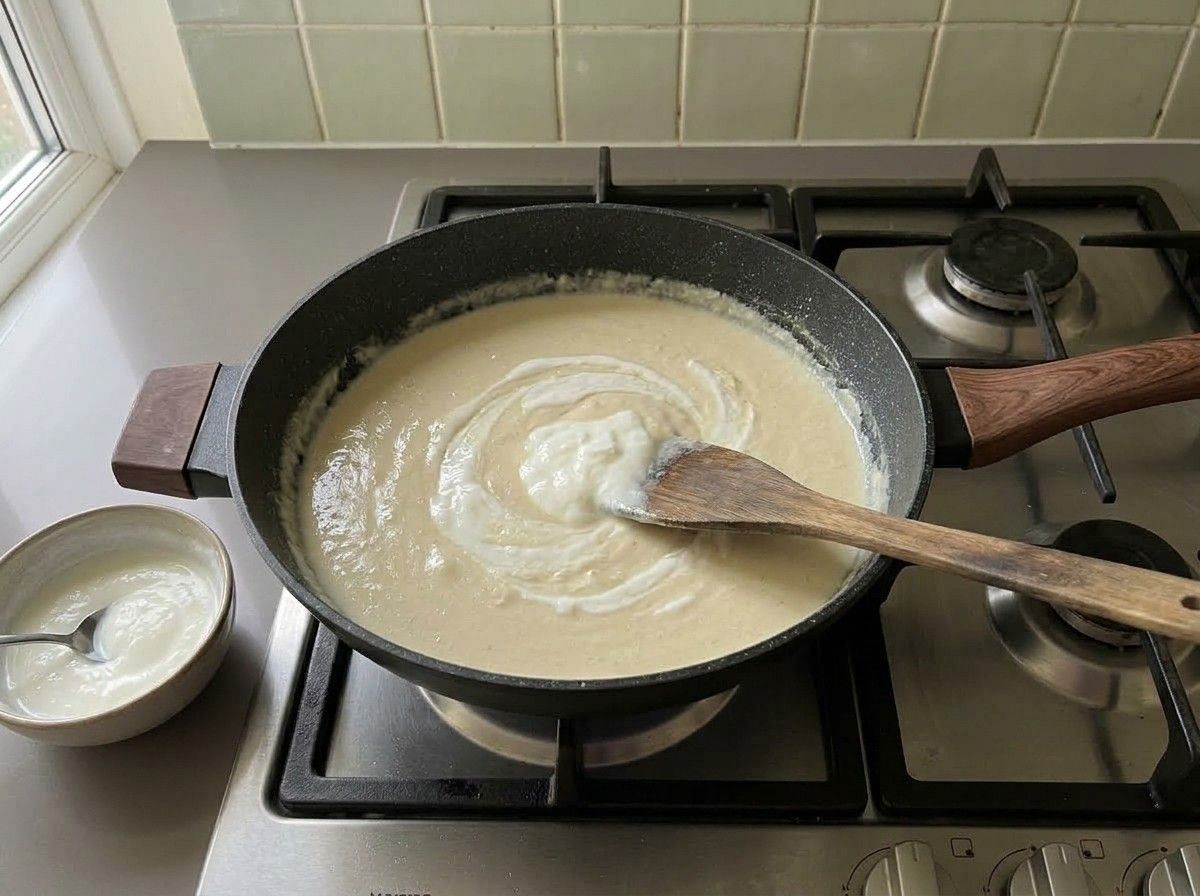
Take the skillet off the burner and wait a minute for the bubbling to stop. Add the yogurt a spoonful at a time, stirring each one in completely before the next, until the gravy is smooth and creamy.
- 8
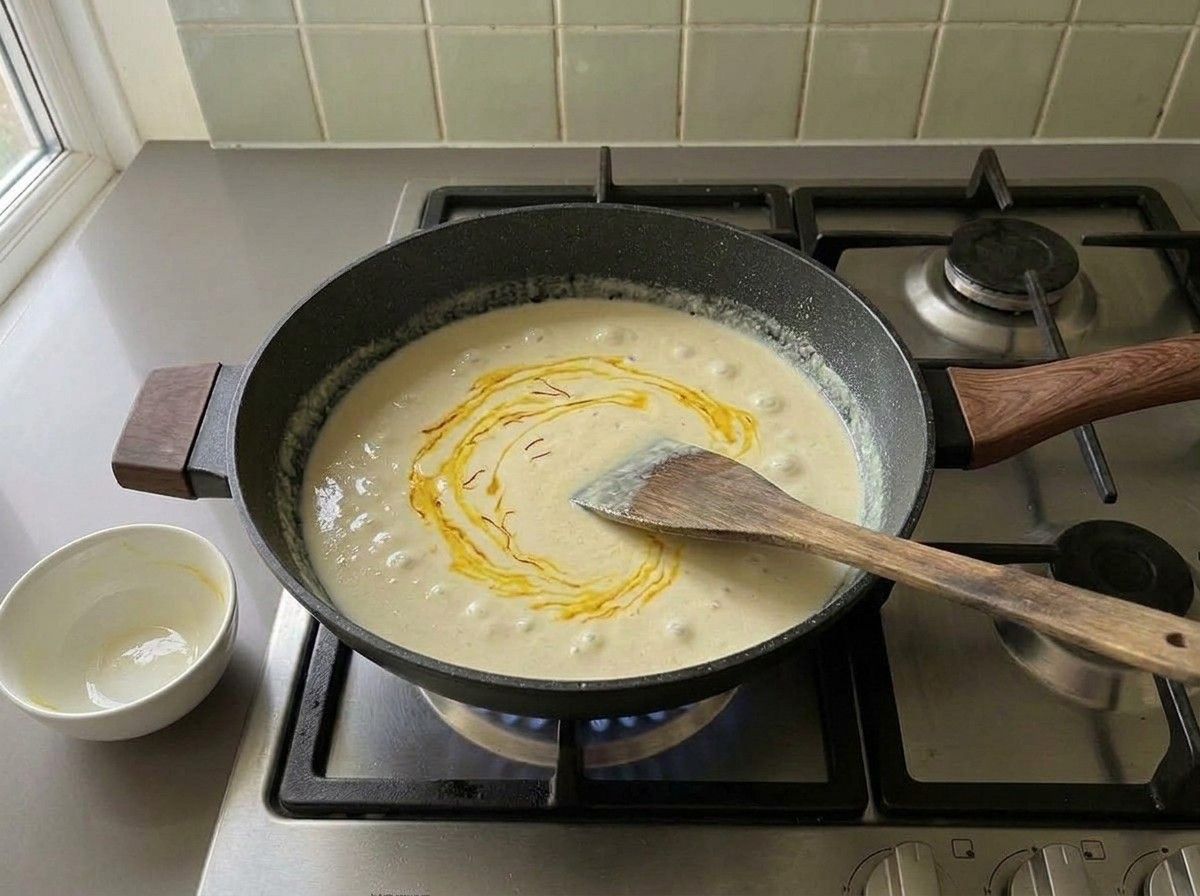
Simmer with the saffron
Return the skillet to low heat. Pour in the saffron milk and 3/4 cup of water and simmer gently for 5 minutes, stirring now and then, until the gravy is the thickness of pouring cream and streaked with gold.
- 9
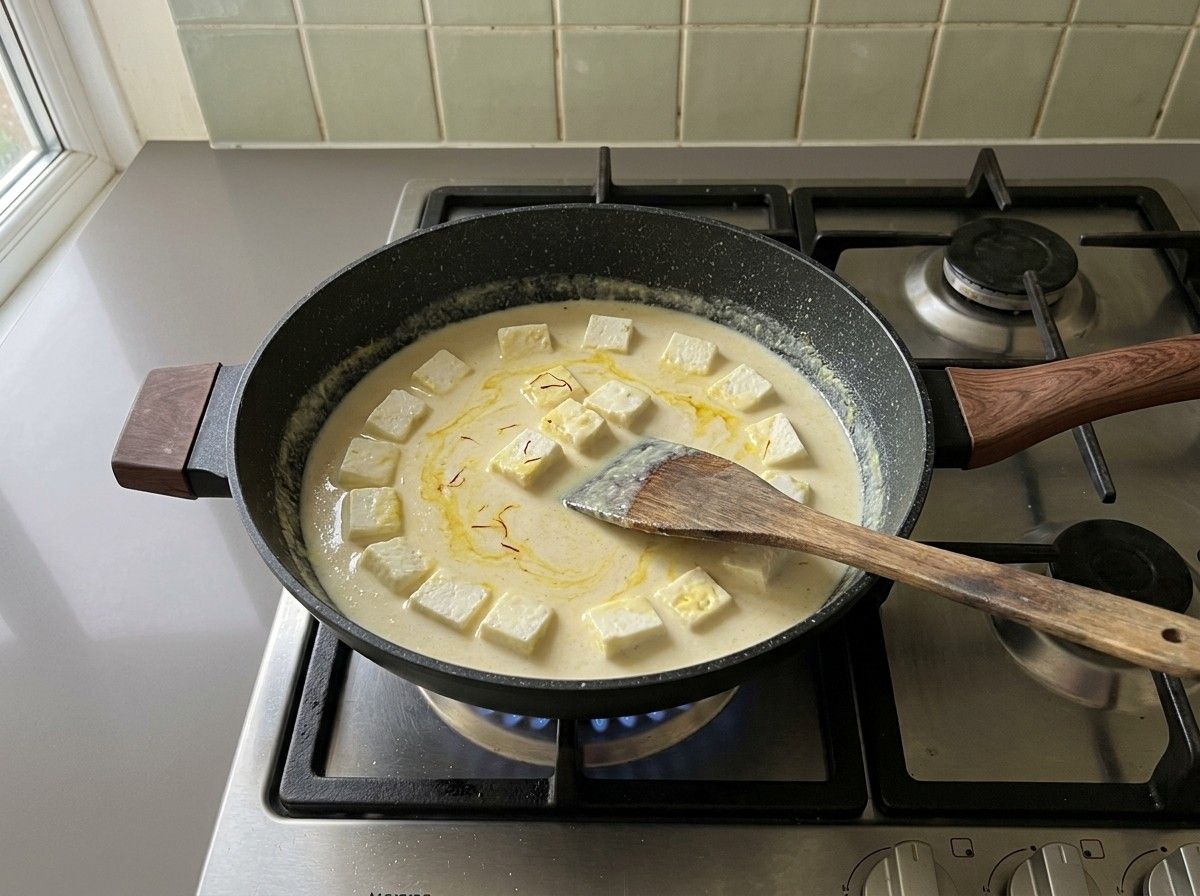
Add the cream and paneer
Stir in all but 1 tablespoon of the cream. Drain the paneer and fold it into the gravy, then warm it through over low heat for 2 to 3 minutes without letting it boil. Stir in the ground cardamom, and the kewra water if using. Taste and add salt.
- 10
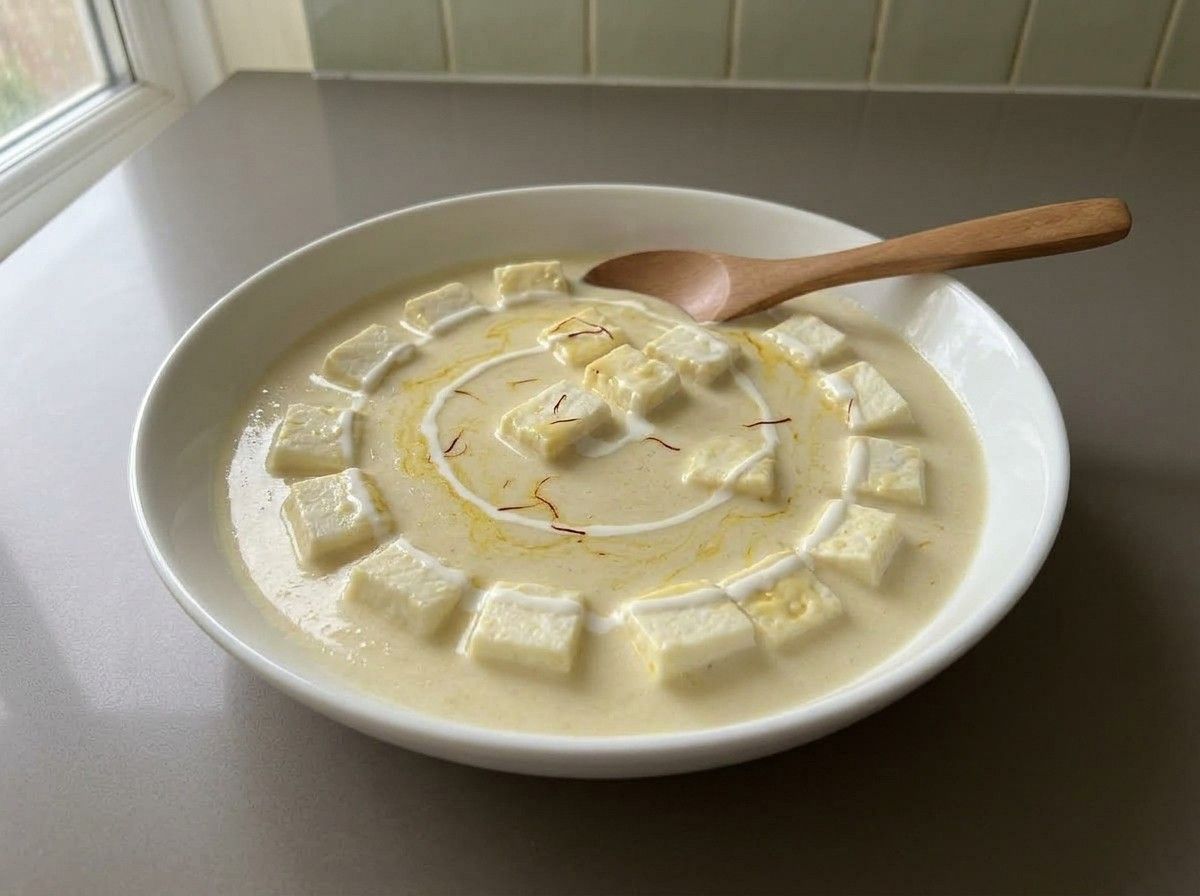
Finish and serve
Fish out the bay leaf and cinnamon stick. Spoon the shahi paneer into a warm serving bowl, drizzle the reserved tablespoon of cream over the top and scatter over the pistachios, if using. Serve hot with naan or rice.
Notes
Fresh homemade paneer is soft enough to skip the soak. Add it with the cream and warm it for 2 minutes only.
For more heat without losing the pale color, simmer a second slit green chili in the gravy and take it out before serving. Red chili powder turns it orange.
Nutrition Facts
4 servings · 357 g per serving
- Calories
- 581 kcal
% Daily Value*
- Total Fat
- 46.5 g60%
- Saturated Fat
- 25.8 g129%
- Sodium
- 385 mg17%
- Total Carbohydrate
- 24.2 g9%
- Dietary Fiber
- 4.2 g15%
- Sugars
- 9.5 g—
- Protein
- 19.9 g40%
Recipe from veggierecipes.blog
When it goes wrong
Troubleshooting
The gravy went grainy the moment I added the yogurt
The yogurt split from heat shock. It went into a pan that was still bubbling, or it was cold, or it was low-fat. Take the pan off the heat, add room-temperature whole-milk yogurt a spoonful at a time and stir each one in before the next. If it has already split, blend it for 20 seconds with an immersion blender; most of the smoothness comes back.
It turned beige instead of pale gold
The onion paste browned. Fry it over medium-low heat and keep it moving: it should thicken and let the ghee show at the edges without taking on color. Too much garam masala or coriander dulls it as well, which is why both are measured in quarter and half teaspoons here. A pale gravy is the goal, not a failure.
I expected an orange sauce
The orange shahi paneer on most menus is the restaurant version, built on a tomato gravy. This is the older Mughlai one, which never had tomato in it, so ivory with gold streaks from the saffron is exactly right. If you want the tomato version, our paneer tikka masala is built on that kind of gravy.
The paneer is rubbery and squeaky
It skipped the soak, or it boiled in the gravy. Soak store-bought paneer in hot salted water for 15 minutes before it goes in, then warm it through on low heat for no more than three minutes. Paneer tightens when it boils, the same way an egg white does, and it does not relax again.
The gravy is gritty, not silky
The cashews were not cooked soft or the paste was not blended long enough. Boil them with the onion until a cashew crushes easily between your fingers, then blend for a full two minutes. For a restaurant-smooth finish, press the blended paste through a fine mesh strainer before it goes into the pan.
It tastes flat, like sweet cream
It needs salt more than spice. Mughlai gravies are meant to be mild, but not bland, and salt is what makes the cardamom and saffron come forward. Add it a pinch at a time, then a pinch of white pepper. A second green chili simmered in the gravy gives more lift without turning it hot.
Before you serve
Serving & Storage
Shahi paneer belongs with bread. Butter naan or soft rotis are the classic pairing, for mopping up the gravy, and jeera rice or a plain saffron pulao suits it on the rice side. Because the gravy is so rich, the rest of the table wants something sharp: a simple onion and cucumber salad dressed with lemon and chaat masala, a spoon of mango pickle, or a dal with more heat in it.
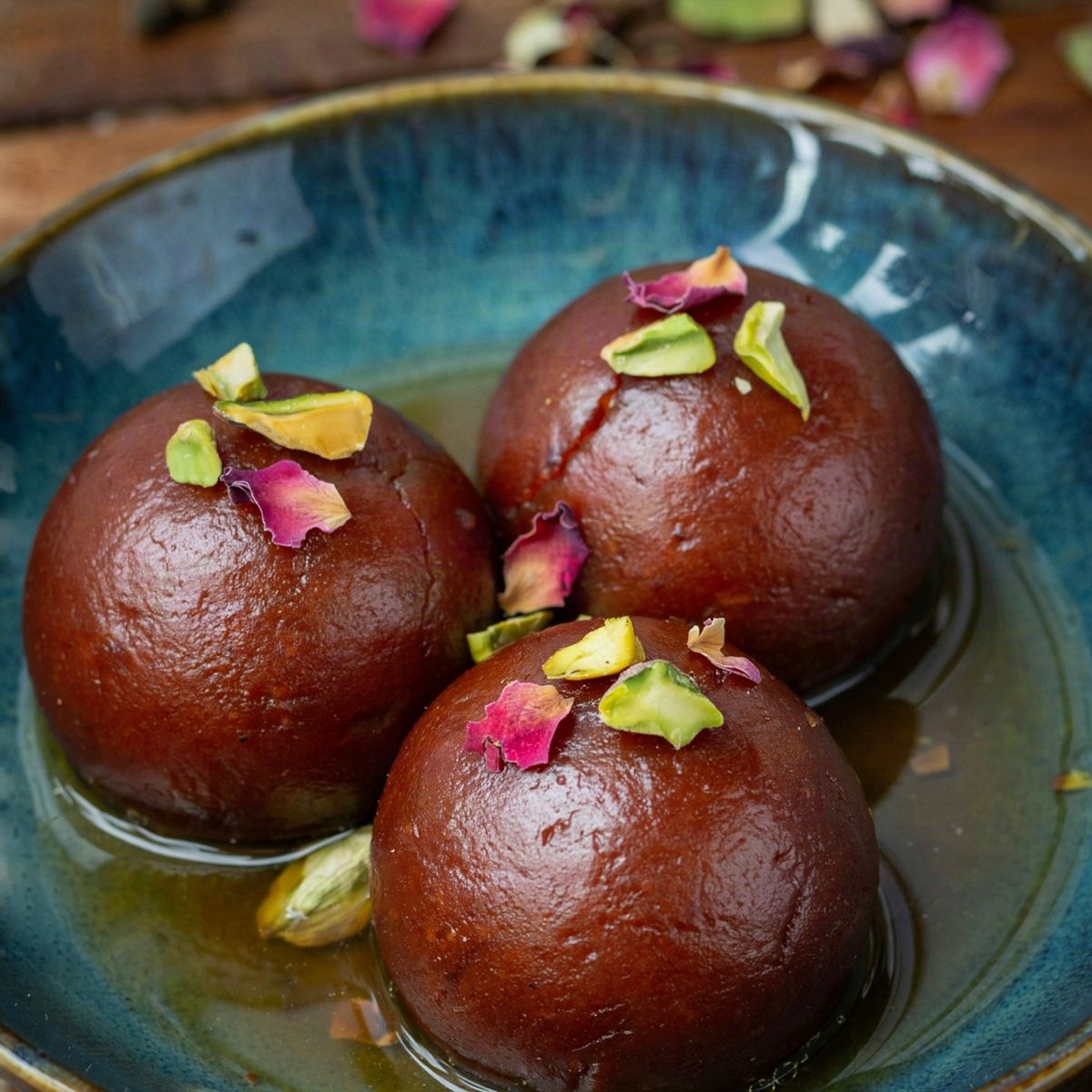
It is a celebration dish in North India, and a natural centerpiece for a Diwali dinner, with soft gulab jamun to finish.
Making it ahead
Make the gravy up to the point before the cream and paneer go in, cool it, and keep it covered in the fridge for up to three days. Reheat it gently, loosen it with a splash of water, then add the cream and the soaked paneer as the recipe says. The blended onion and cashew paste on its own also freezes well for up to three months, which makes the whole dish a twenty-minute job on the night.
Storing leftovers
Leftovers keep for three days in a covered container in the fridge. The gravy thickens and the paneer firms up as it chills, so reheat it in a pan over low heat with a few tablespoons of water or milk, stirring, and stop as soon as it is hot. Do not boil it and do not freeze the finished dish: the yogurt and cream separate when thawed.
Still wondering
Frequently Asked Questions
Is shahi paneer the same as paneer butter masala?
No. Paneer butter masala is built on tomato and butter and tastes tangy, a little sweet and clearly of tomato. Shahi paneer is built on onion, nuts, yogurt and cream, flavored with cardamom and saffron. Restaurant versions of shahi paneer that add tomato sit somewhere between the two, which is why the names get confused.
Is shahi paneer gluten-free?
Yes, as written. Everything in the list is naturally gluten-free. Check the label on your garam masala, since a few commercial blends are packed in facilities that handle wheat, and serve it with rice rather than naan.
Can I make it vegan?
You can make a good vegan cousin of it. Use 14 oz of extra-firm tofu, pressed and cubed, in place of the paneer; oil in place of the ghee; plain unsweetened soy yogurt; and for the cream, 1/3 cup of cashews blended with 1/2 cup of water. Skip the saffron milk and steep the saffron in 2 tablespoons of warm water instead.
More From The Indian Table
Made this?