
Silken Chocolate Pie Recipe
Published · Updated
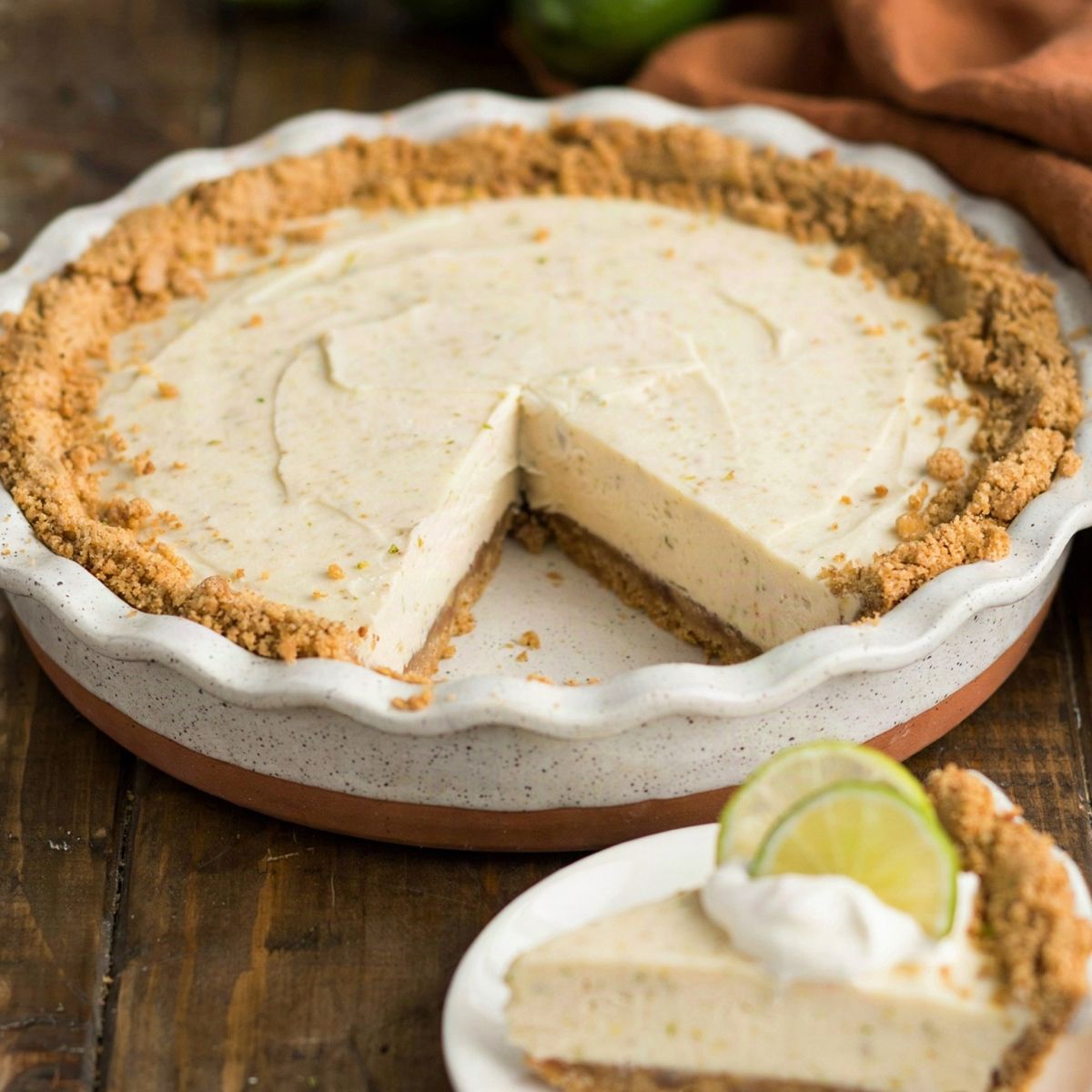
A luscious, velvety chocolate cream pie with a hint of vanilla in every decadent bite. This easy dessert is perfect for chocolate lovers and any special occasion.
Jump To Recipe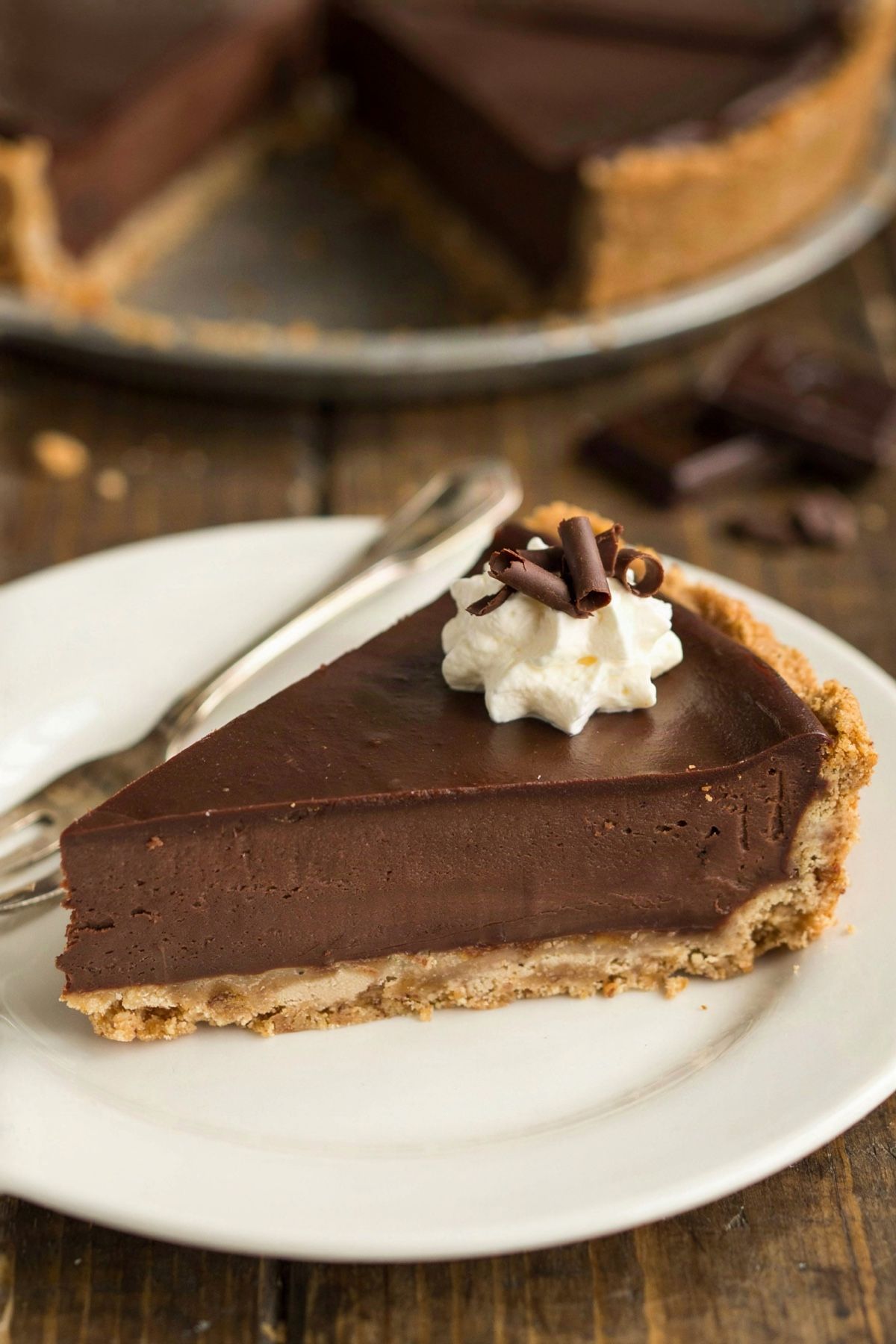
Why I Love This Silken Chocolate Cream Pie
I came to this pie skeptical. A chocolate dessert built on tofu sounds like a compromise, and most of them are. This one is not, and it took me a while to work out why: the tofu is not standing in for the chocolate, it is standing in for cream. Blended properly it disappears completely, and what you taste is whatever bar you happened to buy. So buy a good one.
The rest of what I like about it is how little there is to it. Six ingredients, one blender, no oven, and the only skill involved is not letting the chocolate get too hot. Everything after that is waiting, which the fridge handles on its own. It is what I make when people are coming over and I have twenty minutes.
The story
Two Different Silks Met In This Pie
The silk in silken tofu is an English trade name, and a recent one. In Japan it is kinugoshi, 絹ごし, “silk-strained”, though nothing is strained through silk and nothing is strained at all: the soy milk sets with its coagulant directly in the container it ships in, never cut, pressed or drained. The name describes the surface, not the method. Morinaga Milk Industry patented a way to seal that undrained curd into an aseptic carton in 1976 and put it on shelves in April 1978 as Morinaga Silken Tofu, the first commercial use of the phrase anywhere. The company opened a US office in Los Angeles in October 1985 and inside four years was shipping 400,000 cases a year rather than 60,000.
The other silk is American and older. Betty Cooper of Kensington, Maryland took the $1,000 pie prize at the 1951 Pillsbury Bake-Off with French Silk Pie, adapted from a chocolate icebox pie given to her by Hilda Larson of Holdrege, Nebraska. Nothing about it is French. It was chocolate, sugar, butter and raw eggs beaten pale, poured into a crust and chilled, cooked at no point. That last detail is why the recipe keeps getting quietly rewritten: most French Silk recipes published now cook the eggs over a pan of water first.
Put the two silks in one pie and the raw egg problem disappears rather than gets solved, because silken tofu is soy milk already set into a gel and it does what the beaten eggs were doing, holding water and protein in a suspension smooth enough for chocolate to disperse through. Which raises the honest label for this dessert. It is not a mousse, whatever the internet calls it. Nothing is whipped, no air goes in, and the tofu is not what makes it firm. It sets because the cocoa butter in 285 g of chocolate crystallizes as it cools, the same reason a truffle is solid. This is a ganache with tofu standing in for cream, and once you see it that way the method explains itself: the three things that ruin any ganache are cold, water and over-mixing, and all three are waiting in this recipe.
What to buy
Ingredient Notes
Silken tofu
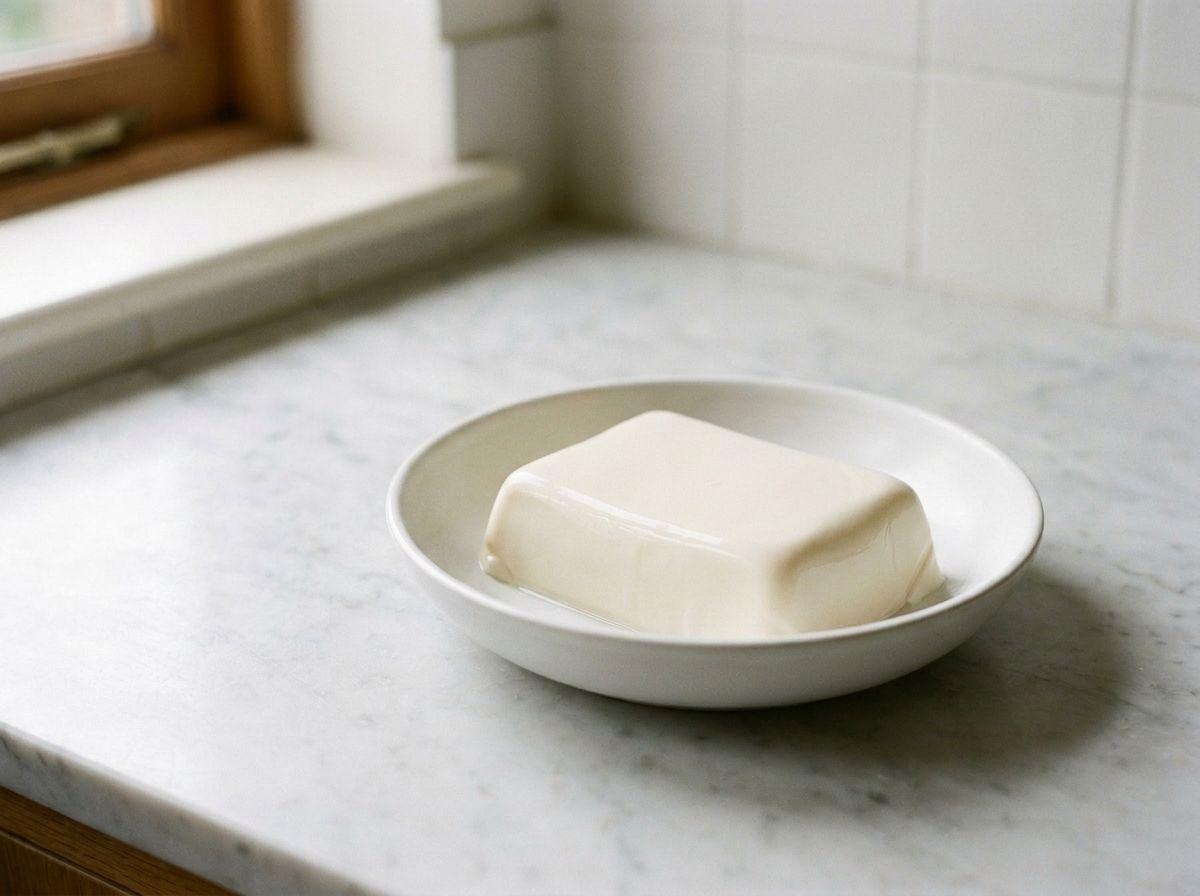
Buy the shelf-stable aseptic carton, the Mori-Nu kind that sits on a dry shelf, rather than a water-packed tub from the chilled cabinet. The carton block sets inside its own package and slides out as one clean piece at about 349 g. The tub kind sits in water, comes out waterlogged, and that extra water is the commonest reason a filling never firms. Soft or firm silken both work. Regular block tofu does not, and no amount of blending takes the grain out of it.
Dark chocolate, 55–60% cacao
The chocolate is the only structure in this pie, so its percentage sets the texture as much as the flavor, and the sugar here is calibrated against a 55–60% bar. At 70% and above the same 285 g brings more cocoa butter and less sugar, so the pie sets firmer and tastes markedly more bitter; add another 30 g of powdered sugar if you go that way. Buy a bar and chop it rather than using chips, whose stabilizers keep them in shape and make them melt thick and sludgy here.
Powdered sugar
The form matters more than the amount. Nothing is heated after the sugar goes in, and granulated sugar will not dissolve in a cold blend; it leaves a fine sand you can feel against your teeth. Powdered sugar is milled to a dust and carries a little cornstarch, which dissolves and thickens slightly in its favor. Maple syrup and agave taste good, but each tablespoon is mostly water, and water is what seizes chocolate.
Pre-made pie crust
A crumb crust, graham cracker or crushed chocolate cookie, is the right kind. A blind-baked pastry shell looks smarter and goes soft within hours, because a moist filling has nowhere to send its water. The supermarket standard is a thin 6 oz shell in a foil tin; a homemade one is 200 g of crumbs to 100 g of melted butter, pressed hard into a 9-inch dish and chilled 30 minutes. Either way it has to be cold and fully set before the filling goes in.
Vanilla extract
Two teaspoons against 285 g of chocolate does not make the pie taste of vanilla and is not meant to. It takes the hard edge off the cocoa, and a pie made without it tastes flatter and more bitter in a way most people cannot name. This is a place where imitation vanilla shows, since nothing is heated and the harsh notes that bake off in a cake have nowhere to go.
Fine sea salt
Half a teaspoon reads like a lot in a dessert and it is what makes this taste of chocolate rather than of sweetness. Under-salted dark chocolate comes across as dusty and bitter, and most complaints that a tofu chocolate pie tastes flat come down to salt rather than sugar. Use a fine grain, not flakes: nothing is heated, so a flake stays a flake and gives one salty pocket instead of a lift across the whole slice.
Silken Chocolate Cream Pie
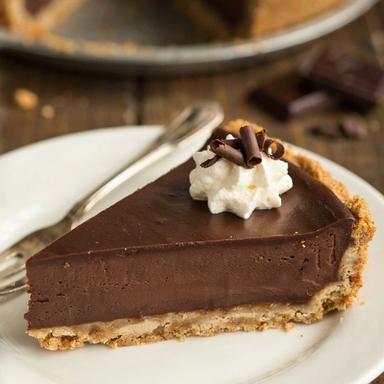
A no-bake chocolate cream pie set with silken tofu and dark chocolate. Six ingredients, one blender, no oven.
Ingredients
Equipment
As an Amazon Associate I earn from qualifying purchases, at no extra cost to you.
Instructions
- 1
Bring the tofu to room temperature
Open the tofu, pour off the packing water and leave the block in a bowl on the counter for an hour. Do not press or squeeze it; silken tofu is a set custard and pressing only breaks it. Cold tofu is the one reason this filling turns grainy, so this is the part you cannot hurry. Shelf-stable tofu kept in the cupboard is already there.
- 2
Melt the chocolate gently
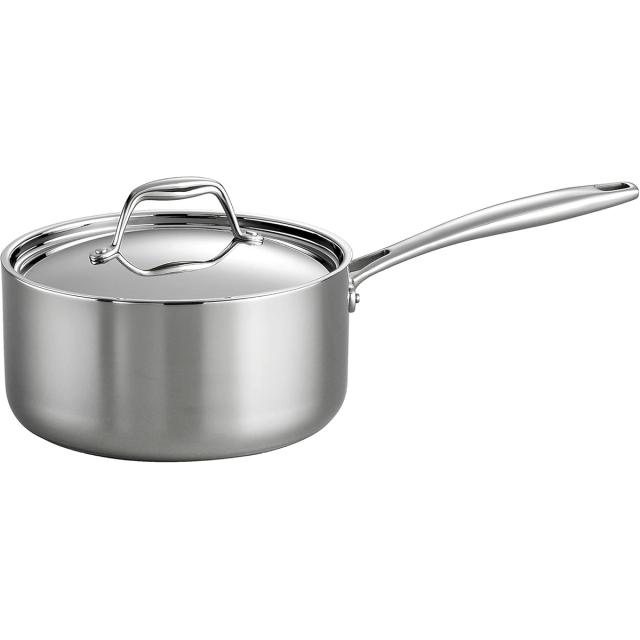
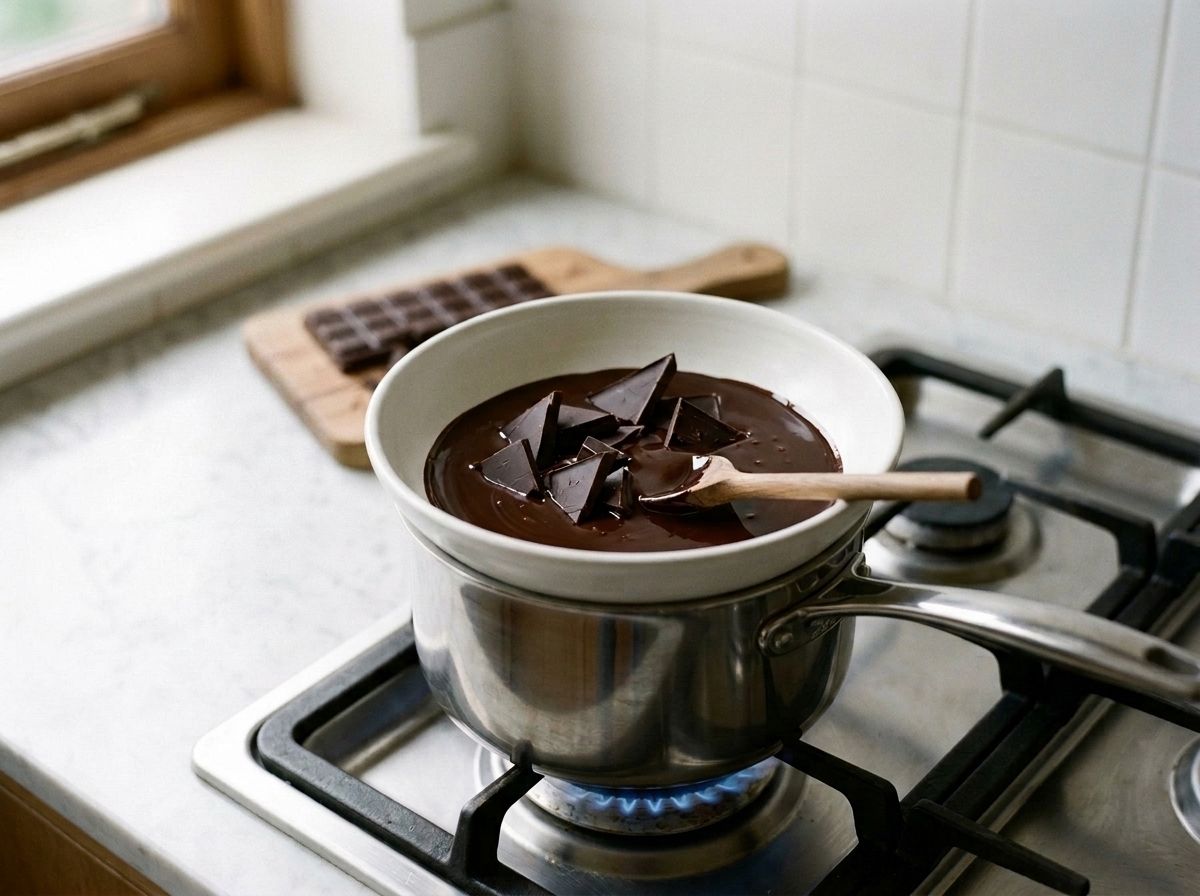
Chop the chocolate small into a dry heatproof bowl and set it over a saucepan holding an inch of barely simmering water, clear of the water itself. Stir until about two thirds has melted, then lift the bowl off and stir the rest smooth on the heat already in it. It should feel barely warm against your lip, never hot. Keep steam and splashes out, since a drop of water turns melted chocolate to stiff paste.
- 3
Blend the tofu completely smooth
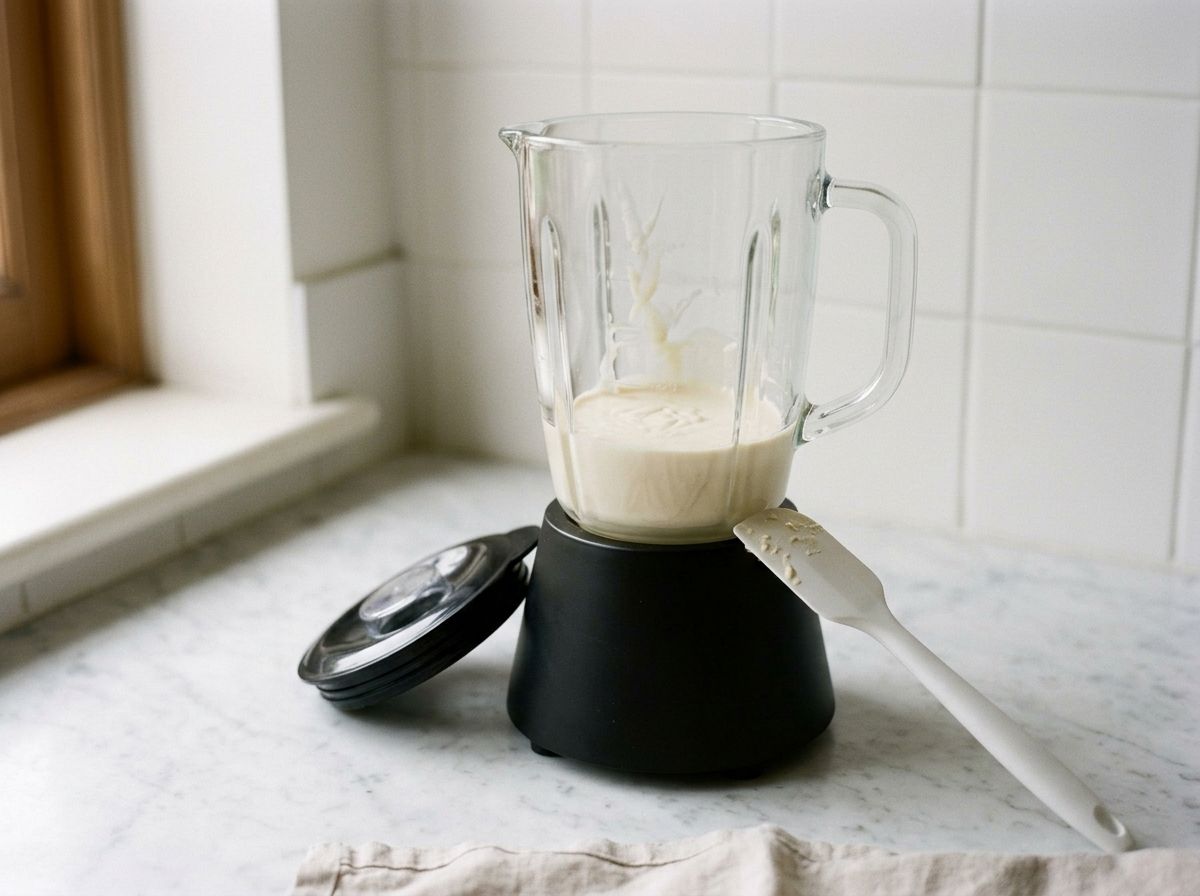
Put the tofu, powdered sugar, vanilla and salt in the blender and run it for a full minute. Scrape the sides down and run it again until the mixture is pale, glossy and has no grain left at all. This has to happen before the chocolate goes in, because afterwards you cannot blend long enough to fix lumps without wrecking the texture.
- 4
Stream in the chocolate
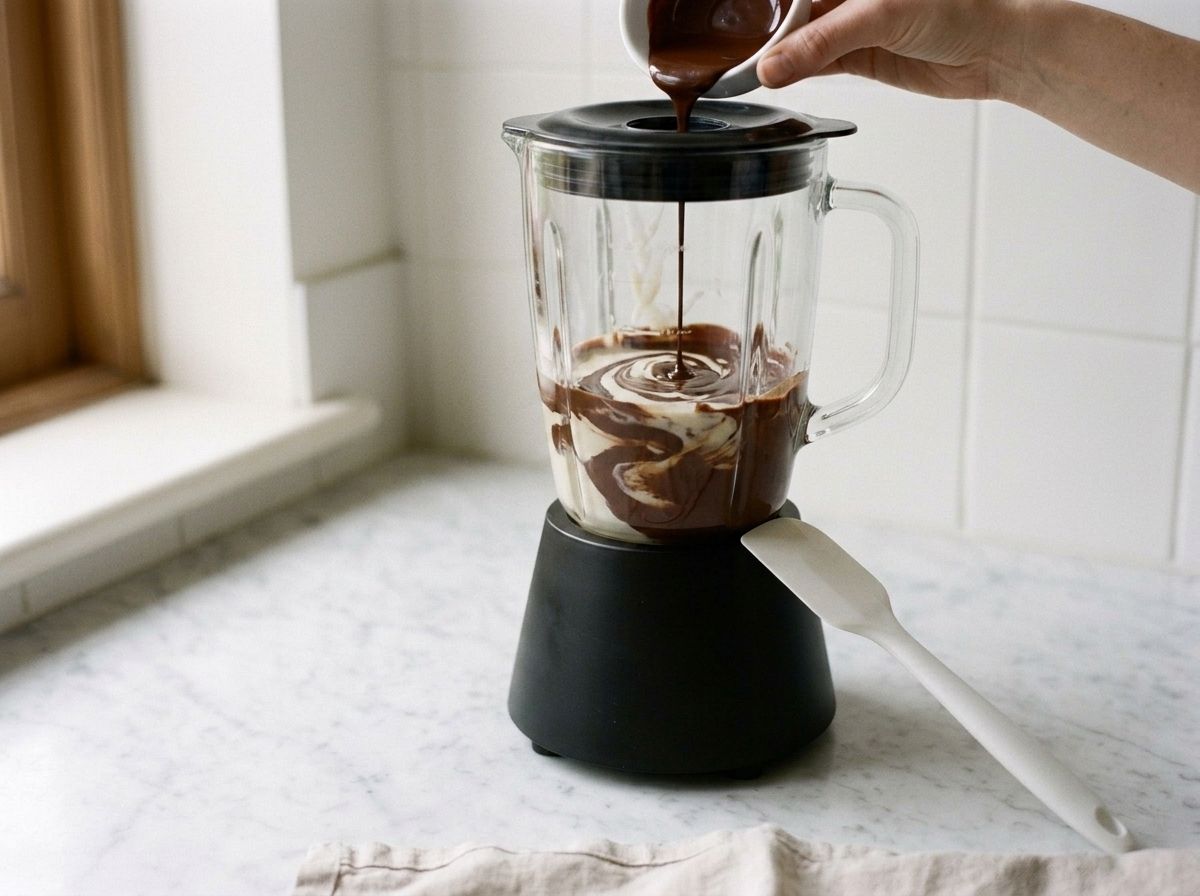
With the motor running on low, pour the warm chocolate in a steady stream, then blend twenty to thirty seconds more. The mixture darkens and visibly thickens as it goes. Stop as soon as the color is even; blending past that point whips air in, which dulls the surface and leaves the set spongy rather than dense.
- 5
Fill the crust straight away
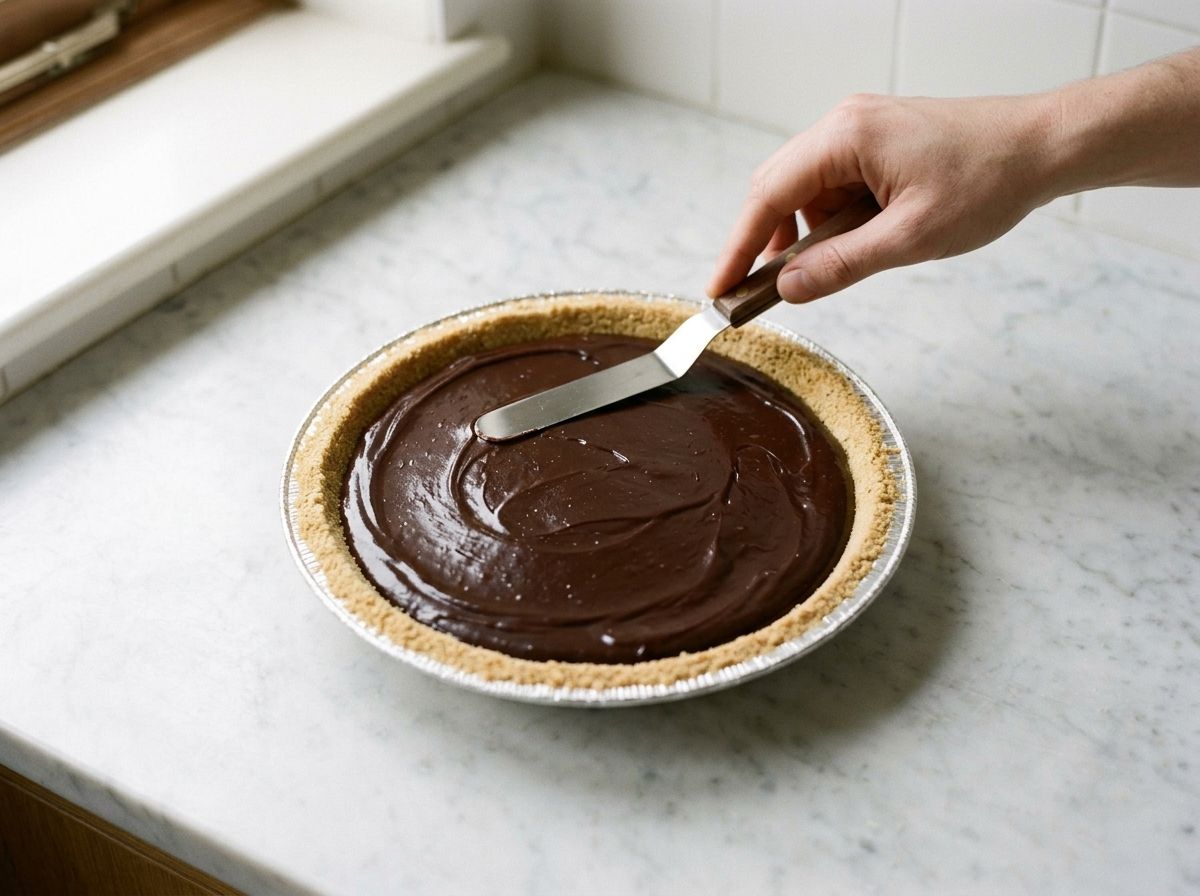
Scrape the filling into the crust immediately and level the top with an offset spatula. It begins setting the moment warm chocolate meets cool tofu, so you have about a minute of pourable time and there is no reheating it. Tap the pie once on the counter to settle it into the corners.
- 6
Chill until it slices clean
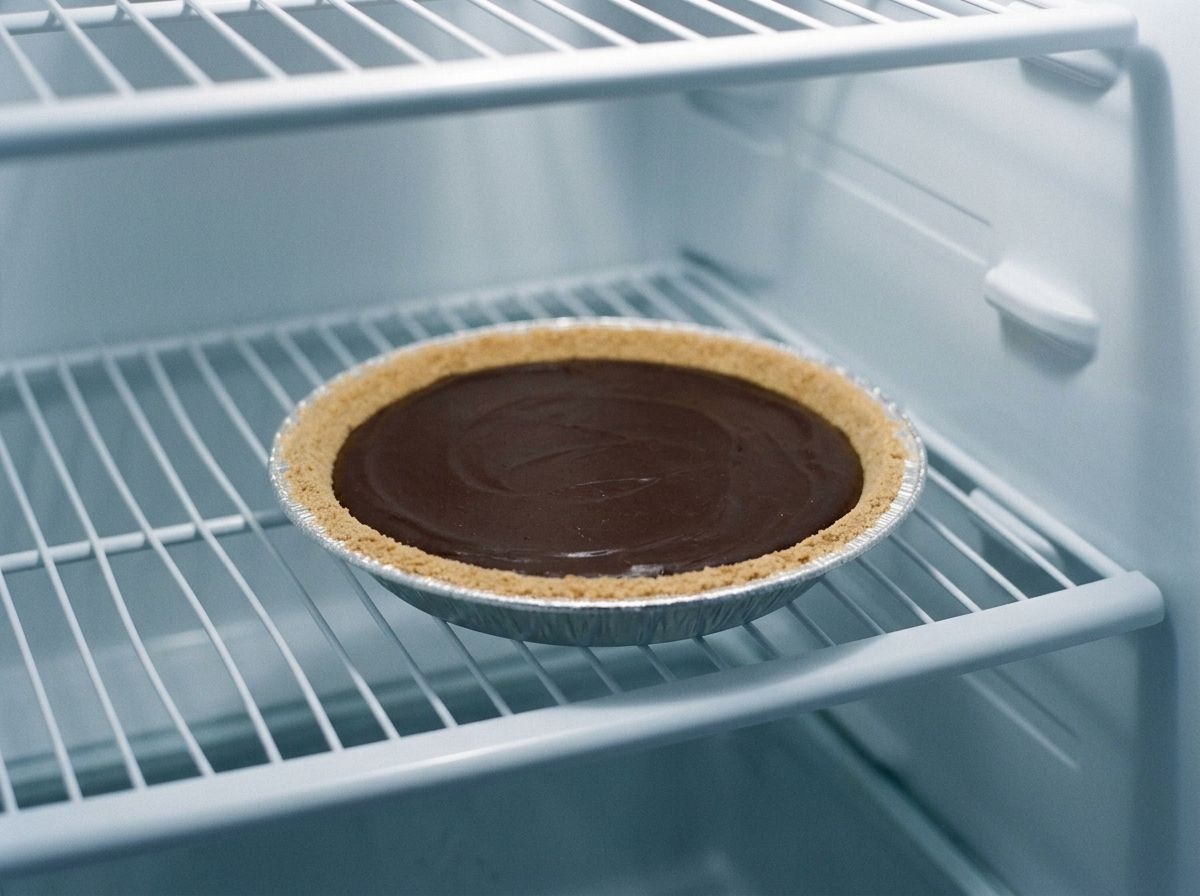
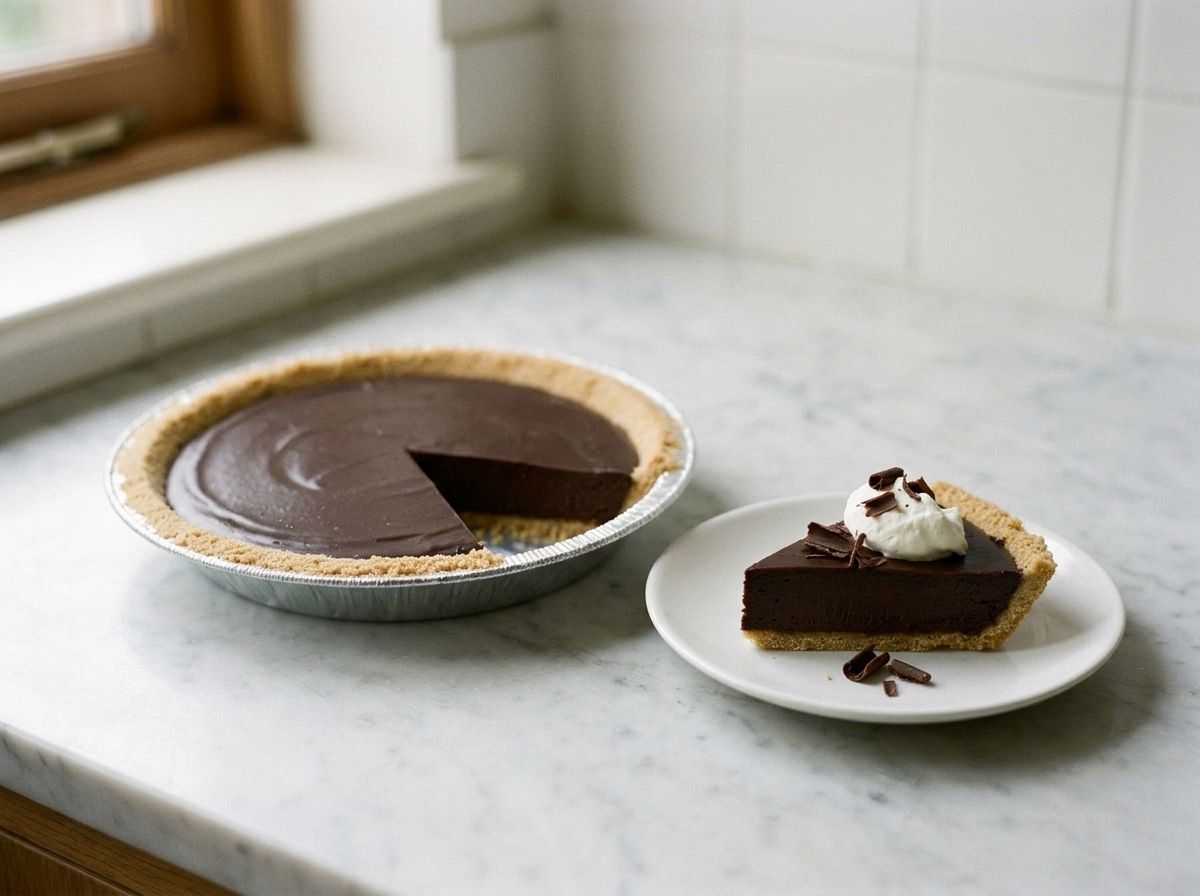
Refrigerate uncovered for the first hour so the surface dries rather than sweats, then cover loosely and give it at least three hours more. Four hours is the minimum for a slice that holds its edge, and overnight is better. It is firm when the center no longer wobbles as you move the tin.
- 7
Slice with a hot knife
Dip a thin knife in hot water, wipe it dry and cut straight down without dragging, wiping the blade between every slice. Add the whipped cream and shavings after chilling, never before: cream left on a cold pie overnight weeps into the surface.
Notes
Chill for at least 4 hours, and overnight if you can. The difference shows up in the slice, not in the flavor.
Everything moves quickly once the chocolate is melted, so unwrap the crust, measure the sugar and have the spatula ready before you start.
Nutrition Facts
8 slices · 108 g per serving
- Calories
- 372 kcal
% Daily Value*
- Total Fat
- 20.9 g27%
- Saturated Fat
- 9.9 g50%
- Sodium
- 263 mg11%
- Total Carbohydrate
- 39.5 g14%
- Dietary Fiber
- 4.3 g15%
- Sugars
- 22.6 g—
- Protein
- 5.9 g12%
Recipe from veggierecipes.blog
When it goes wrong
Troubleshooting
The filling is grainy, like there is sand in it
The tofu was cold. Melted chocolate meeting anything much below room temperature sets on contact into thousands of tiny grains before it can disperse, and a blender never gets warm enough to melt them again. Prevention is the whole answer: tofu on the counter for an hour, chocolate barely warm rather than hot. If it has already happened, stand the jug in a bowl of hot water until the filling loosens and blend a few seconds more. It tastes right afterwards but never comes back fully glossy.
It stiffened in the blender before I could get it into the crust
Nothing has gone wrong, you were slower than the pie. It starts setting the instant warm chocolate meets cool tofu, which leaves about a minute of pourable filling, so have the crust unwrapped beside the blender before you melt anything. If it has stiffened, sit the jug in an inch of hot water for a minute and it pours again. Do not spoon thick filling in: it traps air pockets that show as holes in the first slice.
It never set, and it is still soft after a night in the fridge
Water got in: a water-packed tub of tofu that was not drained, steam reaching the melting bowl, or sugar swapped for syrup. Chocolate holds a set against roughly its own weight in liquid and not much more. The rescue works, though. Scrape it back into the blender, melt another 60 g of chocolate, blend that in for twenty seconds and refill the crust.
It tastes bitter, or it tastes of tofu
Two different faults. Bitter usually means chocolate darker than 60% without the extra sugar to match, and another pinch of salt is worth trying before more sugar, since salt turns bitter into chocolatey while sweetener leaves it sweet and bitter at once. Tasting of tofu means the tofu was under-blended: intact fragments taste of soy where a genuinely smooth purée does not, which is why it goes in alone and gets a full minute first.
The slices tear and smear instead of cutting clean
Either it has not had long enough or the knife is wrong. Four hours is a floor rather than a target and the center firms last, so a pie set at the edge can still be soft in the middle at three. Then the knife: a thin blade dipped in hot water, wiped dry, pushed straight down in one movement and wiped again before the next cut. A serrated blade tears it.
The top is dull, or beaded with moisture
Both cosmetic. Beads of water mean the pie was covered while still warm, so trapped steam condensed on the lid and dripped back down, which is why it chills uncovered for the first hour. The dullness is simply what chocolate does, glossy warm and matte once set cold. Gray chalky patches after four or five days are fat bloom, cocoa butter migrating to the surface: still edible, clearly past its best.
Before you serve
Serving & Storage
Serve it cold, straight from the fridge, and cut it smaller than looks generous. A slice is 108 g and 372 calories, and the pie is denser than it looks, so eight slices from a 9-inch tin is right and ten is not mean. Left out more than about fifteen minutes the cocoa butter softens and the slice slumps, which is the opposite of what most chilled desserts do and worth knowing before you plate up ahead.
What goes beside it should be sour or bitter, not sweeter: raspberries, sour cherries, a spoon of crème fraîche, a small cup of espresso. Whipped cream is traditional and earns its place by being mostly air rather than by being sweet, so barely sweeten it. Skip caramel, which piles sugar on sugar, and anything hot poured over, since a warm sauce melts the surface into a smear the moment it lands.
Making it ahead
This is better on day two than on the day you make it, which makes it an easy dessert to have people over for. The filling is set at four hours, but the salt and vanilla go on spreading through it overnight and the flavor rounds out. Two days ahead is comfortable, three the outside edge. Make it in the dish it will be served from, because set ganache does not survive being moved between tins. Toppings go on within an hour of serving: cream weeps into a cold chocolate surface and shavings go tacky.
Storing leftovers
Cover loosely with foil or a cake dome rather than pressing film onto the surface, which lifts the top layer away with it, and keep it in the fridge for up to four days. The crust softens a little more from the second day and nothing prevents that. It freezes better than most cream pies for the same reason it sets at all, that a ganache holds very little free water to turn into ice. Wrap it whole or in slices, freeze up to a month and thaw overnight in the fridge, not on the counter. Do not refreeze. Eaten still half frozen it is closer to an ice cream bar than to pie, which is arguably the best use for the last slice.
Still wondering
Frequently Asked Questions
Is this pie vegan, gluten-free or nut-free?
As written it is vegetarian but not vegan, and the filling is not the reason: silken tofu, sugar, vanilla and salt are all vegan already. What blocks it is the crust, usually made with butter, the whipped cream, and dark chocolate, a surprising amount of which lists milk fat even at 70%. Swap all three and the method and quantities do not change. Gluten-free needs a gluten-free cookie crust and nothing else. It is nut-free and egg-free as written, and the one thing it can never be is soy-free.
Do I need a blender, or will something else do?
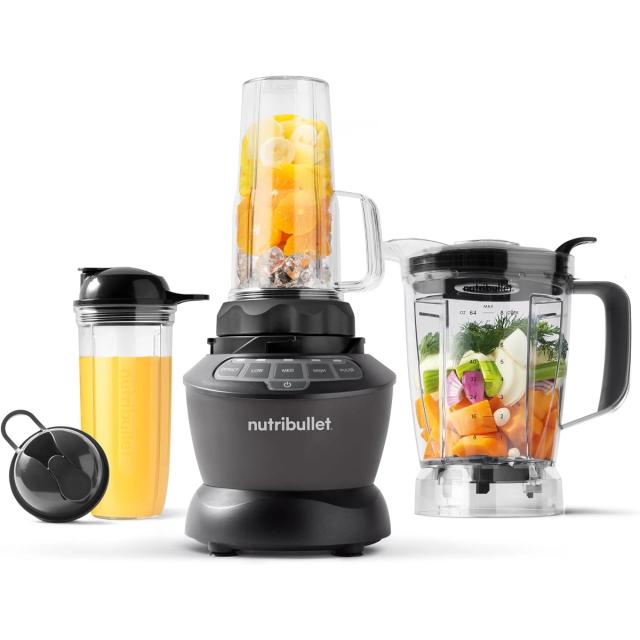
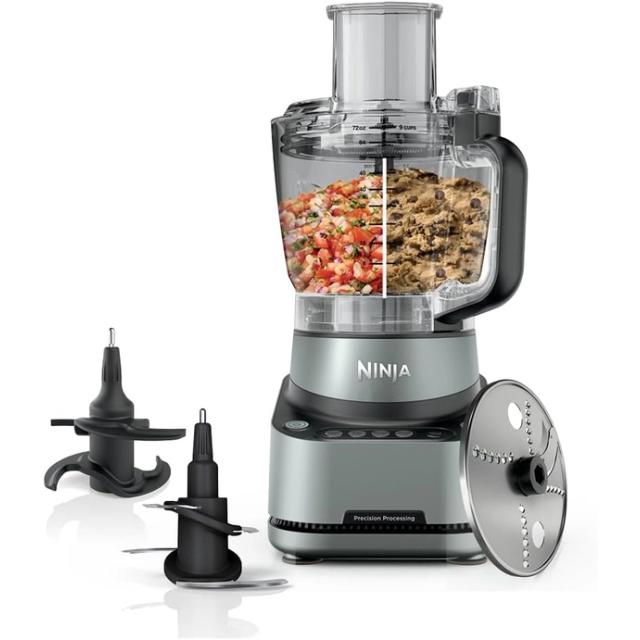
A blender is the right tool, because the tall narrow jug keeps a loose mixture over the blade and that is what gets the tofu genuinely smooth. A food processor works with more scraping down, since the wide bowl lets the tofu ride up the sides, and a stick blender in a tall jug is a decent fallback. A whisk or a fork will not do it: hand-mixed silken tofu keeps a fine grain you cannot see and can absolutely taste, and that grain is what makes people say a tofu dessert tastes of tofu.
Can I make it without a crust, or in a smaller batch?
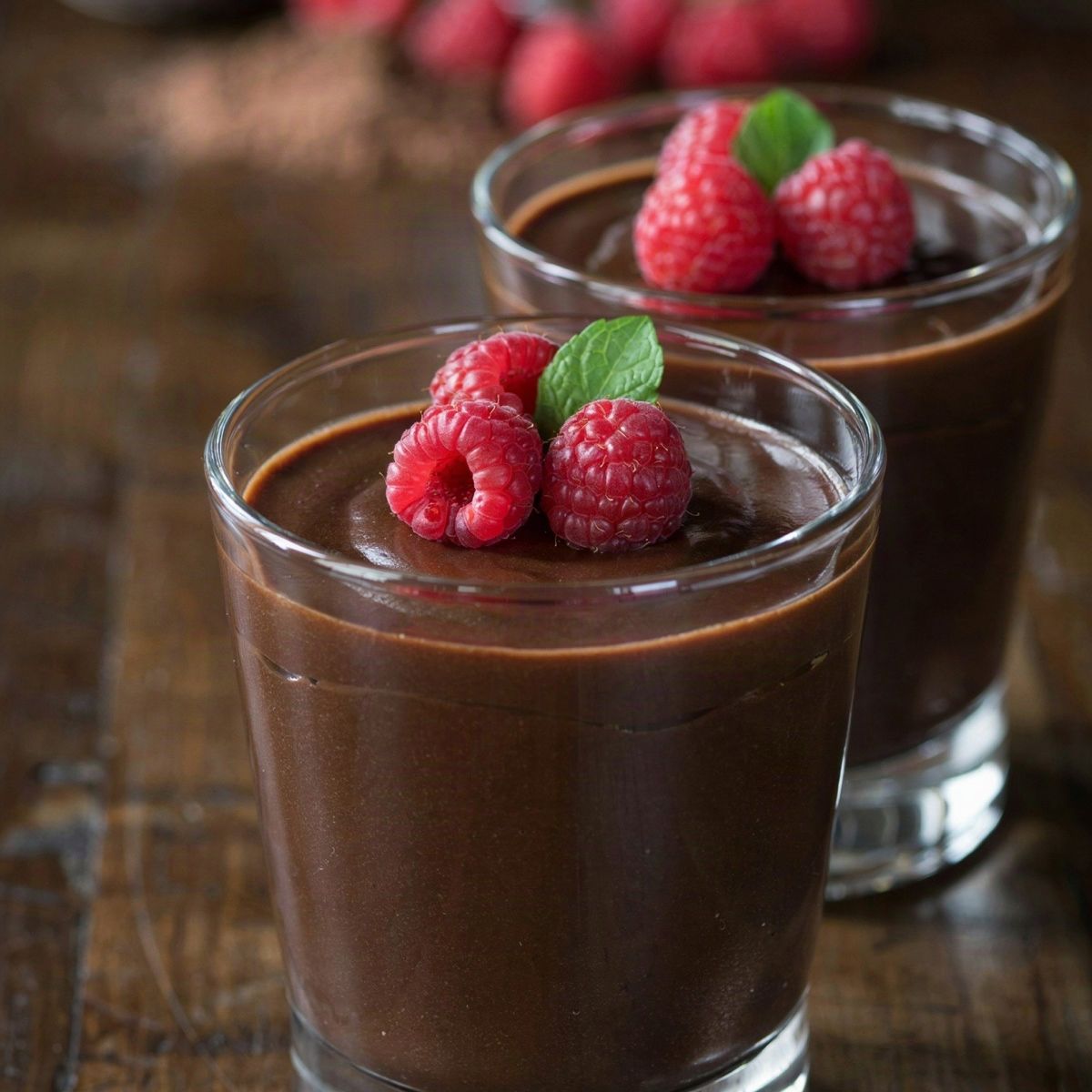
Yes to both, and the pots are the better version if you are not feeding a crowd. The full quantity of filling divides into six 115 g glasses, and because each is shallow they set in about two hours rather than four. Halving works cleanly, since nothing is cooked and no ratio shifts with volume, though half a block of silken tofu is awkward to store and the leftover is best blended into a smoothie the same day. Scaling past one pie means melting the chocolate in two batches, because a bowl that deep does not heat evenly.
Featured In
More Silky & Creamy Desserts
Made this?