
Vegan Tiramisu Recipe
Published · Updated
A lush vegan take on classic tiramisu. Creamy layers, bold coffee flavor, and all the indulgence, minus the eggs and dairy!
Jump To Recipe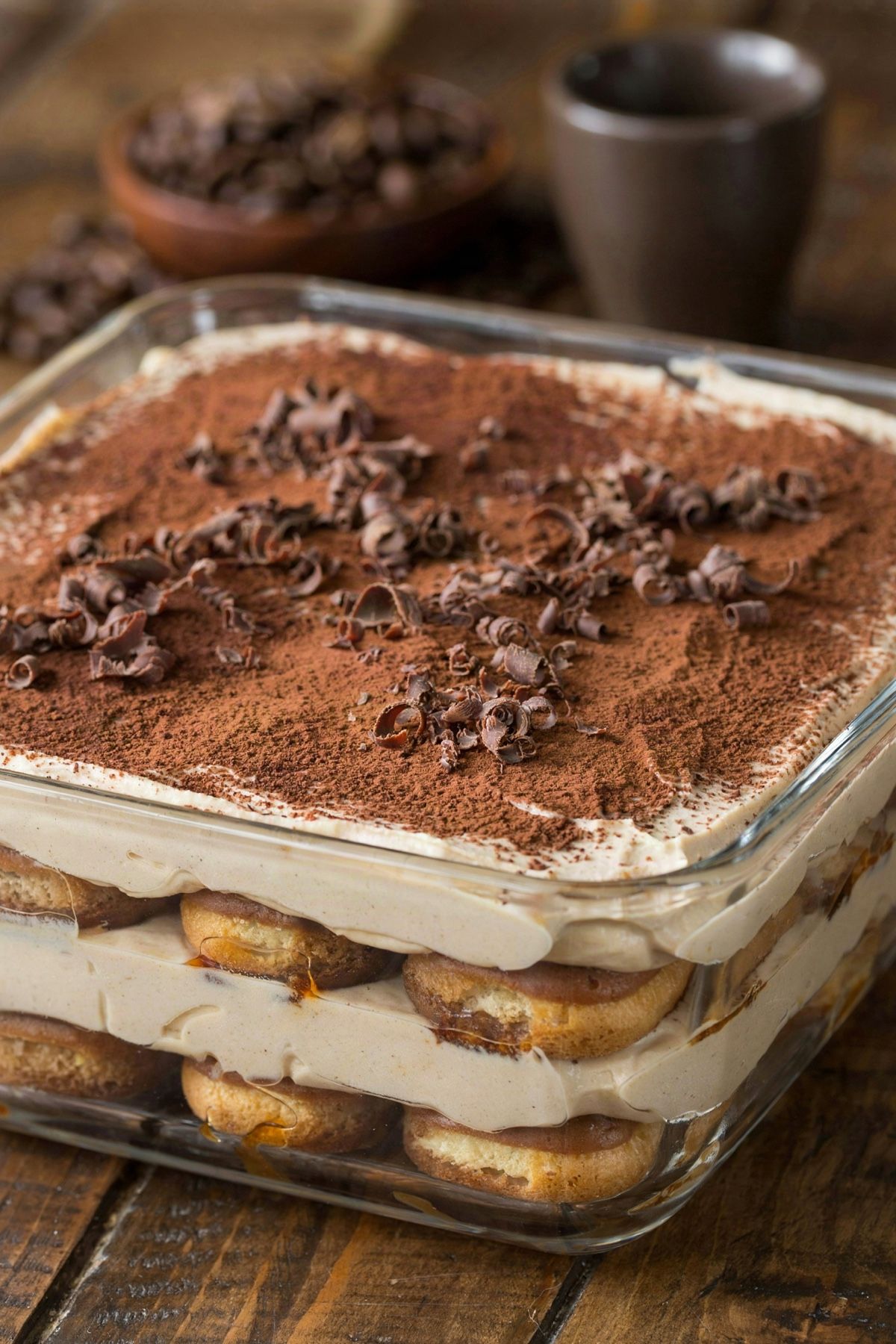
Why I’m Obsessed with This Vegan Tiramisu
I’ve spent years chasing the perfect plant-based dessert, and this vegan tiramisu really hits all the right notes for me. Whether you’re a committed vegan or looking to try something new, this recipe will make you forget the original classic even exists.
What stands out? The combination of creamy cashew filling and rich coffee-soaked ladyfingers captures the very soul of tiramisu. No eggs, no dairy, nothing is missing.
I love especially how the coconut cream combines with cashews to mimic that well-known mascarpone sensation. What you serve the dessert in is important, and these layers look amazing served in a glass dish.
If you’re looking for reasons to whip this up in your own kitchen, let me give you my personal favorites:
- Plant-based indulgence that rivals the original in flavor and texture.
- Impressive enough for dinner parties, yet easy enough for a night in alone.
- The balance of bitterness from the coffee, nutty creaminess, and dark cocoa powder is next level.
Don’t forget the garnish. Chocolate shavings and a dusting of cocoa make it feel authentically Italian, and chilling overnight brings perfection to each bite. Trust me, this vegan tiramisu is the real deal. One bite and you’ll keep coming back for more.
The story
Vegan Tiramisu Is Closer to the Original Than Most Restaurant Versions
Tiramisu is far younger than it tastes. It appears in no cookbook before the 1960s, and the written trail starts later still: a Sydney Morning Herald restaurant column in 1978, an Italian dictionary entry in 1980, an English one in 1982.
Most of the credit goes to Le Beccherie in Treviso and to three people: the owner Ado Campeol, his wife Alba, and the pastry chef Roberto Linguanotto. The restaurant dates the work to experiments across 1971 and 1972, ending with “Tiramesu” printed on the dessert menu in 1972. Their obituaries are bolder and put the first plate on Christmas Eve 1969. Campeol and his wife both died in 2021, Linguanotto in July 2024.
The name is the Venetian “tiramesù”, standard Italian “tirami sù”, and it means pick me up. Usually that is read as a nod to the coffee and sugar, though the Accademia del Tiramisù repeats a less respectable story: that a 19th-century Treviso brothel keeper served something like it to send clients home with energy left for their wives.
Treviso does not hold the claim uncontested. Across the border in Friuli Venezia Giulia, Norma Pielli of the Albergo Roma in Tolmezzo was reworking Artusi’s dolce Torino by the late 1950s, soaking the biscuits in coffee and swapping the butter for mascarpone. Friuli won official recognition on 29 July 2017, when tiramisu joined the region’s list of traditional agri-food products.
The useful part for a plant-based cook is what both founding recipes leave out. Since 2017 Treviso has hosted the Tiramisù World Cup, whose Original Recipe category is fixed to six ingredients: ladyfingers, mascarpone, egg, coffee, cocoa and white sugar. Cream is not on the list, and alcohol is banned outright because neither founding recipe contained any.
So the whipped cream and the slug of Marsala in most restaurant tiramisu are later additions, not the thing itself. A vegan version has two ingredients to replace rather than four, and they are mascarpone and raw egg yolk. That is why the coffee liqueur below is optional. Leaving it out is what they do in Treviso.
What to buy
Ingredient Notes
Raw cashews
They have to be raw. Roasted or salted cashews never blend smooth and carry a toasted flavor that sits oddly under coffee. Broken pieces are cheaper than whole and behave identically. Drain them hard after soaking: soaking water carried into the blender is water the coconut oil has to set around later.
Coconut cream
Three products share this shelf and only one works. Canned coconut cream is thick and roughly a quarter fat, and that is the one. Canned coconut milk is thinner, so chill it overnight and scoop the solid cap off the top instead. Cream of coconut, the cocktail ingredient sold as Coco López and similar, is loaded with sugar and makes the filling sickly and loose.
Refined coconut oil
Not a richness ingredient but the setting agent, and the recipe does not work without it. Coconut oil is solid below about 76°F, so it goes in melted and turns the cream firm as the dish chills. Buy refined, which is deodorized and tastes of nothing. Virgin or unrefined tastes emphatically of coconut and fights the coffee for the whole dessert.
Lemon juice
Two teaspoons is what separates a cashew cream from something that reads as mascarpone. Mascarpone is cream turned by an acid, and cashews, coconut and maple syrup with no acid in them taste flatly sweet however rich they are. You should not be able to taste lemon in the finished dish. Bottled juice is fine.
Vegan ladyfingers
Savoiardi are traditionally leavened with whipped egg white, so most supermarket ladyfingers and sponge fingers contain egg. Read the packet. Vegan versions build the structure from aquafaba plus semolina or cornstarch, which makes them denser and slower to take up liquid than the originals. Firm vegan sponge cake cut into half-inch fingers and dried in a low oven for 10 minutes is a good stand-in.
Strong brewed coffee
Espresso, moka pot, or filter brewed at double strength. Weak coffee is the quiet reason a tiramisu tastes like sweet cream pudding, because the bitterness is half the structure of the dish. Get it properly cold: warm coffee softens the biscuits on contact and melts the cream where the layers meet. Do not sweeten it.
Coffee liqueur
Optional, and historically the more correct choice is to leave it out. If you use it, 2 tablespoons is the least you can add and still taste it. The single tablespoon many recipes call for disappears into 300 ml of coffee.
Decadent Vegan Tiramisu
A no-bake tiramisu built on a cashew and coconut cream that sets firm enough to slice, layered with coffee-soaked vegan ladyfingers.
Ingredients
Equipment
As an Amazon Associate I earn from qualifying purchases, at no extra cost to you.

Instructions
- 1
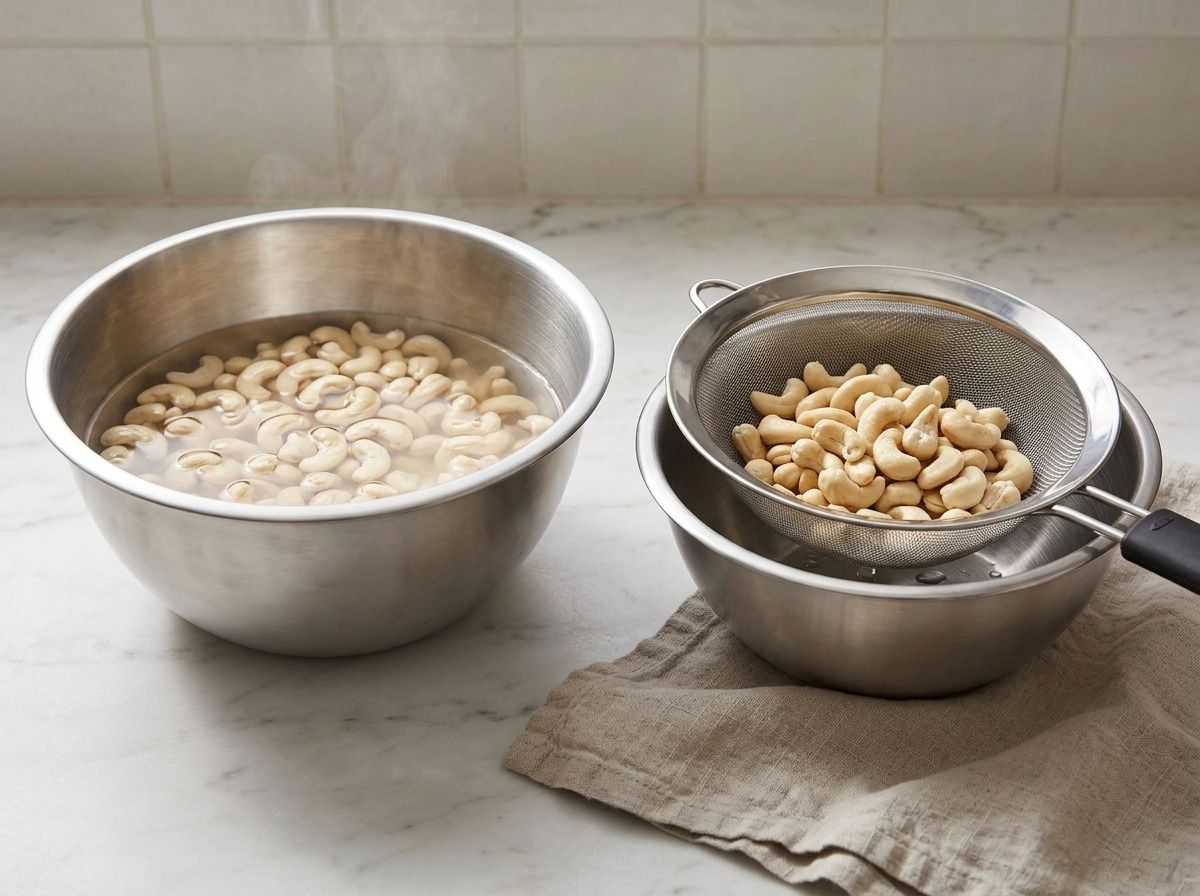
Soak the cashews
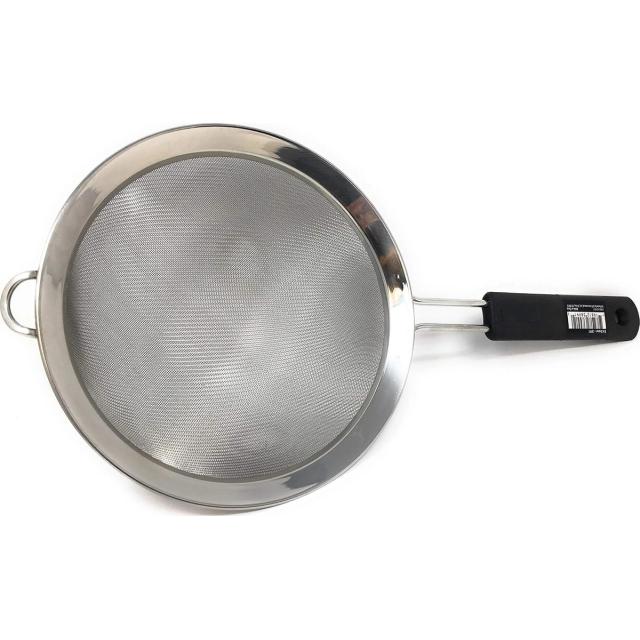
Cover the cashews with just-boiled water and leave them for 1 hour, or cover with cold water and leave them in the fridge overnight. Drain them in a sieve and shake them properly dry. Soaking water carried into the blender is the commonest reason the cream never thickens.
- 2
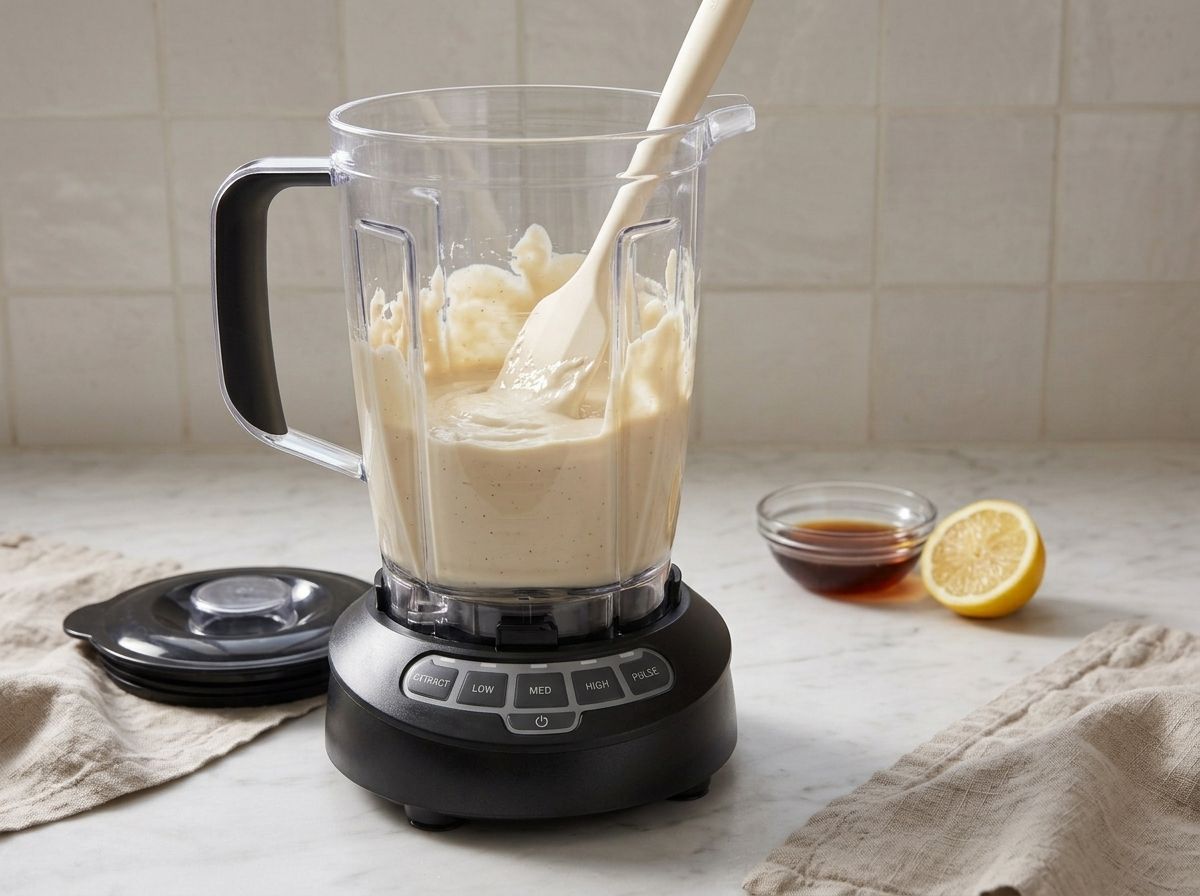
Blend the cream base
Blend the drained cashews with the coconut cream, maple syrup, lemon juice, vanilla and salt for 2 to 3 minutes, stopping to scrape the sides down, until you can rub a little between two fingers and feel no grit at all. Do not add water, however stiff it looks in the jug.
- 3
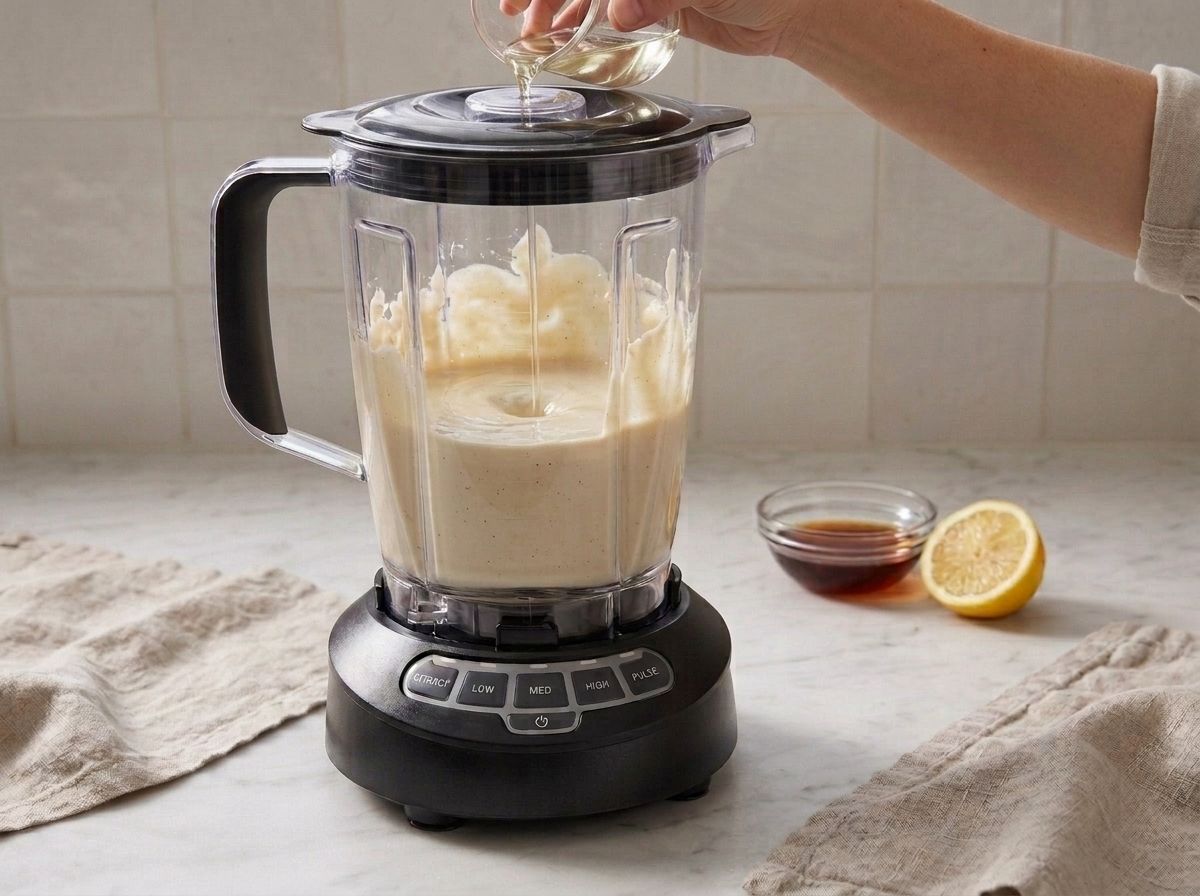
Stream in the coconut oil
With the blender running, pour the melted coconut oil in a thin stream and blend for another 20 seconds. Poured in cold or all at once it seizes into hard flecks. The cream stays loose and pourable at this stage, which is right; the coconut oil is what sets it in the fridge.
- 4
Dip the first layer
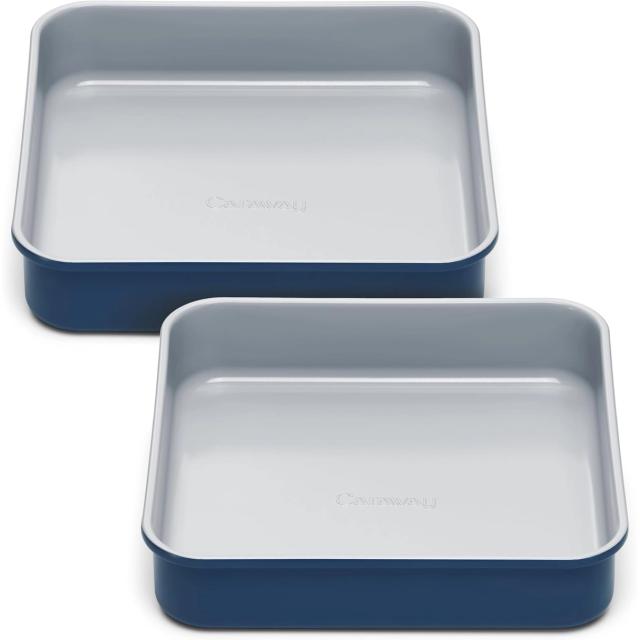
Stir the cold coffee and the coffee liqueur, if using, together in a shallow dish. Dip the ladyfingers one at a time, 3 or 4 seconds a side, and lay them in a single layer in a 9-inch square dish, glass if you have one so the layers show. Vegan ladyfingers are starchier than egg savoiardi and drink more slowly, so the split second a classic recipe calls for leaves them dry inside. Snap the first one in half and look: no pale core.
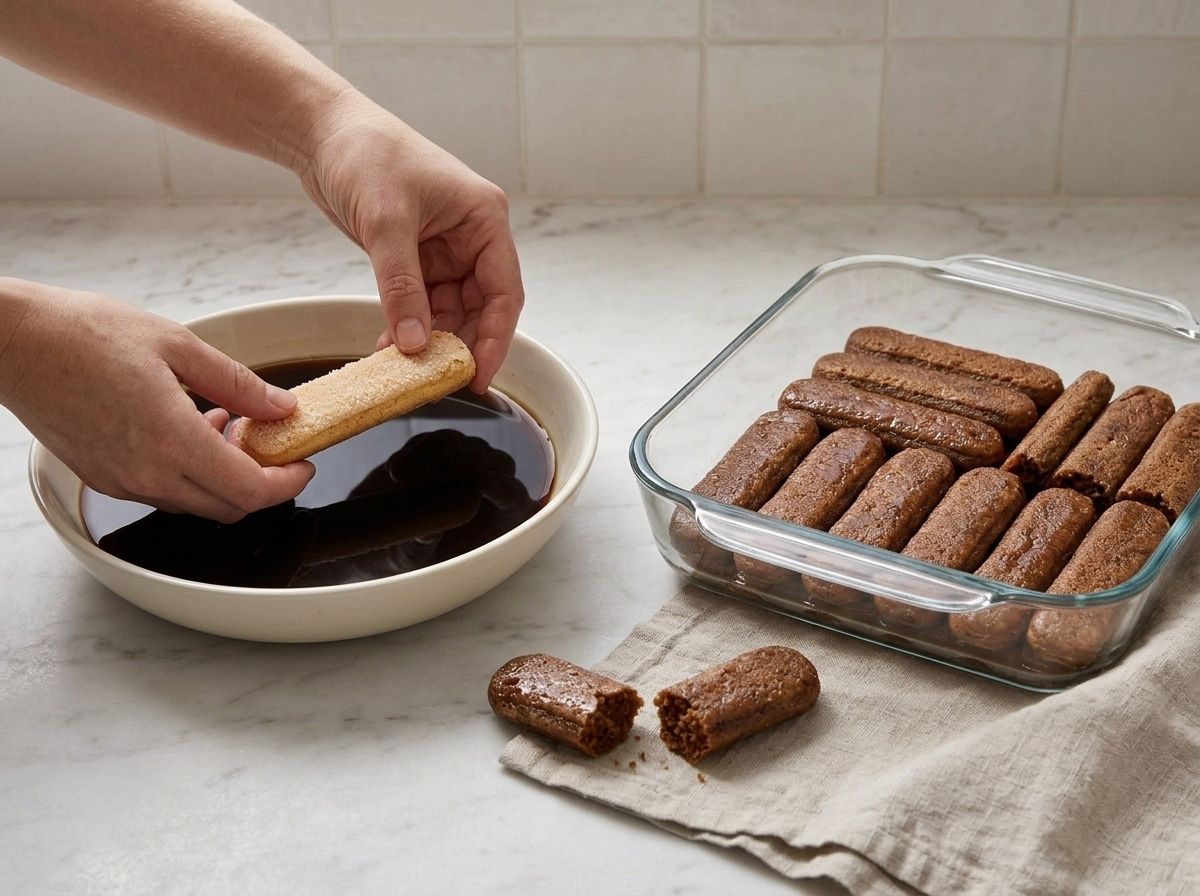
- 5
Layer the cream and repeat
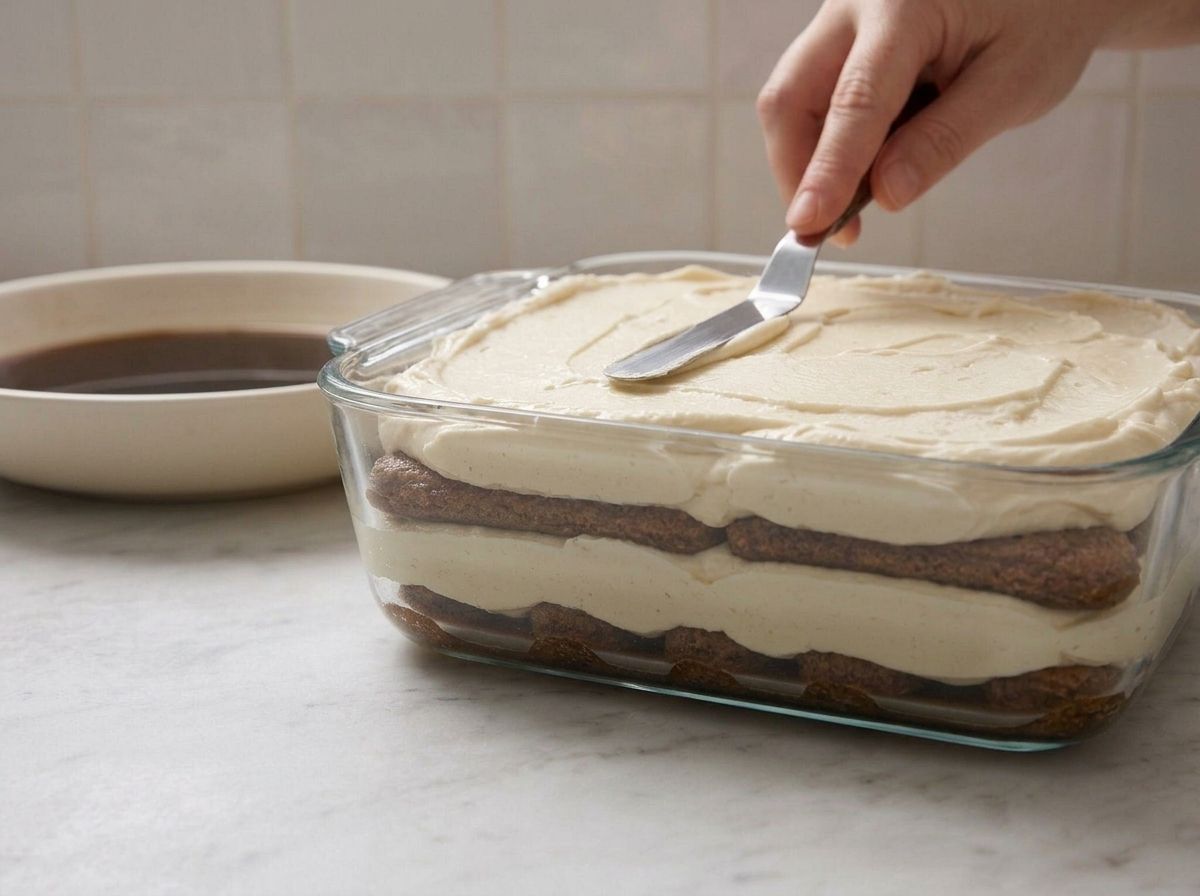
Spread half the cream over the ladyfingers and level it. Dip and lay the rest of the ladyfingers on top, breaking a few to fill the gaps, then spread the remaining cream over them and smooth the surface flat.
- 6
Chill until set
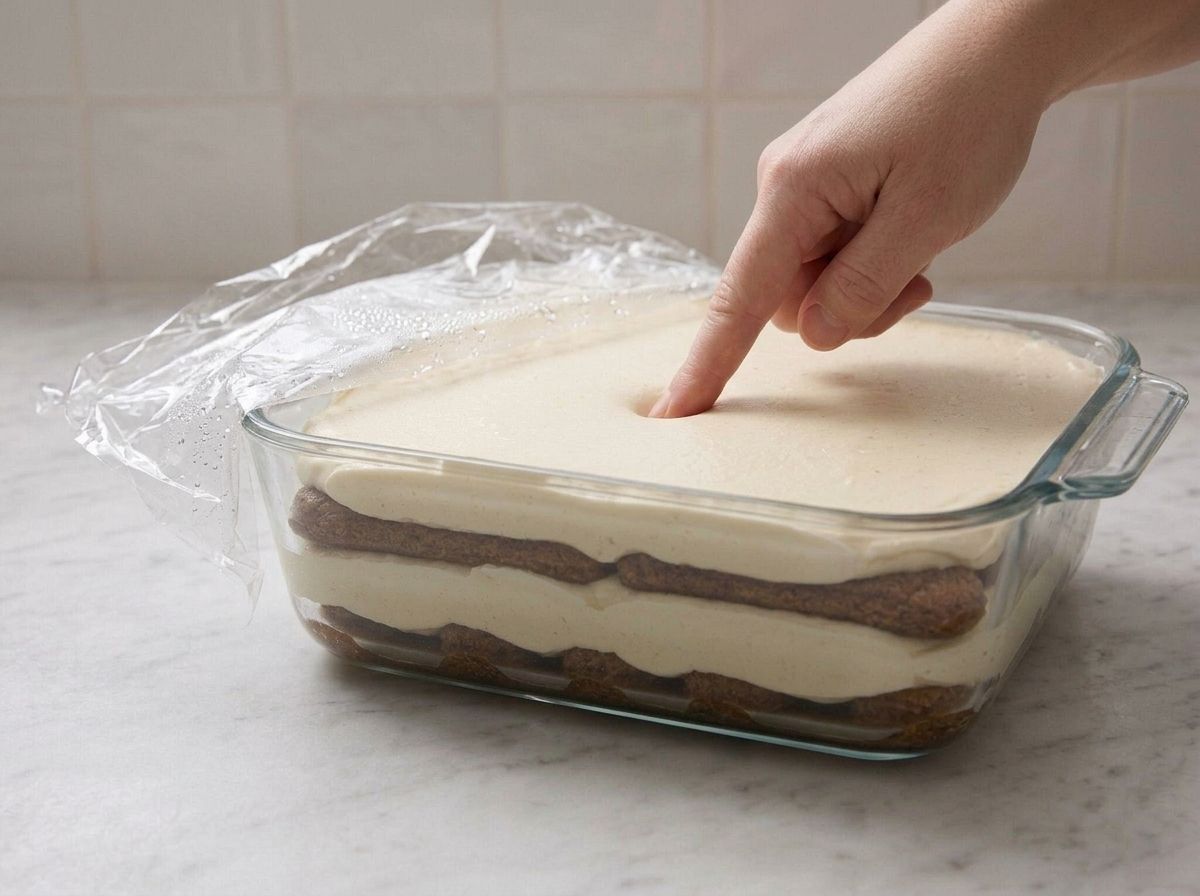
Cover and refrigerate for at least 4 hours, and overnight if you have the time. It is set when the surface springs back under a fingertip instead of holding the dent.
- 7
Dust and serve
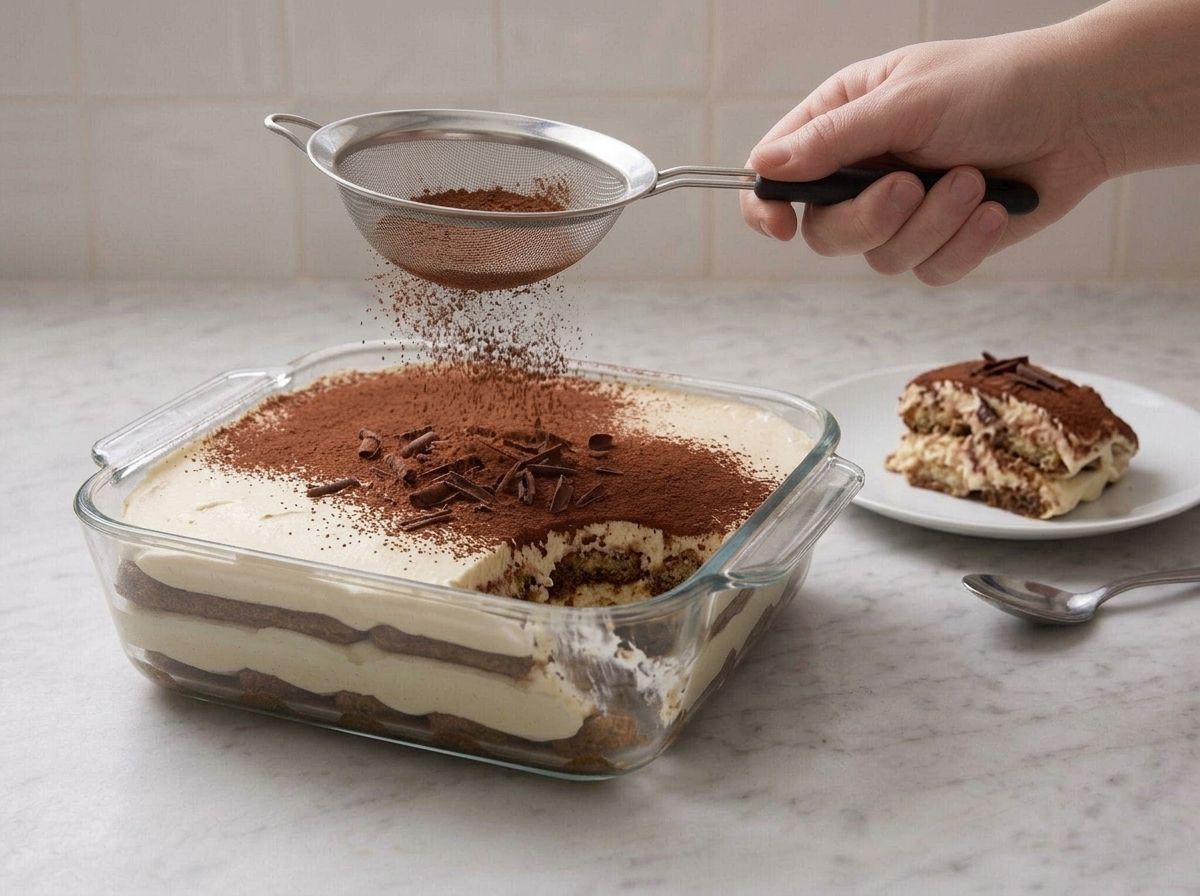
Just before serving, dust the top through a fine sieve with the cocoa and scatter over the chocolate shavings. Cocoa dusted hours ahead pulls moisture out of the cream and goes dark and patchy.
Notes
Refined coconut oil is the one with no coconut flavor. Unrefined, sometimes sold as virgin, tastes of coconut and fights the coffee.
Scoop only the solid cream from the top of a chilled can. The thin water underneath will loosen the filling.
The 5 hours in the total time is 1 hour of cashew soaking and 4 hours of chilling. Neither needs you in the kitchen.
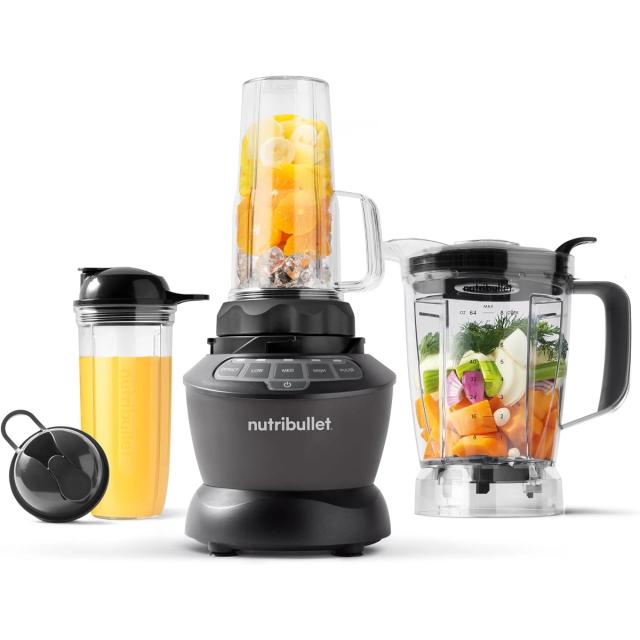
A high-speed blender gets the cream perfectly smooth. In a standard jug blender, soak the cashews overnight instead and expect to scrape the sides down four or five times.
Nutrition Facts
8 servings · 132 g per serving
- Calories
- 401 kcal
% Daily Value*
- Total Fat
- 26.6 g34%
- Saturated Fat
- 14.2 g71%
- Sodium
- 115 mg5%
- Total Carbohydrate
- 34.8 g13%
- Dietary Fiber
- 2.2 g8%
- Sugars
- 10.7 g—
- Protein
- 8.3 g17%
Recipe from veggierecipes.blog
When it goes wrong
Troubleshooting
The cream is still runny after a night in the fridge
Water got in, or the coconut oil did not. The usual routes are soaking water left on the cashews, thin liquid from the bottom of the coconut can, and water added to help a struggling blender. Scrape the filling back into the blender with 2 extra tablespoons of melted refined coconut oil, blend, spread it back over the biscuits and chill again.
There are hard white flecks through the cream
The melted coconut oil hit cold ingredients and set on contact, which happens if you tip it in all at once instead of streaming it in with the motor running. Stand the blender jug in a bowl of hot water for a minute to bring everything back above 76°F, then blend again.
The ladyfingers are dry and chalky in the middle
You dipped them for the split second classic recipes specify, which is the right advice for the wrong biscuit. Egg savoiardi are a dry meringue that drinks coffee instantly. Vegan ones are held together with starch and need 3 or 4 seconds a side. Wait before writing it off, though: moisture migrates out of the cream overnight, and a tiramisu that was chalky at 4 hours is usually fine at 24.
It slumped when I cut into it
Check first that this is a fault at all. Tiramisu is not a set cake and never was. In Treviso it is spooned out of the dish in soft heaps, and a version firm enough to lift in clean-edged slices has been over-set. If it is genuinely liquid rather than soft, it has not had its 4 hours, or the dish is wider than 9 inches and the layers are too thin.
It tastes sweet but flat, nothing like tiramisu
Something in the bitter half went missing: weak coffee, sweetened coffee, sweetened drinking chocolate in place of unsweetened cocoa, or the salt and lemon juice left out of the cream. Tiramisu works by holding a barely sweet cream against bitter coffee and cocoa. At the table, dusting on more unsweetened cocoa claws some of it back.
The cocoa on top went dark and patchy
It was dusted too early. Cocoa is thirsty and pulls moisture out of the cream underneath, so a top dusted before chilling turns to damp brown smears. Scrape it off with the flat of a knife and dust again in the last minute before serving.
Before you serve
Serving & Storage
Serve it the way Treviso does, spooned out of the dish rather than cut into slices. It should hold its shape on the spoon and then give, which is the texture the Tiramisù World Cup judges look for. Take it out of the fridge about 15 minutes ahead, because cold flattens both the coffee and the cocoa, and dust it in that window. What goes alongside is an espresso, not more cream: anything sweet next to it, a dessert wine included, loses the bitterness the dish is built on.
Making it ahead
This is a dessert that wants to be made the day before. Assemble it up to 48 hours ahead, keep it covered in the fridge, and leave the cocoa and chocolate until serving. What does not work is preparing the components separately. Blend the cream in advance and it sets solid in the fridge, and once set it cannot be spread over the biscuits without tearing them. It has to go on loose. Dipped ladyfingers do not keep either, so dip and layer in one go.
Storing leftovers
Covered in the fridge, 3 days. After that the biscuits break down and the dish weeps coffee into the bottom corner. Press cling film onto the cut face rather than only covering the dish, or the exposed cream dries into a skin. Do not leave it out on the counter: the coconut oil that sets the filling is liquid at room temperature, so an hour on the table is the difference between a tiramisu and a trifle.
Freezing it
It freezes better than a dairy tiramisu, because there is no egg in it to weep on thawing. Freeze it whole or in wrapped portions for up to a month, thaw overnight in the fridge, and dust the cocoa afterwards. Thawing on the counter will slump it. Eating it half frozen is fair game rather than a failure: the Friulian version served at the Vetturino in Pieris was a semifreddo, so a tiramisu eaten 15 minutes out of the freezer is another region’s idea of the same dessert.
Still wondering
Frequently Asked Questions
Is this vegan tiramisu gluten-free?
Not as written. Everything except the ladyfingers is naturally gluten-free, but savoiardi are a wheat biscuit and certified gluten-free vegan ones are rare outside specialist shops. Use a firm gluten-free vegan sponge cut into half-inch fingers and dried in a 300°F oven for 10 minutes, then dip for about 2 seconds a side rather than 4, because it drinks faster than wheat.
Is it safe in pregnancy, and how much caffeine is in a serving?
Classic tiramisu is usually off the list in pregnancy because it is built on raw egg yolk. There is no egg and no dairy here, so that reason does not apply. It does carry caffeine: 300 ml of strong coffee across 8 servings is roughly 30 mg each, about a third of a mug. Leave the liqueur out and there is no alcohol in it at all.
Can I double it?
Yes, into a 9x13 dish, which gives 16 servings at the same depth as the 9-inch square. Keep the depth the same rather than piling it higher, or the middle never chills and 4 hours stops being enough. One thing does not scale: a jug blender will not get a doubled batch of cashews smooth in one load, so blend the cream in two.
Featured In
More Dreamy Vegan Desserts
Made this?