
Vegan Key Lime Pie Recipe
Published · Updated
A zesty, creamy vegan key lime pie made with cashews and coconut milk, set in a crunchy graham crust. Refreshing, easy, and no baking required!
Jump To Recipe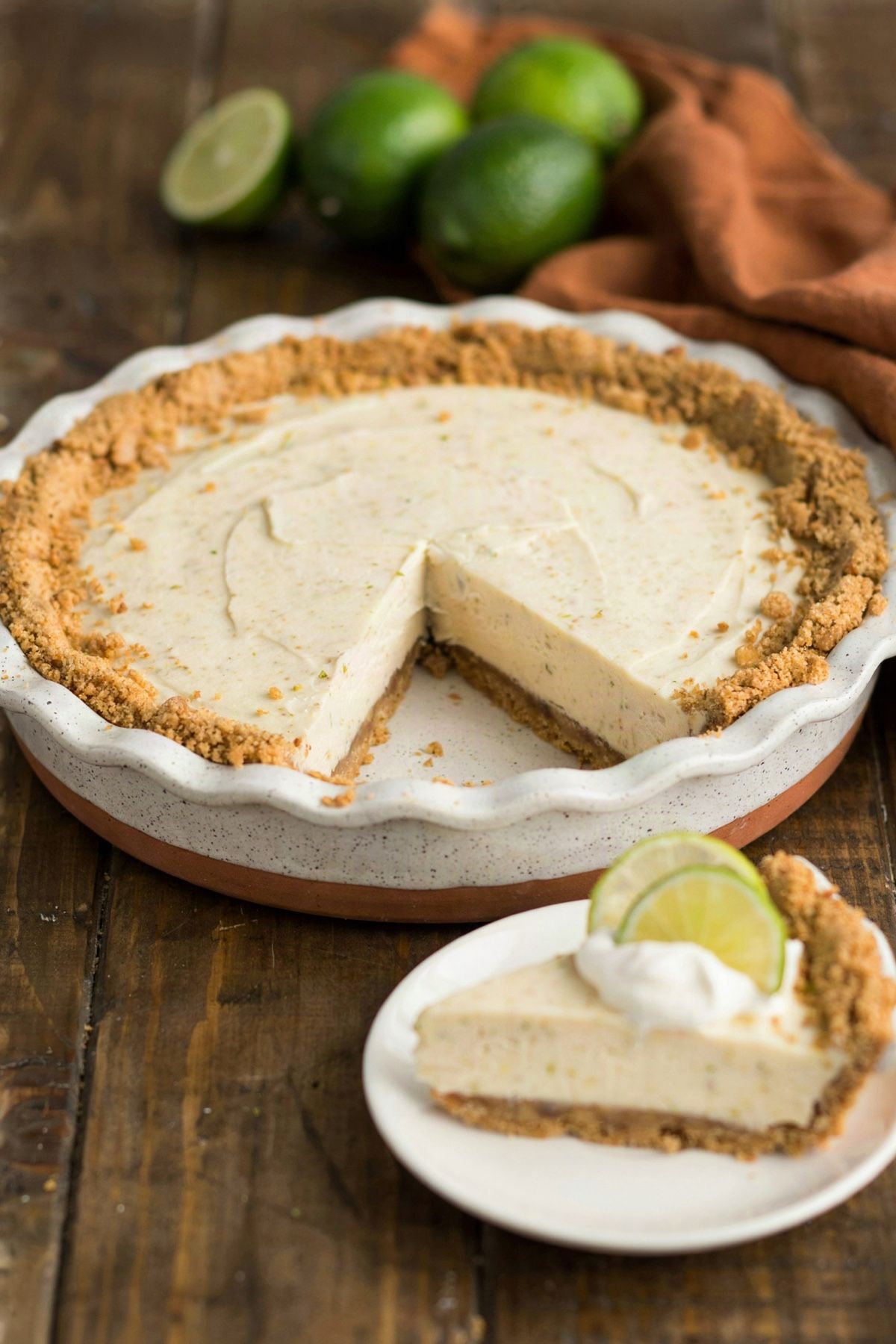
Why I Love This Vegan Key Lime Pie
You know, nothing hits the spot on a hot day quite like a cool, tart treat, and this vegan key lime pie absolutely delivers. I was honestly surprised by how creamy and satisfying the cashew-coconut milk filling turned out, no one ever questions if it's dairy-free.
The fact that it’s no-bake makes it perfect for those warmer months or when you just don’t want to heat up your kitchen. Plus, the texture stays spot-on as long as you chill it enough, and the crust’s sweet crunch is the perfect bite against all that zesty lime filling.
Here’s why I always come back to this recipe:
- It genuinely impresses guests, especially if you garnish with lime slices and coconut whip.
- You don’t have to turn on the oven, just prep, chill, and enjoy.
- It’s adaptable and easy to make ahead for gatherings or when you want a special treat ready to go.
If you like a little extra crunch or flavor, try adding some shredded coconut or toasted nuts over the top right before serving. Seriously, it takes this pie to the next level.
I’m willing to bet this will become a staple in your dessert rotation. Give it a shot. You’ll see what makes it so special.
The story
The Original Key Lime Pie Was Never Baked
Key lime pie comes out of Key West in the late 1800s, usually credited to Aunt Sally, cook to the ship salvager William Curry, though most food historians think she perfected something the sponge fishermen working the Keys were already making on their boats. Either way the constraint was the same. Key West had no fresh milk and no reliable ice until the 1930s, so the milk came out of a can: Gail Borden’s sweetened condensed milk, patented in 1856 and stable on a boat in the Gulf.
The part worth knowing is that nobody baked it. Lime juice sits around pH 2, and that much acid pushes condensed milk past the point where its proteins stay suspended. They coagulate, and the filling thickens on the counter with no heat at all. The pie set itself. The oven arrived later, when raw egg yolks stopped looking like a good idea, and the baked custard most restaurants serve is the newer recipe wearing the older name.
The lime went the same way. Key limes are small, thin-skinned and seedy, sharper and more floral than the Persian limes stacked in supermarkets. A 1926 hurricane flattened the Florida groves and growers replanted with Persian limes, which have no thorns, take a thicker skin and survive shipping. Commercial key lime growing in Florida never came back, so the pie is named for a fruit the state stopped producing a century ago. Florida made it the official state pie in 2006 regardless.
Which makes a no-bake vegan version less of a compromise than it sounds. This filling sets the way the first ones did, by chemistry rather than by oven, except that the structure comes from cashew and coconut fat firming as it chills instead of curdled milk protein. It keeps the shape of the original: assemble it, put it somewhere cold, walk away. And a real key lime pie is yellow, never green. This one sets pale ivory flecked with zest, which is about as honest as the color gets.
What to buy
Ingredient Notes
Raw cashews
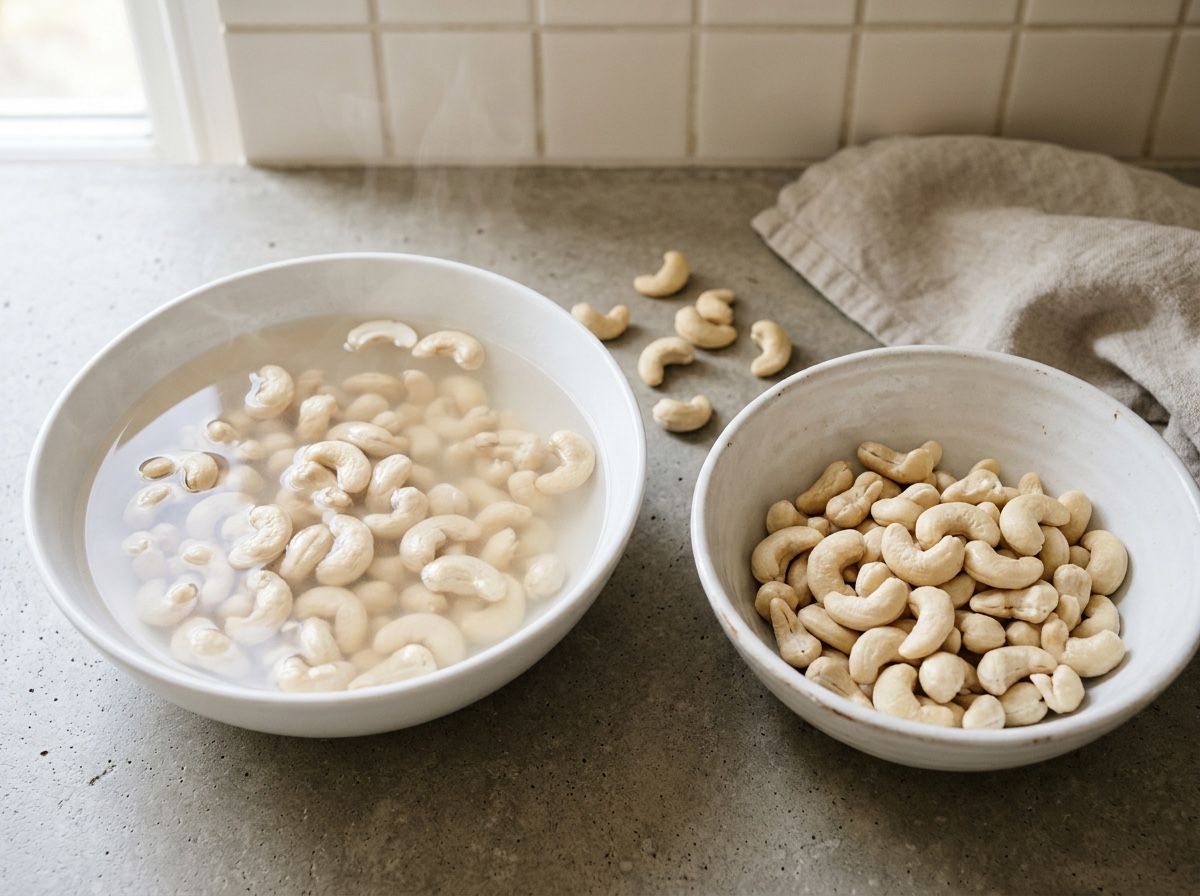
Raw, not roasted and not salted. Heat has already set the cell walls in a roasted cashew, so it will not break down to a cream, and the roast flavor sits on top of the lime. Fifteen minutes in just-boiled water is enough for a high-speed blender; a jug blender wants the overnight cold soak.
Refined coconut oil
This decides whether you get a pie or a bowl of lime cream. It is solid below about 24°C and liquid above, so it firms the filling as the pie chills, and nothing else in the recipe does that job. Refined has had the coconut flavor stripped out, which lets the lime lead; virgin sets identically but tastes as much of coconut as of lime. Never fractionated or MCT oil, which is engineered to stay liquid in the fridge.
Limes
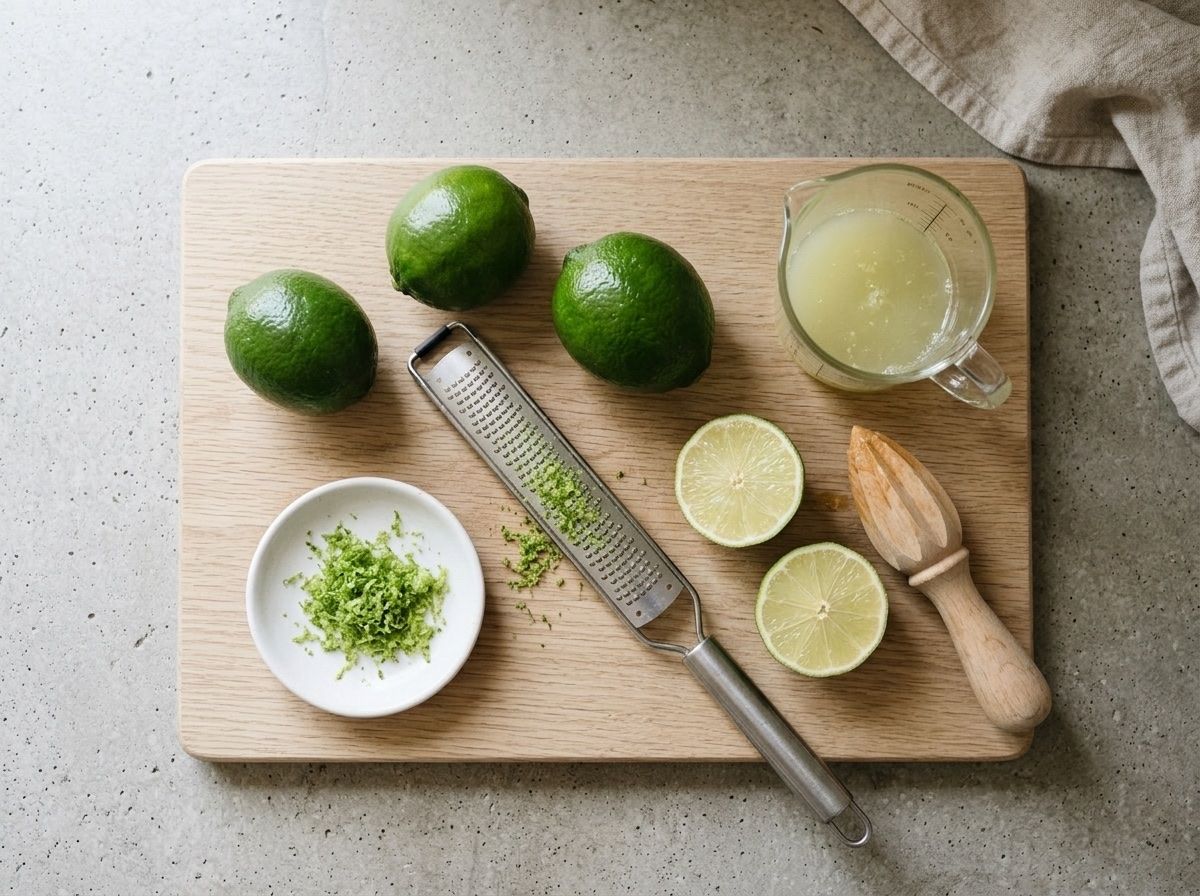
Key limes are worth the work if you can find them, more floral and more acidic, but half a cup of juice is about twenty of them. Four Persian limes get you there in a minute. Bottled key lime juice is not cheating, it is what most Key West bakers use, though it reads flatter for being pasteurized. If you go bottled, zest a Persian lime for the tablespoon of zest: the aromatic oils are what the bottle cannot give you.
Vegan graham cracker crumbs
Most graham crackers contain honey, including the obvious supermarket brands, so this is a label check rather than an assumption. Vegan-labeled grahams, digestive biscuits and Biscoff cookies all crumb the same way. Two cups is roughly fourteen full crackers, blitzed to sand, because uneven crumbs make a crust that shears along the coarse bits.
Canned full-fat coconut milk
The canned kind, not the carton drink and not the light version. Cartons are mostly water and will dilute a filling that has to hold itself together on fat alone. If the can has separated, warm it in a bowl of hot tap water and shake it back into one emulsion before measuring, so you take a fair sample rather than a quarter cup of pure cream.
Maple syrup
A liquid sweetener dissolves completely, where granulated sugar leaves a faint sandiness in a filling that never gets heated. Half a cup sounds like a lot until you see what it stands against: a condensed milk pie carries roughly twice this much sugar to the same half cup of lime juice. Pick a lighter amber grade, as the darkest bring a molasses note that argues with the lime.
Vegan Key Lime Pie
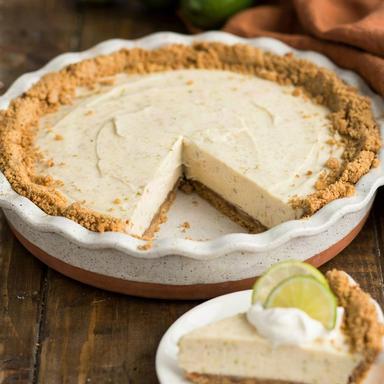
A no-bake vegan key lime pie: a pressed graham crust under a cashew and coconut filling that sets firm in the fridge, sharp with half a cup of fresh lime juice.
Ingredients
Equipment
As an Amazon Associate I earn from qualifying purchases, at no extra cost to you.
Instructions
- 1
Soak the cashews
Cover the cashews with just-boiled water and leave them 15 minutes, or cover them with cold water and leave them overnight in the fridge. They are ready when one crushes to a paste between finger and thumb with no grit in it. Drain and rinse.
- 2
Press the crust
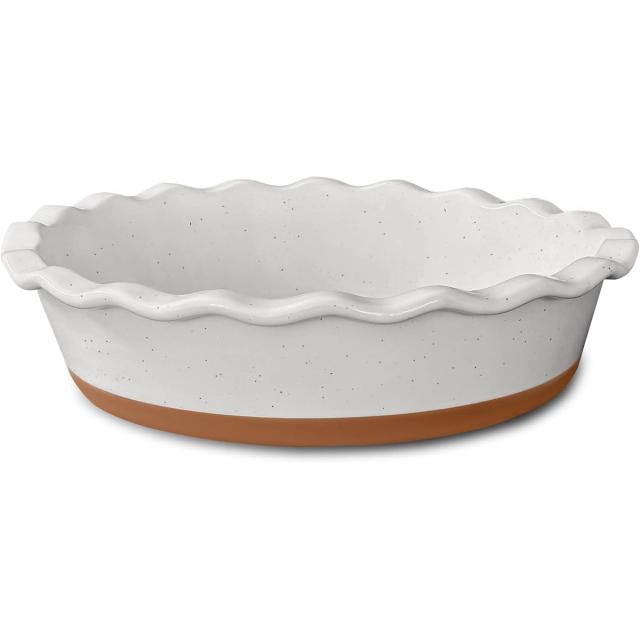
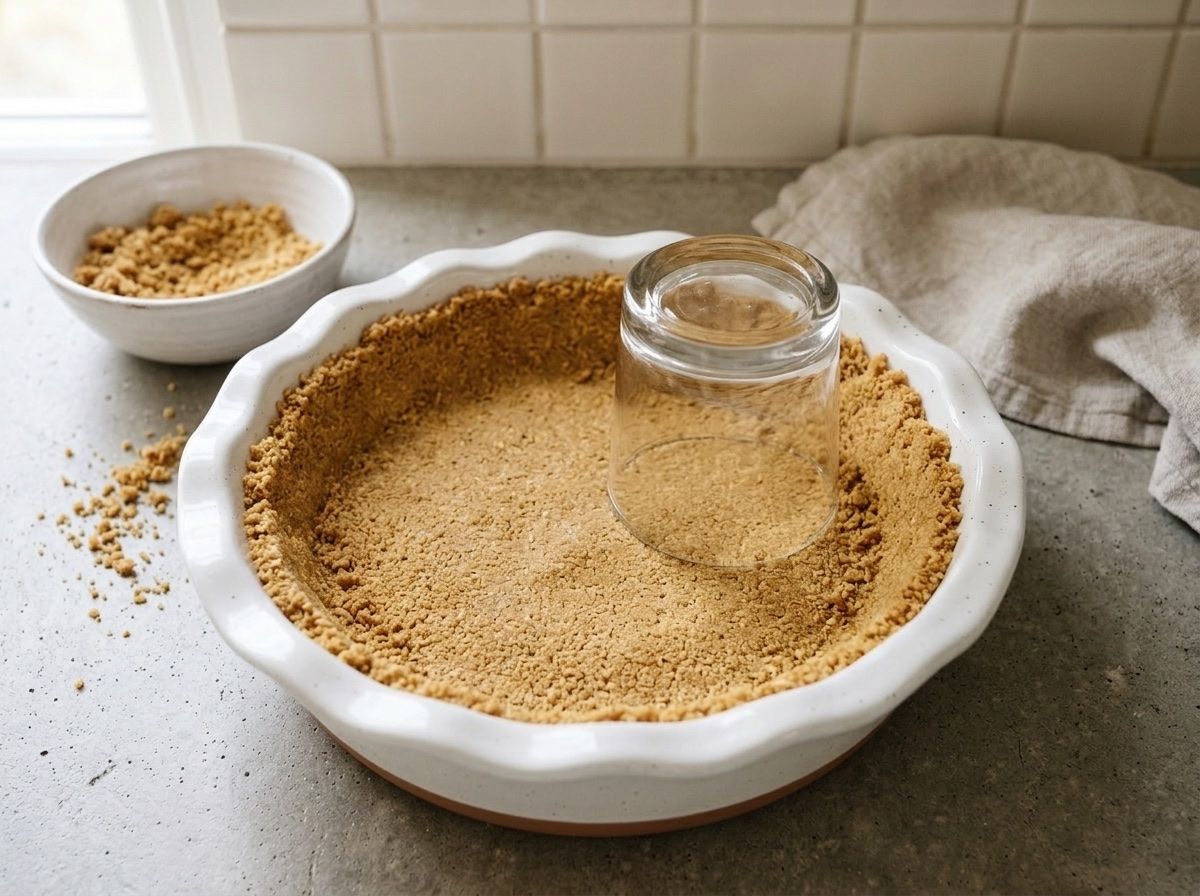
Stir the graham cracker crumbs, melted coconut oil and maple syrup together until every crumb is damp and a squeezed handful holds its shape. Tip it into a 9 inch pie dish and press it hard across the base and up the sides, using the flat bottom of a glass to compact it evenly. Freeze the crust while you make the filling, at least 15 minutes.
- 3
Zest and juice the limes
Zest the limes before you cut them, taking the green and none of the white pith underneath. Then juice them. Half a cup takes about 20 key limes or 4 Persian limes.
- 4
Blend the base smooth
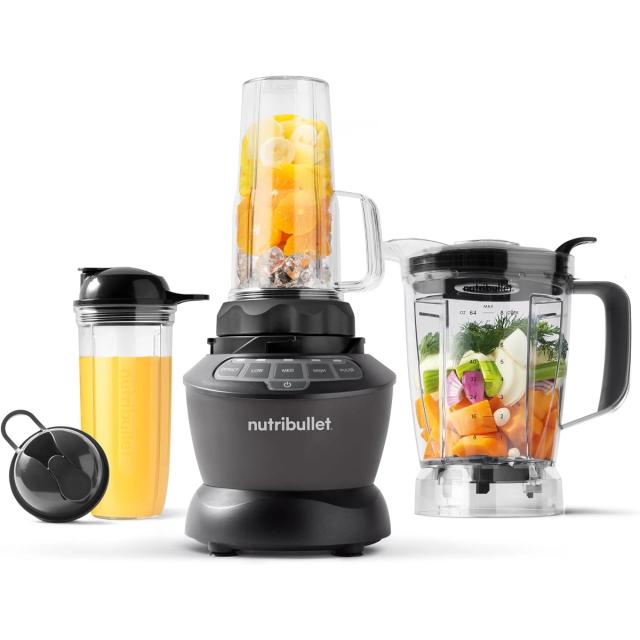
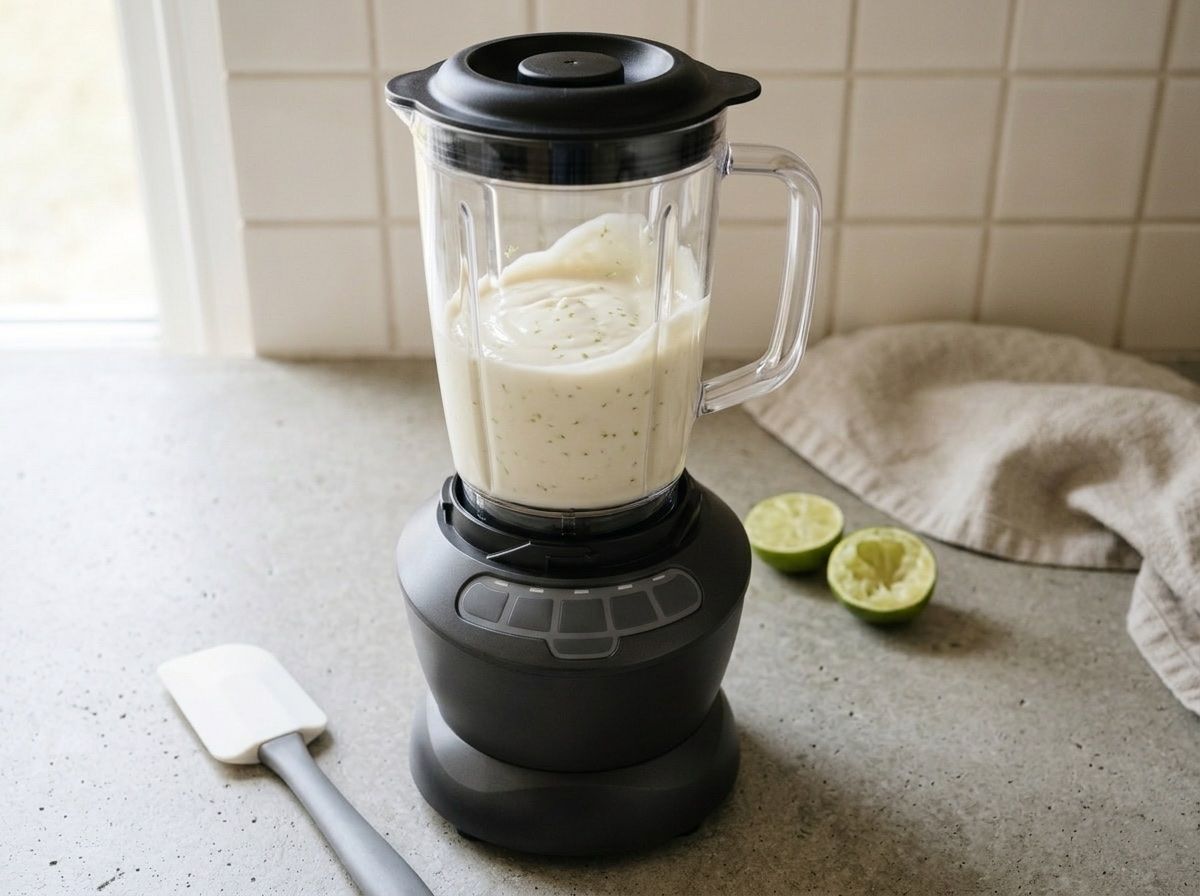
Put the drained cashews, coconut milk, lime juice, maple syrup, lime zest, vanilla and salt in the blender and run it two to three minutes, stopping to scrape the sides down. Keep going past the point where it looks finished, then rub a little between finger and thumb: any grit at all means it needs longer, and grit that goes into the dish stays there.
- 5
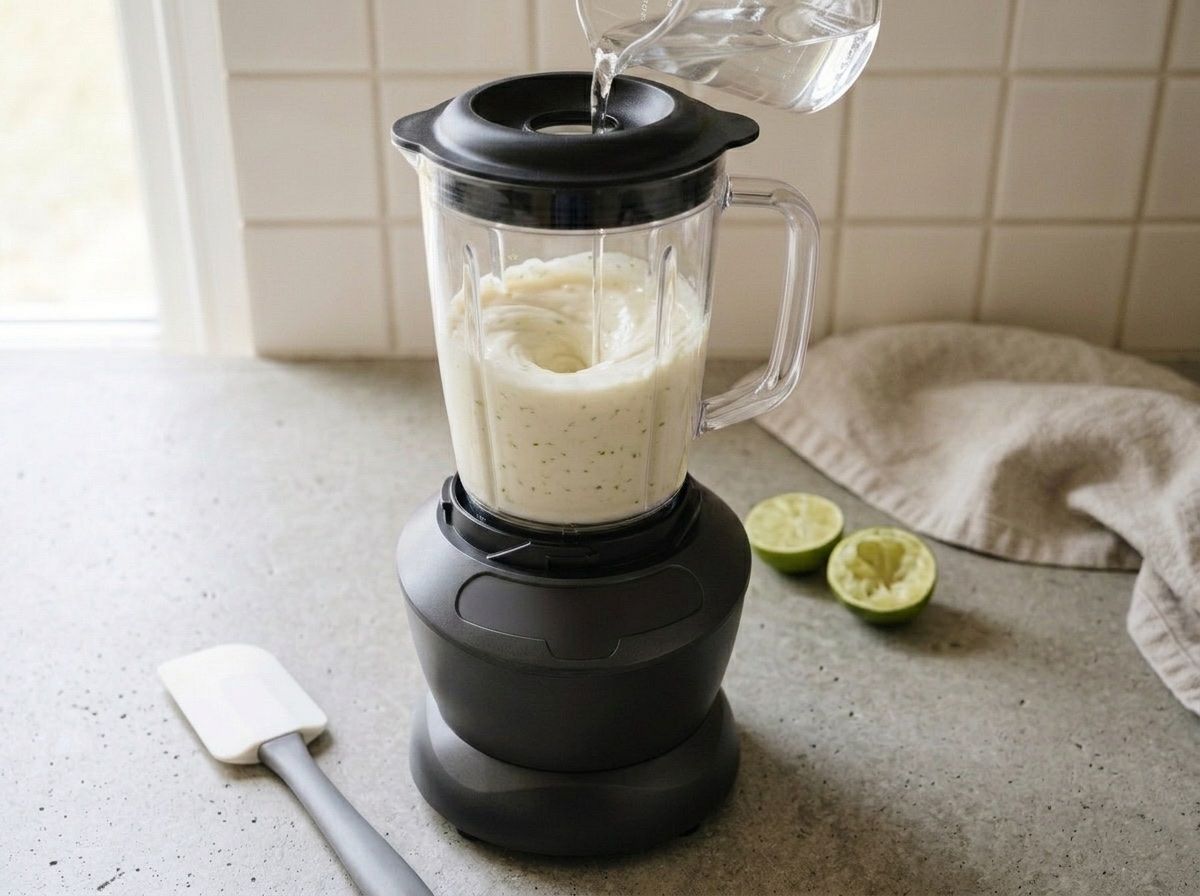
Stream in the coconut oil
With the blender running on a low speed, pour the melted coconut oil through the lid opening in a thin stream, then blend 30 seconds more. The oil has to meet a moving, room temperature base; poured onto a cold one it sets on contact and leaves white flecks through the filling. Taste it here and add maple syrup a tablespoon at a time if it is sharper than you want. There is no raw egg, so tasting costs nothing, and this is the last point at which anything can change.
- 6
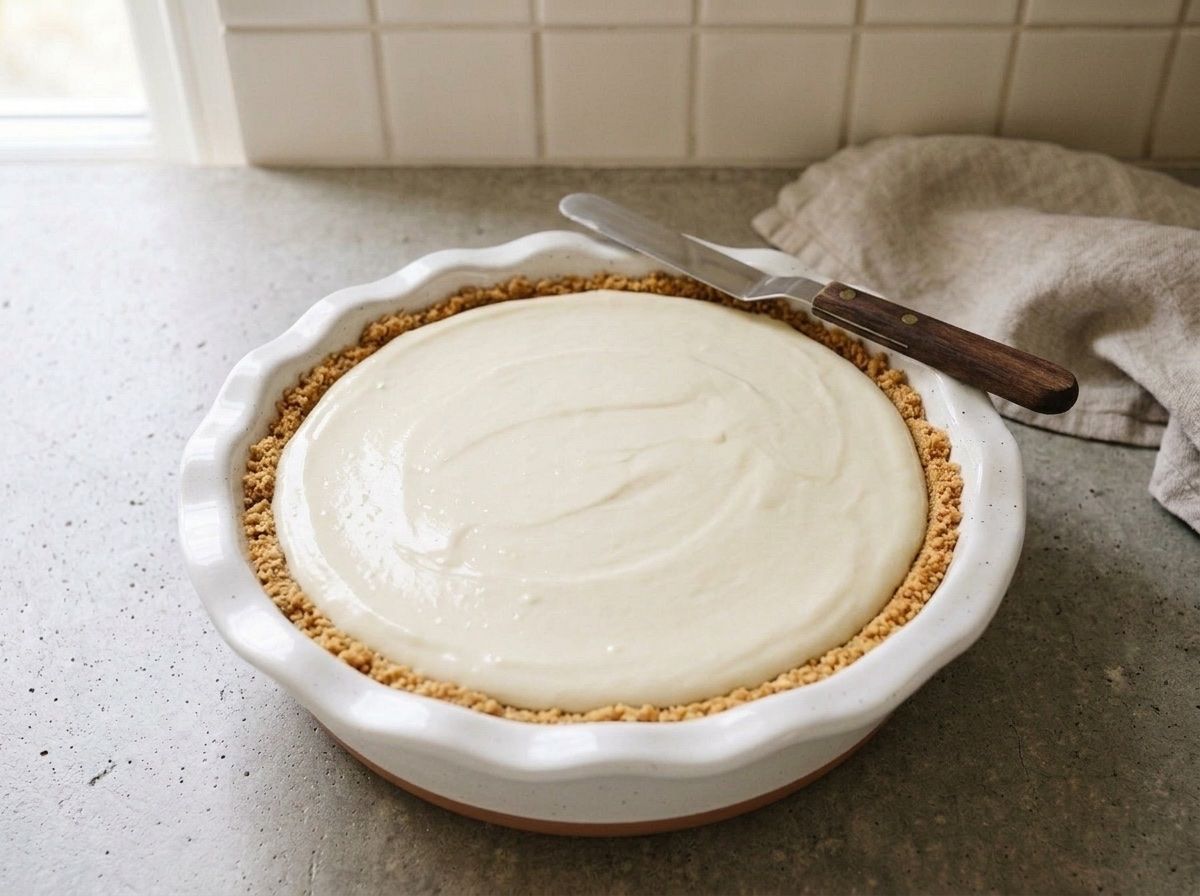
Fill and smooth
Pour the filling into the chilled crust, tap the dish on the counter a few times to knock out air pockets, and smooth the top with an offset spatula or the back of a spoon.
- 7
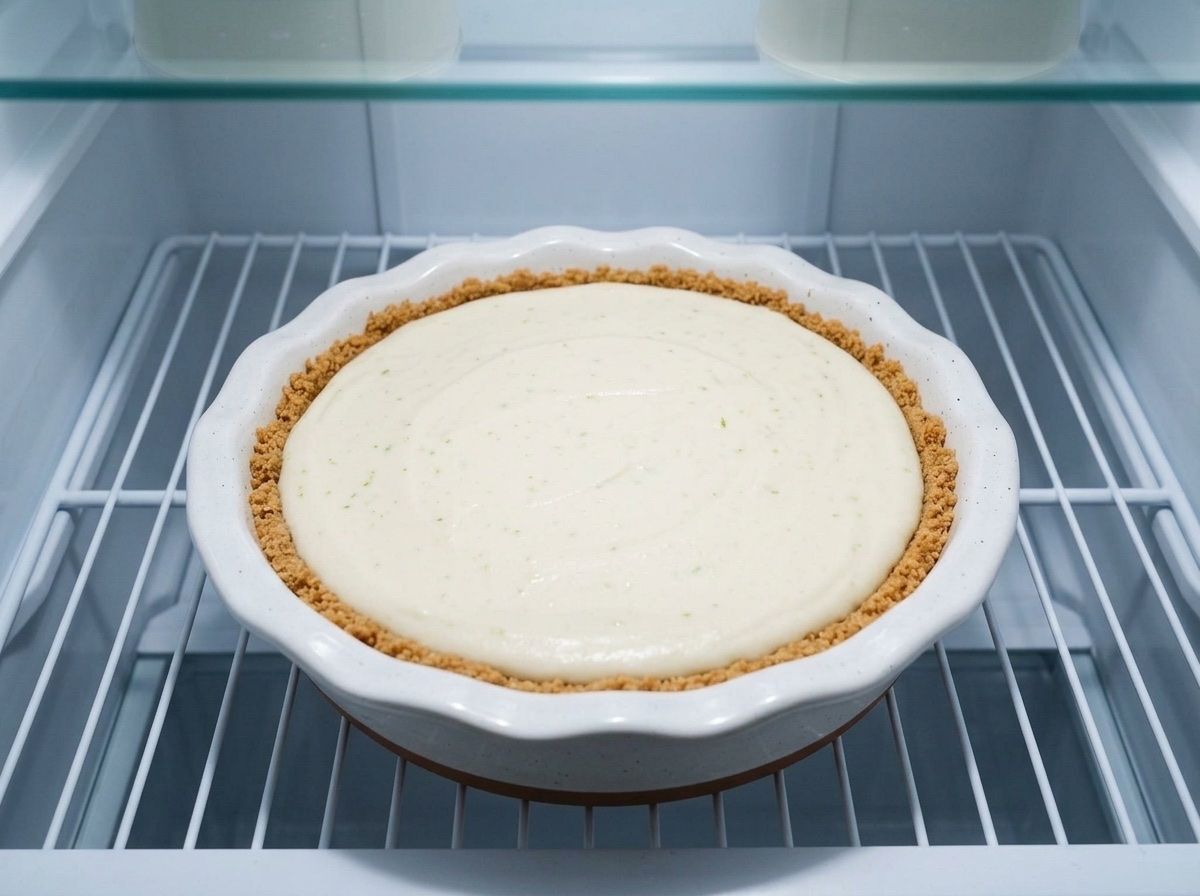
Chill until set
Cover the pie and refrigerate at least 4 hours, and 6 is better. It is set when the surface takes a light press without denting and the center no longer wobbles. An hour in the freezer is not the same shortcut: it firms the top while the middle stays soft, and the filling sinks once the pie comes back to fridge temperature.
- 8
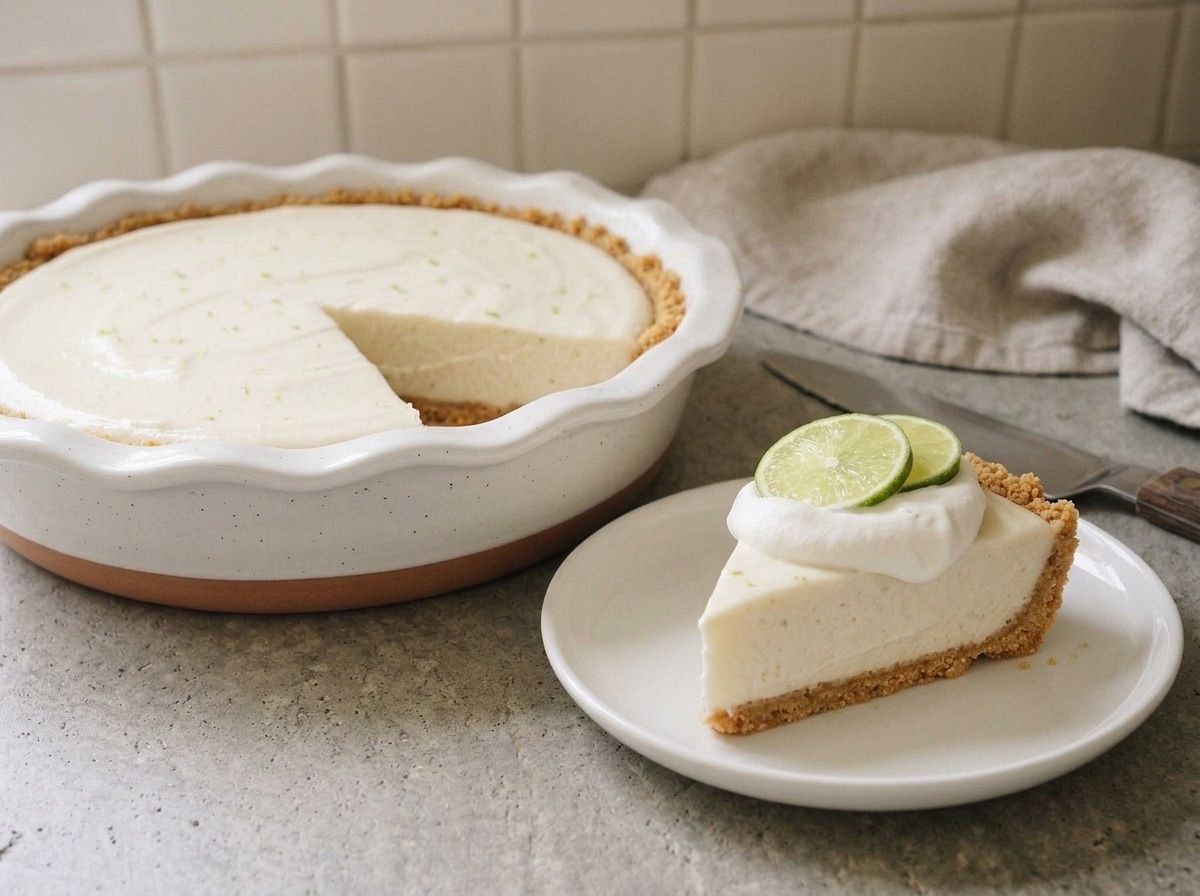
Temper, slice and serve
Take the pie out of the fridge 10 minutes before you cut it, because coconut oil sets hard and a slice cut cold drags and cracks. Use a long thin knife dipped in hot water and wiped dry between cuts. Finish with coconut whipped cream and thin lime slices, or toasted coconut.
Notes
Most graham crackers contain honey. Check the label, or use a vegan brand, digestive biscuits or Biscoff cookies, all of which crumb the same way.
Refined coconut oil is deliberate. It carries no coconut flavor, so the lime leads. Virgin coconut oil sets just as firmly but the pie ends up tasting as much of coconut as of lime.
Coconut milk means the canned full-fat kind, not the carton drink. The carton is mostly water and dilutes a filling that has to set on fat alone.
For a gluten-free pie, use gluten-free graham crackers. They crumb finer and drier, so add a tablespoon more melted coconut oil to the crust.
The overnight cold soak blends smoother than the 15 minute hot soak. Both work in a high-speed blender; in a jug blender, soak overnight.
Nutrition Facts
8 slices · 116 g per serving
- Calories
- 407 kcal
% Daily Value*
- Total Fat
- 25.8 g33%
- Saturated Fat
- 13.2 g66%
- Sodium
- 150 mg7%
- Total Carbohydrate
- 41.9 g15%
- Dietary Fiber
- 1.6 g6%
- Sugars
- 21.6 g—
- Protein
- 6.1 g12%
Recipe from veggierecipes.blog
When it goes wrong
Troubleshooting
The filling never set, it is still a thick cream
Almost always the coconut oil. Check that you measured it melted rather than scooping it solid, because the two volumes are not the same. After that it is time: four hours is the floor and six is reliable, and a pie moved to the freezer to hurry it will firm at the edges long before the middle. A filling that has genuinely failed is still worth eating. Freeze it properly and serve it as a semifreddo.
There are white flecks or hard specks through the filling
The melted coconut oil met a cold blender base and seized on contact, setting into shards before it could emulsify. It is fixable while the filling is still in the blender: warm the jug in a bowl of hot water until the specks melt, then blend again on low. Next time let the base come to room temperature and stream the warm oil in with the motor already running.
It tastes sharp and sour and somehow flat
It is under-sweet rather than over-limed. Sugar is not decoration here, it is the counterweight to half a cup of raw acid, and without enough of it the lime reads as one thin note. Add maple syrup a tablespoon at a time, and a little more salt with it, before the filling goes into the crust. There is no raw egg to worry about, so taste freely. Once it is chilling, nothing can be changed.
The filling is gritty on the tongue
Under-soaked or under-blended cashews, and it cannot be fixed after the pie has set. Test before you pour: rub a smear between finger and thumb, and if you feel any texture at all, run the blender another minute. Blending in two smaller batches helps, because a half-empty jug keeps the mixture moving through the blades.
My pie is not green
It should not be. Key lime juice is pale yellow, key lime pie is yellow, and a green one has had food coloring added, which traditional Keys bakers are rude about. A cashew and coconut filling sets ivory with green flecks of zest, the honest color of what is in it. To push it greener, add another teaspoon of zest rather than dye.
The crust falls apart when I slice it
The crumbs were probably not compacted hard enough, so press with the flat base of a glass rather than fingertips and lean on it, and give the crust its fifteen minutes in the freezer before the filling goes on. If the crust is sound and the slices still shatter, the pie was cut too cold: set coconut oil makes the filling drag and the crust break under it.
Before you serve
Serving & Storage
The argument that never ends in the Keys is meringue against whipped cream, and every pie window in Key West has picked a side. Whipped cream has the edge, and it is the easy one to answer here: a can of coconut cream chilled overnight, the solid part whipped with a tablespoon of powdered sugar, spooned on at the table rather than spread over the pie in advance.
Serve it cold and cut small. Eight slices from a 9 inch pie is the right portion rather than a mean one, because a filling built on cashews and coconut oil is far richer than a custard. It wants something plain alongside rather than more sweetness: black coffee, strong tea, or fresh berries with nothing on them.
Making it ahead
This is a make-ahead dessert by construction rather than by concession. A pie assembled the day before is better than one made the same morning, because the crust firms and the lime settles into the filling instead of sitting on top of it. Three days ahead is fine. Keep the whipped coconut cream separate until you serve, since it weeps within a few hours on a cold surface.
Storing leftovers
Covered in the fridge it keeps five days, though the crust softens from about day three as it takes on moisture from the filling. It freezes for up to a month, whole or in slices separated with baking paper, and wants thawing overnight in the fridge rather than on the counter, which softens the outside while the middle is still solid.
What does not work is leaving it out. Coconut oil is soft at room temperature and the whole structure depends on it staying cold, so a pie set out on a buffet slumps inside an hour. Cut what you need, put the rest back, and bring out the second half later.
Still wondering
Frequently Asked Questions
Is this vegan key lime pie gluten-free?
Not as written, but the crust is the only thing standing in the way. The filling is naturally gluten-free, so gluten-free graham crackers are the whole job. Read both labels while you are there, because vegan and gluten-free rarely arrive in the same box. Gluten-free grahams crumb finer and drier, so add a tablespoon more melted coconut oil or the crust will not hold.
Can I make it without cashews?
Yes, but pick the substitute for what the cashews are doing, which is body rather than flavor. Raw sunflower seeds swap in at the same weight and are the standard nut-free answer, with two caveats: give them the full four-hour cold soak even if you would have used the hot shortcut, and expect a grayer filling and a faintly seedy flavor under the lime. An extra tablespoon of maple syrup covers the second.
Featured In
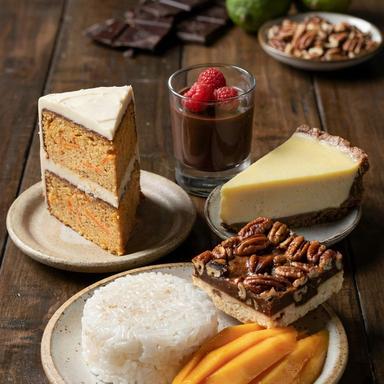
More Refreshing Vegan Summer Desserts
Made this?